14 Odd Inventions That Only Sold in One Country
Innovation doesn’t always translate across borders. Sometimes, cultural quirks, local needs, or just plain unusual thinking lead to products that never make it beyond their country of origin. While these inventions might seem practical or even necessary in their homeland, they often leave the rest of the world scratching their heads in bewilderment.
Here is a list of 14 peculiar inventions that found markets in just one country, yet struggled to gain traction anywhere else in the world.
Solar-Powered Clay Refrigerators (Nigeria)

Nigerian inventor Mohammed Bah Abba created pot-in-pot refrigerators that cool food without electricity using simple evaporation principles. The design consists of a smaller clay pot inside a larger one, with wet sand filling the space between them.
As the water evaporates, it pulls heat from the inner chamber, keeping fruits, vegetables, and medicines cool for days in hot climates, yet this ingenious cooling system remains primarily used in rural Nigeria where conventional refrigeration is unavailable.
Heated Toilet Seats with Control Panels (Japan)

Japan’s high-tech toilets feature heated seats, built-in bidets, and control panels that might intimidate astronauts. These bathroom thrones come with enough buttons to launch a rocket, including settings for water temperature, pressure, and even ambient music to mask natural sounds.
Despite their impressive functionality, these elaborate commodes never caught on outside Japan, where bathroom visits remain a much simpler affair.
Like Go2Tutors’s content? Follow us on MSN.
Anti-Smog Bicycles (China)

Chinese engineers developed bicycles with built-in air purifiers that filter pollution while riders pedal through smoggy cities. These innovative cycles pull in dirty air through front-mounted intakes, pass it through HEPA filters, and release clean air toward the rider’s breathing zone.
Despite China’s significant urban air quality challenges that inspired their creation, these eco-friendly vehicles haven’t spread to other pollution-prone metropolitan areas around the world.
Tuk-Tuk Food Delivery Apps (Thailand)
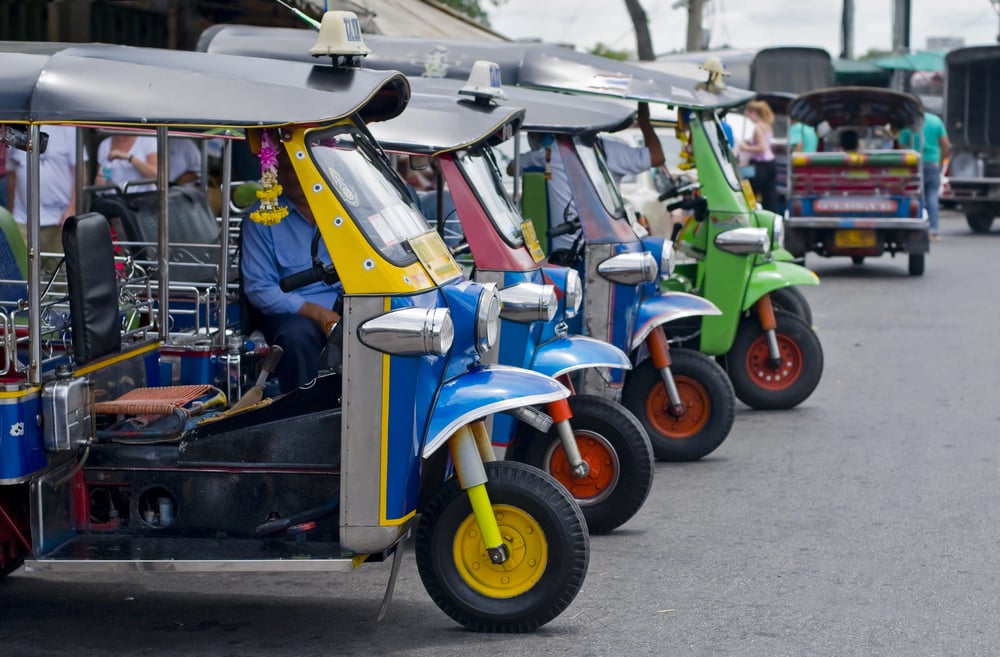
Thailand pioneered specialized food delivery applications specifically designed for three-wheeled tuk-tuk vehicles navigating Bangkok’s congested streets. These apps feature unique mapping algorithms that account for narrow alleyways inaccessible to cars and motorcycles, along with specialized heat-retention packaging designed for the open-air vehicles.
While revolutionizing meal delivery in Thailand’s capital, the highly specialized nature of these services limited their expansion beyond national borders.
Butter Sticks in Paper Wrappers (United States)

Americans might be surprised to learn their standard stick butter packaging is virtually unknown elsewhere. These perfectly portioned, paper-wrapped sticks with measurement markings printed directly on the wrapper streamline baking and cooking.
Outside the U.S., butter typically comes in blocks or tubs without such convenient measurement guides, making precise cooking measurements more challenging.
Like Go2Tutors’s content? Follow us on MSN.
Matone Phone Shields (Kenya)
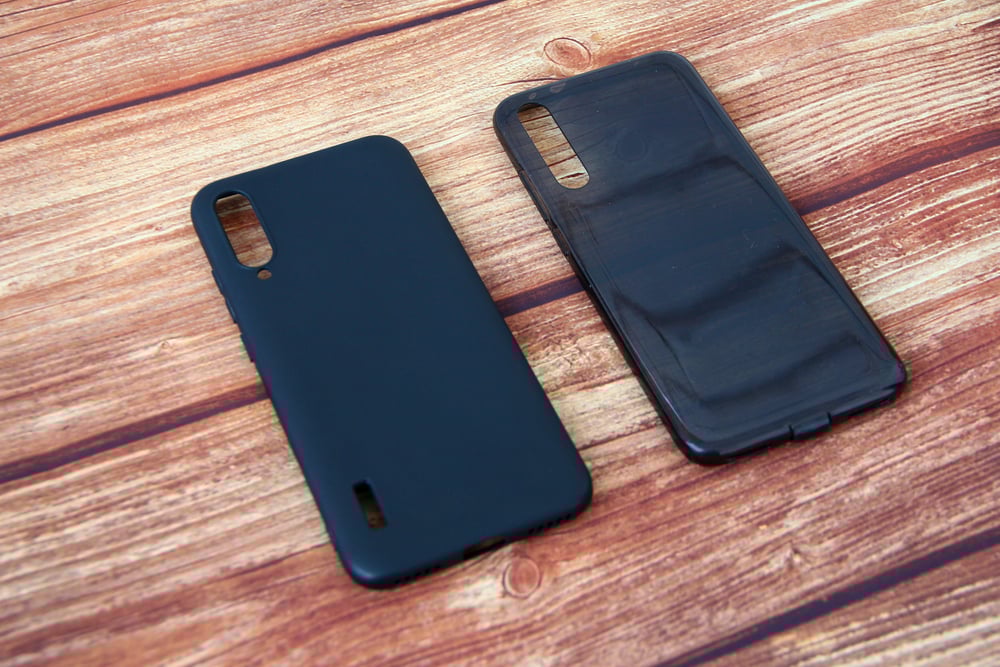
Kenyan entrepreneurs created specialized phone cases with integrated solar chargers and theft-deterrent features designed specifically for the challenging conditions of rural East Africa. These rugged protectors include dust filters for desert conditions, water-resistant seals for monsoon seasons, and GPS trackers that work with local networks.
Despite solving multiple problems faced by Kenyan mobile users, these multi-function cases haven’t caught on in other markets where specialized solutions for individual issues are preferred.
Automated Cucumber Sorters (Japan)
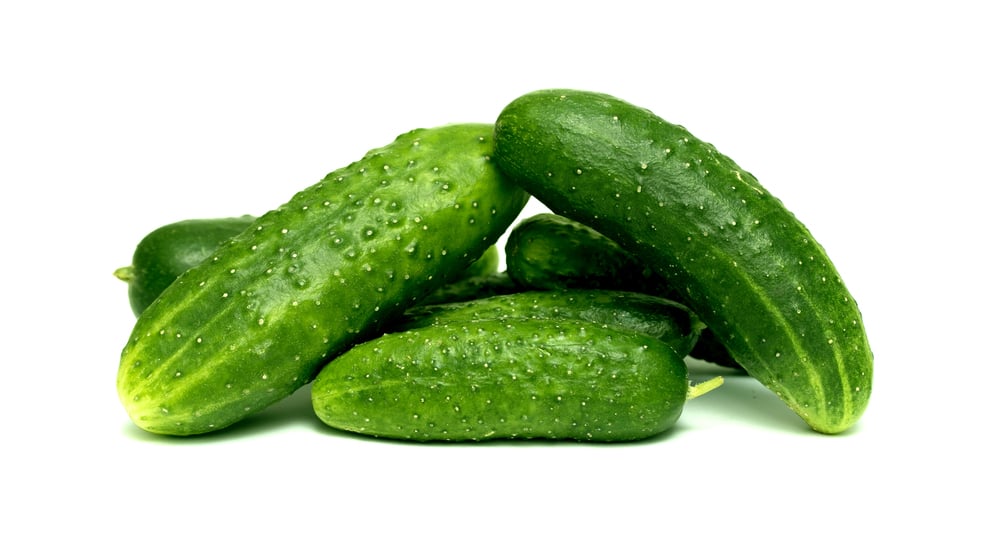
Japanese farmers developed remarkably sophisticated machines that sort cucumbers by size, shape, color, and even texture using computer vision. These devices can process hundreds of cucumbers per hour with astonishing accuracy, categorizing them into up to nine different quality grades.
The technology remains primarily used in Japan, where precise vegetable grading commands premium prices that justify the expensive machinery.
Rain-Harvesting Umbrellas (Taiwan)

Taiwanese designers created umbrellas that collect rainwater while protecting users from downpours in the typhoon-prone island nation. These clever devices feature channels along the canopy edges that direct water into a collection chamber in the handle, which can later be emptied into plants or water filters.
Despite Taiwan’s frequent heavy rains that make these practical locally, international markets continue to view umbrellas solely as rain shields rather than collection tools.
Like Go2Tutors’s content? Follow us on MSN.
Noise-Canceling Prayer Mats (United Arab Emirates)

UAE technologists developed prayer mats with built-in noise-canceling technology to create zones of auditory tranquility for daily prayers in busy urban environments. These mats contain microphones that detect ambient noise and emit counter-frequencies through nearly invisible speakers embedded around the perimeter.
While addressing a specific need for UAE’s Muslim population, these specialized mats found limited interest in other Muslim-majority countries where traditional prayer spaces already provide suitable environments.
Rubber Duck Racing Timers (United Kingdom)

British bathtub enthusiasts developed waterproof timers specifically designed for competitive rubber duck racing. These specialized devices can track multiple ducks simultaneously, recording finish times down to milliseconds.
The peculiar invention caters to charity duck races popular throughout the UK, yet hasn’t found markets elsewhere, where rubber ducks remain simple bath toys rather than racing competitors.
Sand Storm Filtration Masks (Morocco)

Moroccan textile engineers created specialized breathing masks that filter the finest sand particles during the Saharan wind storms that frequently sweep across the country. These masks use locally-sourced materials with layered filtration systems specifically calibrated for desert particulates rather than industrial pollutants.
Despite their effectiveness against sand, these masks never gained popularity outside North Africa, where different environmental challenges require different filtration approaches.
Like Go2Tutors’s content? Follow us on MSN.
Collapsible Market Delivery Baskets (Vietnam)
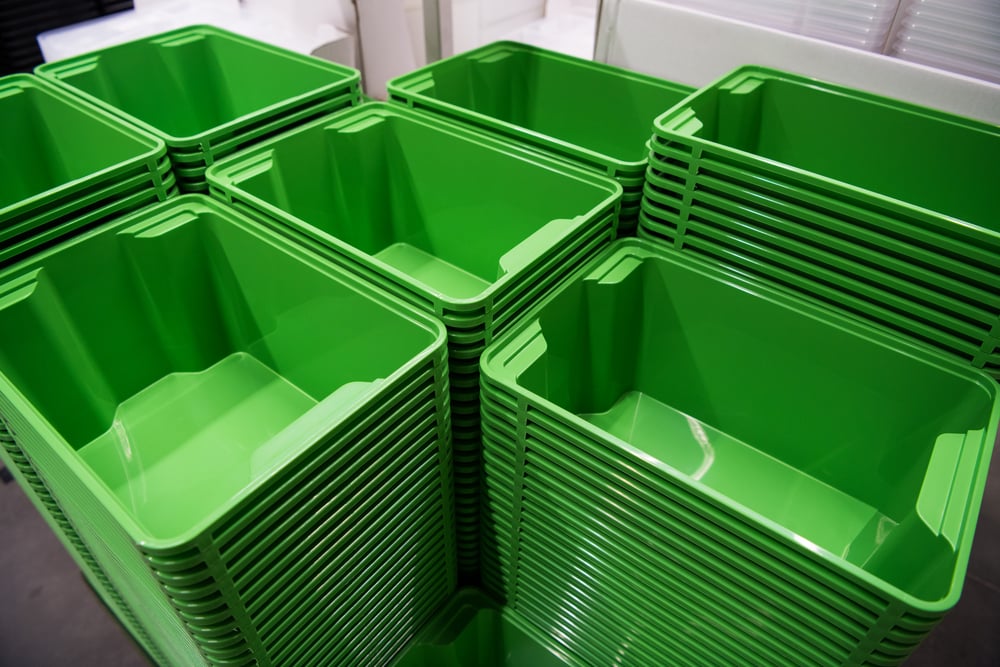
Vietnamese entrepreneurs developed expanding bamboo baskets that quadruple in capacity when filled but collapse completely flat for easy transport on motorbikes by delivery drivers. These ingenious carriers feature telescoping sections with built-in support structures that automatically deploy when weight is added.
Though perfectly suited to Vietnam’s motorcycle-dominated delivery culture, these specialized carriers never caught on internationally where different transportation methods prevail.
Mosquito-Deterring Smartphone Apps (India)
Indian developers created smartphone applications that emit high-frequency sounds to repel mosquitoes. These apps claim to mimic the wing beat frequency of dragonflies, natural predators that mosquitoes instinctively avoid.
While downloads numbered in the millions across India, scientific skepticism and cultural differences prevented these apps from gaining serious traction in other mosquito-prone regions.
Electric Tea Flask Kettles (Ethiopia)
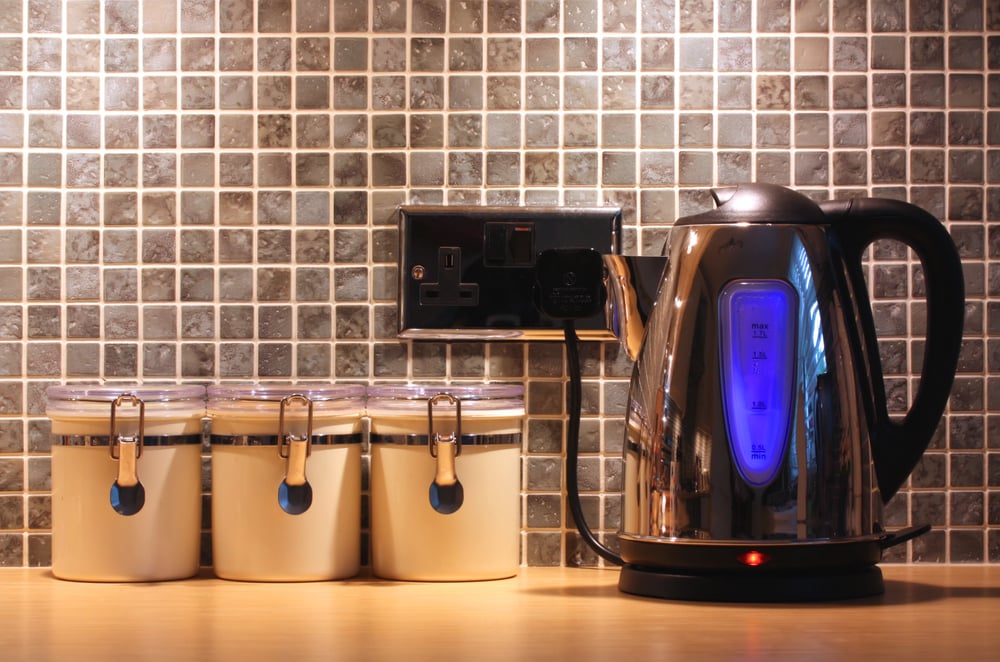
Ethiopian manufacturers created portable electric flasks that both heat and maintain the temperature of tea for hours while on the move. These devices feature built-in temperature controls calibrated specifically for the ideal brewing conditions of Ethiopian spiced tea, along with specialized filters for the unique herbs used locally.
Despite Ethiopia’s strong tea culture that embraced these devices, they never caught on internationally where different brewing methods and temperature preferences exist.
Like Go2Tutors’s content? Follow us on MSN.
Inventions Without Borders
These quirky inventions reflect the incredible diversity of human problem-solving across different cultures and environments. From Nigeria’s electricity-free refrigeration to Ethiopia’s specialized tea flasks, innovations often emerge from specific local challenges that mainstream global markets haven’t addressed.
The ingenuity displayed in these country-specific inventions reminds us that context matters tremendously in determining what’s useful versus what’s merely novel. Perhaps the next time you travel abroad, you’ll encounter a peculiar gadget that makes perfect sense to locals but leaves you wondering how you ever lived without it.
After all, today’s odd local invention might become tomorrow’s global must-have.
More from Go2Tutors!

- 18 Unexpectedly Valuable Collectibles You Might Have Lying Around
- 20 Little-Known Historical Battles That Had Huge Consequences
- 20 Historical Artifacts That Scientists Can’t Explain
- 15 Inventions That Were Immediately Banned After Being Created
- 20 Actors Who Were Almost Cast in Iconic Roles
Like Go2Tutors’s content? Follow us on MSN.