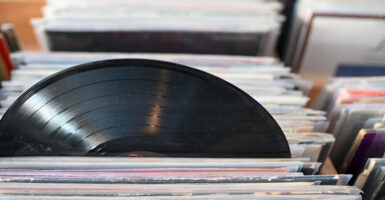
14 Old Record Store Displays That Survived the Sale
When a record store closes, the stock gets sold and the shelves get hauled away, but a few of the fixtures that made the place feel like a destination manage to survive. Signs, bins, and cardboard promotional pieces were never meant to last, yet some ended up in basements, collectors’ rooms, and even on rooftops.
These were the pieces that turned a retail floor into an experience, and they often tell more about a shop’s personality than the records themselves. Their value depends heavily on condition, since cardboard fades and neon cracks.
The Giant Nipper on the Albany Rooftop
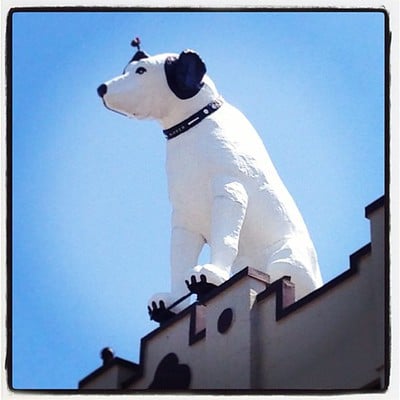
A four-ton statue of Nipper, the dog from the “His Master’s Voice” trademark, sits on the roof of a former RCA distributor building at 991 Broadway in Albany, New York. A crane placed it on the building in the late 1950s to advertise the location. The dog has outlasted the business and become a local landmark, with the city working to add it to its list of historic sites.
The Neon Drugstore Sign

Russ Solomon began selling records in 1941 at his father’s drugstore in Sacramento, inside the Tower Theatre building. A neon sign there advertised records among the other goods. The store later grew into the Tower Records chain.
Wooden Listening Booths

Solomon recalled building listening booths in his early store so customers could hear a record before buying it. Kids would listen and then come out dancing. The booths were enclosed so the music stayed in, and a surviving one is a reminder of how records were once sold.
Headphone Listening Posts

Later stores used open listening posts with headphones instead of booths. Staff loaded a new release, and shoppers could sample it without asking. A model of this style is still used at Zia Records in Arizona.
Wooden Browser Bins
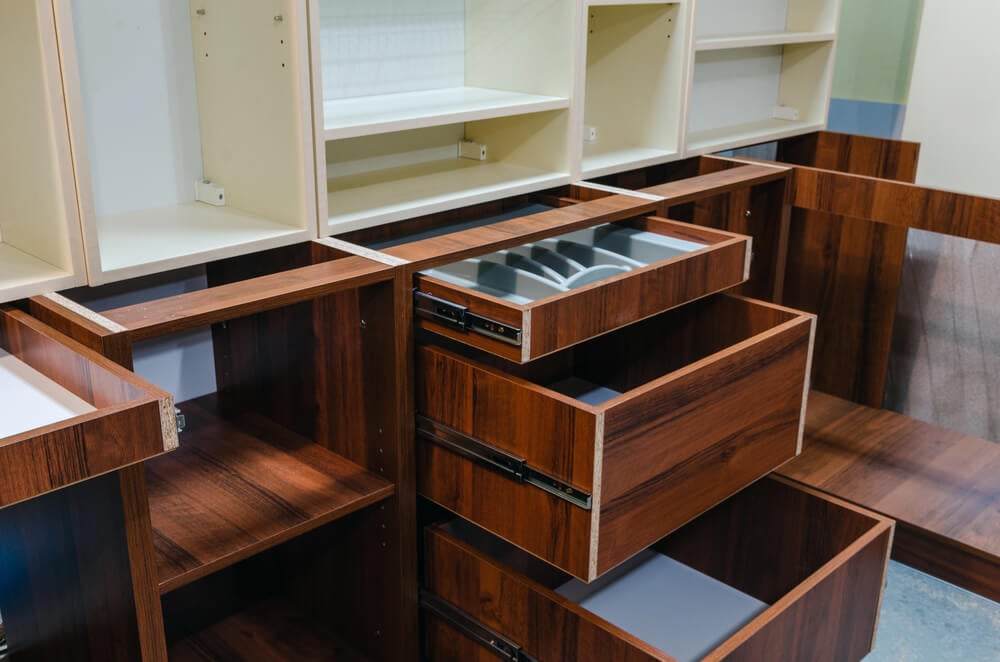
Long, shallow wooden bins held albums upright with the covers facing outward, so shoppers could flip through them. They were sturdy enough to survive decades of use and the occasional move. A bin with its original finish and dividers has real display value today.
Genre Divider Cards
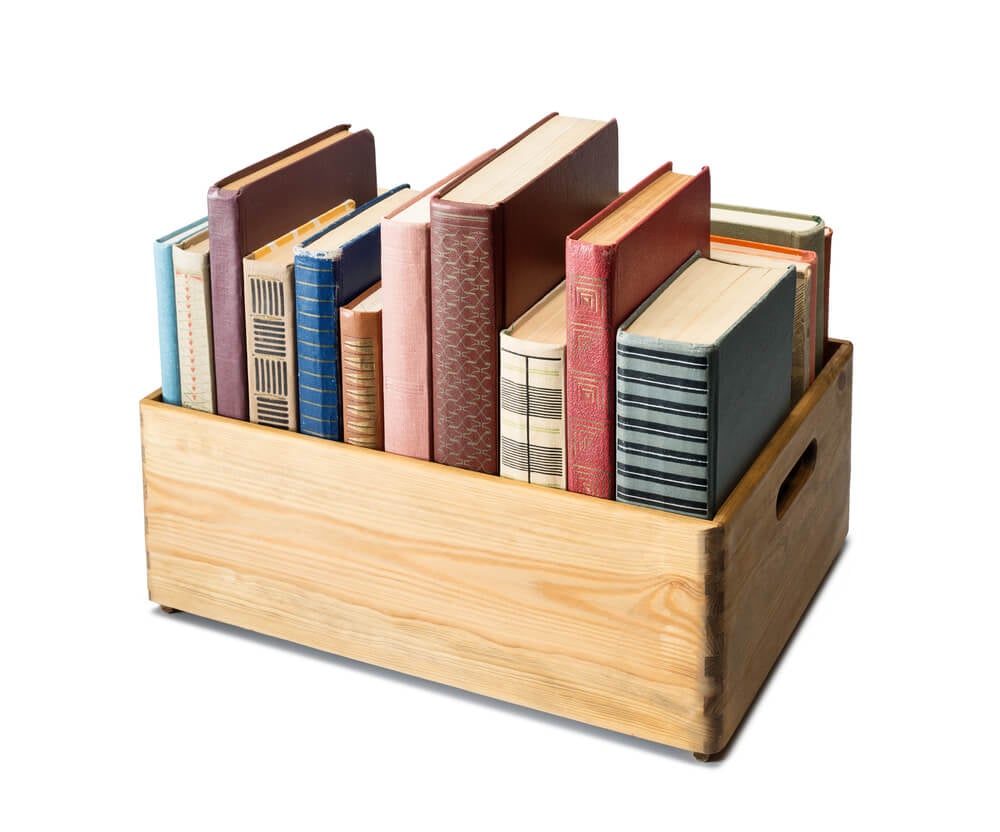
Plastic or card dividers separated the bins by artist or genre, and they were lettered by hand or printed. Alphabet tabs helped shoppers find a name quickly. A set of dividers from a defunct store makes a quiet piece of ephemera.
Cardboard Standees

Record labels sent stores die-cut cardboard figures of artists to promote new albums. They stood in windows and by the door, often taller than a customer. Most were thrown away when the campaign ended, so surviving examples are scarce.
Ceiling Mobiles

Promotional mobiles dangled from the ceiling, displaying album art that spun slowly in the air currents. Labels produced them in large batches for big releases. The delicate construction meant few survived.
Chart Boards

Many stores posted weekly bestseller charts on a wall, with a column for the top records. Staff updated them by hand, sliding in cards or rewriting lines. A chart board from a closed store captures a moment in what people were listening to.
Framed Gold Record Plaques
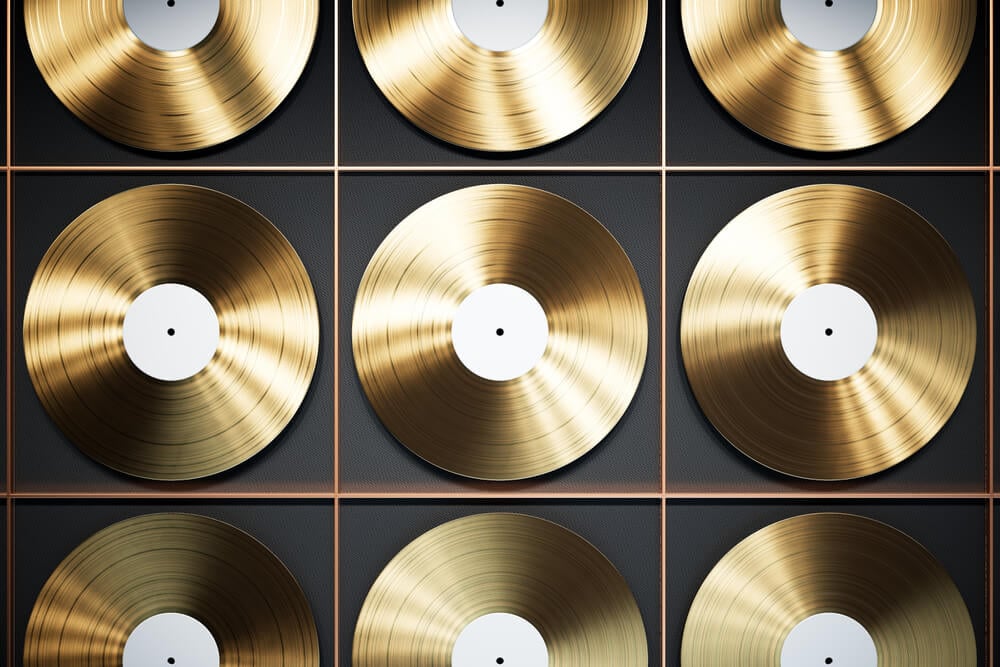
Stores that sold a particular act’s album sometimes received a framed plaque from the label or the artist. The plaques hung behind the counter as a point of pride. A plaque tied to a specific store is a rare keepsake.
CD Longboxes
During the early years of the compact disc, discs were sold in tall cardboard packages that fit existing record-store bins. The tall boxes were designed to match the size of the shelves and to deter theft. Collectors now save longboxes as relics of a short-lived era.
Spinning Cassette Racks
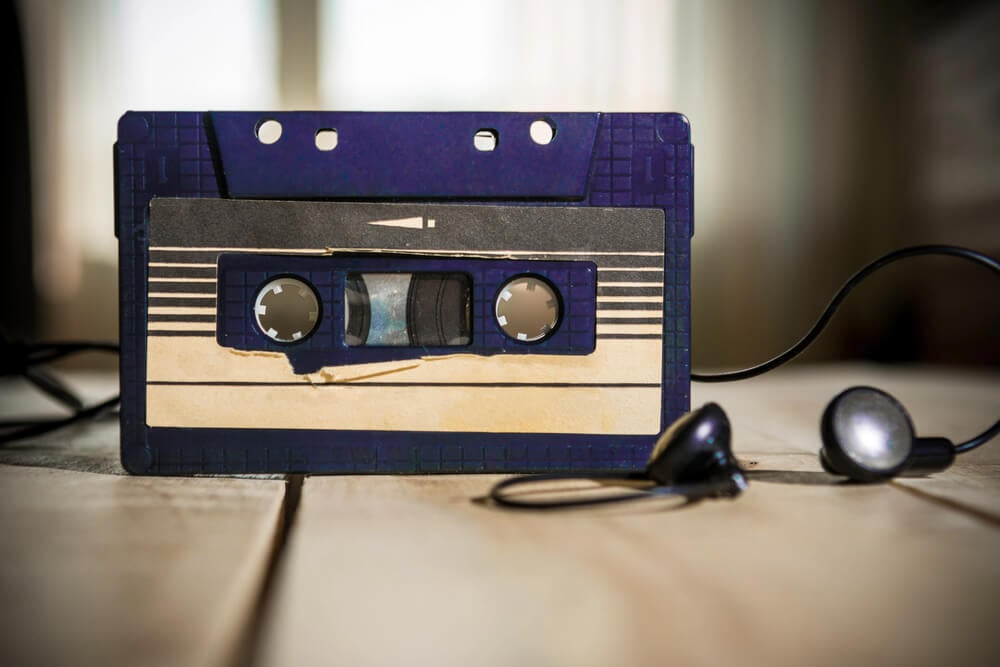
Wire racks that turned in a circle displayed cassettes by the checkout counter. Shoppers could spin them to browse. A rack from a vanished store brings a particular decade back in an instant.
Singles Wall Slots
Seven-inch singles in their paper sleeves were displayed on the wall, each in a numbered slot. Shoppers could choose a title and take it to the counter. The wall of colorful labels was a fixture of stores that sold 45s.
Window Promotional Flats

Large printed posters and flats advertised new releases from the front window. They were glued on glass or propped on easels, and many were destroyed at the end of the campaign. A surviving example in good condition is highly desirable.
The Relics Worth Saving

A record store was always more than a place to buy music, and the displays were part of the theater. They guided the eye, slowed the shopper down, and made a bin of plastic feel like a treasure hunt. When the store closed, these were often the pieces former customers wished they had asked to keep.
That is why the survivors matter. A neon sign, a wooden bin, and a cardboard standee carry the personality of a particular shop, and each one tells a little of the story of how music was found, handled, and shared before the screen replaced the rack.
More from Go2Tutors!

- 27 Silver Dollars and Half Dollars Worth Keeping
- 28 Restaurant Menu Items Nobody Orders Anymore
- 17 Places Built in Seemingly Impossible Spots
- 27 Vintage Rings Worth More Than They Look
- 25 Restricted Sites Tourists Can’t Enter
Like Go2Tutors’s content? Follow us on MSN.