Emergency Plane Landings Where Everyone Survived
Emergencies on airplanes stop people’s hearts. Even the most experienced travelers are terrified of an aircraft losing power, running out of fuel, or experiencing a catastrophic mechanical failure at 30,000 feet.
However, some of the most terrifying incidents in aviation ended in victory rather than tragedy, with every individual surviving. These landings weren’t merely fortunate opportunities.
They required quick decisions, exceptional talent, and occasionally passengers who maintained composure when it would have been understandable to be in a panic. Pilots brought crippled aircraft down on frozen rivers in the middle of cities, turned parking lots into runways, and flew helpless jets across entire nations.
These are the emergency landings that saved every life on board despite all odds.
US Airways Flight 1549

One hundred fifty five lives hung in the balance as Captain Chesley Sullenberger faced less than four minutes to act. Moments into flight from LaGuardia Airport in early 2009, birds – Canada geese – slammed into both engines of his Airbus A320.
Power vanished midair above crowded parts of America. Returning to LaGuardia? Impossible.
Reaching Teterboro in New Jersey? Out of reach. Floating on the river was the plane, with Sullenberger guiding it down so gently that everyone inside could get out safely.
Off the wings they climbed, stepping into lifeboats while help rushed close. Minutes later, ferry crews arrived, hauling drenched survivors from the icy grip of the water – alive, stunned, but breathing.
Air Canada Flight 143

A big plane running out of fuel seems impossible today. Yet back in 1983, small errors added up fast.
A Boeing 767 with 69 souls aboard lost power midair above Canada’s wide fields. Without engine sound, it floated silent toward the ground.
Captain Robert Pearson aimed for an old military airstrip near Gimli – over sixty miles away. He once flew sailplanes, which helped now.
His skill guided the powerless craft like a heavy bird. On arrival, they saw something strange: cars zipping along where tarmac should sit still.
Families dotted the area, grilling food, relaxing beside their vehicles. The strip had become both a track and picnic spot.
No one expected metal wings slicing down through the open sky. After touchdown, silence returned – but only briefly.
People stood frozen at first, unsure if what they witnessed was real. Then movement everywhere.
Every person made it through unharmed.
United Airlines Flight 232

That summer day in 1989, the DC-10 leaving Denver had no business staying airborne. A blast ripped through one engine, sending metal shards slicing into all three hydraulic lines – those vital links controlling how the wings and tail moved.
With almost nothing left to guide the plane, Captain Al Haynes still found a way, nudging it toward Sioux City just by adjusting power on the remaining engines. Touchdown turned chaotic; the craft tore itself apart upon impact.
Yet somehow, more than half the people walked away from wreckage experts said should’ve been fatal for all. People called him a hero afterward – not because he boasted, but because he spoke plainly about luck playing its part, along with help from a resting instructor pilot seated quietly among the travelers.
TACA Flight 110

Flying through a severe thunderstorm wasn’t the plan, but that’s what happened to this Boeing 737 over New Orleans in May 1988. Both engines flamed out from water ingestion, leaving the pilots with a powerless aircraft and rapidly running out of altitude.
Captain Carlos Dardano aimed for a narrow grass levee along the NASA Michoud Assembly Facility, threading the plane between the facility and a residential area. The 737 touched down on the levee, skidded through grass, and stopped just short of the water.
All 45 people aboard walked away, and remarkably, the aircraft was repaired and returned to service.
British Airways Flight 9

Volcanic ash doesn’t show up on weather radar, which explains why a Boeing 747 flew straight into an ash cloud from Mount Galunggung in Indonesia in June 1982. All four engines failed as ash clogged the turbines, leaving the jumbo jet to glide silently through the night with 263 people aboard.
Captain Eric Moody kept passengers calm with the most British understatement in aviation history, announcing that they had ‘a small problem’ with all four engines. The crew managed to restart three engines at lower altitude, and Moody brought the damaged aircraft into Jakarta with a windscreen so sandblasted by ash he could barely see the runway.
Everyone survived, though the incident changed how airlines tracked volcanic activity forever.
DHL Cargo Flight

Baghdad in 2003 was dangerous for everyone, but particularly for cargo pilots flying in and out of the war zone. An Airbus A300 departing the Iraqi capital in November took a missile hit to its left wing, which severed all hydraulic lines and left the crew with essentially no flight controls.
The two pilots managed to keep the aircraft somewhat controllable using only engine thrust, circling back to Baghdad International Airport for an attempted landing. The plane came in fast and hit hard, but it stayed on the runway and both crew members survived.
Aviation experts studied the landing for years because it proved that severely damaged aircraft could be landed through engine-only control methods that few pilots had ever attempted.
Scandinavian Airlines Flight 751

Taking off in freezing conditions from Stockholm in December 1991, the MD-81 encountered a problem that pilots train for but hope never to experience. Ice buildup on the engines caused both to fail shortly after liftoff, and the aircraft was too low to restart them.
Captain Stefan Rasmussen had seconds to find somewhere to put the plane down, eventually crash-landing in a field and forest area. The aircraft broke into pieces, but the way it impacted the snow-covered ground and trees dissipated energy gradually rather than in one catastrophic moment.
All 129 people aboard survived, though many suffered injuries. The crash led to major changes in how airlines handled cold weather operations.
Qantas Flight 32

The Airbus A380 is the world’s largest passenger airliner, and when one of its engines exploded over Indonesia in November 2010, the shrapnel damaged nearly every system on the aircraft. Captain Richard Champion de Crespigny and his crew faced a situation so complex that checklists alone couldn’t save them.
The flight deck held five pilots that day, and they needed every one of them to manage the cascade of failures while bringing the damaged aircraft back to Singapore. The landing used up nearly the entire runway, and the brakes got so hot they couldn’t move the aircraft afterward, but all 469 people aboard walked away.
Investigators later counted 650 different system malfunctions that occurred during the flight.
Southwest Airlines Flight 1380
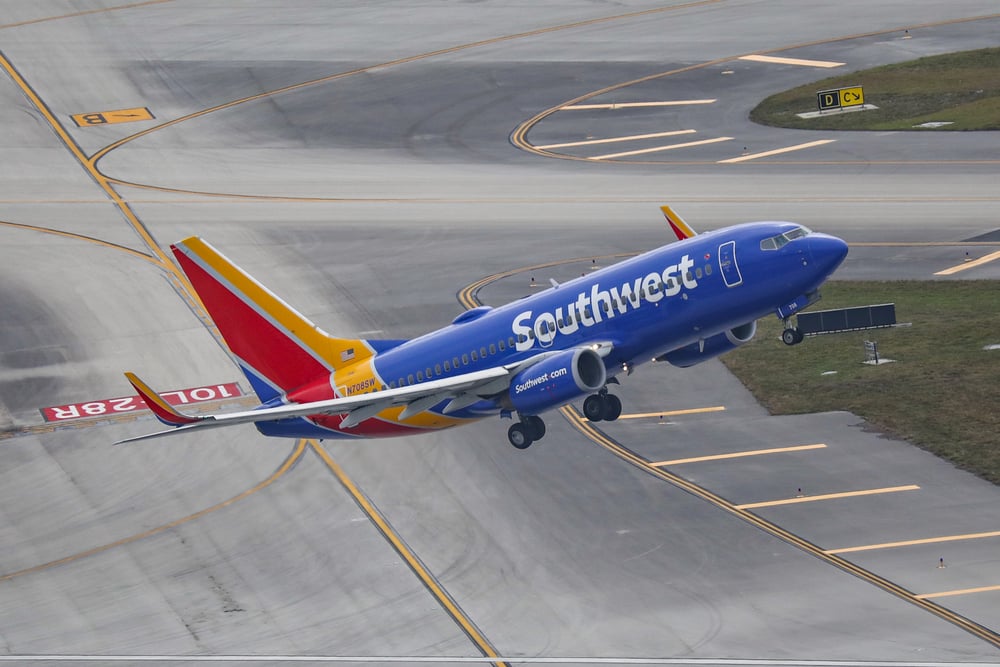
Jet engines aren’t supposed to explode, but one did on this Boeing 737 in April 2018, sending debris through a window and partially sucking a passenger out of the aircraft at 32,000 feet. Captain Tammie Jo Shults, a former Navy pilot, managed to bring the damaged plane down safely in Philadelphia despite the chaos in the cabin and the severe damage to the engine and wing.
One passenger died from her injuries, but Shults’ calm handling of the emergency saved the other 148 people aboard. The incident led to immediate inspections of similar engines across multiple airlines and revealed metal fatigue issues that could have caused more disasters.
Ethiopian Airlines Flight 961

Hijackings rarely end well, but this one in November 1996 created an almost impossible situation for the pilots. Three hijackers demanded the 767 be flown to Australia despite having nowhere near enough fuel for the journey.
When the plane finally ran out of fuel off the Comoros Islands, Captain Leul Abate had to ditch the aircraft in the ocean while fighting the hijackers who were still trying to control the plane. The aircraft hit the water at an angle and broke apart, but 50 of the 175 people aboard survived.
The entire incident was captured on video by tourists on the beach, creating haunting footage of both tragedy and survival.
Alaska Airlines Flight 236

Navigation errors shouldn’t leave a plane desperately short of fuel, but a course deviation in October 1978 put this Boeing 727 over the Pacific with its fuel gauges approaching empty. Captain Stanley Allison diverted to Sitka, Alaska, but the plane ran completely dry just as they lined up for the approach.
The 727 glided in with no power, and Allison put it down on the runway with skill that saved all 15 people aboard. The landing gear collapsed on touchdown, but the aircraft slid to a stop without fire or major injuries.
The incident highlighted the importance of proper fuel management and navigation, particularly on routes over water.
JetBlue Flight 292
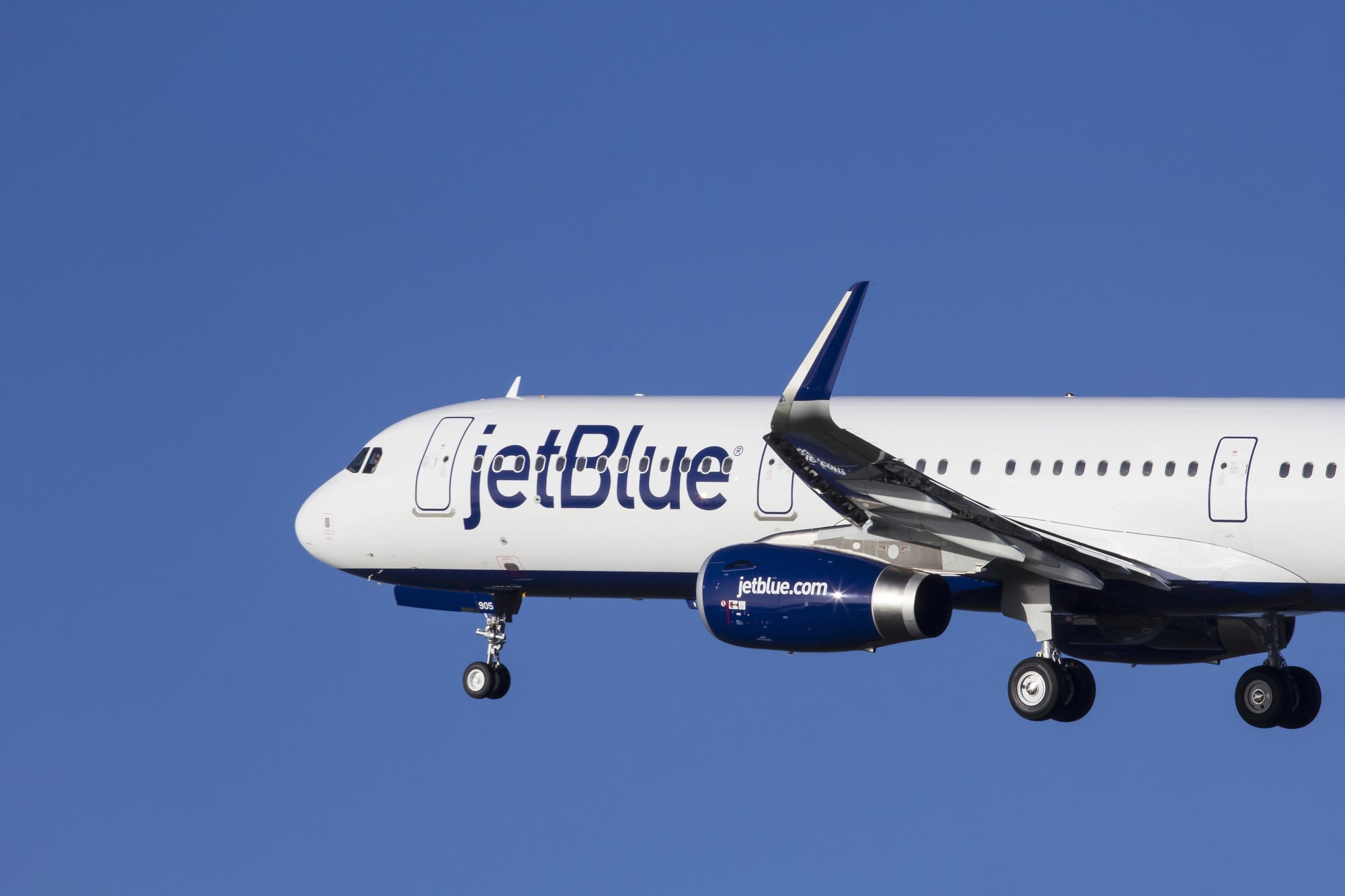
Landing gear that won’t retract fully is concerning, but landing gear that’s stuck perpendicular to the direction of travel is terrifying. That’s what faced the crew and passengers of this Airbus A320 in September 2005 when the nose gear rotated 90 degrees and wouldn’t budge.
Captain Scott Burke circled Los Angeles for three hours to burn fuel, knowing the landing would create sparks, heat, and potentially fire when those sideways wheels hit the runway. The touchdown at Long Beach Airport created exactly the shower of sparks everyone feared, but Burke kept the nose up as long as possible and put the crippled gear down so carefully that the plane stayed straight and stopped safely.
All 145 people aboard walked away from an incident that looked absolutely terrifying on live television.
Asiana Airlines Flight 214
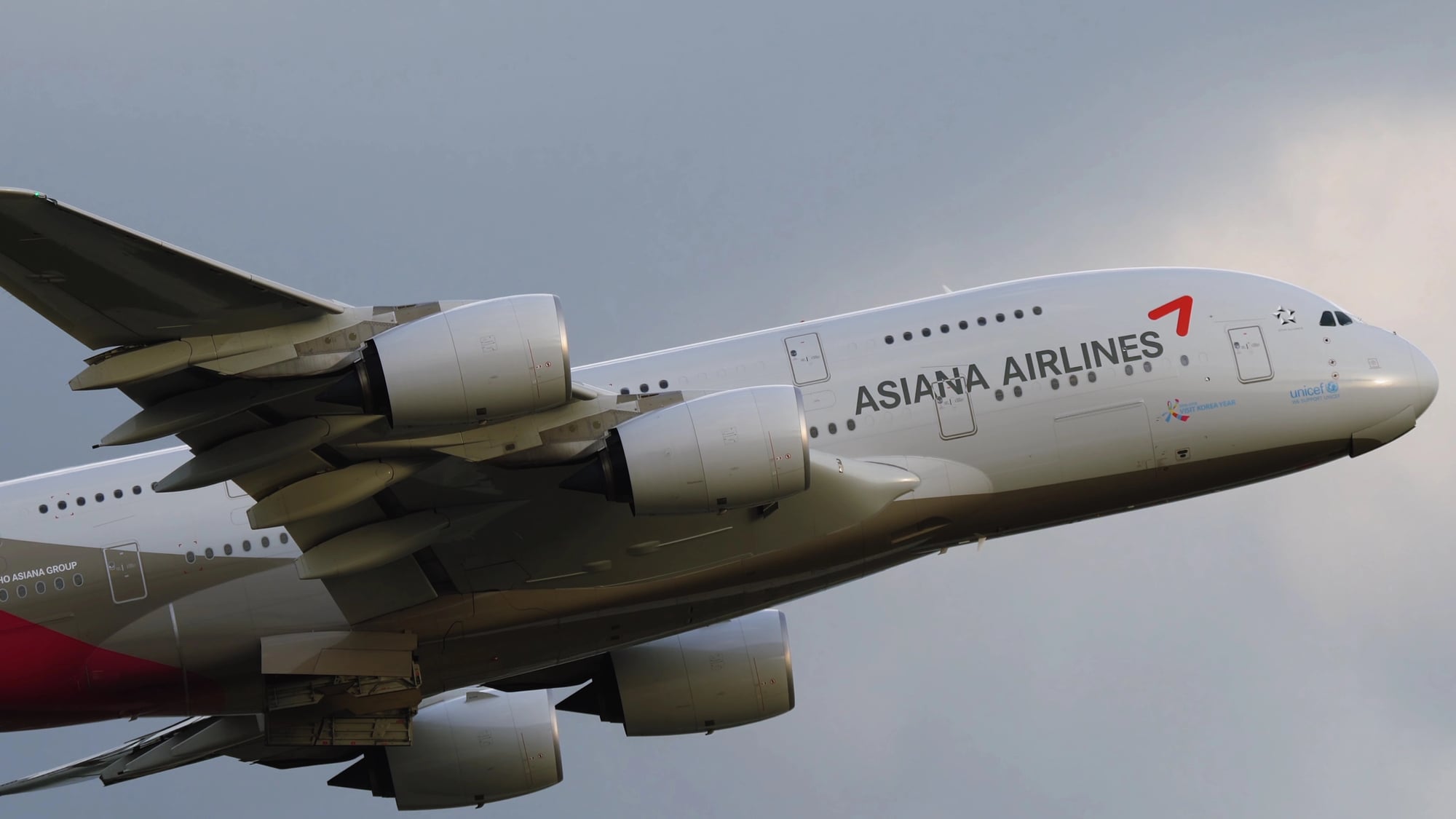
The Boeing 777 that crashed short of the runway at San Francisco International Airport in July 2013 should have killed dozens of people. The pilots had allowed the aircraft’s speed to drop dangerously low on approach, and the tail struck the seawall just before the runway.
The impact tore off the tail section and sent the aircraft spinning and burning on the runway. Yet somehow, 304 of the 307 people aboard survived.
Three passengers died in the crash, but the survival rate for such a violent impact and subsequent fire astonished investigators. The incident revealed problems with pilot training and automation dependency in modern airliners.
Garuda Indonesia Flight 421

Running out of fuel is bad enough, but doing it over the Java Sea in January 2002 created an even worse situation for the Boeing 737 crew. Captain Rozaq Agustama knew he couldn’t make land, so he put the aircraft down on the Bengawan Solo River instead.
The 737 bounced and skidded across the water, breaking apart but staying mostly intact. All 60 people aboard survived the ditching and evacuated onto the aircraft’s wings and emergency slides.
Local fishermen rushed to help, pulling passengers from the water and ferrying them to shore. The survival rate shocked investigators given the violence of the impact and the remote location.
LOT Polish Airlines Flight 16

The Boeing 767 departing Newark for Warsaw in November 2011 faced a landing gear problem that couldn’t be fixed. The center hydraulic system failed, which meant the main landing gear wouldn’t extend no matter what the crew tried.
Captain Tadeusz Wrona had to bring the wide-body jet down on just its nose gear, knowing the belly would hit the runway. He declared an emergency and practiced the approach several times before committing to the landing at Warsaw’s Okecie Airport.
The belly landing created sparks and smoke but no fire, and all 231 people aboard evacuated safely once the aircraft slid to a stop. Polish officials and aviation experts praised Wrona’s skill in handling what could easily have become a disaster.ors, it led to major changes in pilot training and oversight that prevented similar incidents where everyone aboard did survive.
Avianca Flight 410
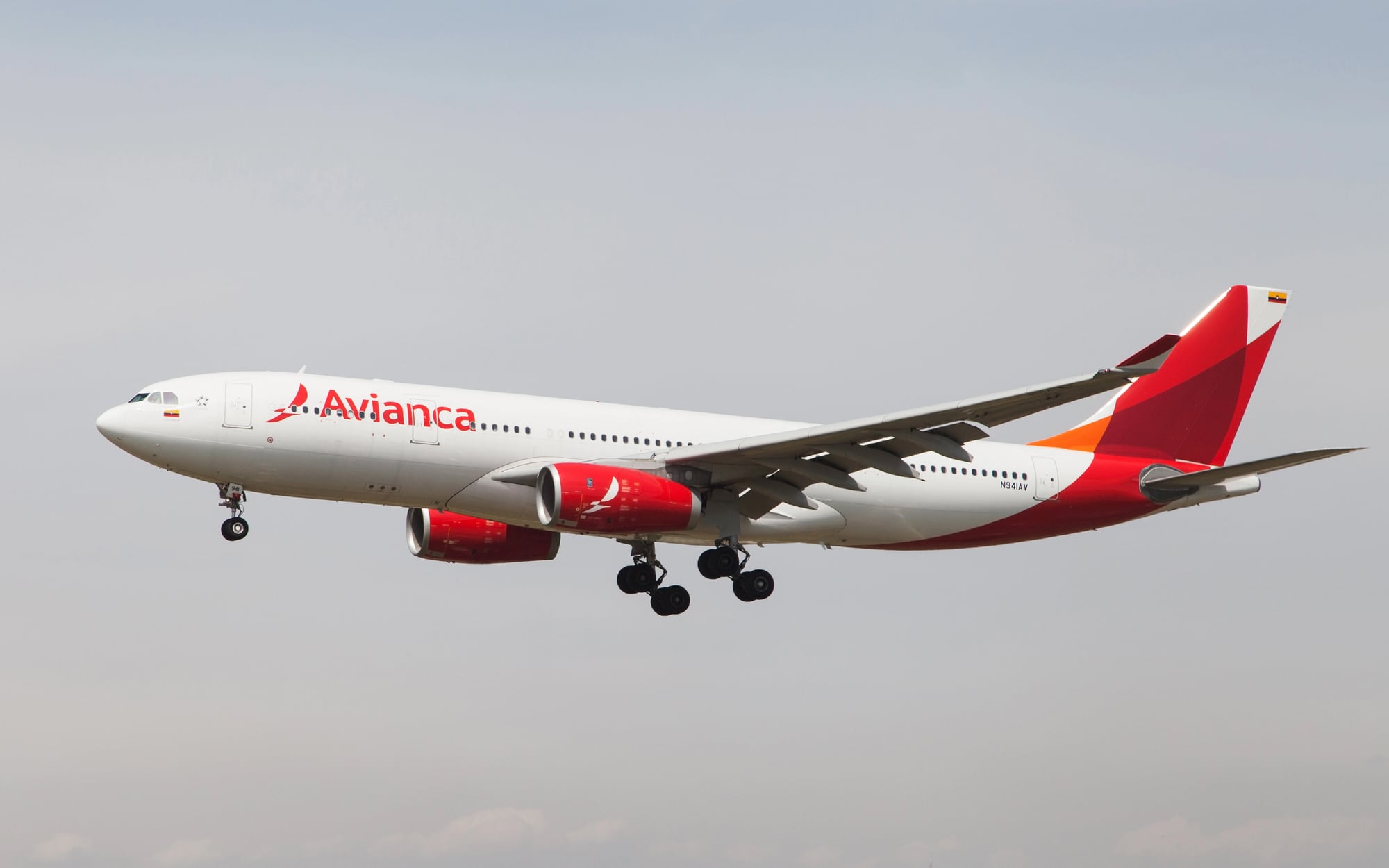
Everyone on board died when a Boeing 727 crashed near Cali, Colombia in March 1989. Yet back in 1987, another Avianca 727 faced total loss of hydraulics – same model, similar odds – but escaped disaster.
Without normal flight controls, the pilots relied solely on adjusting engine power to steer. Through sheer precision, they touched down safely at a military base.
Survival came not from luck alone, but relentless effort mid-crisis. Later accidents saw crews apply what was learned that day.
When systems fail beyond expectation, human will can still tip the balance toward landing, not wreckage.
Where skill intersects with survival

Crash landings show safety isn’t only about machines or checklists. When alarms blare, even top-tier gear fails if those at the controls freeze instead of acting fast.
People getting out quickly matters – those who listen when told where to go, crew members talking others through panic, moments where timing bends just enough toward survival. Mistakes get picked apart afterward, sure – but so do quiet wins, near-misses caught by instinct, fixes added before anyone forgets.
Each close call leaves behind small shifts, tiny upgrades in how crews respond, ways rules adapt, why the odds inch better each time metal meets ground too soon.
More from Go2Tutors!

- The Romanov Crown Jewels and Their Tragic Fate
- 13 Historical Mysteries That Science Still Can’t Solve
- Famous Hoaxes That Fooled the World for Years
- 15 Child Stars with Tragic Adult Lives
- 16 Famous Jewelry Pieces in History
Like Go2Tutors’s content? Follow us on MSN.