14 Once-Banned Foods That Are Now Considered Delicacies
Throughout history, governments, religious authorities, and cultural leaders have prohibited certain foods for reasons ranging from health concerns to moral objections and even political motivations. Yet the passage of time often transforms these forbidden items into sought-after luxuries. What was once illegal can become incredibly desirable, with some formerly banned foods now commanding premium prices on exclusive menus worldwide.
Here is a list of 14 fascinating foods that were once prohibited but have since become celebrated delicacies, showcasing how dramatically culinary attitudes can change across different eras and cultures.
Absinthe
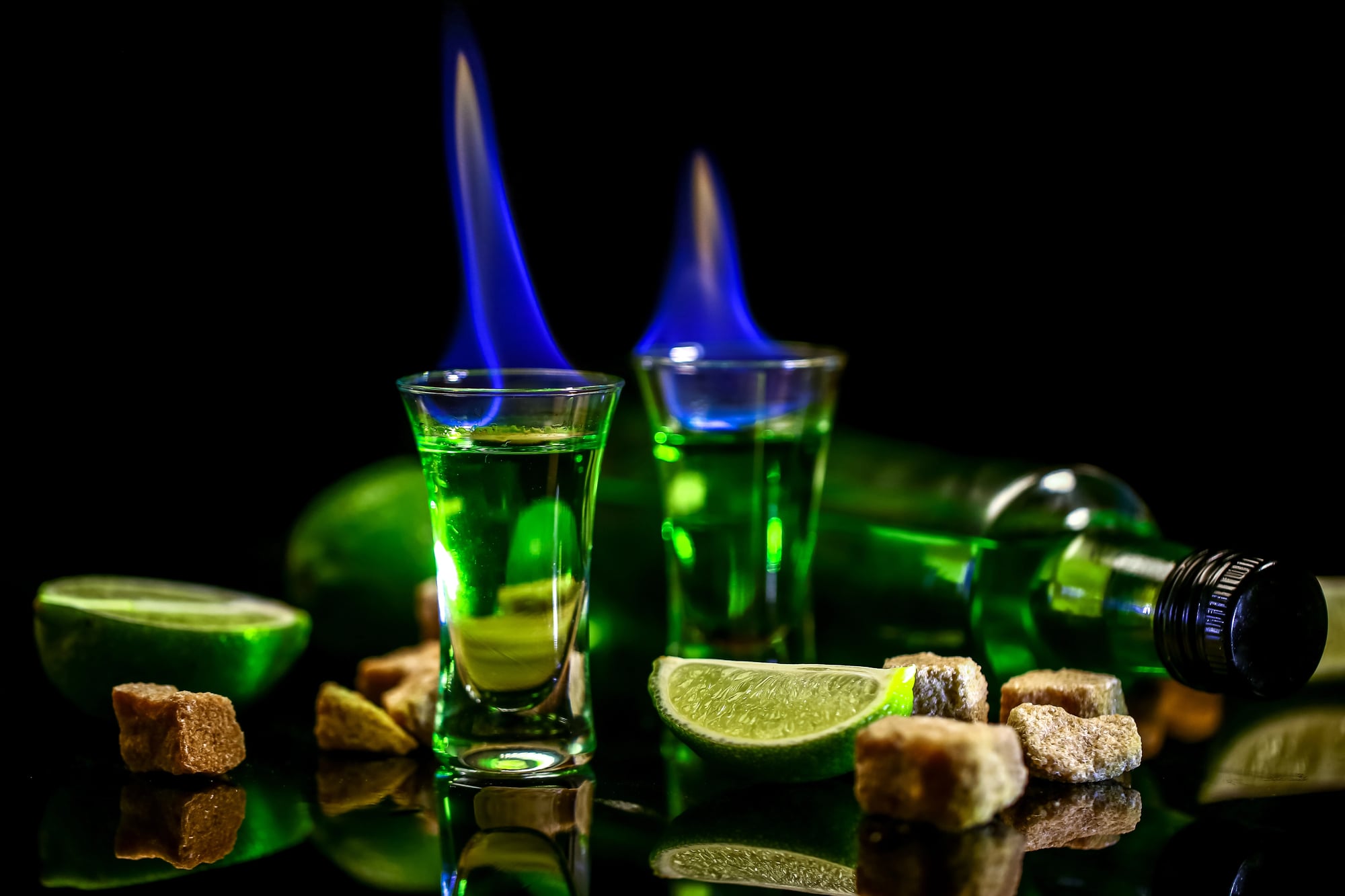
This emerald-green spirit faced widespread bans in the early 20th century due to unfounded fears about its supposed hallucinogenic properties and alleged connection to violent behavior. The potent anise-flavored liquor returned to legal status across Europe and America in the 1990s and 2000s after scientific research disproved many myths about its effects.
Modern mixologists now feature this complex botanical spirit in upscale cocktail programs, with vintage absinthe bottles fetching thousands of dollars among collectors.
Foie Gras
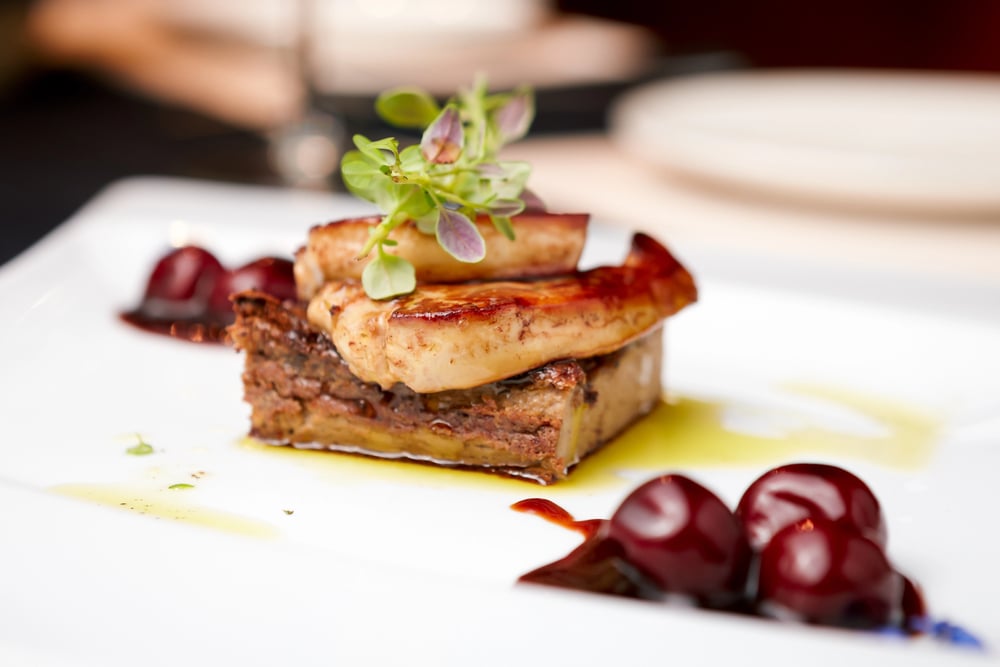
This buttery duck or goose liver delicacy has faced prohibition in multiple countries and several U.S. states due to animal welfare concerns regarding the force-feeding process used in its production. Despite ongoing controversy, traditional French producers maintain that proper gavage techniques cause minimal distress when done correctly by experienced farmers.
The creamy, rich product remains a fixture on luxury restaurant menus globally, with some establishments creating special foie gras tasting experiences that showcase different preparation methods.
Like Go2Tutors’s content? Follow us on MSN.
Kinder Surprise Eggs
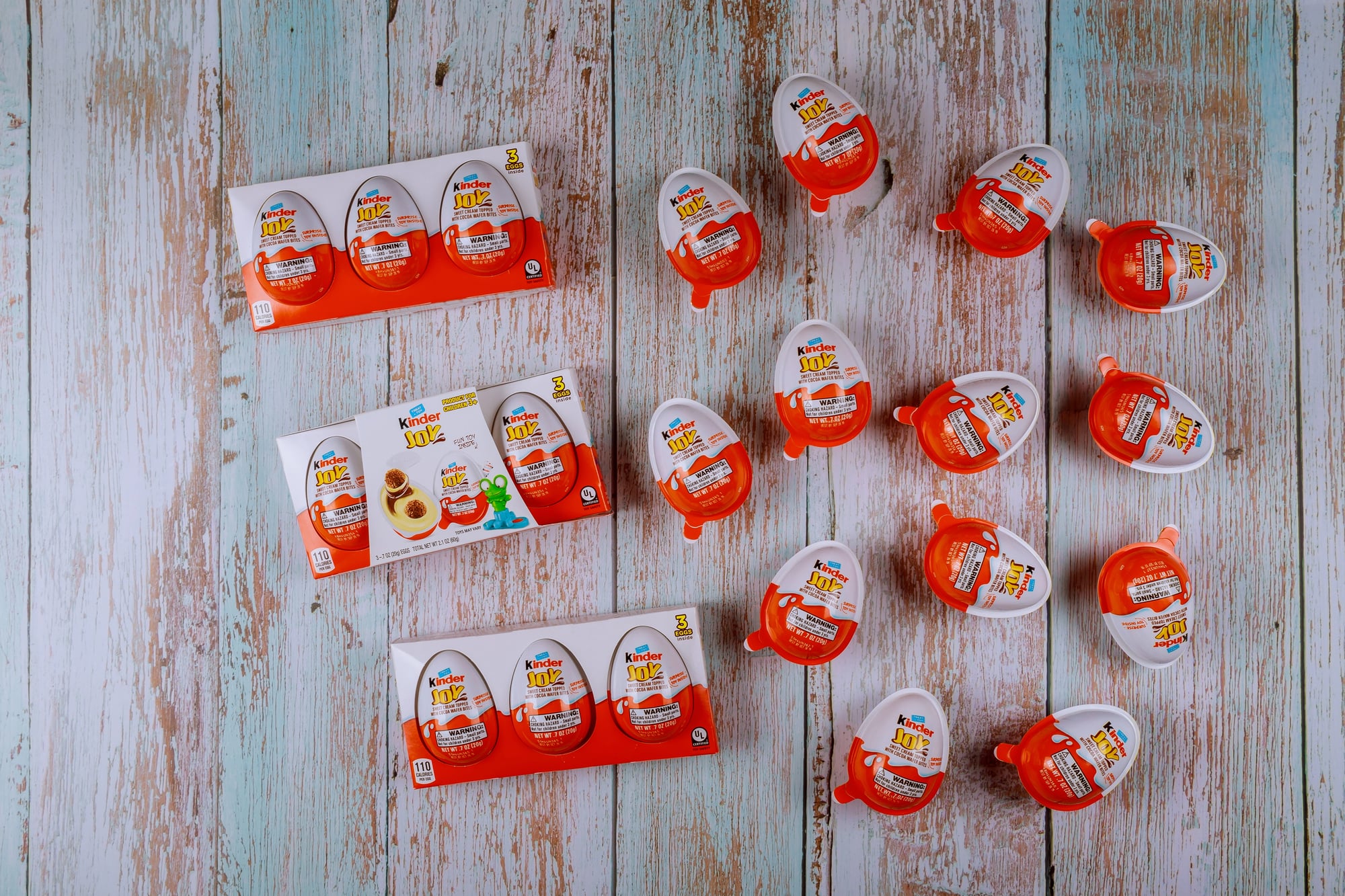
These chocolate eggs containing toy surprises inside were banned in the United States under a 1938 law prohibiting non-food items embedded within food products. The prohibition stemmed from choking hazard concerns, forcing American travelers to smuggle the beloved treats back from overseas trips for decades.
A modified version called Kinder Joy finally received approval for the American market in 2017, though collectors still seek out the original European version for its superior toys and nostalgic appeal.
Saskatoon Berries

Indigenous to North America, these sweet purple berries faced restrictions from commercial products in the European Union from 2004 until 2017 simply because they lacked a history of consumption in Europe before 1997. The berries, which taste similar to blueberries with notes of almond, now appear in premium jams, pies, and wines throughout North America and Europe.
Chefs prize their unique flavor profile for creating distinctive regional dishes that showcase native ingredients.
Mangosteen
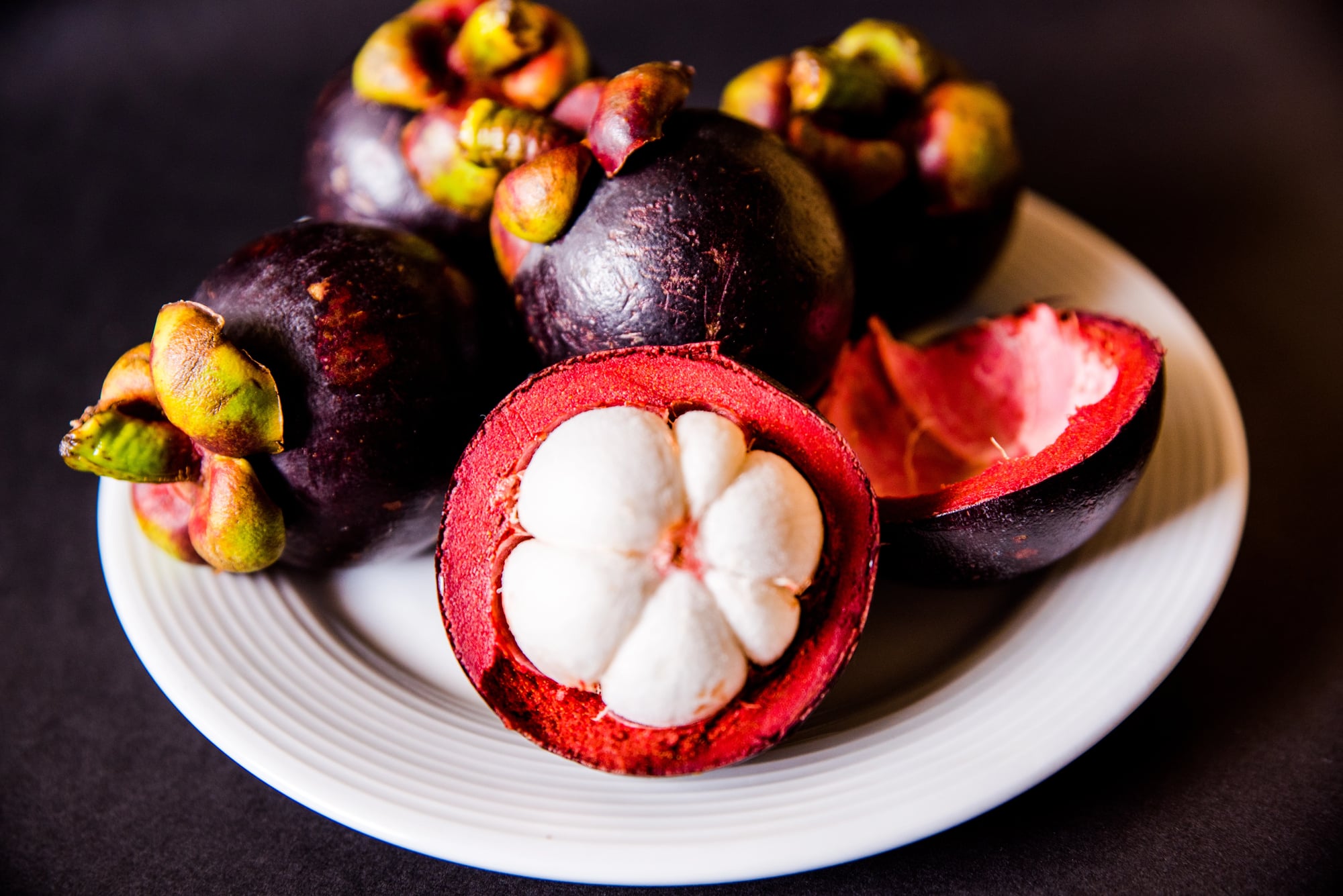
This tropical fruit with white, segmented flesh and a sweet-tart flavor was banned from U.S. imports for decades due to fears about harboring the Asian fruit fly. The prohibition created a mystique around the fruit, earning it the nickname ‘the queen of fruits’ and driving Americans to seek it during Asian travels.
Following the development of irradiation techniques to eliminate pest concerns, mangosteens finally received import approval in 2007, now appearing on high-end dessert menus and in specialty produce sections at premium prices.
Like Go2Tutors’s content? Follow us on MSN.
Haggis
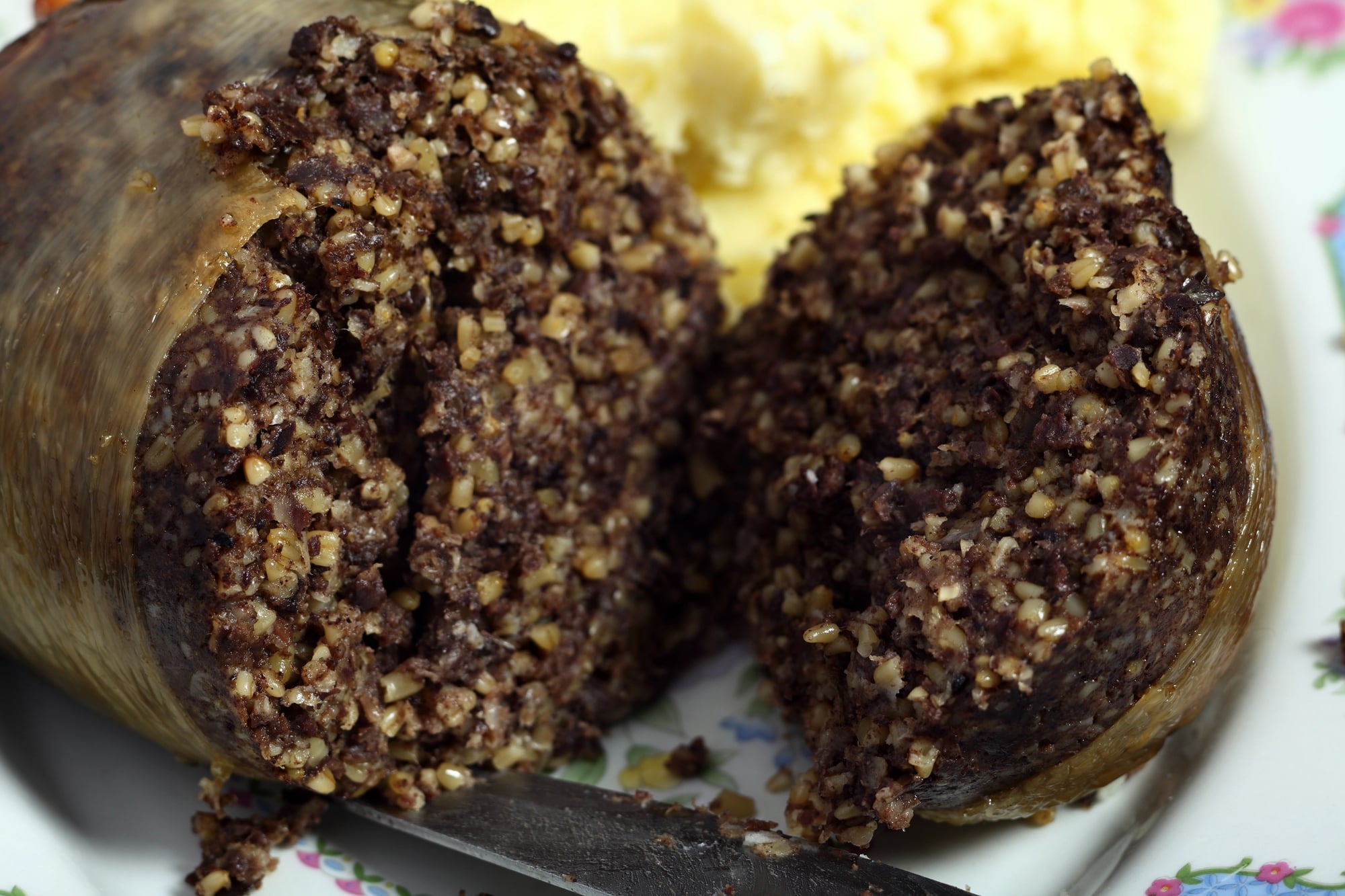
Scotland’s national dish faced import prohibition in the United States since 1971 due to the inclusion of sheep lungs, which American food safety regulations forbid in food products. The traditional recipe combines sheep organs, oatmeal, and spices, all encased in a sheep’s stomach and boiled for several hours.
Modified versions omitting the banned ingredient can now be found in America, while authentic Scottish haggis remains a celebrated centerpiece at Burns Night suppers and high-end Scottish restaurants highlighting traditional cuisine.
Beluga Caviar

These prized sturgeon eggs faced strict import bans in the United States between 2005 and 2007 due to the endangerment of beluga sturgeon in the Caspian Sea from overfishing. The prohibition drove prices even higher for this already expensive delicacy known for its buttery flavor and perfect texture.
Farm-raised alternatives and sustainable caviar programs have emerged in recent years, though wild beluga remains among the world’s most expensive foods, sometimes selling for over $10,000 per kilogram.
Unpasteurized Cheese

Raw milk cheeses aged less than 60 days remain prohibited in the United States due to concerns about harmful bacteria, creating a robust cheese smuggling culture among culinary enthusiasts. French classics like young raw milk Camembert and Reblochon cannot legally enter American markets in their traditional forms.
The prohibition has inadvertently elevated these cheeses to almost mythical status among American food lovers, who often plan European trips around sampling these forbidden dairy products in their authentic state.
Like Go2Tutors’s content? Follow us on MSN.
Ackee
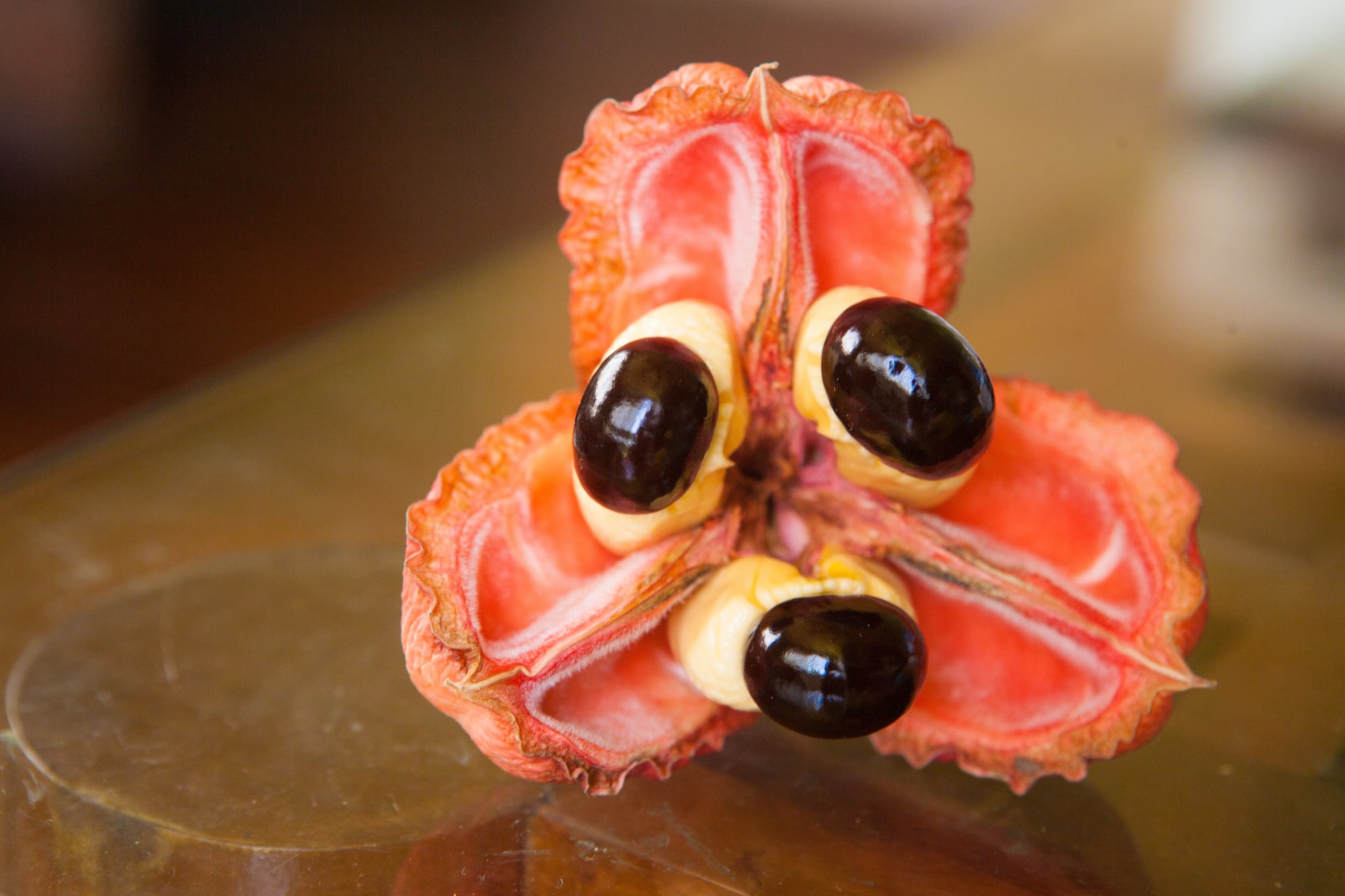
Jamaica’s national fruit was long prohibited from U.S. imports due to concerns about hypoglycin A, a naturally occurring toxin present in unripe specimens that can cause severe illness. The fruit must be harvested and prepared at precisely the right stage of ripeness to ensure safety.
Following the establishment of proper safety protocols, canned ackee received FDA approval in 2000, allowing the creamy, scrambled egg-textured fruit to appear in authentic Jamaican restaurants and specialty markets across America.
Fugu

Japanese pufferfish contains lethal tetrodotoxin in its organs, requiring extremely precise preparation by specially licensed chefs who undergo years of training. Various countries have completely banned the fish due to its potential lethality if improperly prepared.
Japan maintains strict regulation rather than prohibition, with chefs requiring at least three years of specialized training before receiving certification. The element of danger has elevated fugu to legendary status, with prix-fixe tasting menus at specialized restaurants often costing hundreds of dollars per person.
Horse Meat
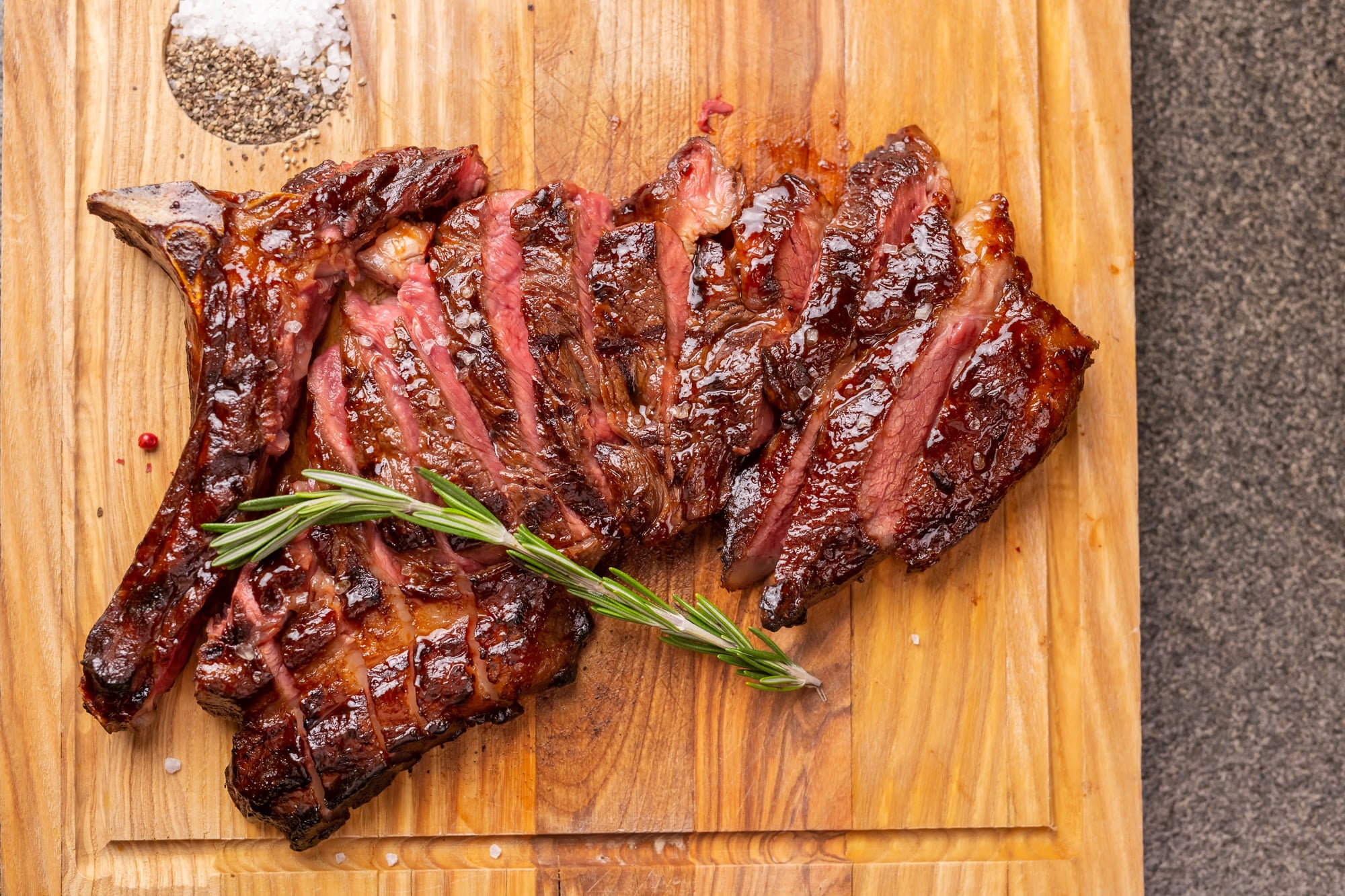
Cultural taboos and intermittent legal restrictions against horse consumption exist throughout the English-speaking world, while countries like France, Belgium, and Japan consider it a premium protein. American prohibition on commercial horse slaughter effectively banned the meat for decades through funding restrictions on inspection services.
Certain European restaurants feature horse tartare and steaks as gourmet offerings, with advocates praising its slightly sweet flavor and lean profile compared to beef.
Like Go2Tutors’s content? Follow us on MSN.
Redfish

This Gulf Coast fish faced a complete commercial fishing ban in the late 1980s after celebrity chef Paul Prudhomme’s blackened redfish recipe created such enormous demand that wild populations nearly collapsed. The prohibition allowed stocks to recover while simultaneously elevating the fish’s culinary status to nearly mythical proportions.
Sustainable farm-raised redfish now appear on upscale restaurant menus, while strictly regulated wild-caught specimens command premium prices when occasionally available during limited harvest seasons.
Sea Urchin Roe
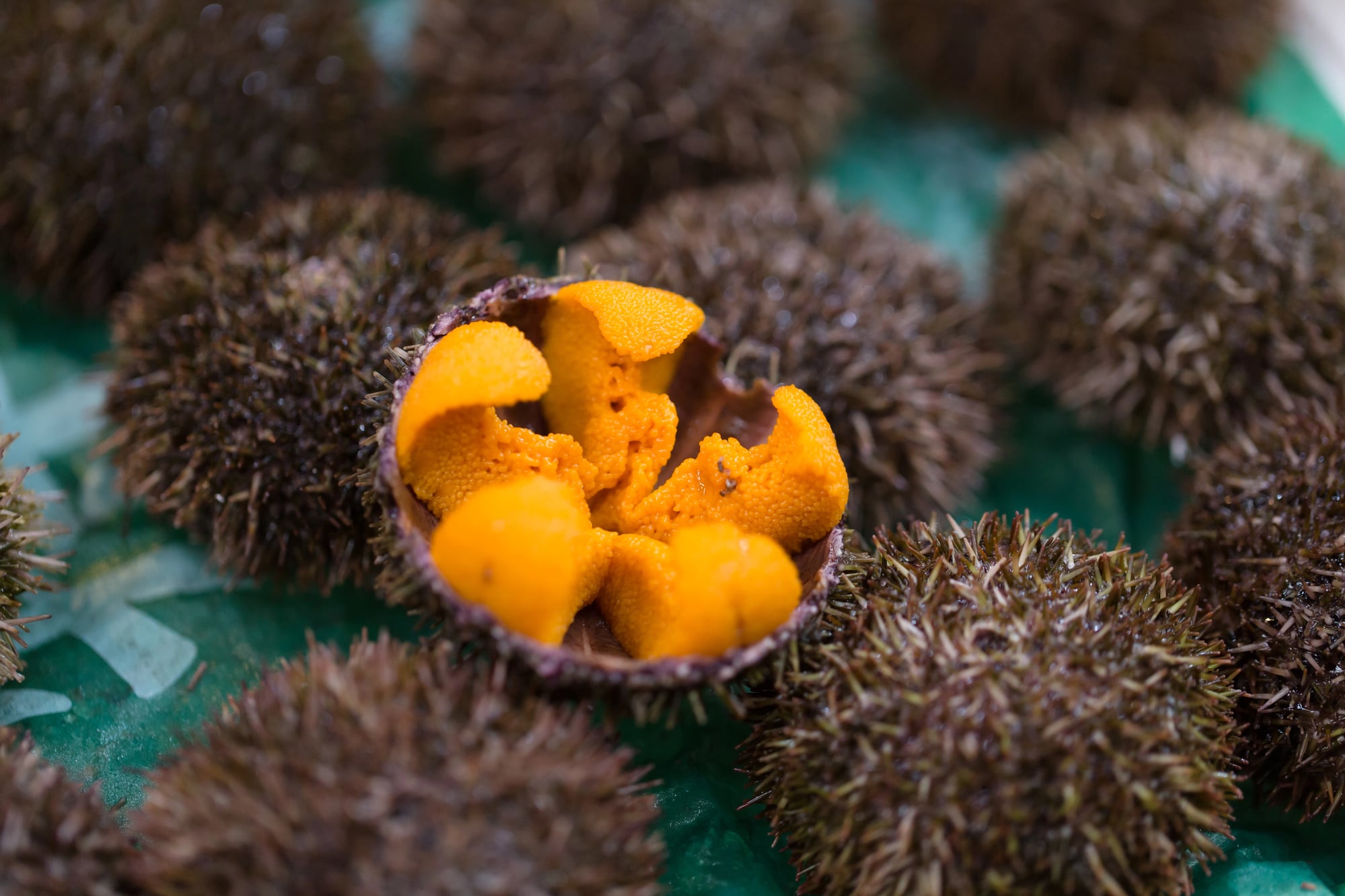
Commercial harvest faced regional bans in California during the 1990s due to overfishing concerns, limiting access to this bright orange, creamy delicacy also known as uni. The temporary prohibitions contributed to its exclusivity and rising prices across global markets.
Japanese and Mediterranean chefs have long prized sea urchin for its sweet, briny flavor and custard-like texture, with sustainable harvesting programs now allowing this oceanic delicacy to appear on fine dining menus worldwide.
Ortolan Bunting

This tiny songbird traditionally consumed whole after being drowned in Armagnac became strictly prohibited throughout the European Union in 1999 due to both endangered species protection and concerns about cruel preparation methods. The traditional consumption ritual involved diners covering their heads with napkins to
hide the act from God while eating the entire bird, bones included.
Though officially banned, underground preparation continues occasionally for elite French dining circles, with the prohibition only enhancing its mystique among culinary history enthusiasts.
Like Go2Tutors’s content? Follow us on MSN.
From Forbidden to Fashionable
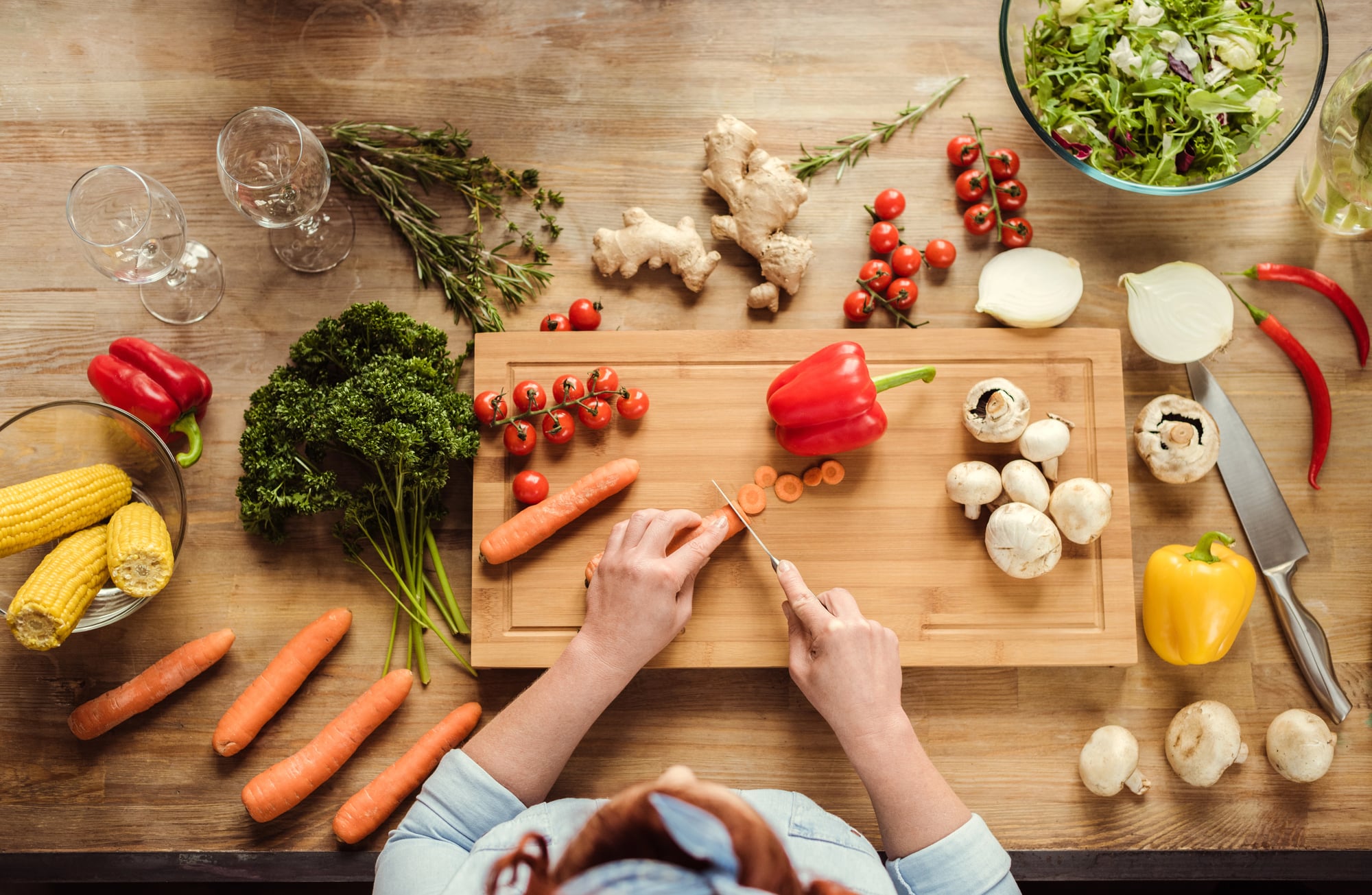
The transformation of these foods from banned substances to sought-after luxuries reveals much about shifting cultural values and our complex relationship with culinary taboos. Legal prohibitions, rather than diminishing interest, often create mystique and desire that elevate simple ingredients to legendary status.
As food safety science advances and cultural attitudes evolve, today’s contraband sometimes becomes tomorrow’s coveted delicacy, reminding us that few things increase appeal quite like the allure of the forbidden.
More from Go2Tutors!

- 18 Unexpectedly Valuable Collectibles You Might Have Lying Around
- 20 Little-Known Historical Battles That Had Huge Consequences
- 20 Historical Artifacts That Scientists Can’t Explain
- 15 Inventions That Were Immediately Banned After Being Created
- 20 Actors Who Were Almost Cast in Iconic Roles
Like Go2Tutors’s content? Follow us on MSN.



