Deadliest Snakes Native to the Australian Outback
Australia’s reputation for harboring creatures that can kill you isn’t exaggerated—it’s understated. The continent’s venomous snakes don’t just bite; they deliver cocktails of neurotoxins, hemotoxins, and myotoxins that can shut down your nervous system, destroy your blood cells, and dissolve your muscle tissue.
Sometimes all at once. The Australian outback stretches across millions of square kilometers of some of the harshest terrain on Earth, and within this vast wilderness live snakes that have evolved to be extraordinarily efficient killers.
These aren’t garden-variety predators—they’re evolutionary masterpieces designed to deliver death with surgical precision. What makes them particularly dangerous isn’t just their venom potency, but their ability to thrive in remote areas where medical help can be hours or days away.
Inland Taipan
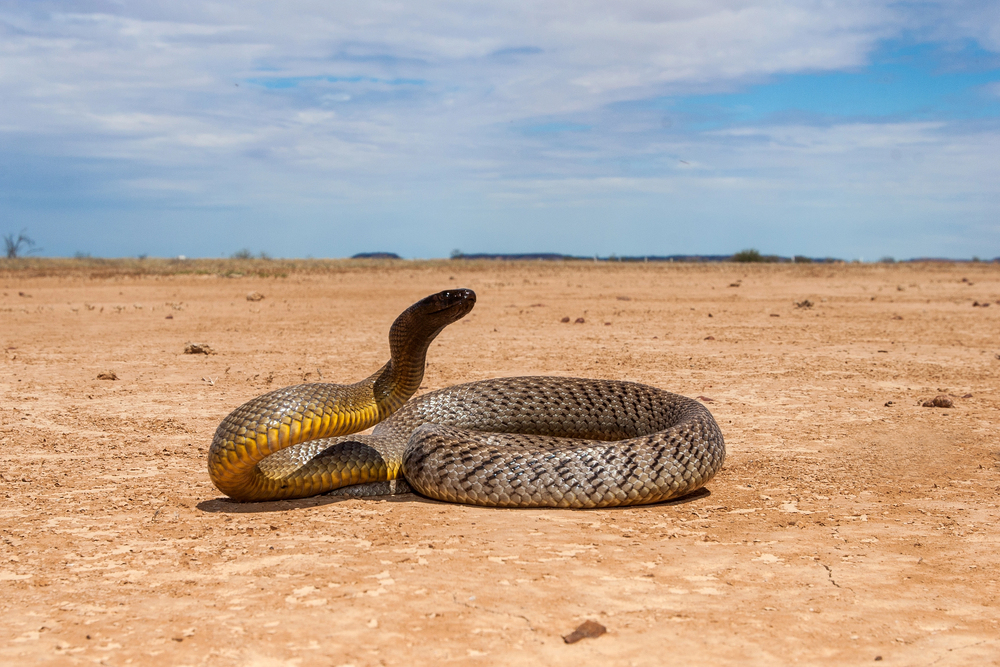
The inland taipan owns the title of most venomous snake on the planet. One bite contains enough venom to kill 100 adult humans. It doesn’t mess around.
This snake strikes with mechanical precision—lightning fast, multiple times, injecting venom that attacks your nervous system, blood, and muscles simultaneously. Death comes quickly if left untreated.
Eastern Brown Snake
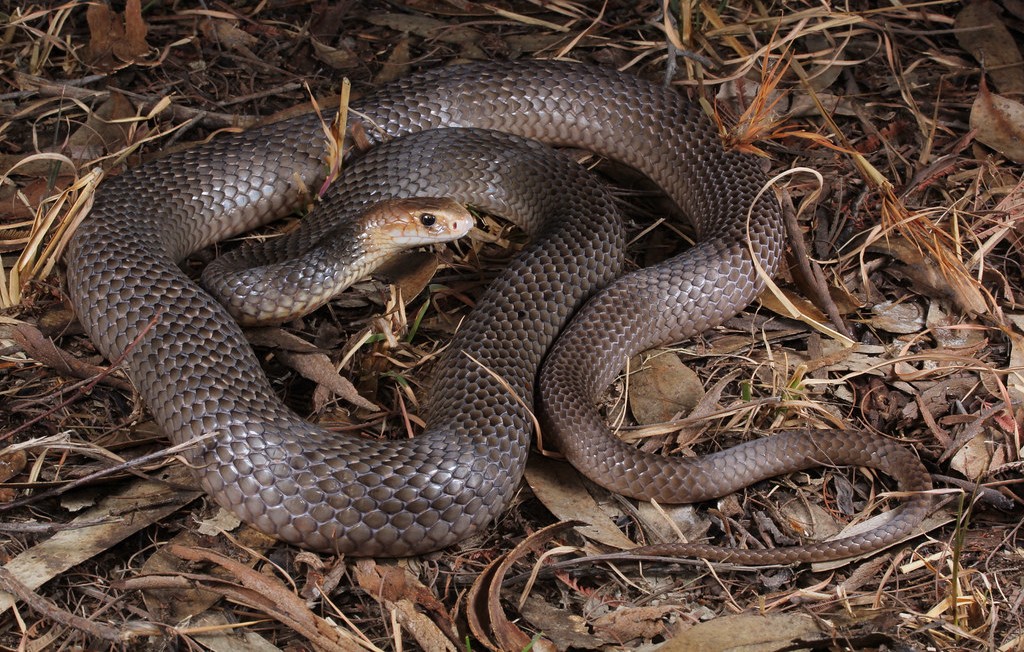
Watching an eastern brown snake hunt is like observing a perfectly calibrated killing machine that’s both beautiful and terrifying in its efficiency. The snake doesn’t just strike—it flows through the motion with a liquid grace that makes the violence seem almost elegant, until you remember that this creature can deliver enough venom to kill an adult human in 30 minutes (and sometimes it does exactly that, without hesitation or mercy).
The eastern brown has earned its reputation not through folklore or exaggeration, but through documented encounters where its speed, aggression, and lethal potency intersected with human presence in ways that rarely ended well. And here’s what makes encounters with this species particularly unsettling: the eastern brown doesn’t retreat when threatened.
Most snakes. The eastern brown stands its ground, raises the front third of its body off the ground, and prepares to strike—a behavior that transforms what might have been a brief sighting into a potentially deadly confrontation.
Tiger Snake
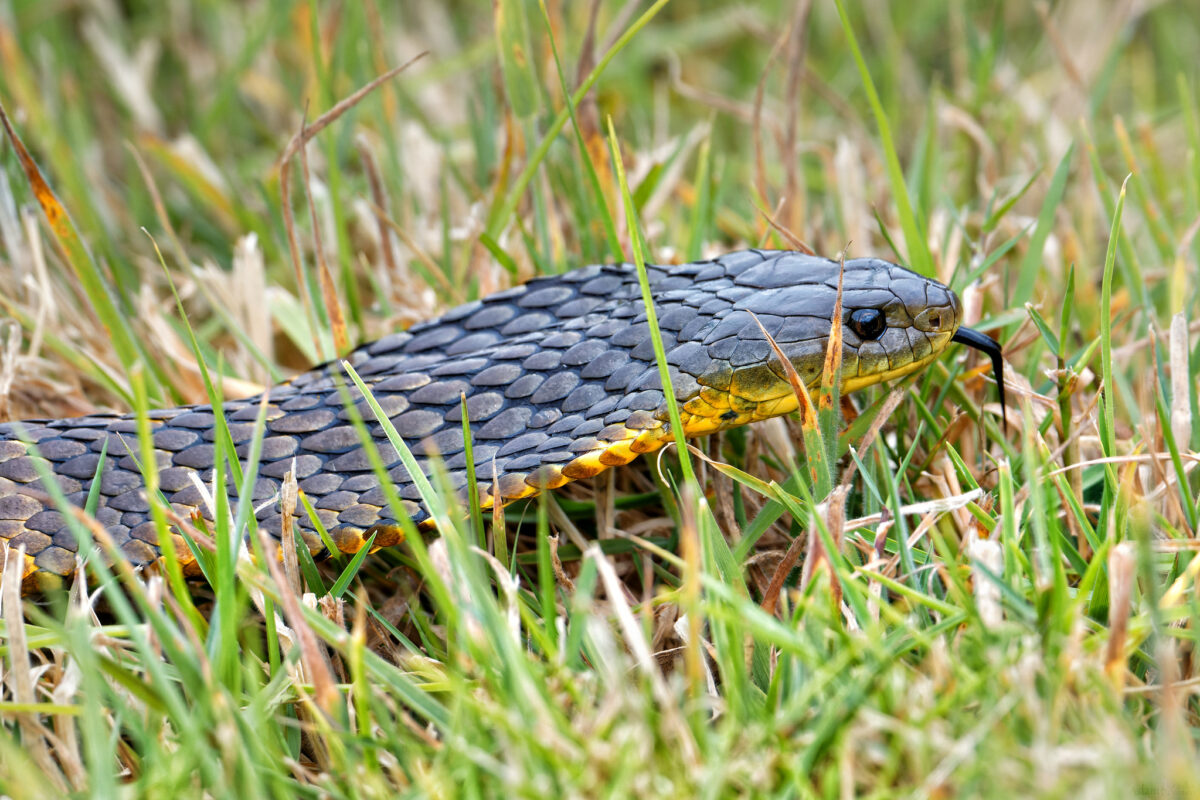
Tiger snakes prove that the most dangerous predators aren’t always the ones that look the part. Their banded patterns might seem decorative, almost pretty, until you realize those markings belong to something that kills with ruthless efficiency.
The venom works like a biological weapon designed by committee. Neurotoxins shut down your breathing.
Coagulants destroy your blood. Myotoxins dissolve muscle tissue.
The snake delivers all three with each bite, then watches its work unfold. These snakes adapt to almost any environment across southern Australia.
Wetlands, grasslands, coastal areas—they thrive everywhere humans happen to live and work.
Death Adder
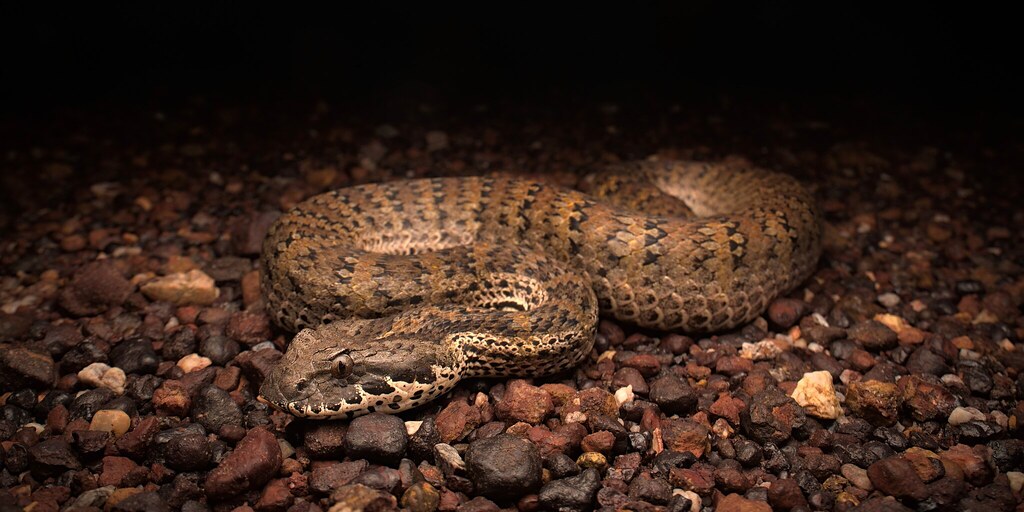
Death adders are ambush specialists (the kind that lie motionless for hours, waiting for prey to wander within striking distance, which—as it turns out—makes them particularly dangerous to humans who don’t see them until it’s too late). Their hunting strategy relies on patience and precision: they bury themselves partially in sand or leaf litter, leaving only their heads exposed, and use their tail tips as lures to attract prey—a technique that works disturbingly well on anything that moves, including the boots and hands of people working in the outback.
So when a death adder strikes, it’s usually because something has already come too close to escape. But what makes death adders truly formidable isn’t just their camouflage or their strike speed—it’s their venom, which contains some of the most potent neurotoxins found in any Australian snake.
The bite causes progressive paralysis that starts with the eyelids and facial muscles, then spreads to the respiratory system. Quick action.
Mulga Snake
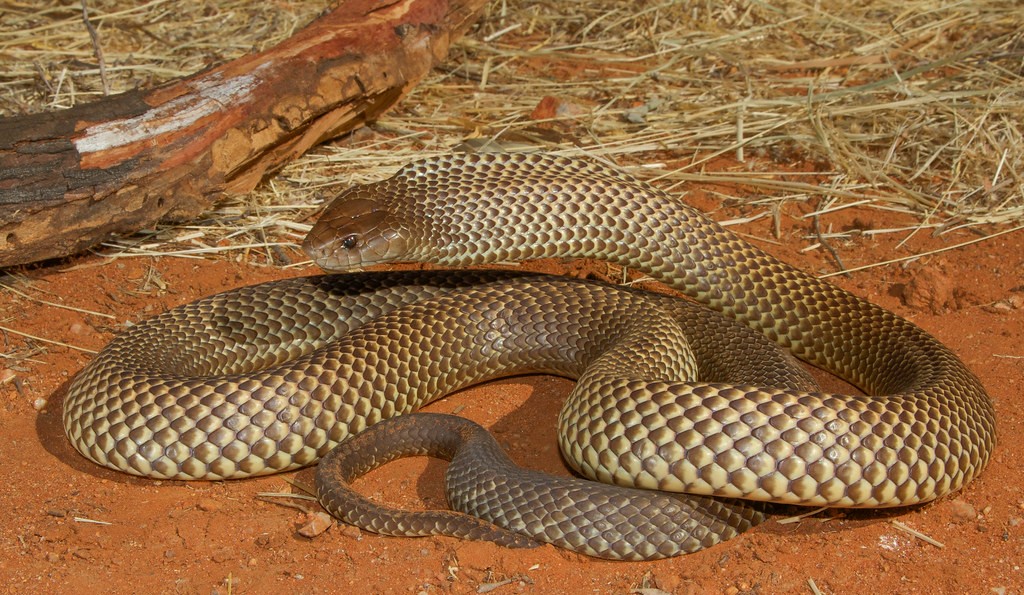
The mulga snake doesn’t need the strongest venom because it compensates with volume and tenacity. This snake bites hard, holds on, and keeps injecting venom until it’s satisfied with its work.
Most venomous snakes deliver a quick strike and retreat. Not the mulga snake.
It latches on and chews, pumping massive amounts of venom into whatever it’s biting. The venom might not be as potent as a taipan’s, but quantity has its own quality.
At up to three meters long, mulga snakes are also among Australia’s largest venomous species. Size, aggression, and persistence make them formidable opponents.
Red-bellied Black Snake
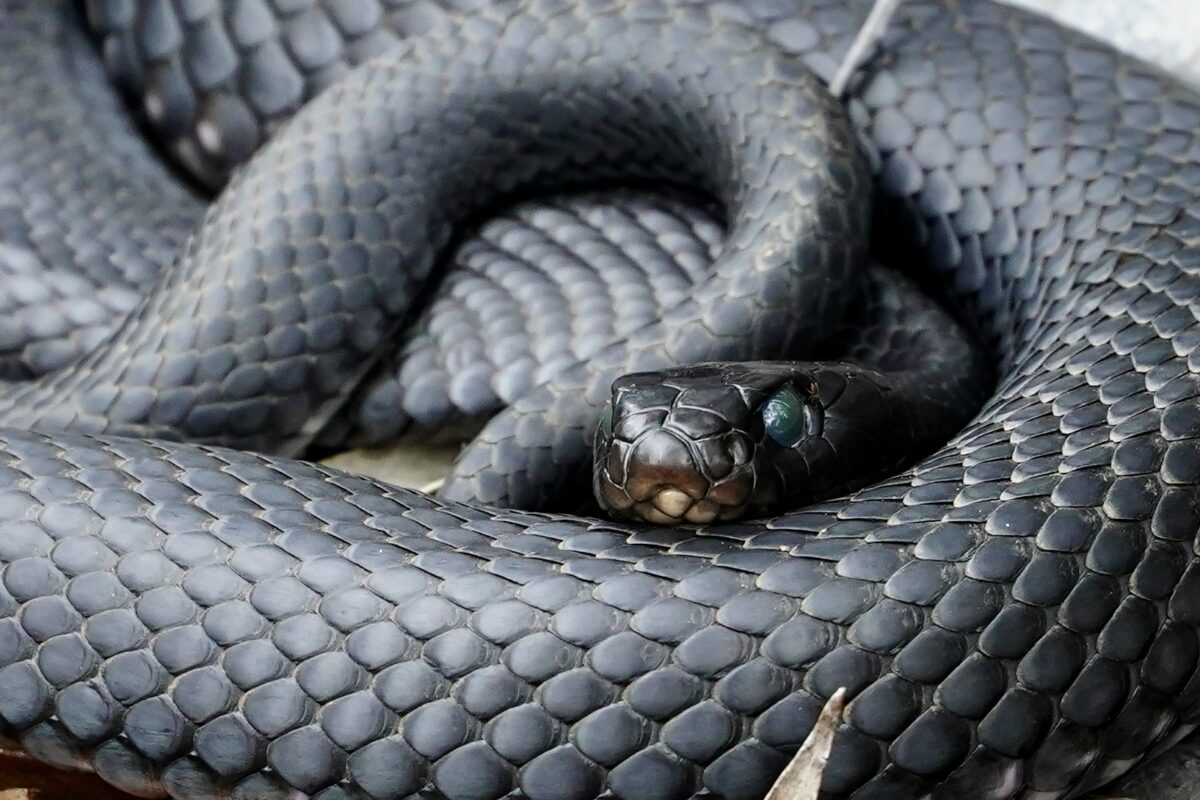
There’s something almost theatrical about the way a red-bellied black snake presents itself when threatened—rearing up with its glossy black scales catching the light and that distinctive crimson belly flashing like a warning signal that nature designed for maximum psychological impact. The display feels deliberate, almost performative, as if the snake understands that sometimes the threat of violence is more effective than violence itself (though it’s perfectly capable of delivering both).
This species has mastered the art of intimidation through posture and color, creating a presence that feels larger and more dangerous than its actual size would suggest. The red-bellied black snake inhabits the eastern coast of Australia, thriving in areas where water meets land—creeks, rivers, wetlands, and the margins between civilized spaces and wild ones.
And while its venom is less lethal than that of its more famous cousins, it still delivers a bite that causes significant pain, swelling, and systemic effects that can make victims seriously ill.
Western Brown Snake
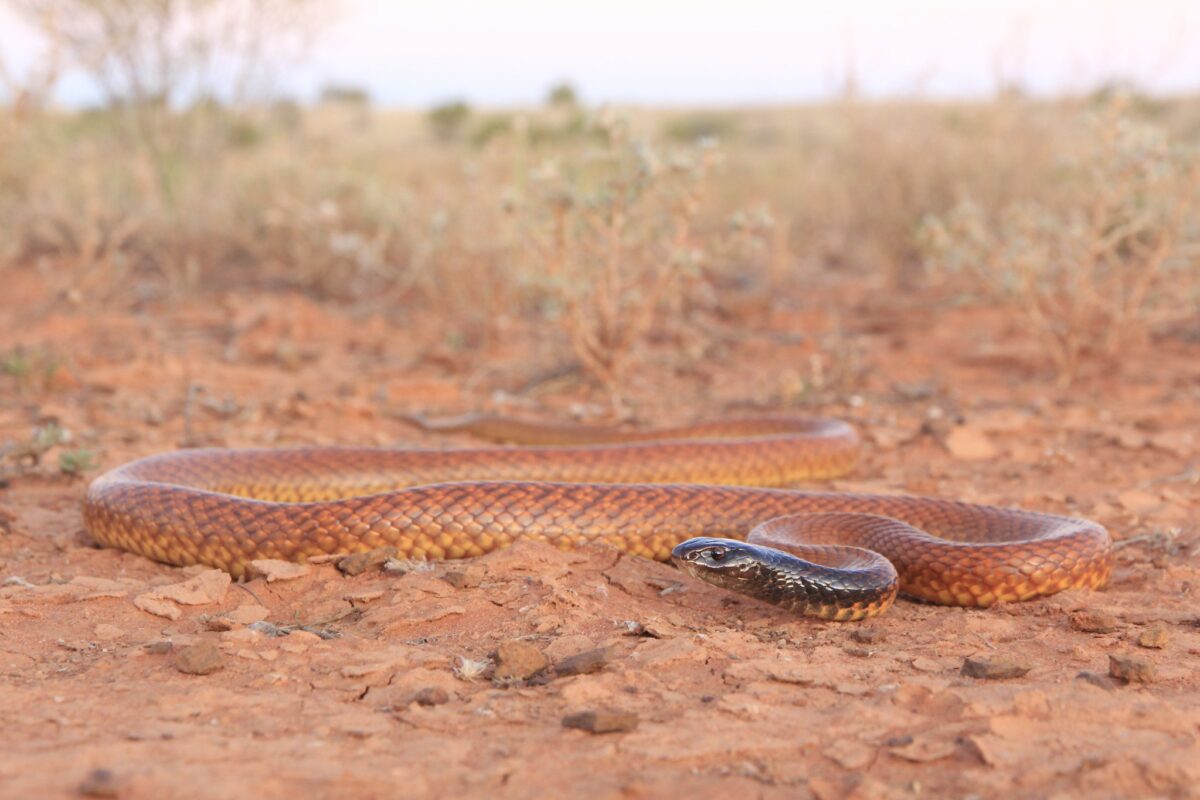
Western brown snakes are speed demons with attitudes to match. They can strike faster than most people can react, and they’re not particularly interested in giving warnings first.
The venom contains powerful coagulants that interfere with blood clotting. Victims experience internal hemorrhage, kidney failure, and cardiac arrest.
Death can occur within hours without antivenom treatment. These snakes are also remarkably heat-tolerant, remaining active in temperatures that force other species into hiding.
This makes them particularly dangerous during Australia’s scorching summer months.
Rough-scaled Snake
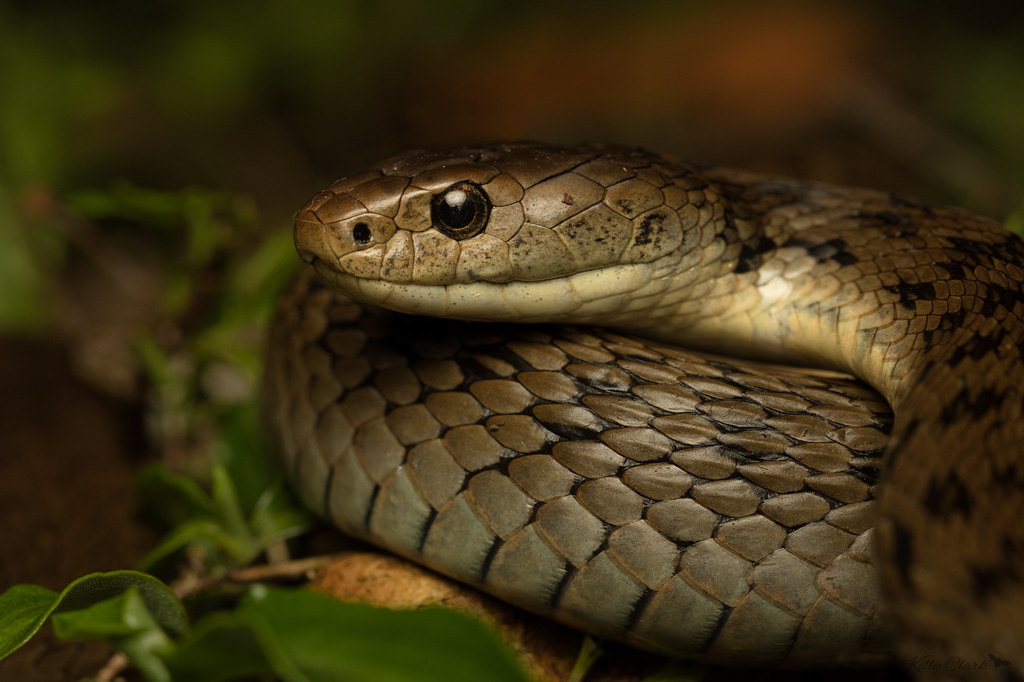
The rough-scaled snake lives in a world of extremes—high altitudes, cold temperatures, and rocky terrain that would challenge most reptiles, yet this species has adapted so completely to harsh mountain environments that it thrives where other snakes cannot even survive (which, unfortunately, includes areas where bushwalkers, rock climbers, and outdoor enthusiasts often venture without realizing they’re entering the territory of one of Australia’s most underestimated venomous species). The snake’s scales feel like sandpaper when touched, an adaptation that helps it grip rocky surfaces and navigate steep terrain with remarkable agility.
But the rough-scaled snake’s greatest asset isn’t its climbing ability or its tolerance for cold—it’s venom that combines neurotoxins and coagulants in proportions that make envenomation particularly dangerous. The bite causes rapid onset of paralysis while simultaneously interfering with blood clotting mechanisms.
Victims experience breathing difficulties, muscle weakness, and wound disorders that can progress to complete respiratory failure.
Small-eyed Snake
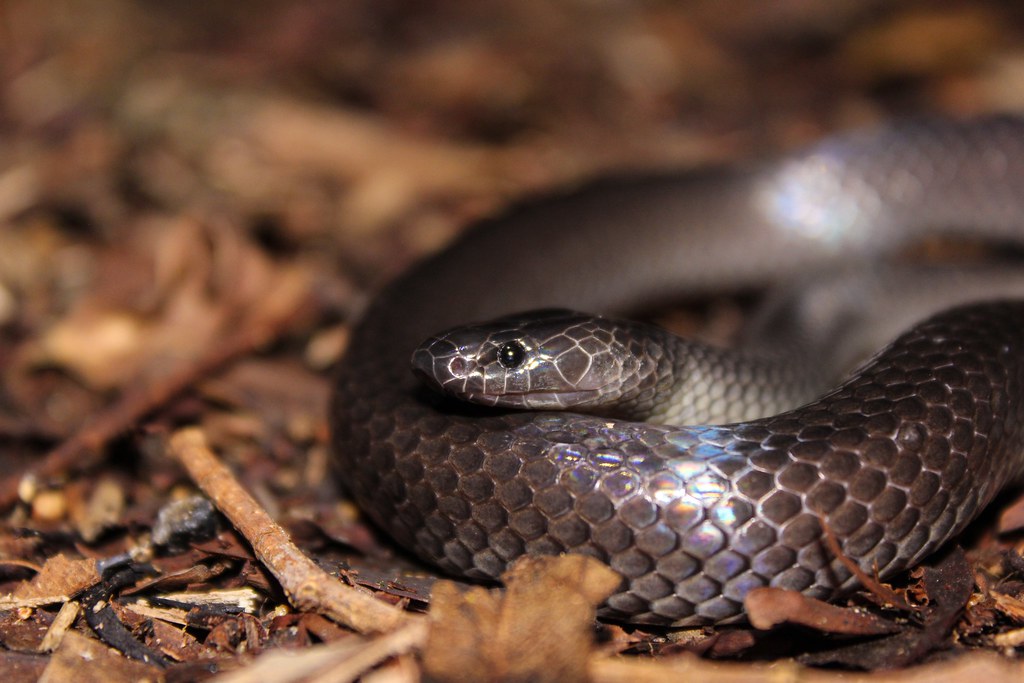
Small-eyed snakes prove that the most dangerous threats often come in unassuming packages. These snakes look ordinary, behave quietly, and bite with extraordinary toxicity.
The venom contains powerful myotoxins that destroy muscle tissue throughout the body. Victims develop rhabdomyolysis—a condition where damaged muscle releases proteins that can cause kidney failure and death.
Small-eyed snakes are also remarkably widespread across Australia, inhabiting forests, woodlands, and scrublands where people camp, hike, and work. Their cryptic coloration makes them nearly invisible among fallen leaves and forest debris.
Desert Death Adder
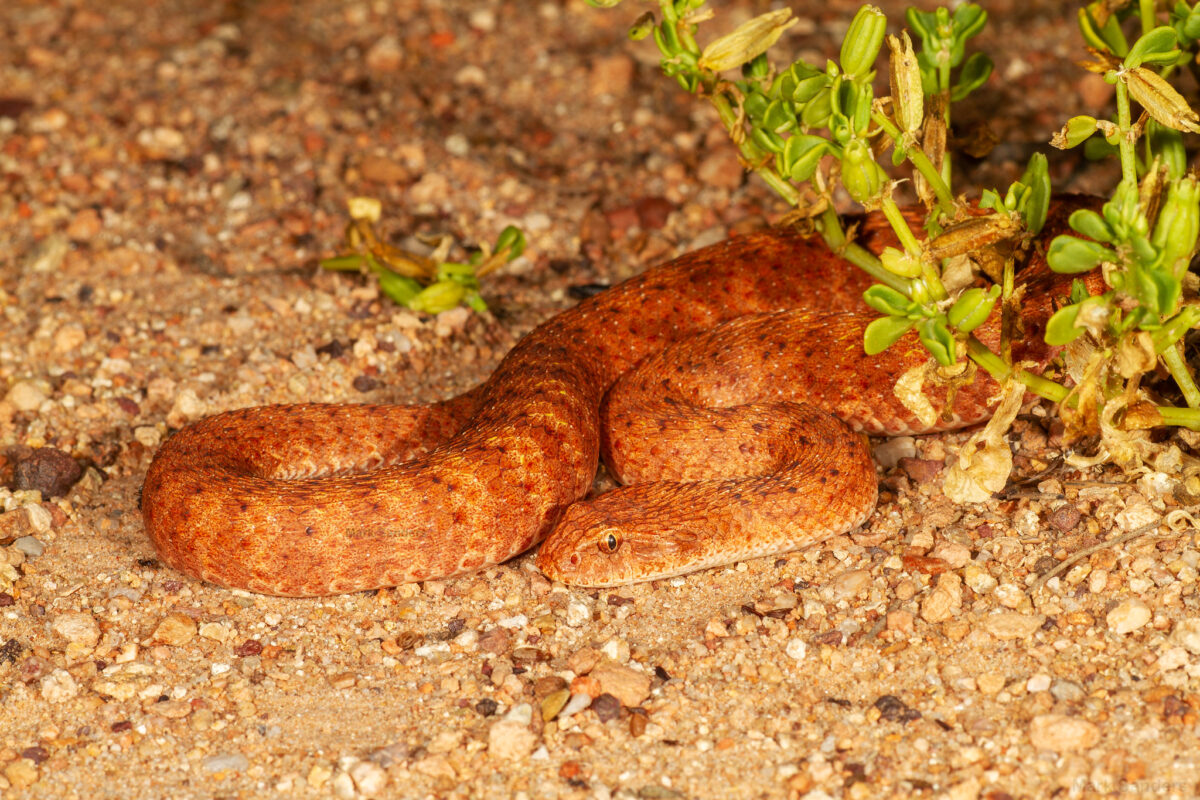
Desert death adders have perfected the art of invisible lethality in some of the most unforgiving terrain on Earth—sandy expanses where the line between survival and death is measured in degrees of heat, drops of water, and split-second decisions that determine whether you notice the snake buried in the sand before it notices you (and by “notices,” what actually happens is that you step within striking distance of a predator that has been lying motionless for hours, waiting for exactly this moment). Their camouflage isn’t just good—it’s so effective that these snakes become functionally invisible against the red sand and scattered debris of the Australian desert, creating a scenario where the first sign of their presence is often the bite itself.
The desert death adder’s venom contains neurotoxins that cause rapid paralysis, starting with the muscles that control breathing and swallowing. Without immediate medical intervention, victims experience progressive respiratory failure.
And in the remote desert areas where these snakes live, immediate medical intervention is often impossible.
Spotted Brown Snake
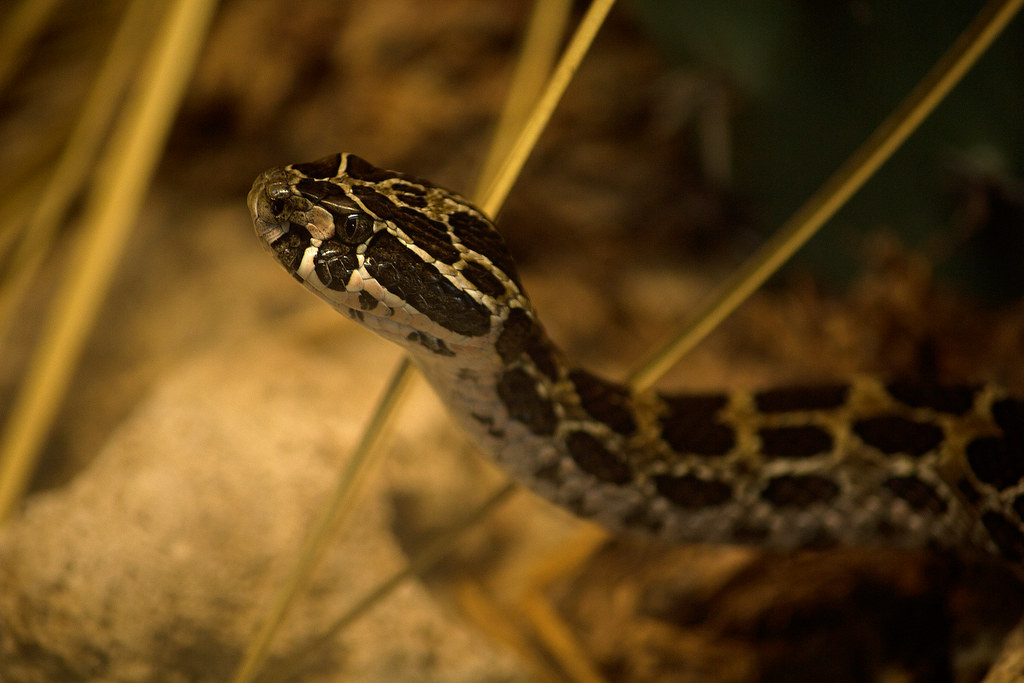
Spotted brown snakes operate with the efficiency of predators that can’t afford to waste energy. One strike, maximum venom delivery, immediate results.
The venom attacks multiple body systems simultaneously. Neurotoxins cause paralysis.
Blood coagulants trigger massive internal hemorrhage. Cardiac toxins stop the heart.
This multi-pronged assault gives victims little time to seek treatment. These snakes prefer woodland and scrubland habitats across northern and eastern Australia.
They’re particularly active during warmer months when people spend more time outdoors.
Collett’s Snake
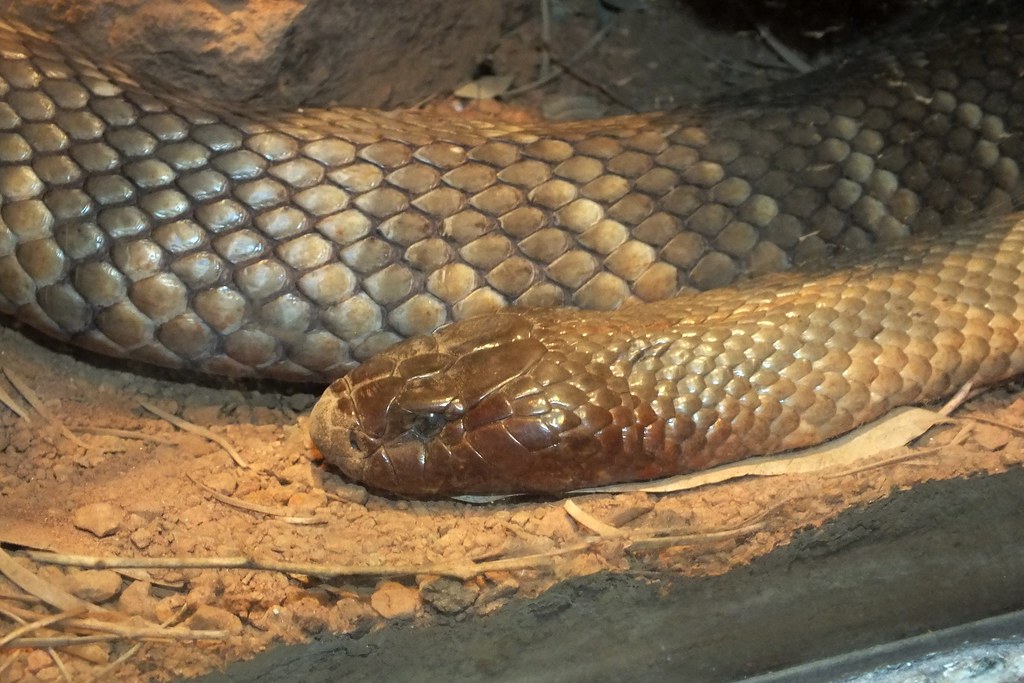
Collett’s snake doesn’t advertise its presence or issue warnings. It strikes from ambush positions with venom potent enough to kill within hours.
The species inhabits black soil plains and brigalow scrublands across Queensland and northern New South Wales. These areas coincide with agricultural regions where farmers and workers encounter snakes during routine activities.
What makes Collett’s snake particularly dangerous is its unpredictable nature. Some individuals are relatively docile, while others are aggressive and quick to bite.
There’s no way to know which temperament you’re dealing with until it’s too late.
Broad-headed Snake
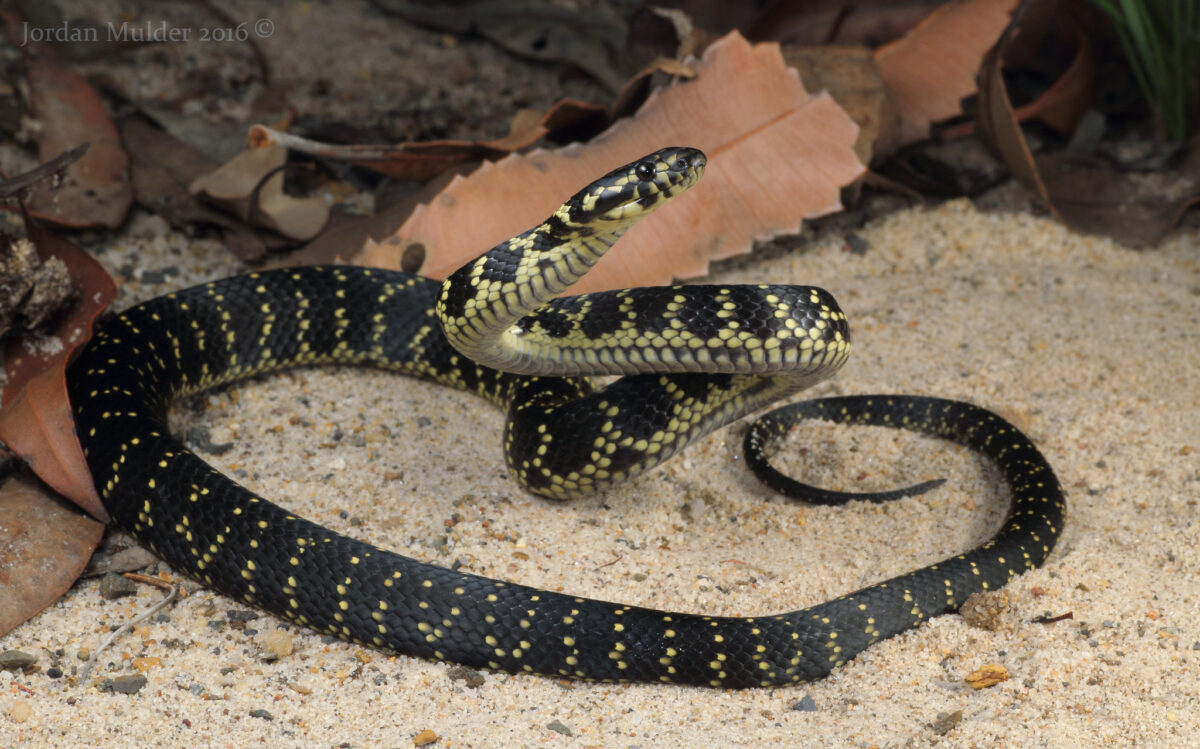
The broad-headed snake represents everything that makes Australia’s venomous species so formidable: specialized hunting abilities, potent venom, and a habitat that overlaps significantly with human activity. These snakes live in rocky outcrops and cliff faces near Sydney, one of Australia’s most populated areas, creating a scenario where deadly predators exist within striking distance of millions of people.
Their hunting strategy involves ambushing prey along rock crevices and cliff faces—the same areas where rock climbers, bushwalkers, and outdoor enthusiasts often place their hands and feet without looking first (which, as it turns out, is exactly the wrong approach when dealing with a species that relies on surprise attacks). So encounters with broad-headed snakes often occur when people are engaged in activities that make quick escape difficult or impossible.
The venom contains powerful toxins that cause rapid onset of systemic effects, including difficulty breathing, muscle weakness, and circulatory problems. And because broad-headed snakes inhabit remote rocky areas, victims are often far from medical facilities when envenomation occurs.
When the dust settles
The Australian outback doesn’t just test your survival skills against heat, isolation, and harsh terrain. It populates that harsh terrain with creatures that have spent millions of years perfecting the art of killing efficiently.
These snakes aren’t malicious—they’re simply extraordinarily good at what evolution designed them to do. Understanding these species isn’t about developing a fear of the Australian wilderness.
It’s about developing respect for it. The outback demands preparation, awareness, and healthy caution from anyone who enters its domain.
Because out there, among the red earth and endless horizons, death doesn’t always announce itself with a rattle or warning display. Sometimes it just waits quietly in the sand.
More from Go2Tutors!

- The Romanov Crown Jewels and Their Tragic Fate
- 13 Historical Mysteries That Science Still Can’t Solve
- Famous Hoaxes That Fooled the World for Years
- 15 Child Stars with Tragic Adult Lives
- 16 Famous Jewelry Pieces in History
Like Go2Tutors’s content? Follow us on MSN.



