Micronations and Tiny Countries to Explore
Most people dream about visiting Paris or Tokyo. But there’s something different about standing in a country you can walk across in an afternoon.
These places exist in the gaps between empires, tucked into valleys or perched on rocks in the sea. Some you’ve heard of. Others operate more like inside jokes that somehow got their own stamps and currencies.
The thing about tiny nations is that they force you to reconsider what a country even means. When the population fits in a high school gym, when you can see the entire border from one spot, when the national anthem takes longer than walking from one end to the other—these facts change your relationship with the idea of sovereignty itself.
Sealand: The Platform That Declared Independence
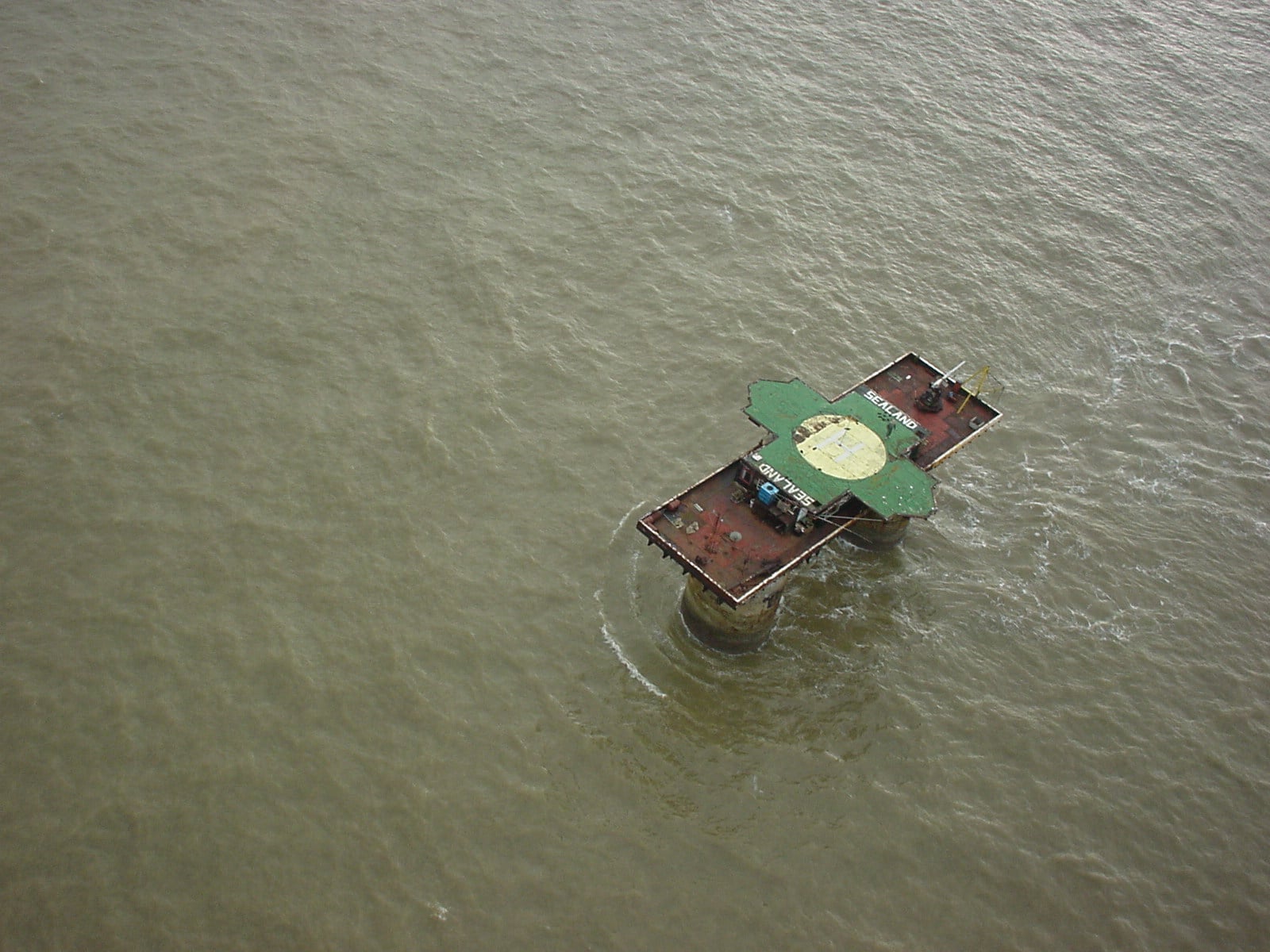
A World War II naval platform sits seven miles off the English coast. In 1967, a guy named Roy Bates occupied it and declared it a nation. Britain tried to kick him out. The courts said they had no jurisdiction because the platform sat outside territorial waters.
Sealand has a flag, a constitution, nobility titles you can buy online, and a history that includes a coup attempt in 1978. The micronation survived a fire in 2006 and continues operating with a population that rarely exceeds five people.
You can’t visit without an invitation, which makes it more exclusive than most actual countries.
Vatican City: The Country Inside a City
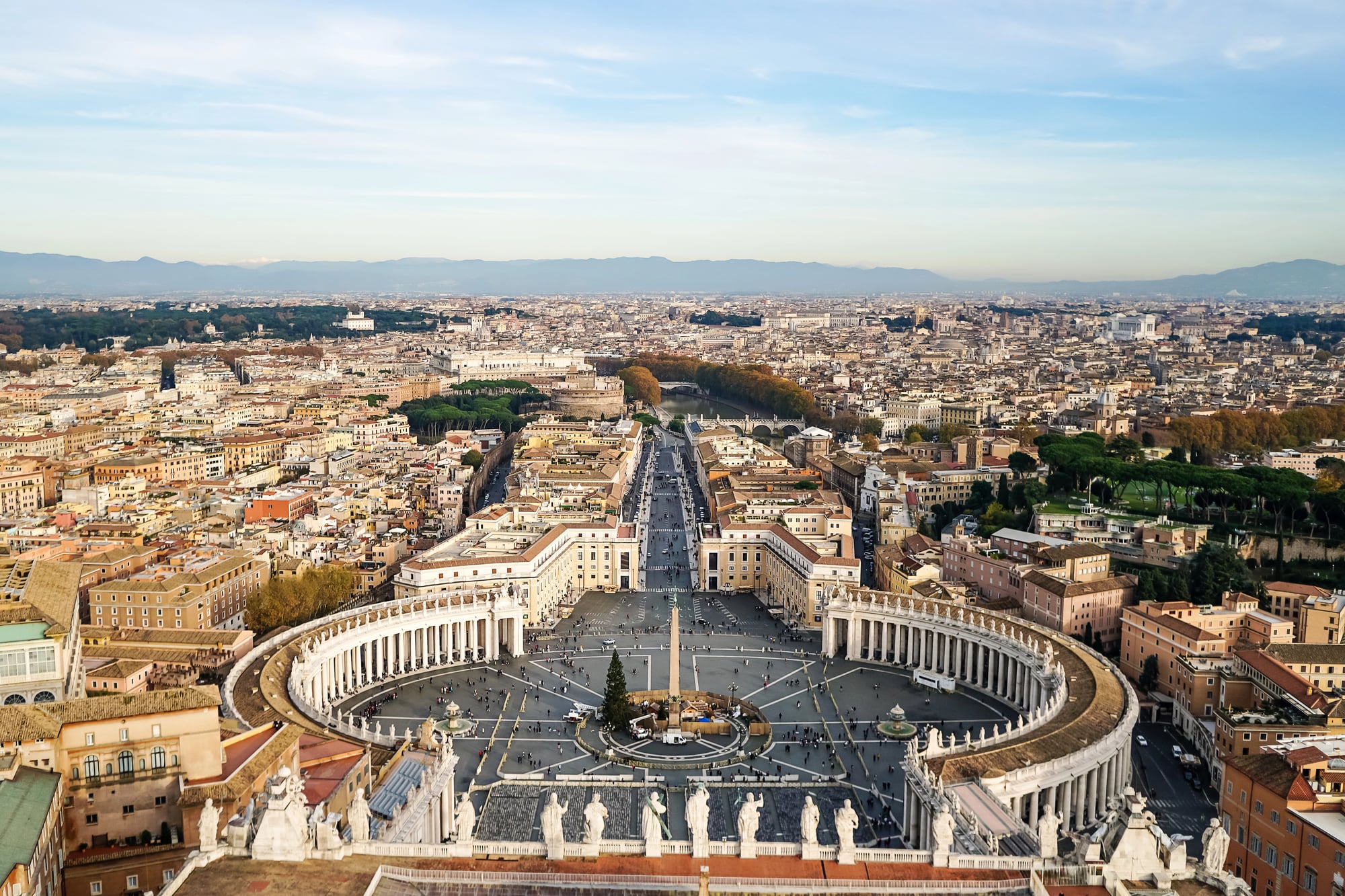
This one actually matters on the world stage. Vatican City covers 110 acres and houses about 800 residents, most of whom hold passports from other countries.
The Pope runs the place as an absolute monarch, which makes it the last absolute monarchy in Europe. The Swiss Guard still wears Renaissance uniforms and carries halberds.
The pharmacy inside Vatican walls supposedly stocks medications not available elsewhere in Italy. And the entirety of this nation-state exists to support the Catholic Church’s independence from any other government.
You can visit, but you’re basically always in a museum or a church. The whole country is either holy or historic, with no neighborhoods, no grocery stores, no normal life happening anywhere. Just faith and bureaucracy and art that makes you forget you’re technically in a different country than you were five minutes ago.
Liechtenstein: Renting a Nation
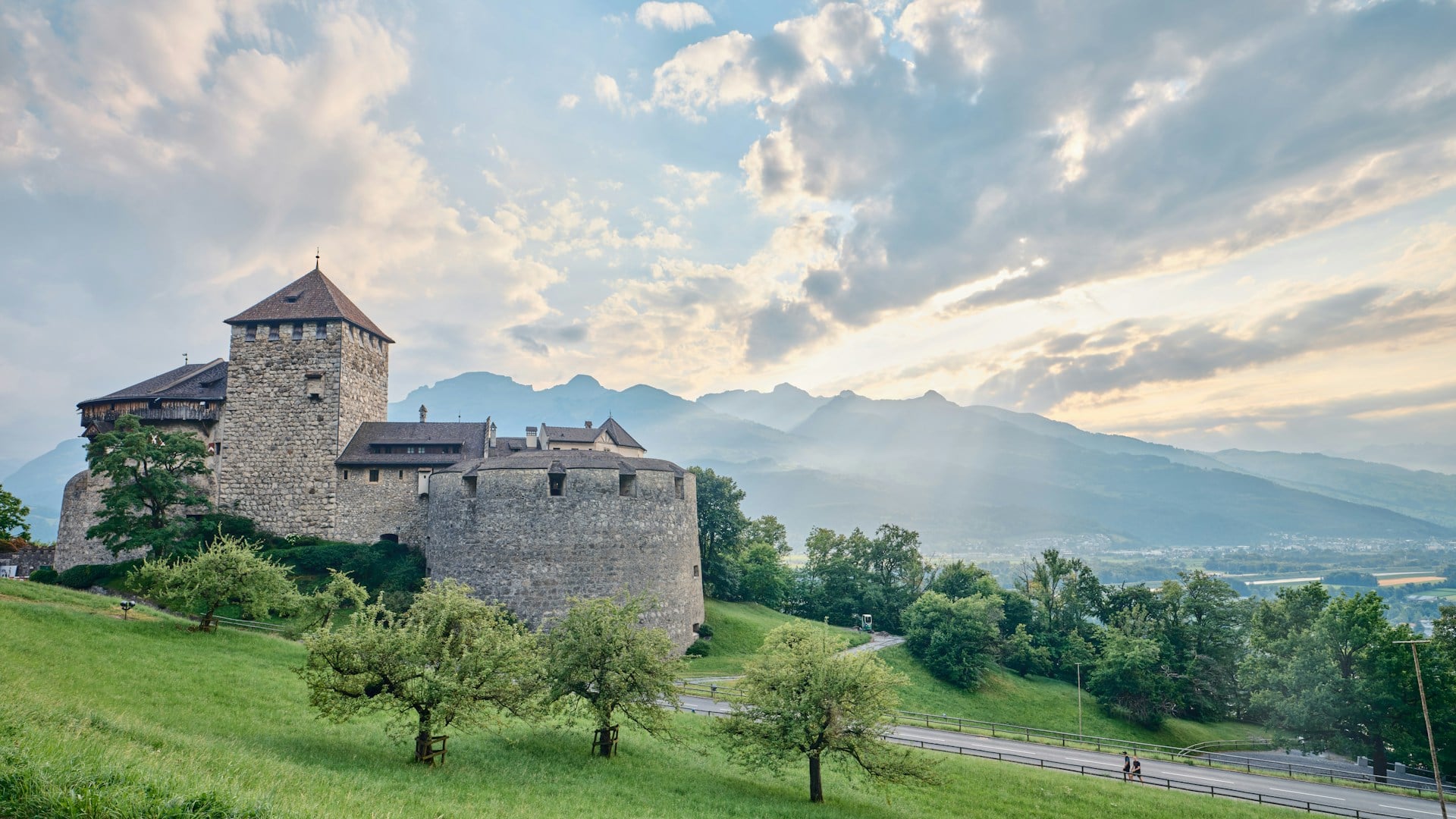
Here’s what sets Liechtenstein apart: you can rent the entire country for $70,000 a night. The package includes accommodation for 150 people, customized street signs, temporary currency, and a personal tour with the head of state.
This isn’t a publicity stunt. It’s a real option on their tourism website. The country sits between Switzerland and Austria, spanning 62 square miles.
About 39,000 people live here, and they speak German, make false teeth for the world market, and enjoy one of the highest GDPs per capita on the planet. The Prince still holds significant power, and the whole place runs on a weird mix of tradition and banking secrecy laws.
You can walk across it in a day, but most people just pass through between Switzerland and Austria without stopping. Which seems wrong, given that you’re literally crossing through an entire nation.
Molossia: The Dictator Next Door

Kevin Baugh declared his property in Nevada an independent nation in 1999. He named it Molossia, appointed himself dictator, and got to work creating everything a country needs: customs stations, a railroad, a war memorial, and a space program that consists of model rockets.
Molossia operates on its own time zone, thirteen minutes ahead of Pacific Time. The currency is based on the value of Pillsbury cookie dough.
The country has declared war on East Germany, apparently unaware that East Germany doesn’t exist anymore. And you can actually visit, but you need to make an appointment with the dictator first.
This sounds like a joke until you show up and see the genuine nation-building happening. Baugh takes it seriously enough that it stops being funny and starts being something else. Not quite art, not quite delusion. Something in between.
Monaco: Where the Rich Go Small
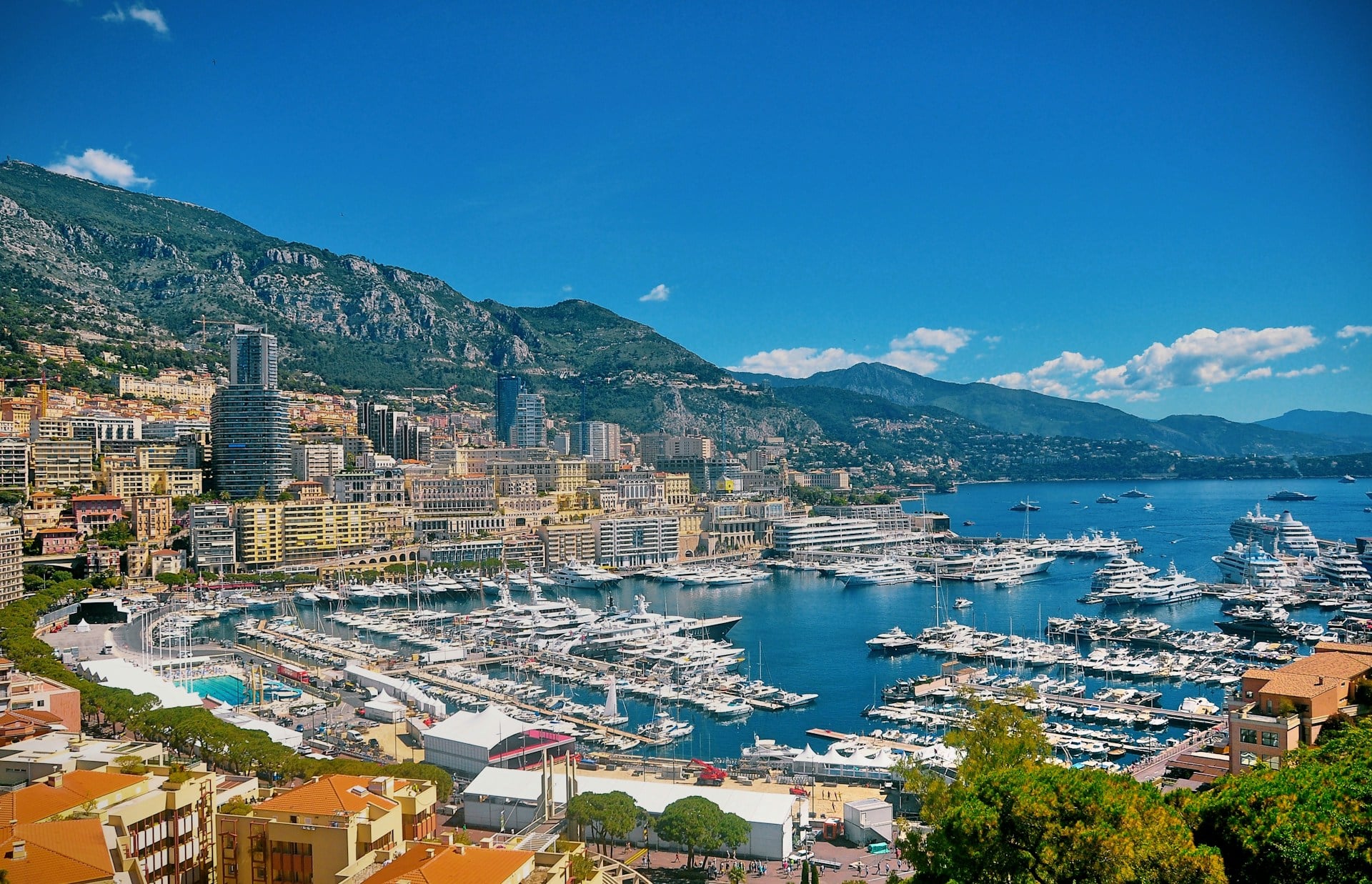
Monaco packs more wealth per square foot than anywhere else. The entire country covers 0.78 square miles, making it smaller than Central Park, and about 40% of the population consists of millionaires.
The casino, the Grand Prix, the yacht harbor—these aren’t tourist attractions, they’re the actual economy. The Grimaldi family has ruled since 1297, making them one of the oldest dynasties in Europe.
They’ve survived by being useful to whoever held power around them, and now they survive by being a tax haven with good weather. No income tax for residents explains a lot about why you can’t afford an apartment here.
You can walk the whole country in a couple of hours, but you probably won’t because the streets slope up from the sea in ways that murder your calves. And everywhere you look, there’s another building that costs more than your hometown.
Hutt River Province: The Wheat Farm That Wasn’t
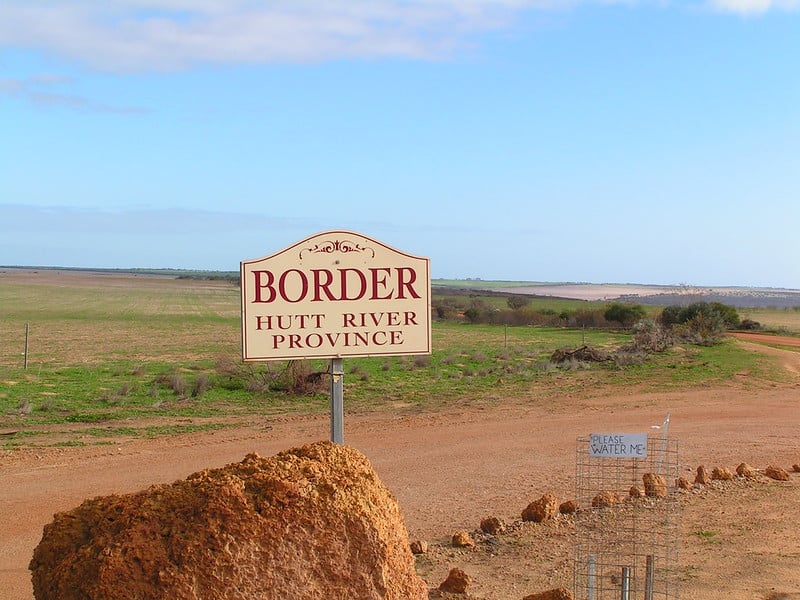
Leonard Casley got in a fight with the Australian government about wheat quotas in 1970. His solution? Declare his farm an independent nation.
Hutt River Province lasted until 2020, when his son finally surrendered sovereignty back to Australia, but for fifty years, this 75-square-kilometer territory in Western Australia issued its own stamps, currency, and passports. Thousands of people visited during its existence. They paid an entry fee, got their passports stamped, bought coins, and took photos with Leonard, who styled himself Prince Leonard.
The government never officially recognized the place, but they also never shut it down with force, creating this weird legal limbo that lasted half a century. Now it’s gone, absorbed back into Australia, but it proved something about how thin the line between legitimate and illegitimate sovereignty really is.
San Marino: The Survivor
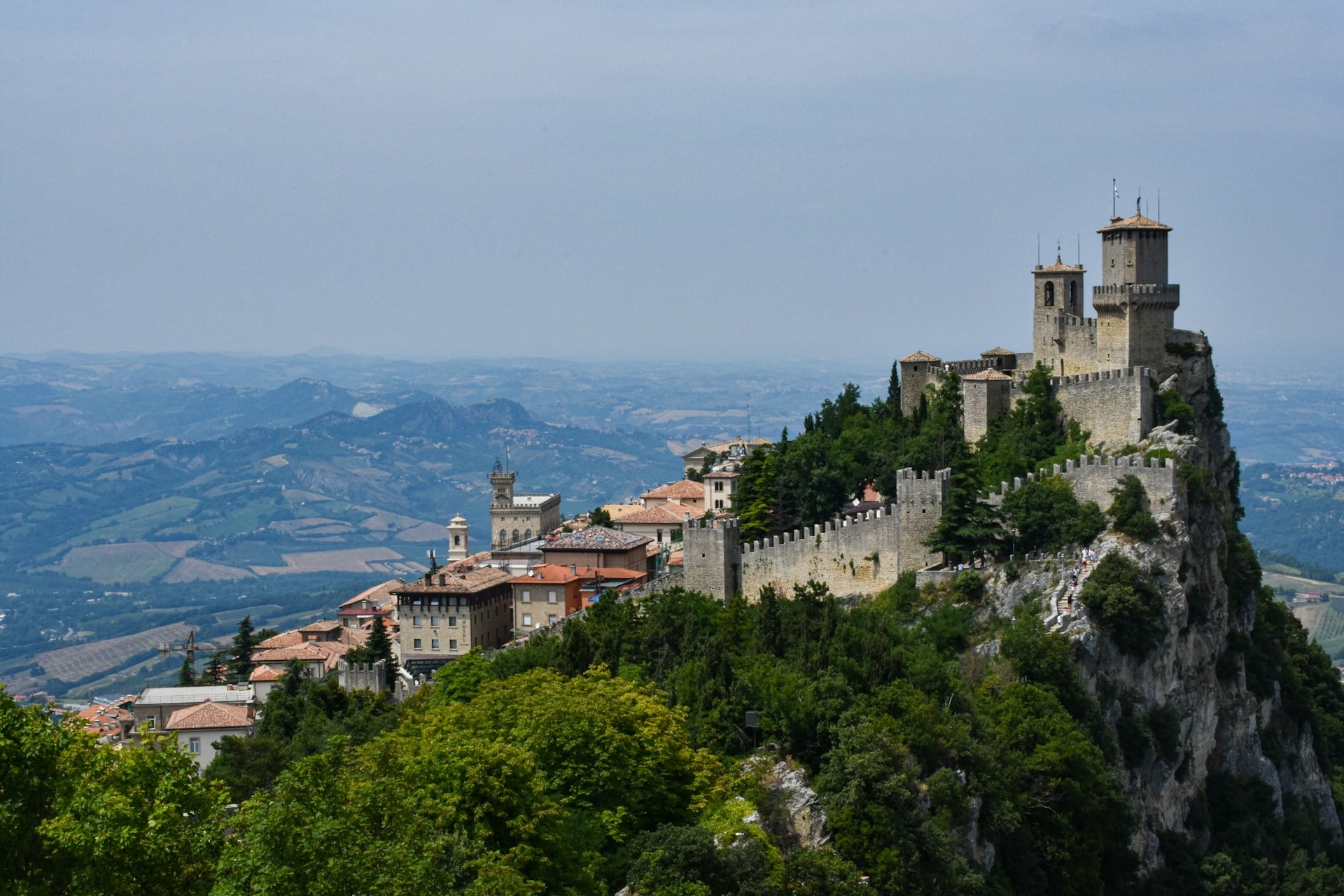
This country has been independent since 301 AD. Think about that. San Marino predates Italy, predates most modern nations, predates the concept of the nation-state itself.
It survived by being too small to bother conquering and too strategically useless to care about. The whole country sits on a mountain in central Italy, covering 24 square miles and housing about 34,000 people.
Three towers crown the peak, visible for miles around. The economy runs on tourism, banking, and ceramics.
You can drive there from the Italian coast in less than an hour. The medieval walls and winding streets look exactly like a hundred other Italian hill towns, except this one has its own government, its own military (all volunteers), and its own stamps that collectors actually want.
Ladonia: The Driftwood Kingdom
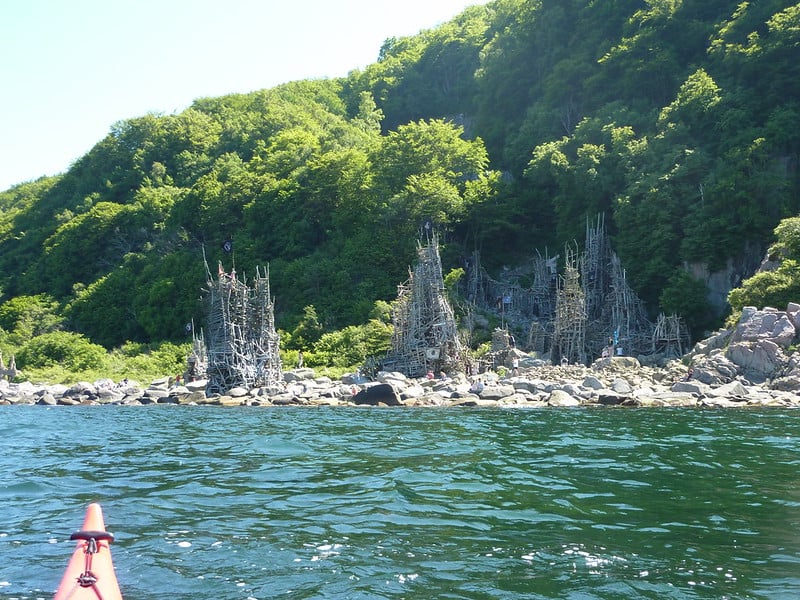
Two sculptures on a beach in Sweden triggered this one. Artist Lars Vilks created driftwood structures called Nimis and Arx in 1980. Local authorities ordered them removed. Vilks responded by declaring the area an independent nation in 1996.
Ladonia claims a square kilometer of Swedish territory and about 25,000 citizens worldwide, most of whom have never visited. The micronation has a language consisting mostly of sounds you make by hitting stones together.
Ministers hold positions like Secretary of Eudaimonia and Minister of Jumping. And Sweden basically ignores the whole thing.
You can visit the sculptures, now weathered and even more intricate than when Vilks first built them. Sweden treats them as illegal structures that happen to be tourist attractions. Ladonia treats them as the physical manifestation of a nation. Both things are true.
Andorra: Governed by Two Princes Who Live in Different Countries
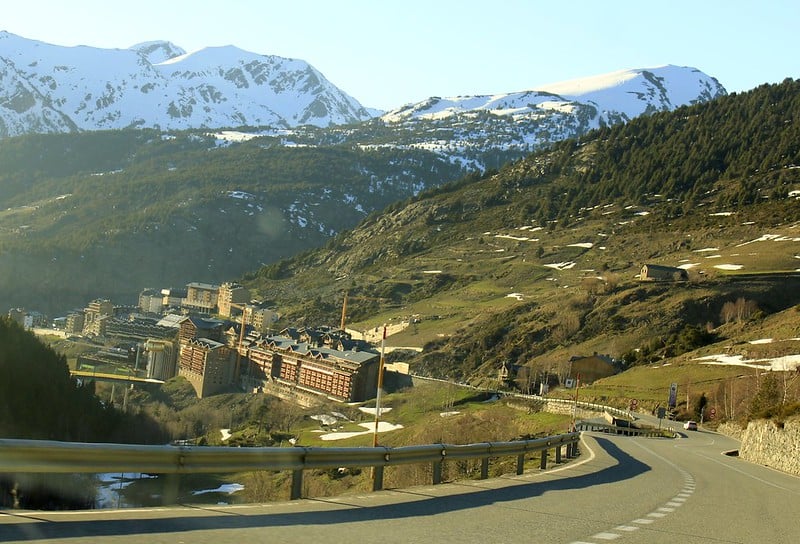
Andorra sits in the Pyrenees between France and Spain. Two co-princes rule it: the President of France and the Bishop of Urgell in Spain. This arrangement started in 1278 and nobody has bothered changing it.
The population speaks Catalan, skis all winter, and benefits from tax laws that make the place a shopping destination. The whole country covers 181 square miles.
No airport, no railway. You drive in through mountain passes that close when snow gets bad. About 80,000 people live here, and millions more visit each year to buy cigarettes and electronics without the usual European taxes.
The government doesn’t maintain an army. France and Spain provide defense, though nobody really expects either country to need defending. Andorra just sits there, tucked in its valley, selling stuff and hosting ski resorts and existing as proof that medieval political arrangements can survive into the age of the internet.
Seborga: The Town That Won’t Accept Italy
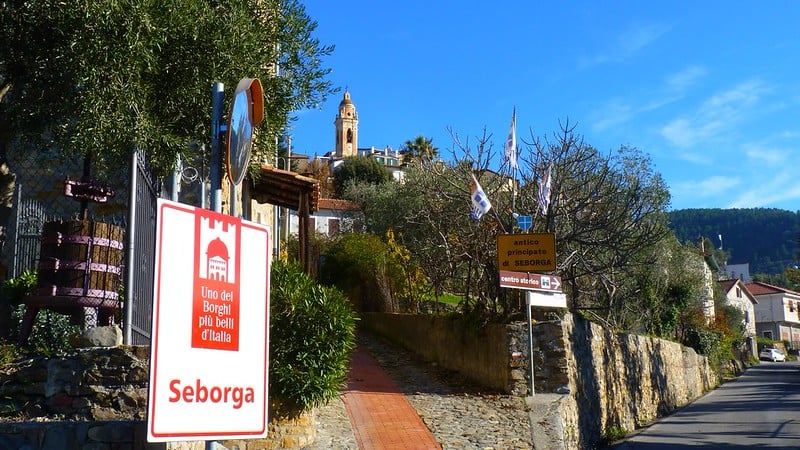
This village in northern Italy claims it was never properly annexed when Italy unified. Therefore, according to local logic, it remains an independent principality.
The residents elected a prince, created a currency called the Luigino, and started issuing passports and stamps. Italy doesn’t recognize any of this. The Italian government considers Seborga a normal town in Liguria.
But that doesn’t stop the 300-ish residents from maintaining their micronation, electing new princes, and running a tourist economy based on the whole independence story. You can visit and get your passport stamped. You can buy Luiginos, though nobody actually uses them for real transactions. And you can enjoy the cognitive dissonance of being in a place that insists it’s not where you think you are.
Principality of Wy: The Art Installation That Became a Country
Paul Delprat got in a zoning dispute with the Sydney suburb of Mosman in 2004. His solution? Declare his property and nearby land the Principality of Wy.
The micronation exists primarily as an art project and political statement about local government overreach. Wy issues stamps, passports, and currency.
The Prince maintains a website and occasionally makes proclamations. The whole thing operates as commentary on sovereignty and bureaucracy and what happens when someone takes the concept of “my land, my rules” to its logical extreme.
Australia doesn’t care. The micronation poses no threat, pays taxes like everyone else, and basically serves as an elaborate art piece that you can visit if you’re in Sydney and curious about what constitutional protest looks like when processed through contemporary art.
Nauru: The Island That Ate Itself
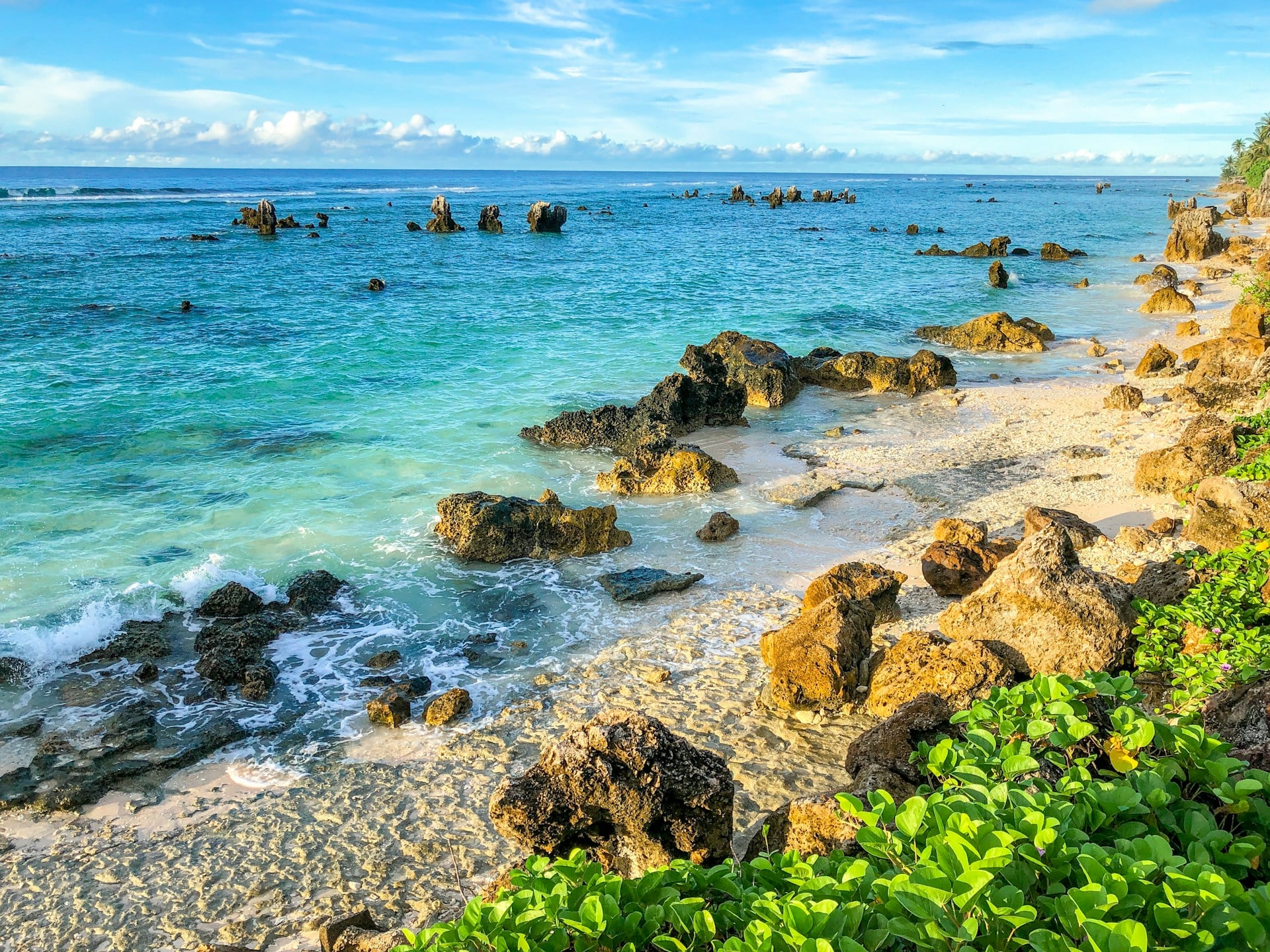
This one’s a real country, fully recognized, a member of the UN. But at 8.1 square miles, it’s the world’s smallest island nation.
The entire place used to be covered in phosphate from thousands of years of bird droppings. Countries mined it bare in the 20th century, leaving a moonscape interior that can’t support much life.
The population peaked around 10,000. The economy crashed when the phosphate ran out.
Now Nauru survives on Australian aid in exchange for running a refugee detention center. The place has no natural water supply. Most food gets imported. And visitors need special permission from the government to enter.
You probably won’t go there. Getting there involves expensive flights and government approval. But Nauru represents something important about how small nations survive when they lose the one resource that made them valuable. The answer is usually not well.
Tuvalu: Disappearing into the Ocean
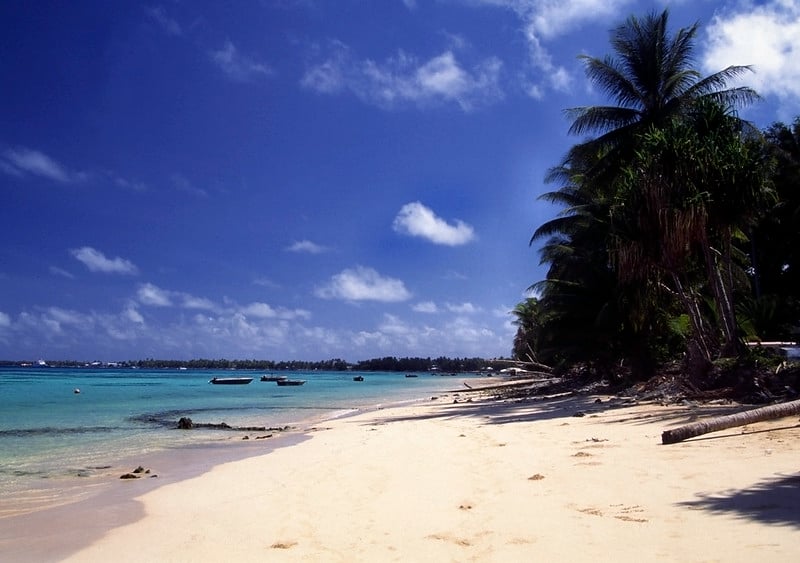
Another real nation, this time consisting of nine islands in the Pacific spanning 10 square miles total. About 11,000 people live here, and the highest point in the country sits 15 feet above sea level.
Climate scientists give Tuvalu maybe 50 years before rising seas make it uninhabitable. The country makes money from its internet domain, .tv, which tech companies and streaming services love.
But that revenue won’t matter when the islands go underwater. The government has talked about relocating the entire population to other Pacific nations. Tuvalu might become the first country to cease existing due to climate change.
You can visit now, though flights are rare and expensive. The locals are friendly, the beaches are beautiful, and everywhere you look, you’re reminded that this place has an expiration date. Which makes every sunset feel heavier than it should.
Finding Your Place Among the Small
These tiny nations persist because people keep declaring them, keep believing in them, keep showing up with passports and stamps and the will to draw lines on maps. Some are jokes. Some are art. Some are desperate attempts to escape taxes or zoning laws.
And some are the last remnants of political arrangements that somehow survived centuries of war and consolidation.The urge to visit them comes from somewhere specific—the desire to see what happens at the edges of the concept of country.
What remains when you strip away population and military and economic power? Sometimes just a guy on a platform. Sometimes a village that won’t acknowledge the government.
Sometimes an actual nation, recognized by the world, that fits inside the boundaries of a city park.You don’t visit these places the way you visit France. You visit them to see what persistence looks like when scaled down to human size.
And you leave with your passport stamped, your currency exchanged, and your understanding of borders slightly less certain than when you arrived.
More from Go2Tutors!

- The Romanov Crown Jewels and Their Tragic Fate
- 13 Historical Mysteries That Science Still Can’t Solve
- Famous Hoaxes That Fooled the World for Years
- 15 Child Stars with Tragic Adult Lives
- 16 Famous Jewelry Pieces in History
Like Go2Tutors’s content? Follow us on MSN.