15 Everyday Words That Were Invented by Movies Or TV Shows
Words never stop changing. Out of nowhere, fresh ones appear every day – yet schools and reference books aren’t their only source.
Many terms people say now first showed up online.
Truth is, origins of everyday terms stay hidden from nearly everyone. Brace yourself – your ear might twitch at familiar sounds now.
Nerd

Until the middle of the twentieth century, people did not label others as nerds. Into view came the term through a Dr. Seuss story printed in 1950 titled ‘If I Ran the Zoo.’
Yet television breathed life into it later on. From a sitcom named ‘Happy Days,’ aired years after, the image grew stronger.
Schoolyards picked it up next. Offices followed close behind.
Then screens carried it further than anyone expected.
Muggle
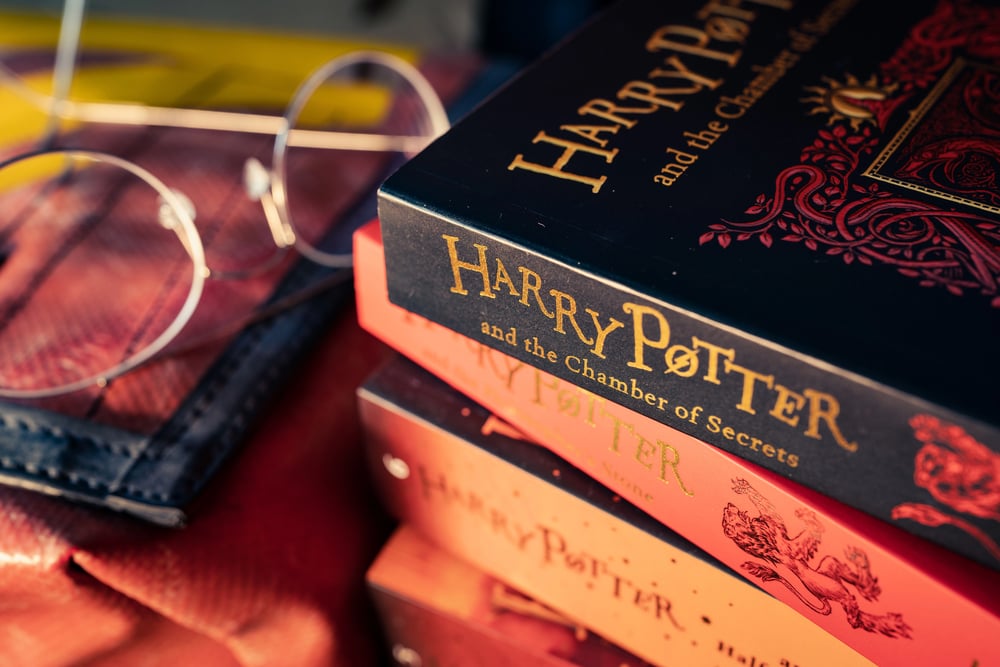
Out of nowhere, J.K. Rowling slipped “muggle” into the Harry Potter movies, yet it caught on fast outside the films. Now folks toss it around when talking about anyone clueless in a particular scene.
Surprise entry – the Oxford English Dictionary picked it up, kind of rare for made-up terms.
Tween

Kids in that gap just after little child but before teen? A label for them barely existed until the 90s.
Then came catchy themes, bright colors on TV screens – Disney spun a spotlight right at those middle years.
Suddenly stores had sections labeled differently. Magazines started using a new term without blinking.
That once-silent phase now has a name shouted from billboards, websites, even lunchboxes. Words shift when culture leans hard on them.
Bling

Flashy jewelry gave the term its shine, yet movies from 1998 pushed it forward. Not just hip-hop lifted ‘bling,’ though rhythm-filled clips carried it further.
Later, a cartoon named Baby Boy slipped it into daily talk. Shiny trinkets became linked to the sound of the word itself.
Fashion writers eventually borrowed it, despite its street roots. Conversations now toss it around like loose change.
Dweeb

A label for someone clumsy in social settings found its rhythm in U.S. youth films and TV shows of the ’80s and ’90s. Thanks to flicks such as Revenge of the Nerds, slang terms including dweeb crept into common chat.
Though less harsh than tagging a person a failure, it still carries nearly identical weight. Then again, the sting feels familiar.
Frenemy

Out of nowhere, the term ‘frenemy’ stuck because of a moment in a series, showing how one person can seem close yet act cold. That mix clicked with so many people it started echoing beyond screens.
From desks at work to messages between classmates, it slipped into talk like it had always been there.
Googling

Google began as just a business title, yet typing that word turned into an everyday action thanks to its frequent appearance across television and movies during the two thousands. Buffy the Vampire Slayer helped lead the shift by dropping the term without fanfare in regular scenes.
When actors treated searching online through Google as routine, viewers picked up the habit fast. Pop culture shaped speech, then speech reshaped how people describe finding information.
Binge-watch

What pushed ‘binge-watch’ into real usage wasn’t just streaming – it was hearing characters say it first. Shows such as Parks and Recreation slipped the term into casual talk, one scene at a time.
Instead of feeling new, it began sounding familiar, almost routine. Weekend plans now roll out with that word naturally.
The shift from online jargon to common speech grew quietly through scripts, not slogans.
Bucket List

Out of nowhere, the 2007 movie The Bucket List – with Jack Nicholson and Morgan Freeman – dropped this expression into real life. Earlier, nobody had a neat way to say “things I must do before dying.”
Thanks to those two actors on screen, suddenly everyone started talking like they’d always known the term. It spread fast, showing up in chats where it never existed before.
Grinch

A sour character drawn by Dr. Seuss first appeared on paper, yet his name stuck in everyday talk after an animated show aired in 1966, followed by movies years later. Labeled a grinch today, someone is seen as joyless, stiff-necked, ruining cheer around them.
Winter holidays bring more of these remarks than any other time.
Airhead

This word for someone who seems thoughtless or ditzy got real cultural traction through 1980s and 1990s American comedies and teen films. Movies like ‘Clueless’ gave it a fresh life.
While it’s not the nicest thing to call someone, it’s become a common and widely understood insult in casual conversation.
Jock

Before American high school movies made it famous, ‘jock’ was more of a Scottish name than a description. Films and TV shows throughout the 1970s and 1980s turned it into shorthand for a sporty, popular student type.
Now it describes athletes or people who are very into physical activity, often to the exclusion of everything else.
Photobomb

The word ‘photobomb’ started circulating online but became truly widespread after TV talk show hosts and celebrity interviews started using it on air around 2009. It describes the act of sneaking into someone’s photo unexpectedly.
It spread so fast that the Oxford Dictionary named it one of the words of the year in 2014.
Zit

This casual word for a pimple became part of everyday speech largely through American teen movies and TV shows in the 1960s and 1970s. Before that, people mostly used more formal words.
The word is short, easy to say, and felt relatable, which is exactly why it caught on so quickly.
Couch Potato

This phrase was born in a 1976 cartoon and gained real cultural weight through 1980s sitcoms and TV commercials that used it to poke fun at people who spend too much time watching TV. ‘Couch potato’ became a full personality description that people either laughed at or wore proudly.
It’s now so common that most people have no idea it was ever new.
The Screen That Shaped Speech
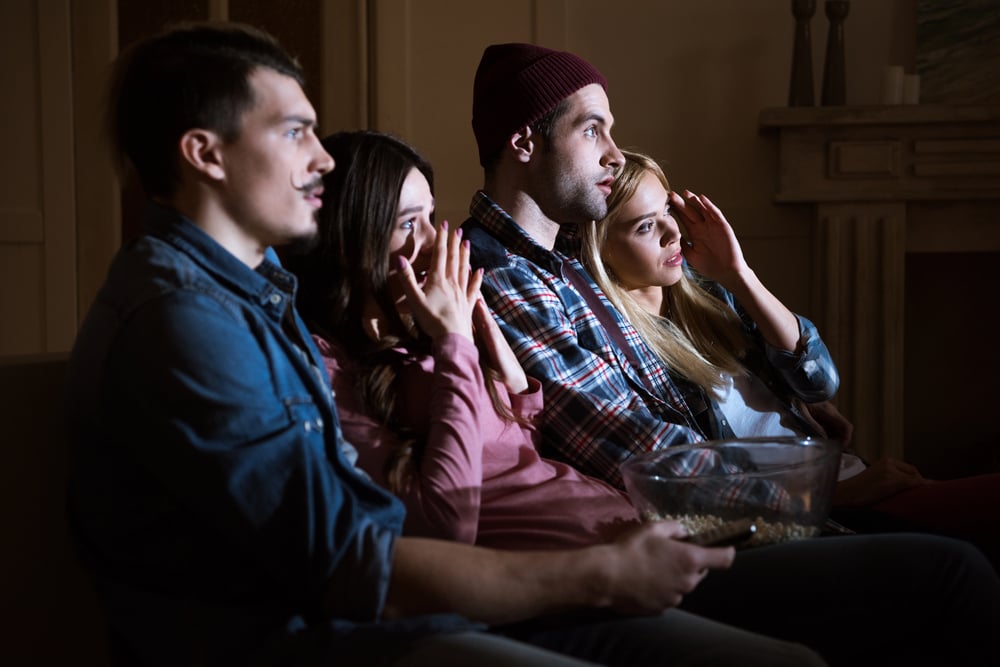
It’s easy to forget that the words used every single day did not just fall from the sky. Movies and TV shows have quietly shaped the way people talk for over a century, one phrase at a time.
The next time someone calls a person a dweeb or mentions their bucket list, there’s a script behind that somewhere. Language lives on screens just as much as it lives in books, and that’s not changing anytime soon.
More from Go2Tutors!

- The Romanov Crown Jewels and Their Tragic Fate
- 13 Historical Mysteries That Science Still Can’t Solve
- Famous Hoaxes That Fooled the World for Years
- 15 Child Stars with Tragic Adult Lives
- 16 Famous Jewelry Pieces in History
Like Go2Tutors’s content? Follow us on MSN.