14 Products Named After Wrong Places
Geographic names often lend products an air of exoticism, authenticity, or prestigious heritage. When a product bears the name of a specific place, we naturally assume a connection—that it originated there, was invented there, or contains ingredients from that region. Yet the world of consumer goods is filled with misleading geographic labels that have little to do with the actual origins of these familiar items.
Here is a list of 14 popular products named after locations that had virtually nothing to do with their creation, development, or production. These geographic misnomers reveal how marketing often trumps geographical accuracy in the naming of everyday items.
Panama Hats

Despite their name, these iconic woven straw hats originated in Ecuador, not Panama. Ecuadorian artisans have been weaving these lightweight hats from the plaited leaves of the toquilla palm plant since the early 1600s.
The misleading name came about during the construction of the Panama Canal in the early 1900s when many workers wore these hats for sun protection, and Americans began incorrectly associating them with Panama rather than their true Ecuadorian origin.
French Fries

These crispy potato strips didn’t originate in France but likely in Belgium during the late 17th century. According to Belgian history, locals would fry small fish as a staple food, but when rivers froze during winter, they switched to cutting potatoes in the shape of small fish and frying them instead.
The misnomer came from American soldiers stationed in Belgium during World War I who called them ‘French fries’ because French was the dominant language in southern Belgium, where they were served.
Like Go2Tutors’s content? Follow us on MSN.
English Muffins
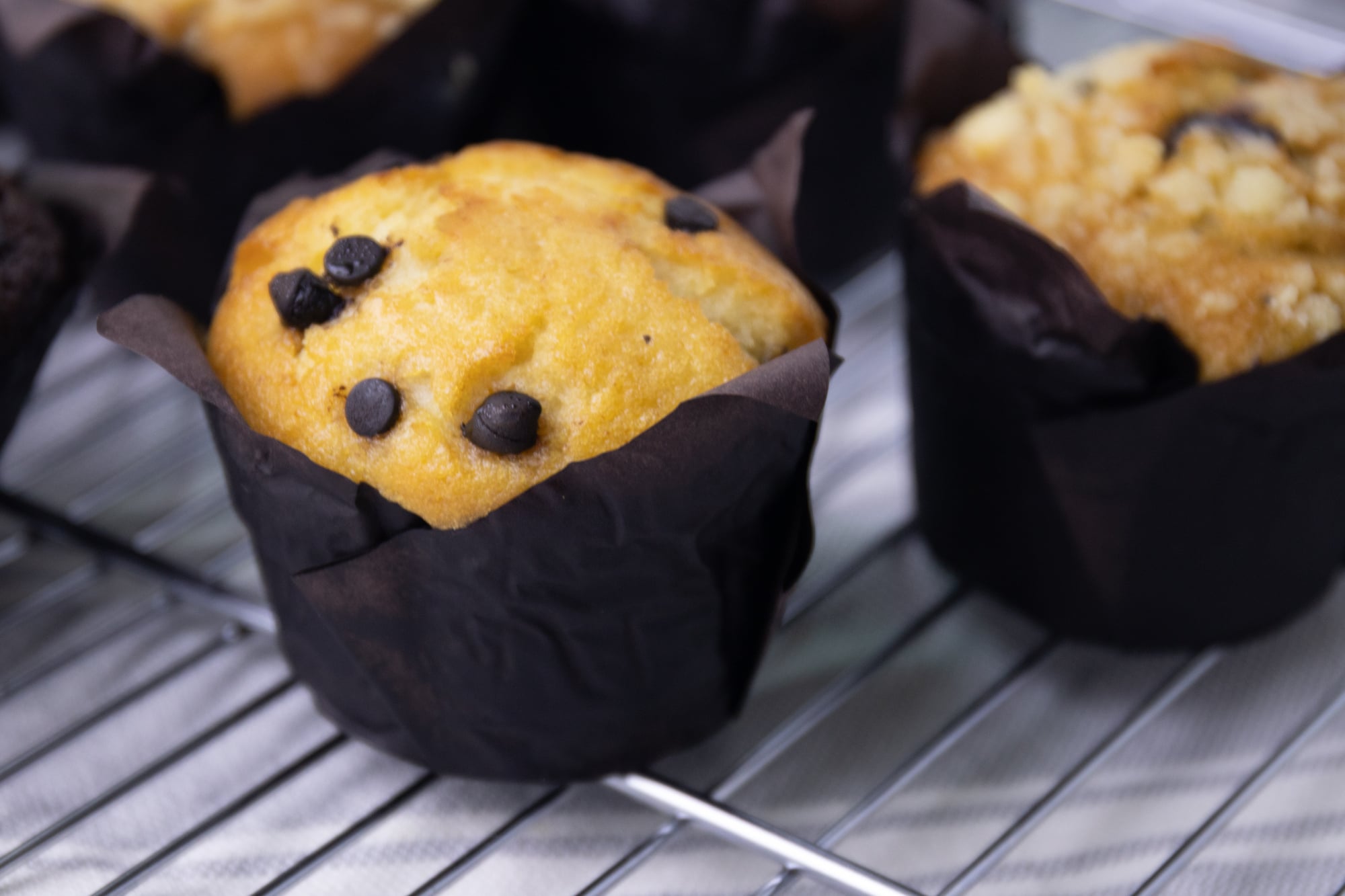
These griddle-baked, yeast-leavened bread products are virtually unknown in England in the form Americans recognize. The English muffin, as known in the United States was actually created by Samuel Bath Thomas, an English immigrant who moved to New York City in the late 1800s.
What Thomas created was significantly different from any British bread product at the time, featuring nooks and crannies ideal for holding melted butter and jam that became their distinctive trademark in America.
Danish Pastries
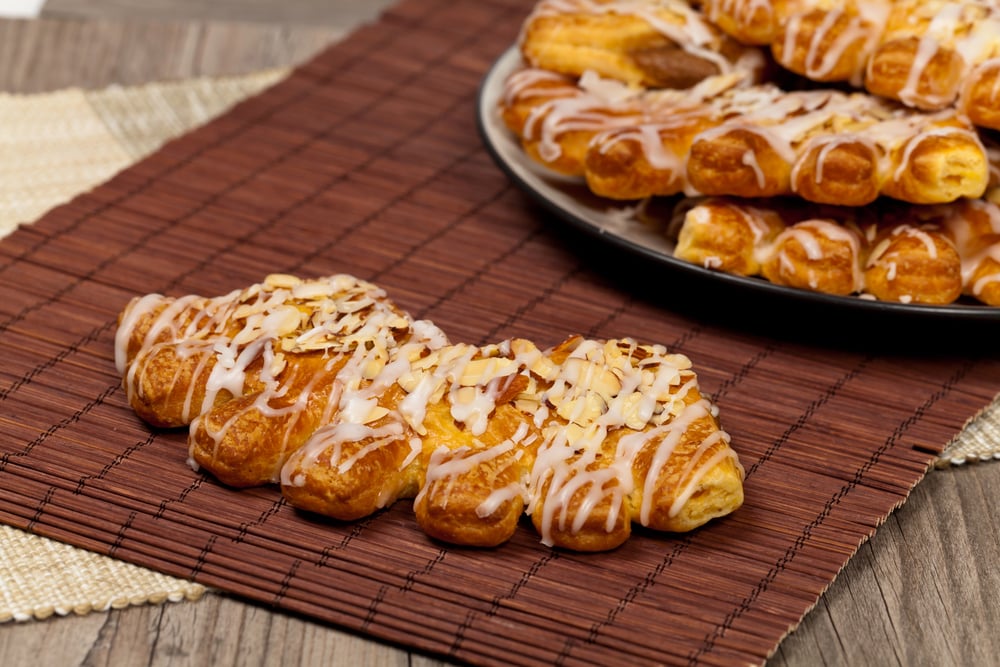
These sweet, flaky pastries didn’t originate in Denmark but rather in Austria. Austrian bakers brought the concept of the ‘Viennese Pastry’ to Denmark when they were hired during a bakery workers’ strike in the 1850s.
The Danish bakers later adapted the Austrian techniques, creating their own version that eventually became known internationally as ‘Danish pastries.’ In Denmark, they’re actually called ‘wienerbrød’ or ‘Viennese bread,’ acknowledging their true origins.
Scotch Tape

This ubiquitous adhesive tape has no connection to Scotland whatsoever. Developed by 3M in the 1920s, the name came from a dismissive comment made during early testing when a frustrated auto painter told the 3M salesman to take the tape back to his ‘Scotch’ bosses and tell them to put more adhesive on it.
The term ‘Scotch’ was a derogatory reference to stereotypes about Scottish frugality, implying the tape was too stingy with its adhesive coat.
Like Go2Tutors’s content? Follow us on MSN.
Swiss Army Knife
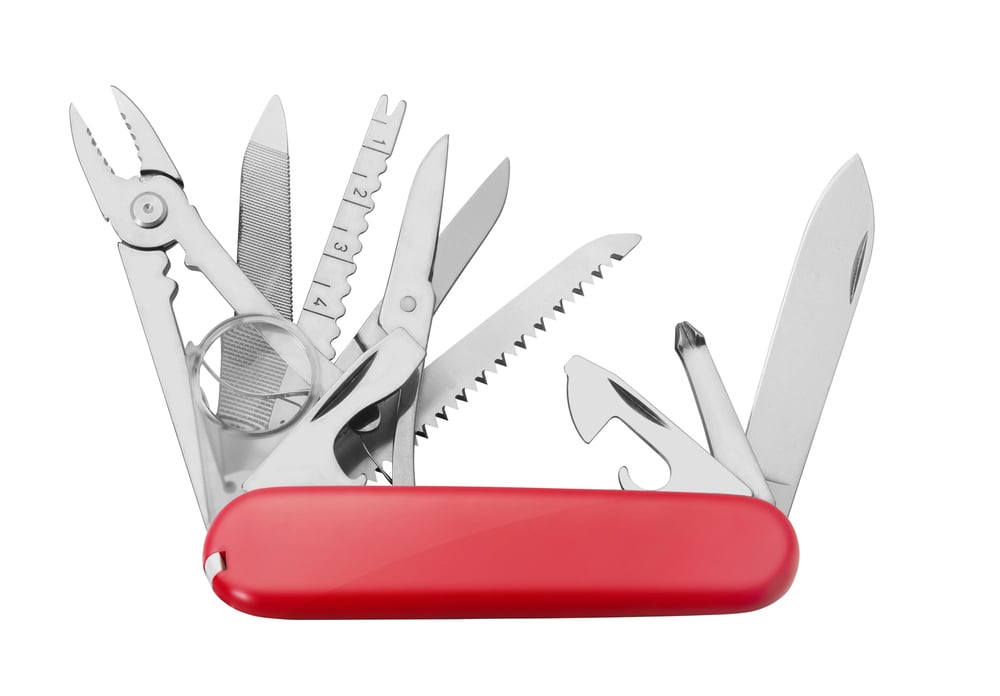
While these multi-tool pocket knives are indeed made in Switzerland, the name ‘Swiss Army Knife’ wasn’t created by the Swiss but by American soldiers during World War II. Unable to pronounce ‘Offiziersmesser,’ the official German name for the Swiss military issue knife, American soldiers referred to them as ‘Swiss Army Knives.’
The original manufacturer, Victorinox, later adopted this American nickname for international marketing after seeing its popularity overseas.
Brussels Sprouts

Despite their name, these miniature cabbage-like vegetables were not developed in Brussels, Belgium. They were cultivated from wild cabbage and grown extensively in ancient Rome, with evidence suggesting they’ve been consumed since ancient times throughout the Mediterranean region.
The connection to Brussels only came later when they gained popularity in Belgium during the 16th century and were extensively cultivated in the areas surrounding Brussels, giving them the name that stuck despite their much broader origins.
Mongolian Barbecue
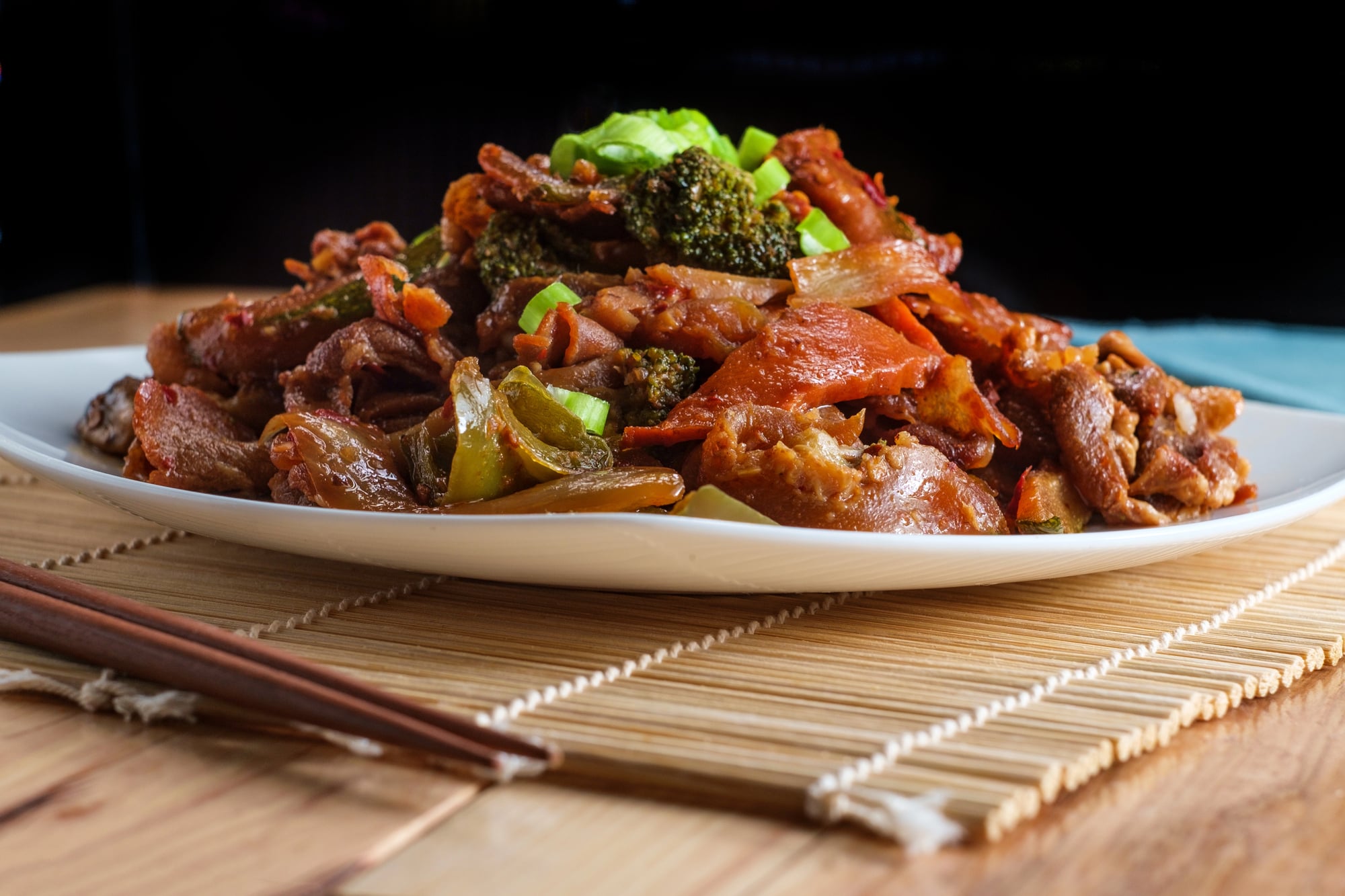
This style of stir-frying meat and vegetables on large, flat metal surfaces has virtually no connection to Mongolia or traditional Mongolian cuisine. The concept was actually created in Taiwan during the early 1950s by restaurateur Wu Zhaonan, who named it after the Mongol Empire to give it an exotic appeal.
Traditional Mongolian cooking typically involves boiling meat rather than grilling it, making this commercial creation completely disconnected from actual Mongolian culinary traditions.
Like Go2Tutors’s content? Follow us on MSN.
China Cabinet

These elegant display cases for fine dishware originated not in China but in 18th-century England and France. The name comes from the fact that they were designed to display ‘china’ porcelain dinnerware, which itself was named after the country of origin for the finest porcelain available in Europe at that time.
The furniture piece itself has no connection to Chinese furniture design or manufacturing traditions, representing instead European cabinetry styles created specifically for showing off imported luxury goods.
Turkish Delight

While this gel-like confection is indeed popular in Turkey, it wasn’t invented there. The sweet treat originated in Persia (modern-day Iran) where it was called ‘rahat-ul hulküm,’ meaning ‘comfort of the throat.’
It was introduced to Ottoman Turkey in the late 18th century, where it became immensely popular and gained the name ‘Turkish Delight’ when exported to Europe. The candy’s association with Turkey grew so strong that its Persian origins were largely forgotten in Western markets.
Jerusalem Artichokes
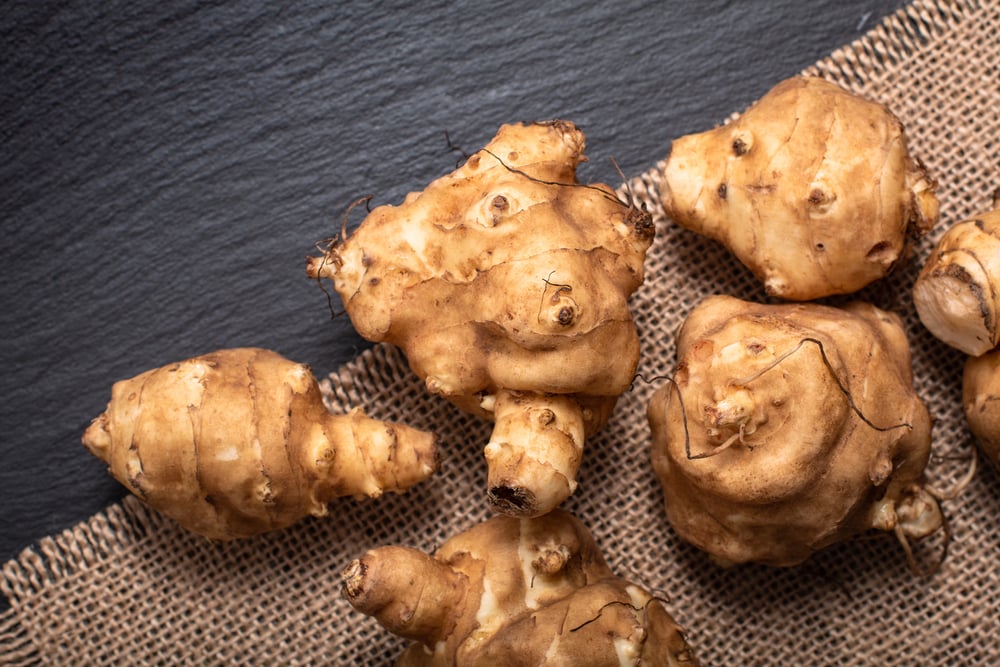
These knobby root vegetables have no connection to Jerusalem and aren’t related to artichokes at all. They’re actually a species of sunflower native to eastern North America that was cultivated by indigenous peoples long before European contact.
The misleading name is thought to be a corruption of the Italian word ‘girasole’ (sunflower), which English speakers mangled into ‘Jerusalem.’ The ‘artichoke’ portion comes from their similar taste to globe artichokes, creating a doubly misleading name.
Like Go2Tutors’s content? Follow us on MSN.
India Ink

This dark, permanent ink wasn’t developed in India but in China over 2,000 years ago, where it was made by combining soot from pine smoke with lamp oil and gelatin from donkey skin. When the ink reached Europe through trade routes in the 17th century, it was inaccurately labeled ‘India ink’ because it came through India, which was a major trading partner with Europe at the time.
The misnomer stuck despite the ink’s Chinese origins, with ‘China ink’ being the more accurate term used in some languages.
Persian Cats
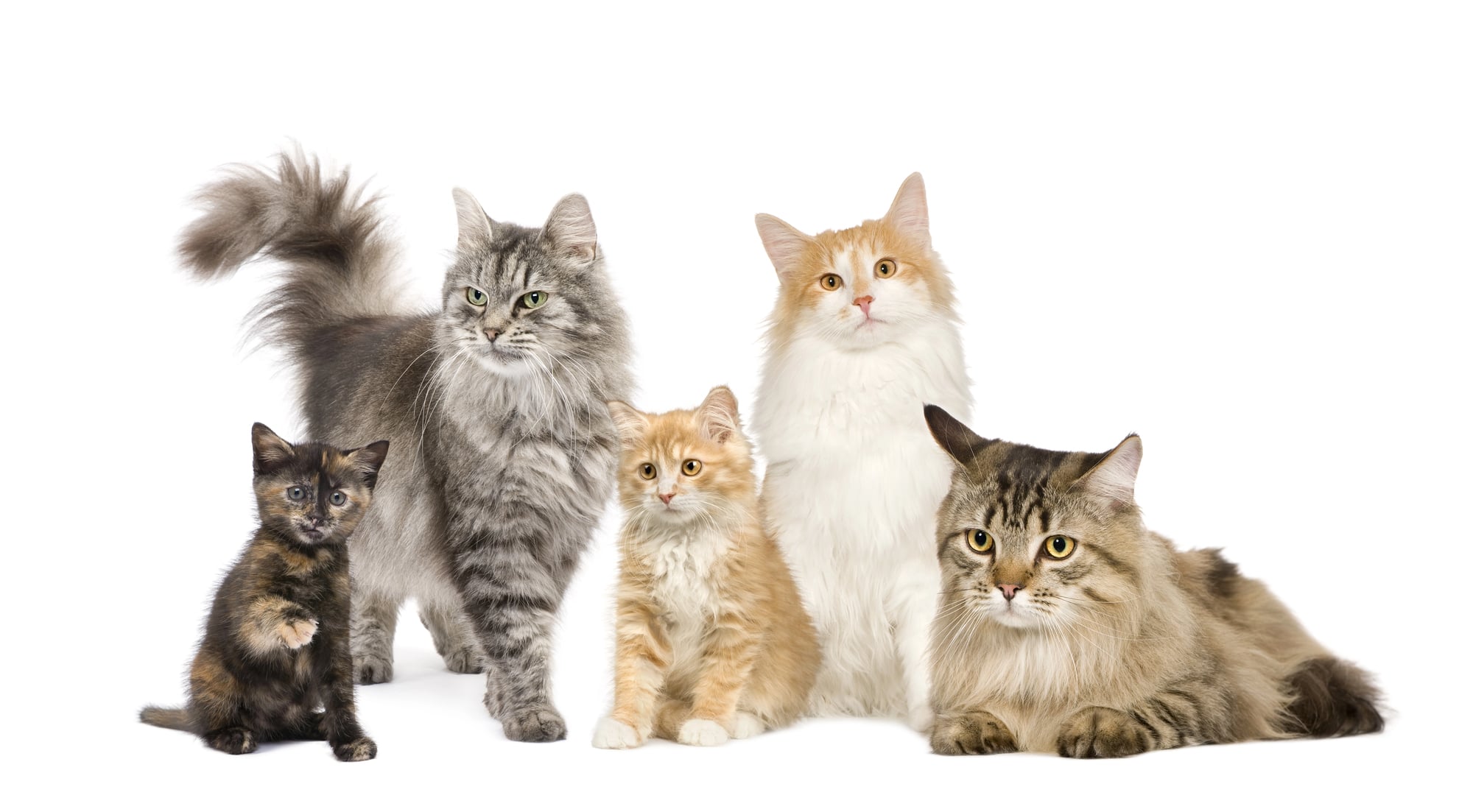
These fluffy, long-haired felines didn’t originate in Persia (modern-day Iran) but rather in Turkey and potentially parts of Russia. The cats were brought to Europe in the 17th century, where Italian traders labeled them as ‘Persian’ because they came through Persian trading routes, not because of their actual origin.
European and American breeders subsequently developed the modern Persian cat, significantly altering its appearance from the original imported cats while retaining the geographically inaccurate name.
Russian Dressing
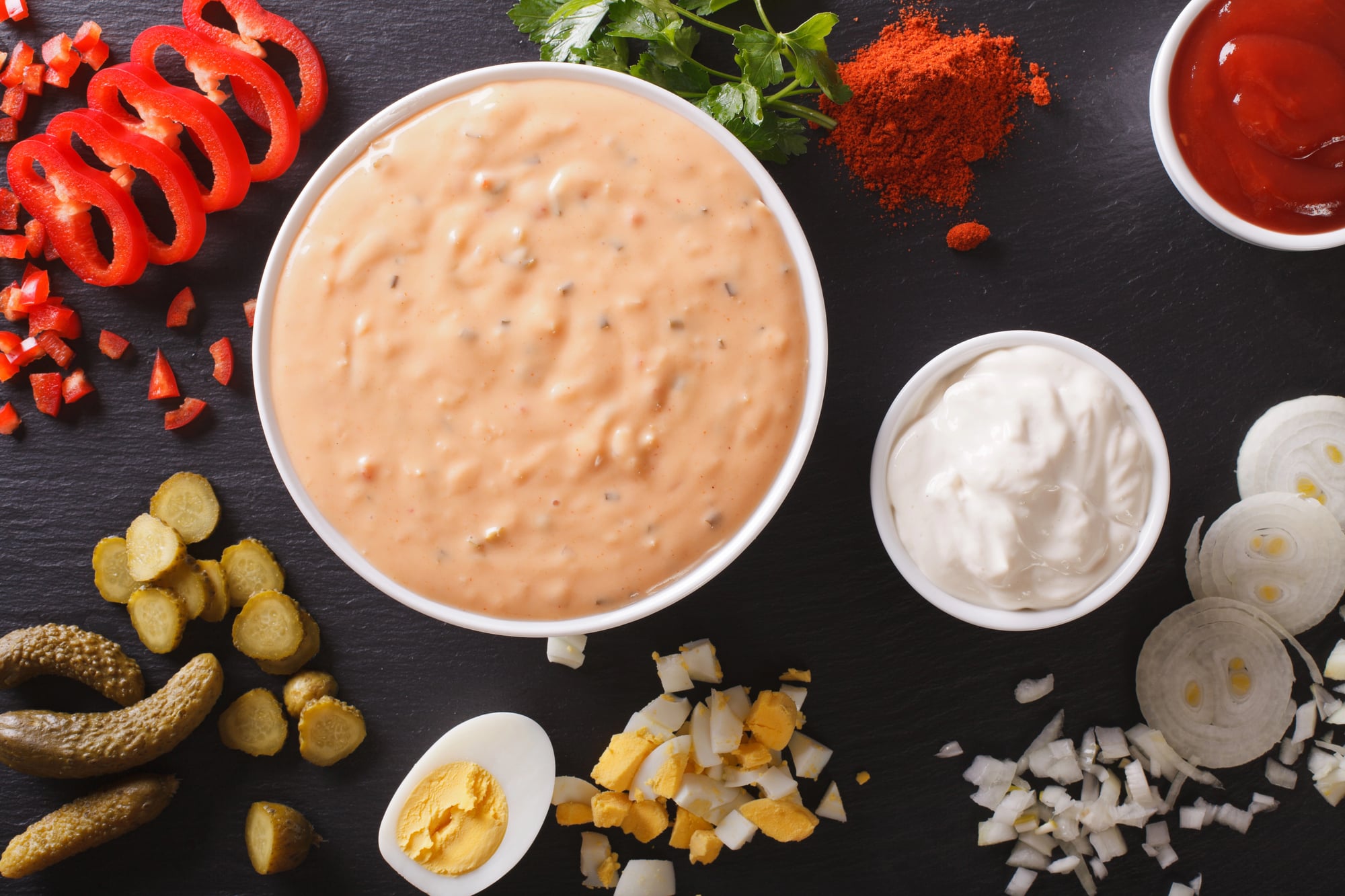
This tangy salad dressing of mayonnaise, ketchup, and spices has no connection to Russian cuisine or culinary traditions. The condiment was actually created in Nashua, New Hampshire, around 1910 by grocer James E. Colburn, who reportedly named it ‘Russian’ because the original recipe included caviar, a luxury ingredient associated with Russia.
The caviar was later dropped from commercial versions, leaving nothing ‘Russian’ about the dressing except its misleading name.
Like Go2Tutors’s content? Follow us on MSN.
Marketing Over Geography

These misnamed products reveal how commercial convenience often trumps geographical accuracy in the world of branding and consumer goods. Whether through historical accidents, linguistic confusion, or deliberate marketing decisions, these products have carried place names that tell us more about human psychology and business strategy than actual geography.
Our willingness to accept these geographic misnomers demonstrates how powerful associations can be in consumer culture, even when those associations are built on factual inaccuracies that persist for generations after the original naming confusion occurred.
More from Go2Tutors!

- 18 Unexpectedly Valuable Collectibles You Might Have Lying Around
- 20 Little-Known Historical Battles That Had Huge Consequences
- 20 Historical Artifacts That Scientists Can’t Explain
- 15 Inventions That Were Immediately Banned After Being Created
- 20 Actors Who Were Almost Cast in Iconic Roles
Like Go2Tutors’s content? Follow us on MSN.