Mountain Ranges That Span Many Nations
Over there where nations end, peaks carry on. Maps show boundaries, yet ridges climb right through them – crossing lands, linking regions, never pausing for paperwork.
A glimpse into towering mountain chains that stretch across nations reveals more than height alone. These natural borders shape lives in ways few consider.
Others hold silence broken only by wind and birdsong. What stands out isn’t sheer rock face, but how people adapt beside it.
Borders may shift, though mountains remain.
The Alps

Westward from Slovenia, peaks rise into the sky – eight nations touched by these mountains. Running nearly 750 miles, they draw crowds unlike almost any other ridge on land.
Skiers arrive each winter, hikers follow in summer, homes cling to slopes year-round. From melting snow, water flows into streams – the Rhine and Danube carry it far beyond rocky walls.
The Himalayas

Stretching across India, Nepal, Bhutan, China, and Pakistan lies the Himalayan mountain chain. Home to Mount Everest – standing 29,032 feet tall – it claims Earth’s highest peak.
Long ago, deep beneath the surface, the Indian tectonic plate began pushing into the Eurasian one. Because that crunch never really stopped, these peaks keep rising, bit by bit, even now.
The Andes

Starting near the Caribbean, a vast chain of mountains stretches down much of South America. This spine of peaks covers roughly 4,500 miles across seven nations.
Through Venezuela it climbs, then slips into Colombia, follows through Ecuador and Peru, winds past Bolivia, cuts along Chile, finally reaching Argentina. Volcanoes rumble here alongside remnants of old civilizations, while creatures found almost nowhere else survive in rugged terrain.
High up where air thins, llamas have pulled loads and carried goods since long before modern times began.
The Rocky Mountains
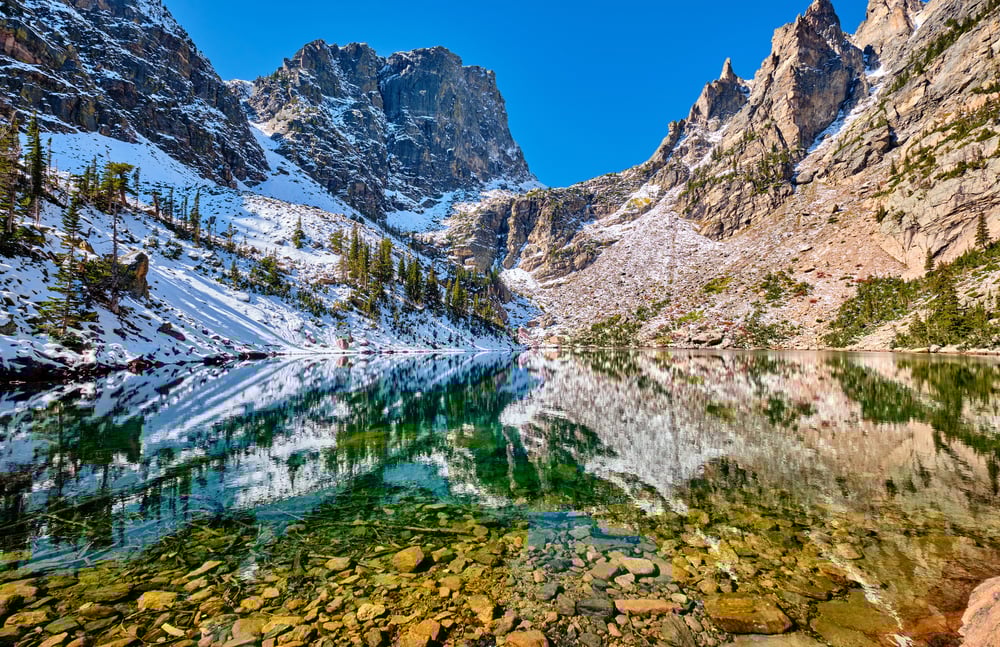
Starting in northern Canada, the Rockies run south into New Mexico across roughly 3,000 miles. Though spanning just two nations, every segment seems its own separate realm.
Across Alberta and British Columbia, these peaks mark a dividing line. While moving through America, they stood as barriers – challenges early travelers needed to overcome during westward movement.
The Caucasus Mountains

High up between the Black Sea and Caspian Sea stretches a mountain chain cutting across four countries: Russia, Georgia, Azerbaijan, Armenia. In southern Russia rises Elbrus – its summit hits 18,510 feet, making it Europe’s tallest roof, even if most guess that title belongs to the Alps.
Small land, big mix: within narrow valleys and steep slopes, countless tongues echo from village to village. Few places pack so many ways of speaking into such a tight space.
The Pyrenees

High peaks rise where France meets Spain, forming the Pyrenees – a wall of rock running three hundred miles from ocean to sea. Nestled right inside these mountains lies Andorra, tiny yet complete on its own.
Though lower than the Alps, these slopes show wilder faces: jagged edges cut through by steep gorges slow your pace on foot. Rugged trails wind through scenes that feel untouched, asking strength from anyone who walks them.
The Hindu Kush

Through Afghanistan, then cutting into Pakistan and just touching Tajikistan, the Hindu Kush stretches about 500 miles. Its name, coming from Persian, means close to ‘Hindu killer’ – scholars think it points to how dangerous the journey was for people moving across.
Moving goods between Central and South Asia often meant braving these high pathways, century after century. Even now, this chain stands among Earth’s harshest, most unforgiving peaks.
The Atlas Mountains

Stretching through Morocco, Algeria, and Tunisia, the Atlas Mountains span roughly 1,500 miles across North Africa. Blocking the northward creep of the Sahara Desert, they shape local weather patterns.
At 13,671 feet, Toubkal in Morocco claims the tallest peak. For millennia, Berber people have called these highlands home – still doing so now.
The Tian Shan

The Tian Shan, which means ‘Celestial Mountains’ in Chinese, stretches across China, Kazakhstan, Kyrgyzstan, and a portion of Uzbekistan. The range covers about 1,800 miles and contains several peaks over 23,000 feet.
It is a UNESCO World Heritage Site, recognized for its extraordinary biodiversity. The snow leopard, one of the most elusive big cats on earth, makes its home in these mountains.
The Scandinavian Mountains

The Scandinavian Mountains run the length of the Scandinavian Peninsula, forming the natural border between Norway and Sweden, with a small section reaching into northern Finland. The range stretches roughly 1,100 miles.
It is not particularly tall compared to ranges like the Alps, but the sheer scale and remoteness of the landscape make it remarkable. Much of Scandinavia’s hydroelectric power comes from rivers that originate in these mountains.
The Zagros Mountains

The Zagros range runs through Iran, Iraq, and a portion of southeastern Turkey, stretching about 1,000 miles. This range is geologically active and sits in a zone where the Arabian and Eurasian tectonic plates are still pushing against each other.
The region is rich in oil, and much of Iran’s petroleum infrastructure is located near or within the Zagros. The mountains also contain some of the earliest known agricultural settlements in human history.
The Carpathian Mountains

The Carpathians form a large arc through Central and Eastern Europe, passing through the Czech Republic, Slovakia, Poland, Ukraine, Romania, and Serbia. The range covers about 900 miles and is one of the least industrialized mountain areas in Europe, which means its forests and wildlife remain largely intact.
Romania’s section, known as the Transylvanian Alps, is home to Europe’s largest population of brown bears. The Carpathians do not attract the same tourism numbers as the Alps, but they offer just as much natural beauty with far fewer crowds.
The Appalachian Mountains
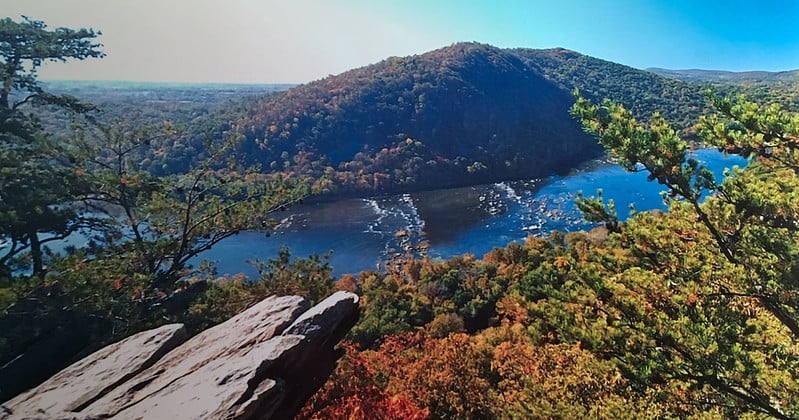
The Appalachians run about 1,500 miles through the eastern United States and extend into Canada through Quebec and Newfoundland. They are among the oldest mountain ranges on the planet, with estimates putting their age at around 480 million years.
Time and erosion have worn them down considerably, so they are much gentler and rounder compared to younger ranges like the Rockies. The famous Appalachian Trail, which covers about 2,190 miles, draws thousands of hikers every year.
The Altai Mountains

The Altai Mountains sit at the point where Russia, China, Mongolia, and Kazakhstan meet, making them one of the few ranges in the world that directly borders four countries. The range stretches about 1,200 miles and is considered one of the last truly wild places in Asia.
Nomadic herders have lived in the Altai highlands for thousands of years, and many communities there still follow traditional ways of life. The region is also an important center for Siberian wildlife, including wolves, reindeer, and snow leopards.
The Sierra Madre

Mexico’s Sierra Madre system is actually made up of three parallel ranges, the Sierra Madre Occidental, Sierra Madre Oriental, and Sierra Madre del Sur. Together, they form the backbone of Mexico and extend into the United States through Texas and New Mexico.
The ranges helped isolate indigenous communities for centuries, allowing distinct cultures and languages to develop independently. Today, they are known for deep canyons, diverse ecosystems, and some of the most complex terrain in North America.
The Kunlun Mountains

The Kunlun Mountains stretch about 1,250 miles across western China and extend slightly into the borders of India and Pakistan. They form the northern edge of the Tibetan Plateau and contain rivers that supply water to millions of people across Central Asia.
In Chinese culture, the Kunlun have long been seen as a sacred place, featured in ancient texts and legends. Despite their size and significance, the range remains one of the least explored mountain systems in the world.
Where The Borders End And The Mountains Begin

Mountains do not care about politics. The ranges in this article have outlasted empires, watched borders shift, and kept right on going regardless.
What makes them worth knowing about is not just their height or length, but what they do: they shape climates, protect wildlife, supply water, and hold cultures together. Every country that shares a mountain range shares something much older than the country itself, and that is a connection worth paying attention to.
More from Go2Tutors!

- The Romanov Crown Jewels and Their Tragic Fate
- 13 Historical Mysteries That Science Still Can’t Solve
- Famous Hoaxes That Fooled the World for Years
- 15 Child Stars with Tragic Adult Lives
- 16 Famous Jewelry Pieces in History
Like Go2Tutors’s content? Follow us on MSN.



