14 Public Experiments That Revealed Something Disturbing
Throughout history, scientists and researchers have conducted experiments to understand our world and human behavior better. While many resulted in groundbreaking discoveries, some inadvertently uncovered troubling aspects of human nature or society that nobody was prepared to face.
Here is a list of 14 public experiments that started with legitimate scientific goals but wound up revealing something deeply disturbing about ourselves or our world.
The Stanford Prison Experiment

In 1971, Stanford professor Philip Zimbardo created a mock prison in the university basement, randomly assigning students to be either guards or prisoners. The two-week experiment was terminated after just six days when the ‘guards’ began psychologically torturing the ‘prisoners,’ adopting cruel and sadistic behavior despite knowing they were in a simulation.
The speed at which ordinary students transformed into abusers shocked researchers and demonstrated how easily power corrupts.
The Milgram Obedience Study

Yale psychologist Stanley Milgram designed an experiment in 1961 to test how far people would go when following orders from an authority figure. Participants were told to administer increasing electric shocks to a person (actually an actor) when they answered questions incorrectly.
About 65% of participants continued to the highest voltage level despite hearing screams of pain. The disturbing revelation was how readily ordinary people would inflict harm on innocent strangers simply because someone in a lab coat told them to do so.
The Tuskegee Syphilis Study
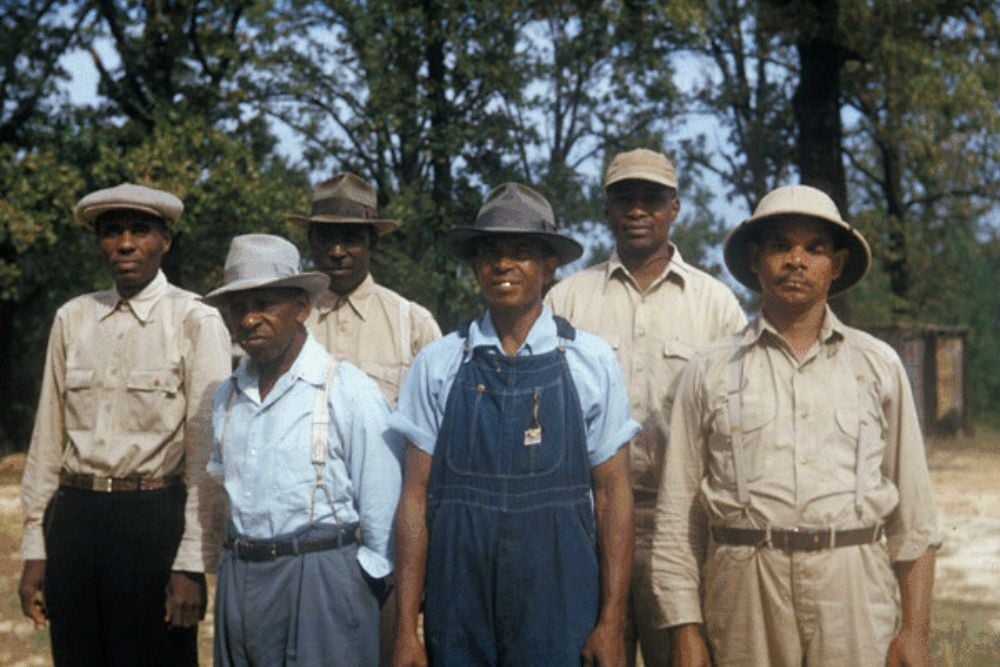
The U.S. Public Health Service told participants they were getting free medical care while conducting research on untreated syphilis in African American men from 1932 to 1972. Even when penicillin became the accepted medication in 1947, researchers purposefully stopped treatment.
The 40-year experiment revealed pervasive racism in scientific research and the healthcare system in addition to horrifying transgressions of medical ethics.
The Facebook Emotional Contagion Study

Facebook altered around 700,000 users’ news feeds in 2014 without their permission, displaying a mix of mostly positive and negative content. Users who were exposed to unfavorable information went on to make more negative updates themselves, according to the study.
This unintentional discovery showed how simple it was for social media companies to control widespread emotions without the consent or awareness of its users.
The Good Samaritan Experiment

Princeton researchers John Darley and Daniel Batson tested whether seminary students, many studying to become clergy, would stop to help a clearly distressed person while on their way to give a lecture. When told they were running late, only 10% stopped to help.
The experiment disturbingly revealed that ethical beliefs and religious convictions often take a backseat to mundane concerns like punctuality, even among those committed to helping others.
The Robbers Cave Experiment

In 1954, psychologist Muzafer Sherif brought two groups of 12-year-old boys to a summer camp, initially keeping them separate. Once the groups discovered each other, they quickly formed tribal identities and became hostile.
The experiment revealed how rapidly humans form ‘us versus them’ mentalities and resort to prejudice, even without any historical animosity or real competition for resources.
The Asch Conformity Experiments

Solomon Asch’s 1950s studies had participants identify which line matched a reference line, while actors intentionally gave wrong answers. About one-third of participants conformed to the obviously incorrect group opinion.
The disturbing finding was that many people would deny clear reality when faced with social pressure, raising questions about how easily public opinion can be manipulated despite contradicting evidence.
The Blue Eyes/Brown Eyes Exercise

School Teacher Jane Elliott’s 1968 classroom exercise divided children by eye color, giving one group privileges and praising them while discriminating against the other. Within hours, formerly friendly children became cruel to classmates in the ‘inferior’ group.
This powerful demonstration revealed how quickly prejudice can be learned and how easily children adopt discriminatory behaviors when given social permission.
The Bystander Effect Study
After Kitty Genovese’s murder in 1964, where numerous witnesses reportedly failed to intervene, psychologists John Darley and Bibb Latané conducted experiments showing that the more bystanders present at an emergency, the less likely any individual would help. This phenomenon, now called the bystander effect, revealed the disturbing fact that humans often abdicate personal responsibility in group settings, even during life-threatening situations.
The Bobo Doll Experiment
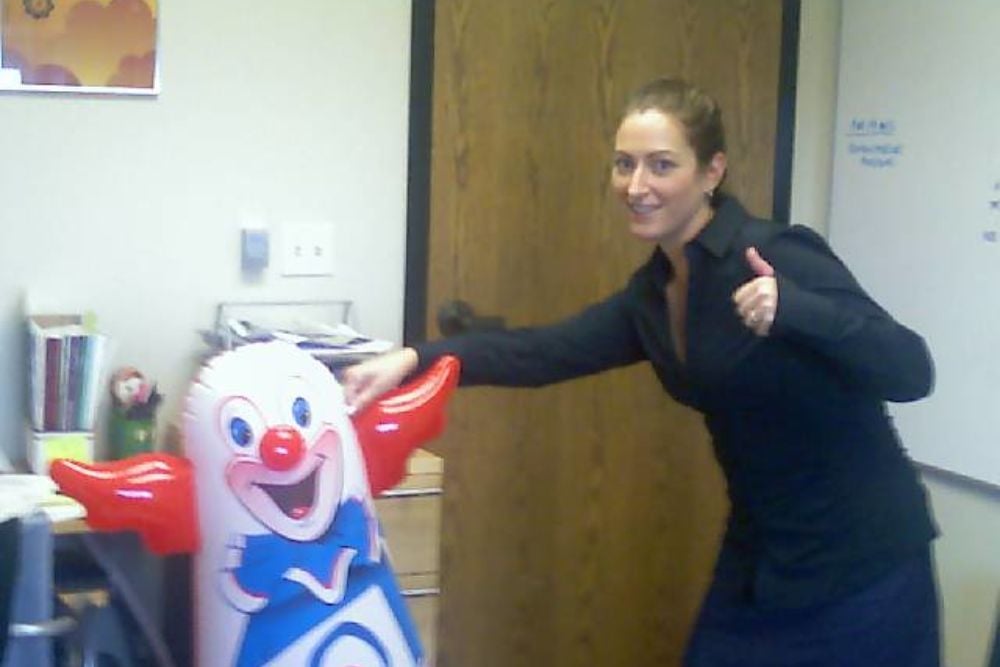
Albert Bandura’s 1961 experiment showed children a video of adults aggressively attacking an inflatable doll, then left them alone with the same doll. Children who had watched the violent behavior imitated it almost exactly.
The disturbing revelation was how readily children absorb and reproduce violent behavior they witness, providing early evidence of media violence’s potential impact on developing minds.
The Little Albert Experiment

In 1920, John Watson conditioned a 9-month-old baby (‘Little Albert’) to fear a white rat by pairing its appearance with a loud, frightening noise. The fear generalized to other white, fluffy objects.
This ethically troubling experiment revealed how easily deep-seated fears can be deliberately implanted in humans, raising questions about how childhood experiences might create lasting emotional responses.
The Third Wave Experiment

High school teacher Ron Jones created a movement called ‘The Third Wave’ in 1967 to demonstrate fascism’s appeal. Within five days, students embraced the authoritarian system, reported fellow students who broke the rules, and excluded non-members.
The experience revealed how vulnerable even educated youth were to fascist ideology when it emphasized belonging and superiority.
The Pygmalion Effect Study
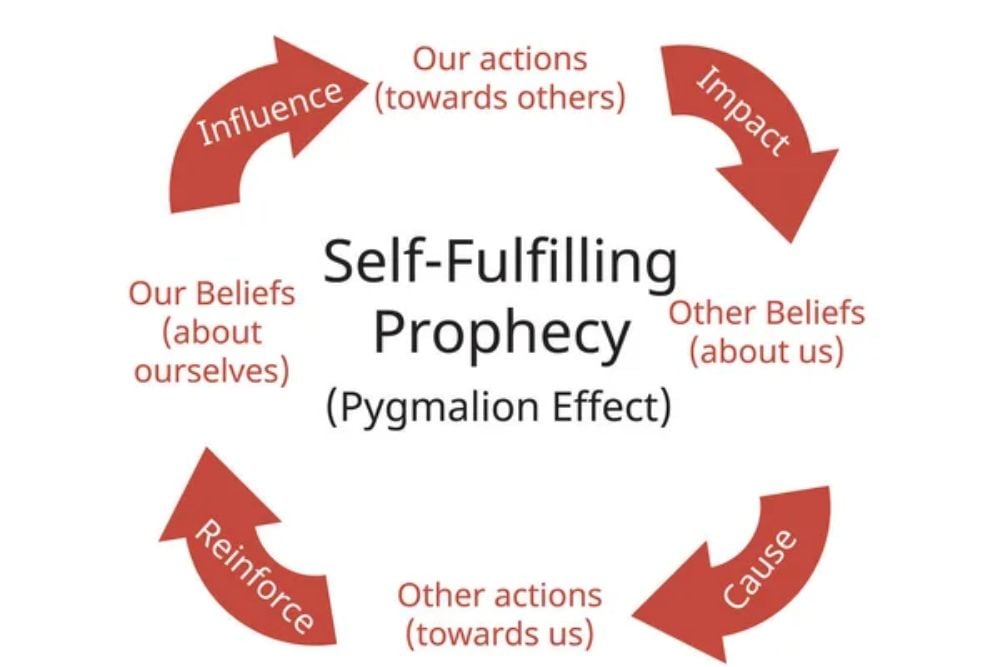
Researchers told teachers that certain randomly selected students were intellectually ‘gifted,’ though these students had average abilities. By the year’s end, these students showed significant IQ gains.
The disturbing revelation was that teacher expectations alone dramatically impact student achievement, suggesting that unconscious biases might limit certain students’ potential based solely on how educators perceive them.
The Learned Helplessness Experiments

Martin Seligman’s 1960s experiments exposed dogs to inescapable electric shocks, then placed them in situations where they could escape. Dogs that had previously experienced inescapable shocks made no attempt to escape even when it became possible.
This pattern was later observed in humans, revealing how experiences with uncontrollable negative events can lead people to accept suffering passively, even when solutions become available.
The Unsettling Truth About Human Nature
These experiments, while ethically questionable by today’s standards, pulled back the curtain on aspects of human behavior we might prefer to ignore. They show that ordinary people can become cruel given the right circumstances, that we will often choose conformity over truth, and that subtle influences shape our behavior more than we realize.
Perhaps the most disturbing revelation is not what these experiments tell us about specific situations, but what they suggest about the fragility of our moral compasses and the malleability of human nature itself.
More from Go2Tutors!

- The Romanov Crown Jewels and Their Tragic Fate
- 13 Historical Mysteries That Science Still Can’t Solve
- Famous Hoaxes That Fooled the World for Years
- 15 Child Stars with Tragic Adult Lives
- 16 Famous Jewelry Pieces in History
Like Go2Tutors’s content? Follow us on MSN.