15 Forgotten Military Campaigns That Quietly Changed the World
History books often spotlight famous battles like Normandy or Gettysburg, but countless other military campaigns have fundamentally altered world events while receiving minimal attention. These overlooked operations often had profound ripple effects that continue to shape geopolitics, technology, and cultural boundaries today.
Here is a list of 15 forgotten military campaigns that quietly changed the course of world history without receiving the recognition they deserve.
Taiping Rebellion
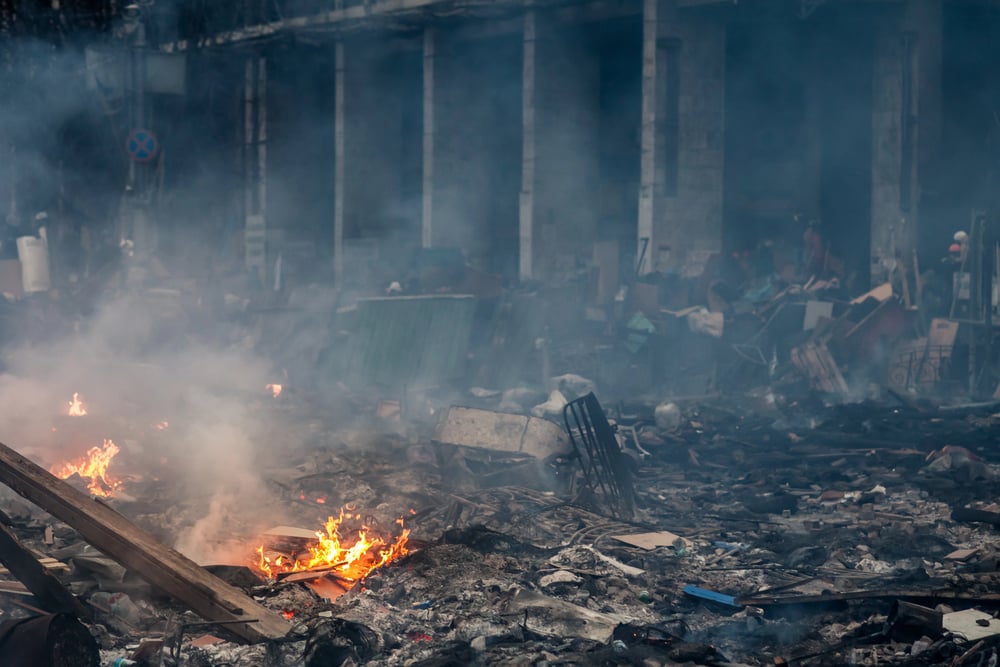
Despite killing more people than World War I, the Chinese Civil War in the middle of the 19th century is still mostly untaught in Western education. For more than ten years, the revolutionary movement led by Hong Xiuquan dominated most of southern China as a result of this enormous war.
The Qing Dynasty was irreparably damaged in the aftermath, which paved the way for imperial China’s eventual collapse and the emergence of nationalism that would influence East Asian affairs for many years to come.
Portuguese Conquest of Malacca
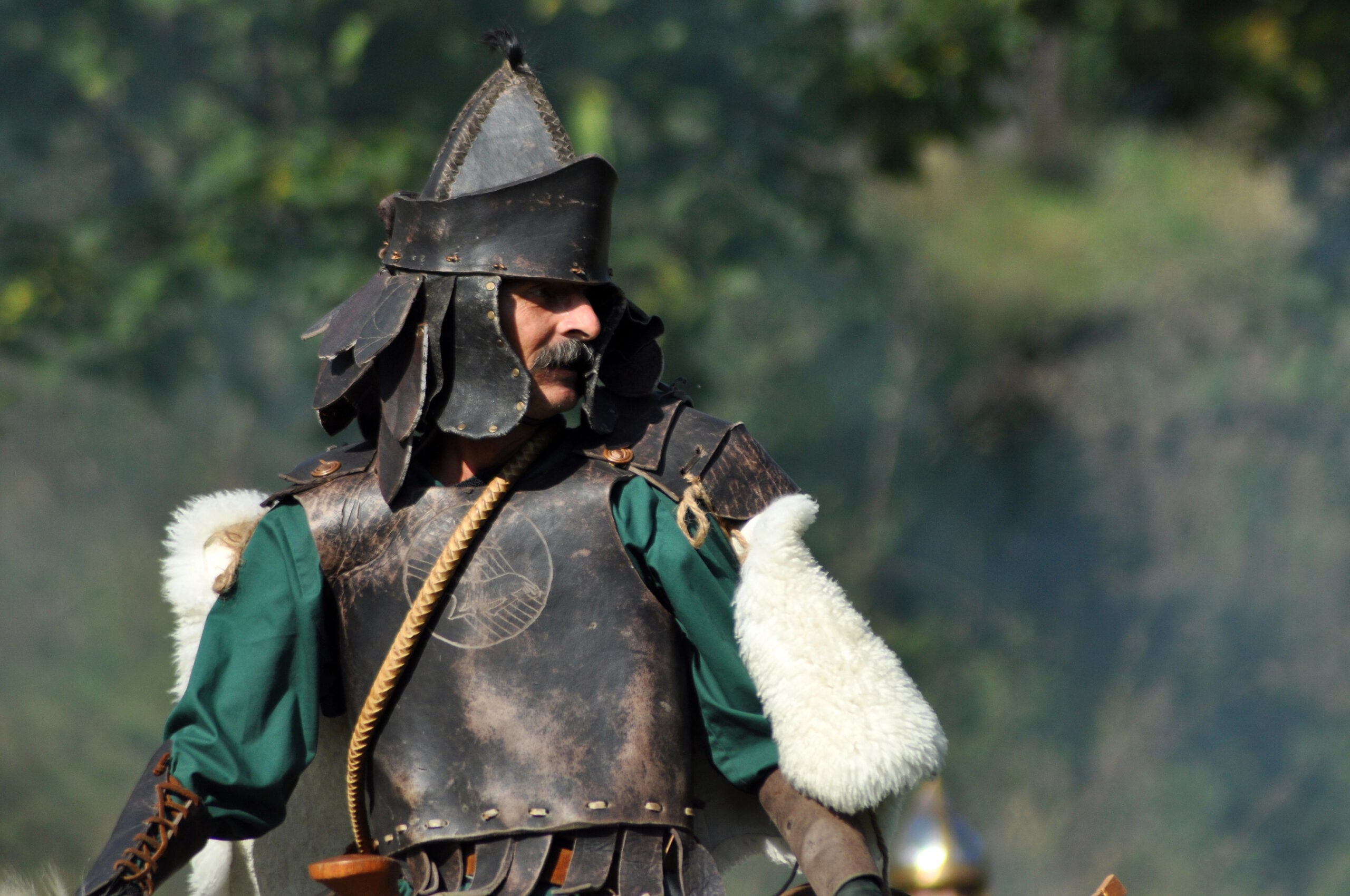
When Portuguese forces captured this strategic port city in 1511, they gained control of the most important trade chokepoint in Southeast Asia. This small-scale campaign created the first European foothold in the region and redirected centuries of trade patterns.
The ripple effects fundamentally altered the power dynamics between East and West, effectively launching European colonialism in Asia with just a few hundred men.
Russo-Japanese War
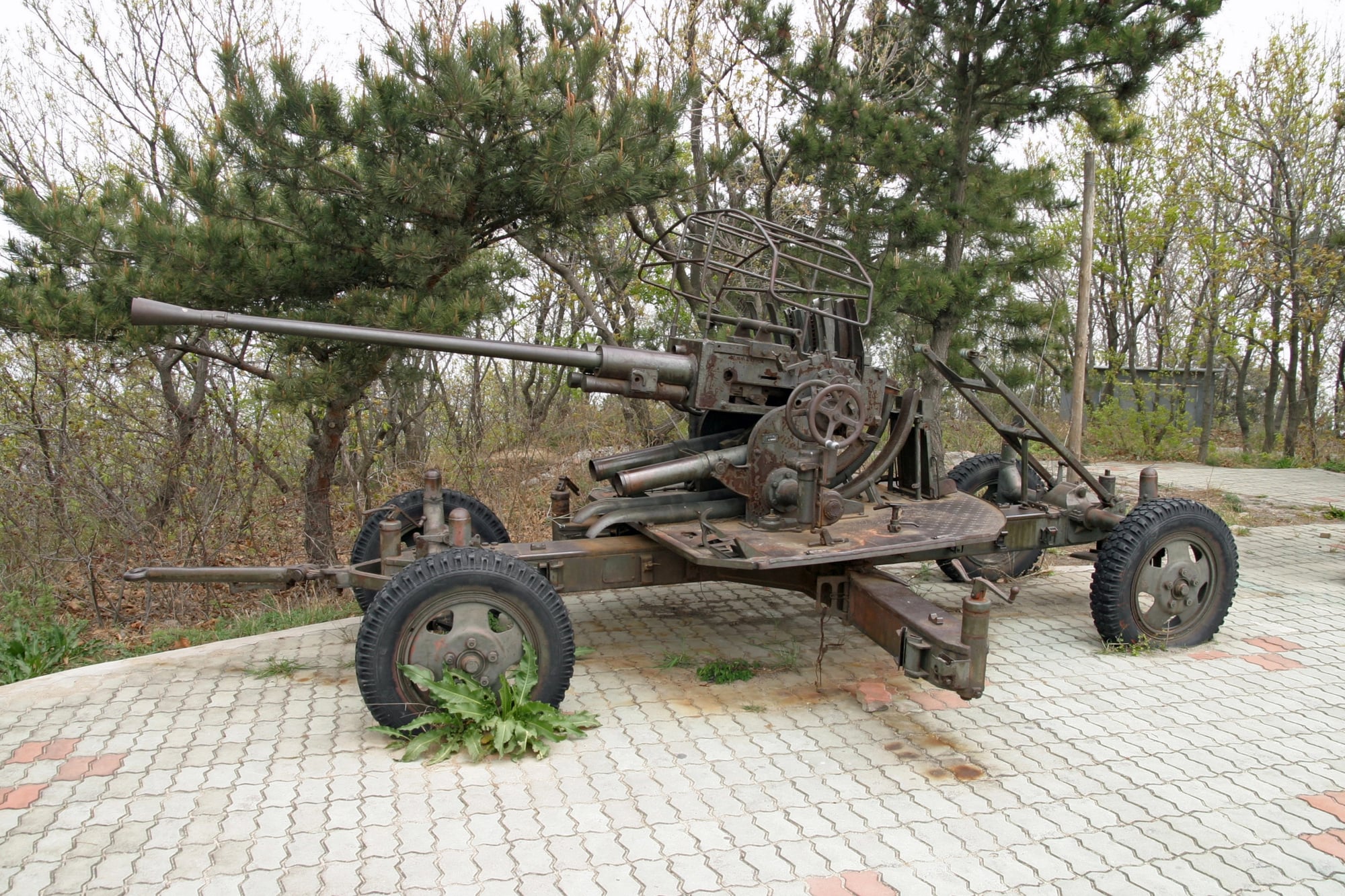
This 1904-1905 conflict marked the first time an Asian power defeated a European one in modern warfare. Japan’s surprise naval victory at Port Arthur shattered the myth of European military superiority and inspired anti-colonial movements worldwide.
The war transformed global perceptions about power hierarchies while accelerating the decline of the Russian Empire, ultimately contributing to conditions that sparked the Russian Revolution.
Meiji Restoration

This internal Japanese campaign overthrew the shogunate system and restored imperial rule in the 1860s. Though relatively bloodless compared to other entries, this calculated military-political operation transformed Japan from an isolated feudal society into an industrial powerhouse within decades.
The rapid modernization program that followed created Asia’s first modern military force and set the foundation for Japan’s emergence as a world power.
Soviet-Afghan War
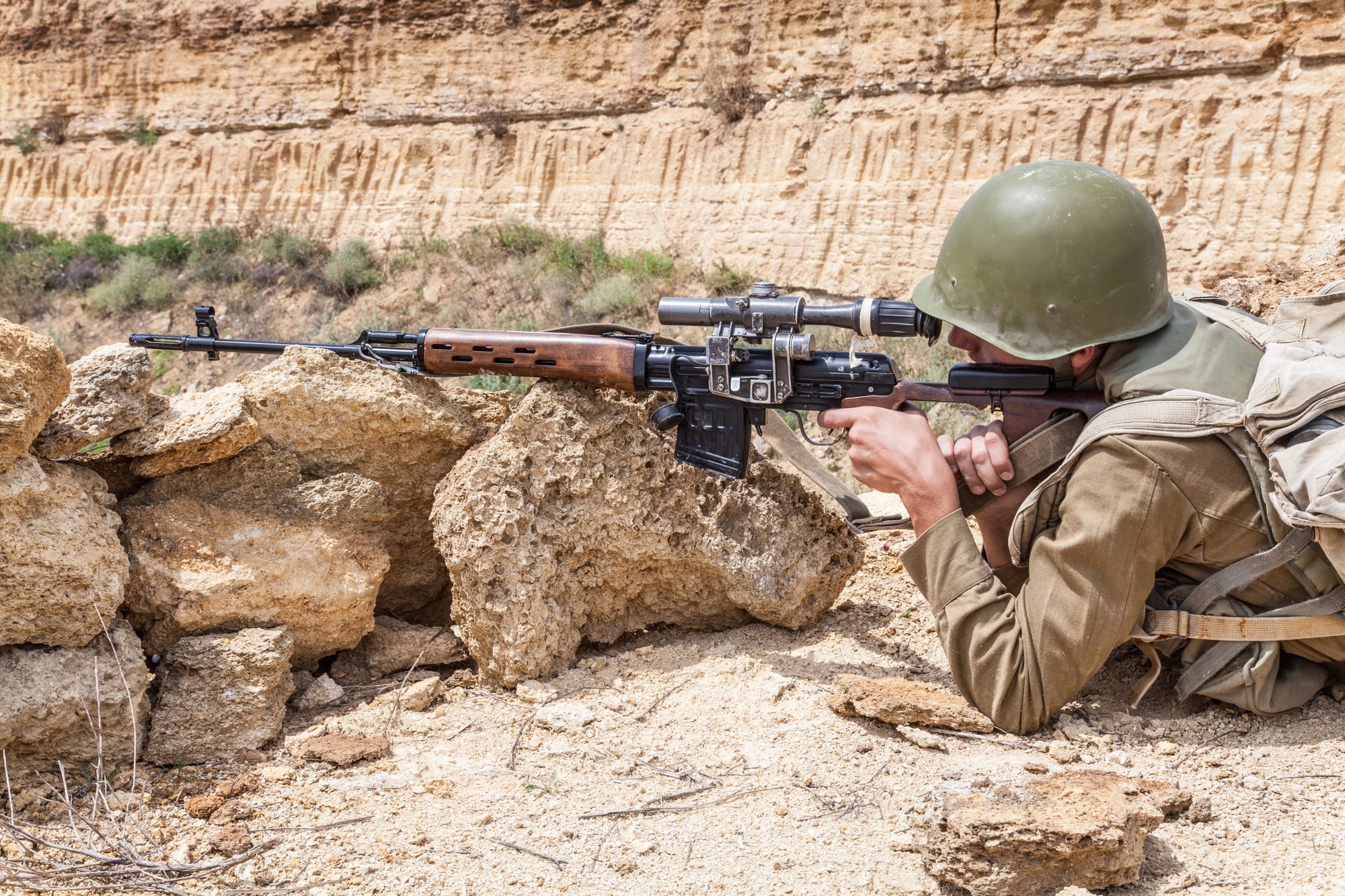
The Soviet Union’s decade-long campaign to prop up Afghanistan’s communist government became a bleeding wound for the superpower. Foreign-backed mujahideen fighters, armed with American Stinger missiles, eventually forced a Soviet withdrawal.
This campaign accelerated the collapse of the Soviet Union while inadvertently creating the power vacuum that would later give rise to the Taliban and various militant groups that continue to impact global security.
Conquest of the Canary Islands

Spain’s 15th-century conquest of these Atlantic islands served as the blueprint for later American colonization tactics. The campaign tested strategies for subjugating indigenous populations and establishing plantation economies that would later be implemented throughout the Americas.
This overlooked series of battles essentially functioned as a dress rehearsal for the much larger conquest campaigns that followed Columbus’s voyages.
Barbary Wars
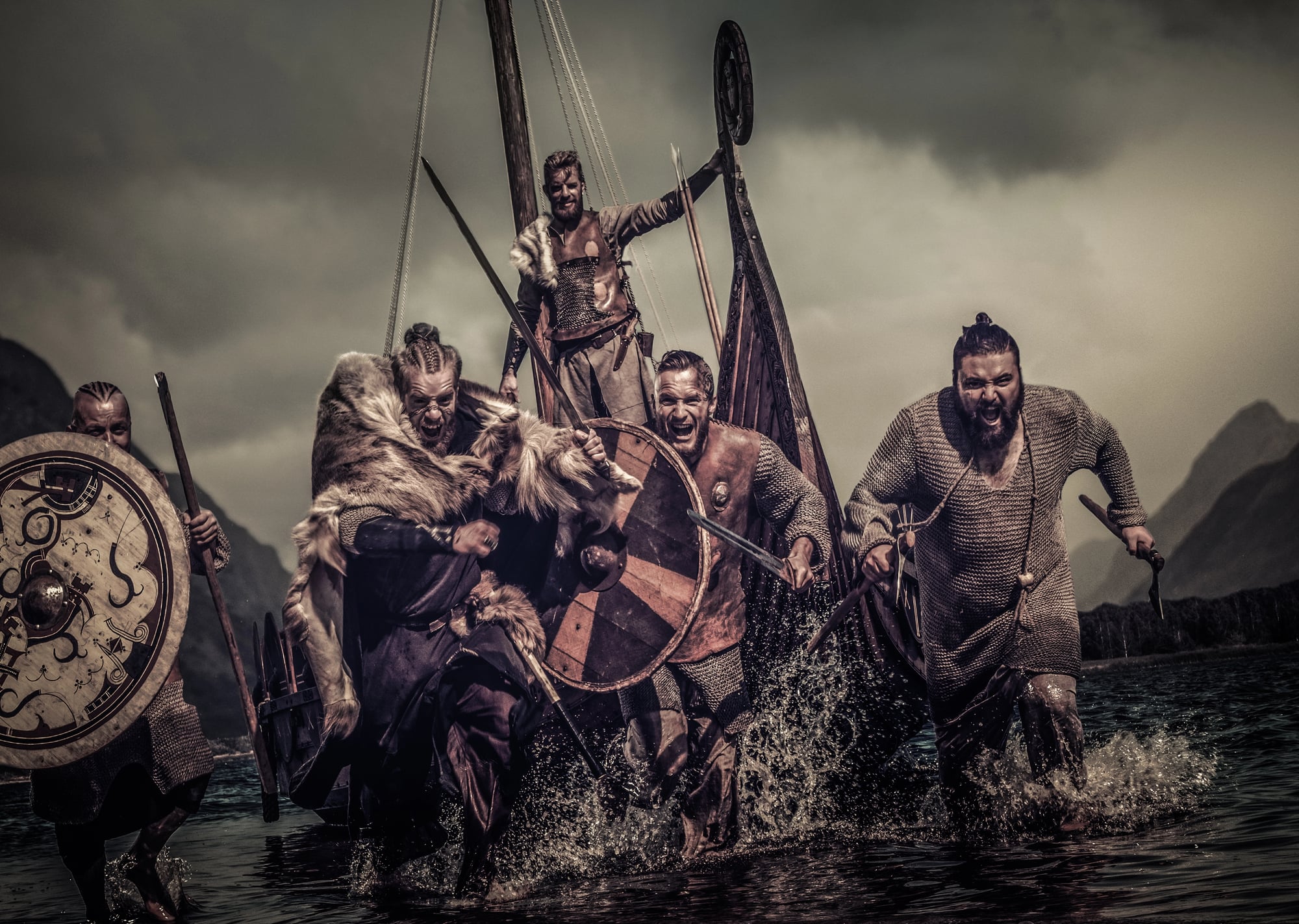
America’s first foreign military campaigns targeted North African states that captured ships and enslaved sailors in the Mediterranean. These early 19th-century naval operations established important precedents for American military intervention abroad.
The conflicts led to the strengthening of the U.S. Navy and helped establish the young nation’s reputation on the international stage, laying groundwork for America’s future global military presence.
Scramble for Africa
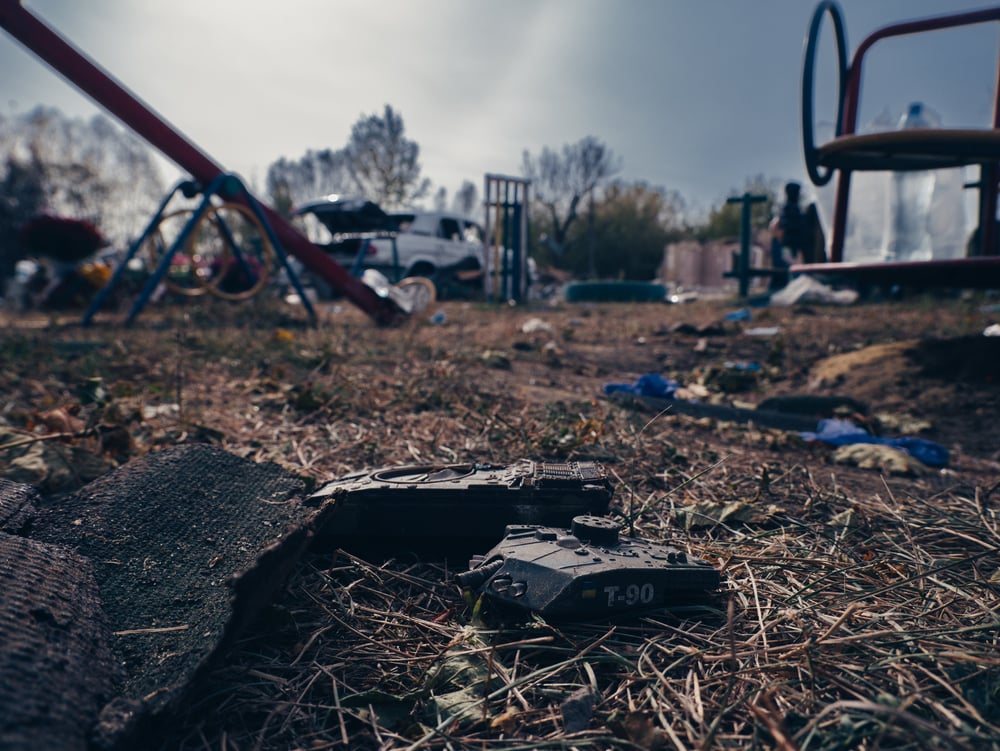
The swift military conquest of Africa by European nations between 1881 and 1914, though not a single campaign, altered the continent’s entire map. These dispersed conflicts, which frequently resulted in few European casualties, established arbitrary borders that ignored cultural and ethnic distinctions.
Since contemporary African nations still struggle with borders created in European war rooms, the hurried colonial divides still serve as a source of strife.
Operation Cyclone
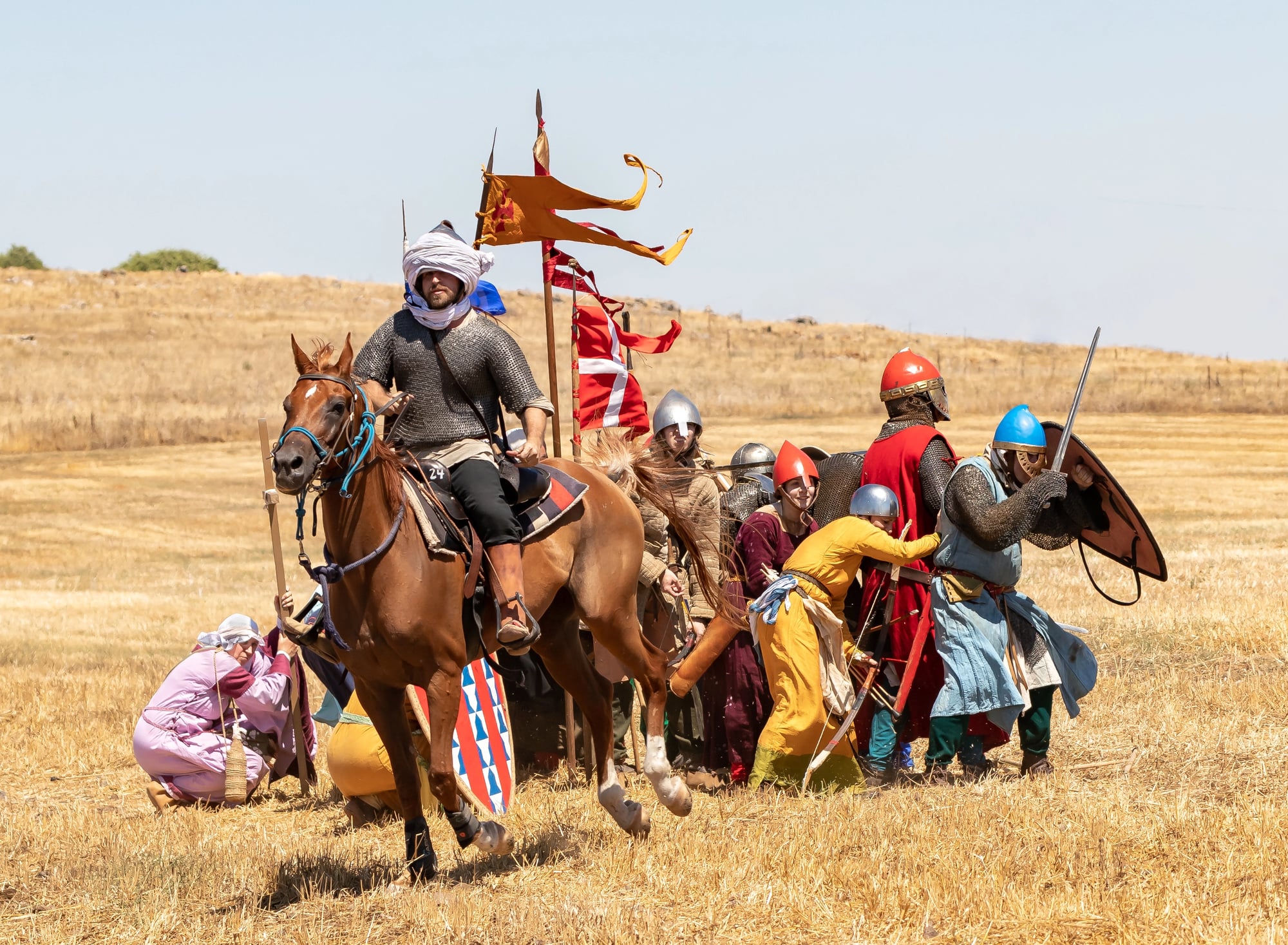
The CIA’s covert campaign to fund and arm Afghan resistance fighters against Soviet occupation became the largest covert operation in agency history. This behind-the-scenes campaign ultimately helped defeat Soviet forces but also militarized the region for decades to come.
The program’s alumni included fighters who would later form or join various militant organizations, demonstrating how supposedly limited covert operations can have massive unintended consequences.
Operation Ajax
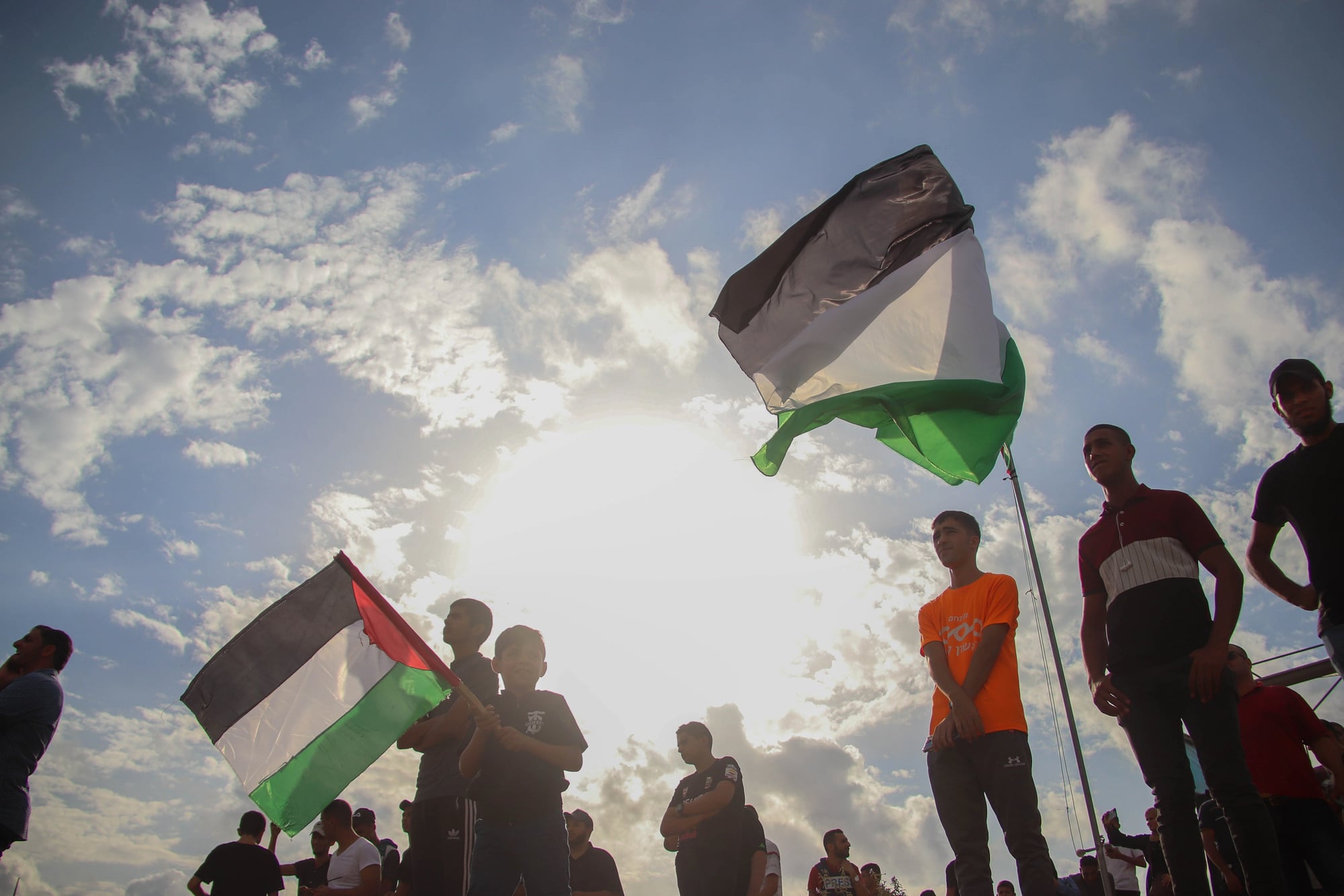
The CIA and British intelligence’s 1953 covert campaign to overthrow Iran’s democratically elected government took just a few weeks to execute. This quick operation installed the Shah as an absolute monarch and secured Western access to Iranian oil for decades.
The lingering resentment toward foreign interference fueled the 1979 Islamic Revolution and continues to influence Iranian politics and U.S.-Iranian relations today.
British Conquest of Egypt

Britain’s 1882 intervention to protect financial interests in Egypt evolved into a seven-decade occupation. This campaign, initially presented as temporary, gave Britain control of the Suez Canal and transformed Mediterranean power dynamics.
The takeover redirected vast resources to British coffers while establishing administrative systems that influenced governance throughout the Middle East long after colonial rule ended.
Battle of Dien Bien Phu
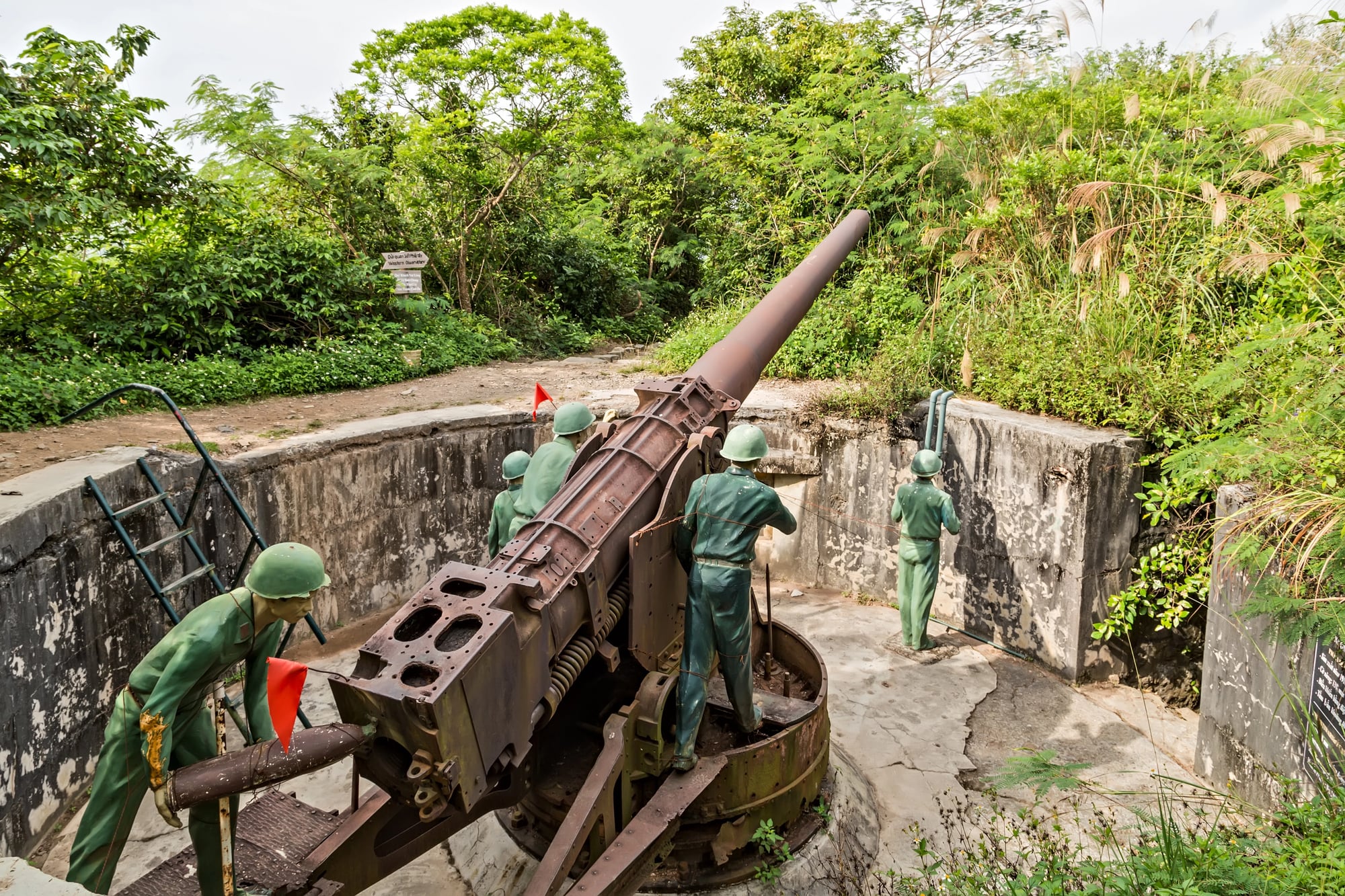
This decisive Vietnamese victory over French colonial forces in 1954 ended France’s presence in Indochina. The battle demonstrated how determined guerrilla forces could defeat technologically superior Western armies through patience and terrain knowledge.
The aftermath divided Vietnam along the 17th parallel, creating the conditions for American intervention and the Vietnam War that would follow.
Congo Crisis

United Nations’ first major peacekeeping operation in 1960-1965 Congo involved substantial military action despite its humanitarian label. This complex international intervention became a Cold War proxy conflict with lasting consequences for UN doctrine.
The campaign established precedents for international interventions while exposing the challenges of maintaining neutrality in civil conflicts – lessons that continue to shape modern peacekeeping operations.
Ogaden War
The 1977-1978 conflict between Somalia and Ethiopia triggered one of the Cold War’s most dramatic alliance shifts. When the Soviet Union abandoned Somalia to support Ethiopia, it pushed Somalia into American arms, completely reconfiguring Horn of Africa geopolitics.
This forgotten war created refugee flows and territorial disputes that continue to drive regional instability and international military presence in East Africa today.
Operation Condor
This coordinated campaign by South American military governments to eliminate political opponents throughout the 1970s claimed thousands of lives across national boundaries. The multinational operation, supported by U.S. intelligence, targeted anyone deemed leftist or subversive across the continent.
The shadows of this campaign continue to affect Latin American politics, civil-military relations, and attitudes toward U.S. influence in the region.
Beyond the Battlefields
These underappreciated campaigns serve as a reminder that the most significant military operations in history aren’t always the most well-known. These covert operations have influenced the contemporary world just as much as the well-known conflicts that fill our textbooks and documentaries.
Their influence endures in everything from trade routes and national borders to cultural identities and continuing battles, demonstrating that the most important periods in military history aren’t usually the most obvious.
More from Go2Tutors!

- The Romanov Crown Jewels and Their Tragic Fate
- 13 Historical Mysteries That Science Still Can’t Solve
- Famous Hoaxes That Fooled the World for Years
- 15 Child Stars with Tragic Adult Lives
- 16 Famous Jewelry Pieces in History
Like Go2Tutors’s content? Follow us on MSN.



