14 Rare Minerals Found Exclusively in One Square Mile on Earth
The Earth’s crust holds approximately 5,000 known mineral species, yet many remain incredibly rare due to the unique geological conditions required for their formation. Some minerals are so exceptionally scarce that they exist in just one location worldwide, often confined to a single mine or geological formation smaller than one square mile.
These mineralogical unicorns represent perfect storms of chemical elements, temperature, and pressure that occurred just once in our planet’s history. Here is a list of 14 incredibly rare minerals found exclusively within tiny geographical boundaries, making them among the most limited natural substances on Earth.
Fingerite

This fragile copper-vanadium oxide mineral exists solely on the slopes of the Izalco volcano in El Salvador. The intensely hot fumaroles create the perfect conditions for fingerite to form, but the same volatile environment threatens its existence.
Fingerite dissolves in rainwater and decomposes in sunlight, making it extraordinarily difficult to preserve even after collection. Only a handful of samples have ever been recovered from this single square mile location, earning it the nickname ‘the perfect storm of rarity.’
Ichnusaite

Discovered in 2013 on the Mediterranean island of Sardinia, ichnusaite exists only in the defunct Sulcis coal mine near Cagliari. This thorium-based mineral formed through a series of improbable geological events involving rare earth elements and radiation.
The entire world supply of ichnusaite could fit in a teaspoon, with fewer than a dozen confirmed samples ever recovered. The mine’s closure has made additional specimen collection nearly impossible, essentially freezing the global supply forever.
Kyawthuite

This extraordinarily rare antimony mineral was discovered in 2015 in the Mogok Valley of Myanmar, famous for its rubies. Kyawthuite takes its name from the Burmese mineralogist who found the single known sample, which measures just 1.61 carats.
The conditions necessary for kyawthuite’s formation appear to have occurred exactly once in Earth’s history within a tiny pocket of Myanmar’s gem-producing region. Scientists continue studying this lone specimen to understand its unique crystalline structure and formation process.
Swedenborgite
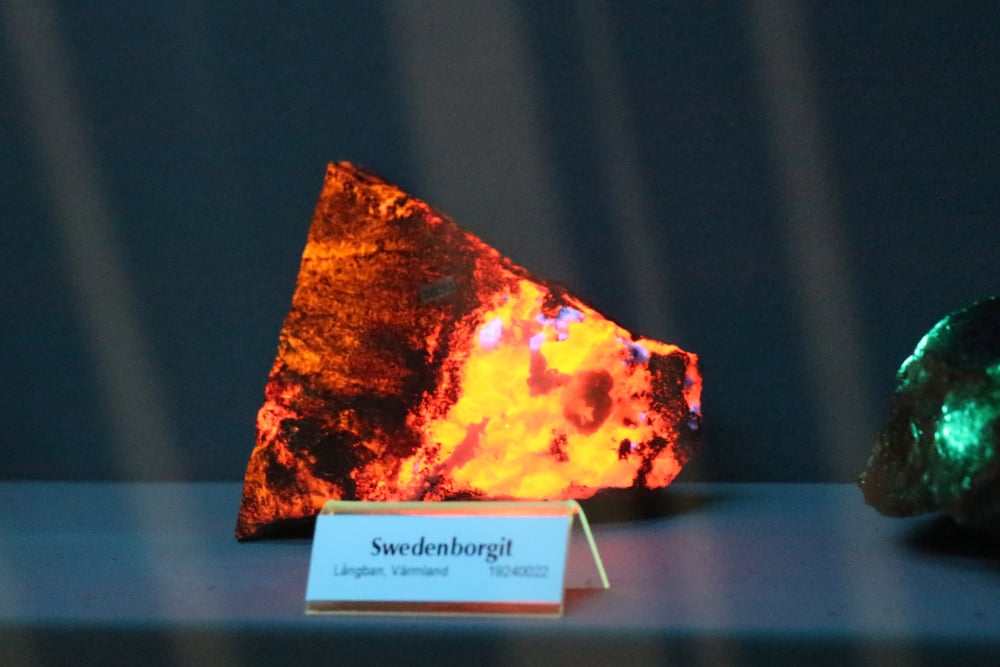
Despite being discovered in 1924, Swedenborgite has never been found outside the Långban mine in Värmland, Sweden. This complex sodium-beryllium mineral forms distinctive brown-black crystals that have fascinated collectors for nearly a century.
The mine closed permanently in 1972, meaning no new specimens will likely ever be recovered. The limited supply of Swedenborgite makes it exponentially more valuable than gold by weight among serious mineral collectors.
Nevadaite
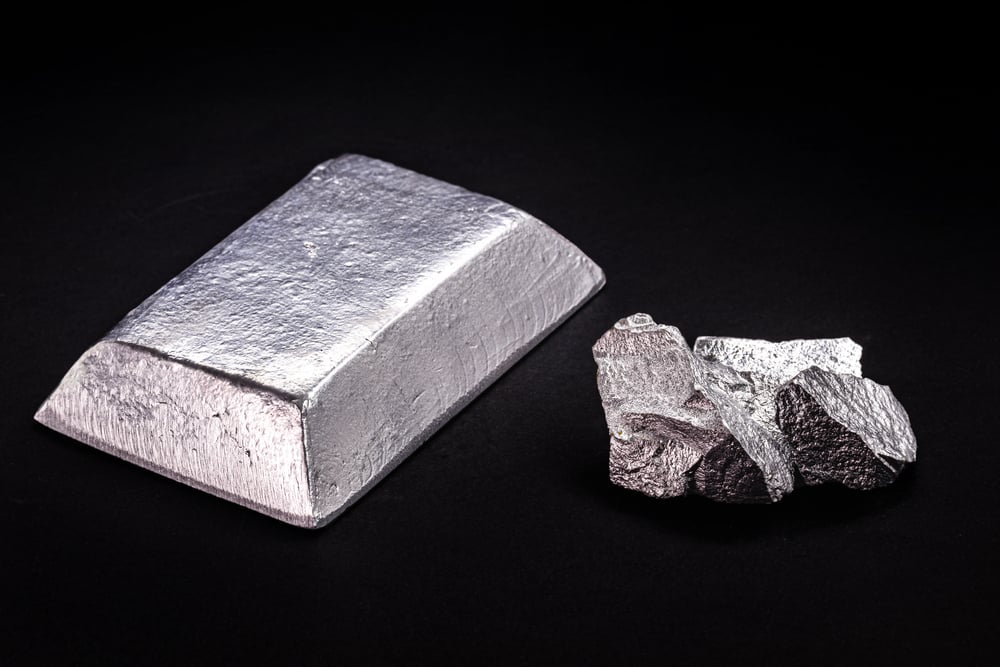
This rare copper-zinc mineral exists exclusively in small pockets within the Eureka district of Nevada, confined to an area less than one square mile. Nevadaite’s distinctive robin’s-egg blue crystals form under highly specific conditions involving copper, zinc, tellurium and water interactions at precise temperatures.
The mineral was discovered in 1979 but remains virtually unknown outside specialist circles due to its extreme scarcity. Fewer than twenty verified specimens exist in collections worldwide, making it among the rarest substances on the planet.
Hazenite

Hazenite forms exclusively in the highly alkaline waters of California’s Mono Lake, where unusual microorganisms play a crucial role in its creation. This magnesium-phosphate mineral precipitates through the metabolic activities of specific bacteria found nowhere else on Earth.
Curiously, hazenite remains stable only while submerged in the lake’s unique chemical environment. Removing samples causes them to decompose within hours, making preservation nearly impossible.
Scientists must study this ephemeral mineral in its natural habitat, adding another layer to its exceptional rarity.
Edoylerite
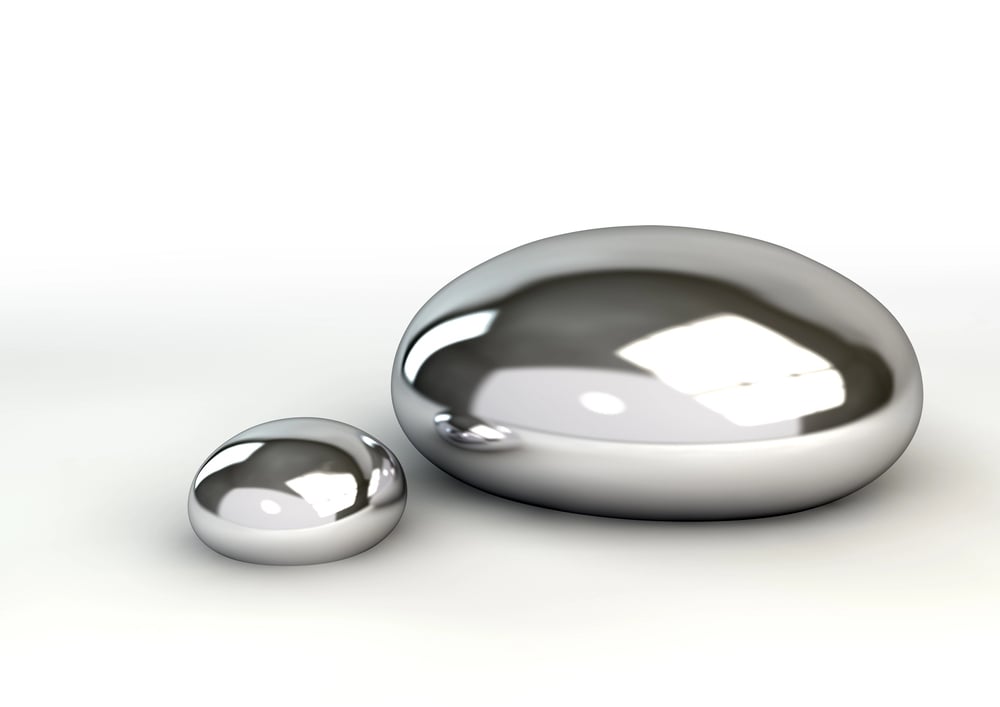
This mercury-chromium compound exists solely within tiny fissures of the Clear Creek Mine in San Benito County, California. Edoylerite’s brilliant yellow crystals form through a series of chemical reactions involving mercury, chromium, and sulfur under precise temperature conditions.
The mineral was named after its discoverer in 1989, but subsequent searches throughout similar geological formations worldwide have failed to locate additional specimens. The entire global supply could fit in a shot glass, making it among the most limited substances in existence.
Edgarbaileyite

Found exclusively in an abandoned mercury mine at Clear Creek in San Benito County, California, Edgarbaileyite forms through a unique interaction between mercury and silicon compounds. Its distinctive silver-white crystals require such specific formation conditions that they’ve never appeared elsewhere on Earth despite similar mercury deposits existing worldwide. T
he mineral’s discovery in 1985 excited mineralogists, but subsequent exploration confirmed its distribution remained limited to a few small cavities within this single mine. The entire world supply could fit inside a thimble.
Heyite
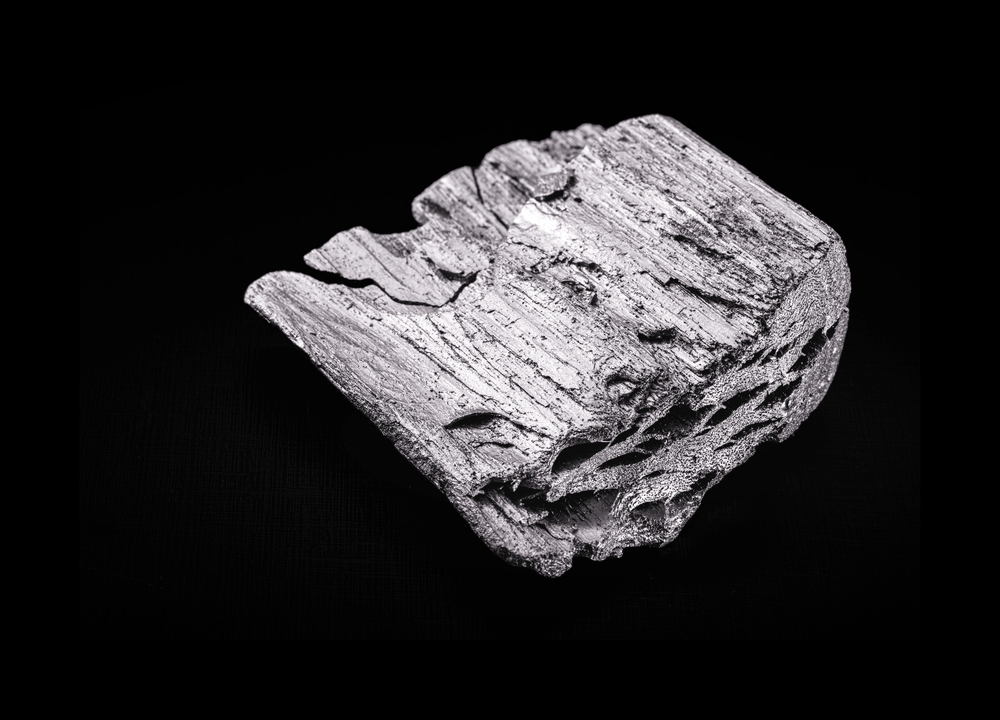
This rare lead-tellurium mineral exists exclusively within the Bambolla mine in Moctezuma, Mexico, occupying a space smaller than a football field. Heyite’s complex chemical makeup requires extremely specific conditions involving lead, tellurium, sulfur, and precise heat to form its distinctive purple-gray crystals.
Discovered in 1979, mineralogists have thoroughly explored similar tellurium deposits worldwide without finding additional specimens. The mine’s closure has effectively capped the global supply forever, making heyite specimens among the most coveted acquisitions for serious collectors.
Parisite-(La)
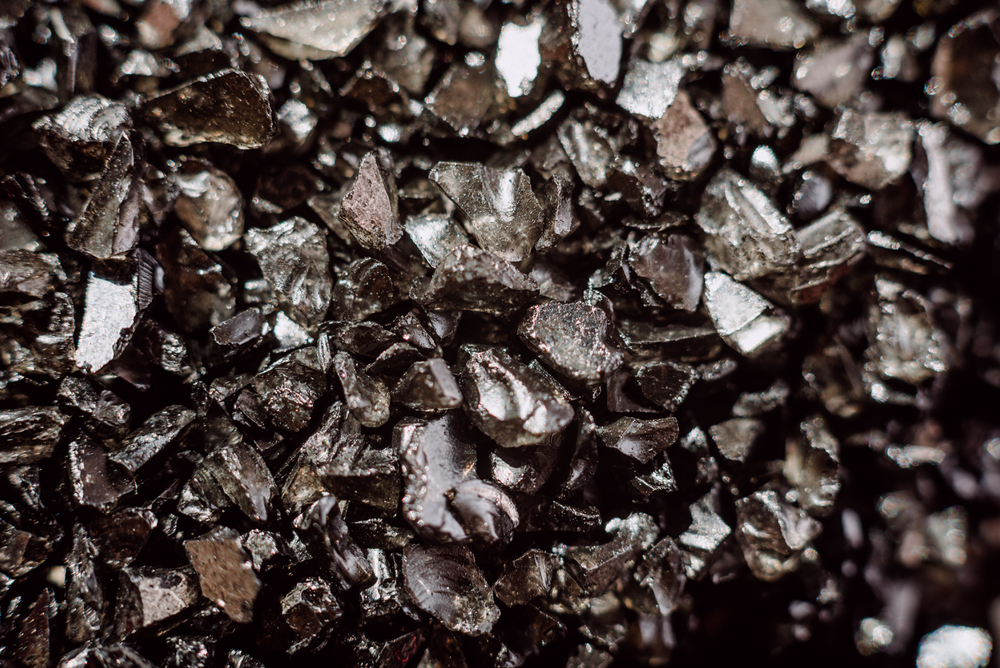
This exotic, rare earth mineral contains lanthanum, calcium, carbon, fluorine, and oxygen in a complex crystalline arrangement found nowhere except a single mine in Muzo, Colombia. The famous emerald-producing region created perfect conditions for parisite-(La) to form alongside precious gemstones.
Scientists theorize that its formation required a precise sequence of hydrothermal events over millions of years that never aligned elsewhere on Earth. Only a handful of specimens have ever been recovered, making it among the most valuable mineral samples per gram in existence.
Mcalpineite
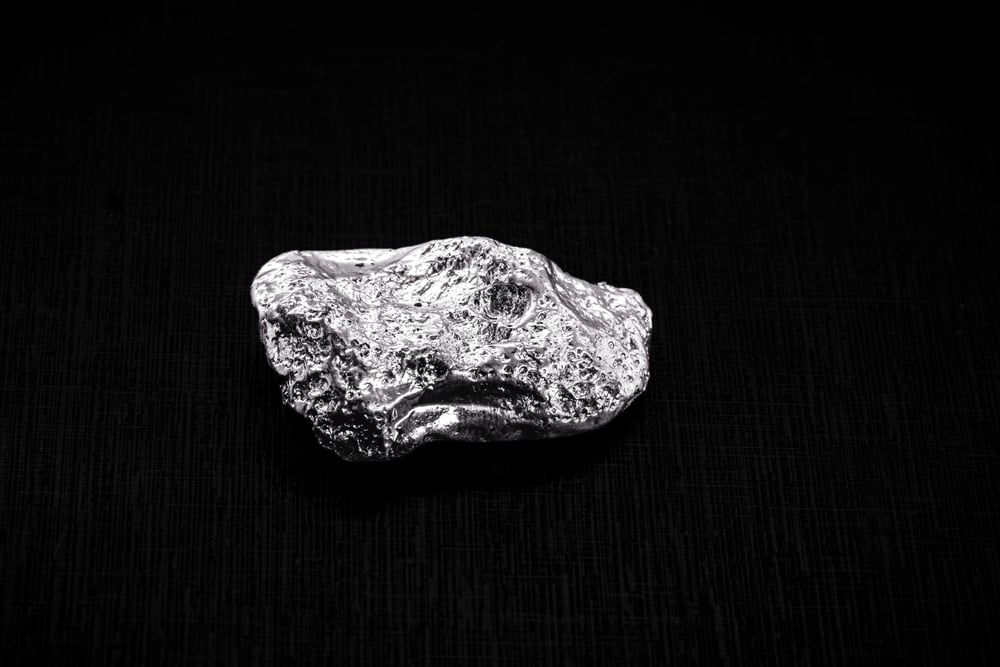
This copper-tellurium mineral occurs exclusively within the Good Hope Mine in Riverside County, California, confined to an area smaller than most suburban properties. Mcalpineite forms distinctive sky-blue cubic crystals that instantly catch the eye despite their microscopic size.
The mineral requires such specific formation conditions involving copper, tellurium, and water at precise temperatures that the phenomenon appears to have occurred exactly once in Earth’s history. The exhaustion of the original deposit means no new specimens will likely ever be discovered.
Ottoite
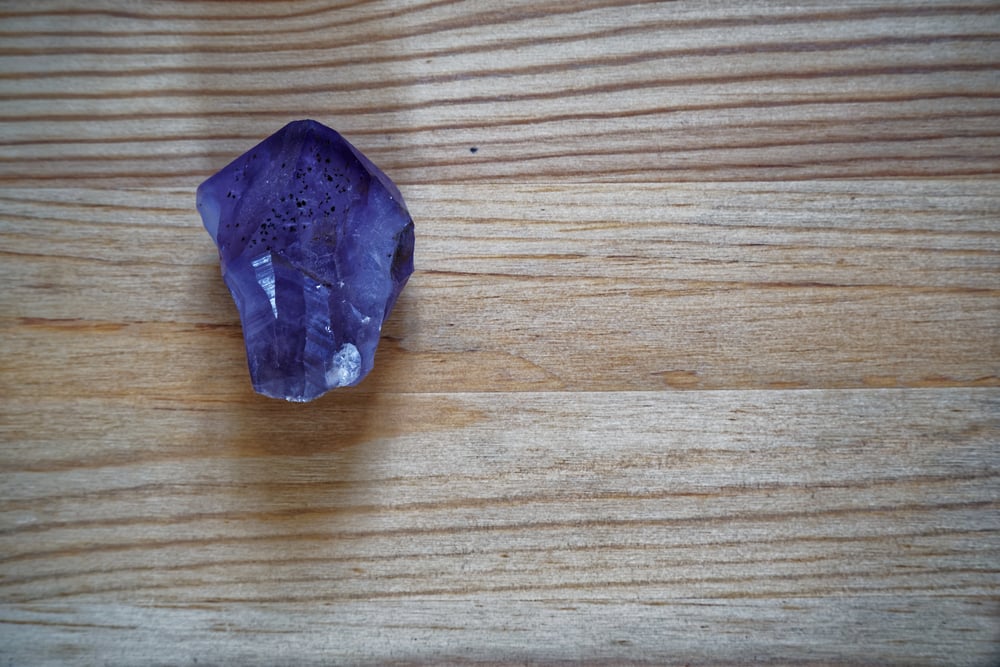
Found only within a single claim in the Moctezuma region of Mexico, ottoite represents one of mineralogy’s newest unicorns. This lead-tellurium mineral forms stunning royal purple crystals that collectors prize for both their beauty and extreme rarity.
Discovered in 2020, extensive surveys of similar tellurium deposits worldwide have failed to locate additional specimens. The entire known supply consists of fewer than two dozen preserved crystals, with the formation zone limited to a patch of ground smaller than a tennis court.
Bluebellite

This unusual copper-tellurium-oxide mineral exists exclusively within small veins at the Blue Bell mine in California’s San Bernardino County. Bluebellite’s vibrant azure crystals form under extremely specific oxidation conditions that apparently occurred nowhere else on Earth.
Discovered in 2013, the mineral’s distribution remains confined to an area measurable in square yards rather than miles. The total known supply consists of microscopic crystals that collectively weigh less than a paperclip, making it among the scarcest substances known to science.
Leószilárdite
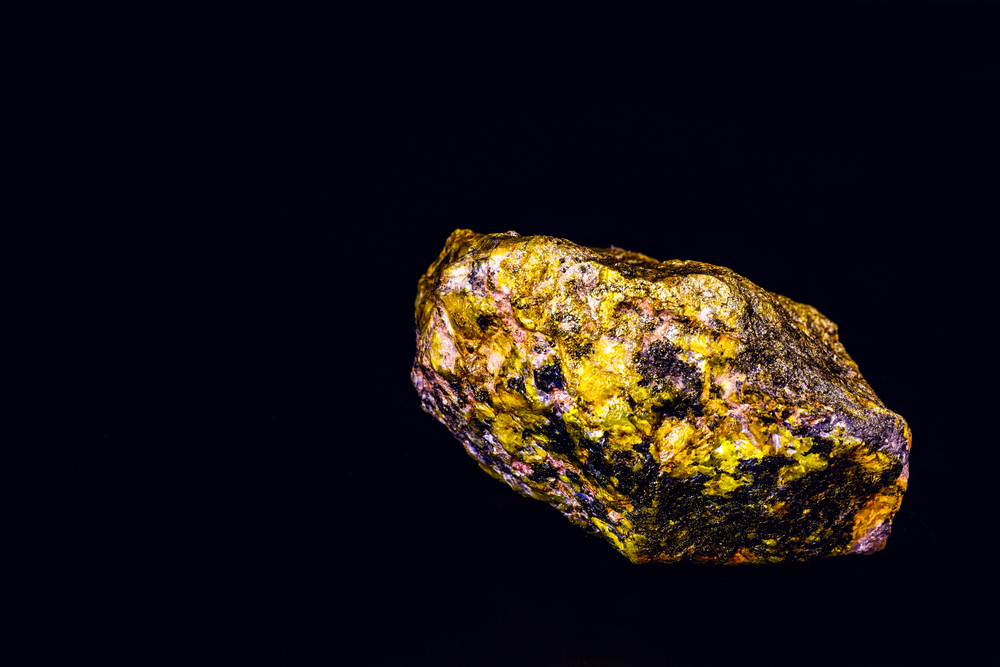
Named after physicist Leo Szilard, this uranium mineral was discovered in 2012 in the remote Markey Mine in Utah. Leószilárdite forms through secondary processes involving uranium ore exposure to air and water under highly specific conditions.
These conditions have occurred exclusively within the abandoned uranium workings in San Juan County, covering an area smaller than a city block. The mineral’s delicate crystal structure and radioactive nature make preservation challenging, adding another dimension to its extreme rarity.
Nature’s Limited Editions

These extraordinarily rare minerals represent nature’s limited editions, substances so specialized that they formed exactly once under perfect conditions. Their discovery challenges our understanding of geological processes and reminds us how much remains unknown about Earth’s mineralogical diversity.
As mining operations close and deposits become exhausted, many of these unicorn minerals become effectively extinct, with no new specimens ever to be found. These mineralogical treasures continue providing scientists with insights into extreme chemical environments while giving collectors a tangible connection to substances that define the very concept of rarity in our natural world.
More from Go2Tutors!

- The Romanov Crown Jewels and Their Tragic Fate
- 13 Historical Mysteries That Science Still Can’t Solve
- Famous Hoaxes That Fooled the World for Years
- 15 Child Stars with Tragic Adult Lives
- 16 Famous Jewelry Pieces in History
Like Go2Tutors’s content? Follow us on MSN.



