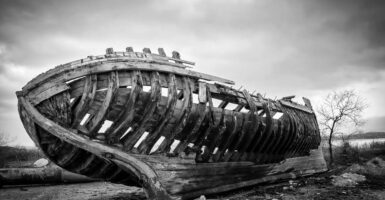
Things Older Than Trees
Trees feel ancient. When you stand in a forest and look up at towering trunks that have been growing for centuries, you get this sense that they’ve been here forever.
But trees, in the grand timeline of Earth, are actually pretty recent arrivals. They showed up around 350 million years ago during the Devonian period.
Before that, the planet looked completely different—and it was already teeming with life that still exists today.
Sharks Have Been Swimming Longer
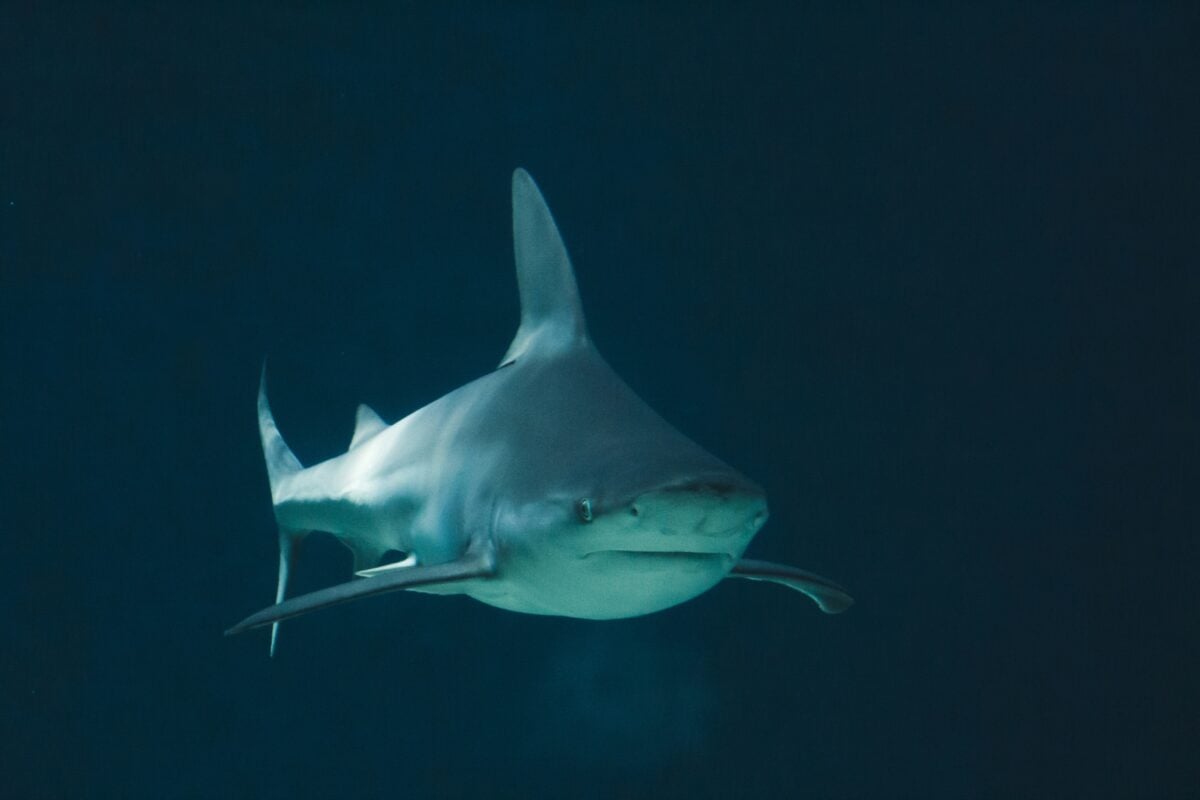
Sharks predate trees by about 100 million years. They’ve been gliding through oceans for around 450 million years, which means they survived multiple mass extinctions while barely changing their basic design.
The sharks you see today look remarkably similar to their ancient ancestors. What makes this even more interesting is that sharks existed before Saturn’s rings formed.
Think about that for a moment. These fish were already apex predators when the solar system was still arranging itself into the form you recognize now.
Horseshoe Crabs Looked the Same Back Then

These creatures show up on beaches today looking exactly like they did 450 million years ago. Their blue blood has become valuable to modern medicine, but they were already perfecting their design long before trees appeared.
You can pick up a horseshoe crab and hold something that predates forests. They survived the same extinction events that wiped out dinosaurs.
Their persistence comes from a simple body plan that just works, even as the world transforms around them.
Fungi Built the Foundation

Mushrooms and other fungi arrived on land roughly 1.3 billion years ago. They actually helped create the conditions that allowed trees to exist.
Fungi broke down rocks into soil, formed partnerships with early plant roots, and essentially prepared the ground for everything that came after. The largest organism on Earth today is a fungus—a honey mushroom in Oregon that spans over 2,000 acres. Fungi have been the quiet architects of terrestrial life, working below the surface while more dramatic changes happened above.
Jellyfish Drifted Through Ancient Seas
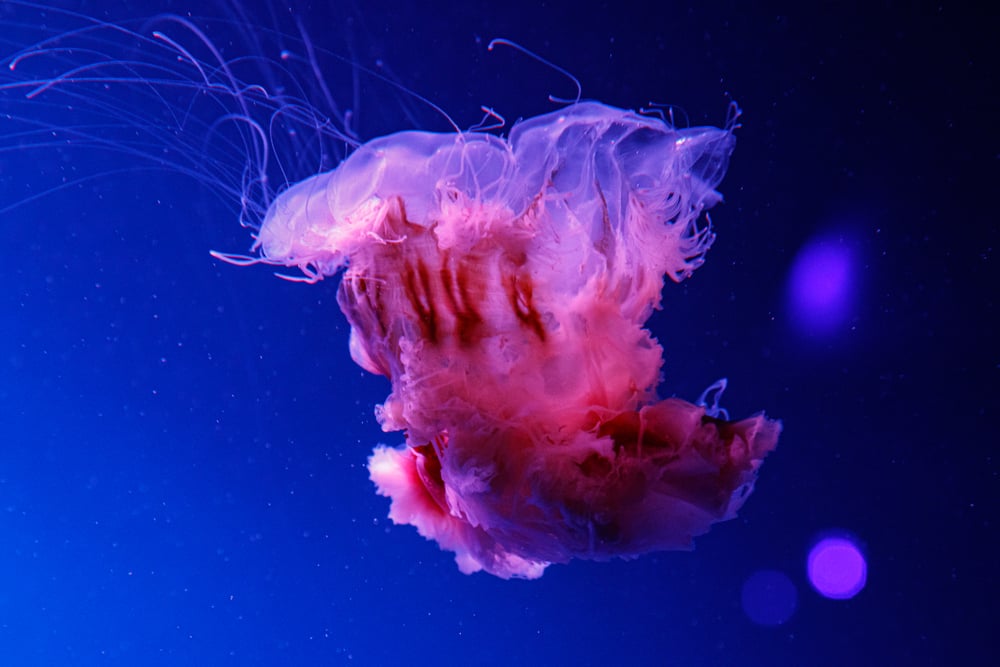
These translucent creatures have been pulsing through oceans for at least 500 million years, though some evidence suggests they go back even further. They’re 95% water and have no brain, heart, or bones, yet they’ve outlasted countless more complex organisms.
Jellyfish were already old when trees were new. They watched the continents shift, the climate swing between extremes, and life experiments with countless forms.
Their simplicity turned out to be an advantage that complexity couldn’t match.
Cyanobacteria Started Producing Oxygen

These microscopic organisms appeared around 3.5 billion years ago and fundamentally changed the planet. They were the first to perform photosynthesis, gradually filling the atmosphere with oxygen.
Without them, nothing else on this list could exist. You still see cyanobacteria today in ponds and lakes, creating those blue-green blooms.
They look unremarkable, but they literally made Earth habitable for complex life. Every breath you take traces back to what these tiny organisms started doing billions of years ago.
The Oceans Preceded Everything

Water covered Earth roughly 4.4 billion years ago, not long after the planet formed. The oceans have witnessed the entire story of life from its first spark to the present moment.
They were here before continents, before the atmosphere stabilized, before anything we’d recognize as life. Waves crashed on shores before those shores had a single living thing on them.
The deep ocean trenches have remained relatively unchanged, making them some of the most ancient environments on the planet’s surface.
Mountains Rose and Fell Many Times
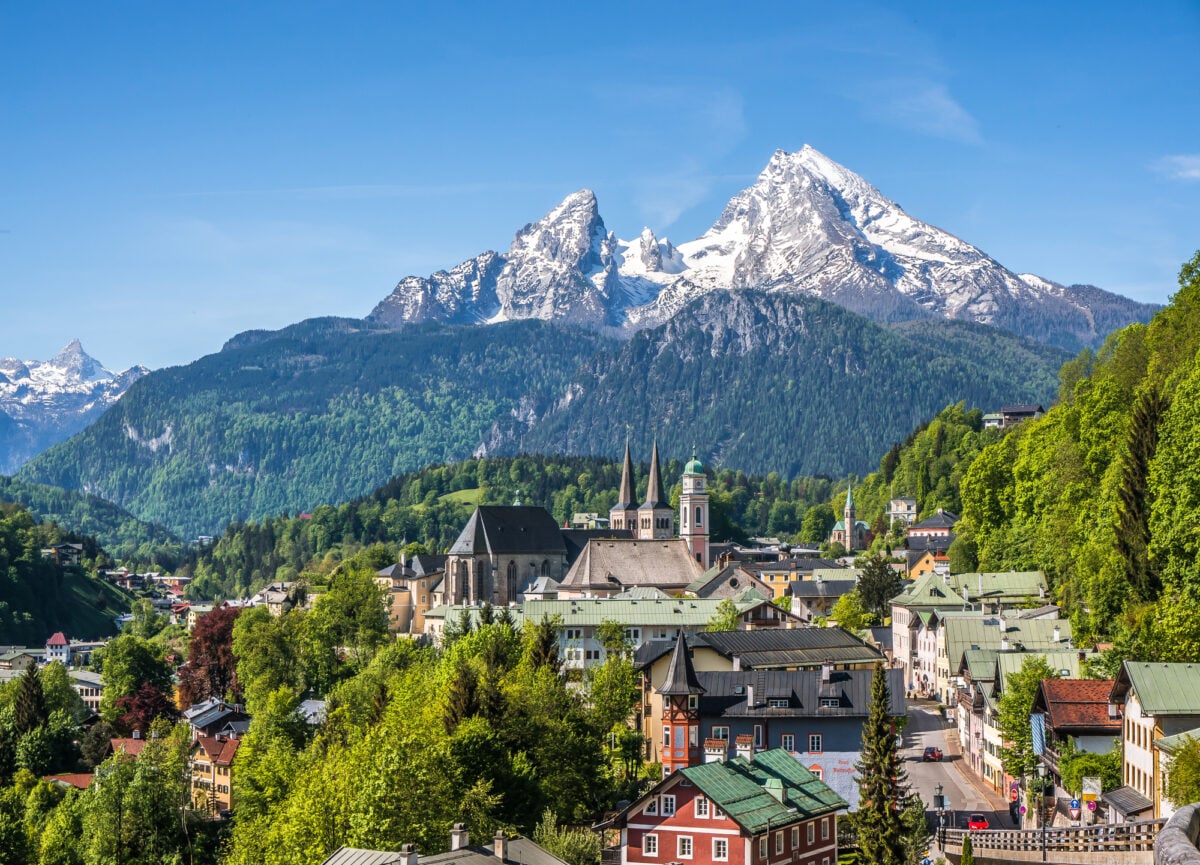
The oldest rocks on Earth date back 4 billion years, though most have been recycled through tectonic processes. Mountains like the Appalachians were tall and imposing long before trees existed to cover their slopes.
They’ve been worn down and pushed up again multiple times. You can find rock formations that predate trees by billions of years.
These stones formed in seas that have long vanished, were pushed into the sky, and then slowly eroded by wind and water that existed long before roots could hold soil in place.
Trilobites Crawled the Ocean Floor
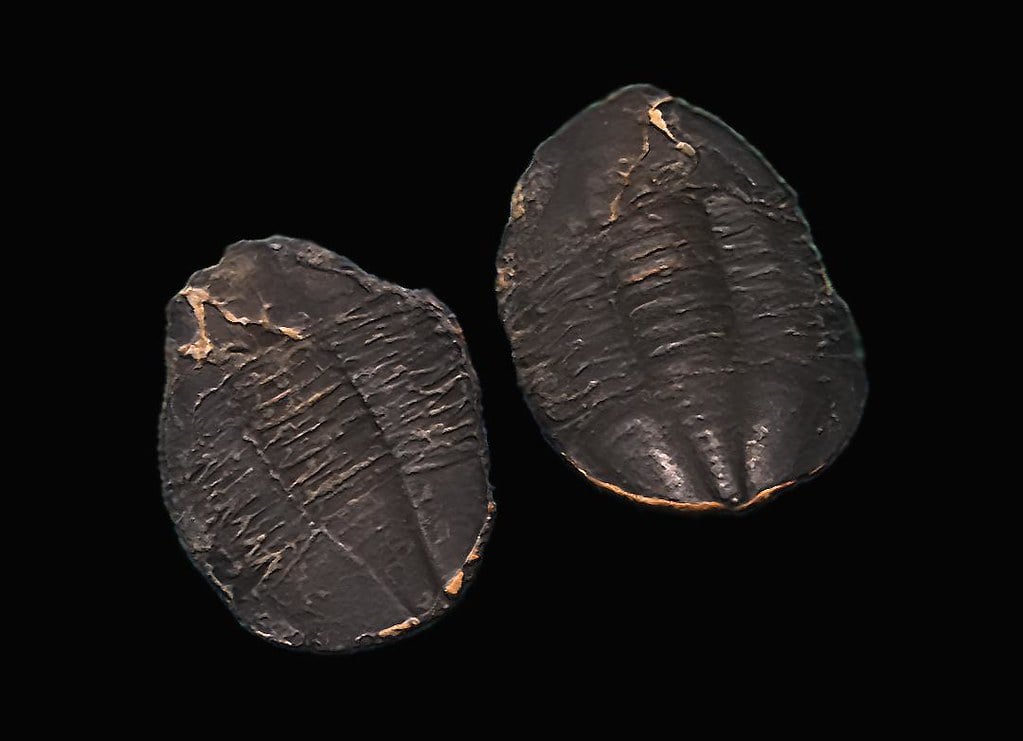
These armored arthropods appeared about 521 million years ago and dominated ocean ecosystems for 270 million years before going extinct. They never saw a tree, but they saw the world transform in ways we can barely imagine.
Trilobite fossils show up everywhere because they were incredibly successful and diverse. Thousands of species evolved, each adapted to different ocean environments.
When you find their fossils today, you’re looking at creatures that thrived in a world without forests.
The Moon Has Orbited Longer
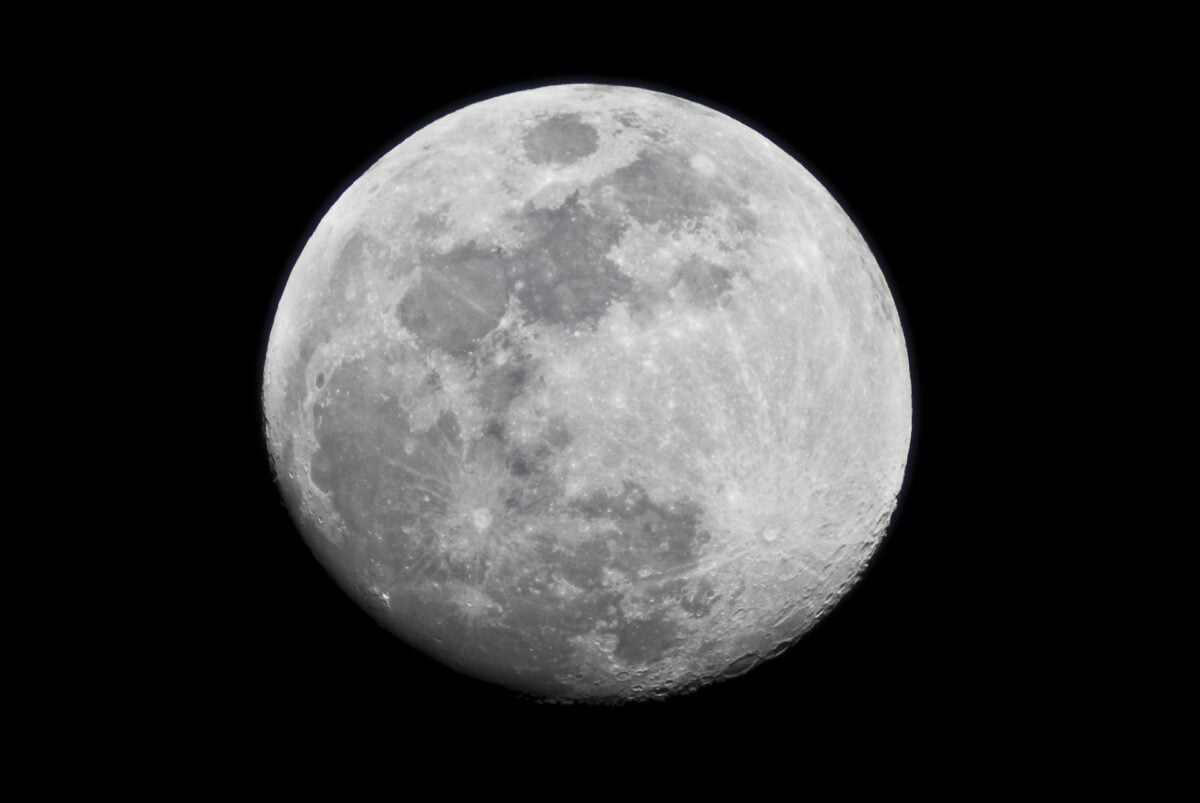
Earth’s moon formed around 4.5 billion years ago, probably from debris after a massive collision with a Mars-sized object. It’s been pulling the tides and stabilizing Earth’s rotation ever since.
The moon you see at night is older than every living thing. Ancient peoples looked up at the same moon, but so did the first fish, the first land animals, and eventually the first trees.
It watched continents form and break apart, species rise and fall, and the planet slowly green itself with plant life.
Insects Took to the Land First

Flying insects appeared around 400 million years ago, but insects in general started colonizing land about 479 million years ago. They had the place to themselves for a while, evolving into countless forms before trees created new habitats for them.
Some early insects grew to enormous sizes—dragonflies with two-foot wingspans—because there were no trees yet to compete for space and light. The insect body plan proved so successful that they still dominate terrestrial ecosystems today.
Moss Covered Rocks Before Forests Covered Them

Non-vascular plants like moss showed up around 470 million years ago. They were the first to make land look green, clinging to rocks and creating thin mats of vegetation.
These plants couldn’t grow tall because they lacked the internal plumbing systems that trees would later evolve. You still find moss in the same places it grew back then—on rocks, in damp shadows, anywhere conditions stay consistently moist.
It’s living proof that the simple solutions sometimes outlast the complex ones.
Fish Developed in Ancient Waters

The first fish appeared around 530 million years ago, making them older than trees by nearly 200 million years. They evolved jaws, fins, and eventually the structures that would allow their descendants to walk on land.
Fish were already diverse and successful before forests existed. They had developed complex behaviors, predation strategies, and social structures.
By the time trees appeared, fish had already conquered every aquatic environment on the planet.
Stromatolites Still Grow Today

These layered structures created by bacterial communities date back 3.5 billion years. You can still see them forming in places like Shark Bay, Australia.
They’re living fossils that connect the present directly to Earth’s earliest days. Walking among stromatolites feels surreal because you’re seeing essentially the same thing that existed when Earth was young.
They built the reefs of the ancient world and gradually made the planet habitable for everything that came after.
Continental Plates Were Already Shifting
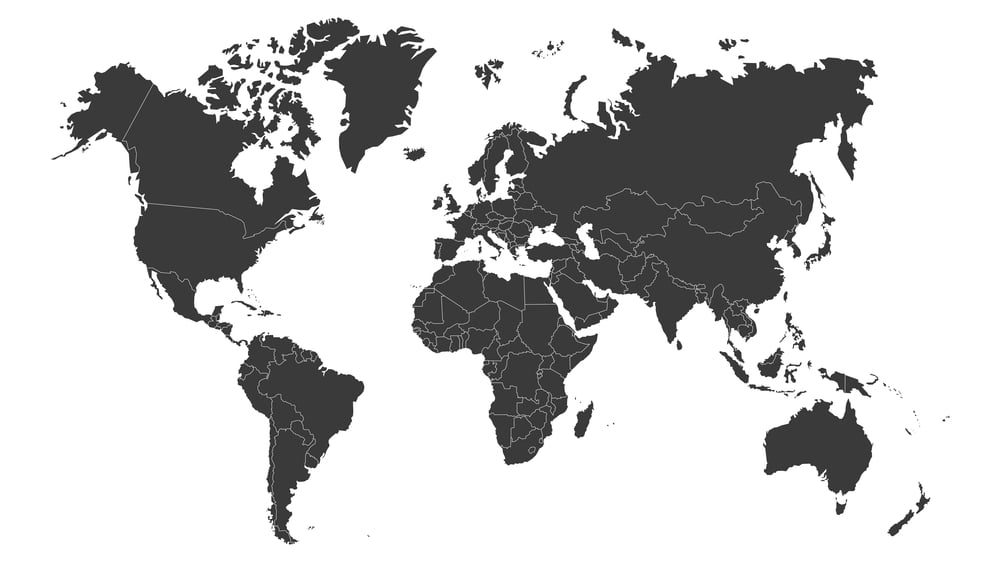
Plate tectonics kicked in around 3 billion years back – maybe even sooner. While nothing was alive yet, landmasses were already smashing together or pulling away.
That same force shaping Earth today? It was active when the surface was still empty and raw.
Trees don’t remember old Earth – just how things are now. Instead of seeing ancient landmasses like Pangaea, they grow where soil lets them.
But below their roots lies rock shaped long before trees existed. That dirt carries secrets from way back when life barely began.
What Came Before Still Persists

Out here in the woods right now, you’re packed between old beings acting fresh. Underfoot, mushrooms; up above, bugs buzzing through leaves; water trickling downhill – each came way before the trunks around you.
This whole scene? It wasn’t where life kicked off.
Woodlands only showed up after eons had already passed. The creatures around before trees set up the stage for everything that followed.
Because of them, dirt formed, skies filled with breathable air, plus habitats emerged – making woodlands even thinkable. Sure, trees look grand, yet they rely on life forms that cracked survival way earlier.
Next time you’re under leafy canopies, keep in mind most systems running beneath were ancient by the moment roots first dug in.
More from Go2Tutors!

- The Romanov Crown Jewels and Their Tragic Fate
- 13 Historical Mysteries That Science Still Can’t Solve
- Famous Hoaxes That Fooled the World for Years
- 15 Child Stars with Tragic Adult Lives
- 16 Famous Jewelry Pieces in History
Like Go2Tutors’s content? Follow us on MSN.