14 Small Towns With Bizarre Local Laws
Small towns across America have always marched to the beat of their own drum. While big cities deal with complex urban issues, these communities sometimes get creative with their local ordinances.
Some of these laws made perfect sense decades ago, others seem like they were written after a particularly heated town meeting, and a few leave you wondering what exactly happened to prompt such specific legislation. From restrictions on peculiar activities to regulations that seem straight out of a comedy sketch, these municipal codes offer a glimpse into the unique character of small-town America.
Here is a list of 14 small towns with some truly head-scratching local laws.
French Lick, Indiana
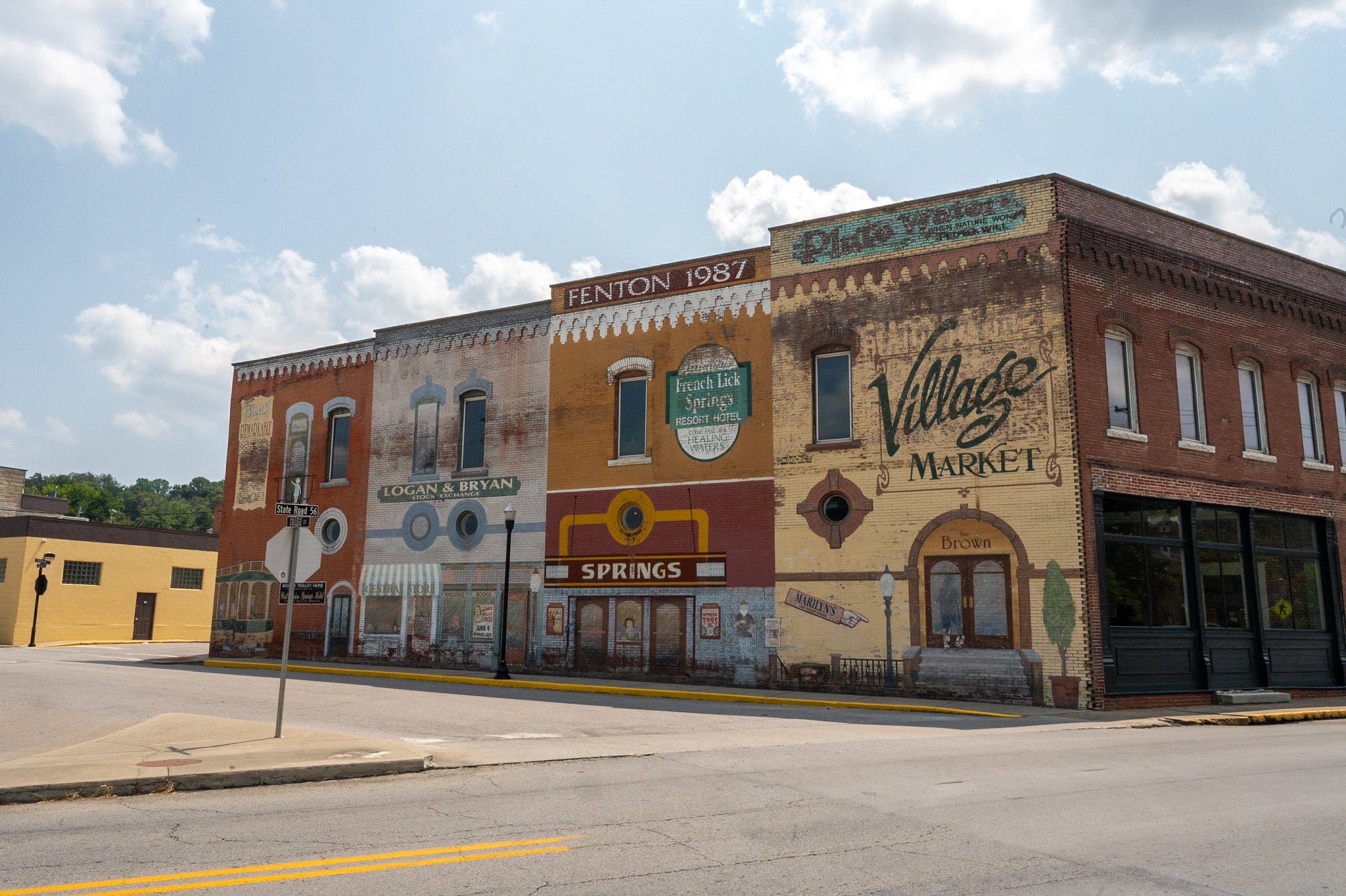
Black cats face discrimination in this small resort town, but only on Sundays. The local ordinance specifically prohibits black cats from walking down Main Street on the Christian day of rest.
This bizarre law apparently stems from old superstitions about bad luck, though it raises questions about how exactly enforcement works. Local cats of other colors presumably get free reign of the streets all week long.
Baldwin Park, California
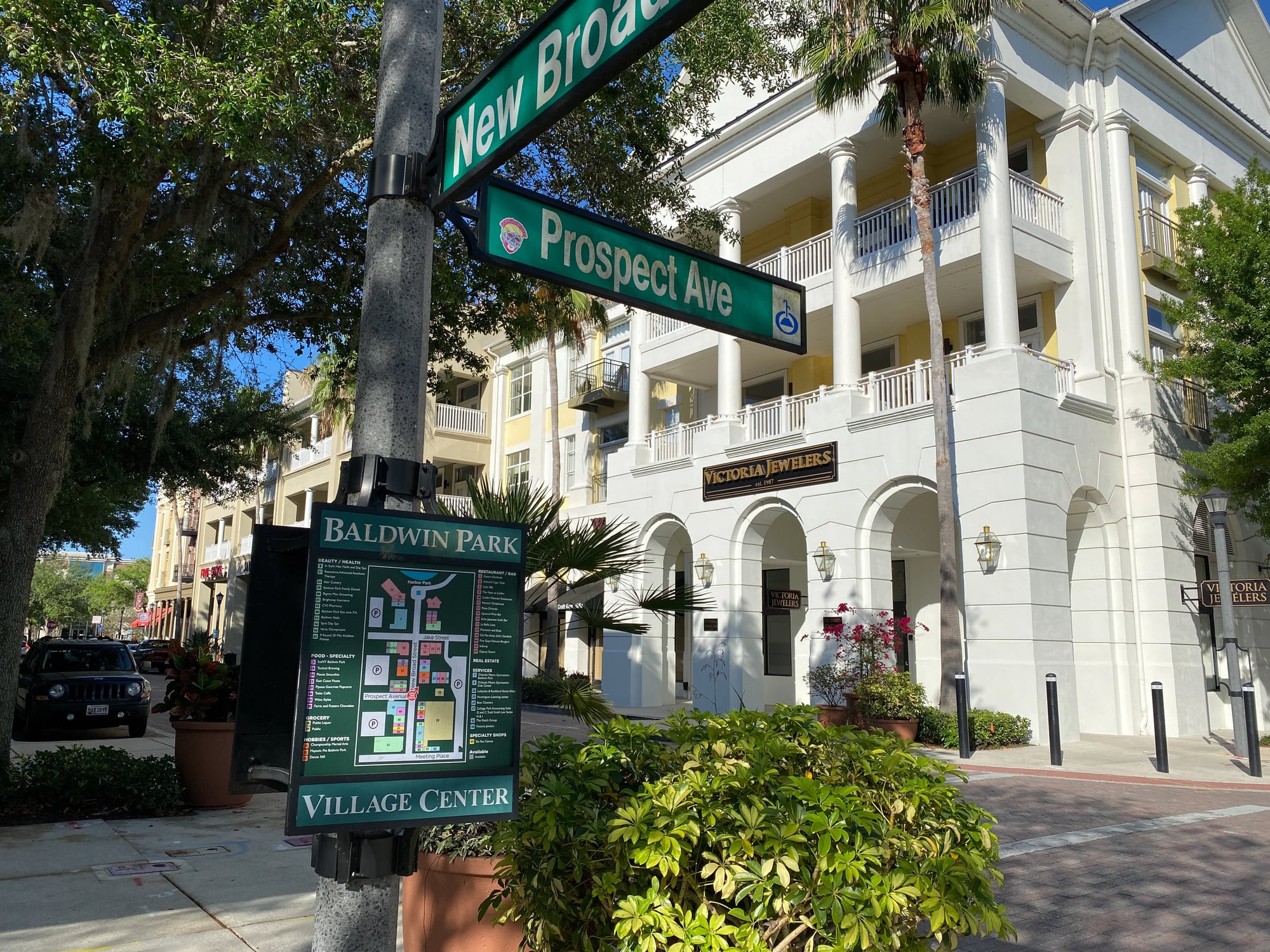
Bicycle riders in this Los Angeles County community face a unique restriction: no riding bikes in swimming pools. While most people would consider this common sense rather than necessary legislation, Baldwin Park felt compelled to make it official.
The law presumably prevents both property damage and some very awkward emergency room visits. It also raises questions about what other wheeled vehicles might need similar pool-related restrictions.
Like Go2Tutors’s content? Follow us on MSN.
Lander, Wyoming
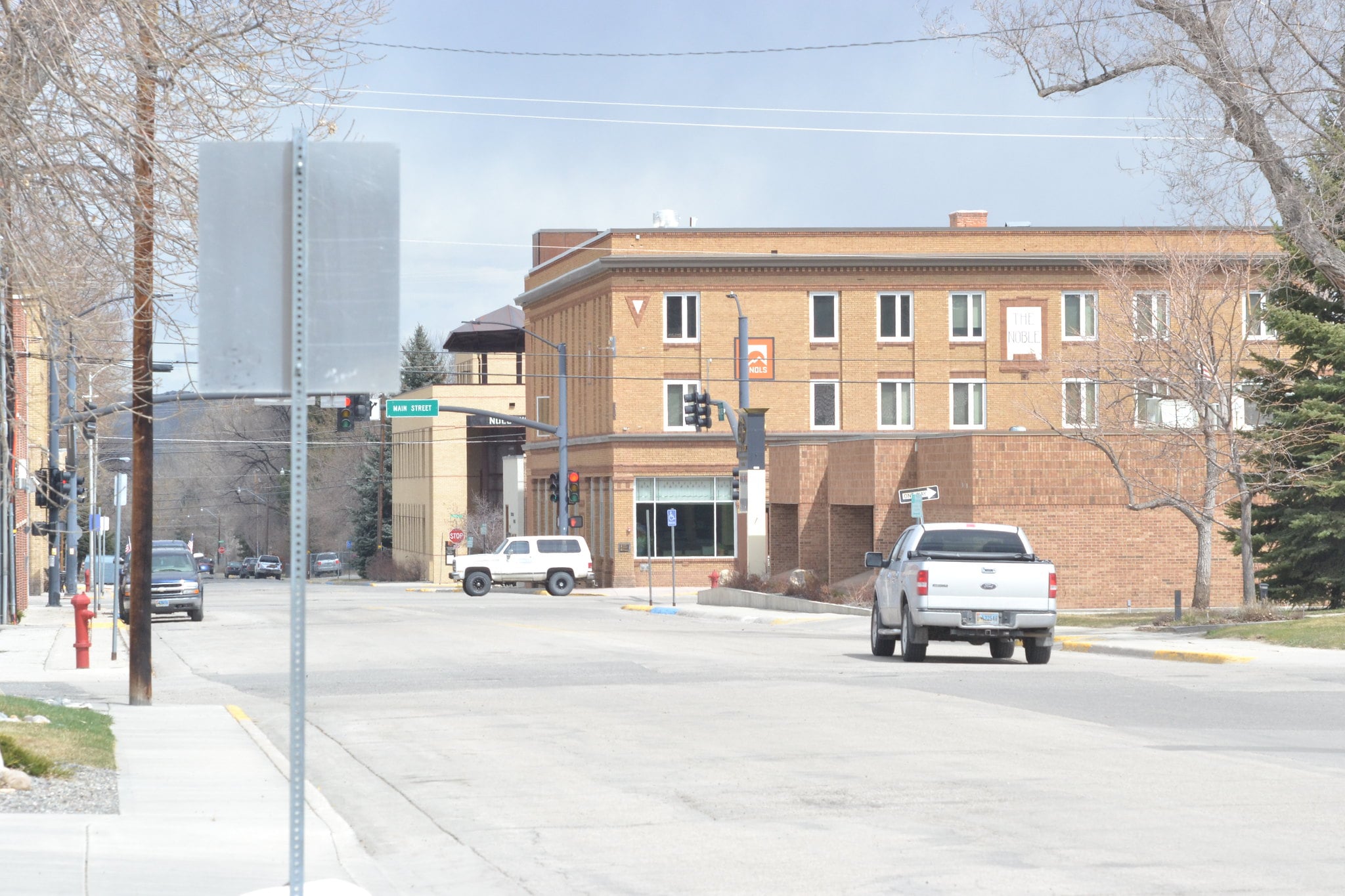
This frontier town regulates indoor air quality in an unusual way by prohibiting judo in elevators. The restriction likely stems from safety concerns about martial arts in confined spaces, though it’s surprisingly specific about which combat sport gets banned.
Regular elevator roughhousing apparently remains legal, making Lander a place where karate kicks might be fine but judo throws cross the line. Local elevator manufacturers probably appreciate the reduced liability concerns.
Key West, Florida

The southernmost city in the continental United States doesn’t allow chickens to cross roads within city limits. This law takes the classic joke about poultry road-crossing and makes it an actual municipal violation.
Key West officials presumably got tired of explaining the punchline to tourists and decided legal action was the better approach. Local roosters and hens must now find alternative routes to reach their destinations.
Normal, Illinois
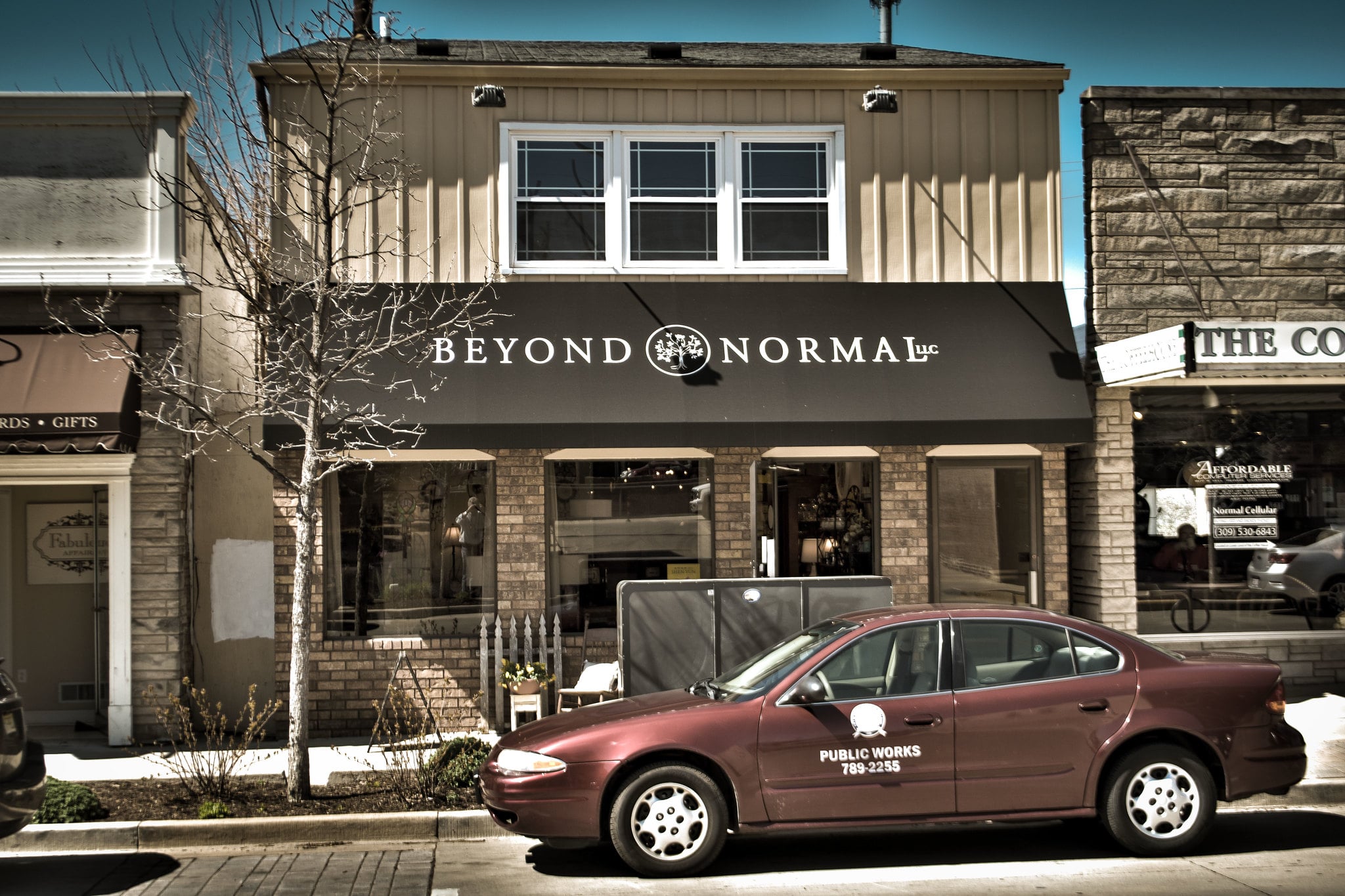
This college town lives up to its name by requiring dogs to wear pants if they plan to bark after 6 PM. The ordinance attempts to address noise complaints through fashion requirements, creating what might be the most stylish solution to canine disturbances in America.
Pet stores in Normal probably stock an unusually large selection of dog pants compared to neighboring communities. Local tailors might also do surprisingly good business in custom canine clothing.
Like Go2Tutors’s content? Follow us on MSN.
Portland, Maine
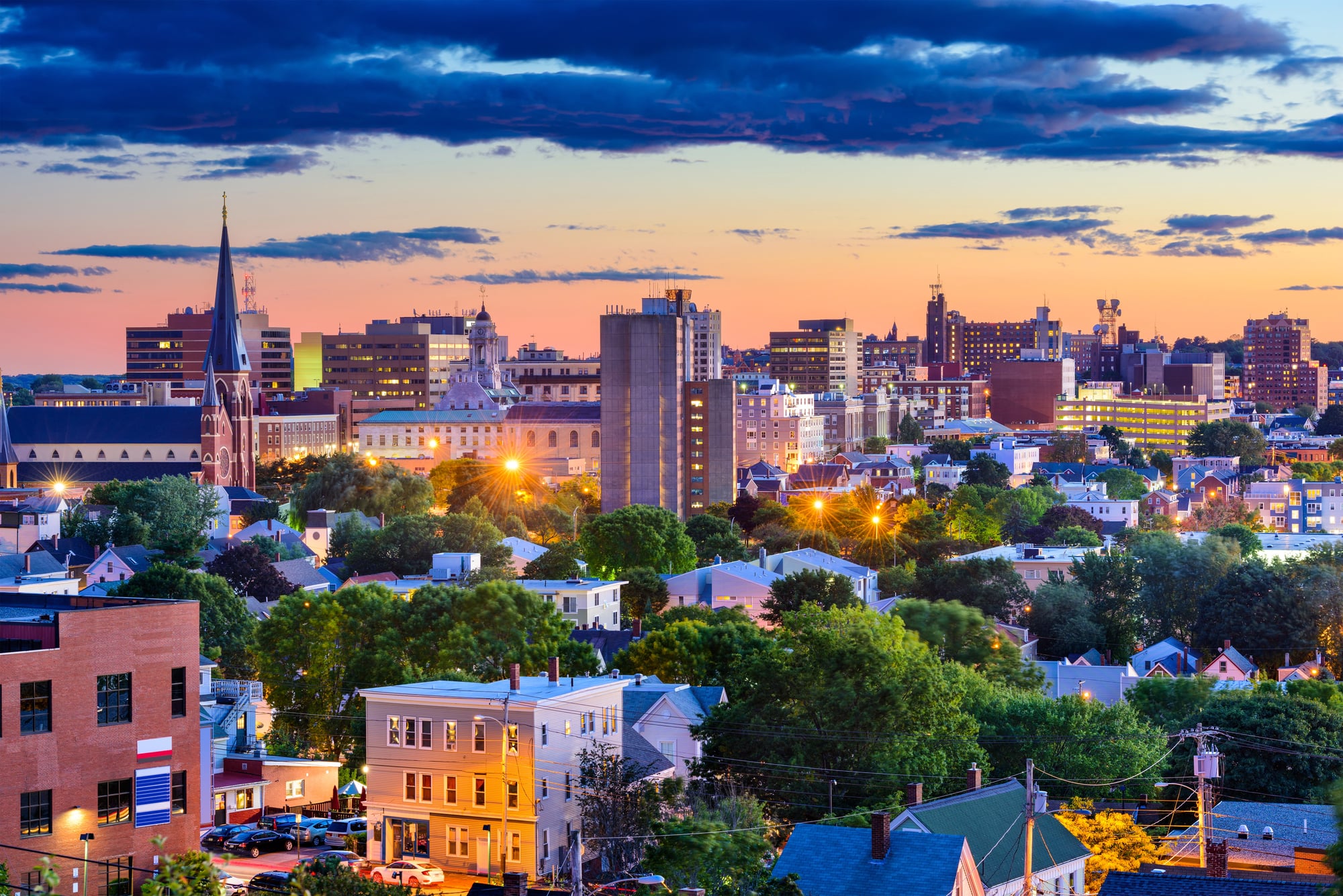
Maine’s largest city prohibits shoelace tying in public after 10 PM unless you’re a licensed shoe repair professional. This creates an interesting evening footwear dilemma for residents who experience lace failures during late-night activities.
The law presumably aims to prevent loitering, though it targets a very specific form of sidewalk lingering. Local cobblers enjoy exclusive nighttime lace-tying privileges, giving them an unusual competitive advantage.
Waterloo, Nebraska

This small community near Omaha makes it illegal to sneeze or burp during church services. The law attempts to maintain religious decorum through biological function regulation, which presents obvious enforcement challenges.
Local congregants presumably practice impressive respiratory control during Sunday services. Ministers probably appreciate the gesture, even if the practical implementation seems nearly impossible.
Devils Lake, North Dakota
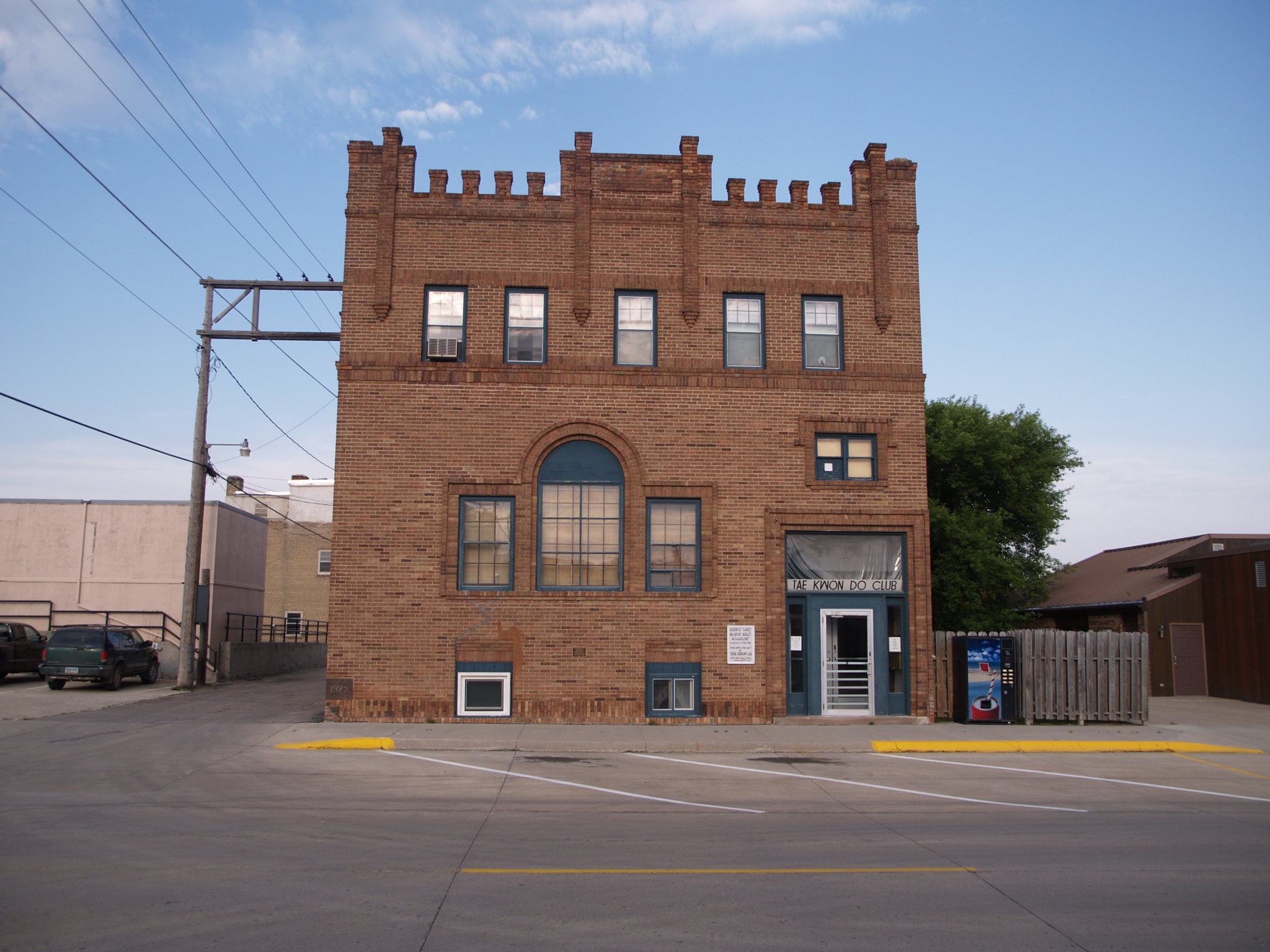
Fireworks displays in this northern city must receive approval from the mayor, but only if they’re planned for scaring away troublesome birds. Regular celebratory fireworks follow standard procedures, but anti-avian pyrotechnics require executive approval.
This creates an interesting distinction between entertainment explosives and agricultural pest control methods. Local farmers dealing with crop damage probably know the mayor’s phone number by heart.
Like Go2Tutors’s content? Follow us on MSN.
Walden, Colorado
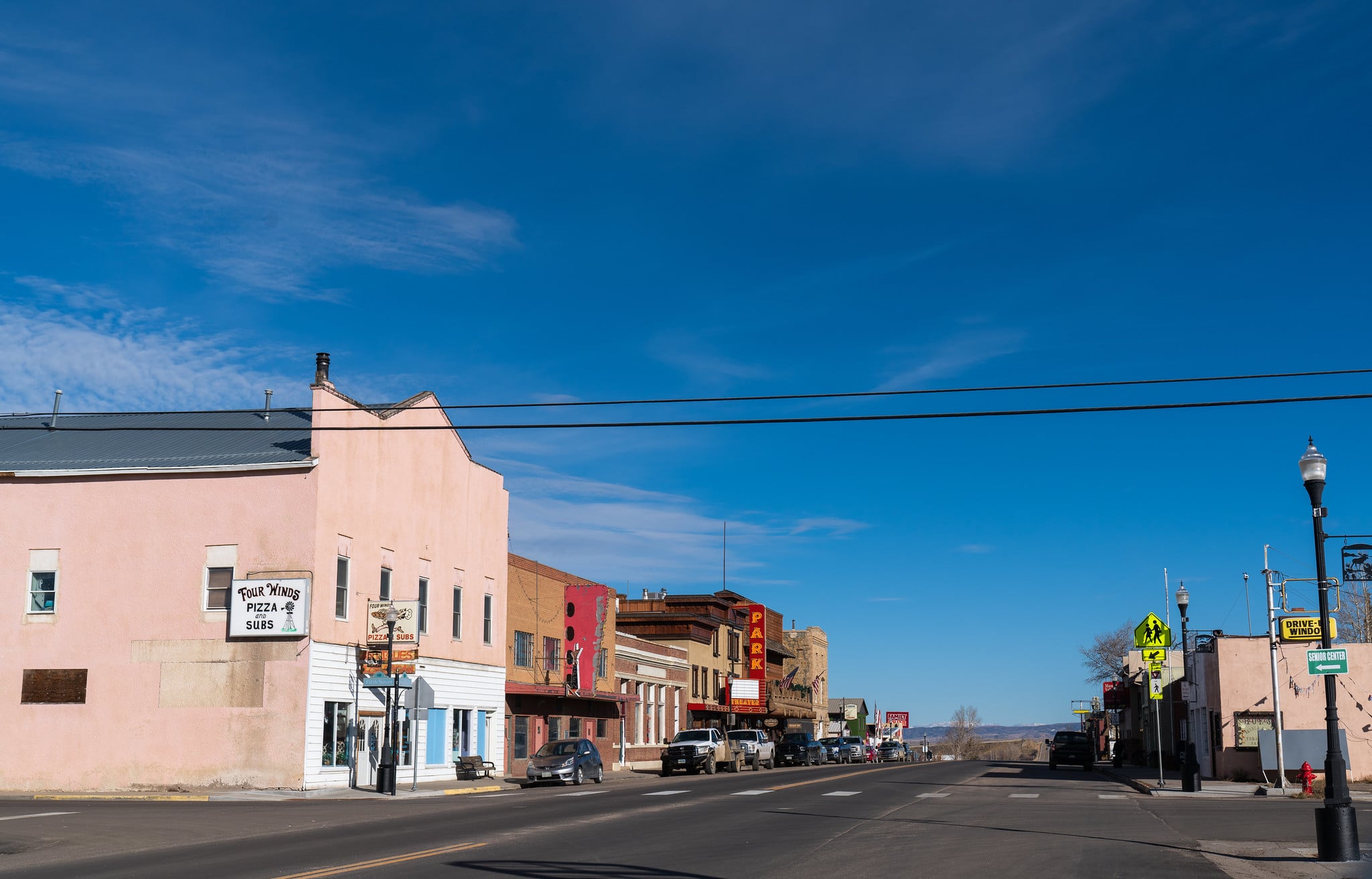
This mountain community prohibits throwing snow projectiles without written permission from the intended target. The law turns winter recreation into a bureaucratic process, requiring consent forms for spontaneous snow fights.
Local children presumably spend significant time negotiating winter ammunition treaties before engaging in cold weather warfare. Parents probably appreciate having legal grounds to end backyard snow disputes.
Rehoboth Beach, Delaware
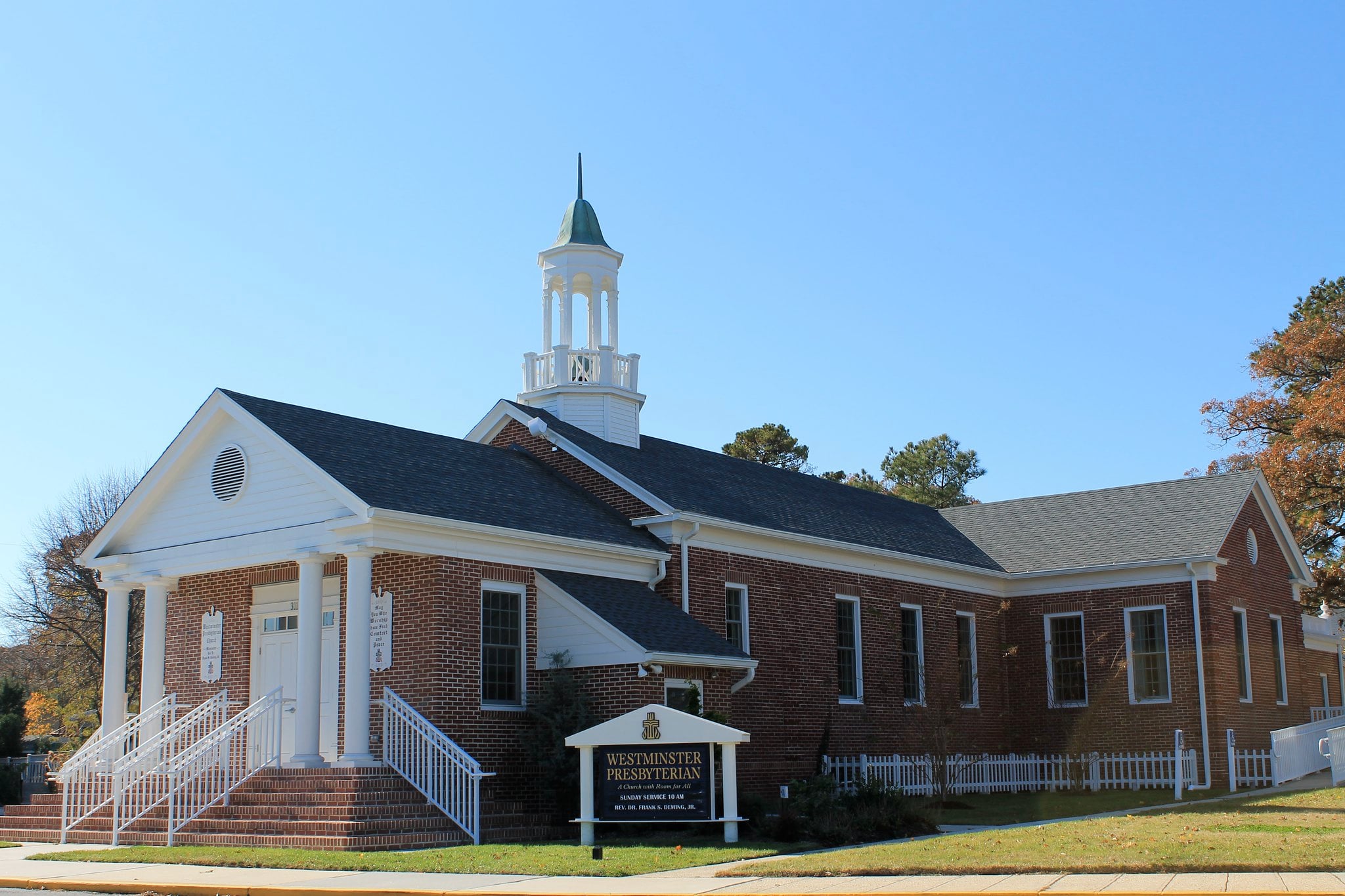
This popular beach destination makes it illegal to change clothes inside a vehicle. The law aims to maintain public decency standards while addressing the practical reality of beachgoing logistics.
Visitors must find alternative changing facilities, creating business opportunities for local establishments. The ordinance probably reduces awkward parking lot encounters while boosting restroom traffic.
Murphy, North Carolina
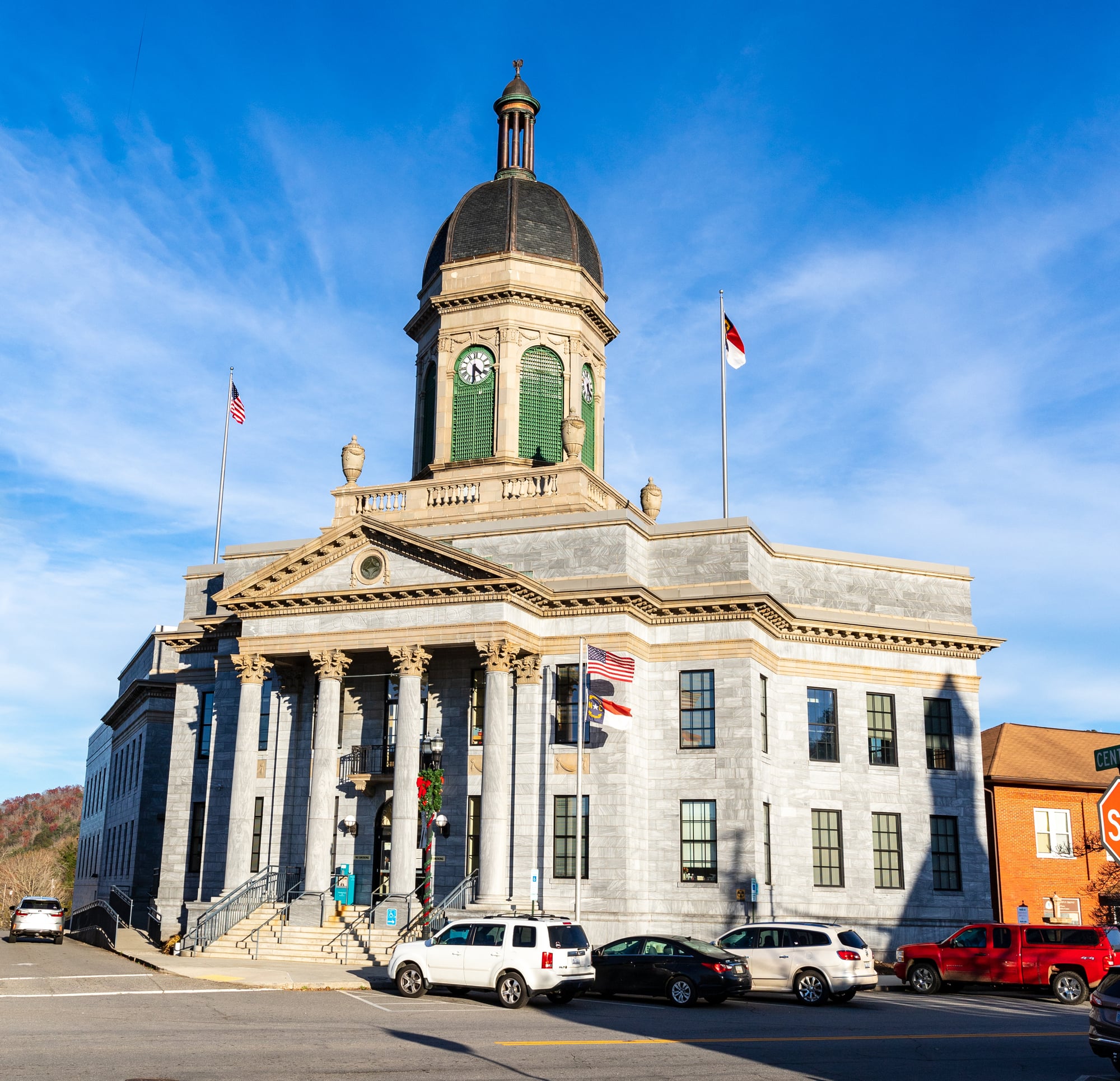
Local law in this Appalachian town prohibits women from scaring horses by wearing particularly loud clothing. The ordinance dates back to when horses provided essential transportation, making scare tactics a genuine public safety concern.
Modern Murphy probably sees fewer horse-related clothing incidents, but the law remains part of local legal history. Fashion-conscious equestrians presumably appreciate the consideration.
Like Go2Tutors’s content? Follow us on MSN.
Fountain Inn, South Carolina
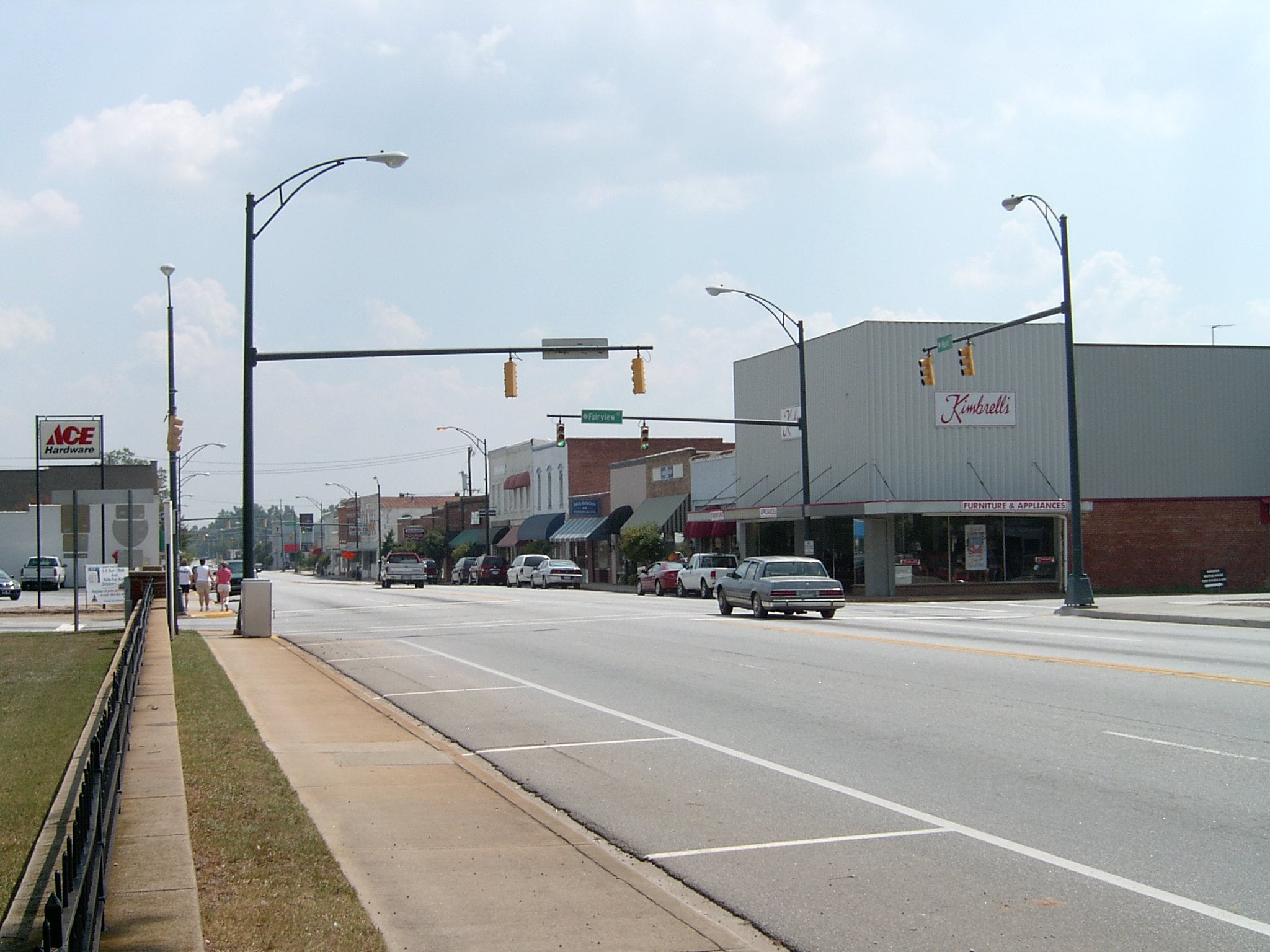
This upstate community requires horses to wear pants when appearing in public. The law creates an interesting parallel to Normal, Illinois’s dog pants requirement, suggesting small towns share similar approaches to animal clothing regulation.
Local horses must maintain proper attire standards, making Fountain Inn potentially the most formally dressed equine community in America. Tack shops probably stock an unusual variety of horse pants compared to neighboring towns.
Asheville, North Carolina
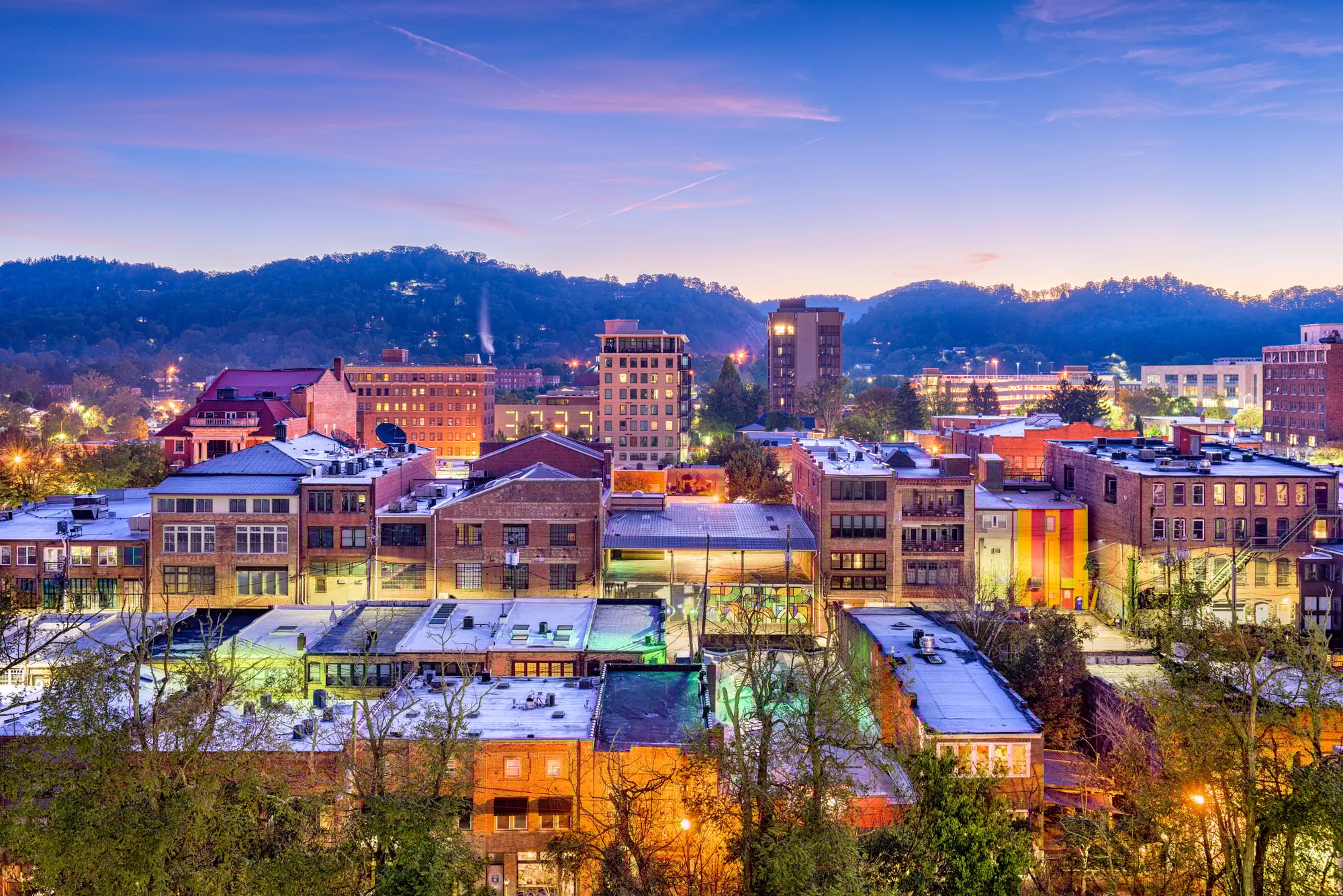
This mountain city prohibits sneezing on public transportation without covering your mouth. While good hygiene practices seem like common sense, Asheville felt compelled to make courtesy legally mandatory.
The law essentially criminalizes poor respiratory etiquette, giving public health legal backing. Local bus drivers probably appreciate having official grounds to address inconsiderate passengers.
Carmel, California
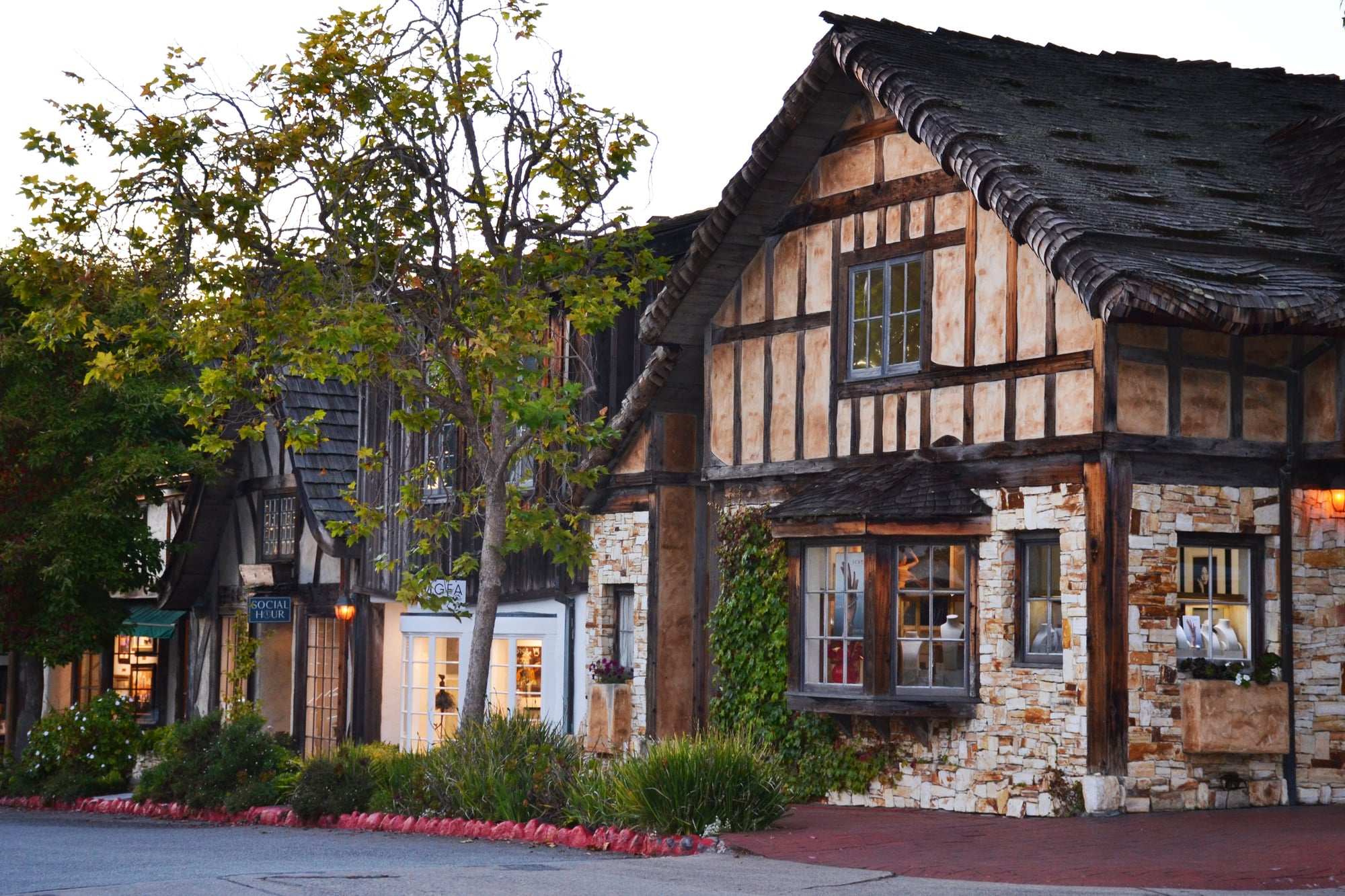
This picturesque coastal town requires official permits for wearing high heels over two inches tall. The ordinance aims to prevent trip-and-fall liability issues on the city’s famously uneven sidewalks and stairs.
Visitors planning to wear significant heels must navigate both fashion choices and municipal bureaucracy. Local shoe stores probably provide permit information alongside heel height measurements.
Like Go2Tutors’s content? Follow us on MSN.
When Quirky Becomes Timeless
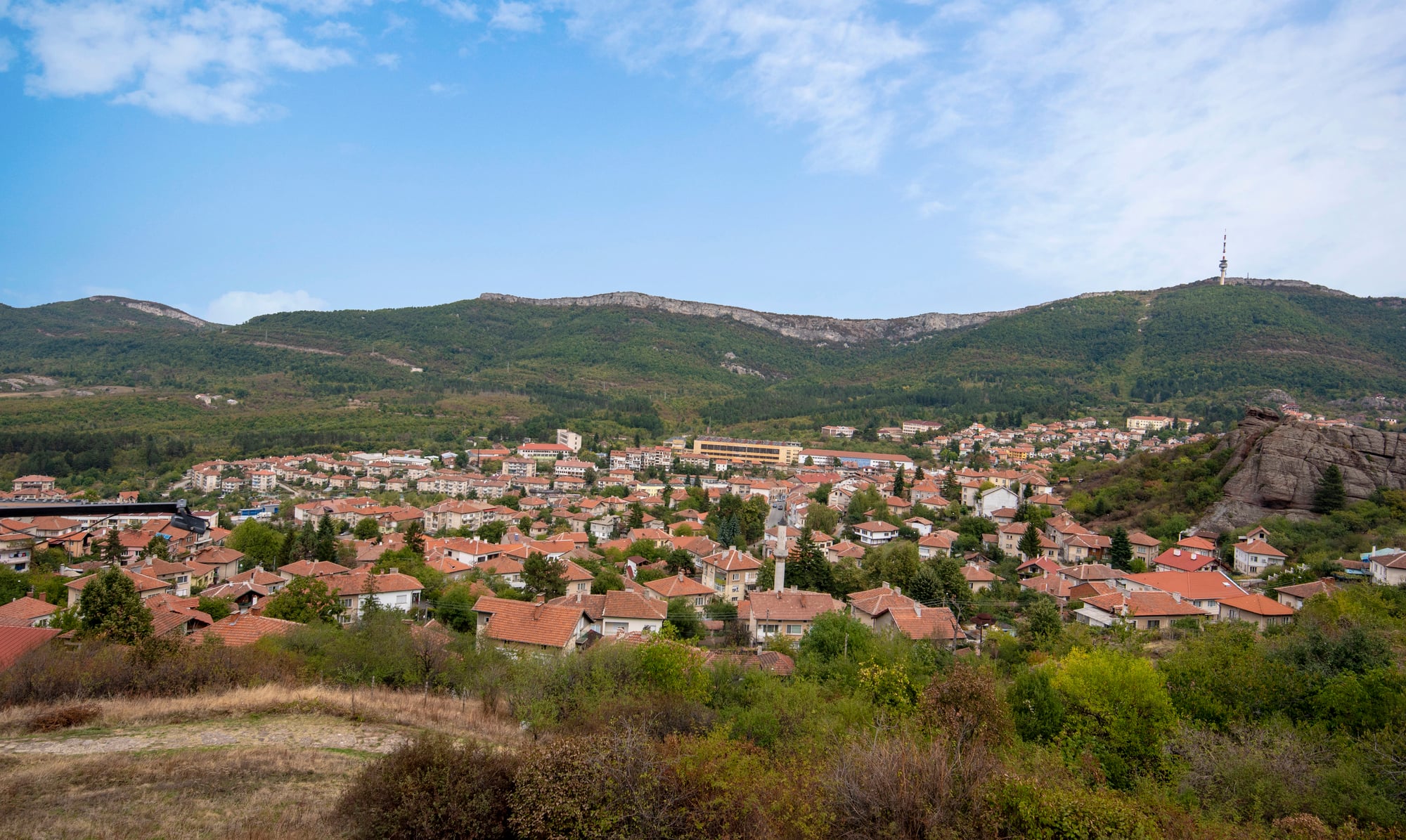
These unusual local laws remind us that democracy works differently when everyone knows everyone else’s business. Many of these ordinances started as practical solutions to very specific local problems, even if they seem ridiculous decades later.
Small towns often keep old laws on the books because removing them requires more effort than ignoring them, creating legal museums of community history. Whether enforced or forgotten, these bizarre regulations capture the unique personality that makes small-town America endlessly entertaining.
They prove that sometimes the most memorable legislation comes from the places where common sense meets uncommon circumstances.
More from Go2Tutors!

- 16 Historical Figures Who Were Nothing Like You Think
- 12 Things Sold in the 80s That Are Now Illegal
- 15 VHS Tapes That Could Be Worth Thousands
- 17 Historical “What Ifs” That Would Have Changed Everything
- 18 TV Shows That Vanished Without a Finale
Like Go2Tutors’s content? Follow us on MSN.