How Different Cultures View Common Superstitions
Walk under a ladder and you’ll invite bad luck. Break a mirror and suffer seven years of misfortune. Cross paths with a black cat and disaster follows.
Most of us have heard these warnings, even if we laugh them off. But what seems like universal truth in one culture might mean something completely different — or nothing at all — somewhere else.
Superstitions reveal as much about cultural values as they do about fear. The same symbol that terrifies people in one country brings hope and prosperity in another. Here’s a closer look at how common superstitions vary wildly across the globe.
Black Cats: Angels or Demons?
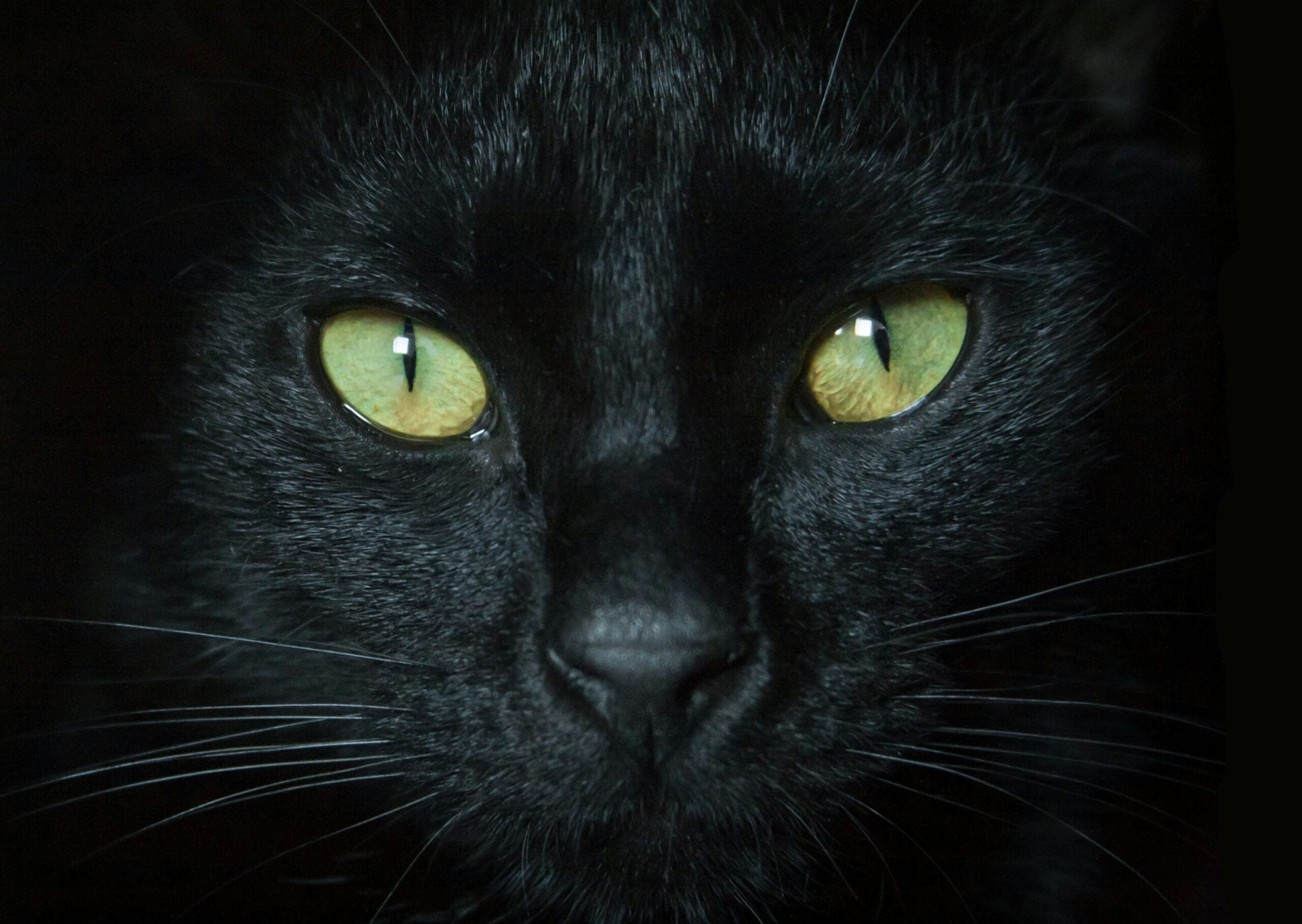
In much of Western Europe and North America, black cats carry a sinister reputation. The fear dates back to medieval times, when the Catholic Church linked these animals to witchcraft and the devil.
Pope Gregory IX’s 1233 bull Vox in Rama linked black cats to heresy and witchcraft, fueling centuries of superstition. The document became a cornerstone for witch hunts that followed, and crossing paths with a black cat became a warning sign — evidence that evil forces lurked nearby.
Even today, that stigma persists. Black cats spend longer in animal shelters than cats of other colors, and many shelters temporarily restrict black-cat adoptions near Halloween to prevent potential mistreatment.
The superstition became so embedded in Western culture that many people still feel an instinctive unease when a dark feline crosses their path. Still, venture to other parts of the world and black cats transform into symbols of prosperity.
In Scotland, a strange black cat arriving at your doorstep signals incoming wealth. Japanese culture associates black cats with good fortune, especially for single women seeking romantic partners.
English folklore suggests that a black cat crossing your path actually brings good luck heading your way. Russian tradition views all cats — black included — as signs of prosperity and abundance.
Western superstitions about black cats emerged from specific historical circumstances involving religious persecution and fear of the unknown. Other cultures developed their own associations based on entirely different experiences and belief systems.
Same animal, radically different meanings.
The Unlucky Number That Isn’t Always Unlucky

Ask most Americans or Europeans about the number 13, and they’ll tell you it’s unlucky. Hotels skip the 13th floor, airlines avoid row 13, and millions of people experience genuine anxiety about Friday the 13th.
This fear has a name — triskaidekaphobia — and according to a 1990s estimate, an economic impact exceeding $800 million annually in lost business as people avoid travel, weddings, and major purchases on that date. The origins trace back to multiple sources.
Norse mythology tells of Loki crashing a dinner party of 12 gods as an uninvited 13th guest, leading to the death of Balder the Beautiful. Christianity reinforced the superstition through the Last Supper, where 13 people gathered before Jesus’s crucifixion.
The number also suffers by comparison to 12, which many cultures view as complete and perfect — 12 months, 12 zodiac signs, 12 apostles. On the other hand, some cultures embrace 13 as fortunate.
Colgate University was founded by 13 men with 13 dollars and 13 prayers, and the school continues to use the number as a lucky symbol. In Italy, 13 traditionally brought good fortune rather than fear.
That said, different cultures fear entirely different numbers, often due to linguistic patterns, religious symbolism, or historical events. In China, Japan, Korea, and Taiwan, the number four inspires dread because the word (四 sì) sounds nearly identical to the word for death (死 sǐ) — though this varies somewhat across dialects and regions.
Buildings skip fourth floors just as Western buildings skip the 13th. Meanwhile, the number eight brings luck in Chinese culture because its pronunciation resembles the word for prosperity.
Spanish and Greek cultures consider Tuesday the 13th unlucky rather than Friday. This stems from Tuesday’s association with Mars (Ares in Greek), the god of war — bringing connotations of violence and conflict.
Italians worry about Friday the 17th because the Roman numeral XVII can be rearranged to spell ‘vixi’ — Latin for ‘I have lived,’ implying ‘I am dead.’ When Hollywood released a parody film called ‘Shriek If You Know What I Did Last Friday the Thirteenth,’ Italian distributors had to completely rework the marketing since the date held no meaning there.
Seven Years of Bad Luck (Maybe)

Breaking a mirror supposedly curses you with seven years of misfortune. This belief likely crystallized during ancient Roman times, though mirrors themselves existed earlier in Egypt and Mesopotamia.
The Romans pioneered widespread mirror-making using polished metal and later glass, and they believed mirrors didn’t just reflect appearance but captured the soul itself. Damaging a mirror was seen as an affront to the gods who observed human souls through these mystical devices.
The seven-year timeframe came from Roman belief that the body renewed itself completely every seven years, meaning bad luck would persist until that renewal cycle was completed. When glass mirrors became common around the third century, breakage increased dramatically — but so did methods for supposedly reversing the curse.
Later European folk remedies became part of the superstition’s lore, particularly from the medieval and Renaissance periods onward. People ground broken glass into powder to destroy all reflections.
They threw shards into south-flowing streams to wash away bad luck in seven hours instead of seven years. They blackened glass fragments with fire to reduce the sentence to just one year.
Some touched broken pieces to tombstones, believing this immediately lifted the curse. Even so, not all cultures share this fear.
In Russia and Kazakhstan, breaking a mirror has a different meaning — it evicts evil spirits from their dwelling, who then haunt the person responsible as revenge. Chinese feng shui practitioners worry that broken or damaged mirrors distort positive energy flow.
When Rain Falls on Your Wedding Day

Western brides planning outdoor ceremonies often hear the comforting phrase: ‘Rain on your wedding day is good luck!’ This isn’t just wishful thinking to soothe weather worries.
The belief has roots in multiple cultural traditions, particularly Hindu and Celtic customs, and carries symbolic weight across most of the world. In many Hindu communities, rain symbolizes fertility and renewal — essential ingredients for a successful marriage.
Agricultural societies historically viewed rain as bringing fertility and abundance, so rain on a wedding day suggested the couple would have many children and prosperous lives. Celtic and Norse handfasting traditions, where couples’ hands were bound together during ceremonies, inspired the phrase ‘tying the knot.’
Ancient Celts considered wedding-day rain especially lucky and blessed. For the Irish, the superstition also reflected practical reality — Ireland’s perpetually rainy weather meant most couples experienced precipitation on their big day, so the culture developed positive associations rather than viewing it as a disaster.
The wet-knot symbolism reinforced this: a knot tied with wet rope becomes much harder to untangle than a dry one. Wedding customs vary dramatically by region.
Egyptian traditions involve pinching the bride for luck (though this is primarily documented in modern folklore rather than historical sources). Mexican brides sew colored ribbons into their dresses — yellow for food, blue for wealth, red for passion.
Greeks tuck sugar cubes into gloves to sweeten the union. English folklore claims finding a spider on the wedding dress brings good fortune.
Italians believe smashing glass at weddings brings happiness, with more shards meaning more years of bliss.
Why Superstitions Persist

Psychologists suggest superstitions emerge from our need to feel control over unpredictable aspects of life. When we can’t control the weather, relationships, or fate, believing in lucky charms and unlucky omens creates the illusion of influence.
Our brains naturally seek patterns through processes psychologists call apophenia or illusory correlation — perceiving connections that don’t actually exist. If you carry a lucky penny and nothing bad happens for a few days, your brain may infer causation even though it’s pure coincidence.
Once established, superstitions circulate indefinitely through social learning — we absorb them from parents and communities while young, then pass them along to the next generation. Cultural context shapes which superstitions take root, often stemming from phonetics, religion, and historical events rather than arbitrary choices.
A society with a history of witch persecution might fear black cats, while a culture revering felines as sacred will view them positively. Linguistic similarities between words create number superstitions in languages where certain numerals sound like negative concepts.
Religious traditions emphasizing certain numbers or symbols naturally influence which beliefs spread within those communities.
What It All Means

Superstitions aren’t about logic or evidence — they’re about meaning and connection. They reveal what cultures value and fear.
A society that views rain as life-giving will consider it lucky on important occasions. A culture traumatized by historical events might attach lasting negative associations to previously neutral symbols.
Languages that create unintended phonetic connections between words develop superstitions around those coincidences. The fascinating part isn’t whether superstitions are true — clearly they’re not based on evidence.
What’s remarkable is how the same symbols carry opposite meanings depending entirely on cultural lens. Black cats aren’t inherently lucky or unlucky.
Numbers have no mystical properties. Rain is just weather. Yet billions of people organize parts of their lives around these beliefs, avoiding certain behaviors or embracing specific rituals to court fortune.
Superstitions survive because they connect us to history, community, and shared stories. They make unpredictable events feel less random and frightening.
When a couple getting married in the rain can reframe potential disappointment as good luck, the superstition serves a genuine psychological purpose. When a culture transforms the number 13 from feared to celebrated, it demonstrates human power to create meaning from nothing.
That strange black cat crossing your path? It might mean absolutely nothing. Or it might mean whatever your culture taught you to believe.
Either way, superstition says far more about human psychology and cultural values than it does about the cat.
More from Go2Tutors!

- The Romanov Crown Jewels and Their Tragic Fate
- 17 Halloween Costumes Once Considered Taboo
- Famous Hoaxes That Fooled the World for Years
- 15 Child Stars with Tragic Adult Lives
- 16 Famous Jewelry Pieces in History
Like Go2Tutors’s content? Follow us on MSN.