14 Success Stories That Started as Complete Accidents
Success often seems like the result of careful planning, strategic thinking, and deliberate action. We admire entrepreneurs and innovators who appear to have mapped out their path to greatness from day one. But the reality of how many world-changing ideas, products, and companies came to be tells a different story.
Here is a list of 14 remarkable success stories that began entirely by accident, proving that sometimes the best discoveries happen when we’re looking for something else entirely.
Post-it Notes

3M scientist Spencer Silver was attempting to create a super-strong adhesive when he accidentally developed a weak, pressure-sensitive glue that left no residue. For years, the company saw no use for it—until Arthur Fry, another 3M employee, grew frustrated with his bookmarks falling out of his hymnal.
This “temporarily permanent” sticky note became one of 3M’s most profitable products, proving that even failed experiments can lead to remarkable success.
Penicillin
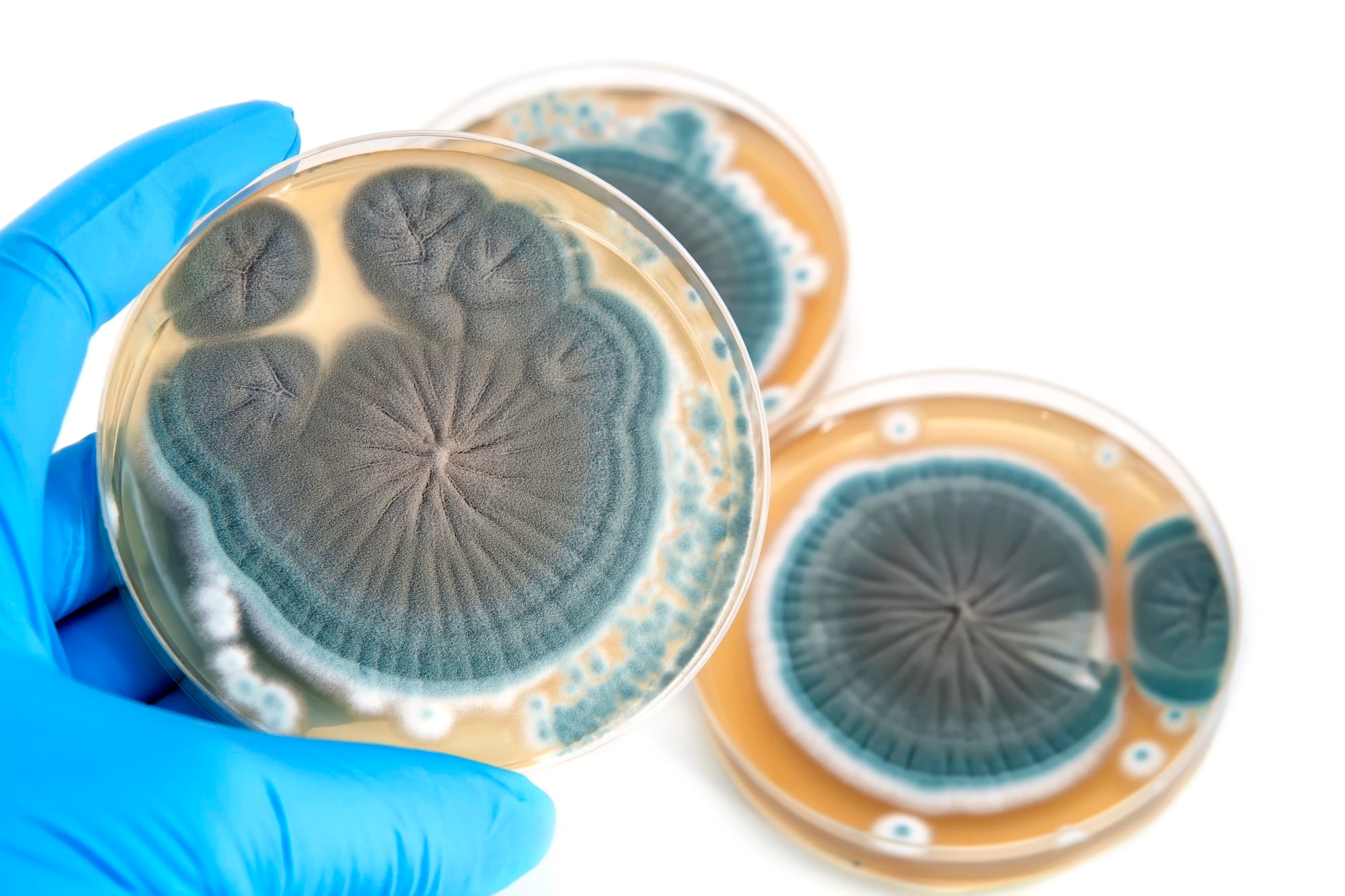
In 1928, Alexander Fleming returned from vacation to find mold growing on his petri dishes of staphylococcus bacteria. Instead of discarding them, he noticed a clear area around the mold, suggesting it was releasing a bacteria-killing substance.
His observation led to the discovery of penicillin, the world’s first antibiotic, which has saved millions of lives and revolutionized modern medicine.
Microwave Ovens

While working with magnetrons—vacuum tubes used in radar systems—engineer Percy Spencer noticed that a candy bar in his pocket had melted. Curious, he placed popcorn kernels near the device, which quickly popped.
This accidental discovery led to the development of the first microwave oven in 1945, forever changing how food is prepared.
Potato Chips

In 1853, chef George Crum had a particularly difficult customer who kept complaining that his french fries were too thick and soggy. Out of frustration, Crum sliced the potatoes paper-thin, fried them until crisp, and loaded them with salt.
To his surprise, the customer loved them. “Saratoga Chips” soon became a restaurant favorite and, later, one of the most popular snack foods in the world.
Coca-Cola
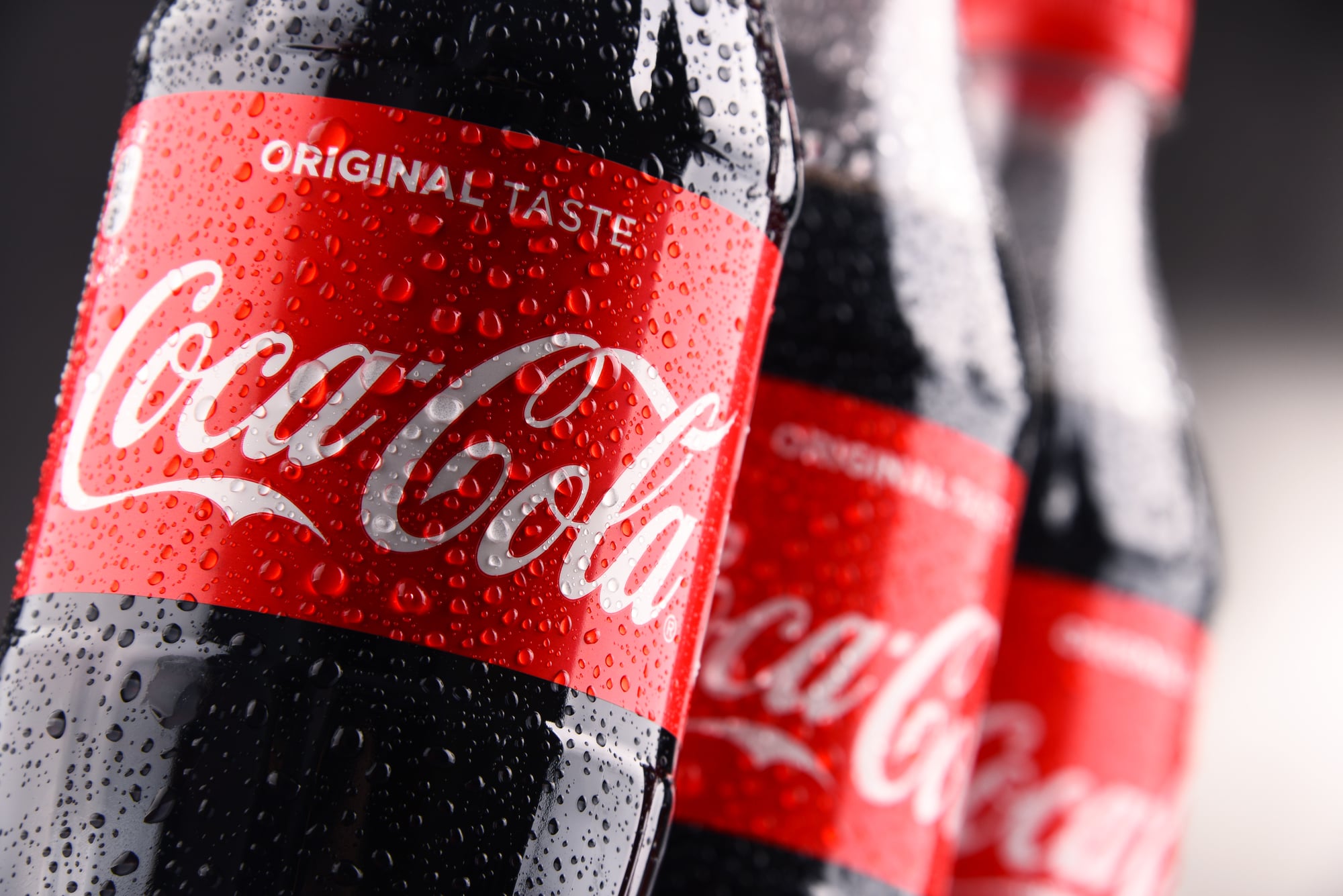
Pharmacist John Pemberton originally set out to create a cure for headaches and morphine addiction. His syrup, when mixed with carbonated water, was found to be refreshing rather than medicinal.
With the later removal of its cocaine-derived ingredients, this accidental creation evolved into Coca-Cola—one of the most recognizable brands on the planet.
Pacemakers
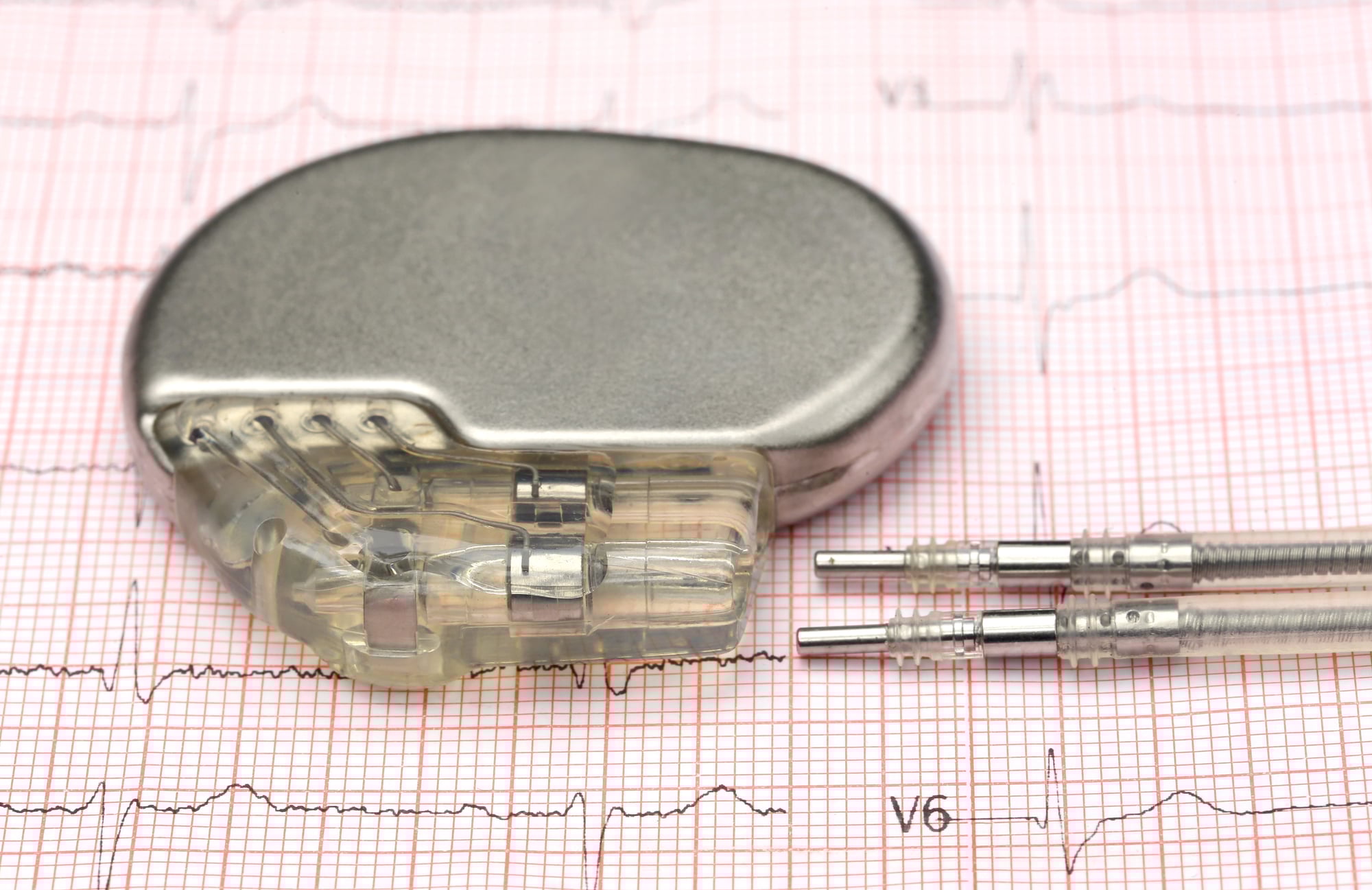
In 1956, engineer Wilson Greatbatch mistakenly installed the wrong resistor into a device he was building to record heart sounds. Instead of capturing heartbeats, it emitted rhythmic electrical pulses.
Recognizing its potential, Greatbatch refined the invention into the first implantable cardiac pacemaker, an innovation that has helped millions of people live longer, healthier lives.
X-Rays

Physicist Wilhelm Röntgen was experimenting with cathode ray tubes in 1895 when he noticed a nearby fluorescent screen glowing unexpectedly. He soon realized the rays could pass through solid objects and produce images of bones.
His unintentional discovery of X-rays earned him the first-ever Nobel Prize in Physics and transformed medical diagnostics.
Velcro

Swiss engineer George de Mestral was removing burrs from his dog’s fur after a hunting trip when he became curious about how they clung so tightly. Under a microscope, he saw tiny hooks latching onto fabric loops.
This observation led to the invention of Velcro, a fastening system now used in everything from clothing to space suits.
Safety Glass

In 1903, chemist Édouard Bénédictus accidentally dropped a glass flask, but instead of shattering, it remained intact. He discovered that the flask had contained cellulose nitrate, which had formed a protective coating.
This led to the development of laminated safety glass, now commonly used in car windshields and architectural designs.
Silly Putty
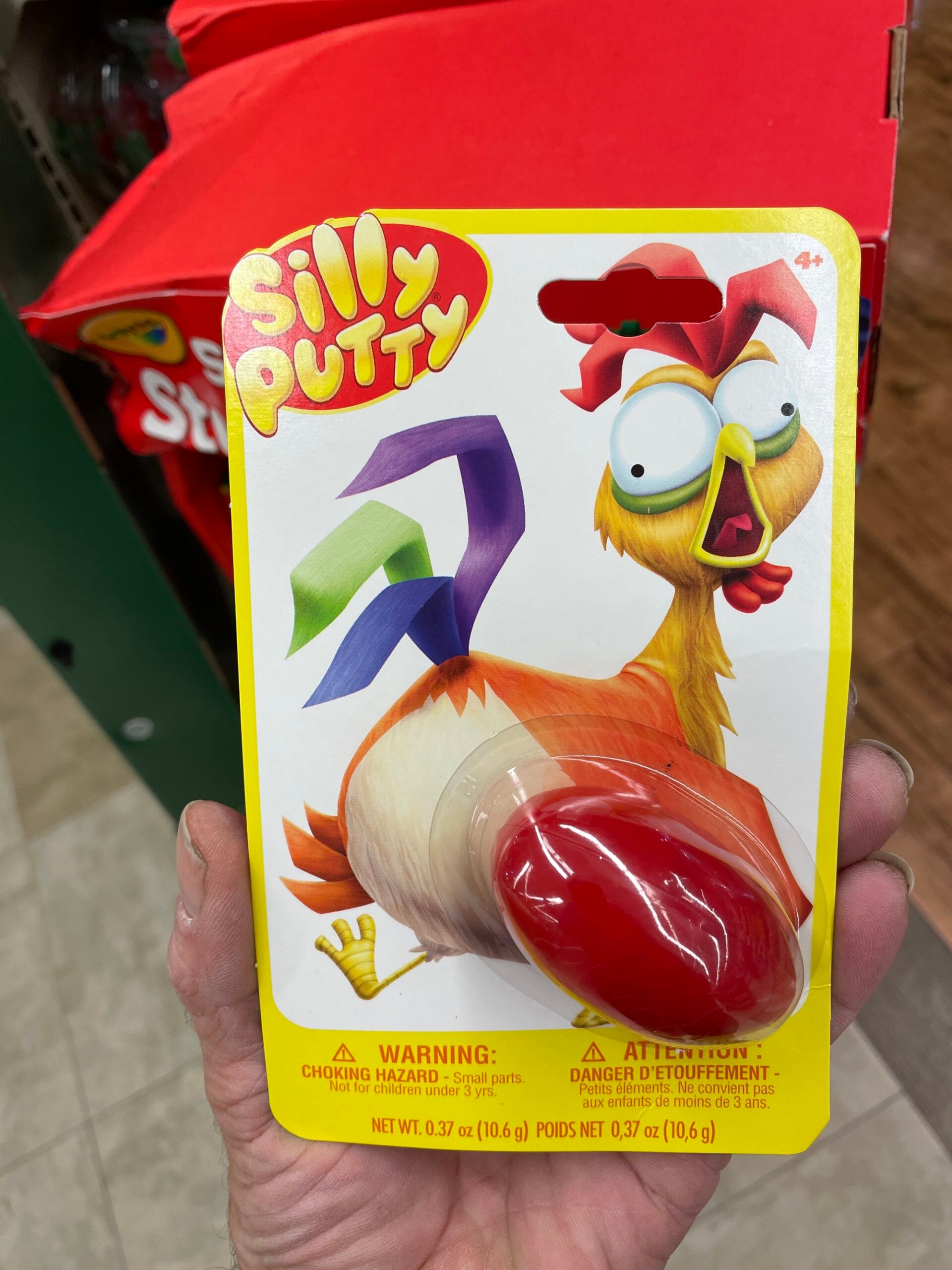
During World War II, engineer James Wright was attempting to create a synthetic rubber substitute when he ended up with a stretchy, bouncy material that couldn’t be used for tires.
Though useless for industrial purposes, it found a second life as a novelty toy in 1950. Over 300 million Silly Putty eggs have been sold worldwide.
Play-Doh
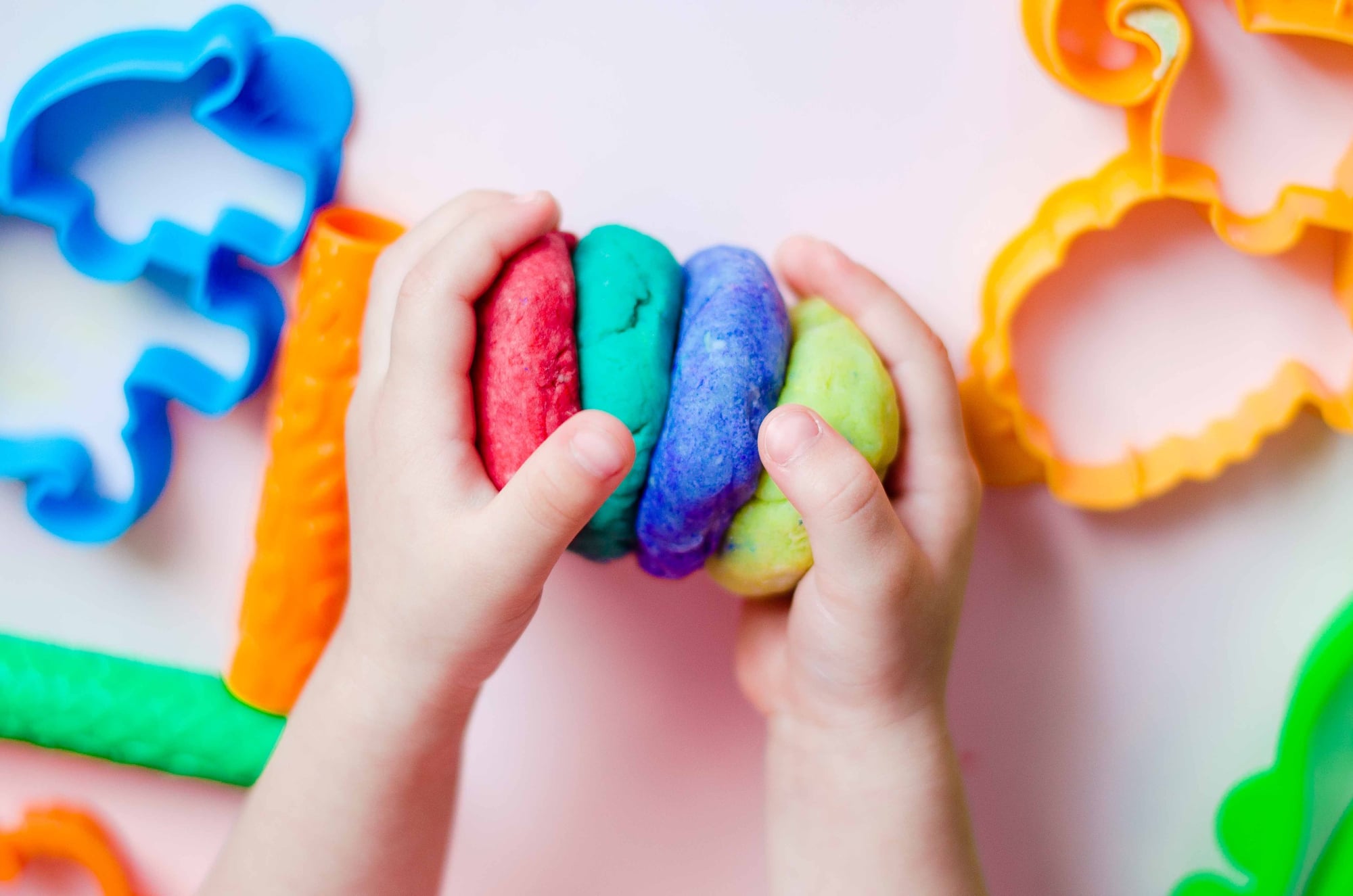
Originally designed as a wallpaper cleaner in the 1930s, this putty-like substance became obsolete when washable vinyl wallpaper replaced coal-heated homes.
Rather than going out of business, the company rebranded it as a modeling compound for children. By 1956, Play-Doh had become a beloved toy, selling millions of cans annually.
Champagne

Winemakers in France’s Champagne region once viewed bubbles as a flaw. The region’s cool climate caused fermentation to pause in winter, only to restart in spring, trapping carbonation inside bottles.
Although Dom Pérignon tried to prevent this, winemakers eventually embraced the sparkle, turning a “mistake” into the signature of celebration.
Saccharin
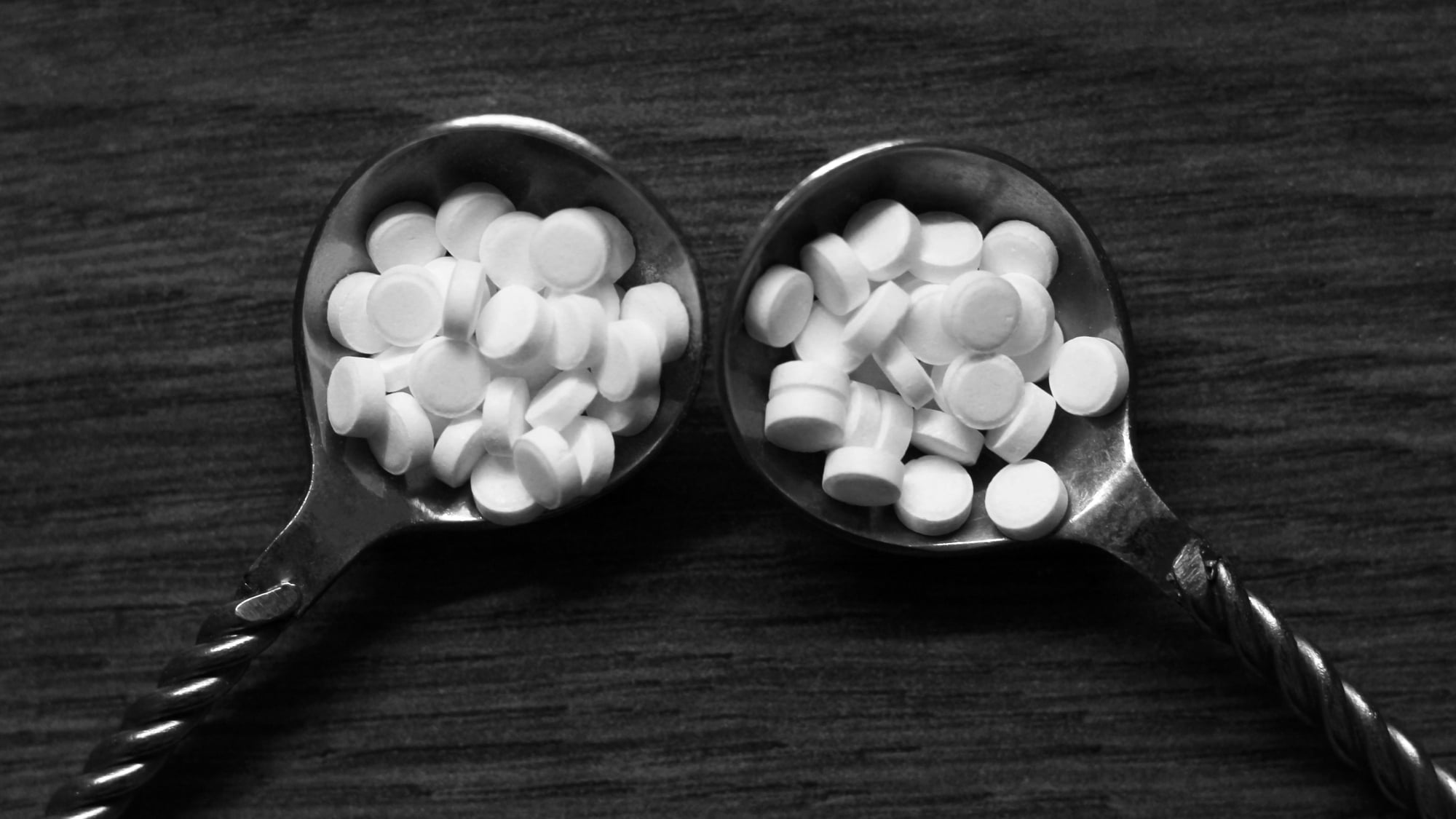
In 1879, chemist Constantin Fahlberg was working with coal tar derivatives when he forgot to wash his hands before dinner. Noticing his bread tasted sweet, he traced the flavor back to a chemical compound he had spilled.
This led to the development of saccharin, the world’s first artificial sweetener, which later gained popularity during sugar shortages.
Superglue
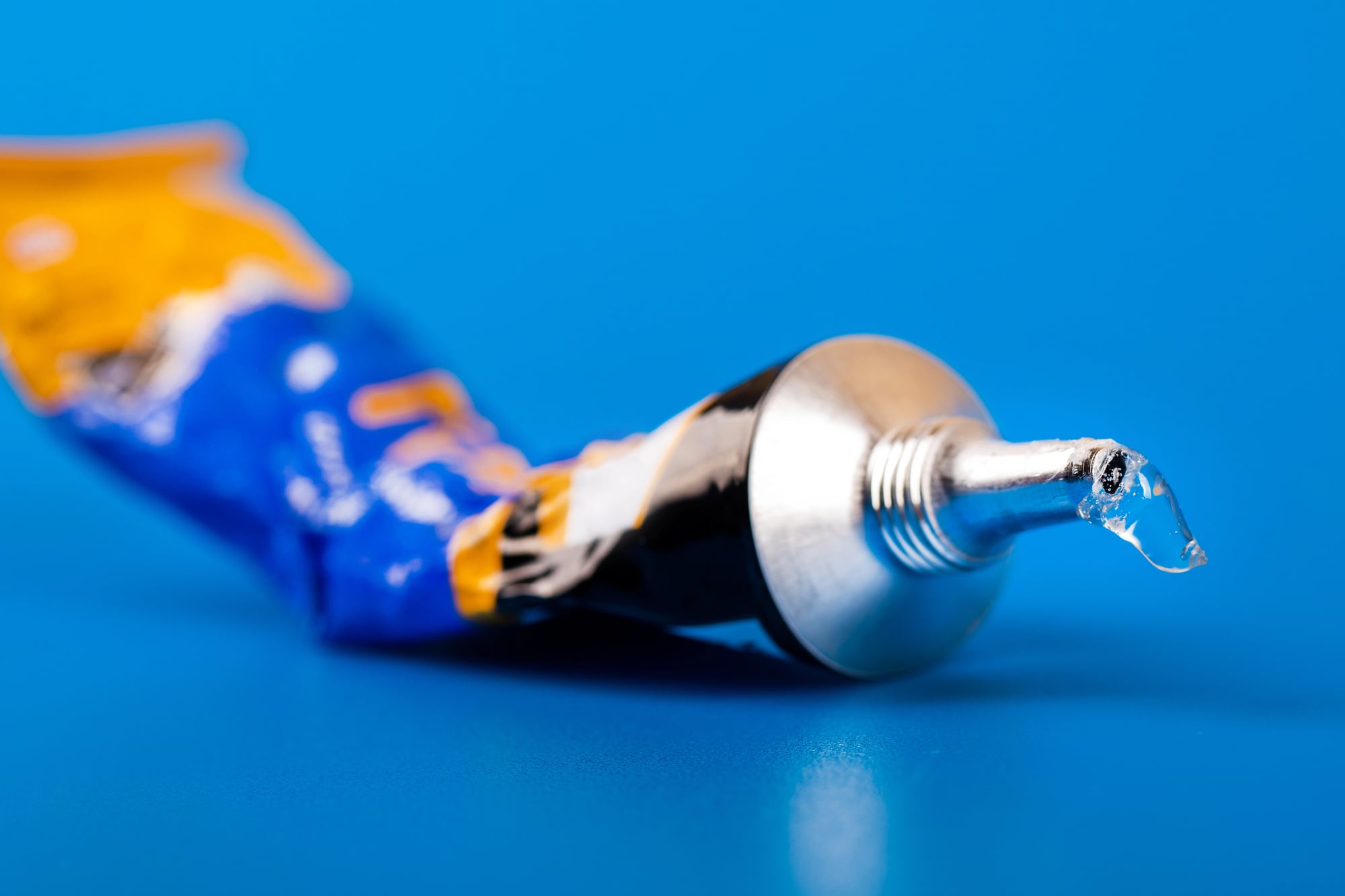
During World War II, scientist Harry Coover was trying to develop clear plastic gunsights when he stumbled upon cyanoacrylate—a substance that stuck to everything.
Initially deemed too sticky for practical use, it was later rediscovered in 1951 and marketed as Superglue, finding applications in household repairs, medical treatments, and even emergency battlefield wound sealing.
The Path of Serendipity
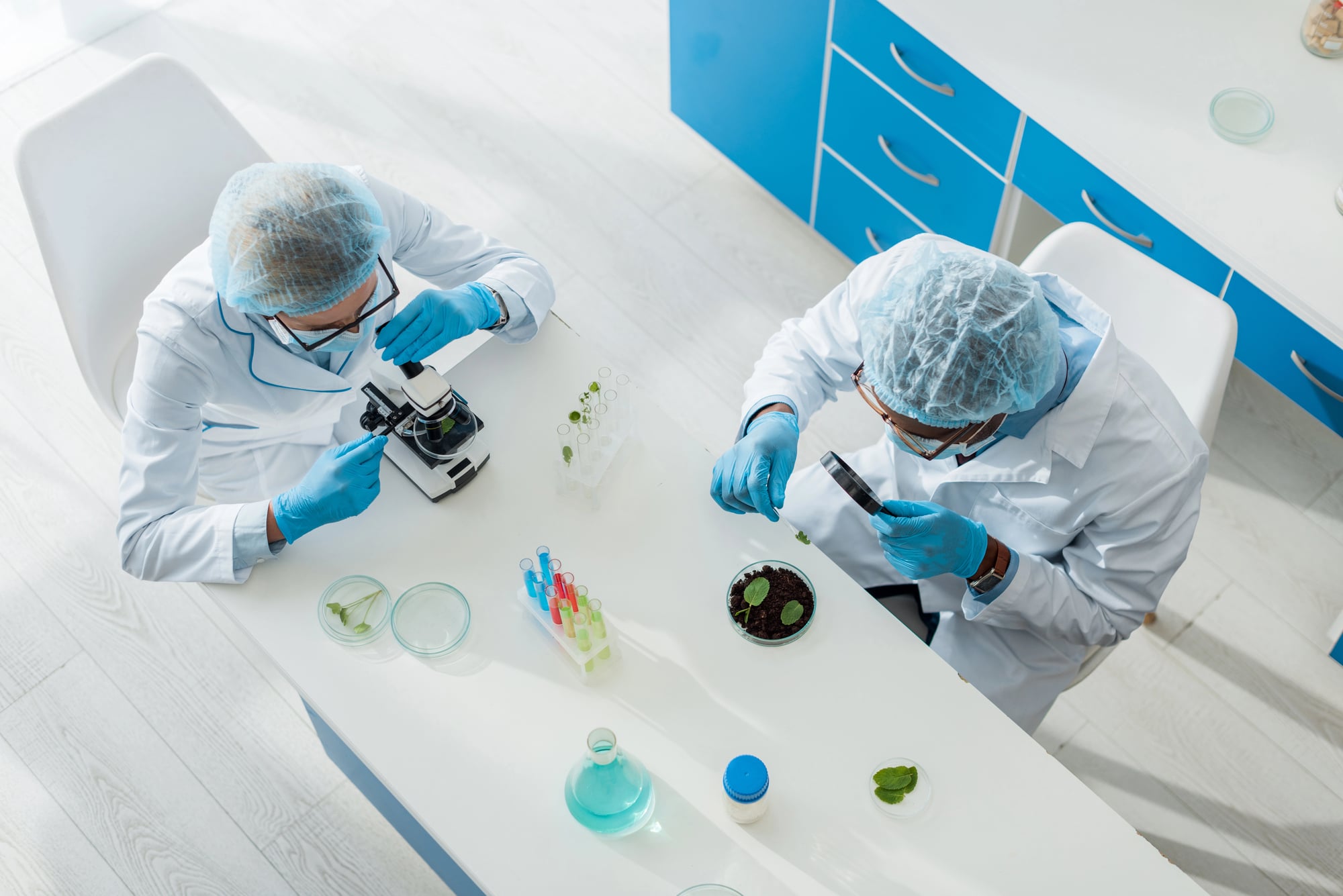
These accidental discoveries highlight the power of curiosity and observation. Many of the world’s most valuable products, medical breakthroughs, and everyday conveniences exist because someone recognized potential in an unexpected outcome.
Innovation doesn’t always follow a straight path—sometimes, the greatest breakthroughs happen when we’re searching for something else entirely.
More from Go2Tutors!

- The Romanov Crown Jewels and Their Tragic Fate
- 13 Historical Mysteries That Science Still Can’t Solve
- Famous Hoaxes That Fooled the World for Years
- 15 Child Stars with Tragic Adult Lives
- 16 Famous Jewelry Pieces in History
Like Go2Tutors’s content? Follow us on MSN.