Places Where Cars Are Completely Banned
The sound of traffic becomes background noise after a while. You stop noticing it until it’s gone.
Then the absence hits you—the quiet, the clean air, the way birdsong carries without competing with engine noise. Some places never let cars in at all. Others banned them decades ago and never looked back.
These aren’t temporary pedestrian zones that close on weekends. These are places where cars simply don’t exist, where people get around by boat or bicycle or horse-drawn carriage or their own feet.
The reasons vary. Some locations physically can’t accommodate cars.
Others chose to keep them out. A few existed long before automobiles were invented and saw no reason to change.
Mackinac Island’s 1898 Decision
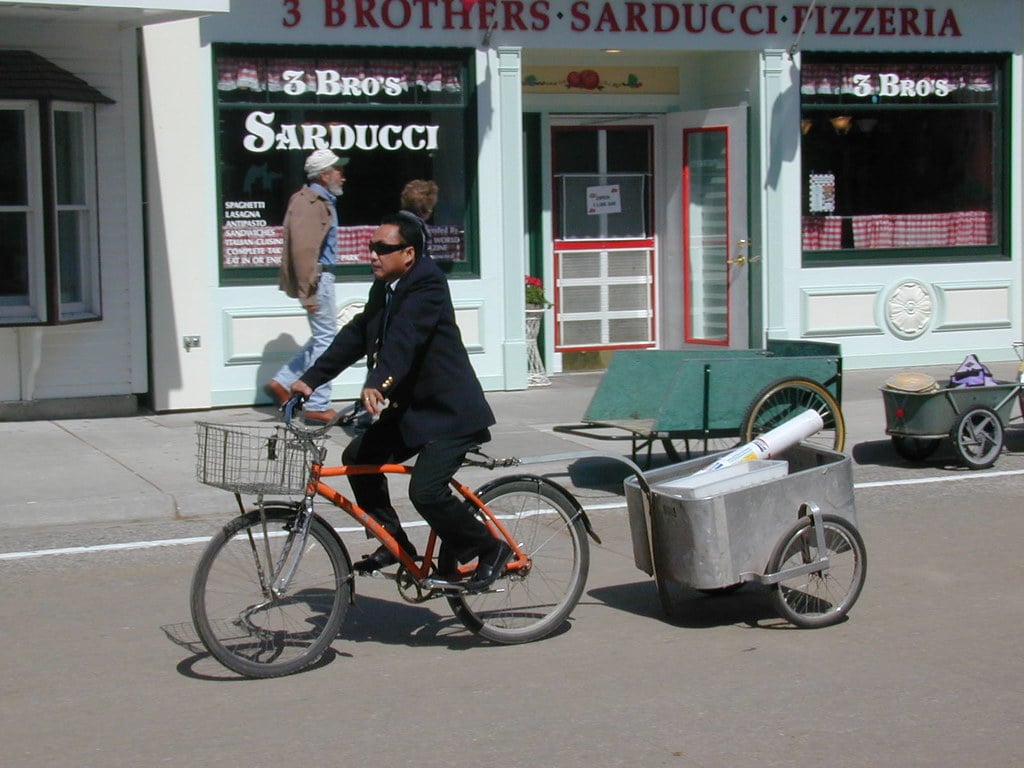
Mackinac Island sits in Lake Huron between Michigan’s upper and lower peninsulas. When automobiles first arrived at this vacation spot, local carriage owners protested.
The cars scared their horses. In 1898, the island banned all motorized vehicles.
The ban stuck. Today, emergency vehicles and snowplows get exemptions.
Everything else moves by horse-drawn carriage, bicycle, or foot. The island became one of America’s first national parks when President Ulysses S. Grant signed the order in 1875.
It remained a national park for 20 years before becoming a state park. More than 80 percent of the island is still protected parkland.
Visitors come for the Victorian architecture, the famous fudge, and the chance to experience what travel felt like before the internal combustion engine took over. The Grand Hotel offers gilded glamor with sea views.
The Pink Pony serves what many call one of the best outdoor dining experiences in America.
Venice and the Impossible Streets
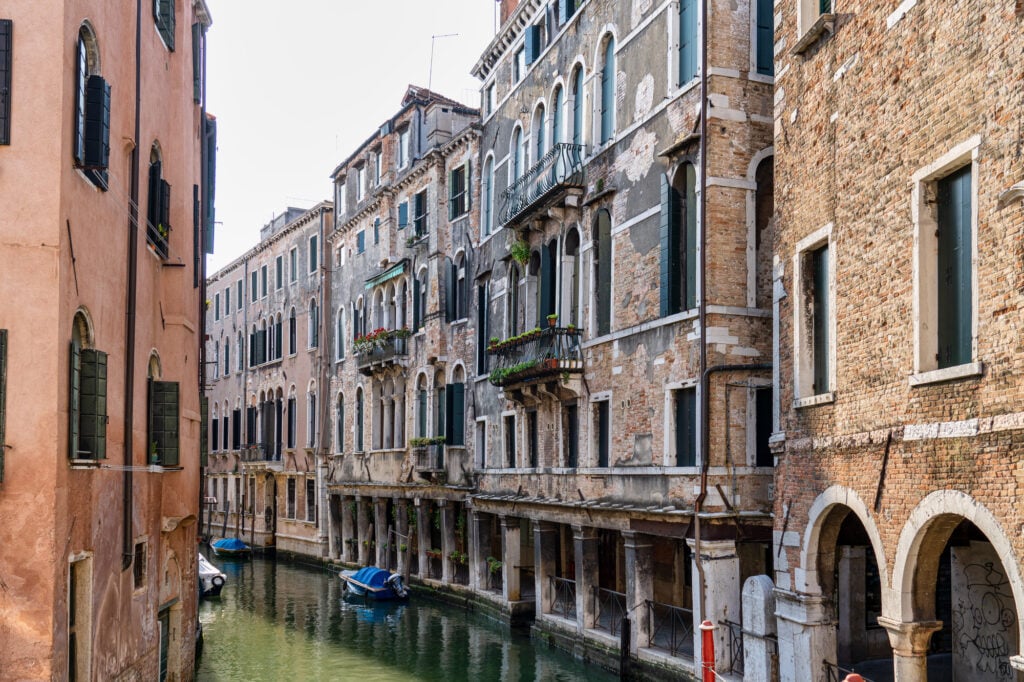
Venice exists on 118 small islands separated by canals and connected by 409 bridges. The city was built centuries before cars existed.
The narrow streets physically can’t fit them. Water became the road system.
Gondolas carry tourists. Water taxis handle local transport.
Delivery boats bring supplies. The canals that made the city work a thousand years ago still make it work today.
Some areas allow bicycles. Most don’t.
You walk or you take a boat. That’s it.
The architecture and artwork make perfect sense when experienced on foot anyway. You can actually see the details when you’re not fighting traffic.
Venice attracts about six million visitors annually. The crowds can be overwhelming.
But at least the crowds aren’t also driving cars through those medieval alleyways.
Giethoorn’s Canal Network
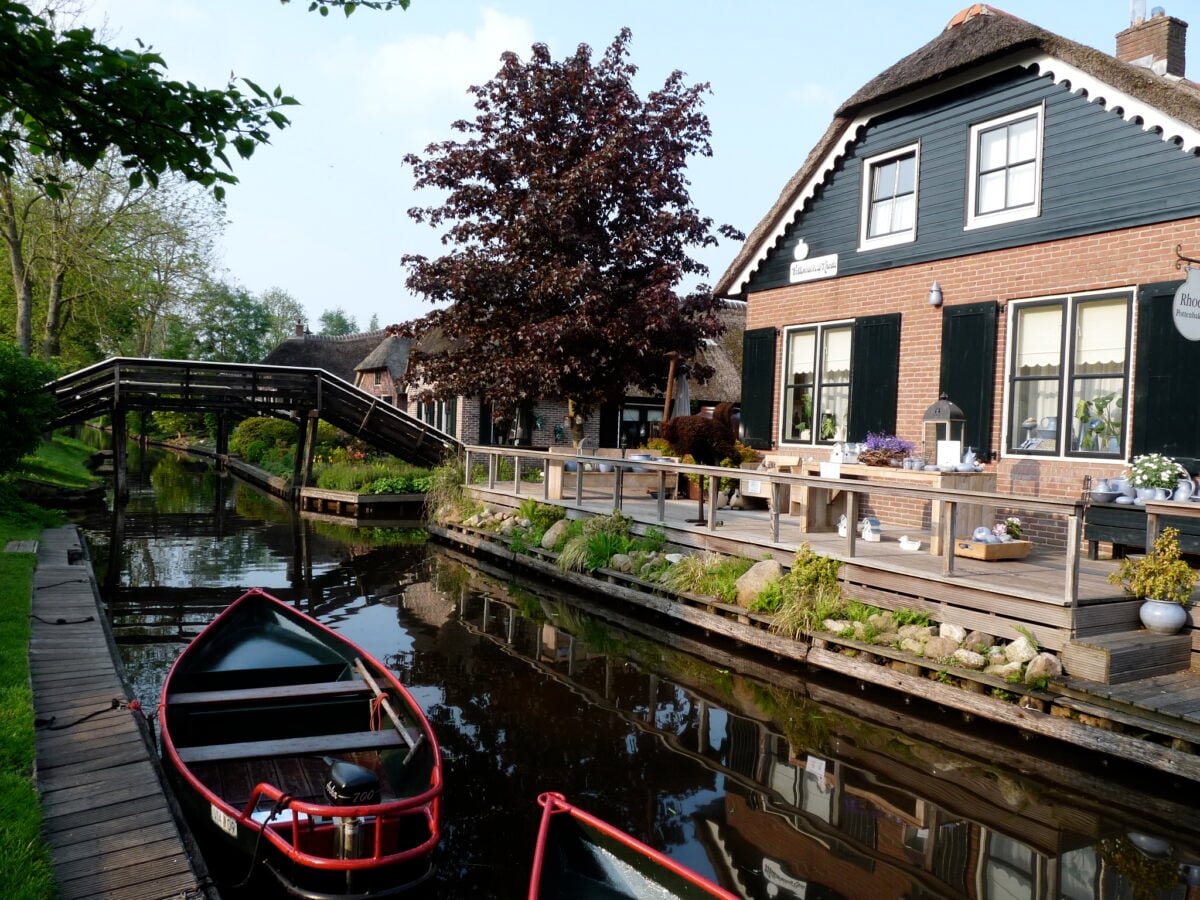
Giethoorn in the Netherlands gets called the Dutch Venice. The comparison makes sense.
The village has no roads in the center, only canals. About 176 wooden bridges connect everything.
The place started in 1230 as a peat trading settlement. Workers dug canals to transport peat out of the pits.
When cars arrived in the Netherlands, the village wasn’t suitable for them. Locals voted to preserve the old layout. The car-free zone stayed.
Residents can’t park in front of their homes because there are no streets leading there. They navigate by whisper boat—electric-powered vessels that make almost no noise.
Some use traditional punters propelled by paddles. The village has about 2,500 residents and attracts close to a million tourists each year.
Most are day-trippers from Amsterdam, which is about 75 miles away. The Dutch tourism authority tries to manage the influx to protect the environment.
In winter, the canals freeze. Locals ice skate on them.
That’s how you get around when the water turns solid.
Zermatt at the Matterhorn’s Base
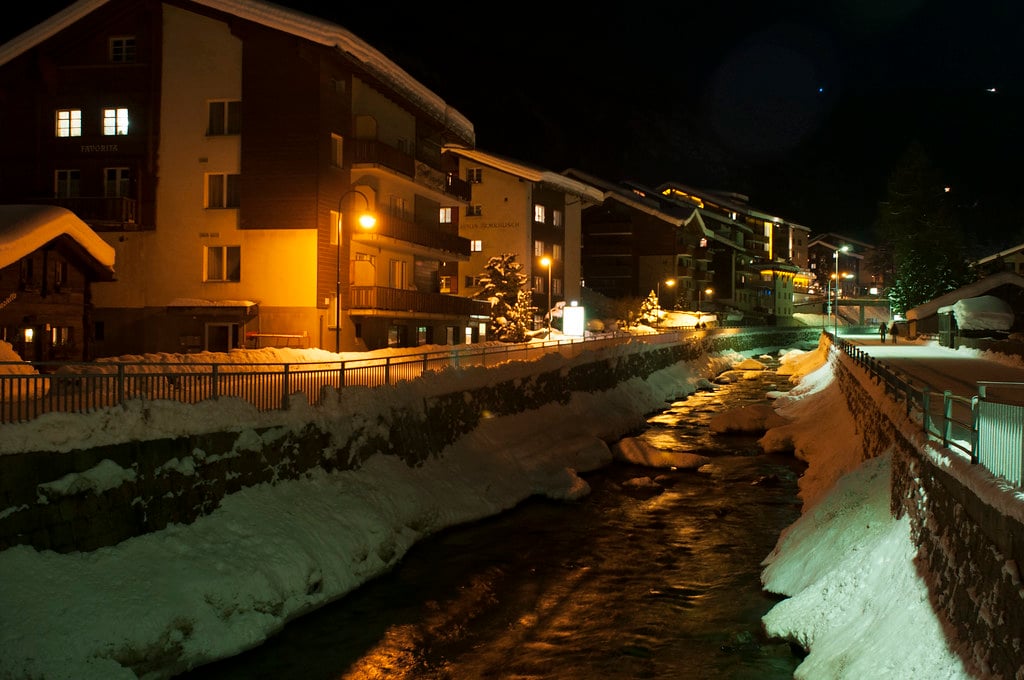
Zermatt sits in the Swiss Alps at the foot of the Matterhorn. The mountain resort town banned cars to preserve the air quality and quiet atmosphere.
You can see the Matterhorn clearly from the village streets. Smog would ruin that.
Visitors arrive by train, helicopter, or taxi. Taxis can drop you at your hotel but can’t circulate freely in town.
Once you’re there, electric vehicles and horse-drawn carriages handle local transport. The town is famous for skiing, hiking, and mountaineering.
People come for the pristine alpine environment. Keeping cars out ensures they get what they came for.
Hydra Island’s Donkey Transport
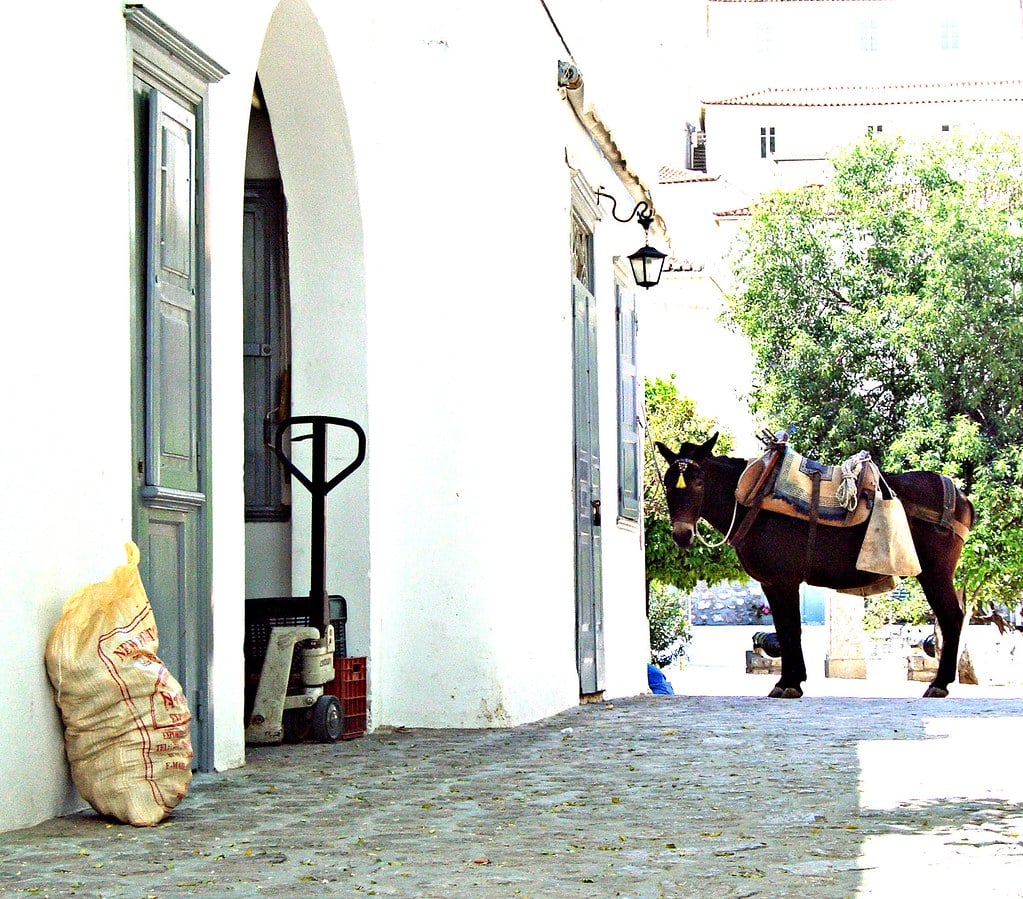
Hydra Island in Greece forbids wheeled vehicles entirely. No cars, no scooters, no bicycles.
The cobblestone streets are too narrow and steep for them anyway. Donkeys serve as the primary transport for goods.
Water taxis handle longer journeys along the coast. Everything else happens on foot.
The island sits in the Aegean Sea not far from Athens. It’s a 25-minute ferry ride but feels worlds away from the traffic and noise of the mainland.
The car-free policy keeps the air pristine and the environment peaceful. Artists and poets flock there for tranquility.
The natural springs and isolated beaches are accessible only by walking or boat. That keeps them from getting overrun.
Supai and the Mule Train
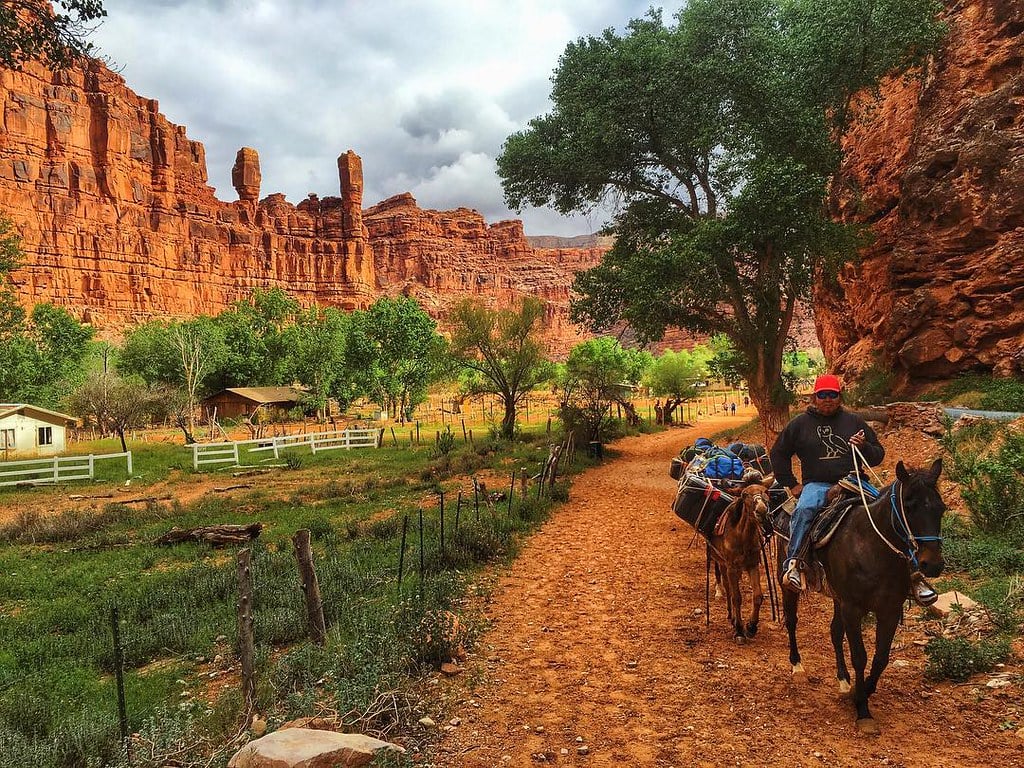
Supai, Arizona holds the distinction of being the most remote community in the lower 48 states. The nearest road is eight miles away.
Mail still arrives by mule train. The village serves as the main settlement for the Havasupai Indian Reservation.
The tribe administers strict access controls to protect the fragile environment. You get there by foot, mule, or helicopter.
Nothing else works. The reward for the effort is scenery that belongs on postcards.
Havasu Falls cascades over terracotta rock into turquoise pools. Mooney Falls drops 200 feet and requires chains and ladders to reach.
Beaver Falls and Navajo Falls offer similar drama with fewer crowds.
At night, the isolation becomes obvious. No light pollution for miles.
Stargazers consider it one of the best spots in the country.
Fire Island’s National Seashore
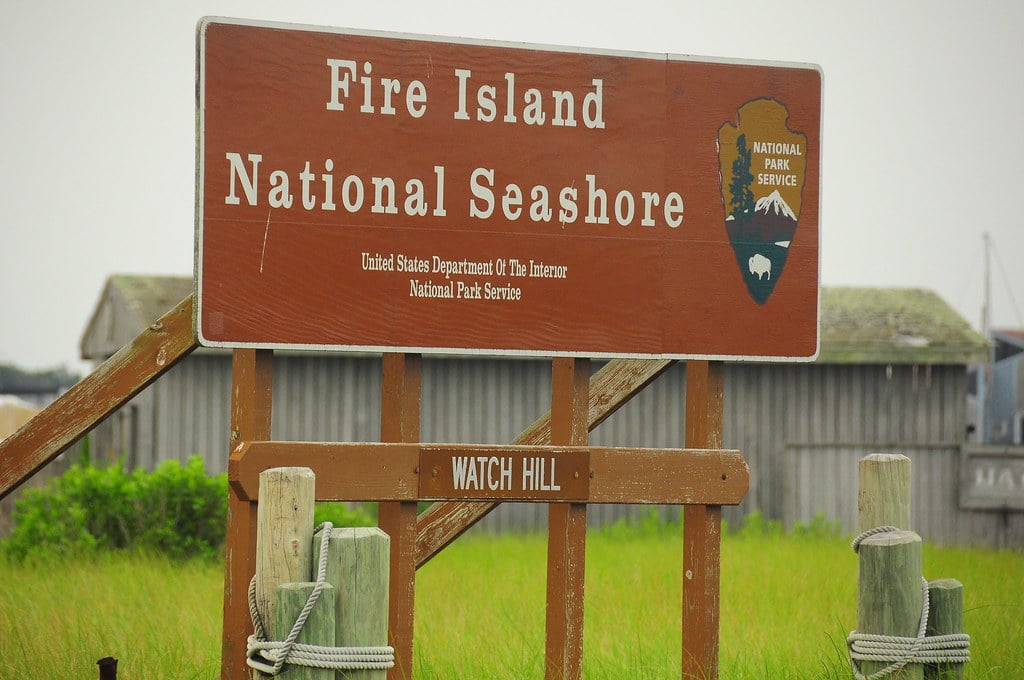
Fire Island runs parallel to Long Island off the New York coast. Since 1964, most of the island has been protected as part of the Fire Island National Seashore.
That protection includes keeping it largely car-free. There are no paved public roads.
Daily ferries shuttle back and forth from the mainland. Seaplanes also provide access.
Once you’re on the island, you walk or bike. Robert Moses State Park offers five miles of sandy beach.
The Fire Island Lighthouse dates to 1858. Climb the 182 steps to the top and you can see the New York City skyline on clear days.
Cherry Grove and Fire Island Pines have been favorites with the LGBTQ community for about 50 years. New Yorkers escape there when the city gets too loud.
Sark’s Tractors and Horses
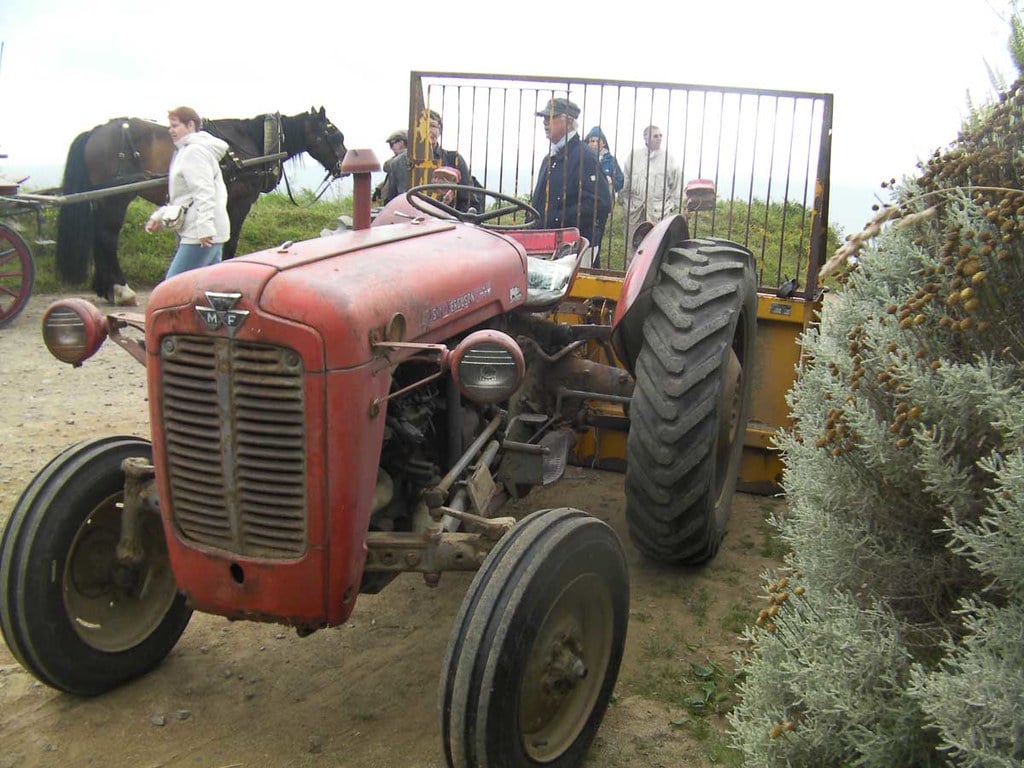
Sark is a tiny island in the English Channel between Guernsey and Jersey. Cars are completely banned.
The only motorized vehicles allowed are tractors for farm work. Residents and visitors get around by bicycle, horse-drawn carriage, or foot.
The ban preserves the island’s historic character and keeps the atmosphere tranquil. Sark has no street lights either.
The night sky is spectacular as a result. The combination of no cars and no artificial light pollution creates an environment that feels genuinely removed from modern life.
Halibut Cove’s Floating Post Office

Halibut Cove, Alaska sits inside Kachemak Bay State Park. The village has about 90 permanent residents.
It’s completely car-free. You reach it by water taxi from Homer, about six miles away.
Once there, you move by foot or by boat. That’s it.
The village claims one unique distinction: it houses one of the only floating post offices in the United States. The post office literally floats on the water.
The isolation and lack of development mean untamed Alaskan beauty surrounds you. Guided tours through the state park accommodate various fitness levels.
Boat tours around the bay offer views without hiking.
Fes El Bali’s Medieval Maze

The ancient walled medina of Fes El Bali in Morocco consists of over 9,000 maze-like alleyways. They’re far too narrow for cars.
They were designed for donkeys and foot traffic centuries ago. Without cars taking up space and polluting the air, you can jostle through the narrow walkways searching for leather goods, street kebabs, and sweets.
The medina is one of the few distinctly urban car-free destinations. The warren of passages can be disorienting.
People get lost regularly. But that’s part of the experience.
You wander until you find what you’re looking for or stumble onto something unexpected.
La Cumbrecita’s European Feel
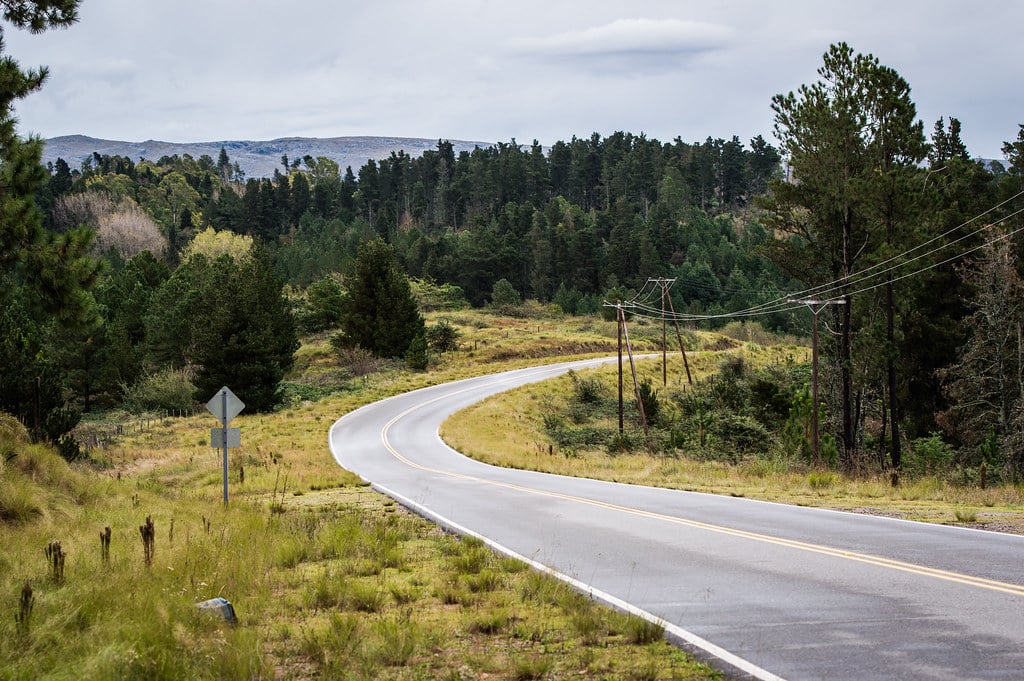
La Cumbrecita sits in Argentina’s Calamuchita Valley. The small alpine-style village bans cars and operates almost entirely on renewable energy.
German, Swiss, French, and Austrian citizens founded it—many were exiled during World War II. The European influence shows in the architecture and layout.
Visitors park in a lot outside the village and cross a bridge over Río del Medio on foot. The pedestrian-only policy adds to the storybook atmosphere.
Hiking trails wind through forests to waterfalls. Camping under the stars is popular.
Chamois and the Cable Car

Chamois in northwestern Italy can’t be reached by car. The mountain village is accessible only by hiking or by cable car that carries you up and over the mountains.
The isolation keeps it quiet and uncrowded. The mountainous region offers stunning views.
The lack of road access means only people who specifically want to be there make the trip.
Lamu Island’s Donkey Lanes

Lamu Island off the coast of Kenya uses donkeys as the primary mode of transport. The town of Lamu has narrow, winding walkways that make cars virtually impossible to use.
The layout wasn’t designed for modern vehicles. It predates them by centuries.
Residents saw no reason to rebuild everything just to accommodate cars when donkeys work fine.
Bald Head Island’s Golf Carts
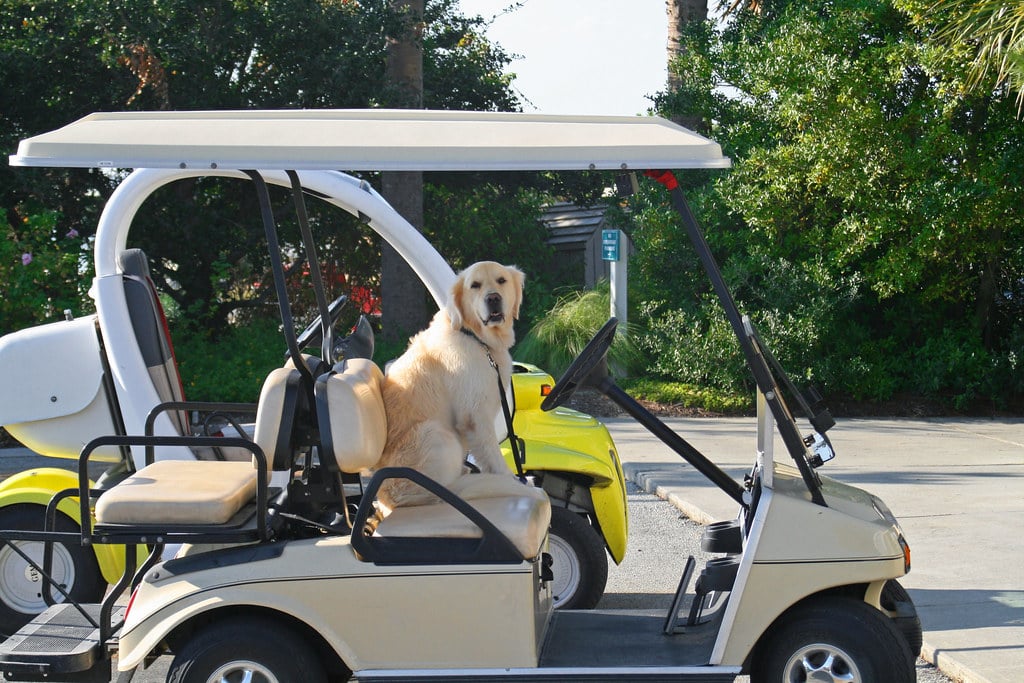
Bald Head Island in North Carolina requires visitors to leave their cars on the mainland. You take a ferry across.
Life moves slower on the island—about as slow as the main form of transportation: golf carts. The island offers beaches, golf courses, maritime forest, and Old Baldy Lighthouse.
The lighthouse is North Carolina’s oldest standing lighthouse, first commissioned by Thomas Jefferson. The 108 steps to the top provide panoramic views.
The Smith Island Museum of History sits at the base. Golf carts handle everything else you need to reach.
What Gets Left Behind
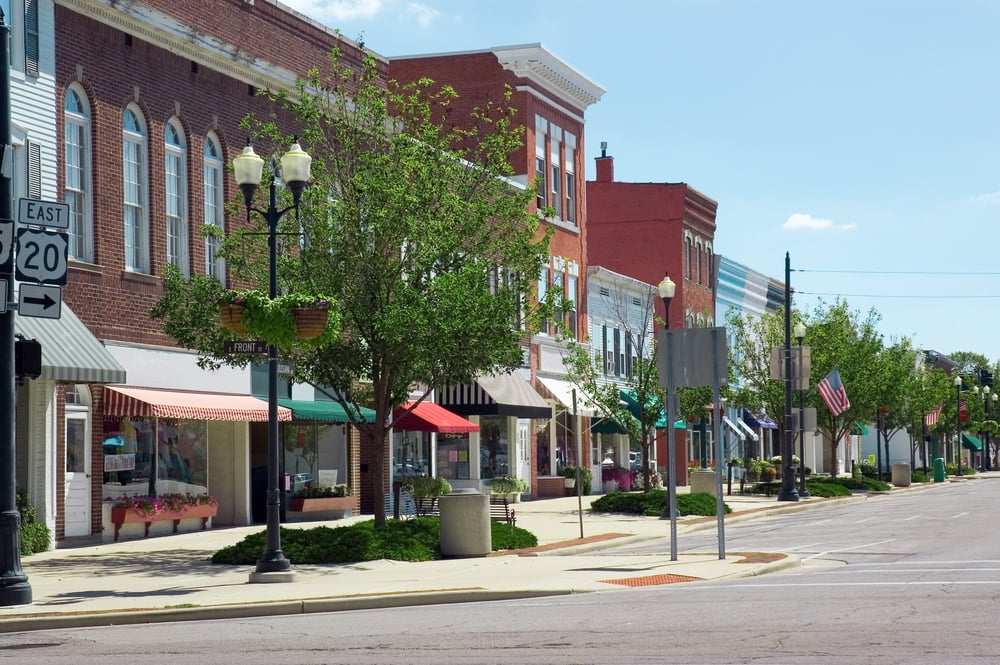
These places prove cars aren’t essential. People lived without them for millennia. They can still live without them now in the right circumstances.
The benefits show up immediately. Cleaner air.
Less noise. Slower pace.
You can hear conversations and birdsong. Children play in streets without parents worrying about traffic.
Some locations had no choice—the geography simply doesn’t allow cars. Others made deliberate decisions to keep them out.
Both approaches work. The trade-off is inconvenience.
Groceries get harder to transport. Moving furniture becomes a production.
Bad weather makes walking or biking miserable. These aren’t small issues.
But the people who live in these places generally don’t want to change. The inconvenience is worth it for the quality of life they get in return.
Visitors keep coming specifically because cars aren’t there.
Cities Considering the Change
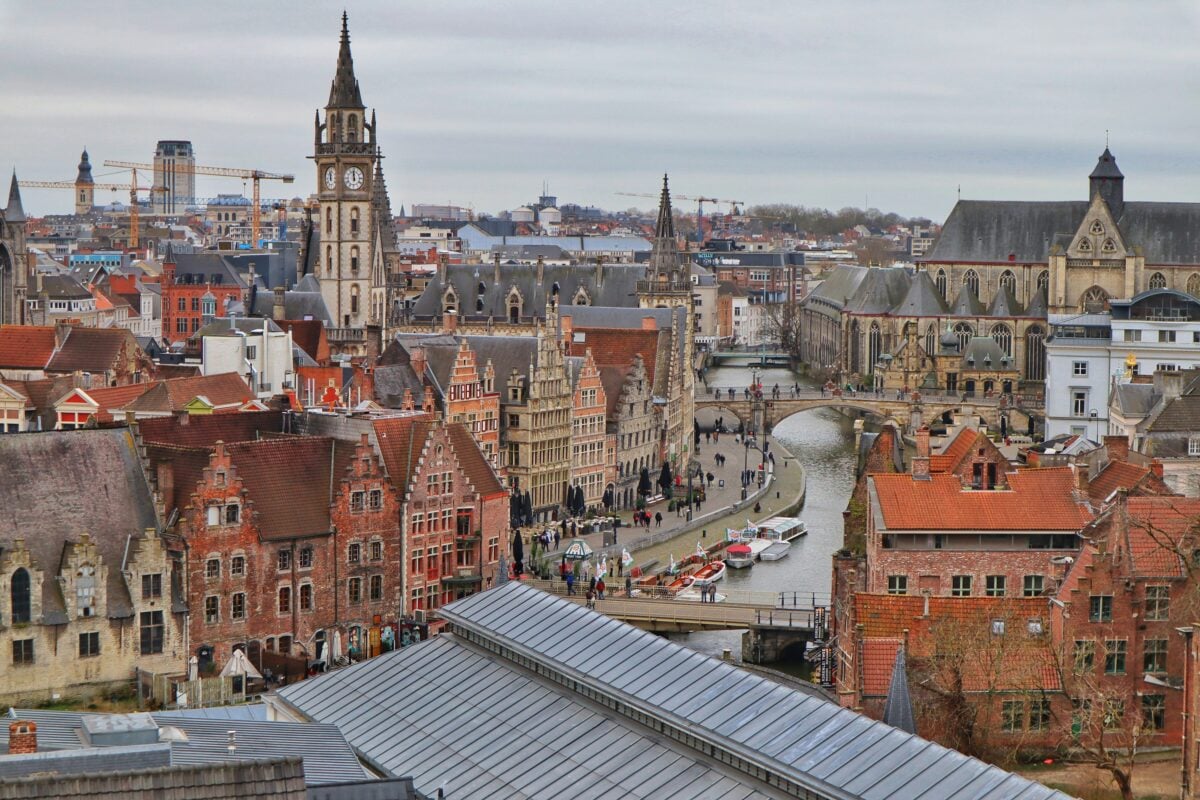
Some cities are experimenting with car-free zones in their centers. Ghent in Belgium has made the entire city heart partially car-free.
Madrid limited car access to the city center and saw nitrogen oxide drop by 38 percent. These aren’t full bans.
They’re restrictions. But they show that reducing car access in dense urban areas produces measurable improvements in air quality and livability.
The logistics get complicated. You need alternative transport that actually works.
Public transit has to be reliable. Bike infrastructure needs to be safe.
Delivery systems have to adapt. Not every city can become car-free.
But more could be than currently are.
The Sound of Quiet

Hang around downtown Giethoorn early midweek, just before visitors show up. Try Mackinac Island during colder months once people drift away.
That’s when silence really hits you. You hear steps tapping on stone paths – water nudging wooden boats, rustling leaves overhead.
Now and then, birds call out; a distant trot echoes nearby instead. Sometimes just the quiet whirr where tires meet pavement.
The lack of engine sounds shifts the vibe of an area. That shift brings spaces closer to people’s pace.
Yet talking on a sidewalk no longer means raising your voice. Instead, small things catch your eye – things overlooked from behind a wheel.
These spots without cars aren’t exhibits or tourist traps – even if they seem like it at first glance. Instead, folks actually reside and hustle here every day.
Their setup simply puts weight on things others often ignore.
More from Go2Tutors!

- The Romanov Crown Jewels and Their Tragic Fate
- 13 Historical Mysteries That Science Still Can’t Solve
- Famous Hoaxes That Fooled the World for Years
- 15 Child Stars with Tragic Adult Lives
- 16 Famous Jewelry Pieces in History
Like Go2Tutors’s content? Follow us on MSN.