18 Music Moments That Changed History
Music has always been more than just entertainment. Throughout history, certain songs, performances, and musical innovations have shifted culture, sparked movements, and left permanent marks on society. From rebellious anthems that fueled revolutions to groundbreaking recordings that redefined entire genres, these pivotal moments remind us that music is one of humanity’s most powerful forces.
Think about it: a single song can unite millions, topple governments, or completely change how we think about sound itself. Here is a list of 18 music moments that genuinely changed the course of history.
The Birth of Jazz in New Orleans
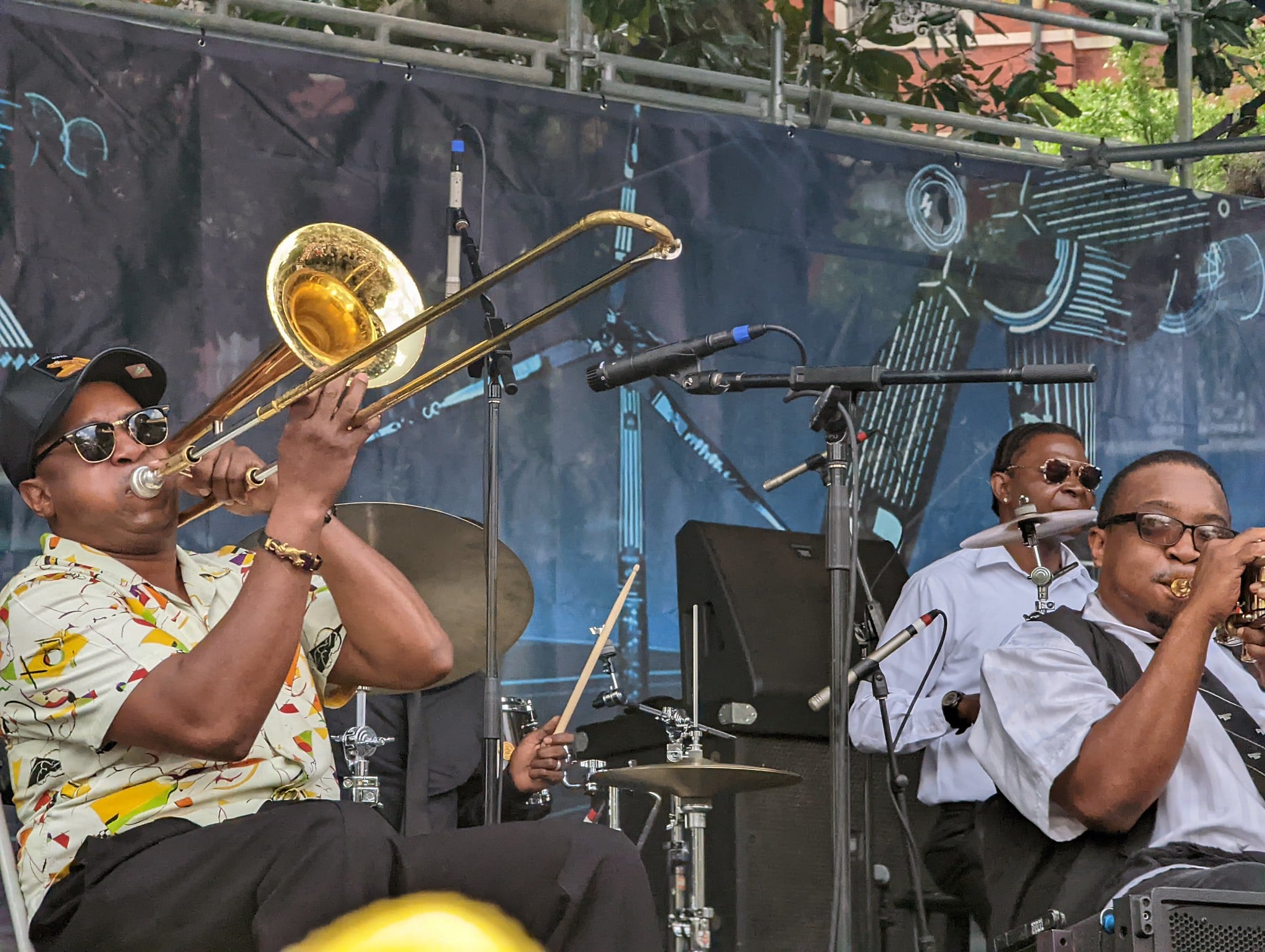
Jazz emerged in the early 1900s from the melting pot of New Orleans—blending African rhythms, European harmonies, and American blues into something entirely new. This wasn’t just a new genre; it was a cultural revolution that gave voice to African American experiences during a time of intense segregation.
The improvisational nature of jazz broke musical rules while mirroring the social changes brewing across America.
Beethoven’s Ninth Symphony
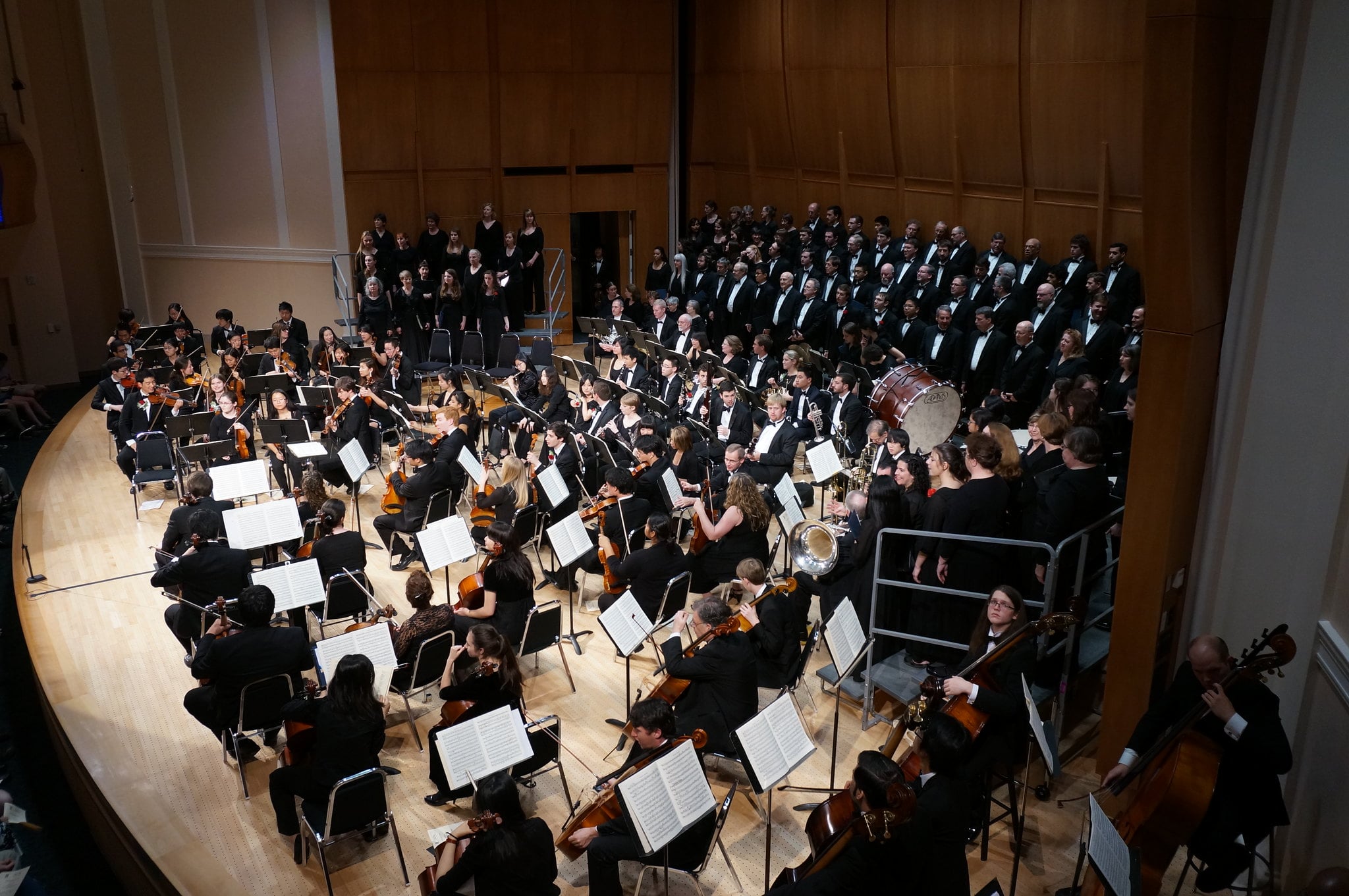
When Beethoven premiered his Ninth Symphony in 1824, he was completely deaf, yet he conducted one of the most powerful pieces of music ever written. The ‘Ode to Joy’ finale became a universal anthem for human brotherhood and freedom.
This symphony didn’t just push musical boundaries—it became a symbol of hope that would later inspire everything from the European Union anthem to civil rights movements worldwide.
The Beatles on The Ed Sullivan Show
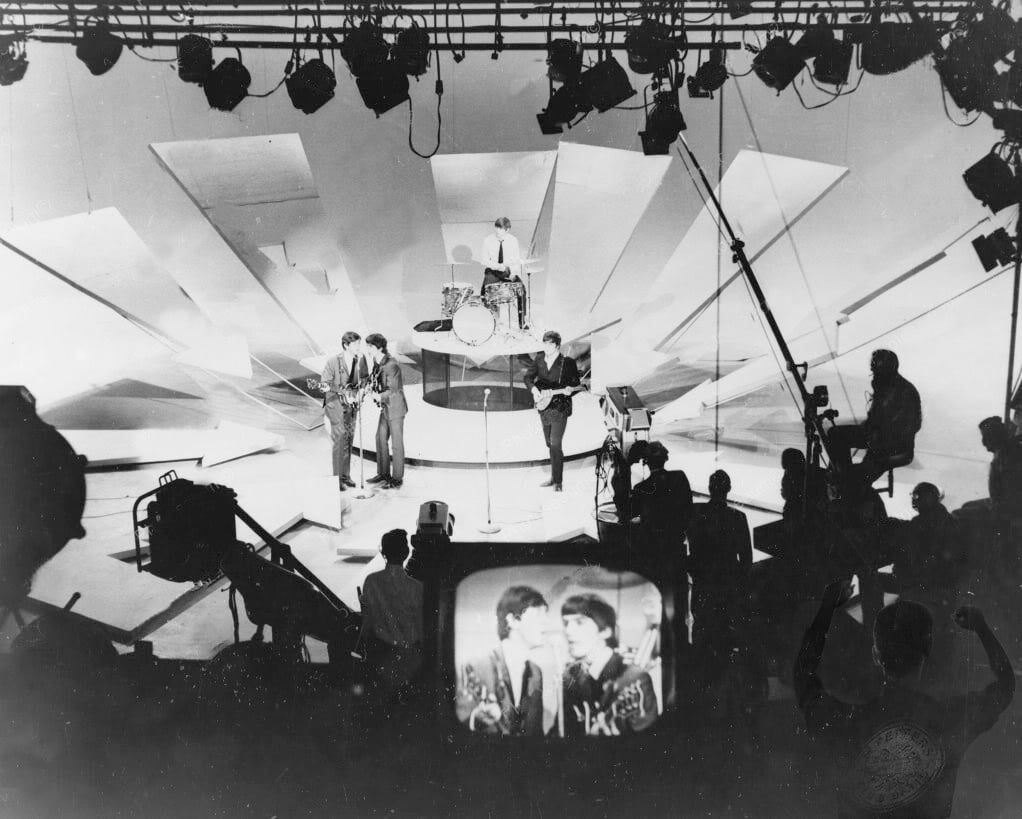
February 9, 1964, changed everything. When The Beatles appeared on The Ed Sullivan Show, 73 million Americans watched—nearly half the country’s population at the time.
This single performance launched Beatlemania while proving that music could create a shared cultural experience across an entire nation. The British Invasion that followed reshaped American music forever.
Bob Dylan Goes Electric
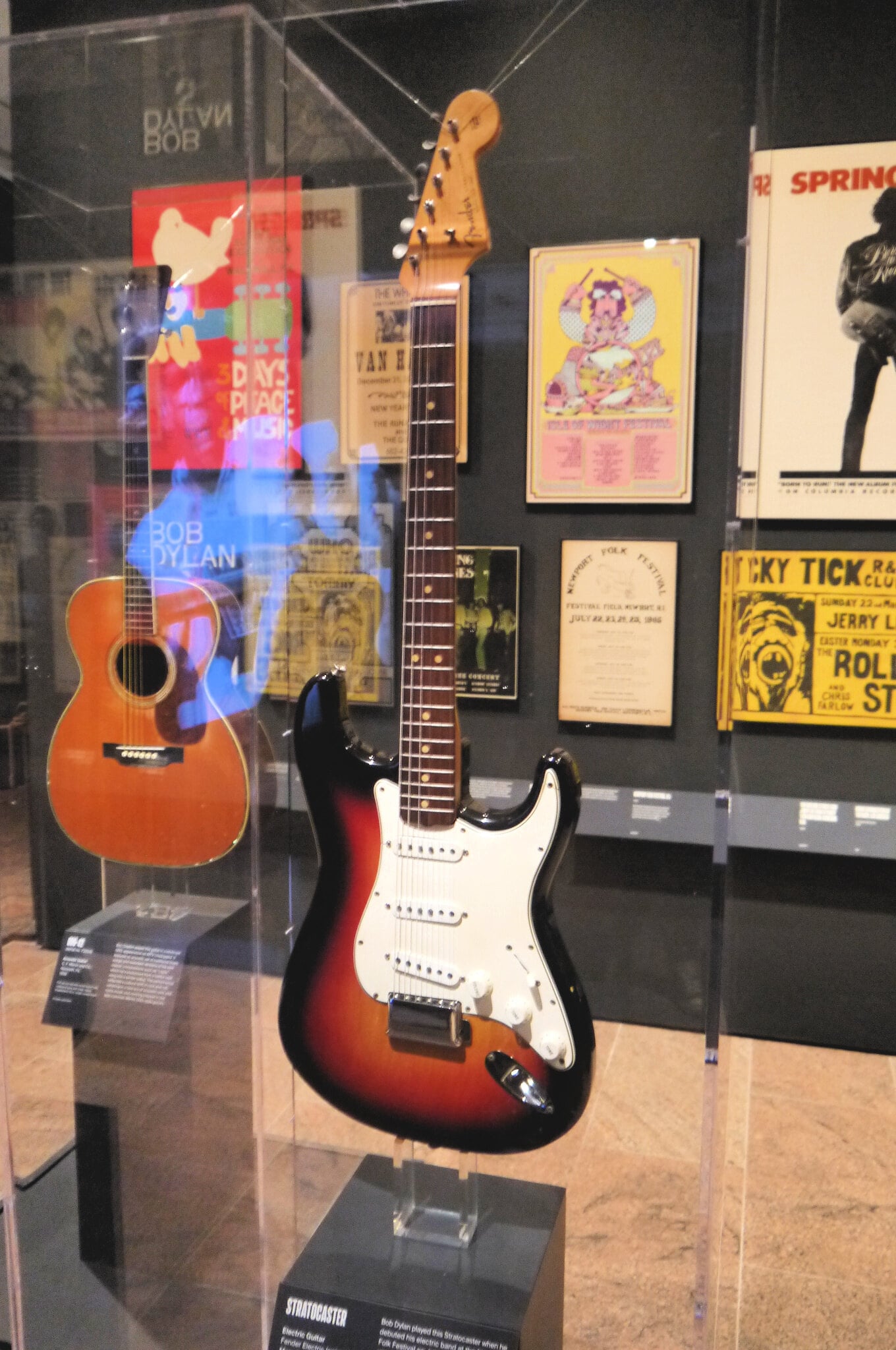
At the 1965 Newport Folk Festival, Bob Dylan plugged in his guitar and shocked the folk music world. Fans actually booed him for ‘betraying’ traditional folk music, though Dylan was pushing boundaries that needed pushing.
This moment marked the birth of folk rock—showing that even the most established musical traditions could evolve and adapt.
The First MTV Music Video

On August 1, 1981, MTV launched with ‘Video Killed the Radio Star’ by The Buggles—a prophetic choice that proved eerily accurate. Music television changed how artists connected with audiences, making visual presentation as important as sound.
Suddenly, musicians needed to be performers in an entirely new way, and the music industry had to adapt to this visual revolution.
Woodstock Festival
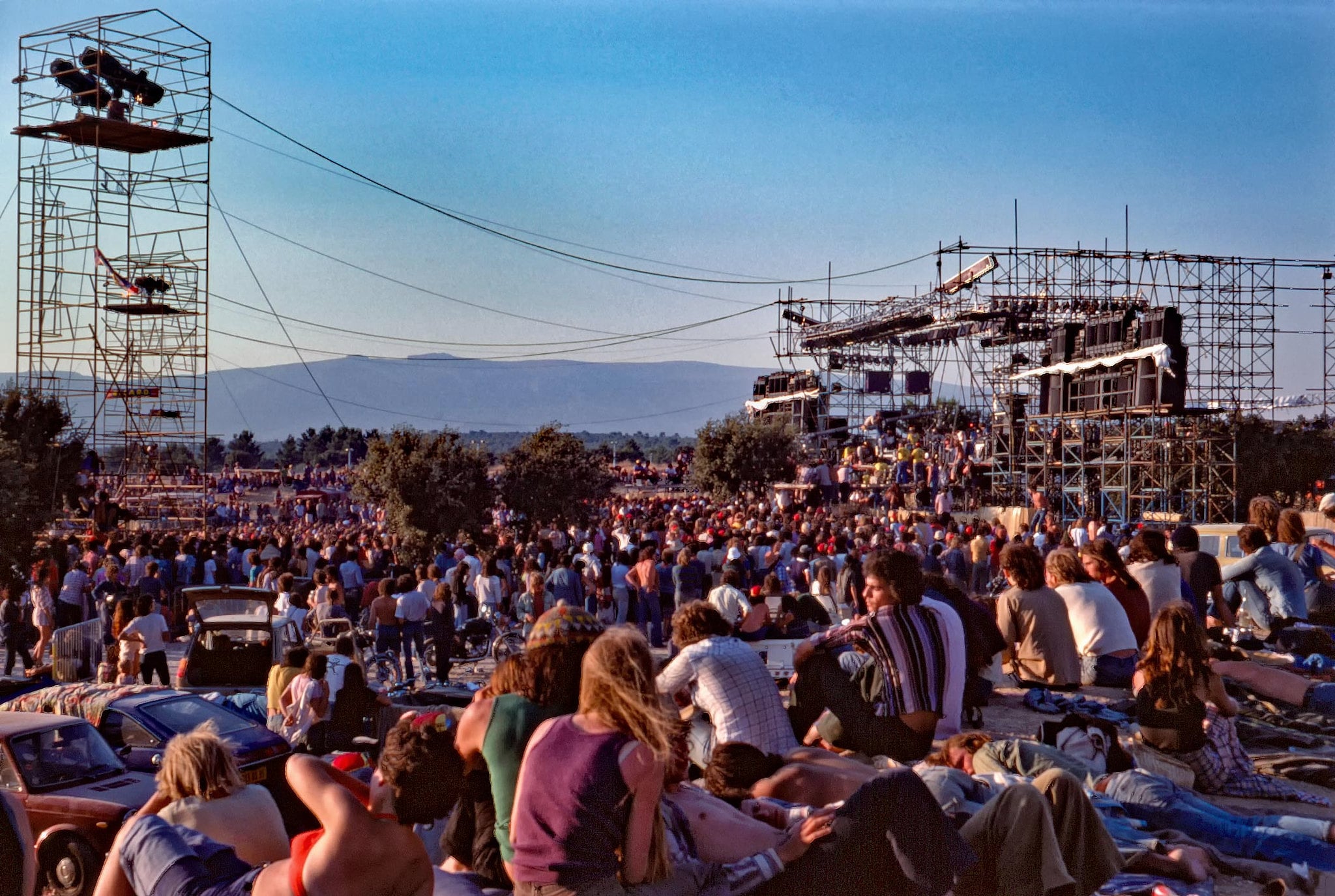
For three days in August 1969, nearly half a million people gathered on a farm in New York for what became the defining moment of the counterculture movement. Woodstock wasn’t just a concert—it was a statement about peace, love, and music’s power to unite people during turbulent times.
The festival proved that music could create temporary communities while fostering lasting cultural change.
The Invention of the Phonograph
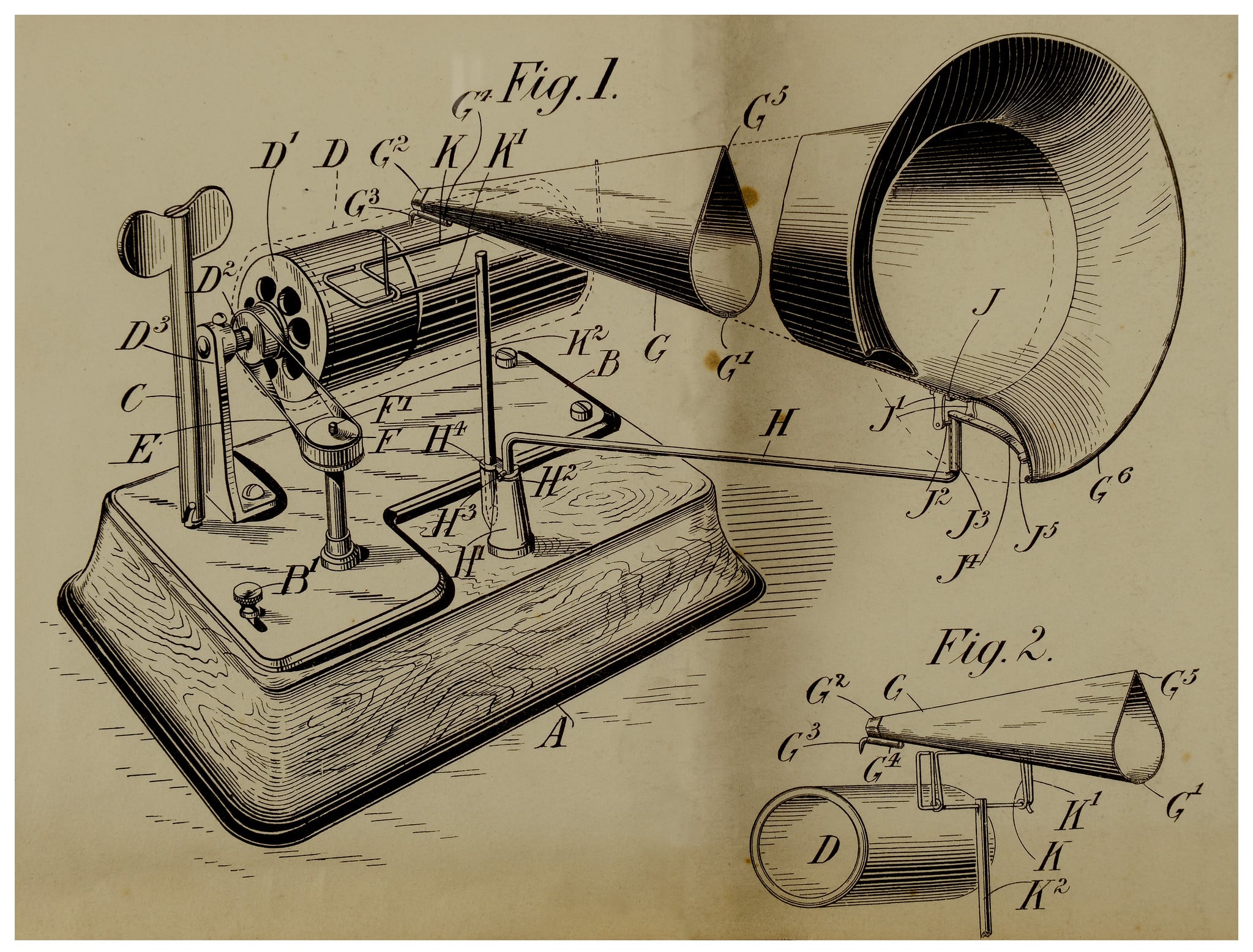
Thomas Edison’s phonograph in 1877 seems simple by today’s standards, though it was revolutionary for its time. For the first time in human history, music could be preserved and reproduced exactly as it was performed.
This invention laid the groundwork for the entire recorded music industry—changing how people experienced music in their daily lives.
Elvis Presley’s First TV Appearance
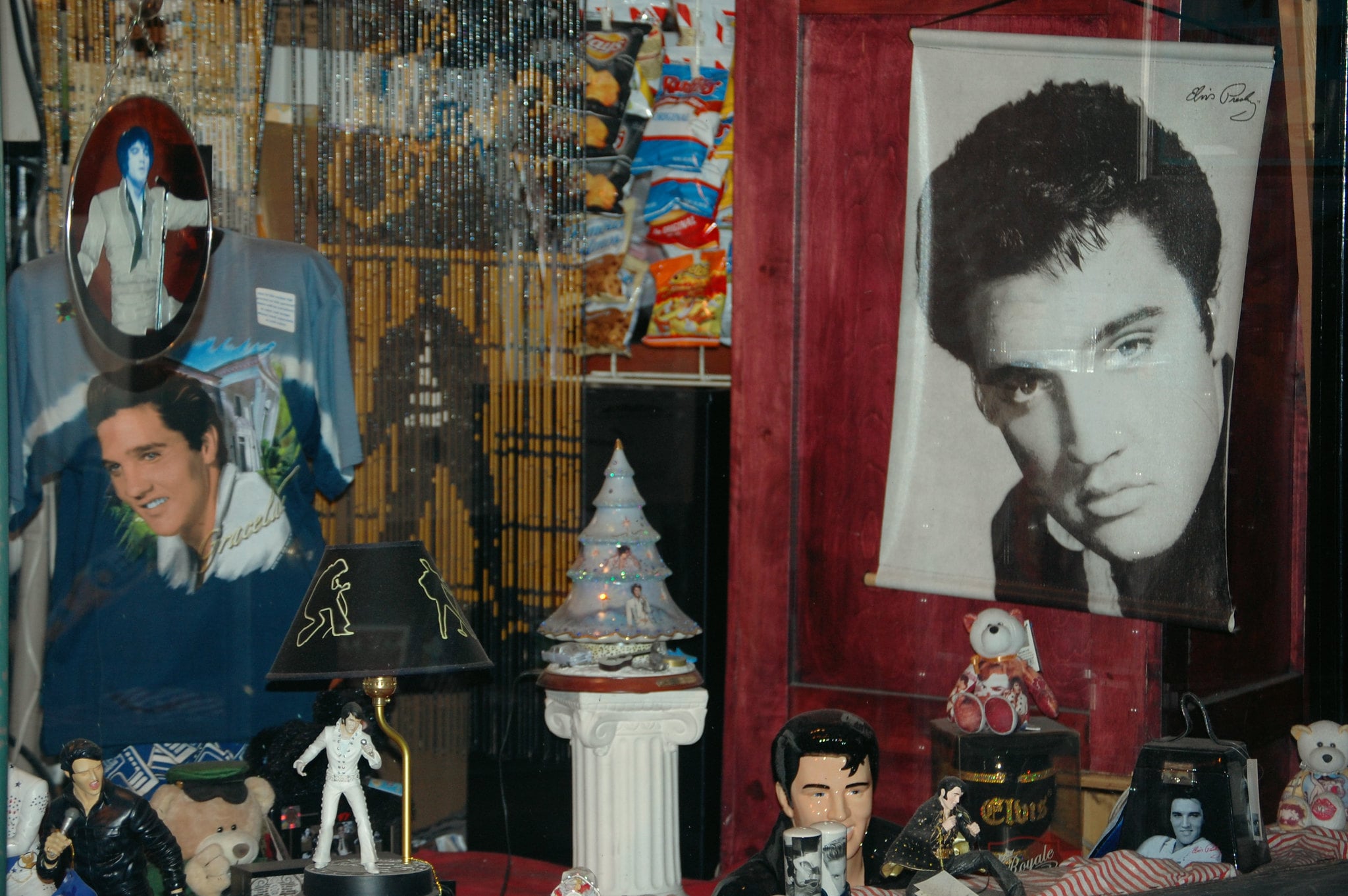
When Elvis appeared on The Ed Sullivan Show in 1956, censors famously showed him only from the waist up. His hip movements and raw energy scandalized conservative America yet electrified young audiences.
This performance introduced rock and roll to mainstream America—showing how music could challenge social norms and generational divides.
The Creation of Hip-Hop
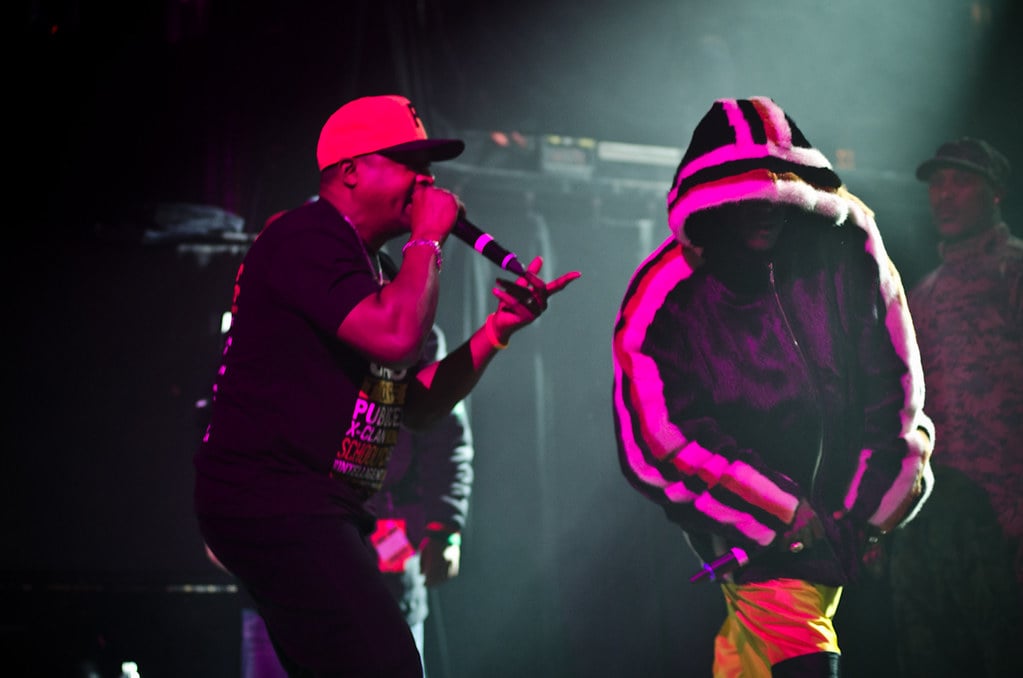
In 1973, DJ Kool Herc threw a party in the Bronx and invented hip-hop by isolating and extending the breaks in funk records. This technique, combined with rapping and breakdancing, created an entirely new art form that gave voice to urban communities.
Hip-hop became more than music—it became a cultural movement that would eventually influence everything from fashion to politics.
Pink Floyd’s The Wall
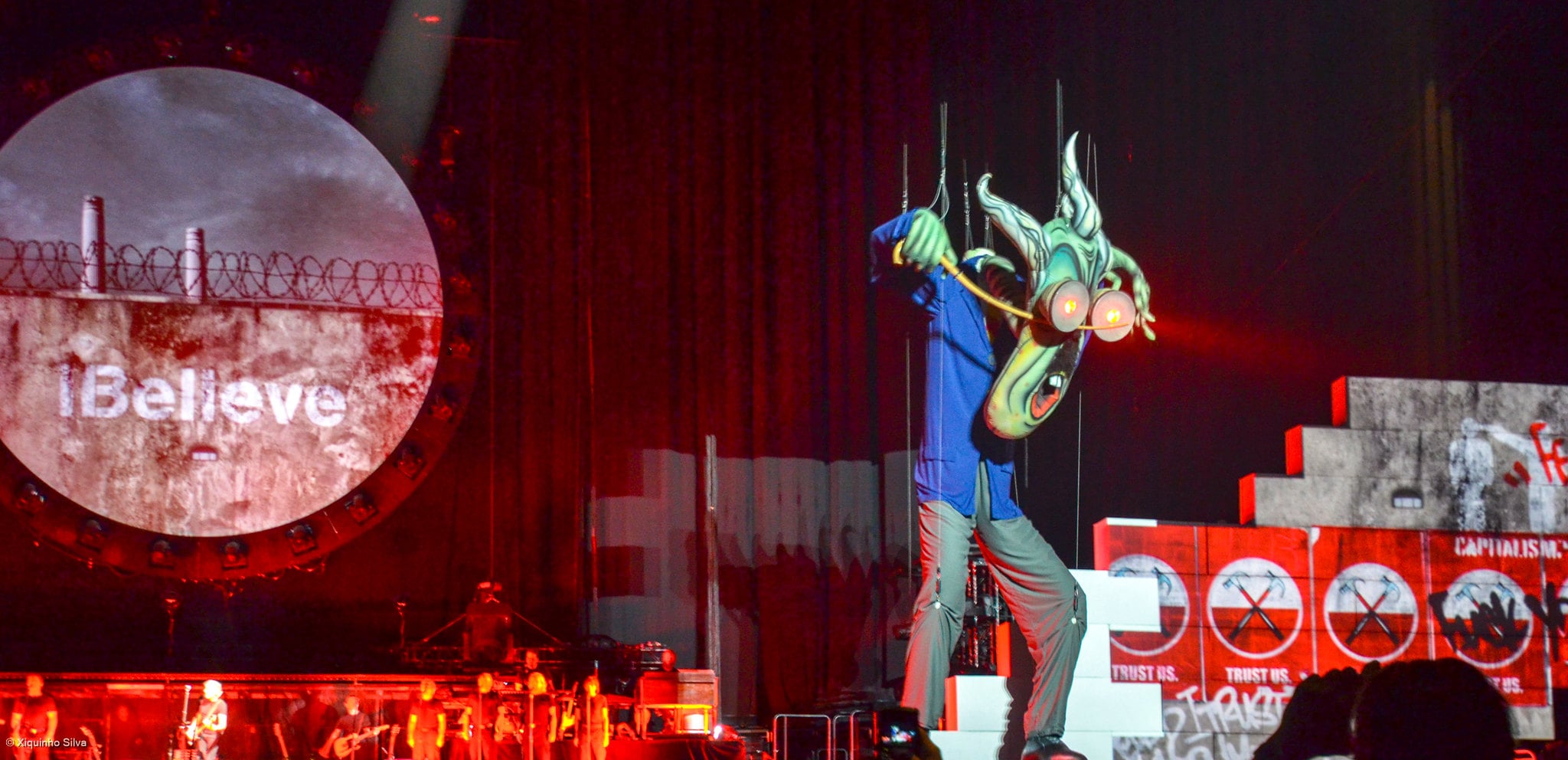
When Pink Floyd released The Wall in 1979, they created more than an album—they crafted a multimedia experience that included elaborate stage shows, a feature film, and a narrative that spoke to alienation and societal breakdown.
This concept album showed how music could tell complex stories while creating immersive experiences that went far beyond individual songs.
The Theremin’s Electronic Sound

Leon Theremin’s invention in 1920 produced the first electronic music instrument, creating eerie sounds without any physical contact. The theremin’s otherworldly tones influenced everything from classical compositions to horror movie soundtracks.
This instrument opened the door to electronic music and showed that technology could create entirely new sonic possibilities.
Live Aid’s Global Broadcast
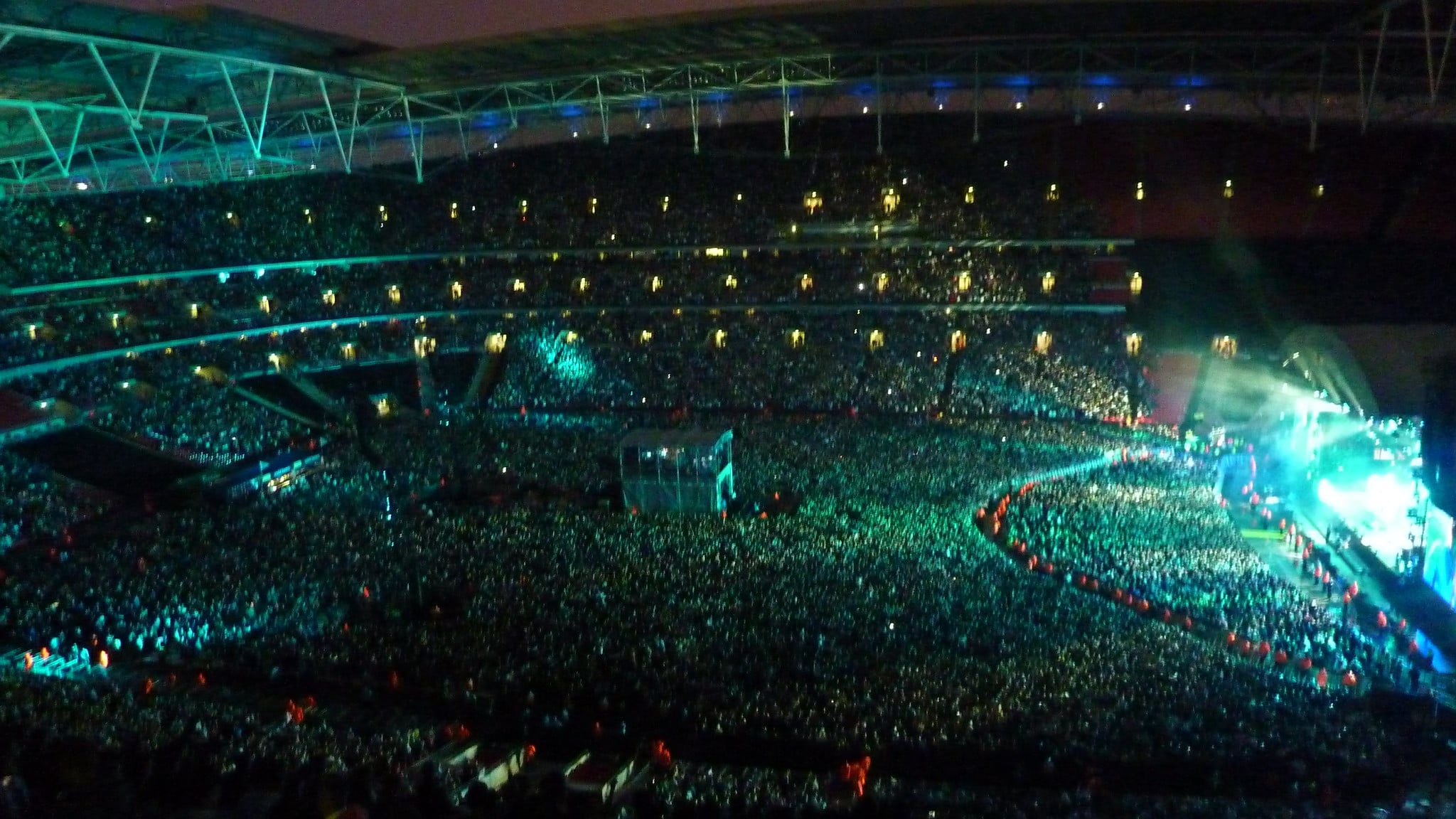
On July 13, 1985, Live Aid connected audiences across the globe for a single cause: fighting famine in Africa. The dual-venue concert in London and Philadelphia reached an estimated 1.9 billion viewers worldwide.
This event proved that music could mobilize global humanitarian efforts and demonstrated the power of satellite technology to create shared experiences across continents.
The Discovery of the Blues

In the Mississippi Delta during the early 1900s, African American musicians developed the blues as a way to express pain, hope, and resilience. This musical form became the foundation for virtually every popular music genre that followed, from jazz to rock to soul.
The blues gave America its musical voice and showed how personal struggles could become universal art.
The Motown Sound
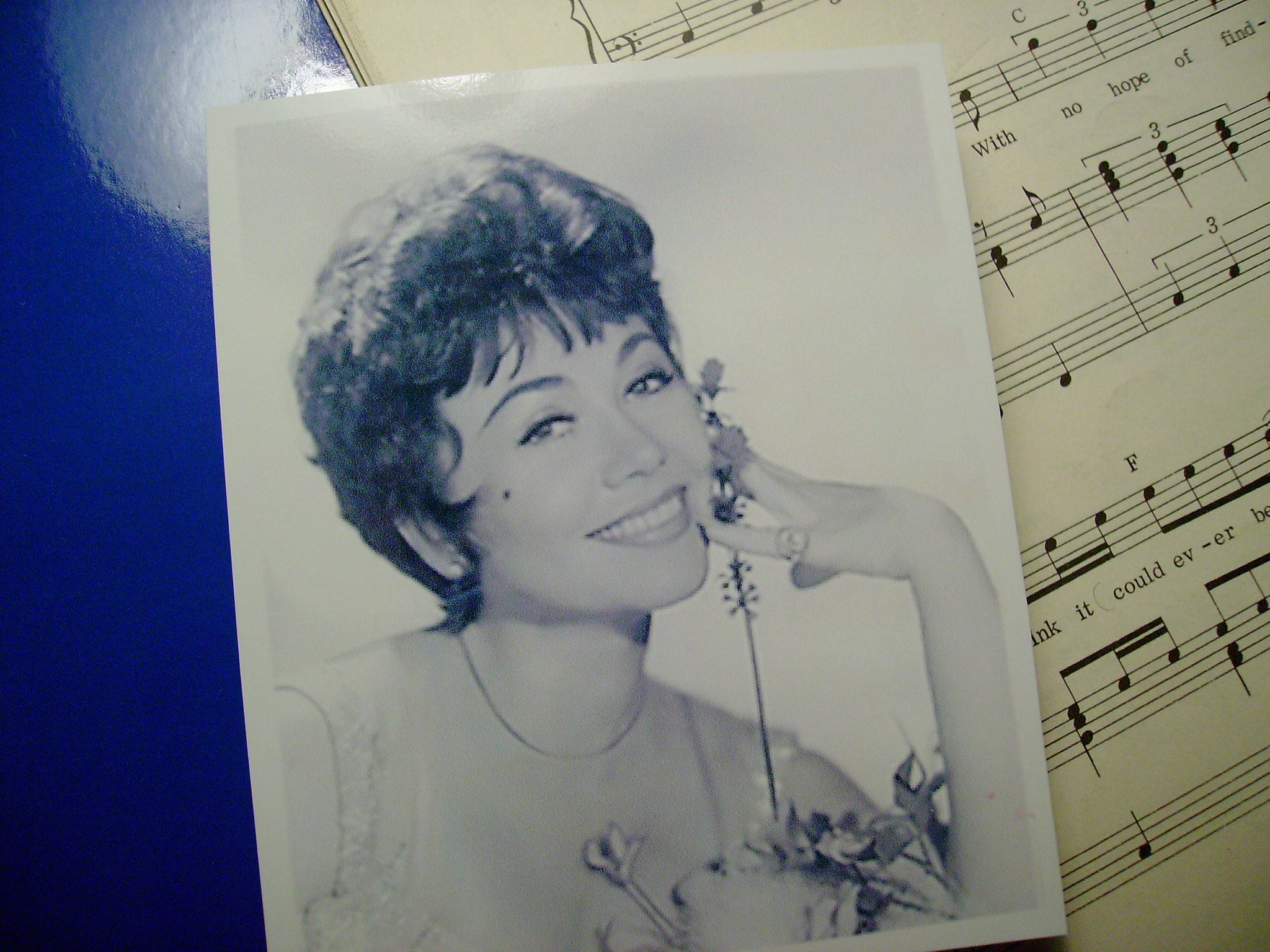
Berry Gordy Jr. founded Motown Records in Detroit in 1959 and created a hit-making machine that broke down racial barriers in popular music. Artists like The Supremes, The Temptations, and Stevie Wonder brought African American music to mainstream white audiences during the height of the civil rights movement.
Motown proved that great music could bridge cultural divides and create lasting social change.
Punk Rock’s Raw Energy
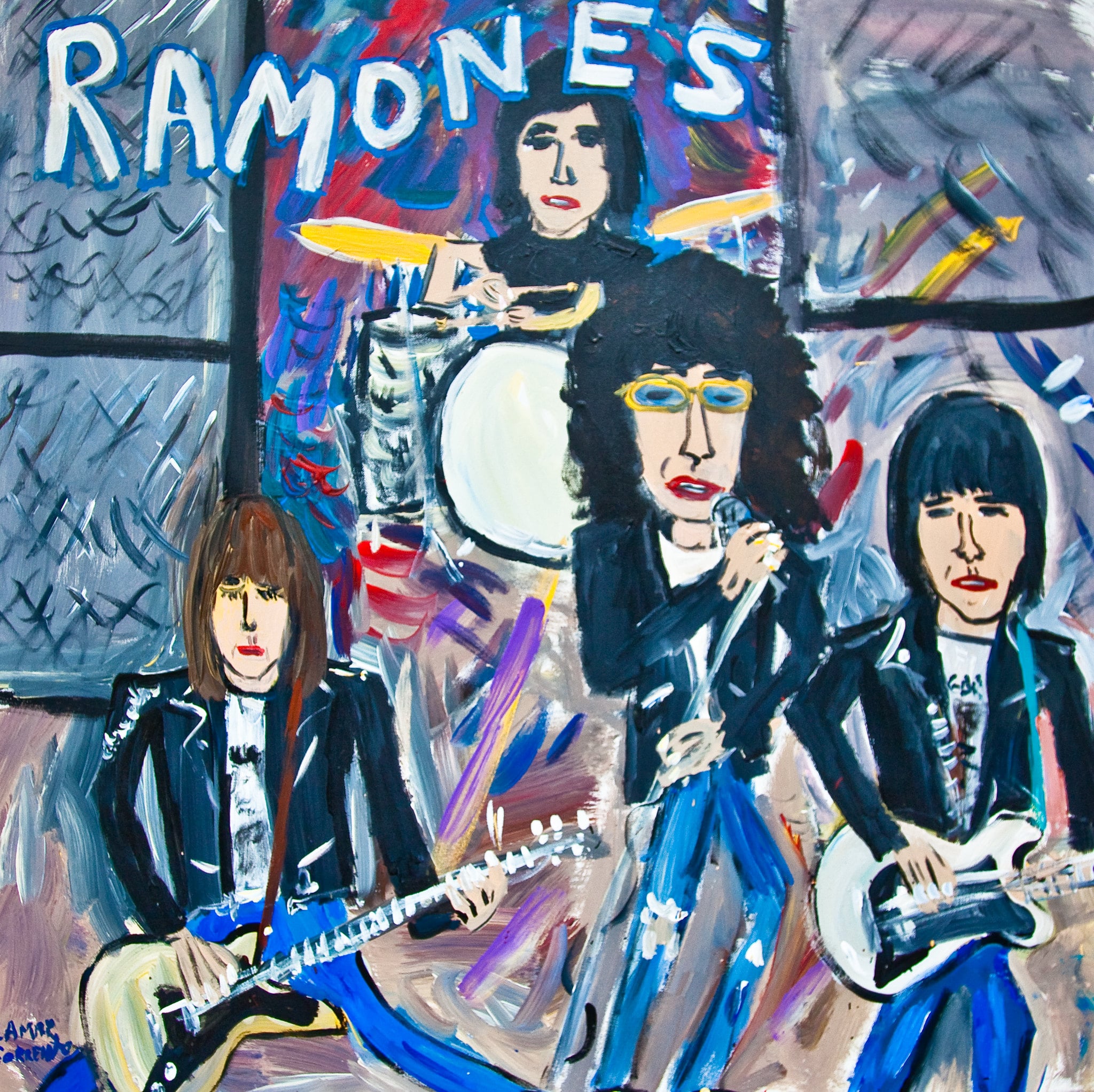
The mid-1970s punk movement, led by bands like The Ramones and The Clash, stripped music down to its raw essentials and rejected the polished production of mainstream rock. Punk showed that anyone could pick up a guitar and make music, democratizing rock and roll in ways that influenced countless future musicians.
This movement proved that rebellion and authenticity could be more powerful than technical perfection.
The Compact Disc Revolution

When Sony and Philips introduced the compact disc in 1982, they didn’t just create a new format—they revolutionized how people collected and consumed music. CDs offered perfect sound quality and durability that vinyl couldn’t match, while their digital nature laid the groundwork for the streaming revolution that would follow decades later.
This technology changed the entire music industry’s business model.
The Synthesizer’s New Sounds
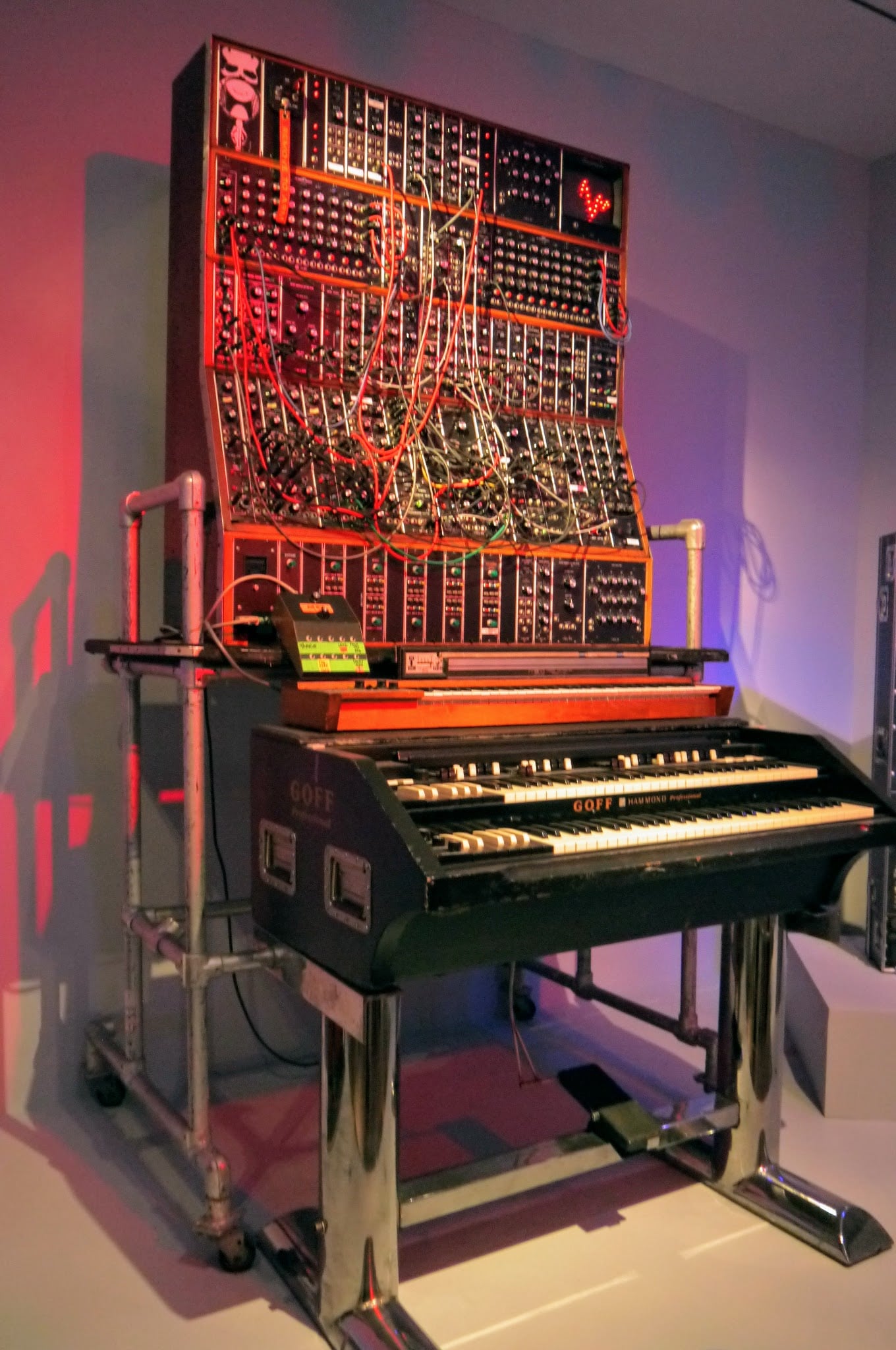
Robert Moog’s synthesizer in the 1960s gave musicians the ability to create sounds that had never existed before. Bands like Kraftwerk and later artists like Depeche Mode showed how electronic instruments could create entirely new musical landscapes.
The synthesizer’s influence spread far beyond electronic music, eventually finding its way into every genre imaginable.
The Gramophone’s Mass Appeal

Emile Berliner’s gramophone in 1887 improved on Edison’s phonograph by using flat discs instead of cylinders, making mass production possible. This innovation made recorded music affordable and accessible to ordinary people for the first time.
The gramophone created the first true music industry and established the foundation for everything from record labels to music charts.
When Music Became Memory
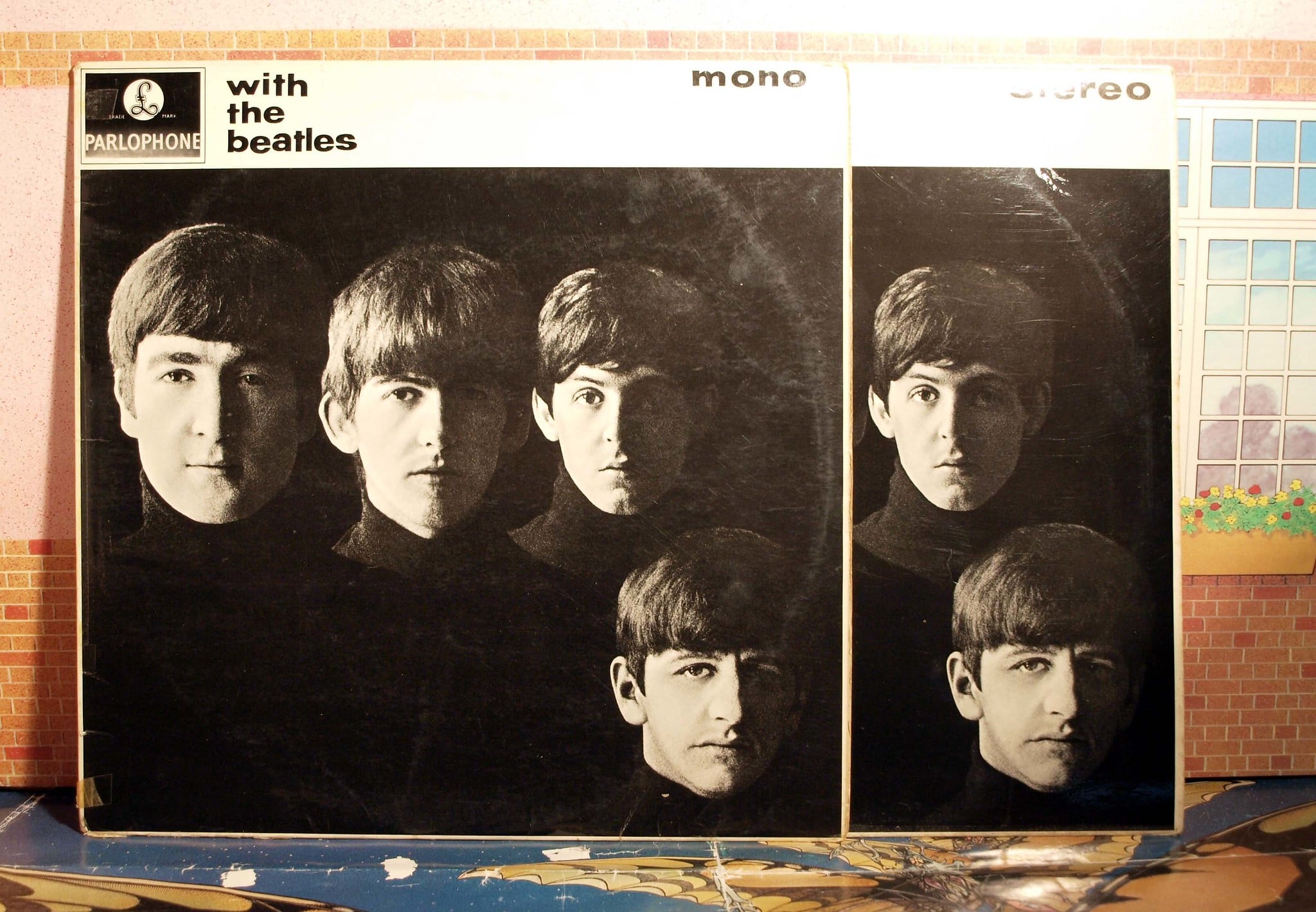
These 18 moments remind us that music has always been more than entertainment—it’s been a catalyst for change, a mirror of society, and a bridge between cultures. From the technical innovations that made recorded music possible to the cultural movements that used music as their voice, these pivotal moments shaped not just how we listen, but how we live.
Today’s streaming revolution and digital creativity tools continue this tradition, proving that music’s power to change the world is far from over.
More from Go2Tutors!

- The Romanov Crown Jewels and Their Tragic Fate
- 13 Historical Mysteries That Science Still Can’t Solve
- Famous Hoaxes That Fooled the World for Years
- 15 Child Stars with Tragic Adult Lives
- 16 Famous Jewelry Pieces in History
Like Go2Tutors’s content? Follow us on MSN.



