Most Inspiring Female Pioneers in History
History books often skip over the women who changed the world, but their stories deserve just as much attention as anyone else’s. These trailblazers broke through barriers that seemed impossible to cross at the time.
They didn’t wait for permission to make their mark, and the world is better because of their courage and determination. From science labs to battlefields, these women proved that talent and grit have nothing to do with gender.
Here are some of the most remarkable pioneers who refused to stay silent or stay put.
Marie Curie

Marie Curie became the first woman to win a Nobel Prize, and then she won another one in a completely different field. She discovered radium and polonium while working in a freezing shed with barely any equipment.
Her research on radioactivity opened doors for modern medicine and changed how scientists understood atoms. Despite facing constant doubt from male colleagues, she kept pushing forward and made discoveries that still save lives today.
Harriet Tubman
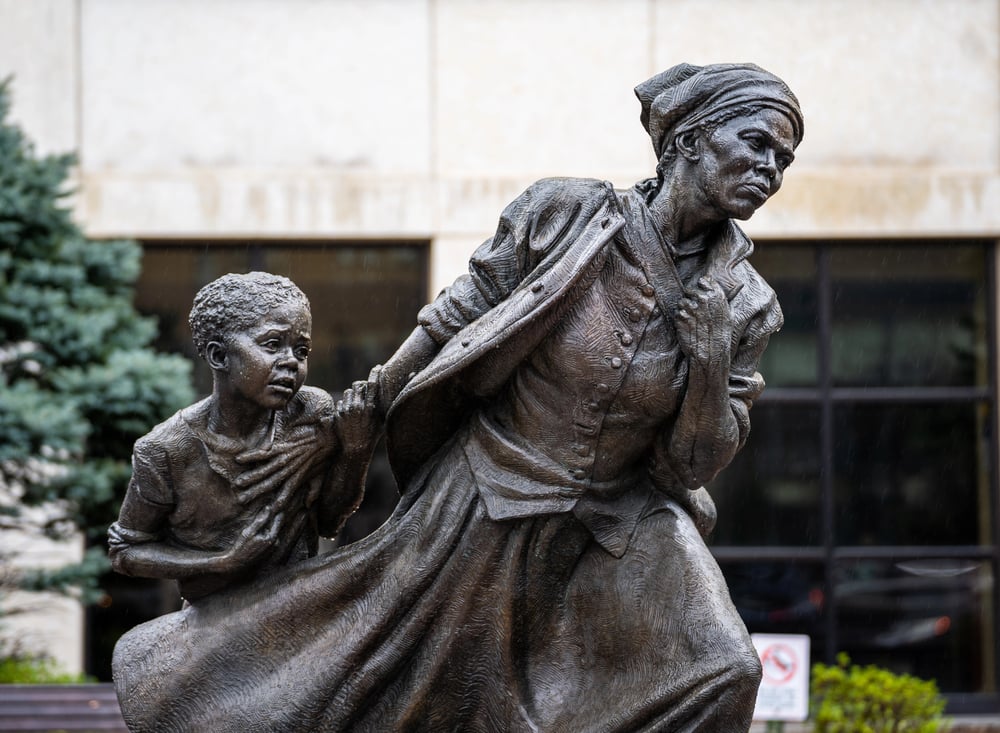
Harriet Tubman escaped from enslavement and then risked her life over and over to free others. She made about 13 trips back to the South through the Underground Railroad, guiding roughly 70 people to freedom.
Later, she became a spy for the Union Army during the Civil War and led a raid that freed more than 700 enslaved people in one night. Her bravery wasn’t just about surviving but about making sure others could survive too.
Amelia Earhart

Amelia Earhart didn’t just fly planes; she shattered expectations about what women could do in the sky. She became the first woman to fly solo across the Atlantic Ocean in 1932, a trip that took about 15 hours and covered nearly 2,000 miles.
Before her mysterious disappearance in 1937, she set multiple aviation records and inspired countless women to pursue careers in fields dominated by men. Her legacy reminds people that taking risks can change the world, even if the journey doesn’t always end the way anyone planned.
Rosa Parks
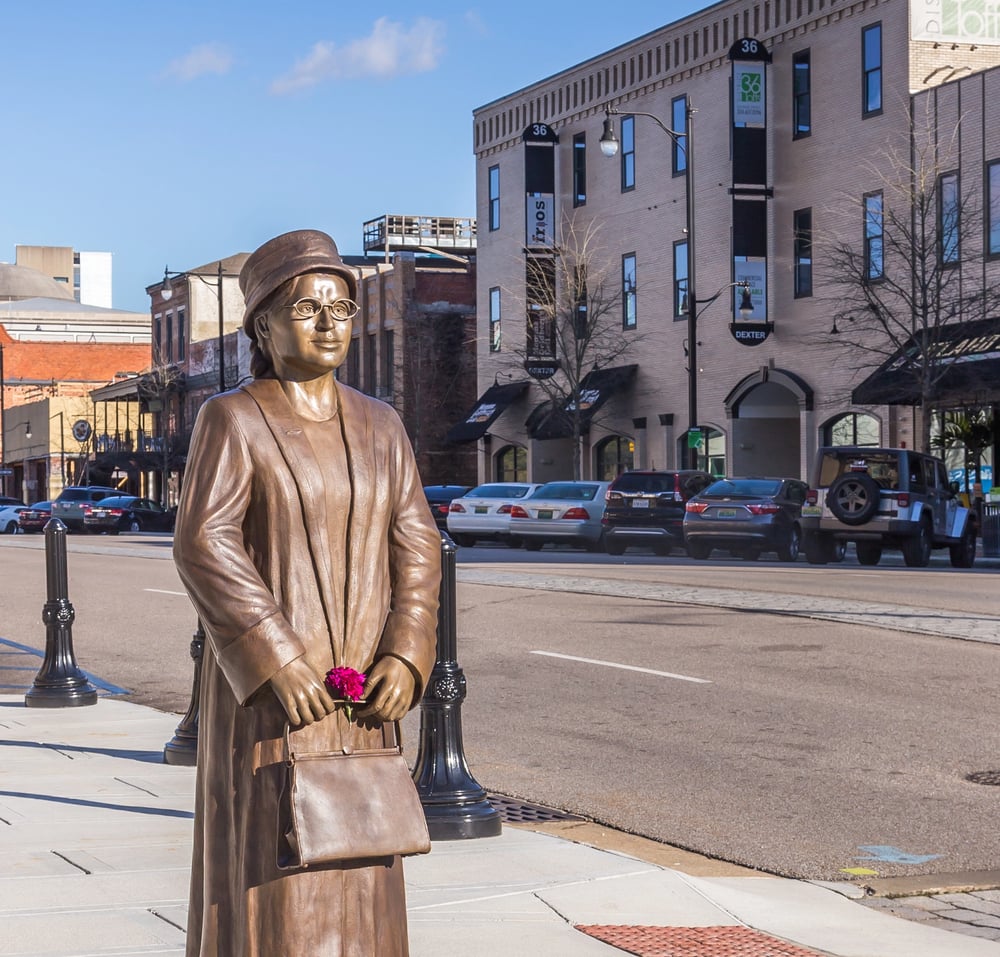
Rosa Parks refused to give up her seat on a Montgomery bus in 1955, and that single act of defiance sparked a movement. Her arrest led to the Montgomery Bus Boycott, which lasted 381 days and eventually changed segregation laws across the South.
She wasn’t just tired from a long day at work; she was tired of being treated as less than human. Her quiet strength became a symbol of resistance that inspired millions to stand up for their rights.
Malala Yousafzai
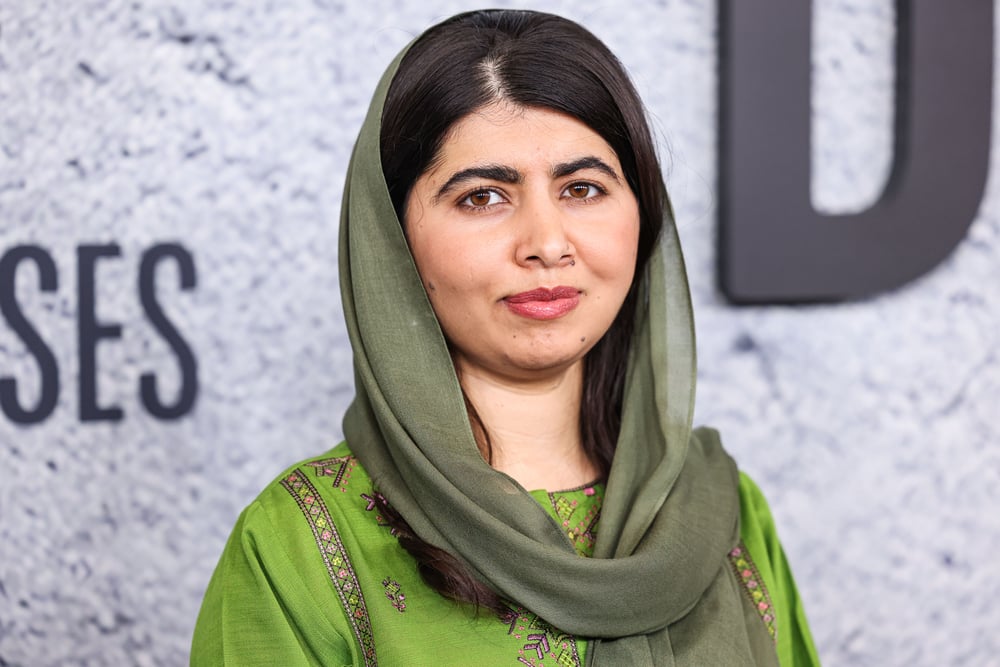
Malala Yousafzai was just 15 when she survived being shot by the Taliban for advocating for girls’ education in Pakistan. Instead of backing down, she became even louder about the right for every child to learn.
She went on to become the youngest Nobel Peace Prize winner at age 17 and continues to fight for education worldwide through her foundation. Her story shows that age doesn’t determine courage, and one voice can start a global conversation.
Florence Nightingale
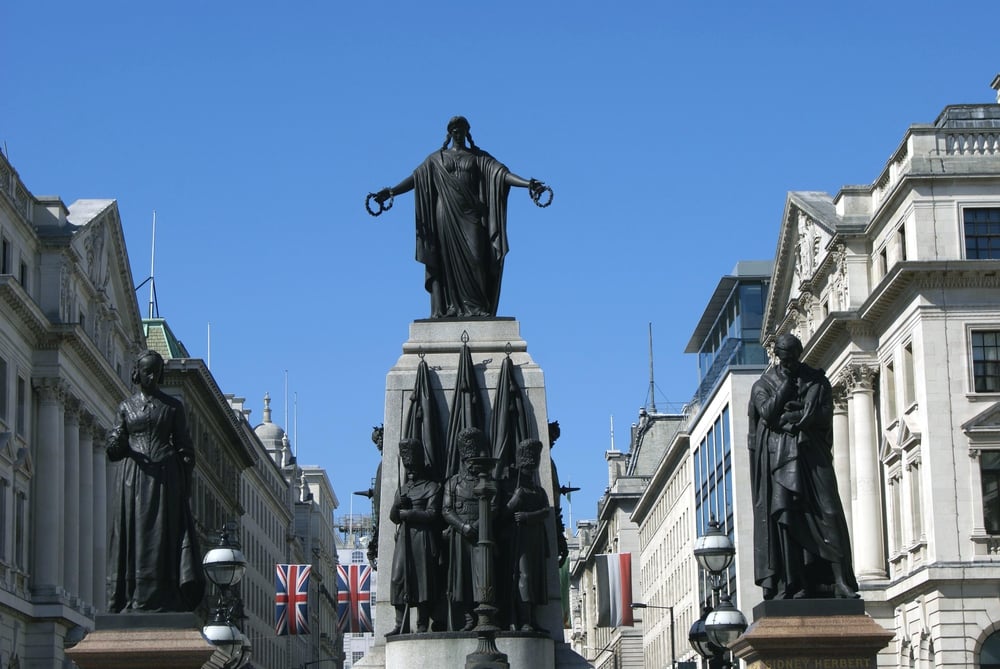
Florence Nightingale turned nursing into a respected profession when most people saw it as menial work. During the Crimean War, she improved hospital conditions so dramatically that death rates dropped from 42% to just 2%.
She used statistics and data to prove her methods worked, becoming a pioneer in medical record-keeping. Her lamp became a symbol of care, but her real gift was showing that good healthcare requires both compassion and science.
Frida Kahlo
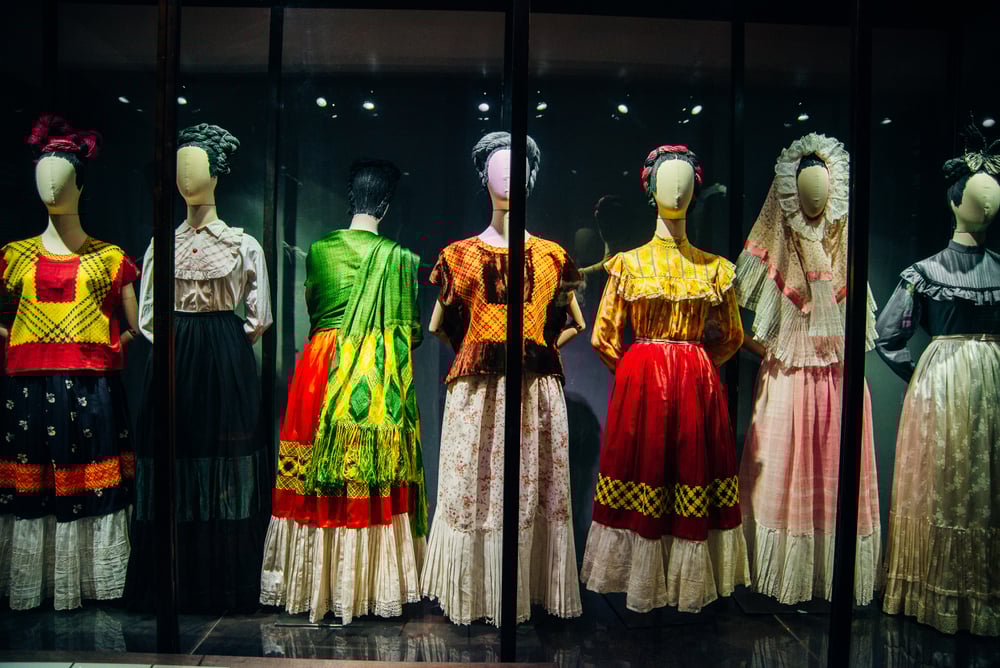
Frida Kahlo turned her pain into art that still resonates with people around the world. After a bus accident left her with lifelong injuries, she started painting self-portraits that explored identity, suffering, and resilience.
She didn’t hide her Mexican heritage or her physical struggles; instead, she put them front and center in her work. Her bold colors and unflinching honesty made her one of the most influential artists of the 20th century, proving that vulnerability can be a form of strength.
Helen Keller

Helen Keller lost her sight and hearing before she turned two, but she refused to let that define her limits. With the help of her teacher Anne Sullivan, she learned to communicate and went on to graduate from college, write books, and become an activist.
She fought for the rights of people with disabilities and spoke out on issues like workers’ rights and women’s suffrage. Her life proved that barriers are often made by society, not by the people facing them.
Susan B. Anthony

Susan B. Anthony dedicated her life to fighting for women’s right to vote in the United States. She traveled thousands of miles giving speeches, organizing campaigns, and facing ridicule from people who thought women belonged at home.
In 1872, she voted illegally and got arrested, using her trial to draw attention to the cause. She didn’t live to see the 19th Amendment pass in 1920, but her work laid the foundation for that victory.
Jane Goodall

Jane Goodall went to Tanzania in 1960 with no formal training and changed how the world understands chimpanzees. She discovered that chimps use tools, have complex social structures, and experience emotions similar to humans.
Her patient, respectful approach to studying animals challenged the scientific community’s methods at the time. Decades later, she’s still working to protect wildlife and teach people about conservation, showing that one person’s passion can shift entire fields of study.
Cleopatra

Cleopatra ruled Egypt during one of its most challenging periods and held her own against the Roman Empire. She spoke multiple languages, formed strategic alliances, and worked to keep Egypt independent and prosperous.
History often reduces her to her relationships with Julius Caesar and Mark Antony, but she was a skilled diplomat and leader first. Her reign showed that intelligence and political skill mattered more than brute force.
Sacagawea
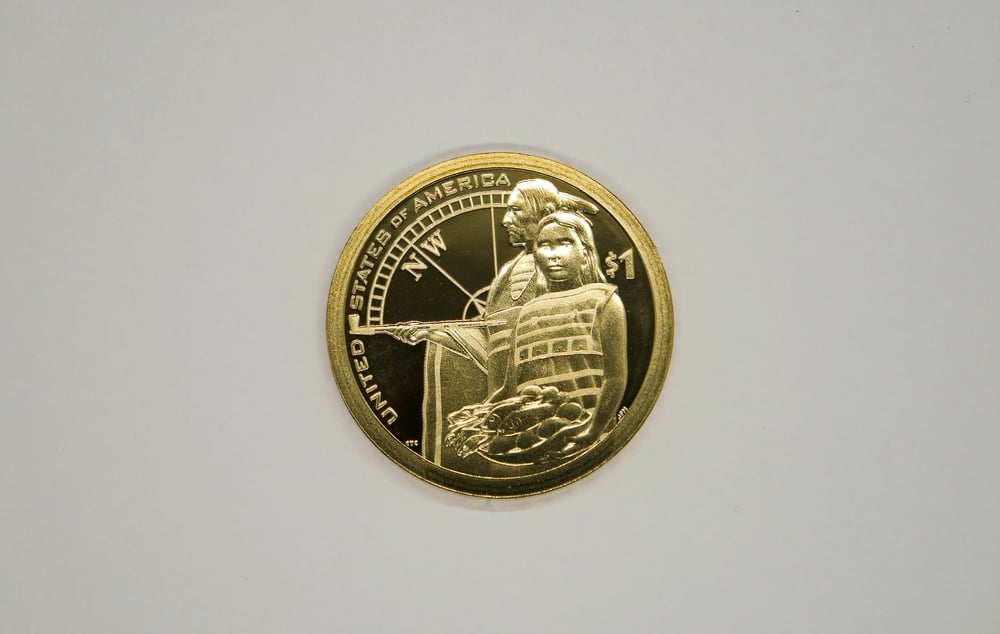
Through wild lands unknown, Sacagawea walked beside Lewis and Clark, baby strapped tight behind her. From 1804 until 1806, she spoke for them, found safe paths, and settled tensions when needed.
Tribes saw her with children and understood – this band carried no weapons of conquest. Had she not known where water lay or how to talk across tongues, the journey could have ended in silence.
Her quiet strength kept footsteps moving where others would’ve turned back.
Ada Lovelace
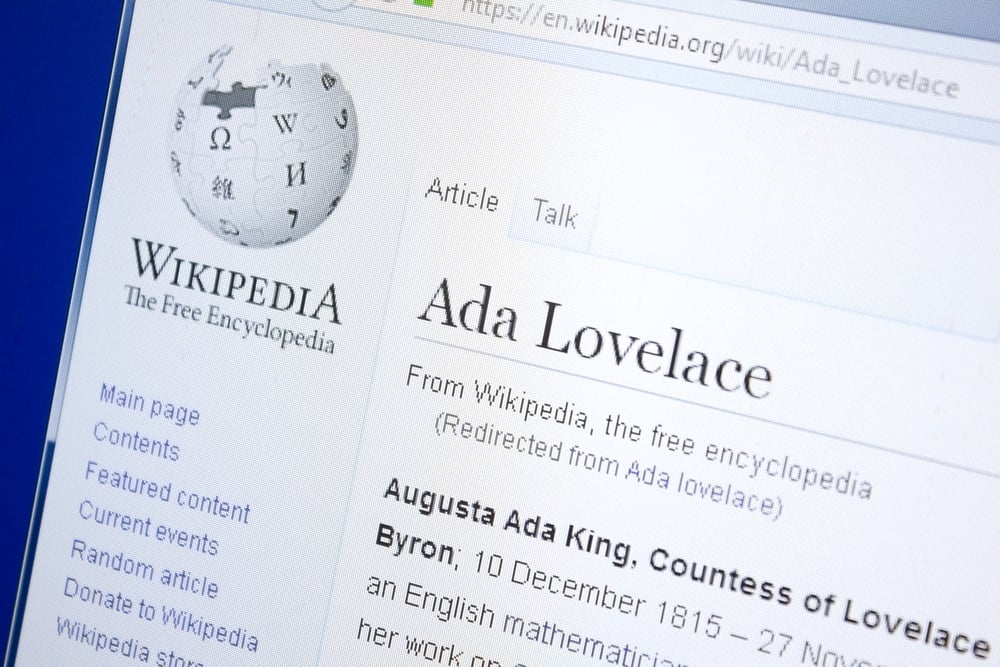
Back in the 1840s, Ada Lovelace put together an algorithm meant for a machine that had yet to be built. While working with Charles Babbage’s Analytical Engine, she noticed possibilities he hadn’t spotted – like using it beyond mere number crunching.
Buried within her writings sits what experts now call the first computer program, sealing her status as computing’s original coder. Instead of seeing only math, she pictured machines crafting patterns, generating new forms.
That kind of thinking stood out sharply against the norms of her era.
Sojourner Truth
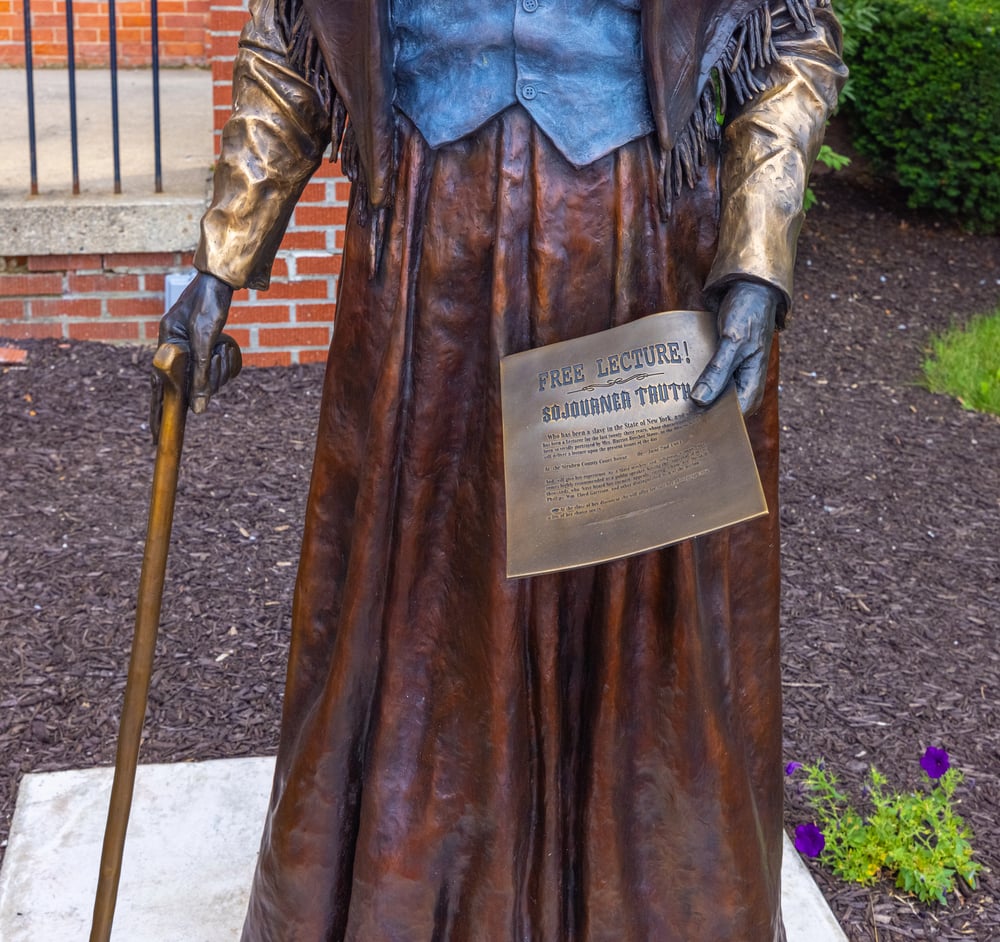
Running away in 1826, Sojourner Truth broke free from slavery, then rose as a fierce force in fighting for freedom and fairness. Because she spoke boldly, her ‘Ain’t I a Woman?’ address shook beliefs about female fragility.
Though letters and books meant nothing to her hands, crowds leaned in when she talked, hearing truth they’d carry forward. Even now, people repeat what she said, long after silence took her voice.
What mattered wasn’t schooling – it was fire inside, plus nerve enough to stand and say something real.
Eleanor Roosevelt
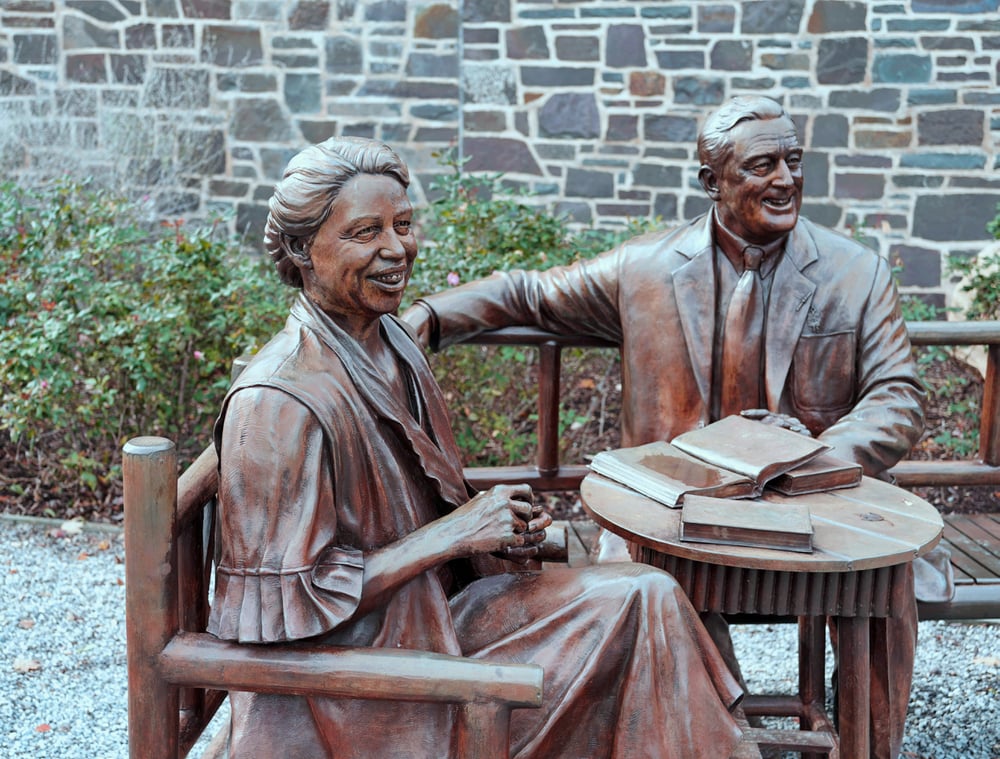
Starting not from power but purpose, Eleanor Roosevelt reshaped the idea of being First Lady. Instead of staying quiet, she used her position to speak up – holding press meetings, sharing thoughts in a regular newspaper piece, tackling issues like unfair treatment and hardship along the way.
Once her husband passed away, off she went to the United Nations as a representative, shaping words that formed part of the Universal Declaration of Human Rights. Influence can grow without titles; often it grows when someone takes their moment, uses their voice, nudges things toward fairness.
Katherine Johnson

Into space went astronauts, their routes charted by Katherine Johnson. When John Glenn circled Earth in 1962, NASA leaned on her calculations heavily.
Though segregation shaped her workspace, she worked past limits others set. Moon landings became possible because of effort poured into equations by hand.
With only paper, a pencil, and sharp number sense, she made history quietly. Numbers obeyed her, even when institutions resisted.
Women Leading

Forward motion never waited on approval, yet they advanced without permission. Mocked, threatened, left out – still movement followed their steps.
Not merely personal victories, each act became a trail for others to follow. Change arrives when boundaries are ignored, proven true by their relentless presence.
What seemed impossible shifted because they simply did not stop.
More from Go2Tutors!

- The Romanov Crown Jewels and Their Tragic Fate
- 13 Historical Mysteries That Science Still Can’t Solve
- Famous Hoaxes That Fooled the World for Years
- 15 Child Stars with Tragic Adult Lives
- 16 Famous Jewelry Pieces in History
Like Go2Tutors’s content? Follow us on MSN.



