15 Buildings With Secret Purposes You Didn’t Know
Some of the world’s most famous buildings hide fascinating secrets beneath their public facades. While millions of people walk past these structures daily, few realize the hidden purposes that shaped their construction or the clandestine activities that once took place within their walls.
From government bunkers disguised as ordinary office buildings to religious sites with underground tunnels, architecture often serves dual purposes that remain hidden from public view. Here’s a list of 15 buildings with secret purposes that might surprise you.
Mount Weather Emergency Operations Center
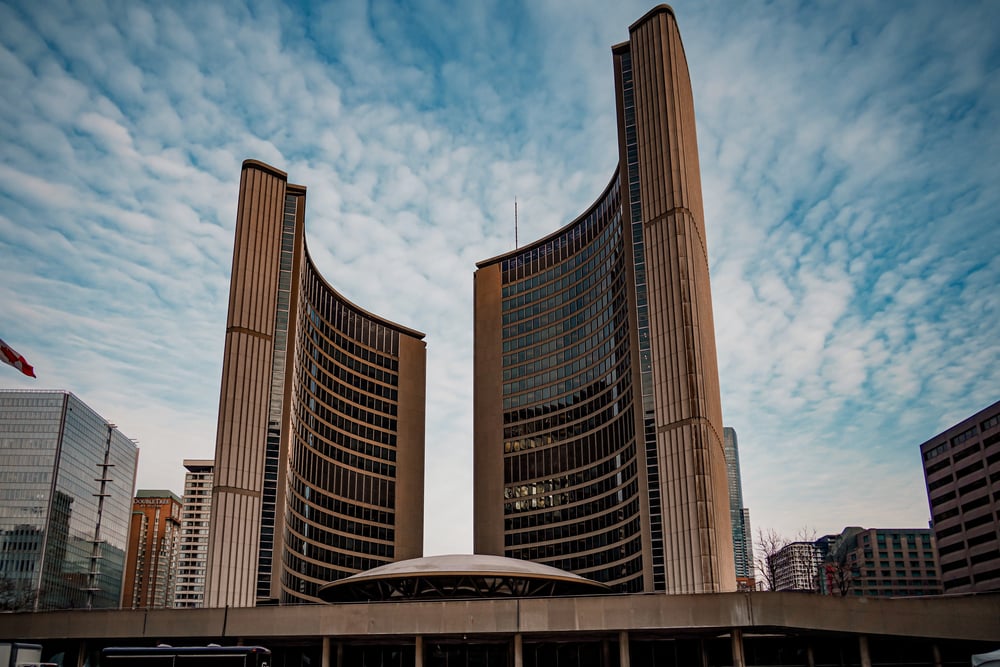
This unassuming facility in Virginia’s Blue Ridge Mountains looks like any standard government office complex — yet it serves as one of America’s most critical continuity of government sites. The center houses a massive underground bunker designed to shelter key federal officials during national emergencies.
Built during the Cold War, the facility includes its own power plant, water treatment system, and communication networks that could keep the government running even during catastrophic events.
33 Thomas Street
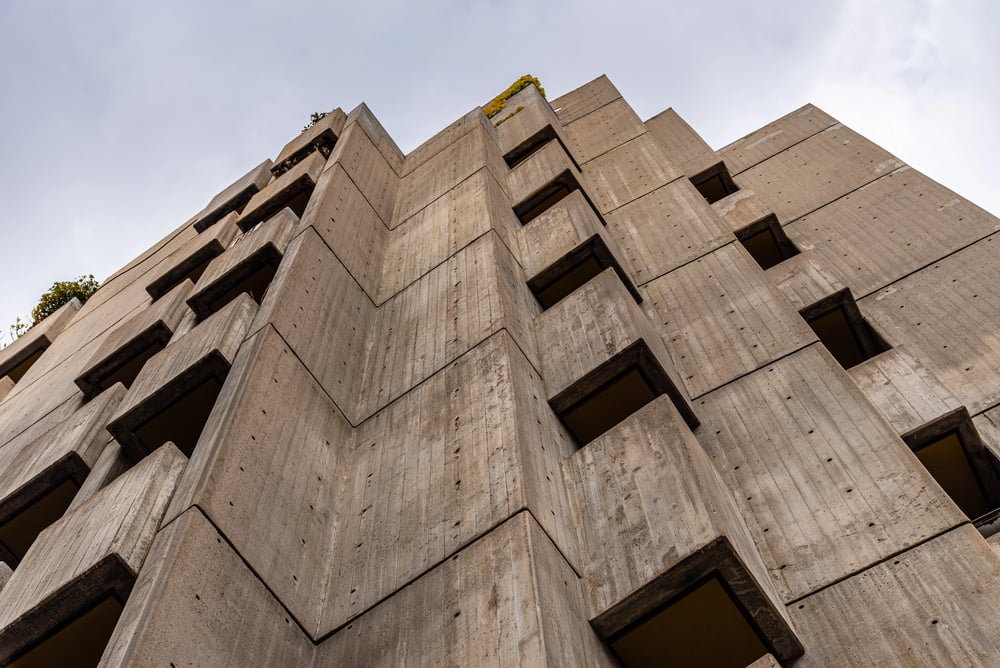
Standing tall in Manhattan’s Tribeca neighborhood, this windowless concrete tower appears to be just another piece of brutalist architecture. However, the building actually serves as a major telecommunications hub for AT&T — housing critical infrastructure for phone and internet communications across the region.
Its fortress-like design wasn’t merely an aesthetic choice but a practical one, protecting sensitive equipment from both natural disasters and potential attacks.
The Pentagon
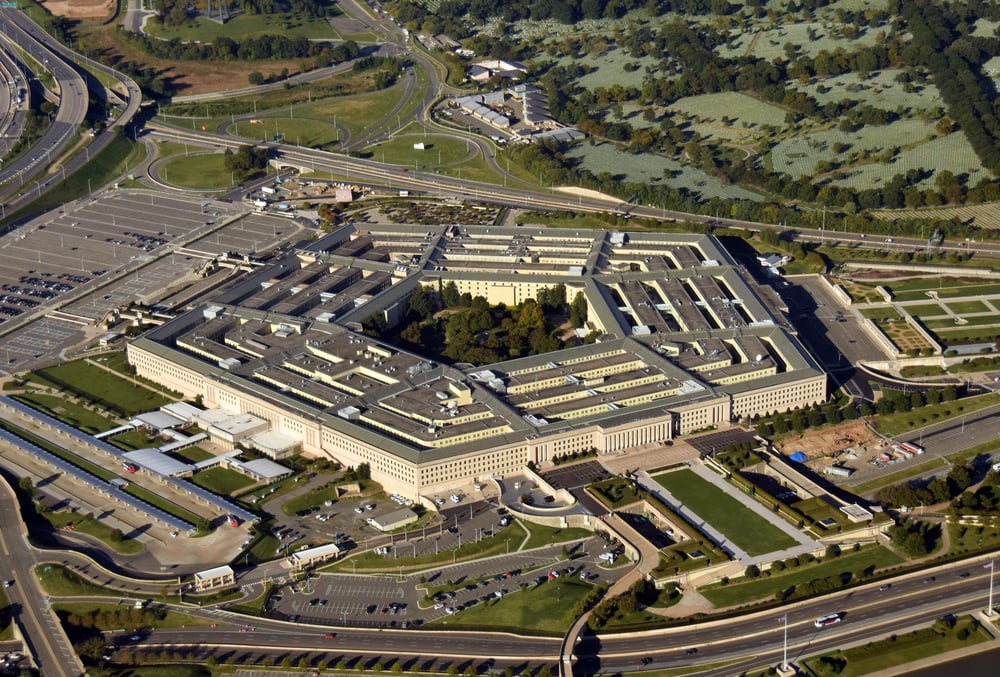
Everyone knows this Virginia building houses the Department of Defense, though few realize it contains a secret metro station called Pentagon City. This underground facility was constructed during World War II to provide secure transportation for high-ranking military officials.
The station connects to a network of tunnels that extend far beyond the building’s visible footprint — allowing for discreet movement of personnel during sensitive operations.
Hagia Sophia
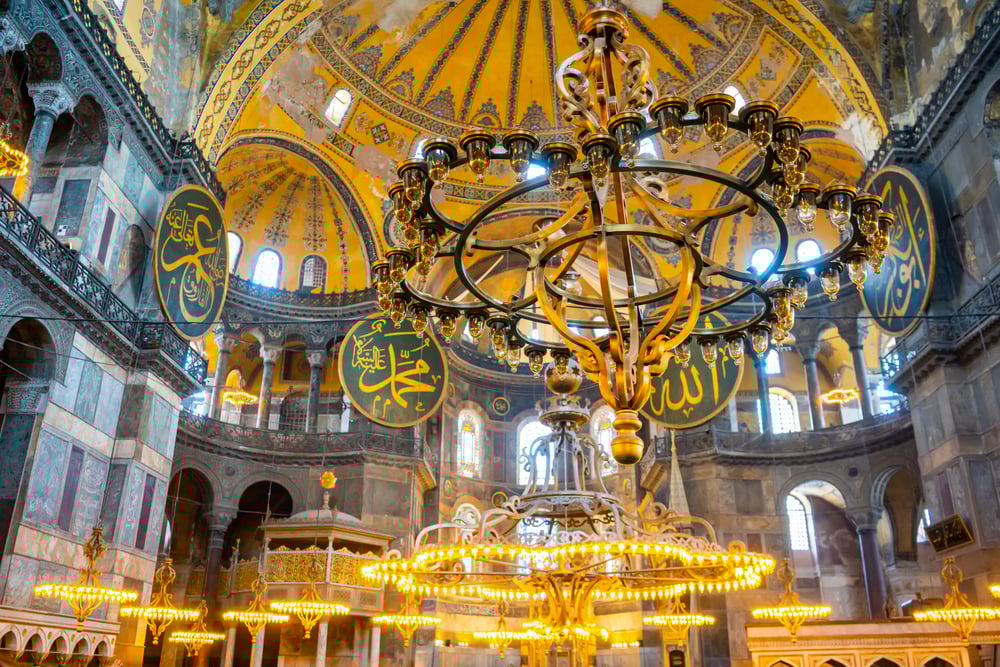
This iconic Istanbul landmark has served as both a church and mosque throughout its history, but it also contains hidden chambers that most visitors never see. Byzantine architects built secret passages and rooms within the structure’s massive walls — some of which were used to store religious artifacts during times of political upheaval.
Archaeological surveys have revealed that portions of these hidden spaces remain unexplored to this day.
Denver International Airport
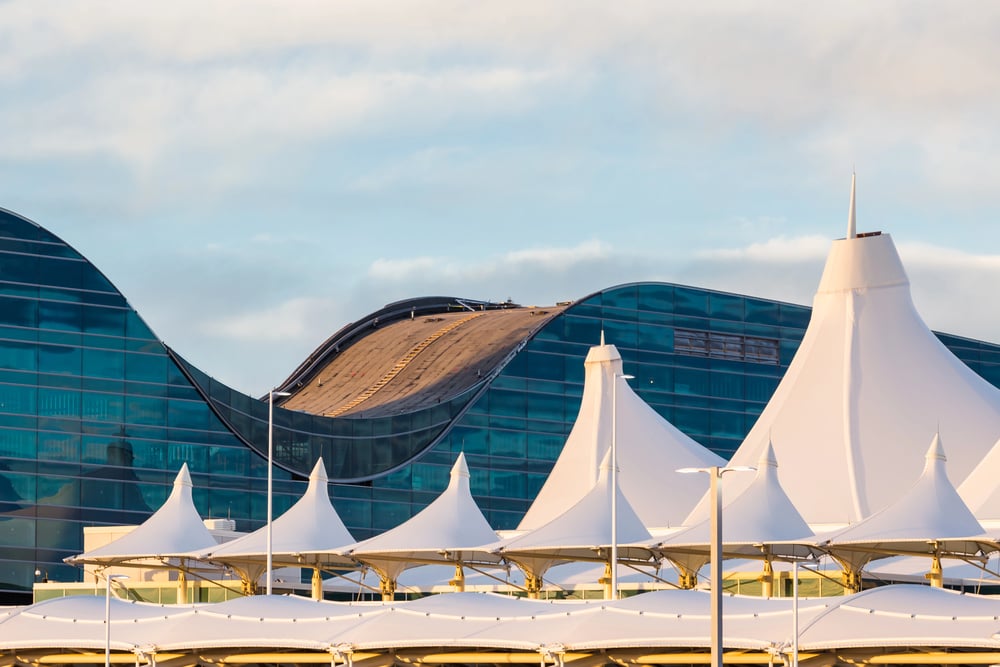
The airport’s distinctive tent-like roof covers more than just terminals and baggage claim areas. Conspiracy theories aside, the facility does include extensive underground areas that serve practical purposes like baggage handling and utilities.
However, some sections of the underground network were designed with security considerations in mind — creating spaces that could theoretically serve emergency functions if needed.
The Federal Reserve Bank of New York

This Lower Manhattan building’s street-level appearance gives little indication of what lies beneath. Five stories underground sits one of the world’s largest gold repositories — containing more precious metal than Fort Knox.
The vault system includes a sophisticated security network and blast-resistant construction that transforms the basement into an impregnable fortress for international gold reserves.
The Greenbrier Resort
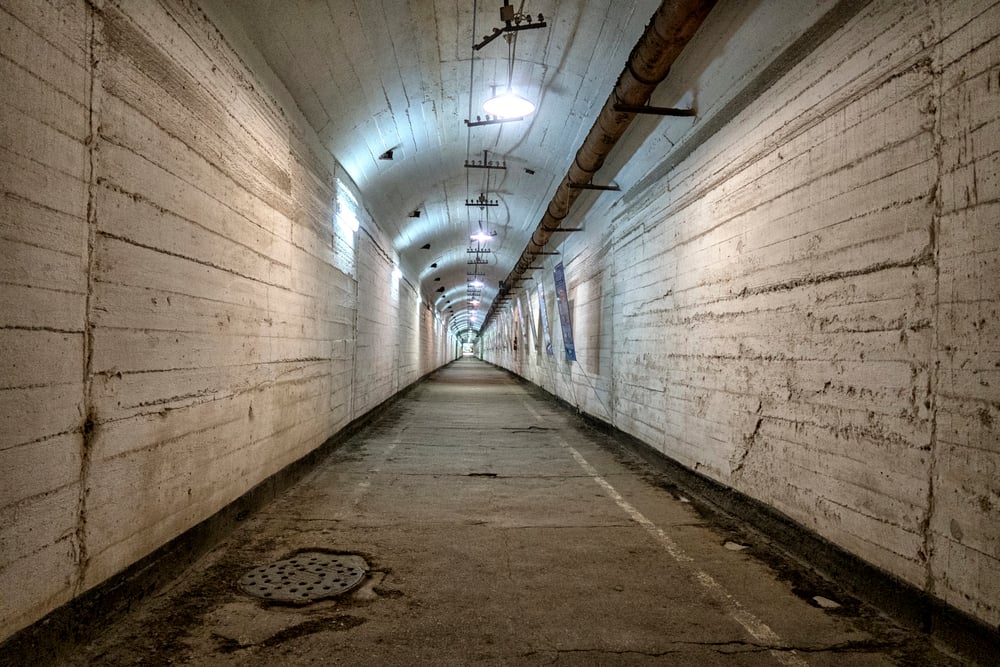
This elegant West Virginia resort has hosted presidents and celebrities for decades, though it harbored one of the Cold War’s most significant secrets. Beneath the hotel sits a massive bunker built to house the entire U.S. Congress during nuclear emergencies.
The facility included its own power systems, communication networks, and living quarters — all disguised as conference facilities and storage areas for the resort above.
Cheyenne Mountain Complex
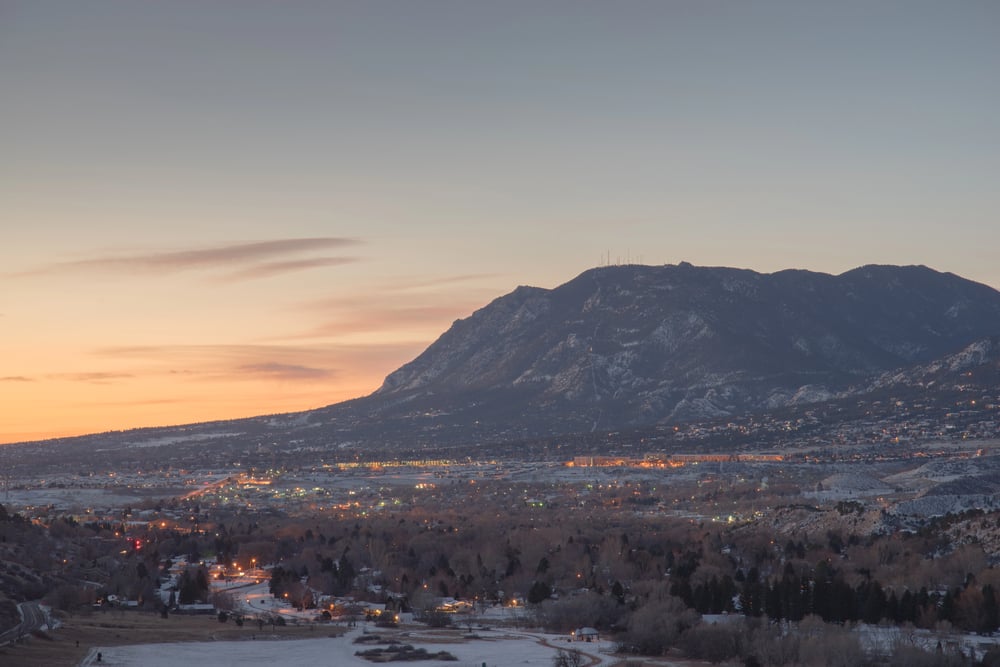
While this Colorado facility is known for housing NORAD, its true capabilities extend far beyond air defense monitoring. The complex sits inside a hollowed-out mountain — with buildings mounted on giant springs to absorb nuclear blasts.
Multiple blast doors weighing 25 tons each protect various sections, creating what amounts to an underground city capable of sustaining operations during extended crises.
The Willard Hotel

This historic Washington D.C. hotel has welcomed presidents and dignitaries for over 150 years, yet it also played a crucial role in American intelligence operations. During both world wars, the hotel served as an informal headquarters for intelligence gathering and diplomatic negotiations.
Secret meetings in its private rooms and hidden passages helped shape major policy decisions — decisions that affected the course of history.
The Mormon Temple in Salt Lake City
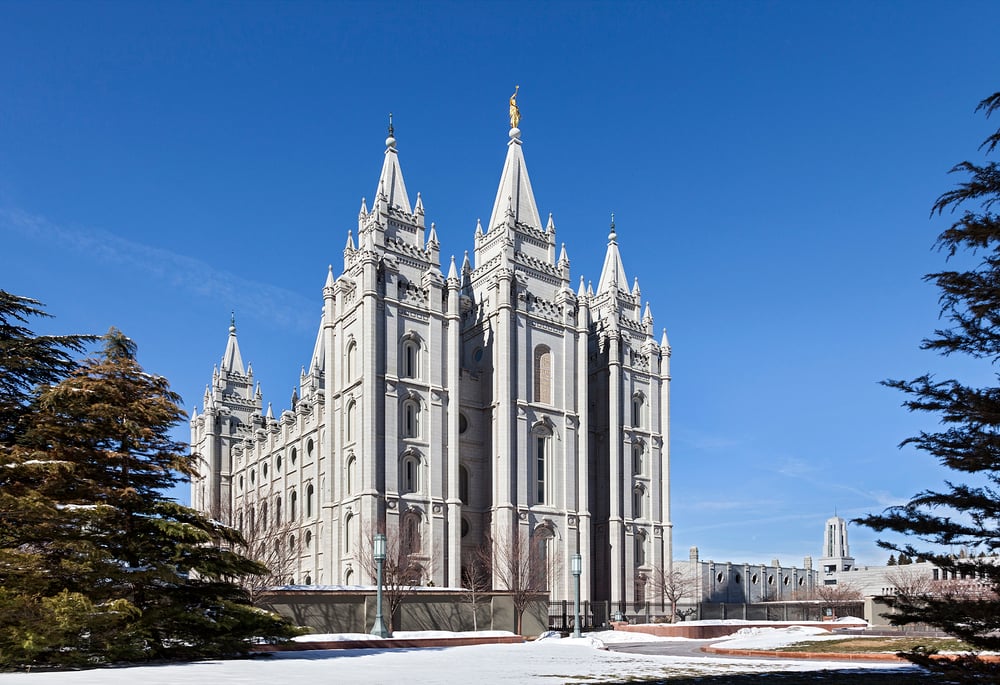
Beyond its obvious religious functions, this temple incorporates architectural features designed for protection and secrecy. The building includes hidden rooms and passages that were originally intended to provide sanctuary during periods of persecution — features that go far beyond typical religious architecture of the era.
Its granite construction and strategic design elements reflect concerns about security that extended well past spiritual considerations.
One World Trade Center

The new tower built at Ground Zero incorporates security features that fundamentally changed how skyscrapers are designed. Its base contains a fortified concrete core surrounded by blast-resistant materials, essentially creating a bunker within the first 200 feet of the building.
These features aren’t visible to casual observers yet represent some of the most advanced protective architecture ever implemented in a commercial structure.
The Shard in London

This glass pyramid towering over London serves as office and retail space, but its upper floors house some unusual tenants. Several levels are designated for government and intelligence operations, taking advantage of the building’s height and communication capabilities.
The structure’s design allows for sophisticated surveillance and communication equipment that would be impossible to install in older buildings.
Seattle’s Underground City
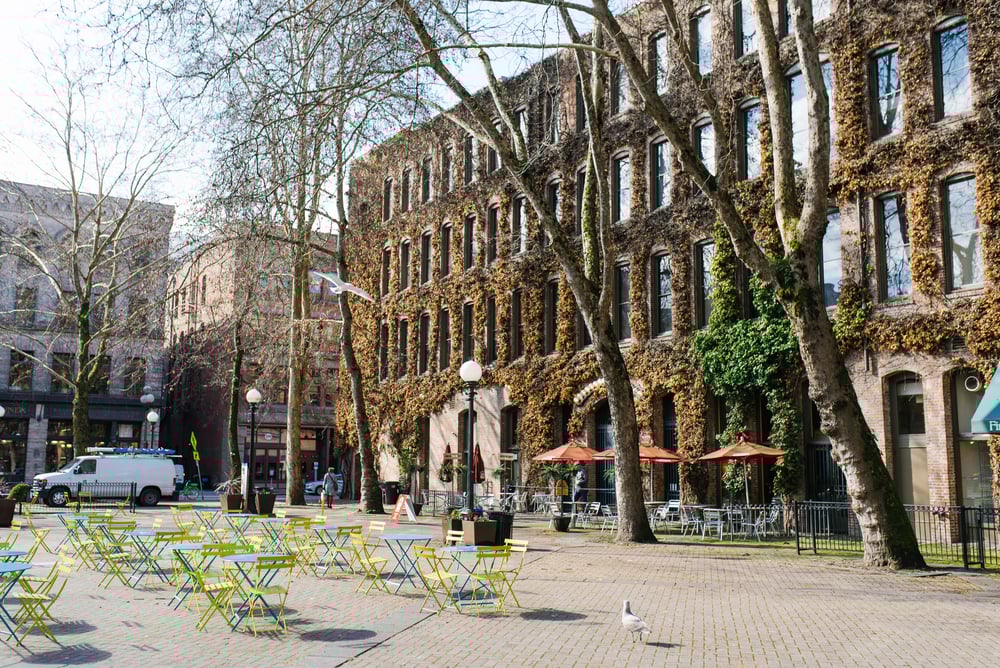
What appears to be ordinary street-level construction in Pioneer Square actually sits atop an entire buried city. When Seattle raised its street level in the early 1900s, the original ground floors of many buildings became basements.
Some of these spaces were later repurposed for activities that needed to stay out of public view, creating a hidden network beneath the modern city.
The Library of Congress
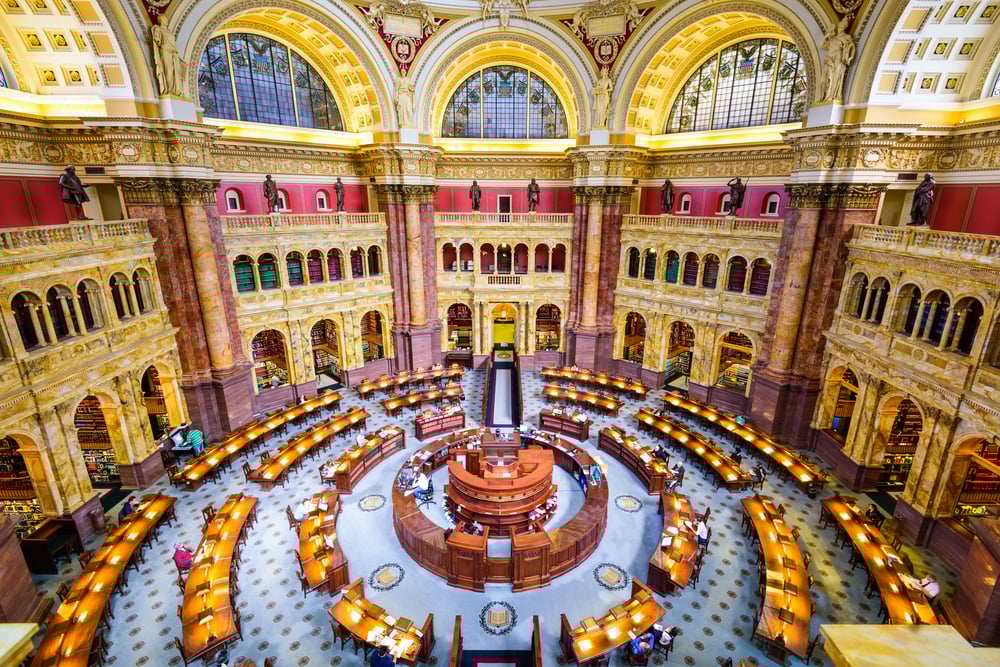
While famous for its vast book collection, this Washington D.C. institution also serves as a secure repository for government documents and classified materials. Special climate-controlled vaults within the building house sensitive historical records and contemporary materials that require protection from both environmental damage and unauthorized access.
These secure areas operate under protocols more commonly associated with military installations than public libraries.
The Bank of England
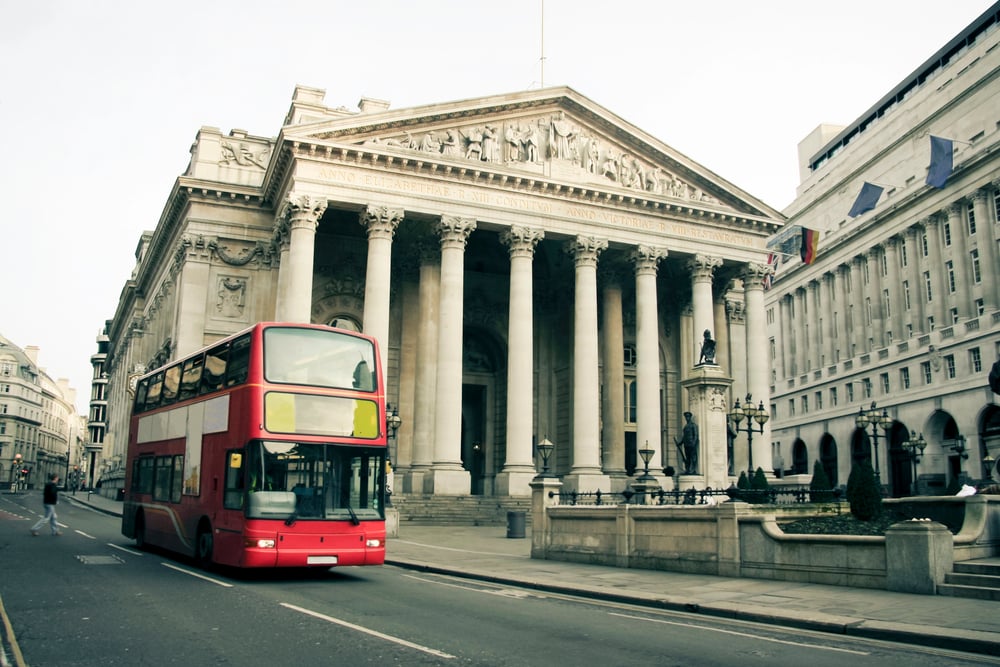
This London institution’s public face masks one of the world’s most sophisticated security operations. Beneath the building lies a network of vaults and tunnels that extends far beyond what’s needed for normal banking operations.
The facility includes areas designed to function as command centers during national emergencies, complete with independent power and communication systems.
Hidden in Plain Sight

These buildings remind us that architecture often serves purposes beyond what meets the eye. The next time you walk past an unremarkable office building or visit a famous landmark, consider what secrets might lie behind those walls.
The most effective hiding places are often those that blend seamlessly into our everyday landscape, protecting their mysteries while we go about our daily lives.
More from Go2Tutors!

- The Romanov Crown Jewels and Their Tragic Fate
- 13 Historical Mysteries That Science Still Can’t Solve
- Famous Hoaxes That Fooled the World for Years
- 15 Child Stars with Tragic Adult Lives
- 16 Famous Jewelry Pieces in History
Like Go2Tutors’s content? Follow us on MSN.



