16 Common Items Once Considered Evil
Throughout history, people have harbored some pretty wild ideas about what constitutes dangerous or immoral behavior. Looking back, it’s almost comical how many everyday items we use without a second thought were once considered threats to society, morality, or even human souls. From kitchen essentials to entertainment devices, these objects sparked genuine fear among authorities, religious leaders, and concerned citizens of their time.
What’s fascinating is how these moral panics often reflected deeper anxieties about social change, technology, or shifting cultural norms. Here’s a list of 16 common items that were once deemed evil, dangerous, or morally corrupt.
Coffee

Coffee faced serious opposition when it first arrived in Europe during the 16th century. Religious authorities called it ‘Satan’s drink’ — worried that coffeehouses would become centers of political rebellion and idle gossip.
The Ottoman Empire banned coffee multiple times, with punishments ranging from beatings to being sewn into leather bags and thrown into the Bosphorus. Pope Clement VIII eventually blessed coffee in 1600, which helped calm the religious hysteria, though suspicion lingered for decades.
Playing Cards
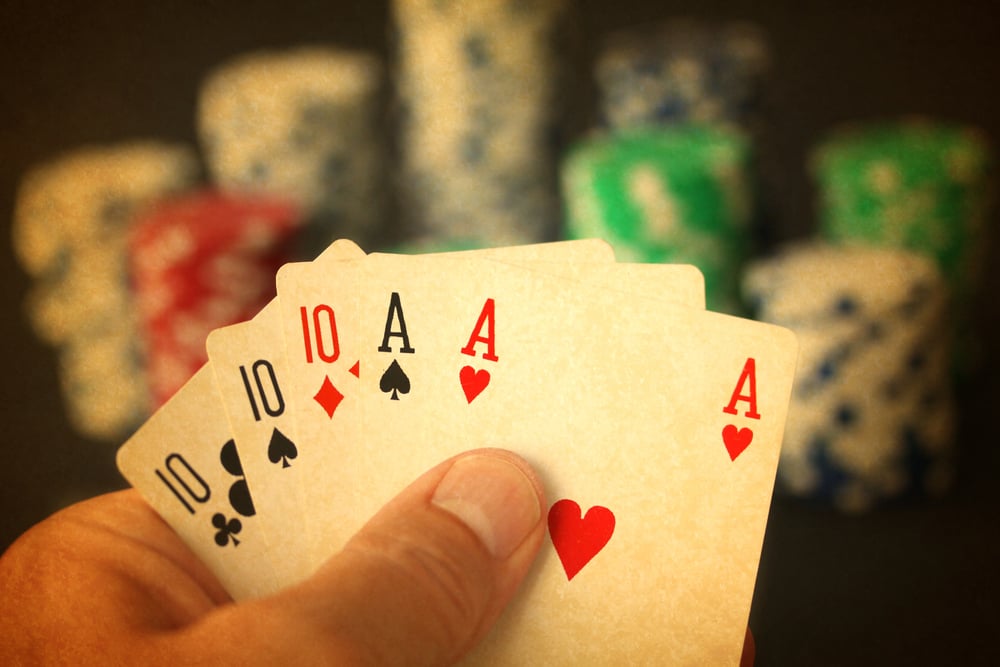
Card games were considered gateways to gambling, moral corruption, and wasted time that could be better spent in prayer or productive work. Many European countries banned playing cards outright during the medieval period — viewing them as tools of the devil that encouraged sinful behavior.
Puritan settlers in America shared this sentiment, often confiscating decks of cards found in their communities before burning them.
Like Go2Tutors’s content? Follow us on MSN.
Novels

When novels first became popular in the 18th century, critics worried they’d corrupt readers’ minds with unrealistic expectations. People genuinely believed that reading fiction, especially romance novels, could cause mental illness — particularly in young women.
Doctors warned that novel-reading led to everything from hysteria to dangerous daydreaming that would make readers unfit for real life.
Chess

This strategic board game was banned by various religious authorities who saw it as a form of gambling that wasted time. The Catholic Church initially opposed chess because it involved images of kings and warfare — which they felt promoted violence and challenged divine authority.
Islamic scholars also debated chess for centuries, with some declaring it forbidden while others argued it was acceptable if played without gambling.
Umbrellas

Men carrying umbrellas in 18th-century England faced ridicule because umbrellas were considered feminine accessories. Society viewed umbrella-carrying men as effeminate and morally weak — leading to public harassment and social ostracism.
The prejudice was so strong that it took decades for umbrellas to become acceptable for men, despite their obvious practical benefits.
Like Go2Tutors’s content? Follow us on MSN.
Ice Cream

Some religious communities viewed ice cream as unnatural indulgences that went against God’s plan for seasonal eating. They argued that consuming cold foods in winter or preserving summer flavors year-round was an attempt to circumvent divine will.
Medical professionals also warned that ice cream could cause digestive problems — though these concerns were largely unfounded.
Forks

When forks were introduced to Europe from Byzantium in the 11th century, the church declared them blasphemous tools. Religious leaders argued that using forks was prideful — showing a lack of humility before divine creation since human hands weren’t adequate for eating.
It took several centuries for forks to overcome this religious opposition and become standard dining utensils.
Tomatoes

Europeans initially feared tomatoes because wealthy people who ate them often got sick and died. The real culprit was lead poisoning from pewter plates, which reacted with the tomatoes’ acidity — but people didn’t understand this connection at the time.
Tomatoes were also associated with witchcraft and considered aphrodisiacs, making them morally suspect in conservative communities.
Like Go2Tutors’s content? Follow us on MSN.
Left-Handedness

Left-handed people were often forced to use their right hands because left-handedness was associated with evil and witchcraft. The very word ‘sinister’ comes from the Latin word for ‘left’ — reflecting deep-seated cultural prejudices against left-handed individuals.
Schools routinely punished children for writing with their left hands, believing they could train out this ‘defect’ through discipline.
Waltzing

This popular dance caused moral outrage when it first appeared because partners held each other closely. Religious leaders condemned waltzing as indecent — warning that it would lead to improper relationships between unmarried couples.
The dance was banned at many social events and considered a threat to public morality for decades.
Potatoes

When potatoes arrived in Europe from the Americas, many people believed they were evil because they weren’t mentioned in the Bible. Protestants particularly distrusted potatoes since they associated them with Catholic countries like Spain and Italy.
Some communities banned potato cultivation entirely, fearing the crops would bring bad luck or moral corruption to their regions.
Like Go2Tutors’s content? Follow us on MSN.
Photography

Early photography faced opposition from people who believed cameras could steal souls or capture spirits in ways that violated religious principles. Some cultures viewed photography as a form of witchcraft that trapped the essence of living beings unnaturally.
Religious authorities worried that photography would lead to vanity, idolatry, and an unhealthy obsession with physical appearances rather than spiritual matters.
Buttons

Certain religious communities, particularly the Amish, viewed decorative buttons as symbols of pride and vanity that conflicted with their peaceful beliefs. They associated buttons with worldly fashion displays that went against principles of humility.
Many plain-dressing communities opted for hooks, pins, or ties instead of buttons to avoid these moral complications entirely.
Jigsaw Puzzles
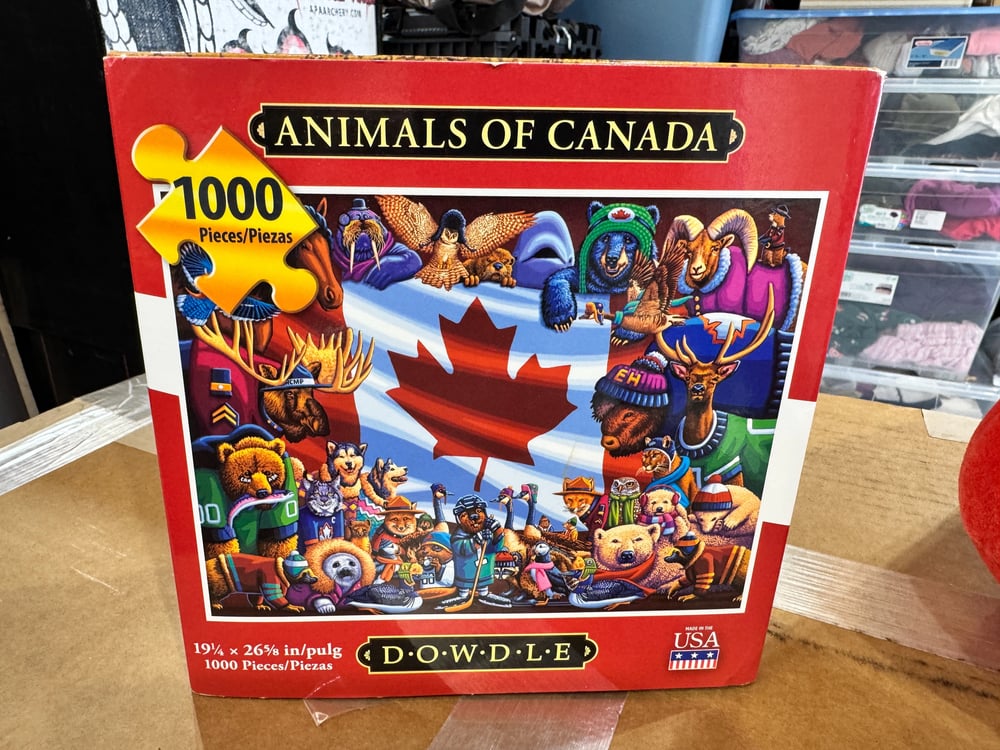
These innocent-seeming games faced criticism for promoting obsessive behavior. Some communities viewed jigsaw puzzles as potentially addictive pastimes that could lead to neglect of family duties.
Educational authorities also worried that puzzles might overstimulate children’s minds or encourage solitary behavior instead of healthy social interaction.
Like Go2Tutors’s content? Follow us on MSN.
Mirrors

Various cultures throughout history have associated mirrors with vanity, dark magic, and supernatural dangers. Some religious traditions viewed excessive mirror use as prideful behavior that encouraged self-obsession rather than focus on spiritual matters.
Superstitions about broken mirrors bringing bad luck reflected deeper anxieties about these reflective objects and their mysterious properties.
Tea
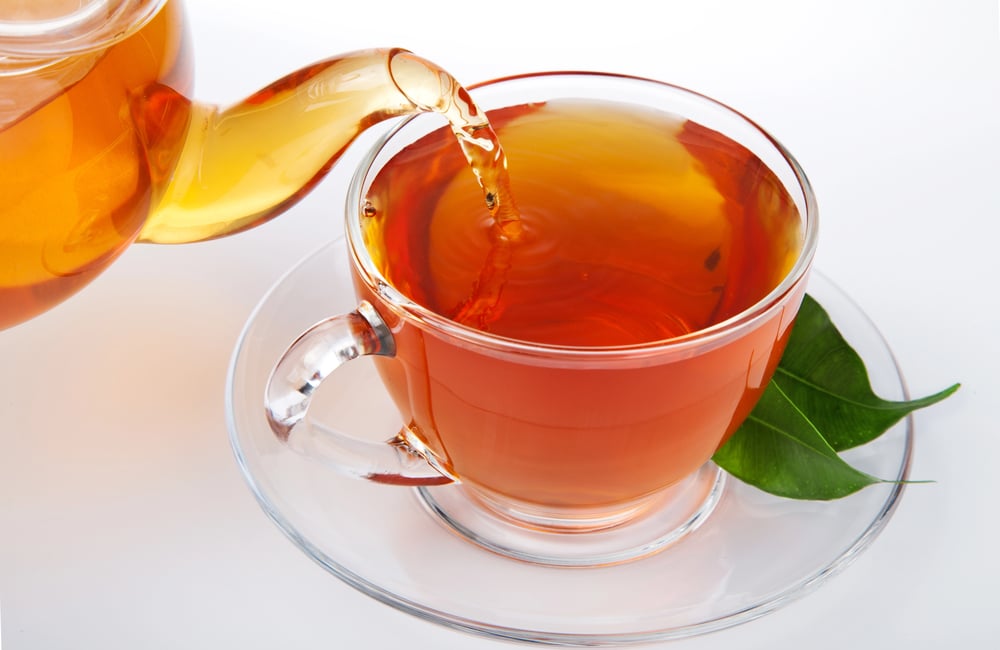
Tea faced similar opposition to coffee in various parts of the world, with authorities viewing tea houses as potential centers of political dissent. Some governments banned tea drinking because they worried about the economic drain of importing expensive leaves.
Religious leaders also expressed concerns about tea’s stimulating effects and its association with foreign, non-Christian cultures.
How Yesterday’s Evils Became Today’s Everyday

The transformation of these once-forbidden items into mundane parts of modern life reveals how dramatically social attitudes can shift over time. Most of these moral panics seem absurd now, yet they reflected genuine concerns about rapid social changes and challenges to established authority.
Understanding these historical fears helps us recognize similar patterns in contemporary debates about new technologies. What seems threatening to one generation often becomes completely normal to the next, reminding us that moral boundaries are more fluid than we might expect.
Like Go2Tutors’s content? Follow us on MSN.
More from Go2Tutors!

- 16 Historical Figures Who Were Nothing Like You Think
- 12 Things Sold in the 80s That Are Now Illegal
- 15 VHS Tapes That Could Be Worth Thousands
- 17 Historical “What Ifs” That Would Have Changed Everything
- 18 TV Shows That Vanished Without a Finale
Like Go2Tutors’s content? Follow us on MSN.



