15 Air Travel Incidents That Changed Aviation Rules Forever
Aviation safety doesn’t happen by accident. Behind every pre-flight announcement, security procedure, and emergency protocol lies a story – often a tragic one that forced authorities to implement changes. These watershed moments fundamentally altered how we fly, creating safety measures passengers now take for granted.
Here is a list of 15 pivotal air travel incidents that forever changed aviation regulations and safety protocols worldwide.
The Tenerife Disaster
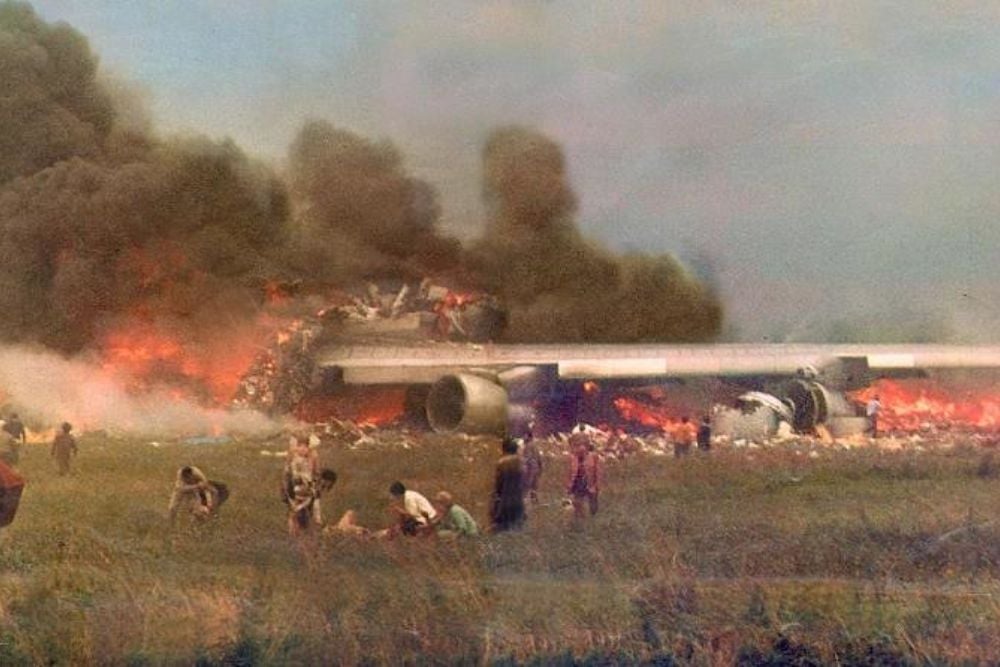
In 1977, two Boeing 747s collided on a fog-shrouded runway in Tenerife, resulting in the deadliest aviation catastrophe in history, which claimed 583 people. Extreme visibility restrictions combined with a lack of communication between pilots and air traffic controllers made for a disaster.
In addition to revamping Crew Resource Management training—which teaches flight crews how to effectively communicate and question authority when safety issues arise—this disaster spurred aviation authorities to create standardized cockpit phraseology.
TWA Flight 800
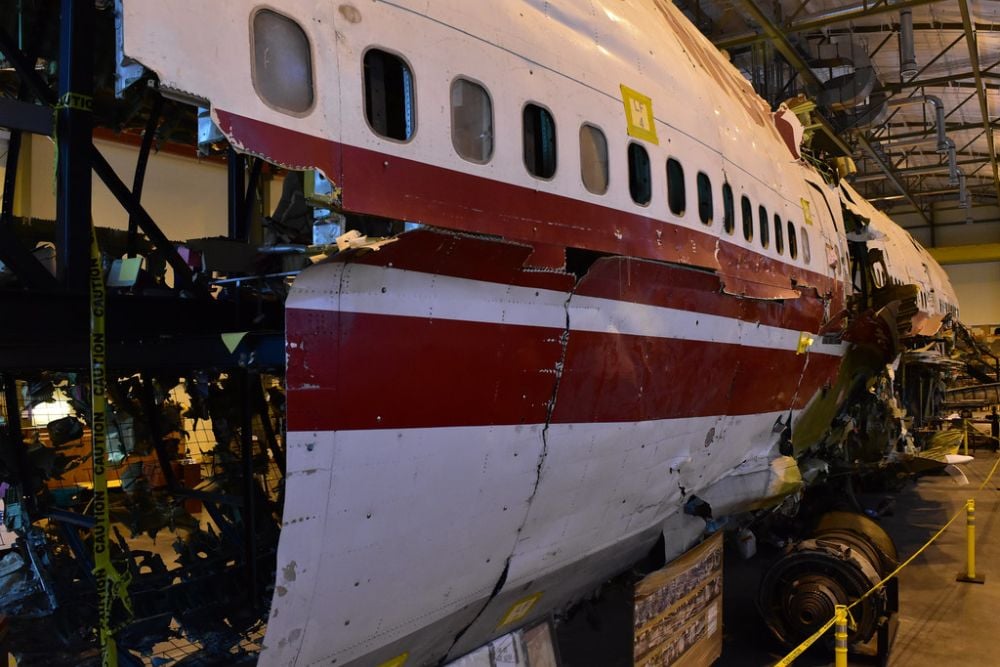
TWA Flight 800’s tragic mid-air explosion just after taking off from New York in 1996 claimed the lives of all 230 people on board and sparked one of the most thorough investigations in aviation history. Investigators ultimately pinpointed the cause to an electrical short circuit that ignited vapors in a partially filled fuel tank—a finding that sent shockwaves through the industry.
In response, the FAA implemented significant design changes to reduce the risk of fuel tank fires and rolled out strict wiring inspection protocols for commercial aircraft.
Like Go2Tutors’s content? Follow us on MSN.
Valujet Flight 592
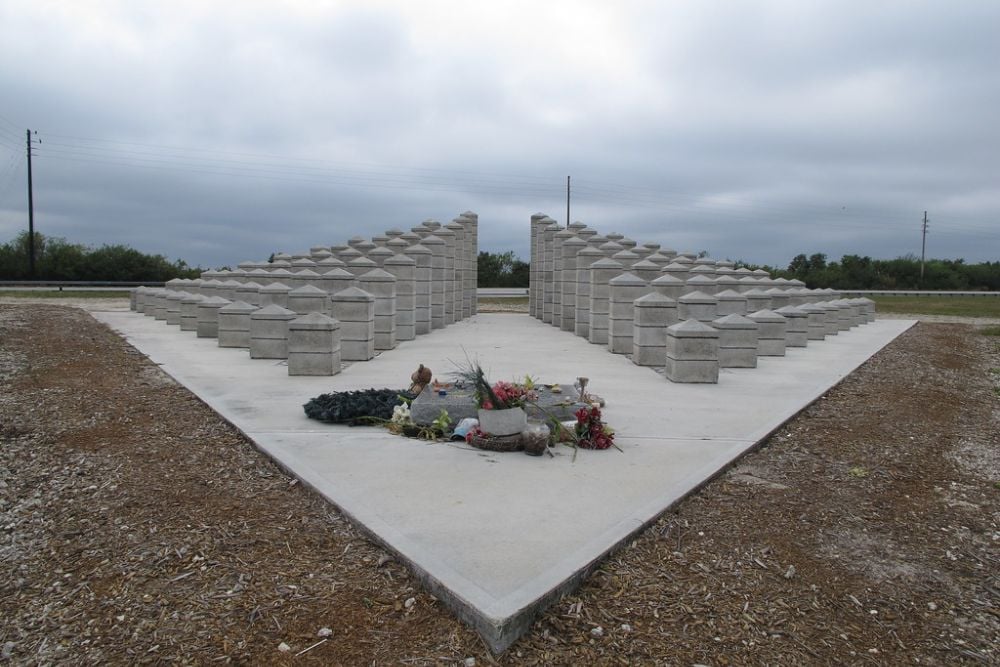
The Florida Everglades became the final resting place for Valujet Flight 592 in 1996 – a tragedy caused by oxygen generators stored improperly and burning in the cargo compartment. This avoidable calamity, which took 110 lives, revealed unsafe loopholes in hazardous material handling.
The regulators acted quickly by closing cargo transportation loopholes, improving supervision of maintenance contractors, and mandating fire suppression systems in cargo compartments – steps that probably saved thousands of such tragedies.
Air France Flight 447
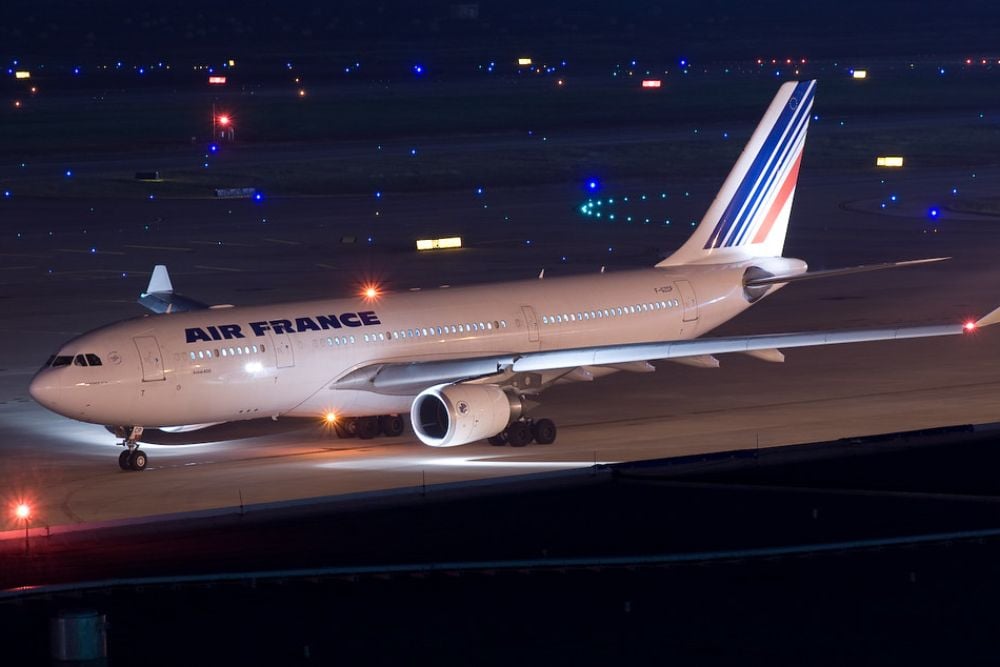
Investigators were perplexed by the 2009 disappearance of Air France Flight 447 over the Atlantic until the debris was found almost two years later. The ensuing inquiry uncovered a perfect storm of pilots who misreacted to the ensuing automation breakdowns and iced-over sensors that produced erratic airspeed readings.
This incident revealed a risky over-reliance on automated processes in addition to technological flaws. Airlines now place a strong emphasis on maintaining both automation and manual flying skills, which is essential in today’s cockpits.
United Airlines Flight 173
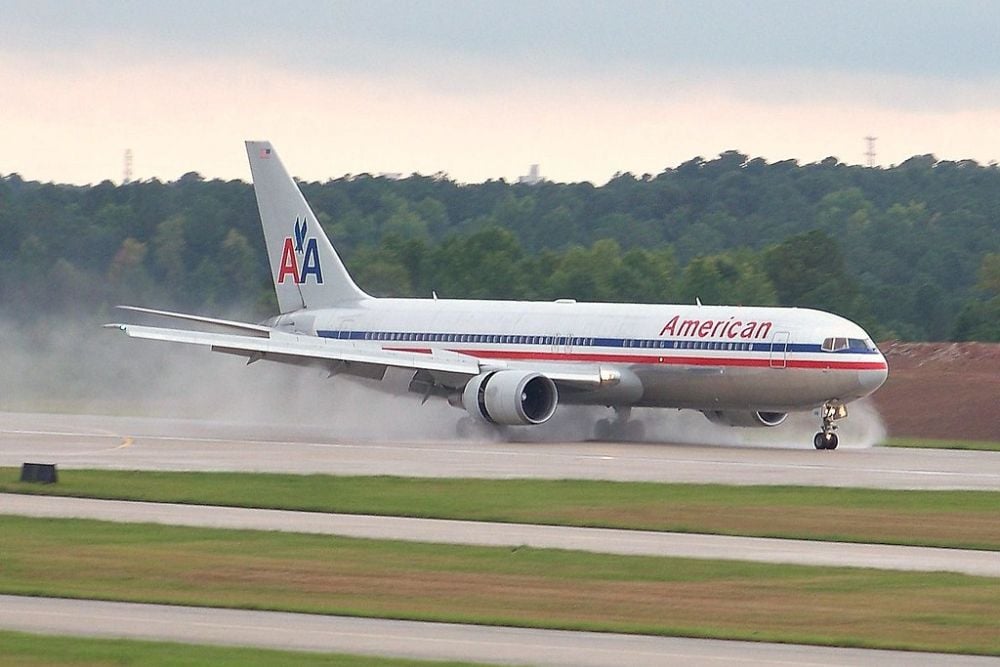
United Airlines Flight 173 crashed near Portland in 1978 after simply running out of fuel – a preventable disaster that claimed 10 lives. The crew had become so fixated on troubleshooting a landing gear issue that they lost track of their dwindling fuel reserves.
Investigators dubbed this phenomenon “task fixation,” and the case became foundational in developing modern Crew Resource Management principles – teaching pilots about situational awareness and workload distribution during in-flight emergencies.
Like Go2Tutors’s content? Follow us on MSN.
Eastern Air Lines Flight 401
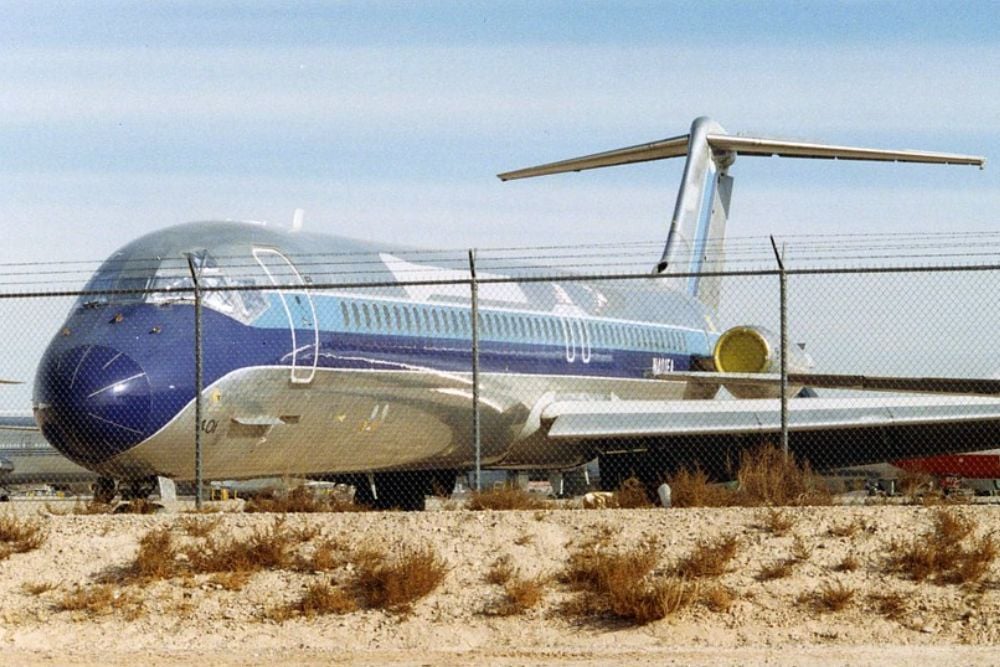
The Florida Everglades claimed Eastern Air Lines Flight 401 in December 1972 – a crash that highlighted the deadly consequences of distraction. While troubleshooting a malfunctioning landing gear indicator light, the entire crew became so preoccupied that they failed to notice their gradual descent toward the swampland below.
This accident directly led to the development of ground proximity warning systems and influenced cockpit designs to include more intuitive altitude alerts – technological safeguards against human attention failures.
Aloha Airlines Flight 243
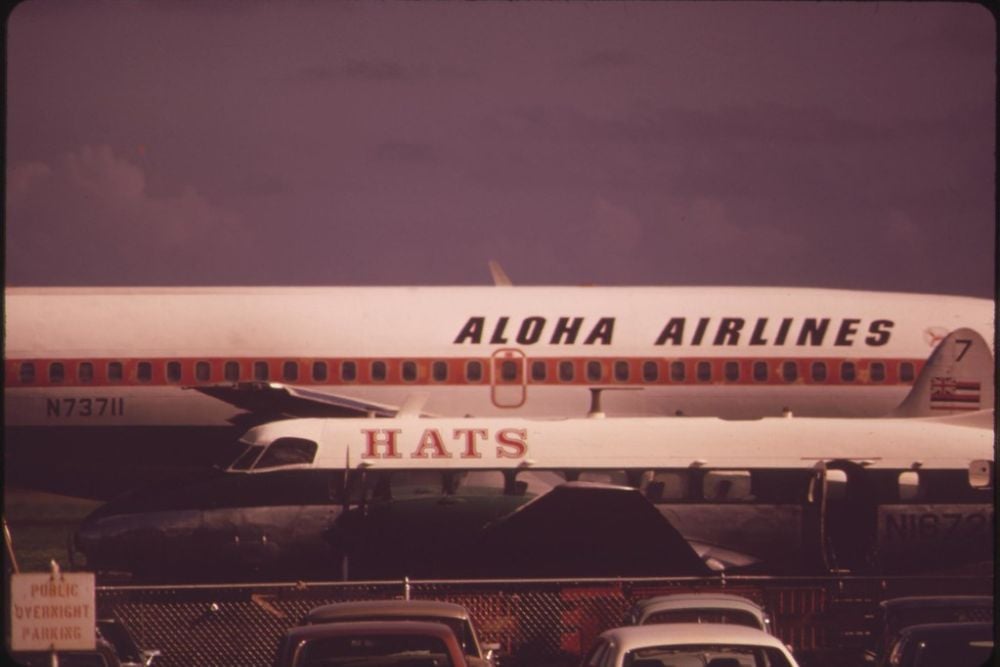
Metal fatigue dramatically announced itself as a serious aviation threat in 1988 when a large section of Aloha Airlines Flight 243’s fuselage tore away at 24,000 feet – exposing passengers to open sky above the Pacific. Despite the catastrophic damage, the pilots managed an incredible emergency landing with only one fatality.
The FAA responded by establishing the Aging Aircraft Program – requiring thorough inspections and structural assessments of older aircraft to detect and prevent similar structural failures.
Asiana Airlines Flight 214
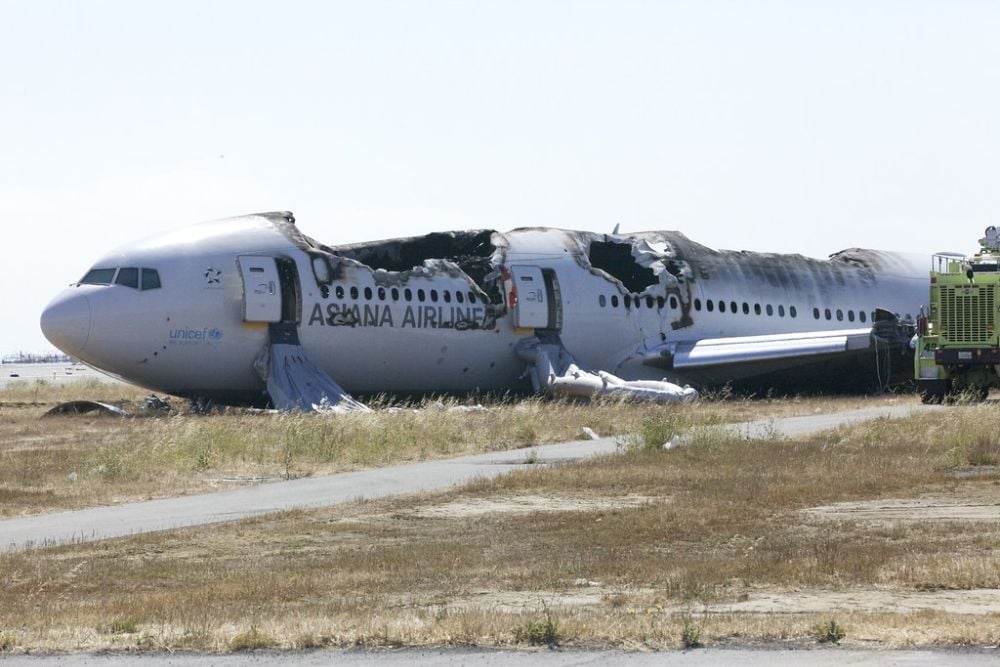
When Asiana Airlines Flight 214 slammed into a seawall at San Francisco International Airport in 2013, investigators discovered a troubling factor behind the crash landing – pilots who’d grown overly dependent on automation had lost proficiency in basic hand-flying skills. The accident served as a wake-up call for airlines worldwide to reevaluate automation training.
Carriers now increasingly emphasize maintaining fundamental piloting abilities throughout a pilot’s career – particularly during critical takeoff and landing phases.
Like Go2Tutors’s content? Follow us on MSN.
September 11 Attacks
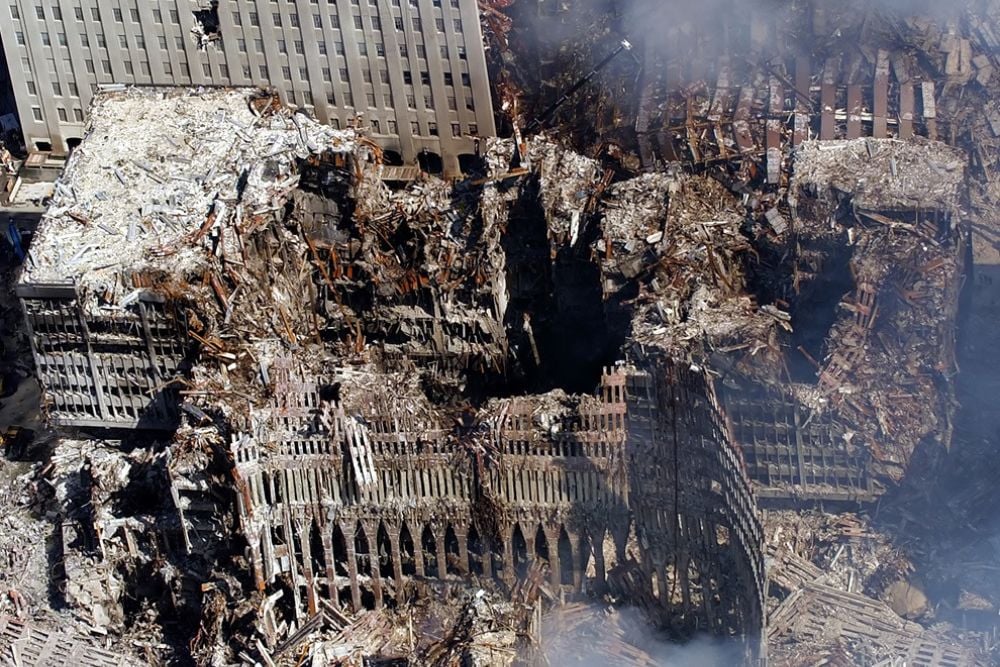
Few events have transformed aviation like the September 11, 2001 terrorist attacks – a coordinated hijacking that weaponized commercial aircraft and forever changed how we approach air travel security. The aftermath saw unprecedented changes: creation of the Transportation Security Administration, reinforced cockpit doors, armed air marshals aboard flights, and comprehensive passenger screening procedures.
These attacks fundamentally altered the passenger experience – introducing the now-familiar routines of removing shoes, limiting liquids, and submitting to advanced screening technologies.
USAir Flight 427
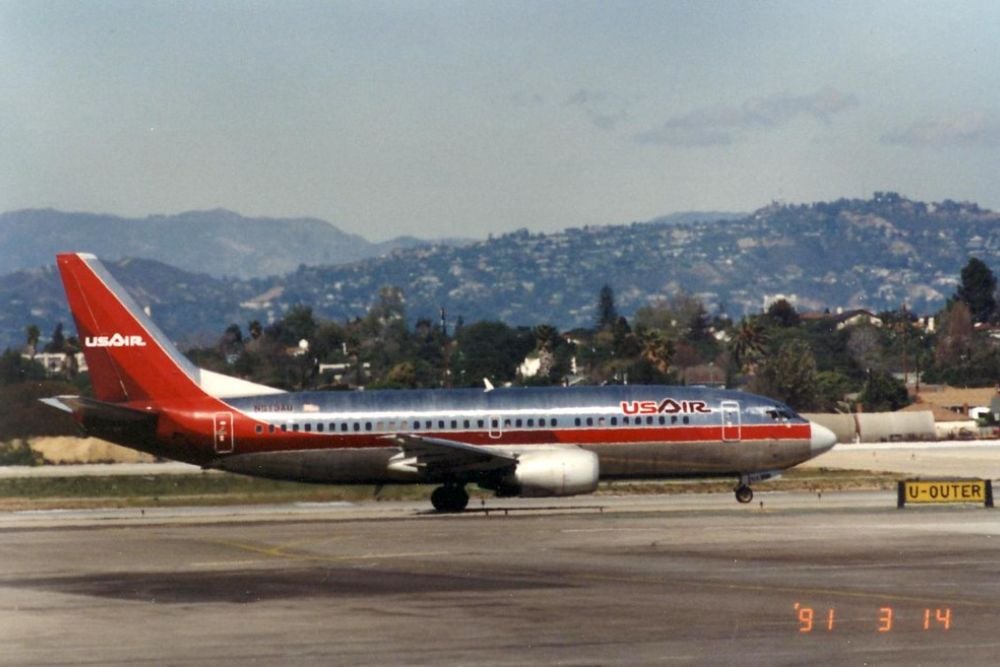
The sudden roll and crash of USAir Flight 427 near Pittsburgh in 1994 killed all 132 aboard and launched what would become one of aviation’s longest accident investigations. After four painstaking years, investigators identified the culprit – a malfunctioning rudder power control unit on the Boeing 737.
This discovery triggered a worldwide retrofit of all similar rudder systems and significantly advanced the industry’s understanding of critical flight control components.
Germanwings Flight 9525
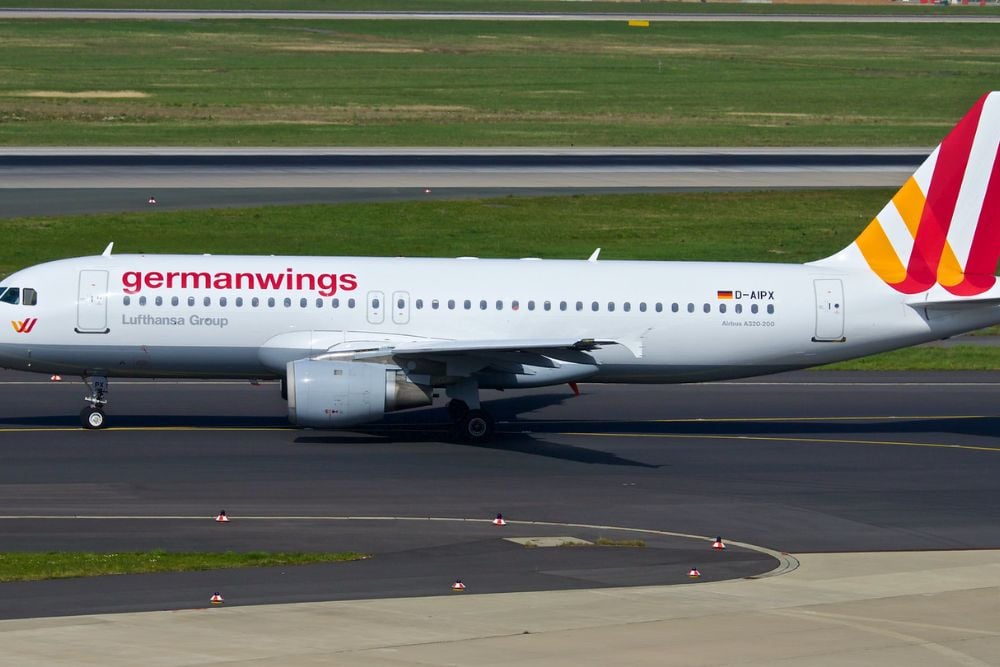
The deliberate crash of Germanwings Flight 9525 by its co-pilot in 2015 killed all 150 people aboard and exposed troubling gaps in pilot mental health monitoring. This tragedy prompted aviation authorities worldwide to implement the “two-person cockpit rule” requiring constant dual occupancy of the flight deck.
Airlines also strengthened psychological screening protocols and developed more robust reporting systems for mental health concerns within their pilot corps.
Like Go2Tutors’s content? Follow us on MSN.
Air Ontario Flight 1363

Ice and snow contamination on wings proved catastrophic for Air Ontario Flight 1363 in 1989 when the aircraft crashed shortly after takeoff, unable to generate sufficient lift for flight. This accident highlighted the dangers posed by even minimal contamination on critical surfaces and led to more stringent de-icing procedures industry-wide.
Modern regulations now prohibit takeoff with any frost, ice or snow adhering to vital aerodynamic surfaces, and pilots receive extensive training on cold-weather operations.
British Airtours Flight 28M
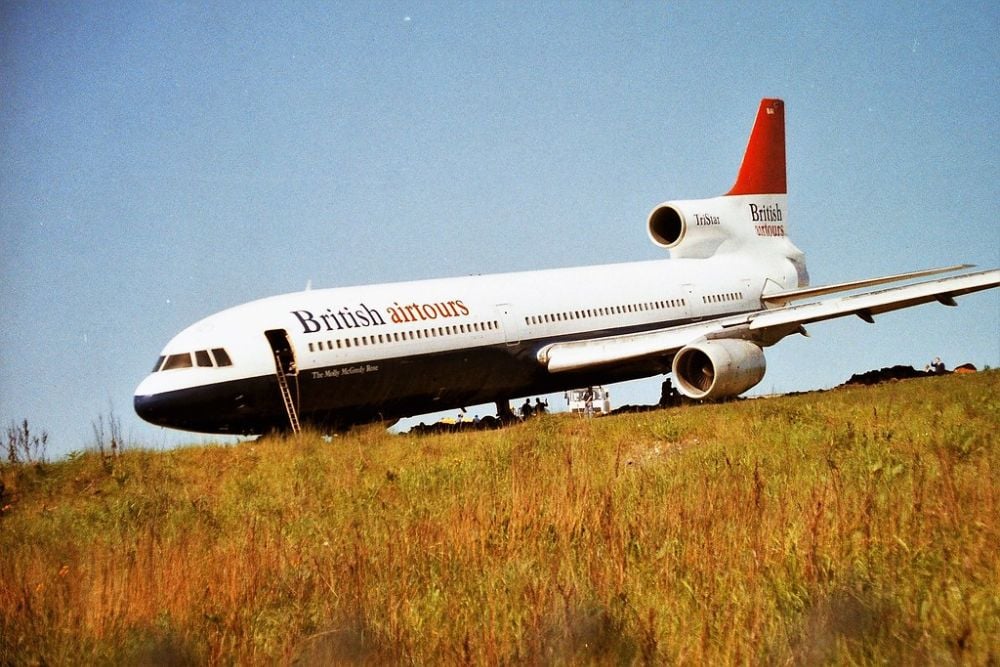
A catastrophic engine failure during the takeoff roll of British Airtours Flight 28M in 1985 punctured a fuel tank and sparked a fire that quickly engulfed the cabin. The disaster claimed 55 lives mainly because passengers couldn’t evacuate quickly enough.
This tragedy catalyzed fundamental improvements in cabin safety including floor-level emergency lighting, fire-resistant materials, and redesigned cabin layouts allowing faster evacuations during emergencies.
Turkish Airlines Flight 981
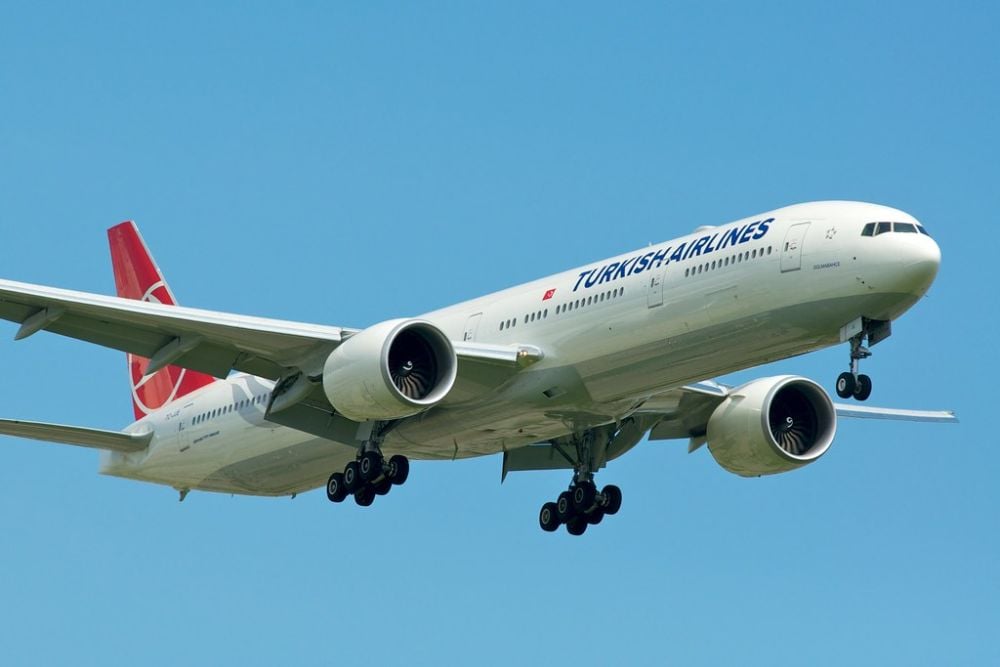
When an inadequately secured cargo door burst off during flight on Turkish Airlines Flight 981 in 1974, it caused catastrophic decompression and severed vital control systems, killing all 346 people on board. The DC-10 disaster outside of Paris became a classic example of how seemingly insignificant maintenance mistakes can have deadly consequences.
This catastrophe raised awareness of important maintenance practices and forced manufacturers to alter cargo door mechanisms on comparable aircraft.
Like Go2Tutors’s content? Follow us on MSN.
Malaysia Airlines Flight 370
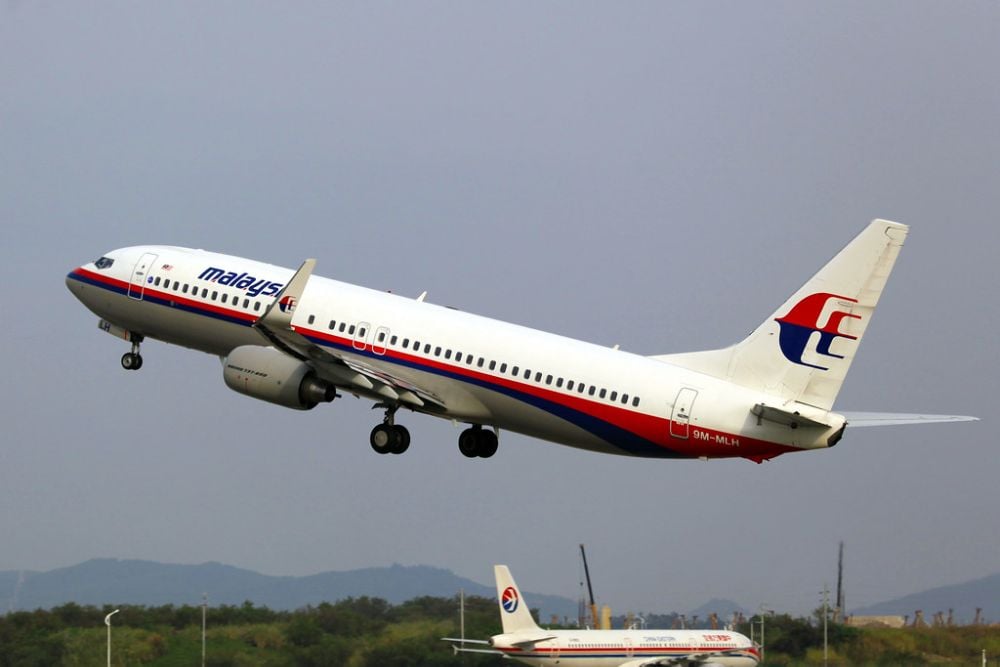
The 2014 disappearance of Malaysia Airlines Flight 370 with 239 people aboard remains aviation’s greatest modern mystery. Despite extensive searching, the main wreckage was never located, leaving investigators with limited information about the aircraft’s fate.
This incident exposed significant gaps in aircraft tracking capabilities over remote areas. It prompted the International Civil Aviation Organization to implement global standards requiring planes to report their position at least every 15 minutes, even when far from radar coverage.
Safety Through Sacrifice
Each aviation tragedy, while devastating, creates crucial safety improvements that protect millions of travelers today. The evolution of flight safety reflects a commitment to learning from past incidents, however painful those lessons may be.
These events have collectively transformed commercial aviation into one of the safest forms of transportation available. While we cannot undo these tragic losses, their legacy continues in the comprehensive safety systems that now form the backbone of modern air travel.
More from Go2Tutors!

- 18 Unexpectedly Valuable Collectibles You Might Have Lying Around
- 20 Little-Known Historical Battles That Had Huge Consequences
- 20 Historical Artifacts That Scientists Can’t Explain
- 15 Inventions That Were Immediately Banned After Being Created
- 20 Actors Who Were Almost Cast in Iconic Roles
Like Go2Tutors’s content? Follow us on MSN.