20 Revolutionary Technologies That Were Ahead of Their Time
Throughout history, inventors have introduced technologies so advanced that the world simply wasn’t ready for them. Some were too expensive, others lacked the necessary infrastructure, and many were just too ahead of their time for people to fully understand.
But one thing is certain—just because an idea is premature doesn’t mean it won’t eventually change the world. Here’s a look at 20 innovations that emerged before their time, proving that patience is often as important as the invention itself.
Videophones

Imagine being able to see the person you were talking to—sounds normal today, right? But in 1964, when AT&T introduced the Picturephone at the New York World’s Fair, it was mind-blowing. Unfortunately, it was also ridiculously expensive at $16 per minute (about $135 today).
To make things worse, people had to use special booths to access the service. Despite multiple attempts to revive the concept, video calling only became practical once the internet, smartphone cameras, and better compression technology caught up decades later.
Virtual Reality
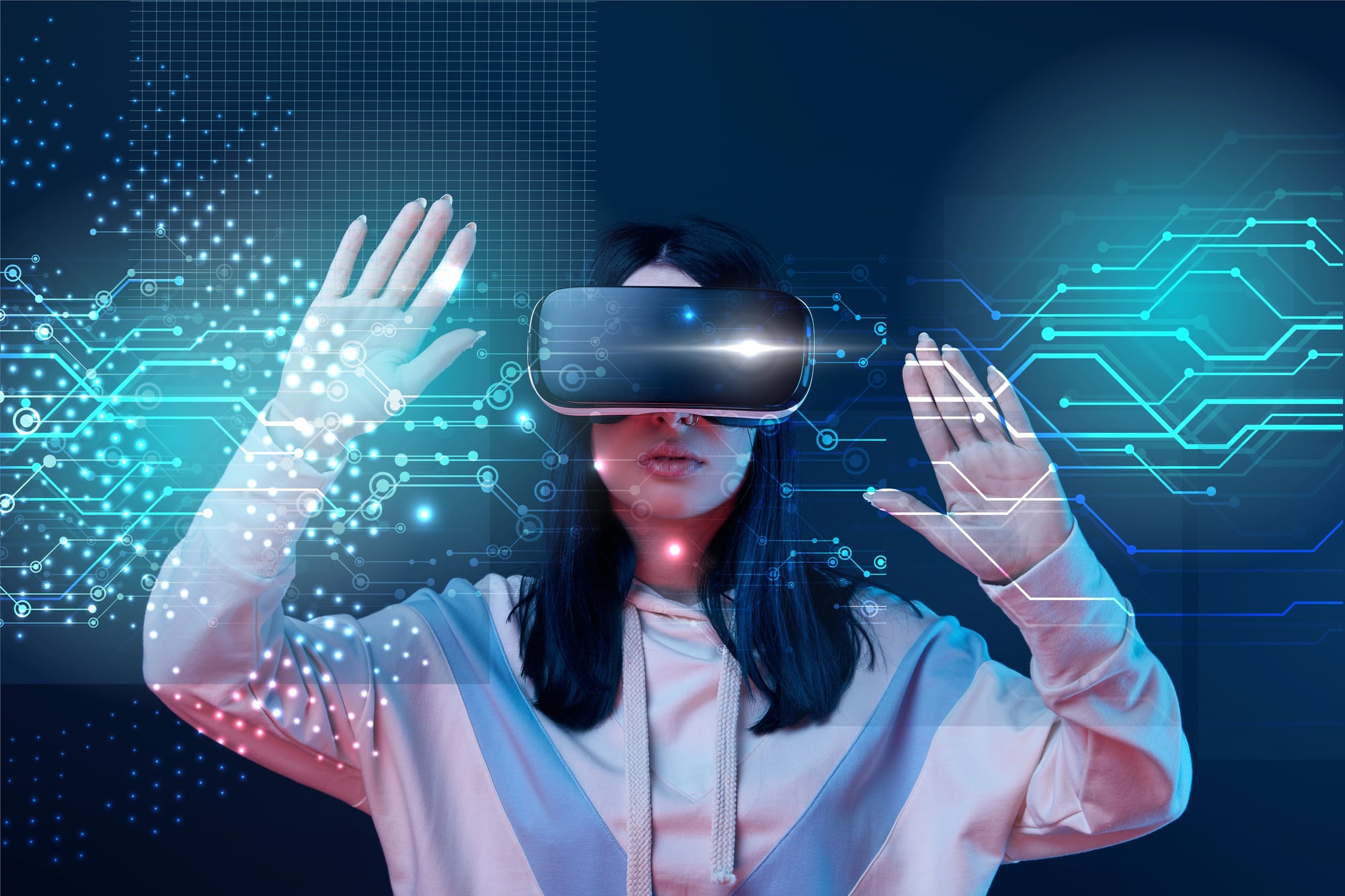
The first VR headset wasn’t some sleek gaming gadget—it was a monstrous contraption built in the 1960s by MIT’s Ivan Sutherland. It was so heavy that it needed to be suspended from the ceiling.
In the ‘80s and ‘90s, companies like VPL Research tried to push VR into the mainstream, but high costs, poor graphics, and motion sickness held it back. Only when display technology, motion tracking, and processing power improved did VR start to become truly immersive.
Tablet Computers

Before iPads were everywhere, there were early attempts at tablets—like Apple’s Newton MessagePad (1993) and Microsoft’s Tablet PC (2001). These devices had potential, but they were bulky, had short battery life, and relied on awkward styluses.
It wasn’t until the iPad launched in 2010 that tablets finally became practical, thanks to responsive touchscreens, longer battery life, and faster processors.
Electric Cars
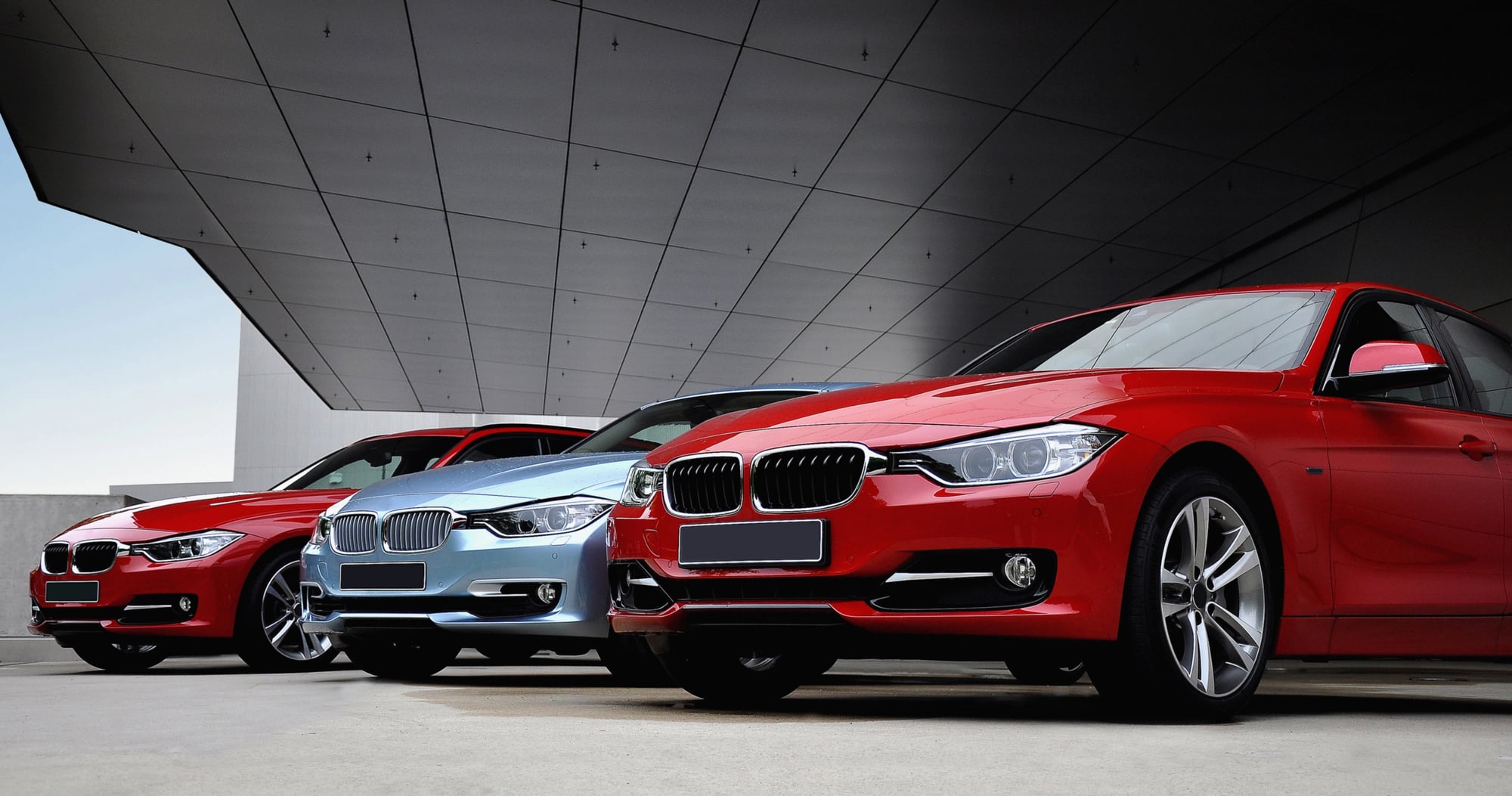
If you think electric cars are a modern breakthrough, think again. Back in the early 1900s, electric cars were actually more common than gasoline-powered ones. The 1914 Detroit Electric had an 80-mile range and didn’t require hand cranking.
But once gasoline became cheaper and Henry Ford’s Model T made combustion engines affordable, electric vehicles faded into obscurity—until advances in battery technology and environmental concerns brought them back.
Touch Screens

Touchscreens date back to 1965 when E.A. Johnson developed one for air traffic control. IBM and Apple attempted commercial versions in the ‘80s and ‘90s, but early touchscreens were sluggish and required heavy pressure.
It wasn’t until multi-touch gestures and better sensor technology arrived that touchscreens became the intuitive interface we know today.
Voice Recognition

Voice recognition started in 1952 with Bell Labs’ ‘Audrey,’ which could recognize spoken numbers. By the 1990s, software like Dragon Dictate allowed for speech-to-text, but it required hours of training and often misunderstood words.
Only with cloud computing and AI-driven speech recognition did voice assistants like Siri and Alexa finally make voice control a useful, everyday tool.
Digital Photography

Kodak engineer Steven Sasson built the first digital camera in 1975. It took 23 seconds to capture a single, grainy black-and-white image and stored it on cassette tape.
With film still dominating, digital cameras remained a niche product for decades. It wasn’t until improvements in sensors, image processing, and storage that digital photography replaced traditional film cameras.
Autonomous Vehicles
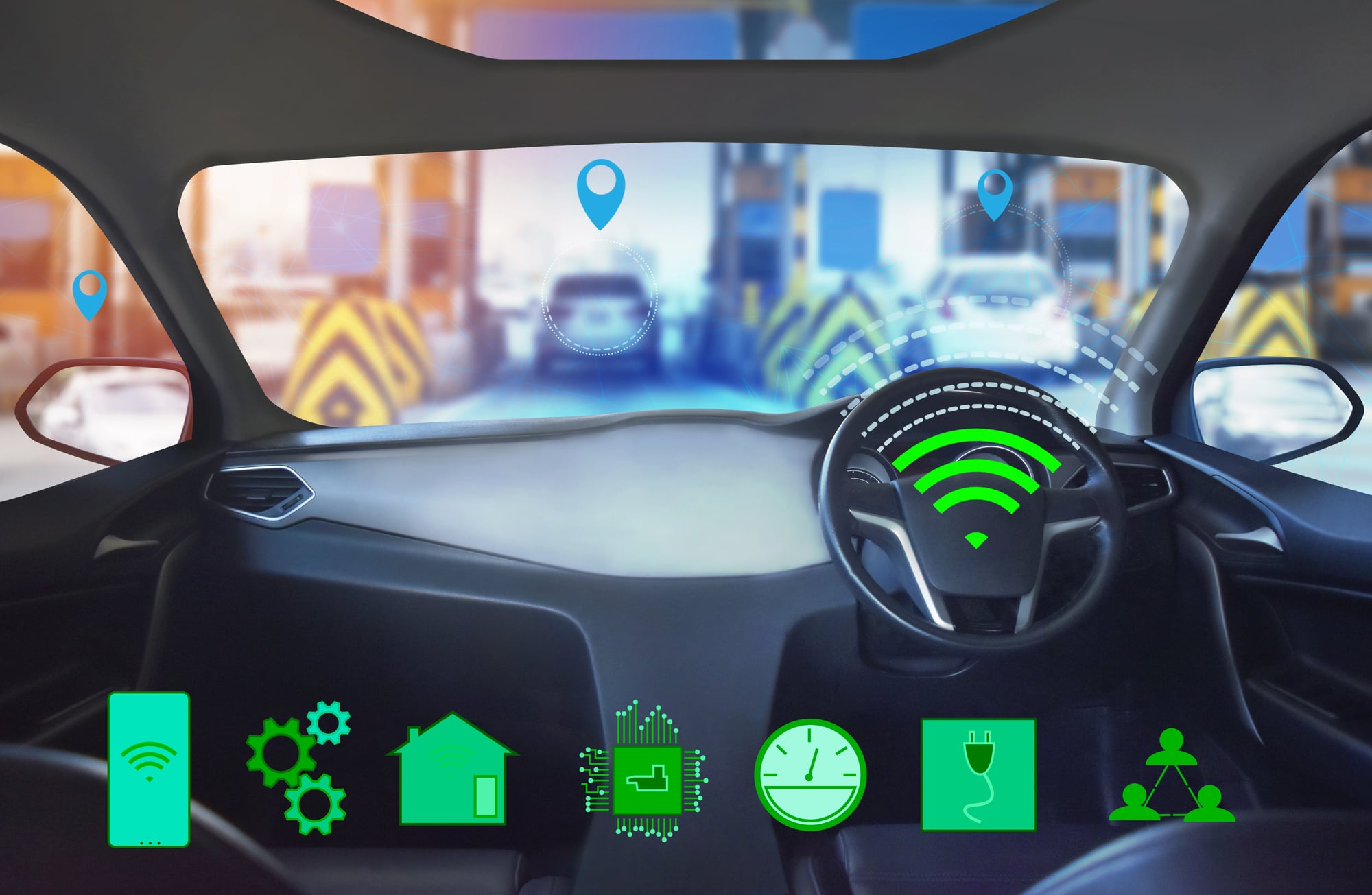
Self-driving cars might seem futuristic, but they’ve been in development for decades. In 1995, Carnegie Mellon’s Navlab 5 drove across the U.S. almost entirely autonomously, though a human still controlled the speed.
Without today’s AI, LIDAR sensors, and powerful computing, early self-driving technology couldn’t progress much further. Now, it’s finally on the verge of mainstream adoption.
PDA (Personal Digital Assistants)
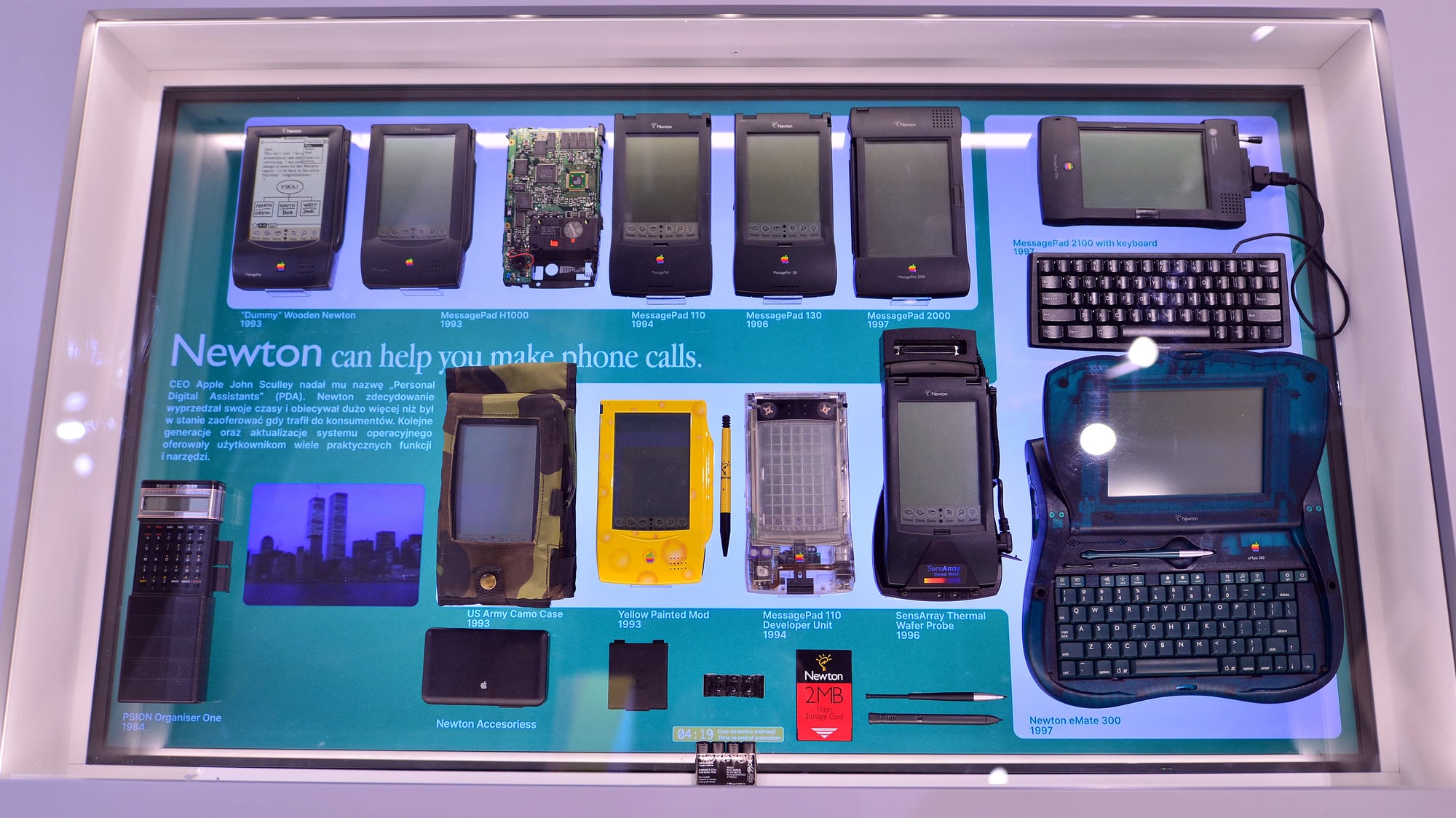
Apple’s Newton MessagePad (1993) and the Palm Pilot were early attempts at handheld computing. They introduced digital calendars and note-taking but had small screens, limited connectivity, and clunky interfaces.
These gadgets had their fans, but they didn’t go mainstream until smartphones integrated these features with the internet, making PDAs obsolete.
Hypertext

The idea of hypertext—clickable links connecting information—was envisioned in the 1960s by Ted Nelson. Apple’s HyperCard (1987) brought elements of it to consumers.
It wasn’t until Tim Berners-Lee created the World Wide Web in 1989 that hypertext became the foundation of the internet.
MP3 Players
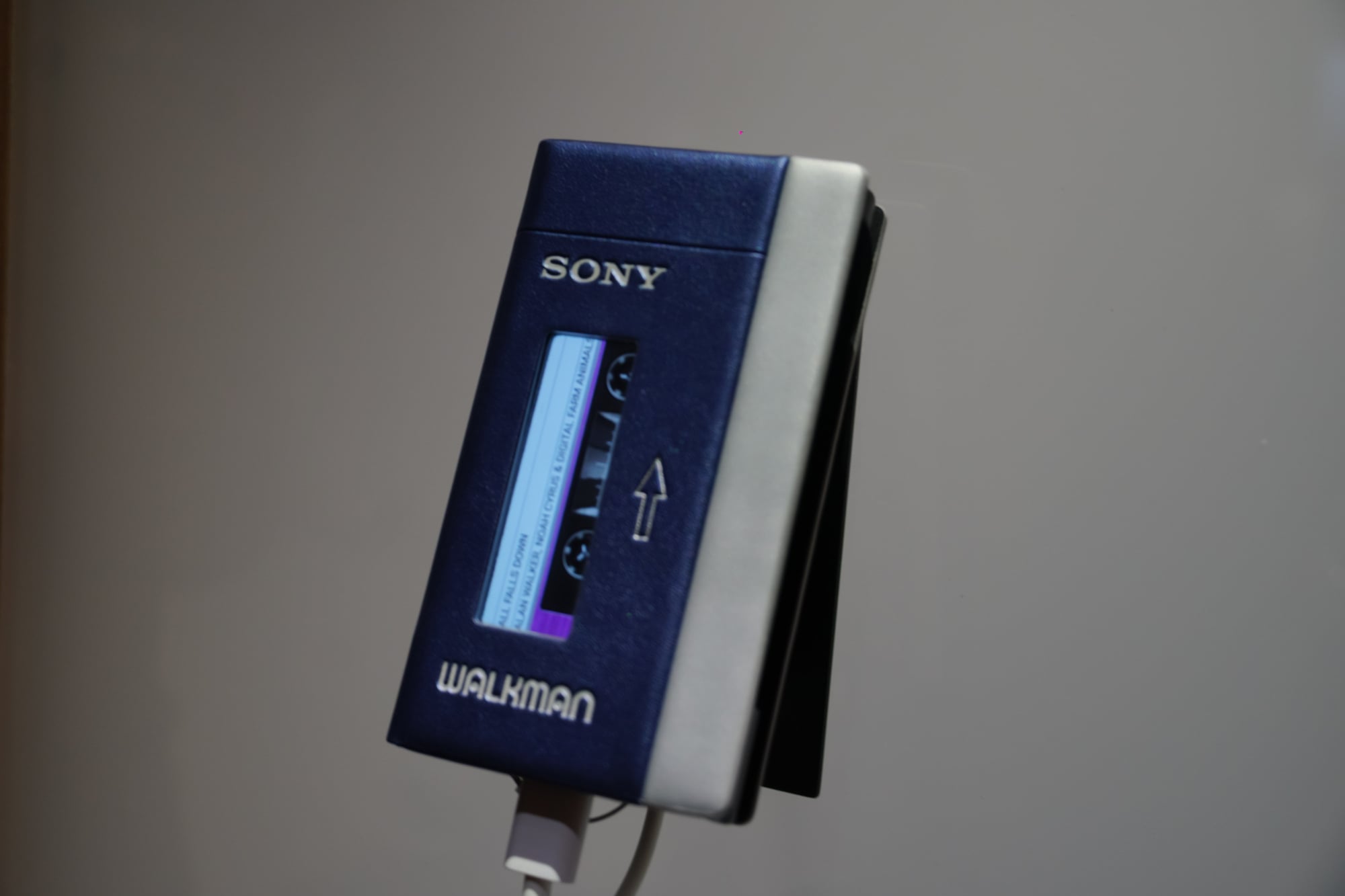
The first MP3 player, the MPMan F10 (1998), could store about a dozen songs, and transferring music was painfully slow. The Diamond Rio PMP300 followed but faced legal battles from the recording industry.
The concept only took off when Apple introduced the iPod in 2001, paired with the iTunes Store, solving the problem of digital music distribution.
Augmented Reality
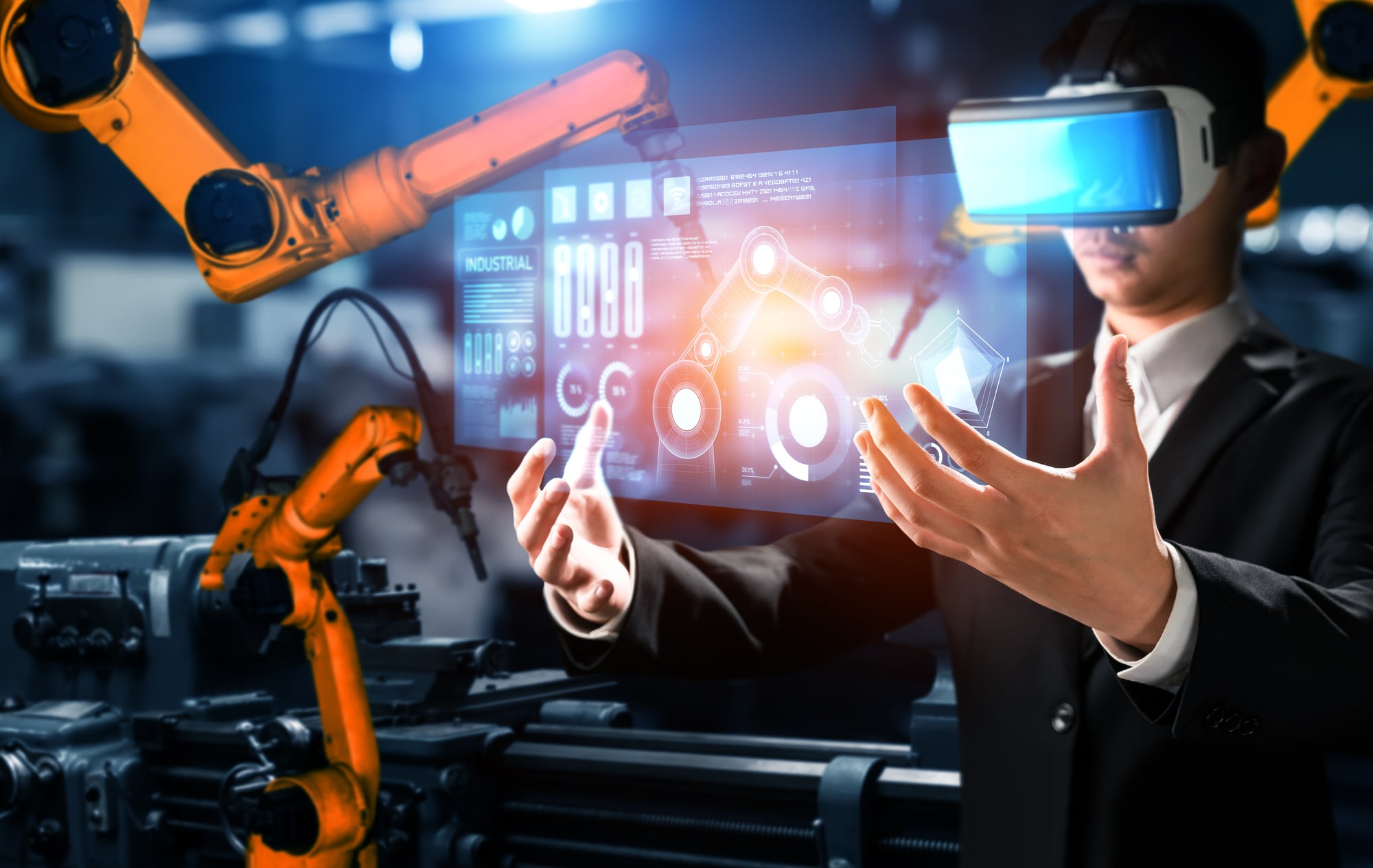
Boeing researcher Tom Caudell coined the term “augmented reality” in 1990, and the first functional AR system appeared in 1992. Early AR tech was bulky and expensive, limited to military and industrial use.
It wasn’t until smartphones made AR widely accessible that the technology found real-world applications.
Smartwatches

The first wrist computers were calculator watches in the 1970s. Seiko’s RC-1000 (1984) connected to computers, and Timex’s Datalink (1994) could sync wirelessly.
But with clunky interfaces and limited functionality, they never caught on. Only when miniaturization, better batteries, and seamless connectivity arrived did smartwatches become essential.
E-readers

The Rocket eBook (1998) and early Sony e-readers had short battery life and limited book selections. Readers stuck with paper until E Ink displays and platforms like Kindle made digital reading practical.
Mobile Payments

As early as 1997, Finnish consumers could buy soda via text message. But security concerns and lack of infrastructure held mobile payments back for years.
Once smartphones, NFC, and digital wallets became standard, mobile payments finally became convenient.
In-car Navigation
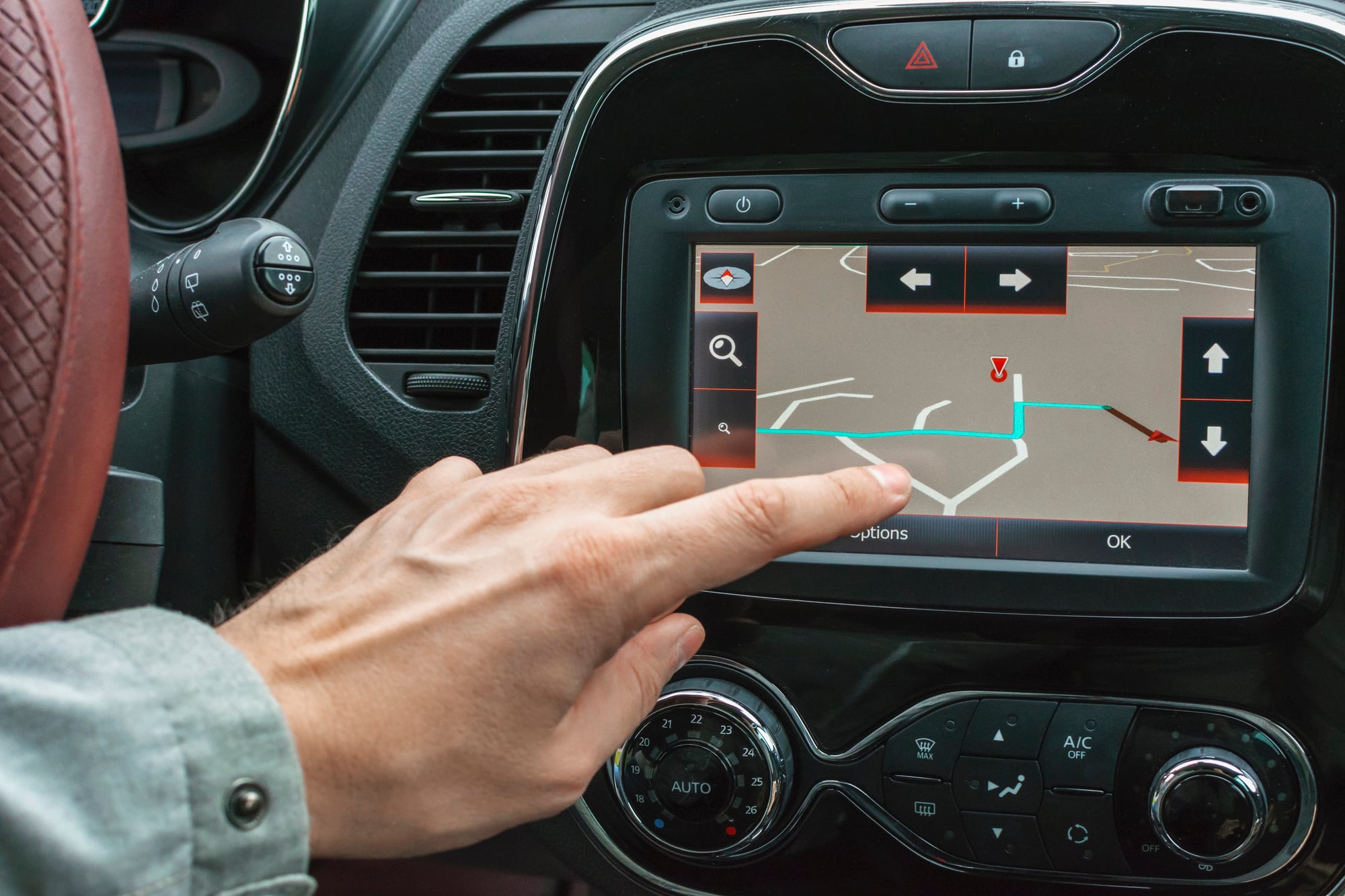
The first automotive navigation system appeared in 1981 in the Honda Accord, but it wasn’t what we think of as GPS today. Early systems used dead reckoning and crude mapping.
By the 1990s, luxury cars featured GPS, but they were expensive, slow, and often inaccurate. The technology only became widespread when real-time traffic data, satellite advancements, and smartphone integration made navigation systems reliable and accessible to everyone.
Video Streaming

Streaming video has been around since the 1990s, with RealPlayer launching in 1995. But early internet speeds were too slow to make it practical.
The rise of broadband, better compression, and content delivery networks finally made video streaming the dominant form of entertainment.
Wireless Power

Nikola Tesla envisioned wireless electricity in the 1890s and even attempted to build a massive tower to transmit energy without wires. However, the technology was inefficient and impractical at the time.
More than a century later, wireless charging for smartphones and electric vehicles is a reality—though it’s still a far cry from Tesla’s vision of powering entire cities without wires.
3D Printing

3D printing, also known as additive manufacturing, was invented in 1984 by Chuck Hull. Early versions were slow, expensive, and limited to industrial prototyping.
It wasn’t until patents expired in the 2000s that consumer-friendly models became available. Now, 3D printing is revolutionizing industries from healthcare to aerospace, proving that sometimes a great idea just needs time to develop.
Cryptocurrency

David Chaum introduced DigiCash in 1989, one of the first forms of digital money using cryptographic principles. However, it struggled due to limited adoption and regulatory challenges.
Bitcoin, launched in 2009, succeeded where its predecessors failed—leveraging blockchain technology and decentralized networks to create a new form of digital currency that continues to shape the financial world.
The Future Belongs to Those Who Wait

Some of the biggest technological breakthroughs didn’t succeed overnight. They required the right timing, infrastructure, and public acceptance.
Today’s cutting-edge fields—like quantum computing and brain-computer interfaces—may be following the same path. What seems like science fiction today might be tomorrow’s reality.
More from Go2Tutors!

- The Romanov Crown Jewels and Their Tragic Fate
- 13 Historical Mysteries That Science Still Can’t Solve
- Famous Hoaxes That Fooled the World for Years
- 15 Child Stars with Tragic Adult Lives
- 16 Famous Jewelry Pieces in History
Like Go2Tutors’s content? Follow us on MSN.



