Photos Of The World’s Famous Landmarks Before They Became Iconic
Every monument that makes millions stop and stare today was once just a construction site. Workers carrying tools, equipment scattered across the ground, and a whole lot of dust.
Yet these images of famous landmarks under construction or in their early days reveal something remarkable — they show the audacious human ambition behind structures we now take for granted. The Eiffel Tower wasn’t always a romantic symbol of Paris; it was once derided as an eyesore.
The Statue of Liberty didn’t emerge fully formed from the harbor; it was assembled piece by piece like the world’s most meaningful puzzle.
The Eiffel Tower
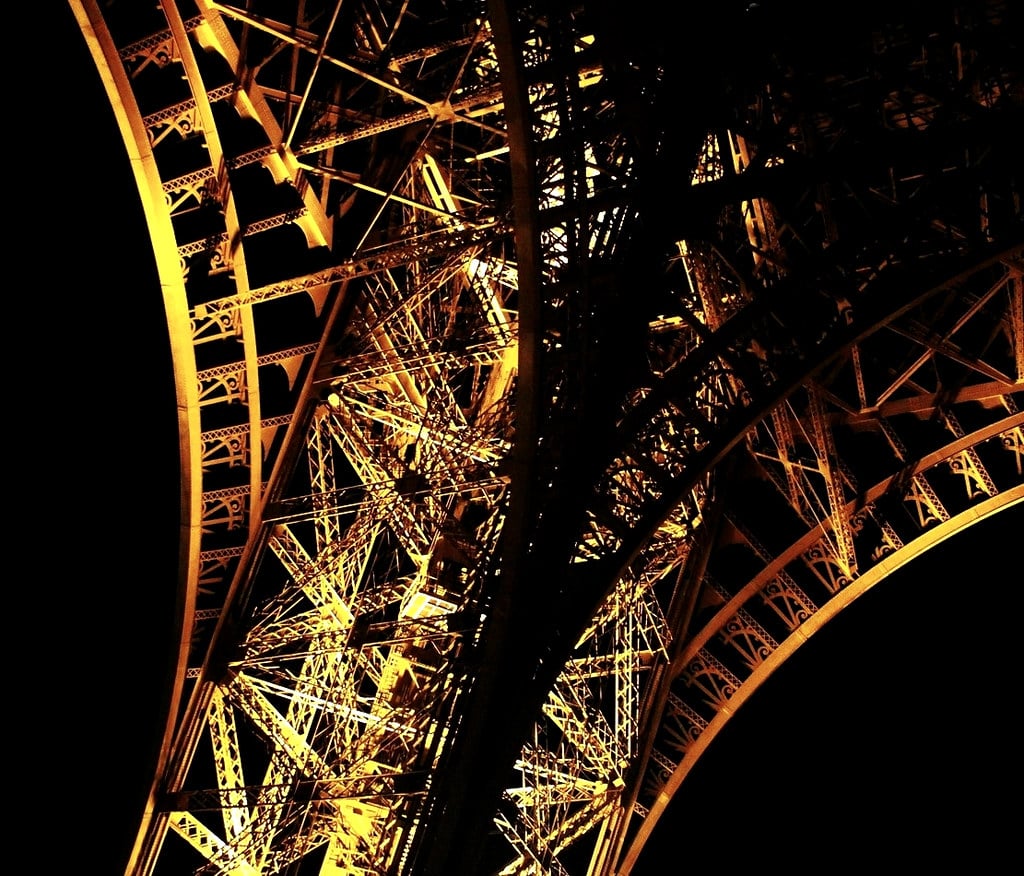
Parisians hated it. The iron lattice rising from the Champ de Mars in 1888 looked like industrial scaffolding that someone forgot to remove.
Writers and artists signed petitions calling it a “useless and monstrous” blot on the city’s elegance. The tower was only meant to stand for 20 years anyway.
The Statue of Liberty
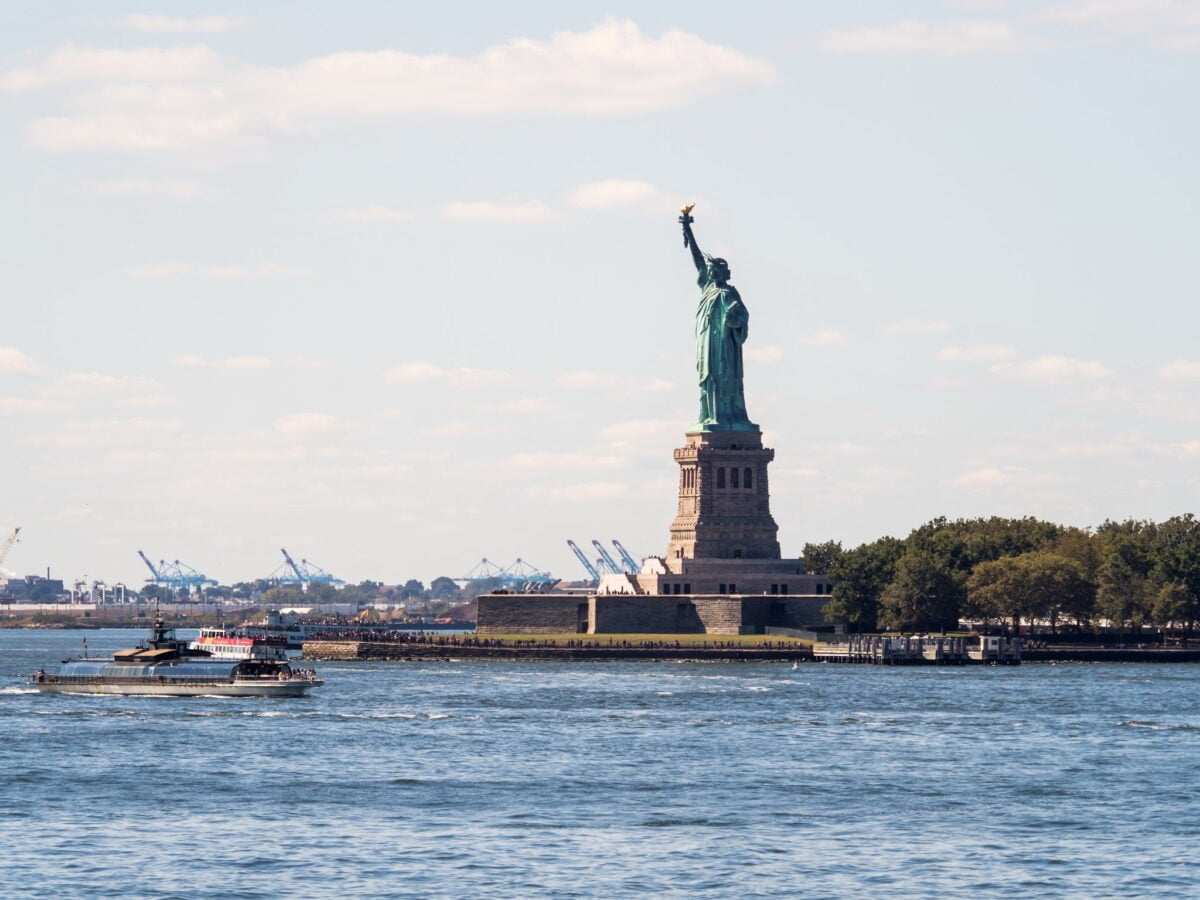
Liberty Island looks strangely barren in 1885 photographs, with Lady Liberty’s head and torch sitting in separate wooden crates like pieces of an enormous unboxed gift. French sculptor Auguste Bartholdi had to fundraise piece by piece (literally) to complete the project, while Americans raised money for the pedestal through newspaper campaigns and school fundraisers.
And here’s what makes the whole endeavor even more remarkable: Gustave Eiffel, who would later build his own controversial tower, designed the internal structure that holds Liberty upright — so in a sense, he was practicing for his masterpiece while helping create another.
Mount Rushmore
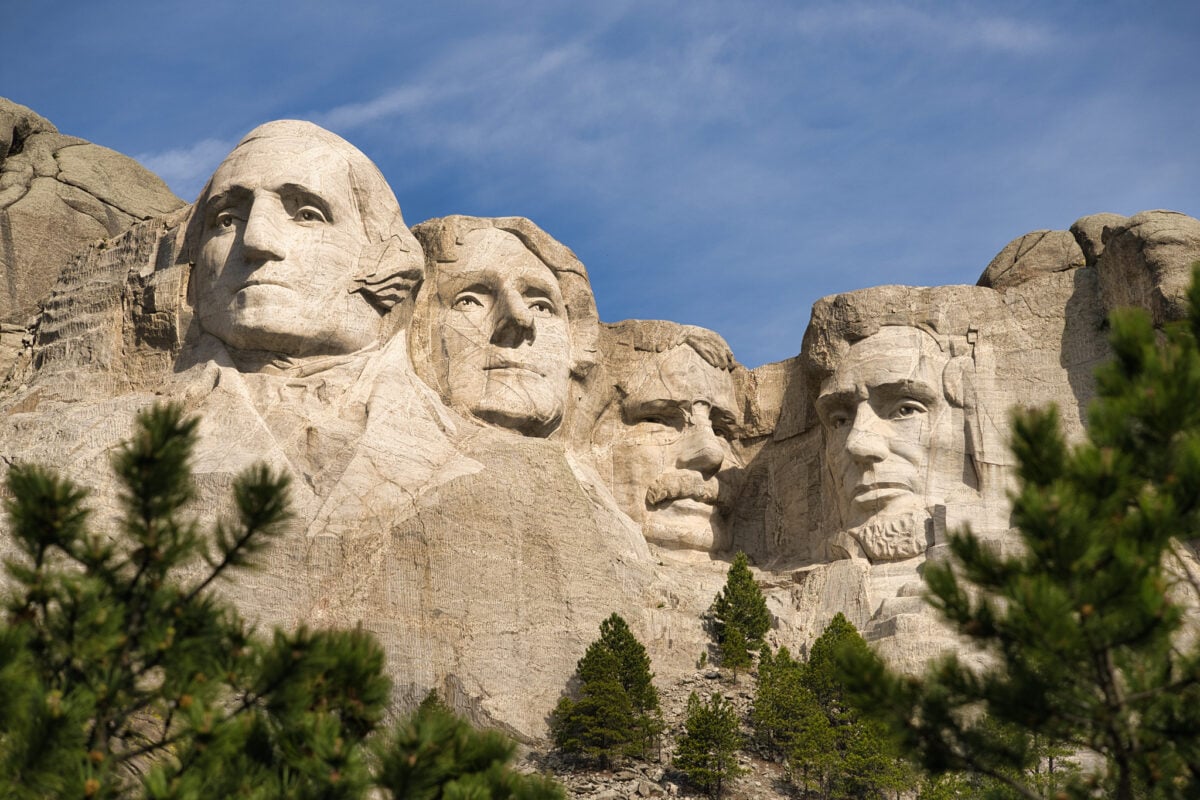
The Black Hills of South Dakota stretch endlessly in every direction, and somewhere in that vastness sits a granite face that, in 1927, looked like someone had taken a chisel to a perfectly good mountain for no discernible reason. Which (if you think about it) is exactly what sculptor Gutzon Borglum was doing.
The early photographs show Washington’s face half-carved, emerging from raw stone like a thought slowly becoming clear, while workers dangled from ropes hundreds of feet above the ground — and honestly, the fact that anyone thought this was a reasonable project says something stubborn and oddly beautiful about human ambition.
The Golden Gate Bridge
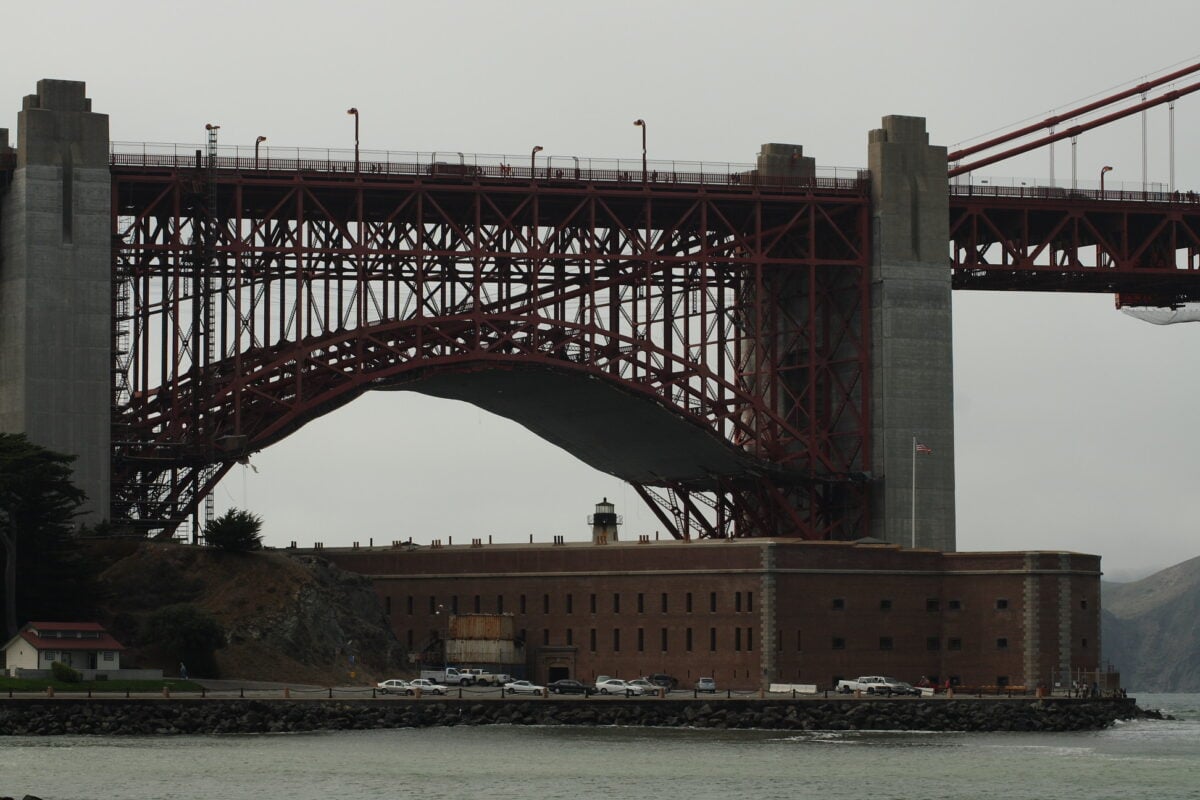
San Francisco’s Golden Gate strait was just that in 1933. A stretch of water with Marin County on one side and the city on the other, connected by nothing but ferry boats and wishful thinking.
Bridge opponents insisted the span was impossible — the water too deep, the winds too fierce, the earthquakes too unpredictable.
Big Ben
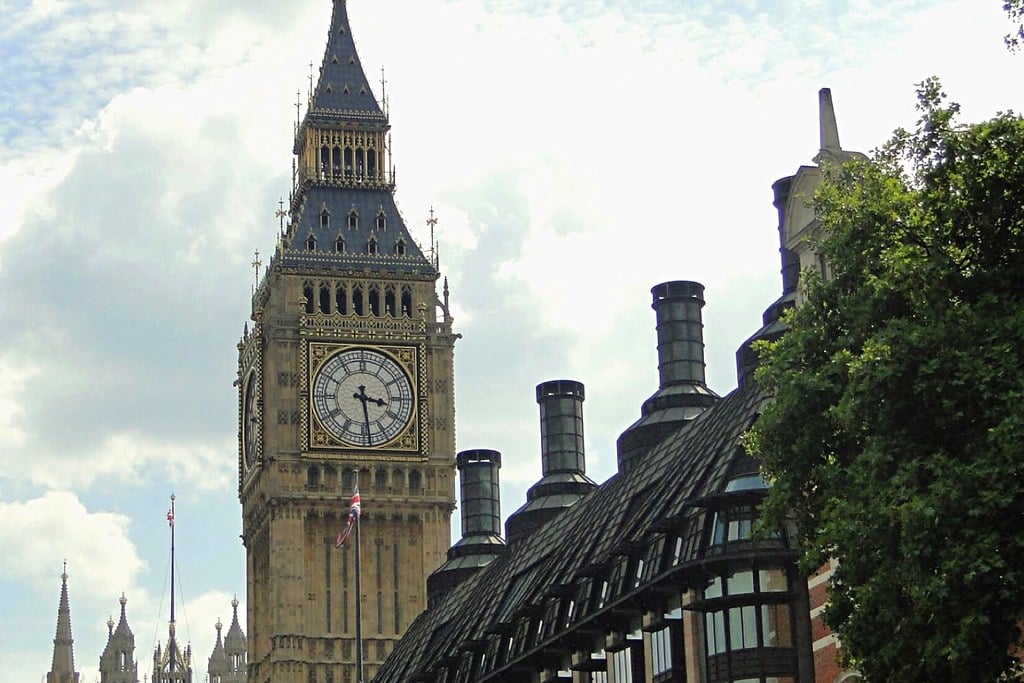
Westminster looked oddly incomplete in the 1850s without its famous clock tower reaching toward London’s gray sky. The tower we associate with British punctuality was actually a replacement, built after the old Palace of Westminster burned down in 1834.
Even the name “Big Ben” originally referred to the largest bell inside the tower, not the structure itself.
The Sydney Opera House
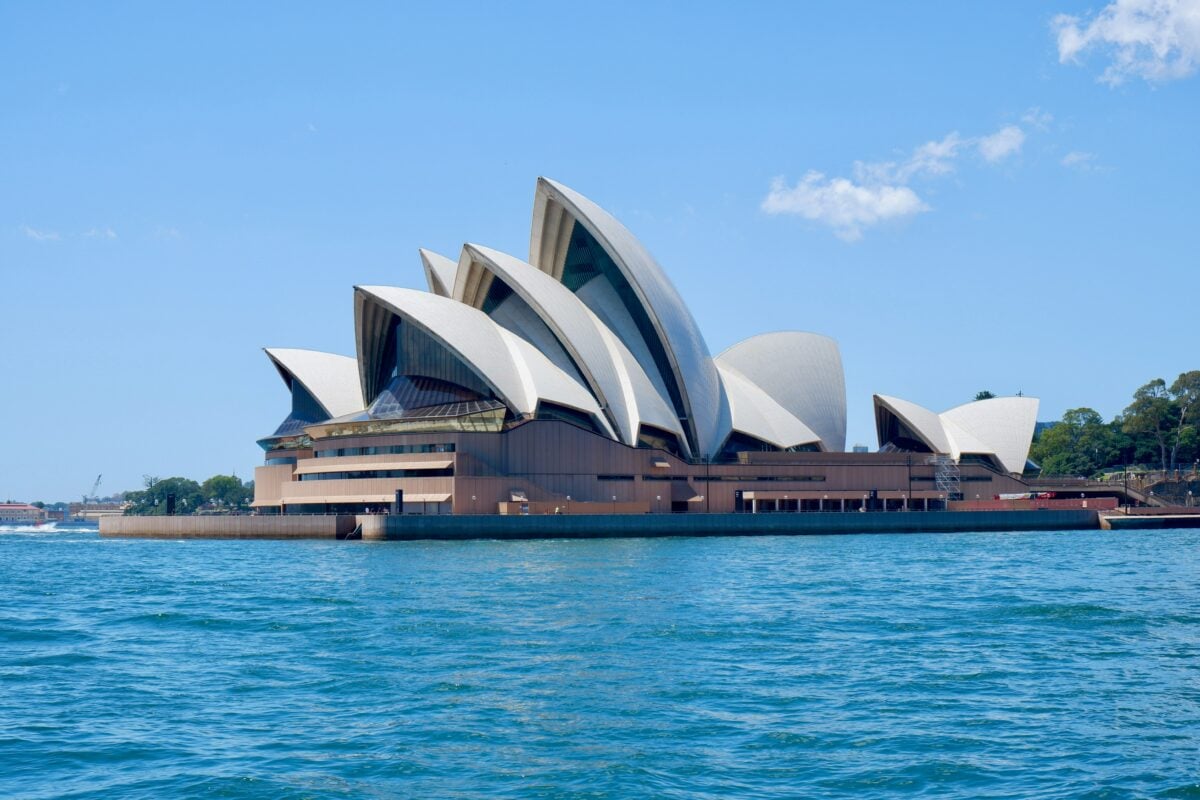
Harbor views from Circular Quay in 1966 revealed nothing but construction cranes and what appeared to be concrete shells that someone had abandoned mid-project. And that wasn’t far from the truth — the Opera House was a construction nightmare that took 16 years to complete, went 1,400 percent over budget, and drove its Danish architect to quit and leave Australia before it was finished.
But here’s the thing about ambitious failures that somehow succeed: they teach you that the distance between “impossible” and “iconic” is often just stubbornness dressed up as vision (and a lot of extra concrete). The shells that looked like architectural folly in progress photos now define Sydney’s skyline more than any other structure — which is saying something for a harbor that spectacular.
The Christ the Redeemer Statue
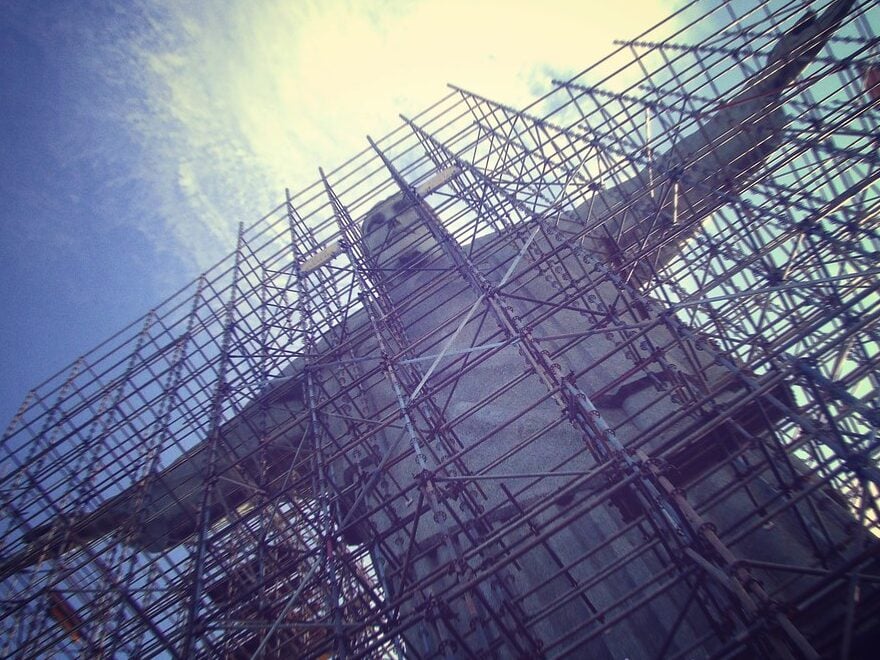
Corcovado Mountain stood bare against Rio’s skyline until 1931, just another peak in a city full of dramatic geography. The statue’s construction required hauling materials up the mountain by a narrow railway, and early photos show the figure taking shape piece by piece — arms, head, and flowing robes assembled like a divine jigsaw puzzle high above the city.
The Washington Monument
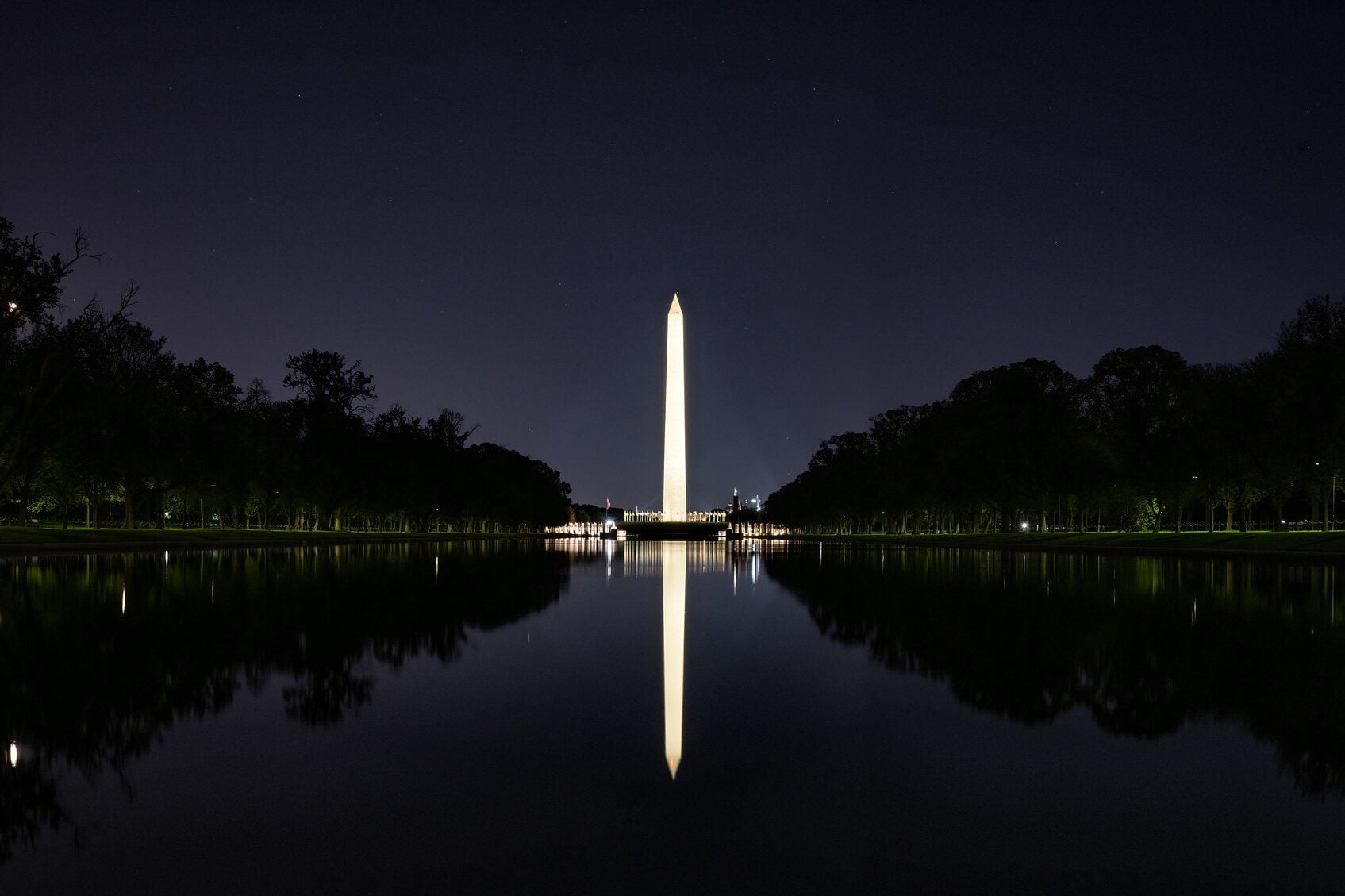
The National Mall felt strangely off-balance through most of the 1800s. Construction of the Washington Monument began in 1848, then stopped completely for 23 years due to funding issues and the Civil War.
You can still see the line where work resumed in 1877 — the marble changes slightly in color about a third of the way up.
Tower Bridge
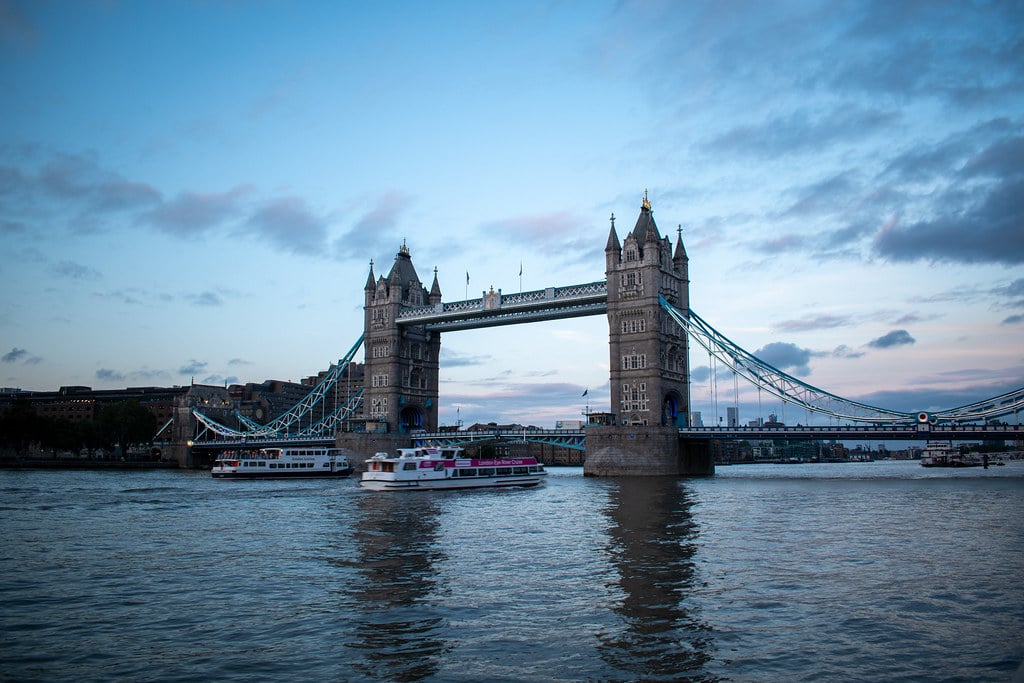
London’s Thames looked different in 1893, crossed by a collection of bridges that were purely functional rather than architectural statements. Tower Bridge changed that calculation entirely. The bascule design — those two sections that lift to let ships pass — was revolutionary engineering disguised as medieval Gothic revival, because the Victorians believed that progress should look historical and important rather than merely new.
And the thing is, they were right about the importance part, even if their reasoning was backwards: sometimes the most enduring structures are the ones that admit they’re performing a kind of theater while they do their actual work.
Neuschwanstein Castle
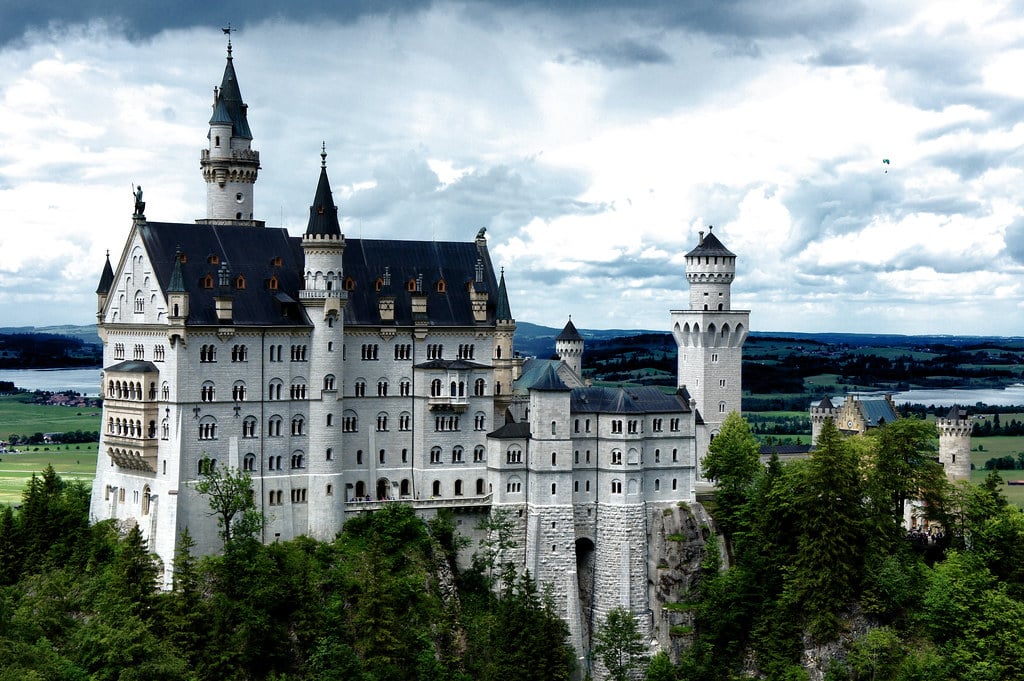
Bavaria’s countryside rolled on without interruption until King Ludwig II decided to build his fairy tale fortress on a rocky outcrop in 1869. The castle that would inspire Disney’s Sleeping Beauty Castle was actually a 19th-century fantasy of medieval architecture, complete with modern conveniences like central heating and running water hidden behind Romantic-era stonework.
The Brooklyn Bridge
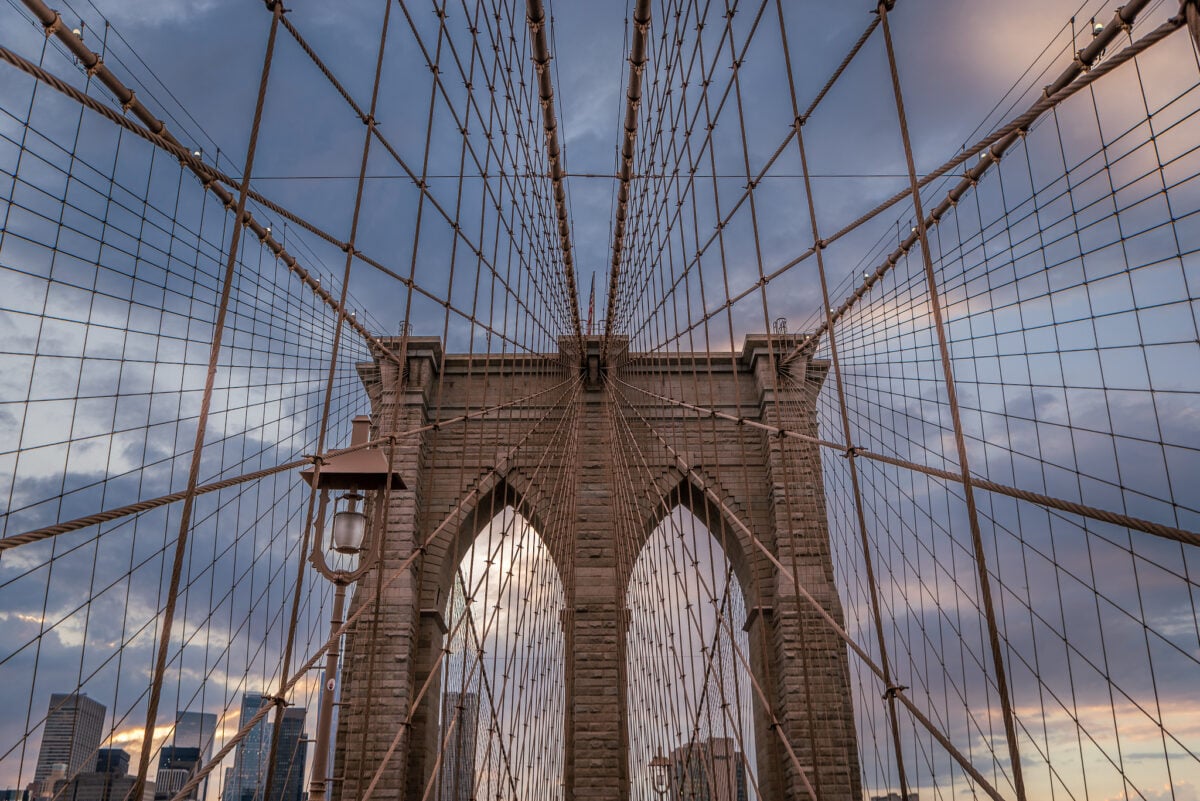
Manhattan and Brooklyn were separate cities connected only by ferries when John Augustus Roebling proposed spanning the East River with the world’s longest suspension bridge in 1869. The project killed Roebling (tetanus from a ferry accident while surveying the site), nearly killed his son Washington (decompression sickness from working in the underwater foundations), and was completed by Washington’s wife Emily, who became the first female field engineer in history.
Machu Picchu
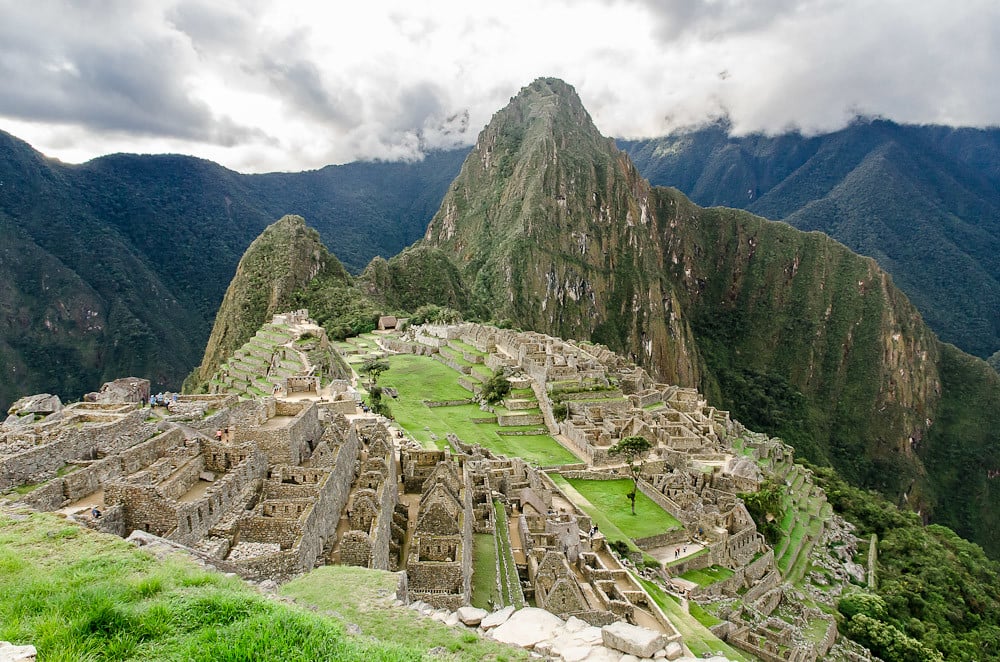
The Andes kept their secret for over 400 years. Hiram Bingham’s 1911 photographs show the ancient Incan citadel almost completely overgrown with jungle vegetation, stone walls emerging from decades of moss and vines like a lost civilization slowly deciding to reveal itself.
Which is essentially what it was.
The Space Needle
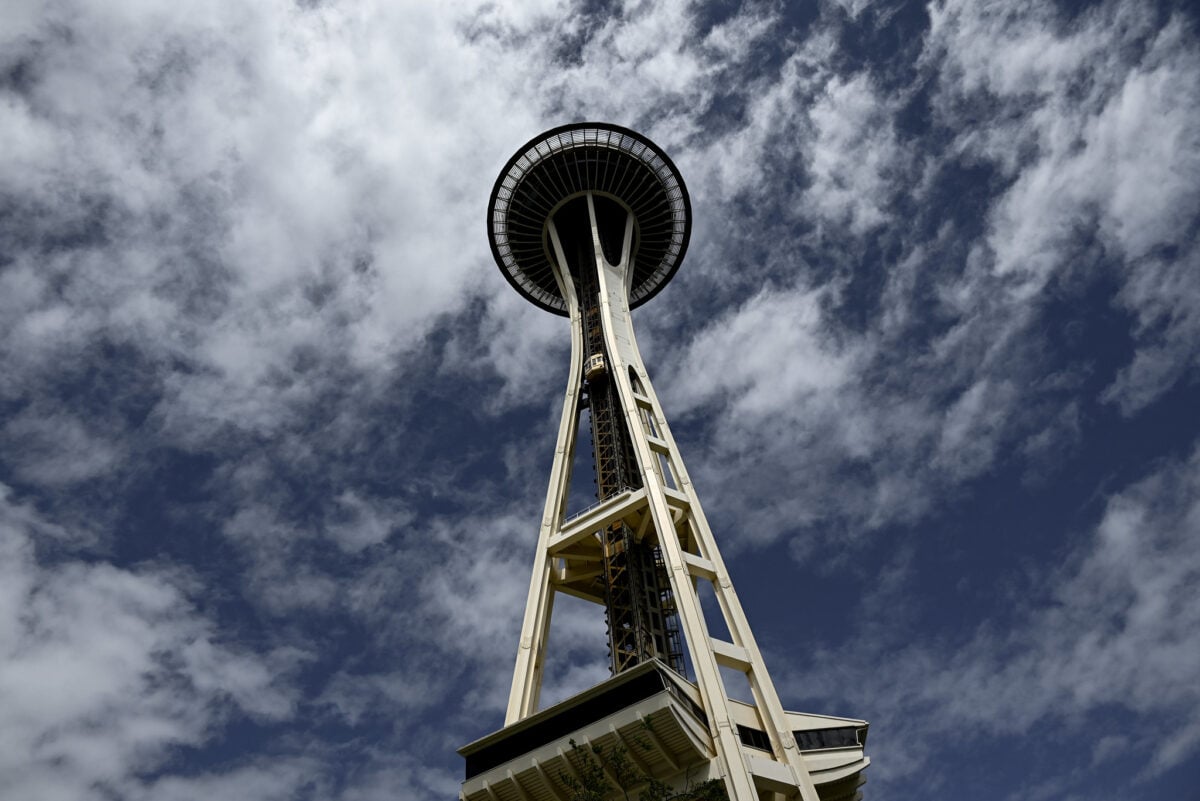
Seattle’s skyline stretched toward Elliott Bay in 1961 without its most recognizable feature. The Space Needle was designed and built in less than a year for the 1962 World’s Fair, rising 605 feet above the city like something that had landed from the future.
Early construction photos show the distinctive flying-saucer top being hoisted into place — a piece of Jetsons-era optimism made real with steel and concrete.
When Dreams Take Shape
Looking at these construction photos creates a strange doubling effect. The monuments we know so well become unfamiliar again, reduced to their raw materials and human ambition.
But perhaps that’s the point — every iconic structure was once just an idea that someone refused to abandon, even when it seemed impossible. These images remind us that the landmarks we consider permanent and inevitable were actually the result of countless small decisions, compromises, and moments when someone chose to keep building despite the odds.
More from Go2Tutors!

- The Romanov Crown Jewels and Their Tragic Fate
- 13 Historical Mysteries That Science Still Can’t Solve
- Famous Hoaxes That Fooled the World for Years
- 15 Child Stars with Tragic Adult Lives
- 16 Famous Jewelry Pieces in History
Like Go2Tutors’s content? Follow us on MSN.



