15 Airports That Make Flying a Dream
Flying doesn’t have to be a test of endurance. Some airports understand that travel is already stressful enough without sterile terminals, uncomfortable seating, and overpriced food courts that serve reheated disappointment.
These fifteen airports have figured out that passengers deserve better — places where layovers become opportunities rather than ordeals, where the journey begins the moment you walk through the doors.
Singapore Changi Airport
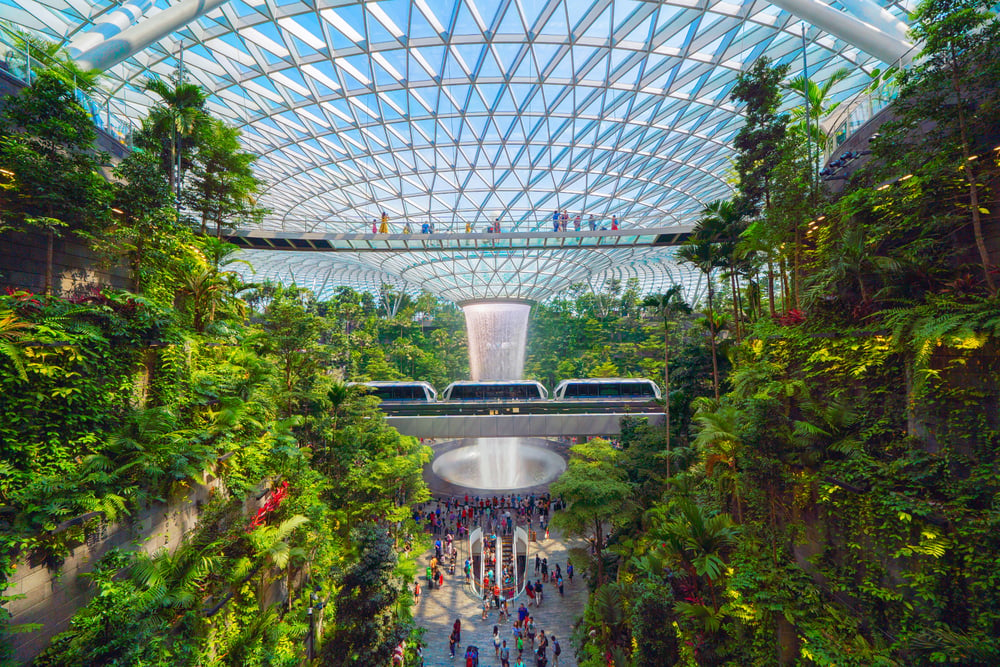
Changi doesn’t try to be an airport. It’s a destination that happens to have runways.
The butterfly garden sits between gates, humid and alive with color. Passengers lean against railings, watching monarchs drift past departure boards.
There’s a movie theater, free massage chairs, and a rooftop pool where you can swim laps between flights. The food courts serve actual Singapore street food, not airplane terminal approximations.
Tokyo Haneda Airport
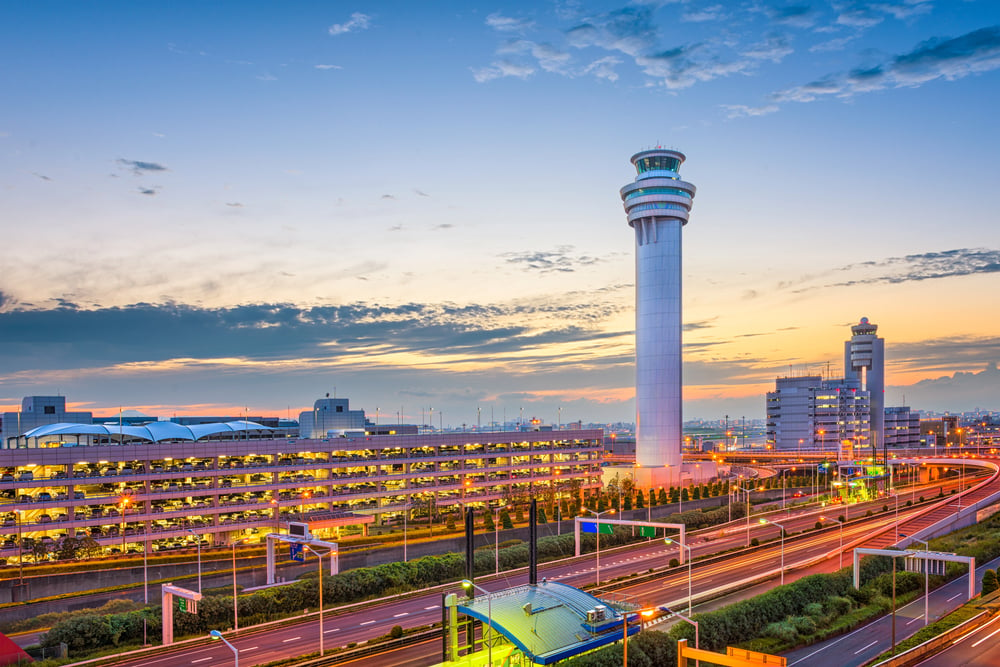
The cleanest bathrooms on earth belong to Haneda. Not close — definitively the cleanest.
The toilet seats are heated, the mirrors fog-free, the floors spotless enough that you’d feel comfortable eating off them (though the restaurants are better options).
Haneda treats efficiency like an art form. Security lines move with Japanese precision, boarding happens without chaos, and the trains connect seamlessly to the city.
Everything works exactly as promised, which shouldn’t feel revolutionary but somehow does.
Zurich Airport
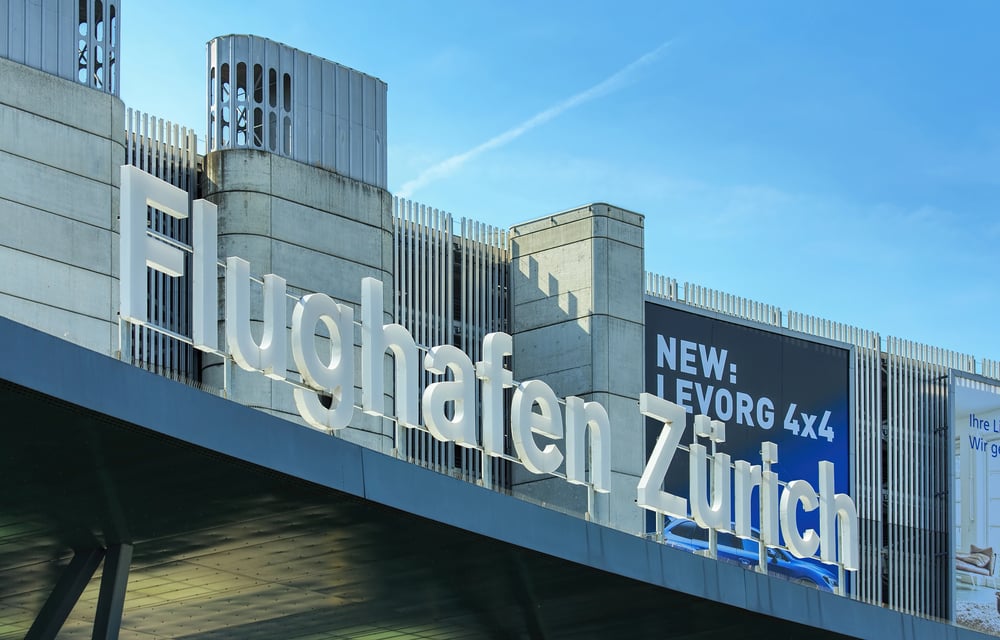
There’s something about Swiss airports that corrects your posture — not through intimidation, but through quiet competence that makes you want to match their standards. Zurich’s terminals feel less like transit hubs and more like well-appointed lounges where everyone happens to be going somewhere else.
The shopping doesn’t assault you with duty-free desperation; instead, you’ll find actual Swiss watches and chocolate that locals would recognize (because locals actually shop here, which tells you something about the quality).
And the mountain views from the observation deck don’t hurt, especially when your connecting flight gets delayed and you realize you’re not particularly bothered by the extra time.
But what strikes you most isn’t the efficiency or the views — it’s how the place never feels rushed, even during peak travel times. The rhythm stays steady, unhurried.
Patient.
Which makes sense when you consider that punctuality isn’t just a Swiss stereotype; it’s a Swiss promise, and Zurich keeps it without making you feel like you’re being processed through a machine.
Dubai International Airport
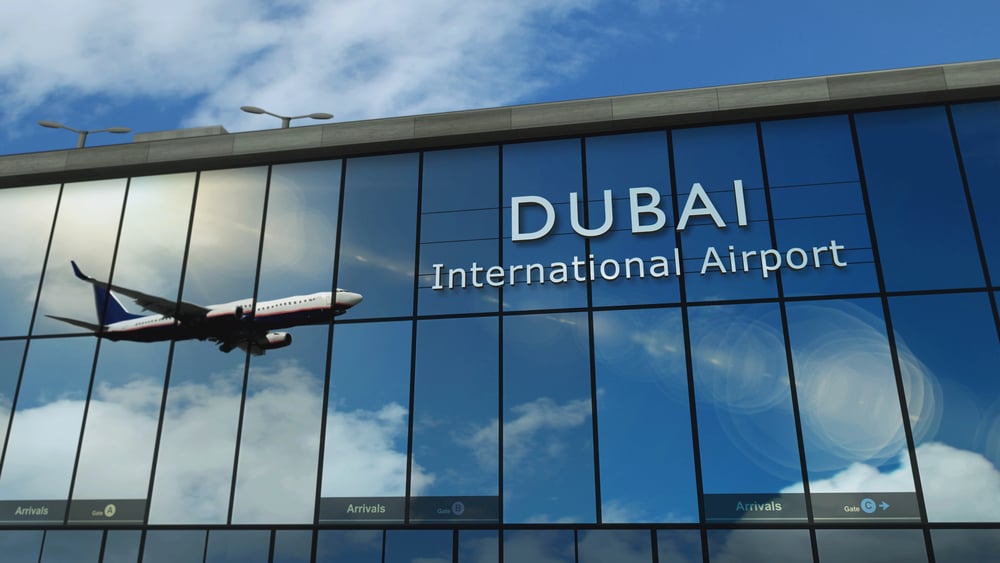
Dubai International operates on a simple principle: if you’re going to be stuck somewhere for hours, it might as well be impressive.
The duty-free shopping spans entire city blocks. Gold, electronics, perfumes, carpets — things you never knew you needed until you’re walking past them at 2 AM with six hours until your next flight.
The restaurants range from fast food to fine dining, and somehow the fine dining doesn’t feel like airport food dressed up for a costume party.
There’s an indoor garden, art installations, and enough space that crowds disperse naturally. Dubai built this place for the long haul, and it shows.
Amsterdam Schiphol Airport
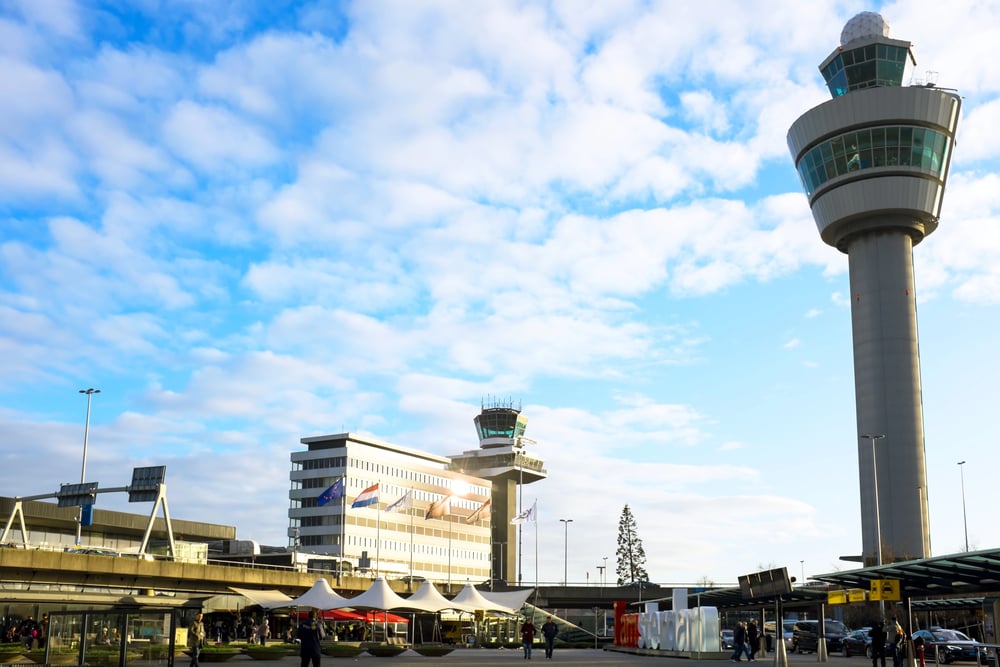
Schiphol houses a branch of the Rijksmuseum between security and departure gates, which should feel absurd but doesn’t — like finding a quiet library corner in the middle of a train station, complete with actual Dutch masters hanging on walls that most people hurry past without noticing (their loss, really). The airport library stocks books in dozen languages, comfortable chairs positioned near windows that look out onto runways where planes taxi past like oversized birds heading south for winter.
And the casino stays open 24 hours, because apparently some people handle layover anxiety differently than others.
So you can gamble, read Vermeer, or browse through what might be the world’s most comprehensive selection of stroopwafels, all while your connection to wherever gets delayed by North Sea weather that changes its mind every fifteen minutes. But even the delays feel manageable here, partly because there’s enough space to breathe and partly because the Dutch have turned pragmatism into an art form — they know you’re going to be here awhile, so they’ve made sure you won’t mind.
Seoul Incheon International Airport
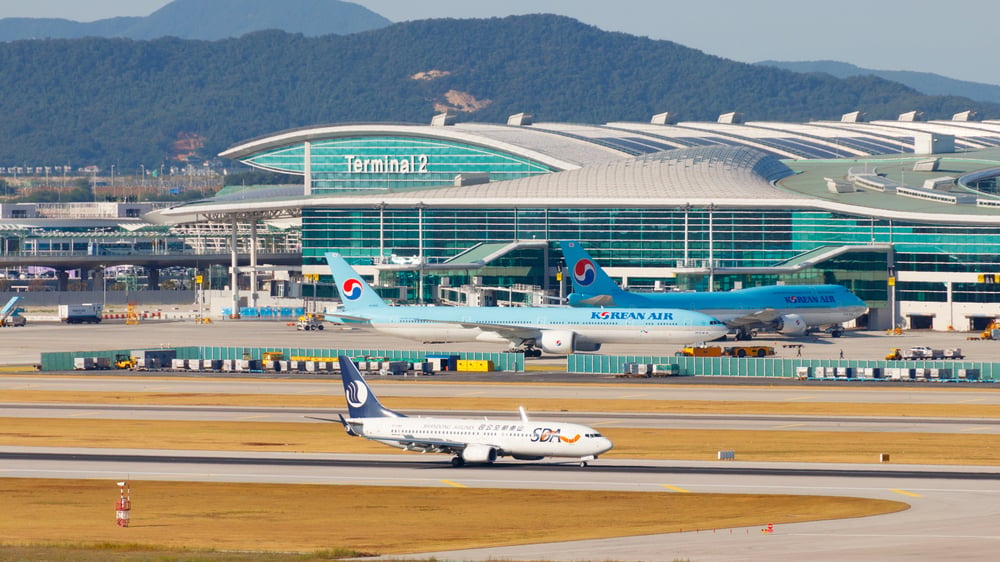
Korean efficiency meets Korean hospitality at Incheon, creating something that feels both highly organized and genuinely welcoming. The traditional cultural performances happen daily in the main terminal — real musicians playing traditional instruments, not airport background noise.
The ice skating rink stays open year-round because Korea decided that airports should have ice skating rinks.
The sleeping areas provide actual pods with doors, blankets, and privacy. Not perfect, but leagues better than trying to sleep across three plastic chairs while announcements echo overhead every twenty minutes.
The spa services include showers that you’ll want to stay in longer than your layover allows.
Vancouver International Airport
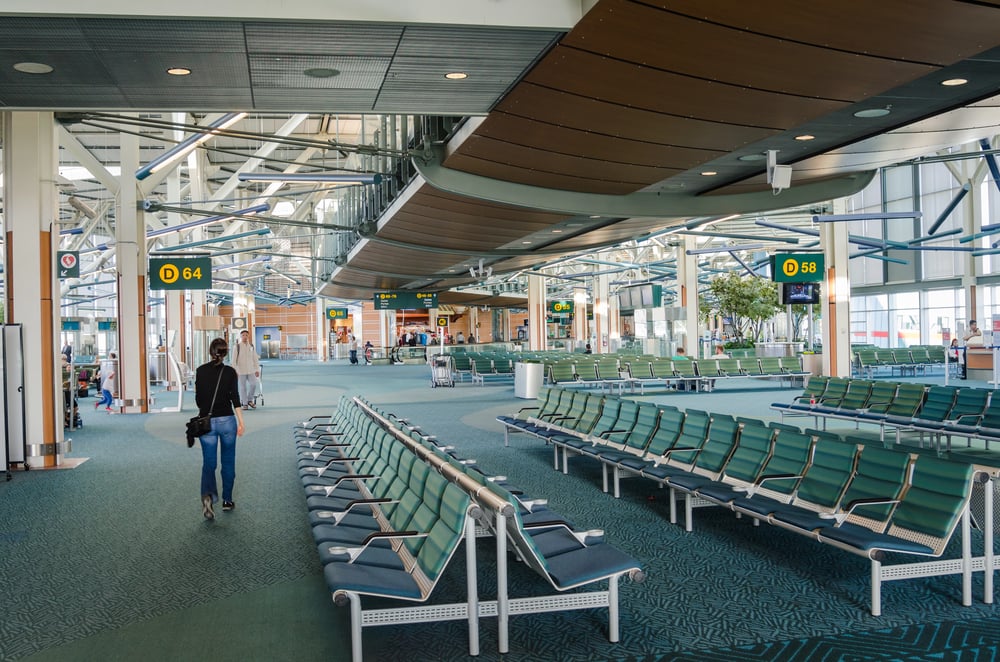
Vancouver brings the outdoors inside through floor-to-ceiling windows that frame mountains and water, making the terminal feel less like a building and more like a very comfortable viewing platform for one of the world’s more photogenic cities. The aquariums aren’t small decorative additions — they’re substantial installations where actual marine life swims past travelers who’ve paused between gates to watch something move at a different pace than airport foot traffic.
And the cedar and glass architecture doesn’t fight with the landscape outside; it frames it, like the building knows its job is to complement rather than compete.
The First Nations art integrated throughout isn’t tokenism — it’s substantial, meaningful work that gives the place cultural weight beyond its function as a transit hub. You’ll find yourself stopping to actually look at pieces, which is rare in airports where most art exists to fill wall space.
So the layovers become less about killing time and more about appreciating where you are, even temporarily.
But the real genius is how they’ve managed to make a major international airport feel distinctly Pacific Northwest without resorting to theme park obviousness — no fake totem poles or piped-in sounds of whales. Just clean lines, natural materials, and the sense that this place belongs exactly where it sits.
Munich Airport
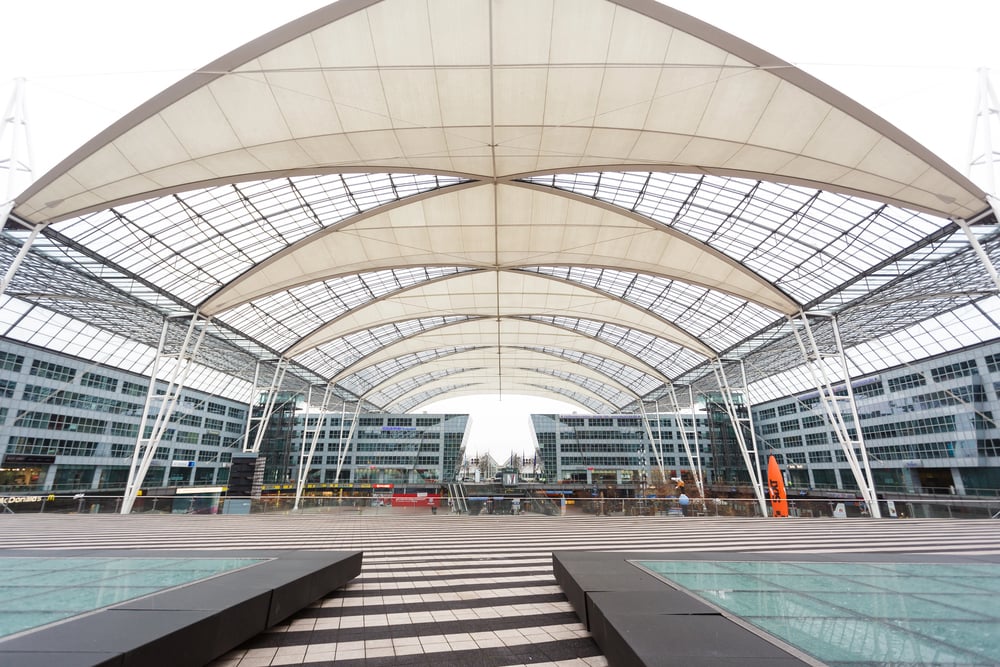
German engineering applied to passenger comfort produces Munich Airport. The beer gardens serve actual Bavarian beer at reasonable prices, because Germans understand that airport markup shouldn’t apply to essential services like properly brewed beer.
The Christmas market runs from November through January, transforming terminals into something that feels more like a small Bavarian town than an international airport. During summer, the outdoor terraces let you sit in actual sunlight while watching planes take off, which sounds simple but feels revolutionary after experiencing too many windowless terminals.
Hong Kong International Airport
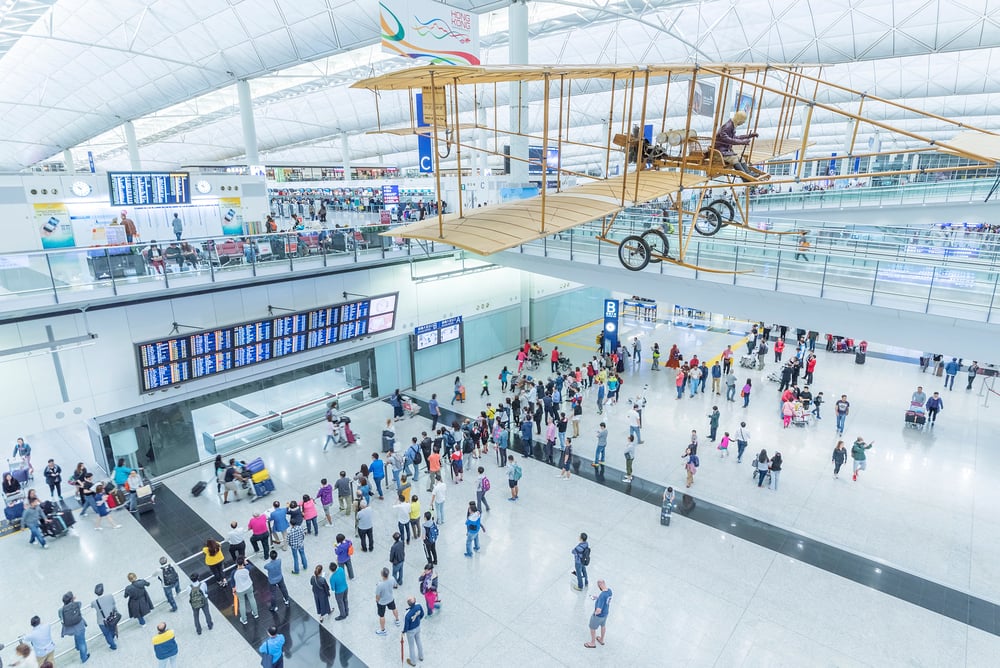
Hong Kong International sits on reclaimed land, connected to the city by trains that move fast enough to make you forget the distance. The IMAX theater shows actual current movies, not airline safety videos disguised as entertainment.
The spa services include day rooms where you can shower, sleep, and generally remember what it feels like to be human rather than cargo.
The dim sum restaurants serve food that Hong Kong locals would recognize, which in an airport context feels like a minor miracle. The shopping spans everything from luxury goods to practical travel items, and somehow manages both without the usual airport retail desperation.
Copenhagen Airport
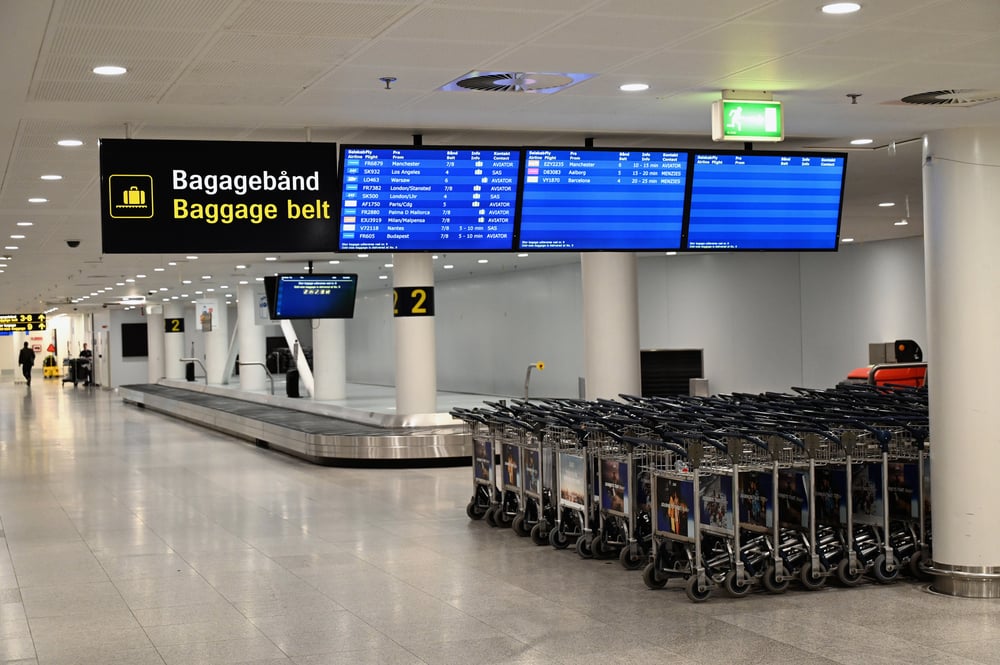
Scandinavian design philosophy transforms airport waiting into something approaching pleasant — clean lines that don’t feel sterile, comfortable seating that doesn’t look like it was designed to prevent lingering, natural light that actually reaches interior spaces where passengers spend their time (revolutionary concept, apparently). The food court includes actual Scandinavian restaurants serving open-faced sandwiches and coffee that doesn’t taste like it was brewed yesterday, because Danes take their coffee seriously regardless of location.
And the children’s play areas were clearly designed by people who understand that exhausted parents and energetic kids create a specific kind of airport chaos that needs thoughtful solutions.
But what strikes you most is the quietness — not silence, but the absence of unnecessary noise. Announcements stay minimal and clear, foot traffic flows without bottlenecks, and even during busy periods the acoustic design keeps sound levels manageable.
So conversations stay conversational rather than shouted, which makes the whole experience feel more civilized, less frantic. The Danes have figured out that airports don’t have to be loud to be functional.
Vienna International Airport
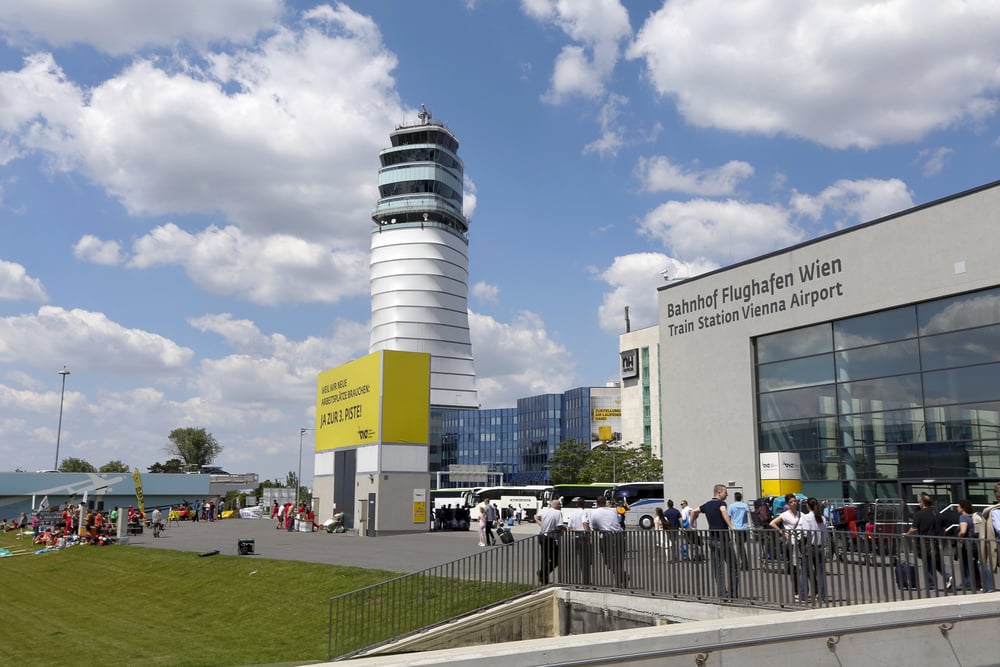
Austria brings classical music and coffeehouse culture to air travel, which sounds precious but works better than expected. The piano concerts happen regularly in the main terminal, providing actual live music instead of the usual ambient airport soundtrack that exists somewhere between elevator music and dental office waiting room.
The coffee shops serve proper Viennese coffee with small glasses of water, maintaining standards that would satisfy locals. The architecture feels more like a modern European train station than a typical airport terminal — higher ceilings, better proportions, natural light that doesn’t feel rationed.
Helsinki Airport
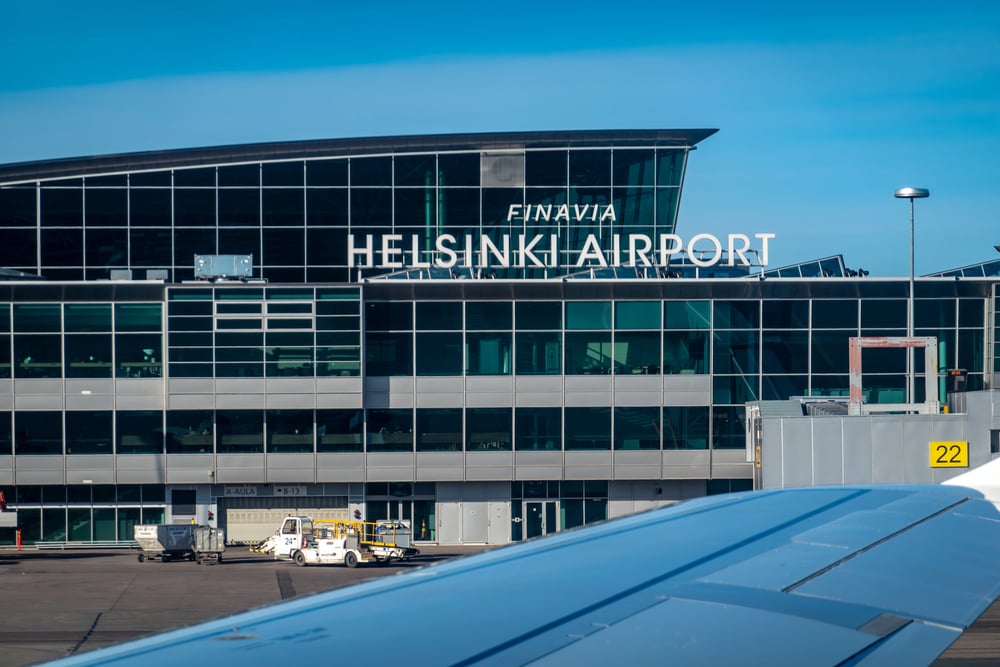
Finnish airports operate with the kind of understated competence that makes efficiency look effortless, like watching someone who’s genuinely good at their job work without breaking a sweat or making a show of it. The saunas — yes, plural — let you sweat out travel stress between flights, because Finns believe saunas solve most problems and they’re probably right about this one.
The local food options include actual Finnish cuisine, which means reindeer and cloudberry desserts alongside the usual international airport fare that tastes like it was designed by committee to offend absolutely no one.
The design stays minimal without feeling cold, comfortable without trying too hard to impress. Natural materials, clean lines, and the sense that everything has been thought through carefully rather than thrown together.
And the silence isn’t awkward — it’s peaceful, which makes sense when you remember that Finns have elevated comfortable quiet to an art form. So you can sit and think without constant sensory input demanding attention, which after a long flight feels like exactly what you didn’t know you needed.
Tokyo Narita International Airport
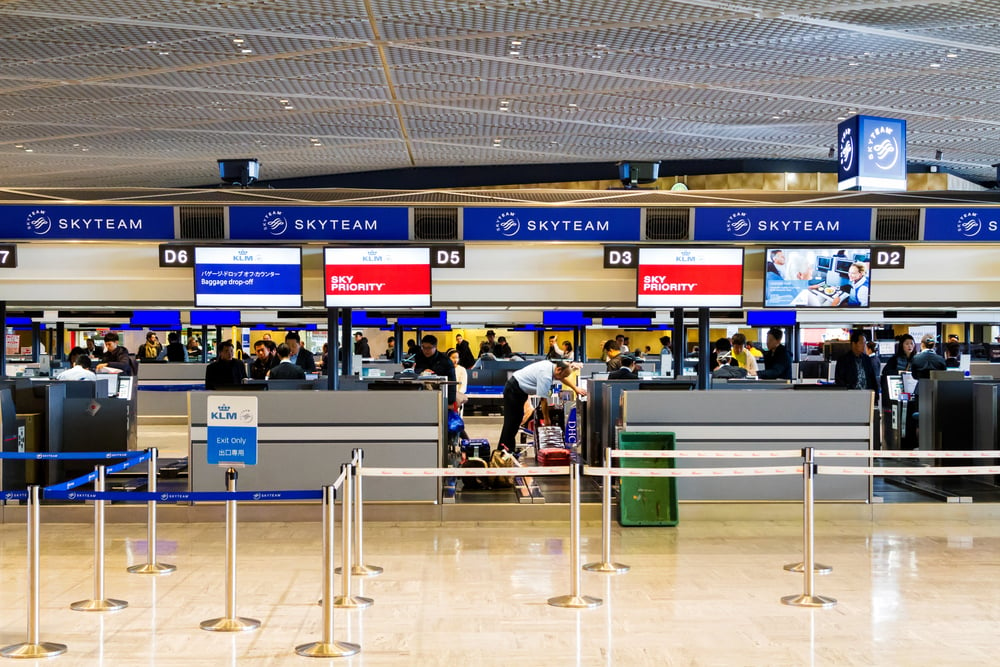
Narita takes Japanese attention to detail and applies it to every aspect of the airport experience. The cleaning staff bow to passengers, not out of subservience but from genuine respect for service done well.
The restaurants serve food that tastes like actual Japanese food, not airport interpretations of Japanese food.
The shopping includes everything from high-end electronics to traditional crafts, curated carefully enough that browsing doesn’t feel like swimming through tourist traps. The transit connections to Tokyo run precisely on schedule, because in Japan, precision isn’t optional.
Oslo Airport
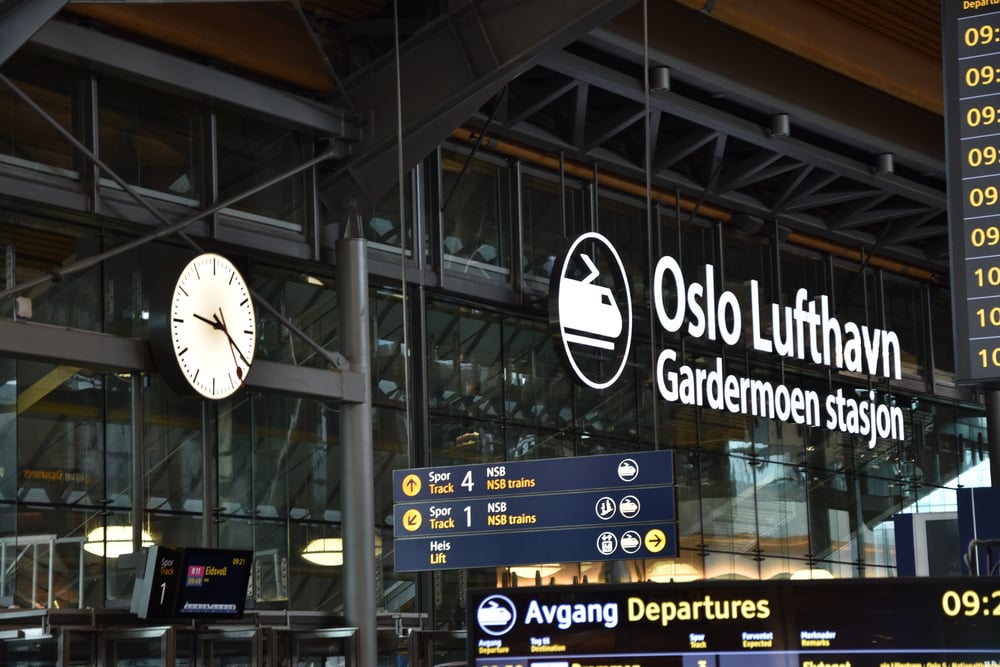
Norwegian airports prove that efficiency and warmth aren’t mutually exclusive — clean Scandinavian design that feels welcoming rather than sterile, with natural wood and stone that brings the outdoors inside without resorting to fake nature installations that fool absolutely no one. The food courts serve actual Norwegian salmon and lefse alongside international options, because why shouldn’t airport food represent the place you’re actually visiting.
The children’s areas were designed by people who clearly spend time around children and understand that good design can prevent meltdowns better than threats or bribes.
And the staff seem genuinely helpful rather than grudgingly professional, which makes a difference when you’re dealing with missed connections or luggage that decided to vacation somewhere else entirely. The whole place operates with that particular Norwegian combination of competence and kindness that makes you wonder why other airports haven’t figured out this formula.
But maybe it’s something in the Nordic water, or maybe it’s just what happens when you design spaces for humans rather than for processing humans as efficiently as possible.
Frankfurt Airport
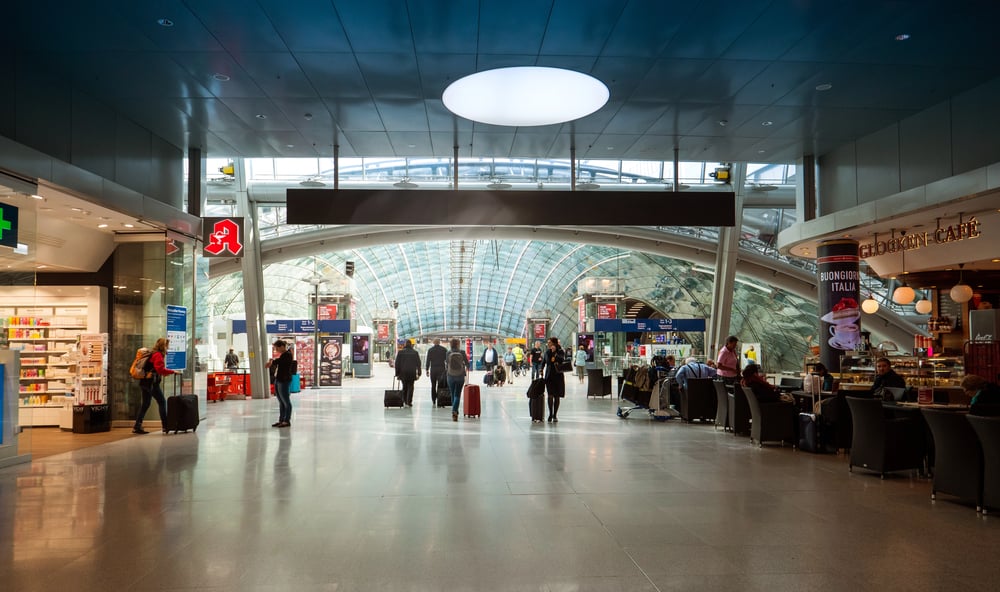
German precision meets international scale at Frankfurt, creating something that handles massive passenger volume without feeling like a cattle processing facility. The shopping spans everything from luxury boutiques to practical travel gear, curated well enough that you can find both emergency phone chargers and decent wine without hunting through chaos.
The restaurants include proper German food alongside international options, because Frankfurt understands that layover meals shouldn’t require lowered expectations. The transportation connections reach across Europe efficiently, making Frankfurt less a destination than a gateway that actually works the way gateways should.
Where flying feels human again
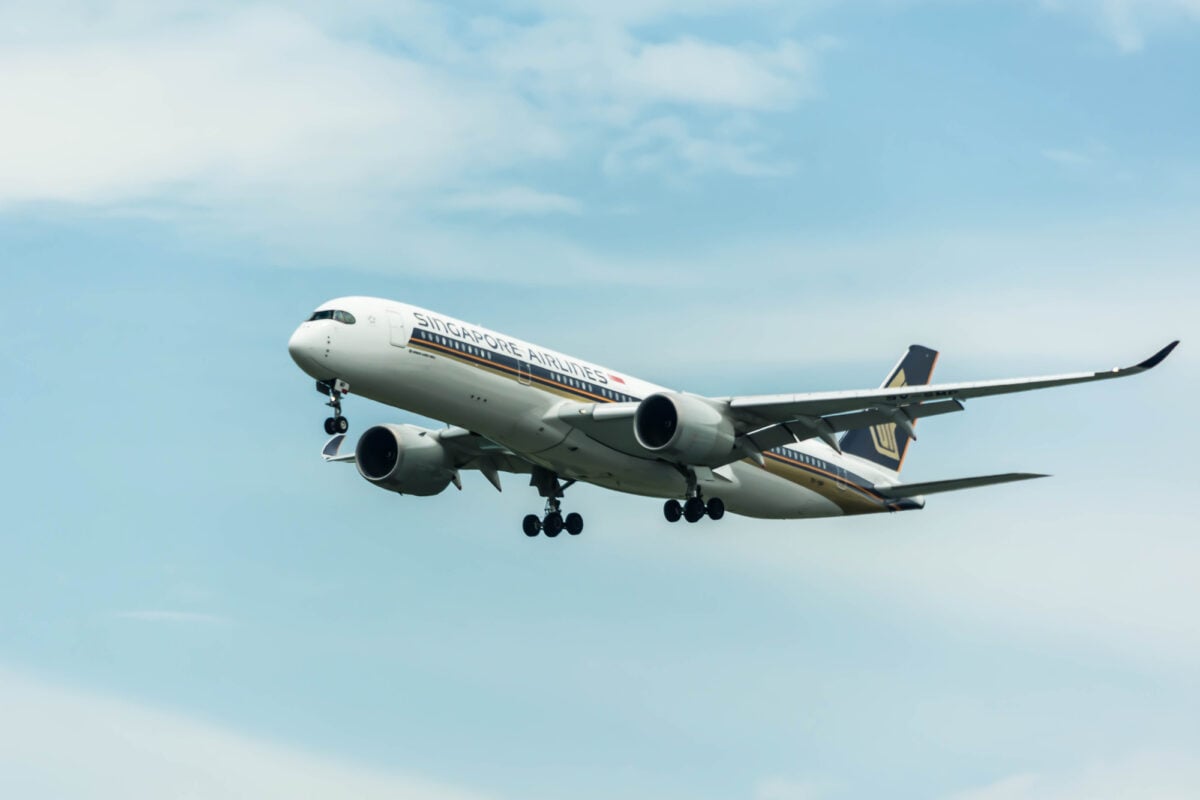
These airports understand something that the industry often forgets: passengers are people, not packages to be processed as quickly as possible. They’ve invested in comfort, culture, and genuine service rather than just efficiency metrics and throughput optimization.
The result transforms travel from endurance test into something approaching pleasure, proving that airports can be destinations worth experiencing rather than obstacles to endure on the way to somewhere else.
More from Go2Tutors!

- The Romanov Crown Jewels and Their Tragic Fate
- 13 Historical Mysteries That Science Still Can’t Solve
- Famous Hoaxes That Fooled the World for Years
- 15 Child Stars with Tragic Adult Lives
- 16 Famous Jewelry Pieces in History
Like Go2Tutors’s content? Follow us on MSN.