Products That Outgrew Their Original Purpose
Ever pick up a product and use it for something completely different than what it was made for? That plastic container becomes lunch storage. The hammer becomes a paperweight. The smartphone becomes everything except a phone.
Some products don’t just get repurposed by accident — they evolve so far beyond their original design that their creators wouldn’t recognize what they became. These transformations happen slowly, then all at once, until the thing exists in a world its inventors never imagined.
Duct Tape
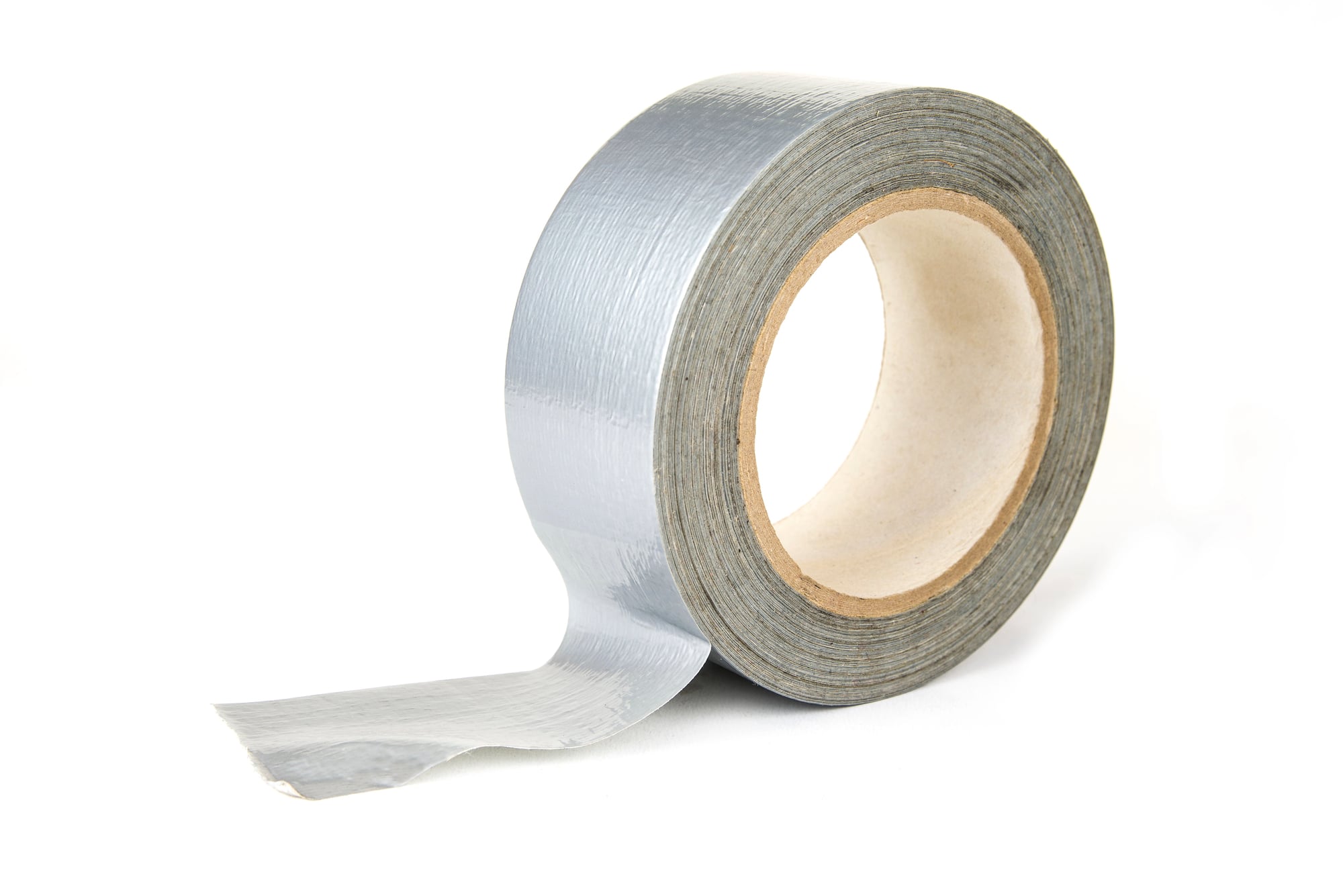
Medical tape for sealing ammunition cases during World War II. That’s it. Johnson & Johnson created it to keep moisture out of military supplies. No one planned for it to fix car bumpers, hem prom dresses, or hold together half the things in your garage.
Now it’s the universal fix for everything that shouldn’t move but does. The original military application feels almost quaint compared to what people actually use it for.
Bubble Wrap
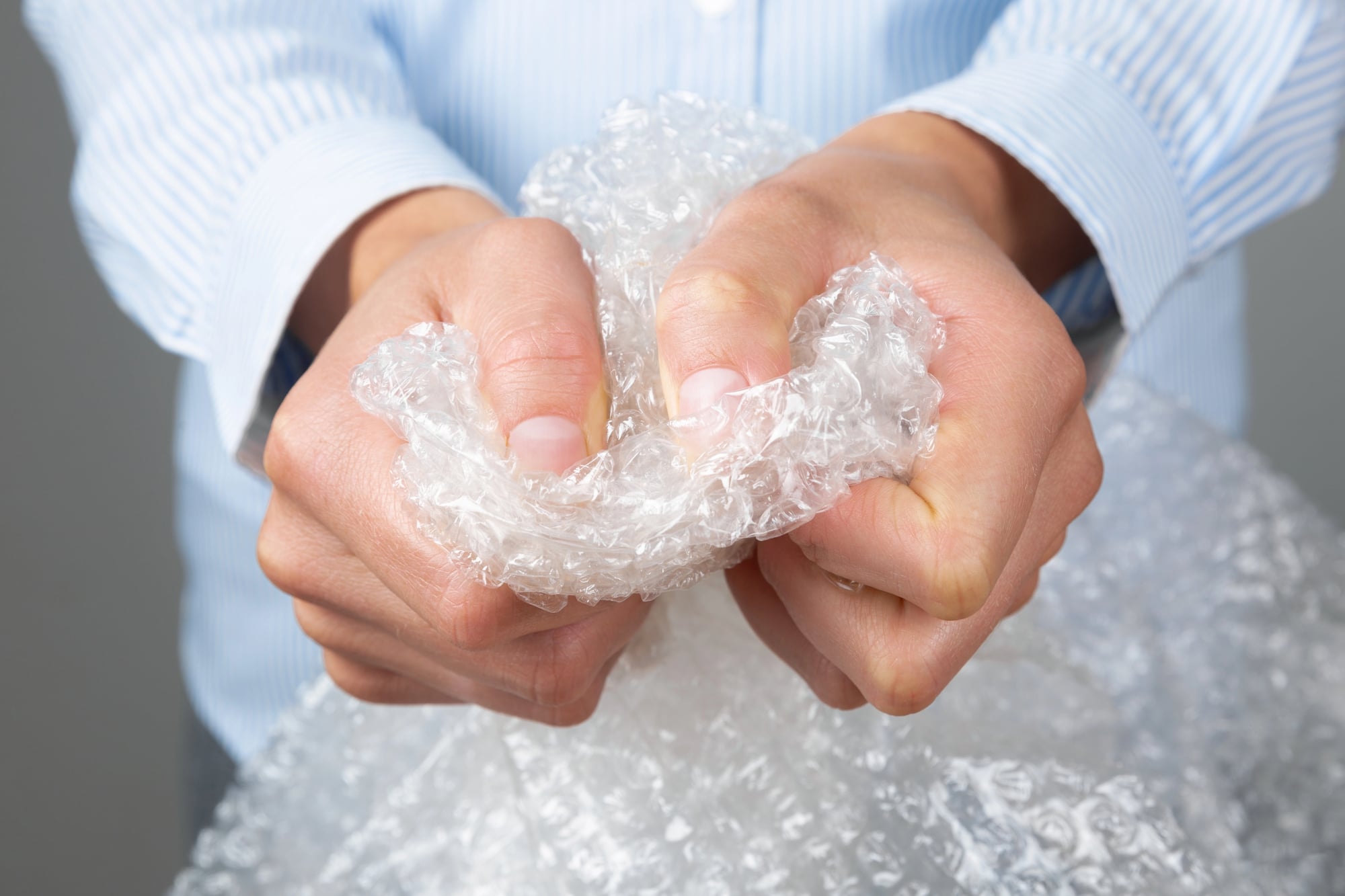
The story of bubble wrap reads like a comedy of errors, where two engineers (Alfred Fielding and Marc Chavannes) set out to create textured wallpaper in 1957 — which sounds like the most optimistic interior design gamble of the decade, considering that even regular wallpaper was becoming passé — and instead stumbled into what would become the gold standard for shipping protection, though not before they briefly tried to market their plastic sheet creation as greenhouse insulation (a detail that suggests either admirable persistence or complete denial about what they’d actually invented).
But the real transformation happened in the margins: bubble wrap became a stress-relief device that people couldn’t resist popping. So much for wallpaper.
The satisfying pop sound wasn’t intentional. Neither was the fact that people would spend entire afternoons methodically destroying sheets of the stuff.
And yet here we are — bubble wrap meditation sessions, bubble wrap art installations, even digital bubble wrap apps that simulate the popping experience for people who can’t wait for their next Amazon delivery.
Super Glue
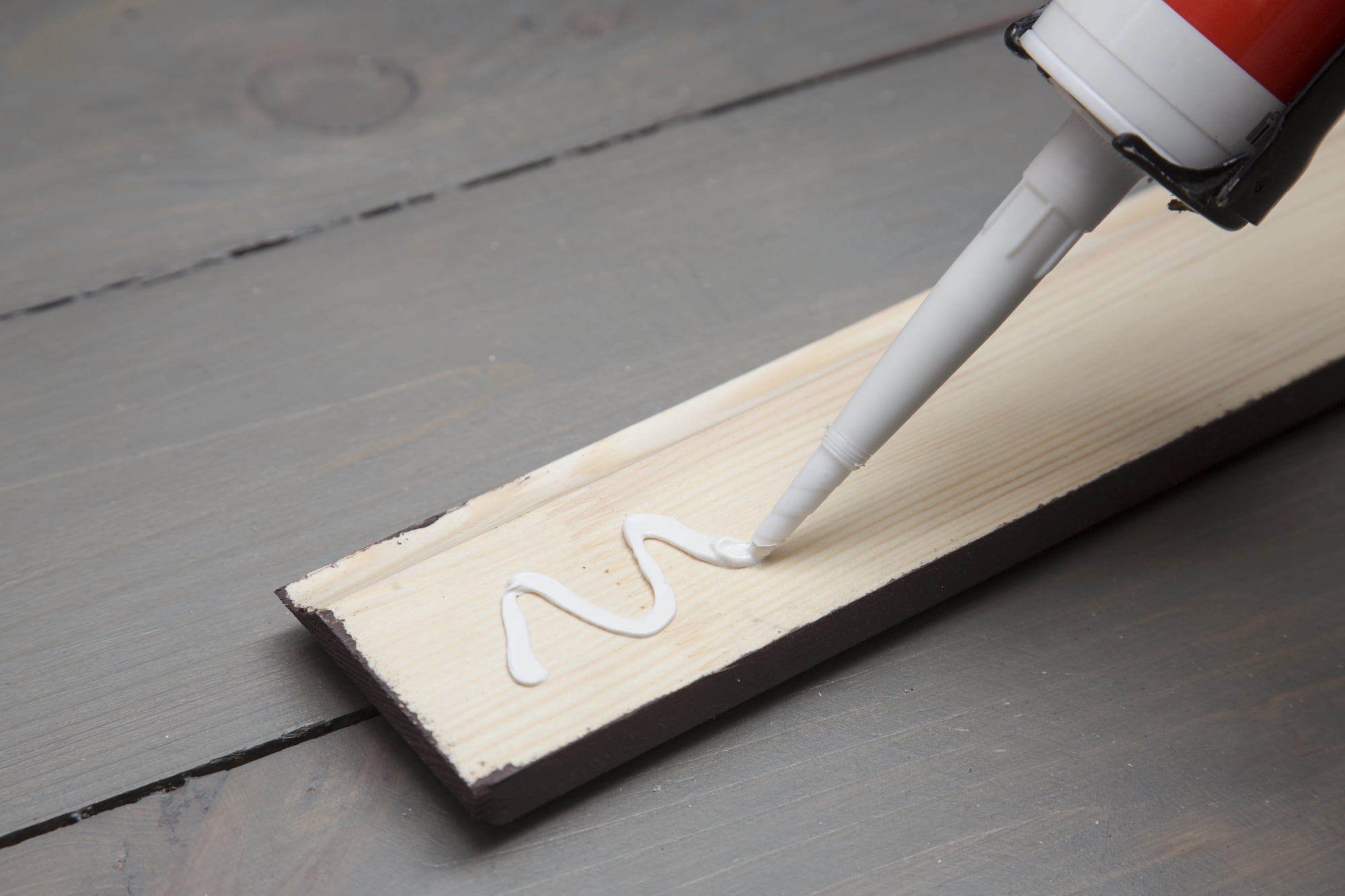
Super glue exists because Dr. Harry Coover was trying to make clear plastic gun sights for rifles in 1942. The cyanoacrylate compound was too sticky, too permanent, too impossible to work with. Useless for weapons manufacturing.
Turns out, impossibly sticky and permanent describes exactly what people want in an adhesive. Super glue now fixes broken ceramics, closes small wounds, and bonds materials that were never meant to stick together.
The military application that created it barely registers as a footnote.
Play-Doh
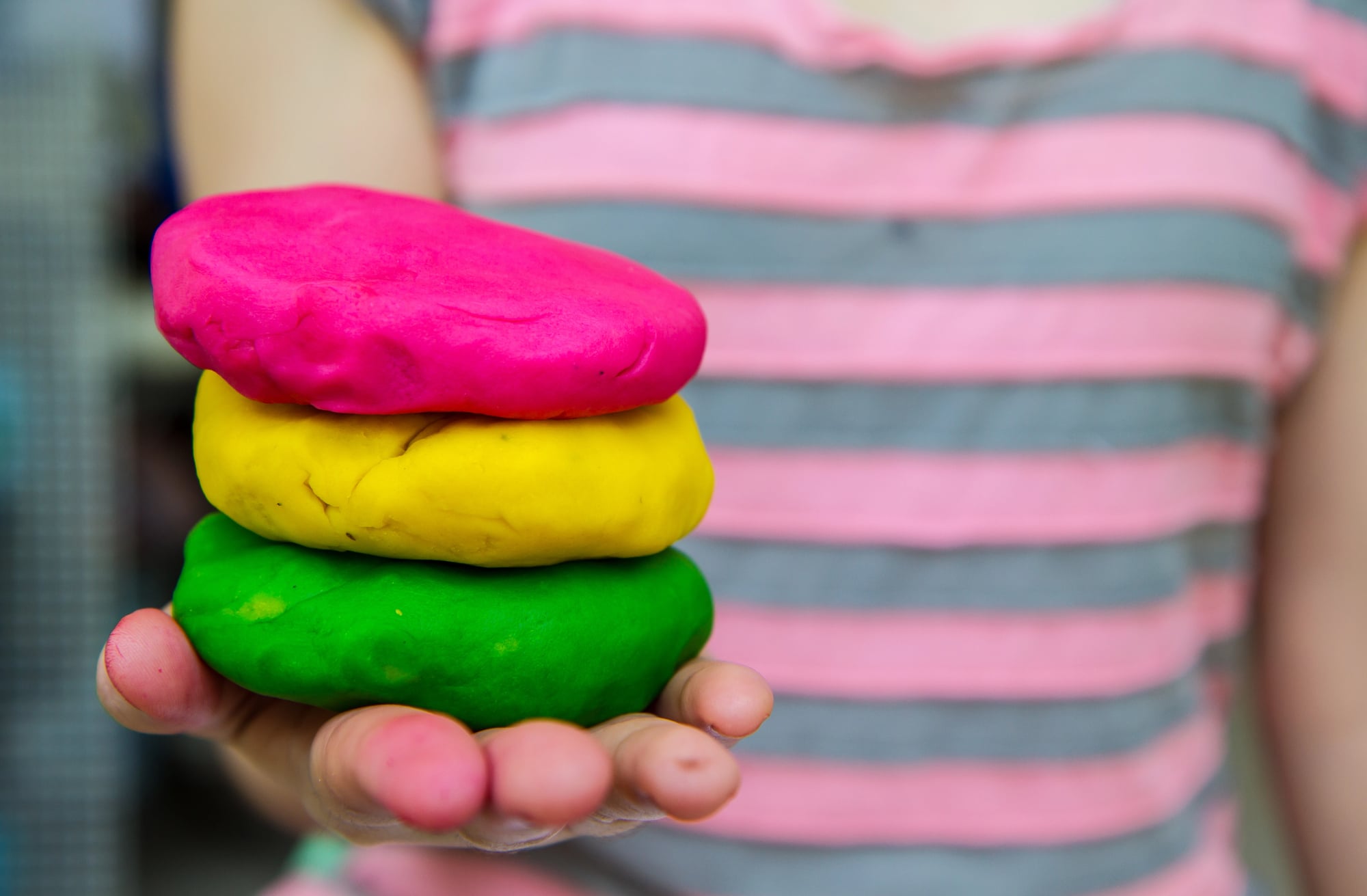
Someone at Kutol was trying to create wallpaper cleaner in the 1930s — a putty-like substance that could roll across walls and pick up soot from coal heating systems, which tells you something about both the state of home heating and interior maintenance at the time, back when cleaning wallpaper was apparently a regular household chore that required specialized tools.
The cleaner worked well enough, but then central heating became standard and wallpaper cleaning became irrelevant. Rather than vanishing into obsolescence, the product found its way into nursery schools where children discovered that wallpaper cleaner was actually perfect for sculpting, molding, and general creative chaos.
Teachers loved it because it was non-toxic and didn’t stain. Children loved it because it felt good to squish.
And parents discovered that the soft, malleable compound could keep kids occupied for hours — something wallpaper cleaning had never managed to accomplish.
The transformation from industrial cleaning product to children’s toy required nothing more than a change in marketing and a few bright colors. Same formula, completely different universe.
Kleenex
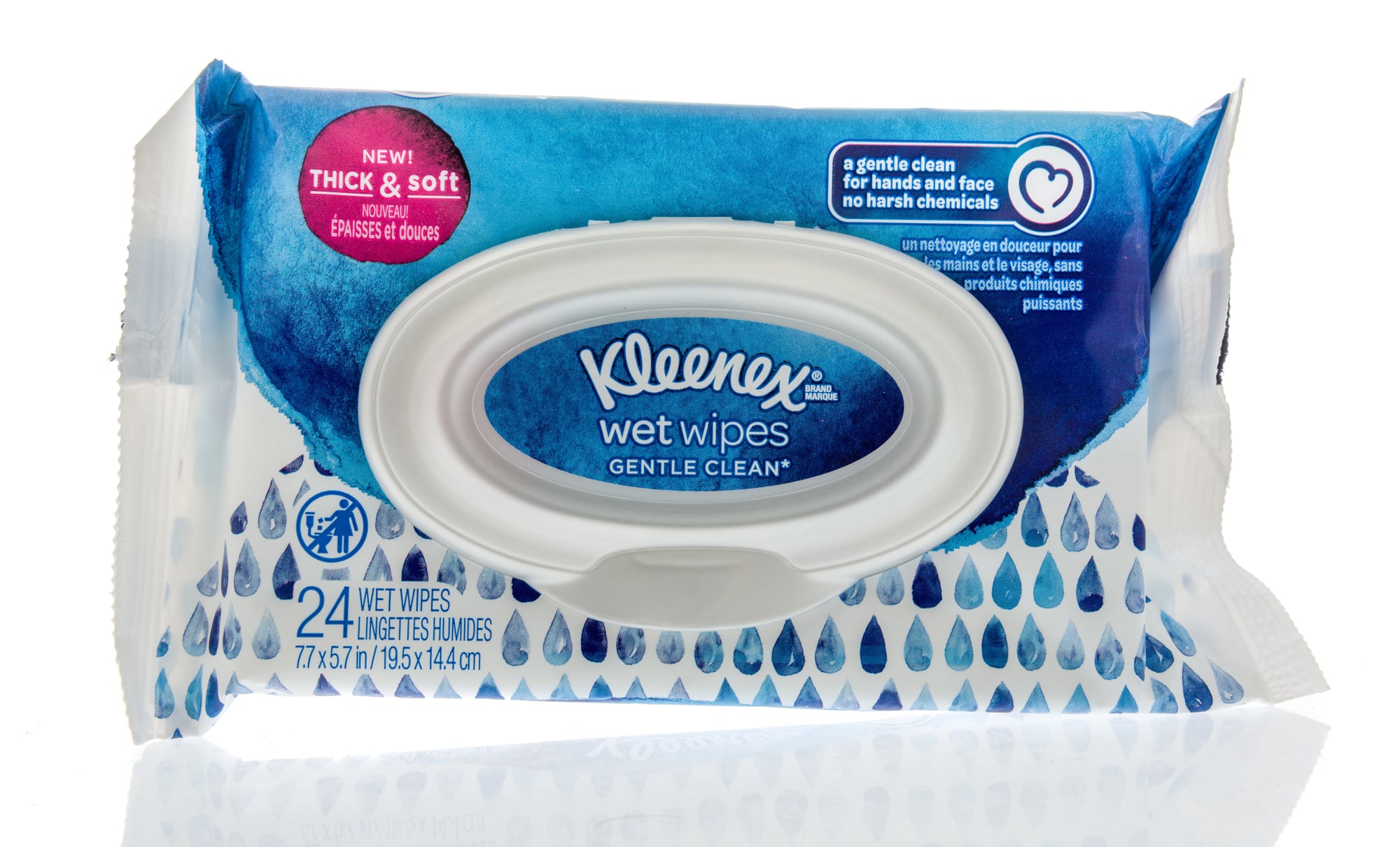
Kimberly-Clark designed Kleenex as cold cream remover for women in the 1920s. Thin tissue paper for makeup removal. The marketing was specific, the target audience narrow, the use case clearly defined.
Then people started blowing their noses with it. Letters poured in from customers using the tissues for everything except cold cream.
The company pivoted hard, advertising Kleenex as disposable handkerchiefs instead. The makeup angle became a historical curiosity practically overnight.
Listerine
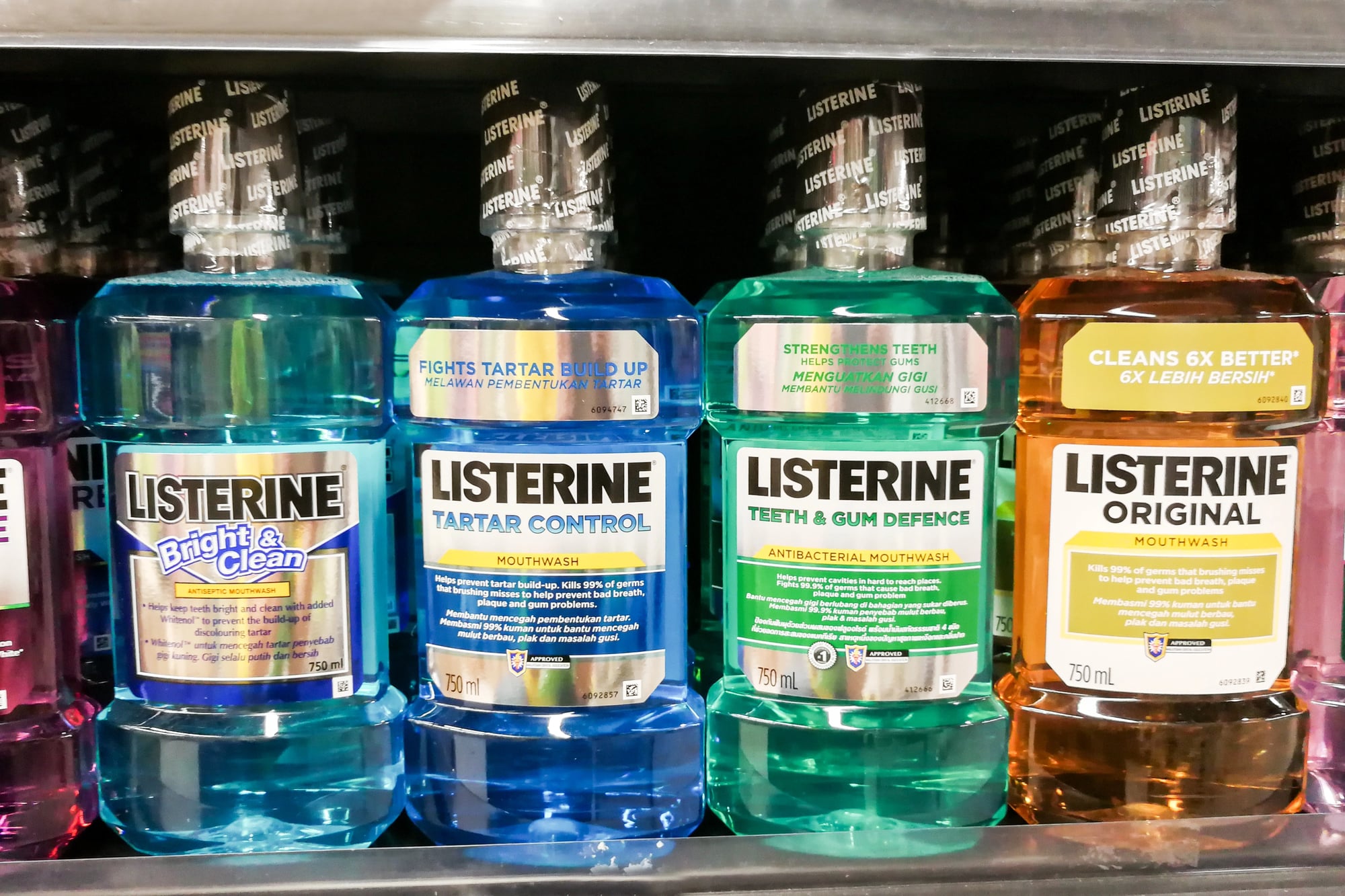
Listerine began as surgical antiseptic in 1879 — harsh, medicinal, designed to sterilize operating rooms and clean wounds, not freshen breath or make morning conversations more pleasant. Dr. Joseph Lawrence created it for medical procedures, where its aggressive formula and unmistakably sharp taste were features, not bugs, because patients expected medicine to taste unpleasant (which suggests our ancestors had remarkably low standards for pharmaceutical palatability).
The compound worked well in hospitals, but it also worked well for cleaning floors, treating dandruff, and supposedly curing everything from acne to athlete’s foot — though the company’s marketing department eventually realized they were sitting on something much more commercially viable than multipurpose antiseptic.
Bad breath, it turned out, was a problem people would pay to solve on a daily basis. Surgical antiseptic was something they hoped to avoid entirely.
So Listerine repositioned itself as the solution to halitosis — a term that barely existed until the company started advertising it.
The transformation required convincing people that their breath was offensive and that social interactions depended on minty freshness. The harsh taste that signaled medical efficacy now suggested thorough cleaning.
Same burning sensation, entirely different promise.
Vaseline
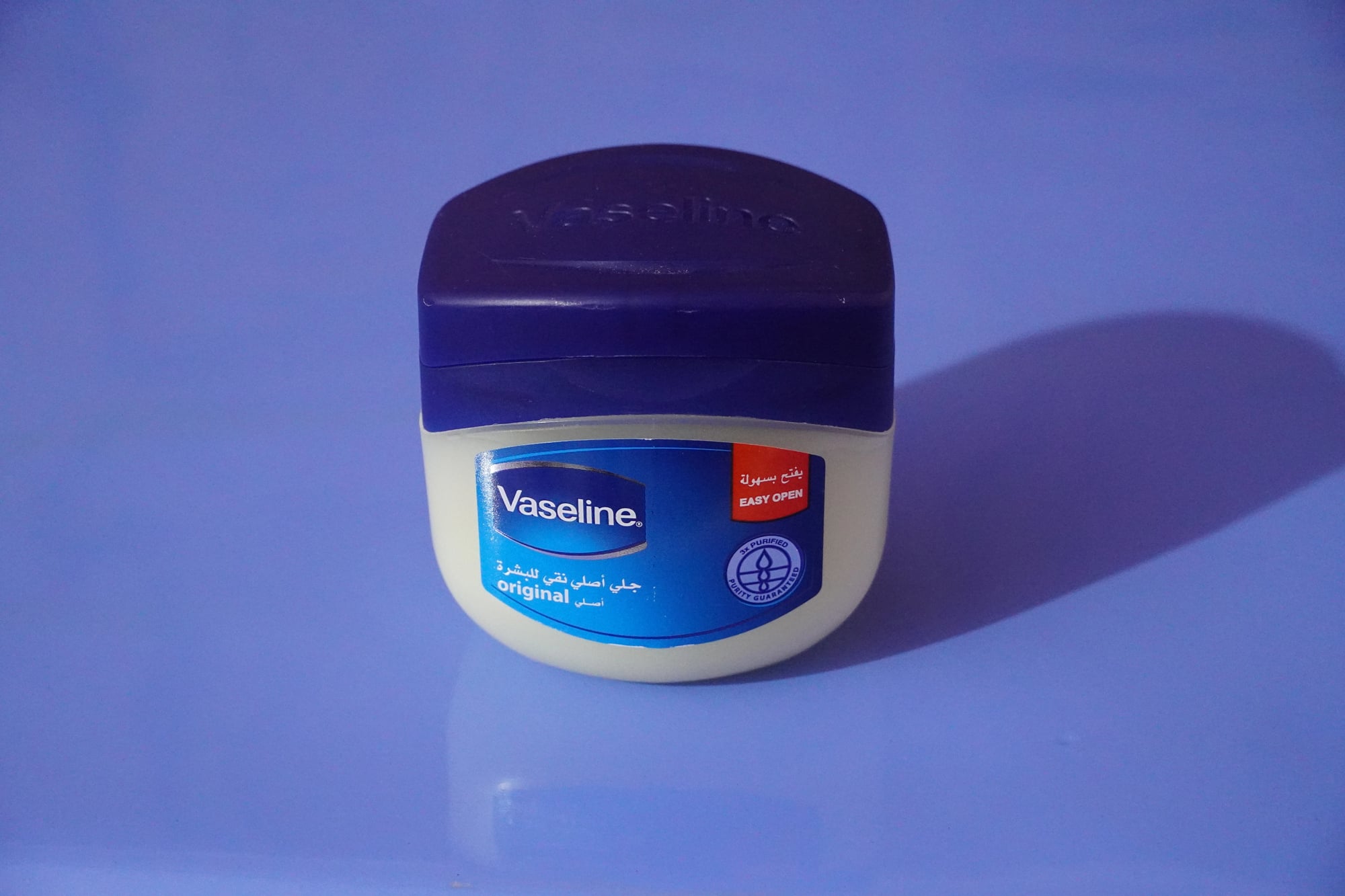
Robert Chesebrough discovered petroleum jelly in 1859 while visiting oil rigs in Pennsylvania. Workers were using the waxy residue that collected on drilling equipment to heal cuts and burns. Industrial byproduct turned folk remedy.
Chesebrough refined the substance, tested it on himself, and marketed it as a cure-all. Now Vaseline is used for everything from dry skin to removing makeup to protecting tattoos.
The petroleum connection feels almost accidental compared to its current role as household staple.
Coca-Cola
Dr. John Pemberton formulated Coca-Cola as a medicinal tonic in 1886 — a syrup designed to cure headaches, calm nerves, and provide mental clarity, marketed to Atlanta pharmacies as a patent medicine that happened to taste better than most of the bitter compounds people were expected to swallow for their health.
The original recipe contained coca leaf extract and kola nut caffeine, which explains both the energizing effects and the rather optimistic claims about mental improvement that accompanied early advertising.
But the real transformation happened when people started drinking it for pleasure rather than necessity, treating the supposed medicine as refreshment instead of treatment.
The medicinal claims disappeared gradually, replaced by marketing that focused on taste, refreshment, and social connection. Coca-Cola became the drink you had with friends, not the syrup you took for ailments.
And yet the stimulant effects that made it effective as a tonic are still there, hidden inside what’s now positioned as pure enjoyment. The medicine became the beverage that defines modern refreshment culture.
Q-tips
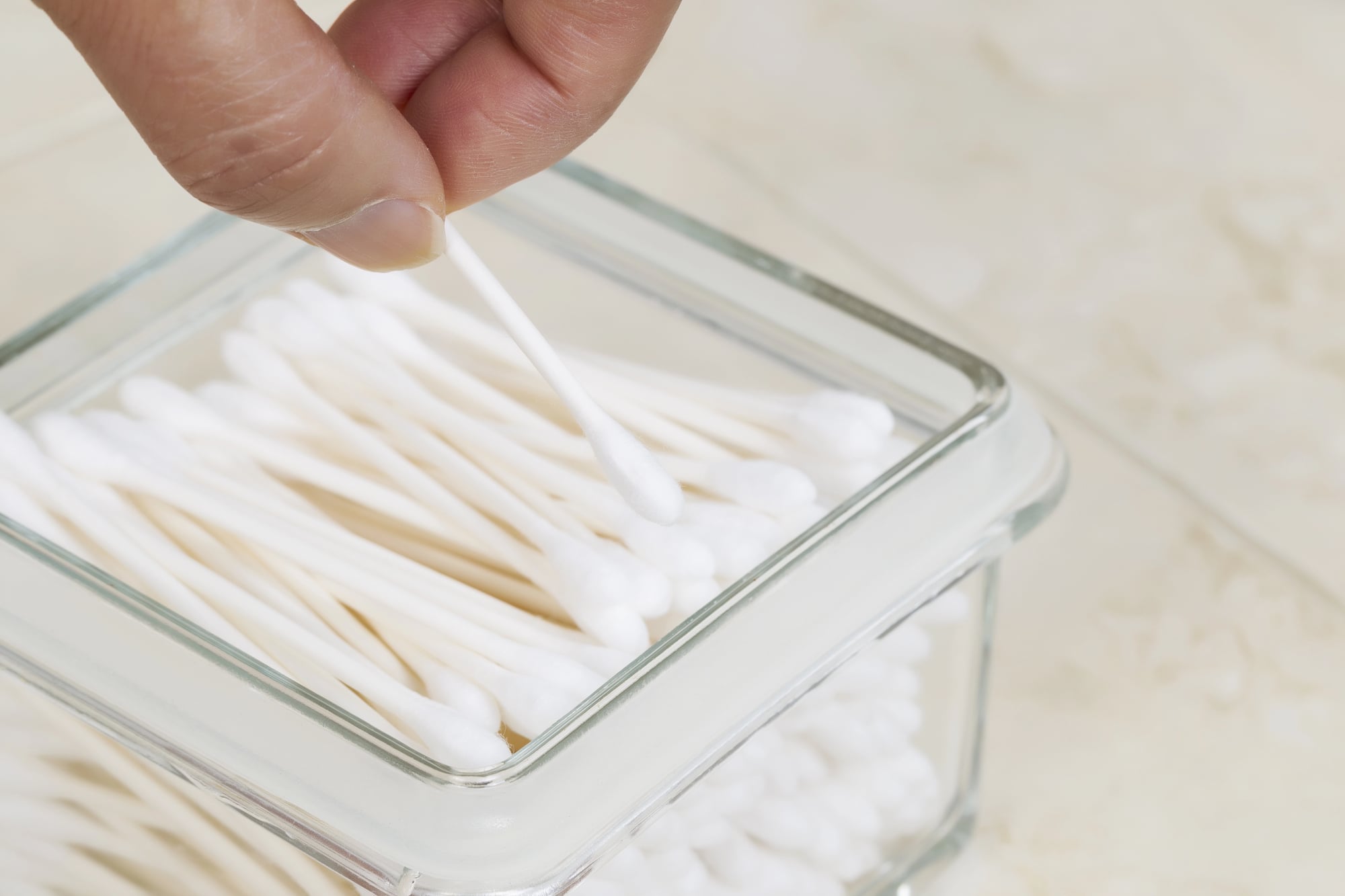
Leo Gerstenzang invented Q-tips in 1923 after watching his wife attach cotton wads to toothpicks for cleaning their baby. His “Baby Gays” (later renamed Q-tips) were designed for infant care — gentle cleaning for delicate skin, precise application of powders and ointments.
The ear cleaning thing happened despite explicit warnings on every package. People discovered that cotton swabs felt good inside ears, even though doctors recommend against it.
The baby care application became secondary to the thing everyone uses them for but isn’t supposed to.
WD-40
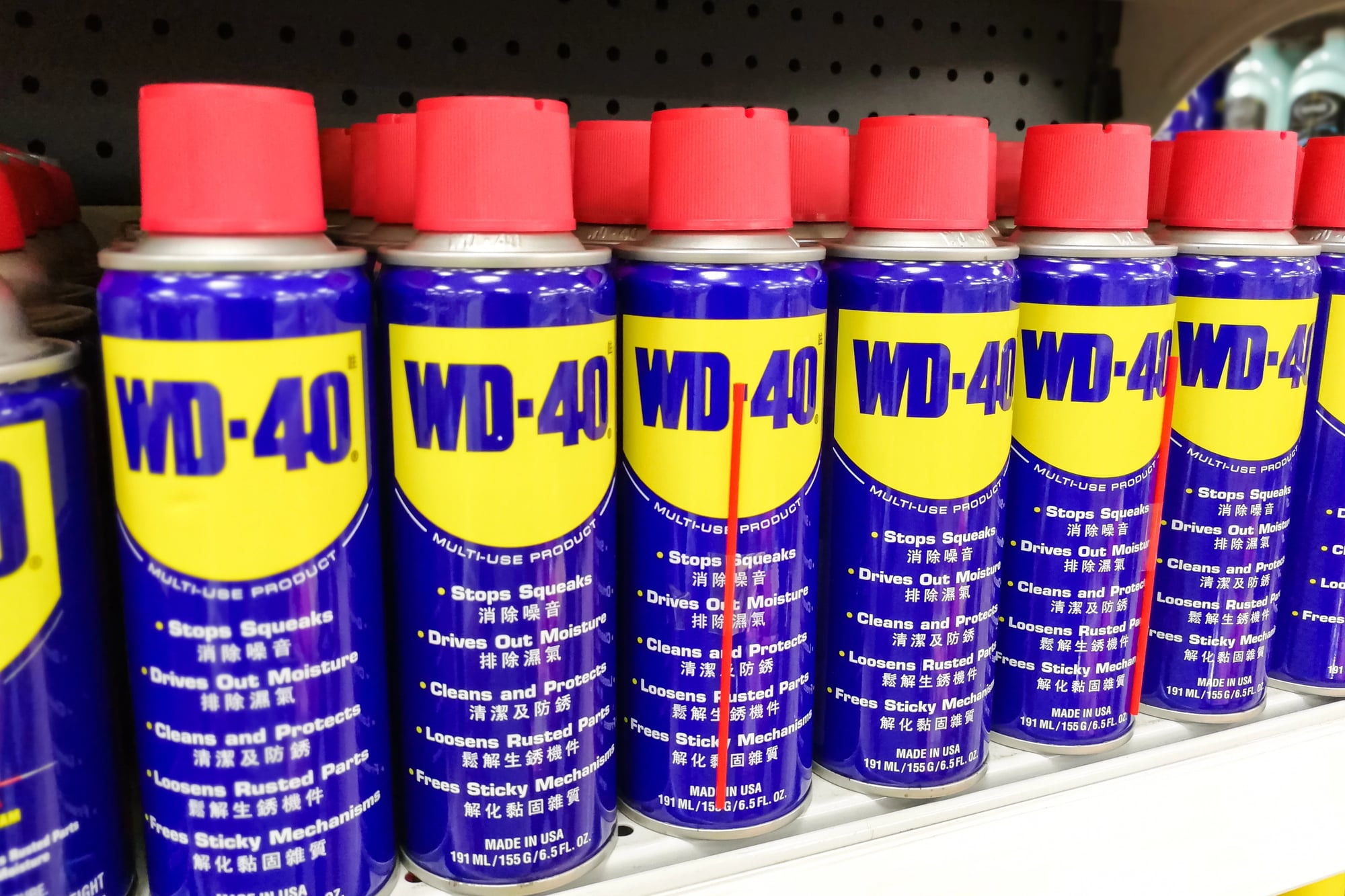
The Rocket Chemical Company created WD-40 in 1953 to prevent corrosion on nuclear weapons. Water Displacement, 40th formula. Military contractor work, highly specialized, single purpose.
Now it’s the go-to solution for squeaky hinges, stuck screws, and pretty much anything that needs lubrication or moisture removal. The company lists over 2,000 documented uses for WD-40, none of which involve nuclear weapons.
The military application feels almost classified compared to its civilian ubiquity.
Treadmills

Treadmills were punishment devices in 19th-century prisons — literally called “treadwheels” where inmates would climb continuously to power mills or pumps, turning their labor into productive work while serving their sentences, which sounds like the kind of grimly efficient thinking that characterized Victorian approaches to criminal justice.
The machines were designed to be exhausting and monotonous, combining physical punishment with useful output, because apparently regular prison time wasn’t considered sufficiently rehabilitative without the addition of forced cardio.
And then, somehow, this torture device became the foundation of modern fitness culture.
The transformation required reframing exhausting monotony as health benefit. The same repetitive motion that was intended as punishment became the path to physical fitness and mental clarity.
People now pay monthly fees to access the very machines that were once used to punish criminals.
The irony runs deeper than just the change in context — modern treadmill users often describe their workouts in terms that wouldn’t sound out of place in a Victorian prison: grinding through miles, doing time on the machine, serving their sentence to fitness goals.
Champagne

Dom Pérignon and his fellow monks were trying to make regular wine in 17th-century France. The bubbles were accidents — secondary fermentation that happened during transport and storage, creating pressure that sometimes exploded bottles and always surprised drinkers expecting still wine.
The sparkling effect was initially considered a flaw to be corrected, not a feature to be celebrated. Now champagne is the drink for special occasions, luxury celebrations, and moments that require something more festive than regular wine.
The accidental bubbles became the entire point.
Post-it Notes

Spencer Silver at 3M was developing super-strong adhesive in 1968. Instead, he created weak adhesive that could be repositioned without leaving residue. Failed experiment, shelved for years.
Art Fry, another 3M scientist, remembered Silver’s weak adhesive when he needed bookmarks that wouldn’t fall out of his hymnal during choir practice. The bookmarks became removable notes, the notes became office essentials, and the failed adhesive became one of 3M’s most successful products.
When Accidents Become Essentials

These products share something beyond successful reinvention — they found their true purpose through human ingenuity rather than corporate planning. People took what was offered and made it into what they actually needed.
The best transformations happened when companies stopped insisting on their original vision and started paying attention to what customers were actually doing. Sometimes the accident turns out to be more valuable than the intention.
More from Go2Tutors!

- The Romanov Crown Jewels and Their Tragic Fate
- 13 Historical Mysteries That Science Still Can’t Solve
- Famous Hoaxes That Fooled the World for Years
- 15 Child Stars with Tragic Adult Lives
- 16 Famous Jewelry Pieces in History
Like Go2Tutors’s content? Follow us on MSN.