15 American Habits That Leave Outsiders Baffled
Travel anywhere in the world, and certain cultural quirks become immediately obvious. Every country has them — those little habits and customs that make perfect sense to locals but leave visitors scratching their heads.
America, with its blend of regional traditions and nationwide peculiarities, offers plenty of these moments. From everyday interactions to dining customs, these are the American behaviors that consistently puzzle people from other countries.
Wearing shoes indoors
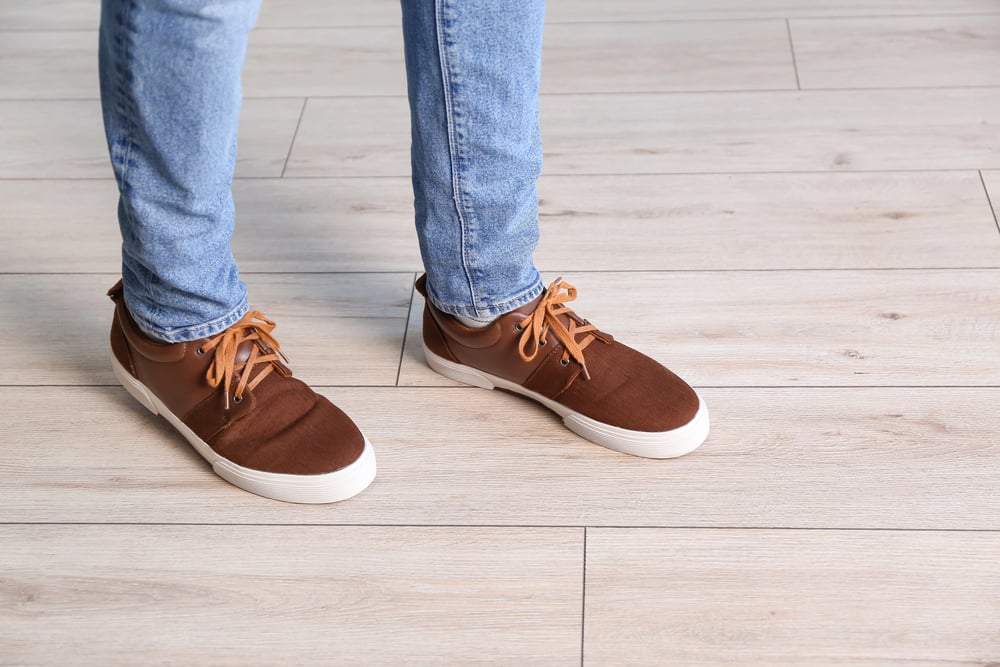
Americans walk into their homes wearing the same shoes they wore on city sidewalks. No pause at the door.
No house slippers waiting. The shoes that stepped over puddles and through parking lots march straight onto living room carpets.
Ice in everything

Restaurants serve water so cold it practically steams in reverse, and that’s before adding the mountain of ice cubes that fills half the glass. Americans put ice in beverages that other cultures drink at room temperature (or even warm), and when the ice melts, they ask for more.
So much frozen water that there’s barely room for the actual drink.
Tipping culture expectations
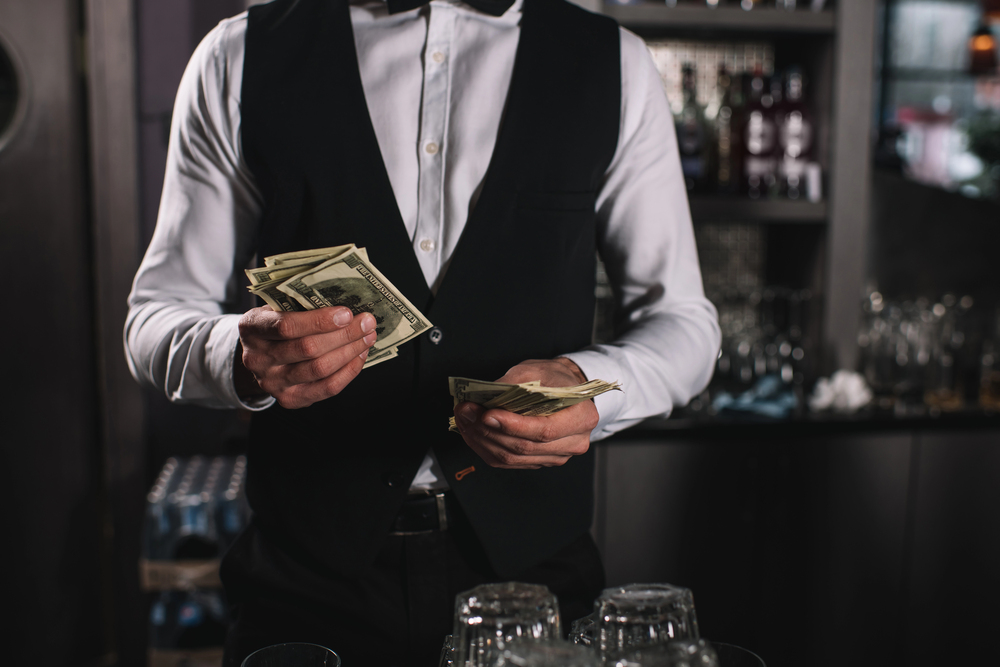
The unwritten mathematics of American dining creates a parallel economy where the listed price means almost nothing. A $20 meal costs $26 after tip and tax, but only if the service was mediocre — exceptional service (which is to say, any server who refills your water glass without being asked) demands closer to $30.
And this calculus extends beyond restaurants: baristas, taxi drivers, hotel housekeeping staff, even people who hand you a pre-made sandwich expect a percentage of the total, though nobody explains what percentage or why. But somehow everyone except visitors knows exactly how much to give and when to give it.
Small talk with strangers
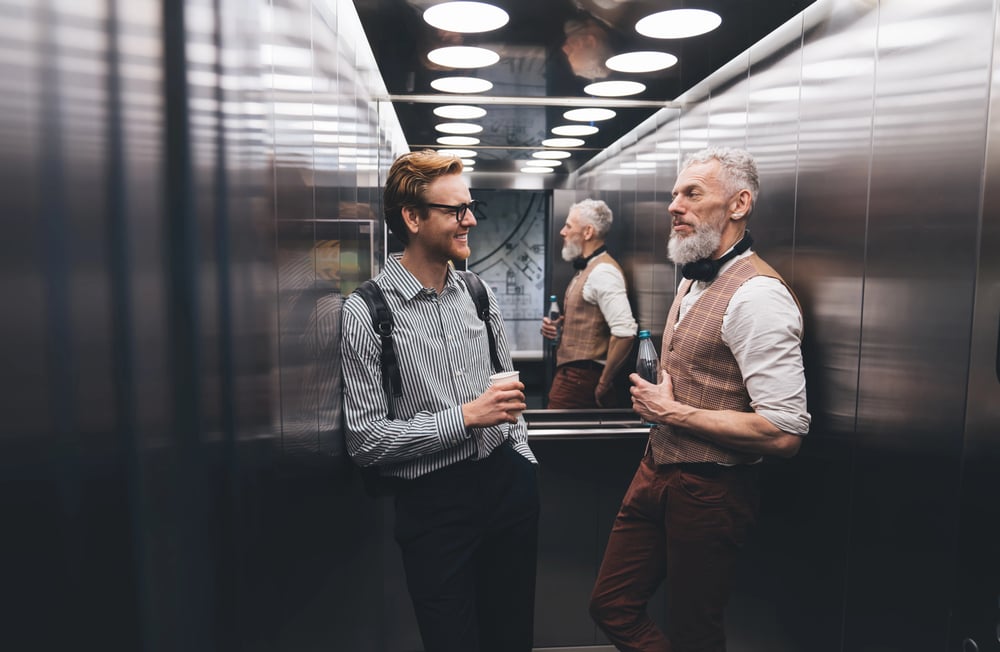
Grocery store checkout lines become impromptu therapy sessions. Elevator rides turn into weather discussions.
Americans treat every brief encounter as an opportunity for conversation, asking “How’s your day going?” to people they’ll never see again and genuinely expecting an answer beyond “fine.”
Massive portion sizes
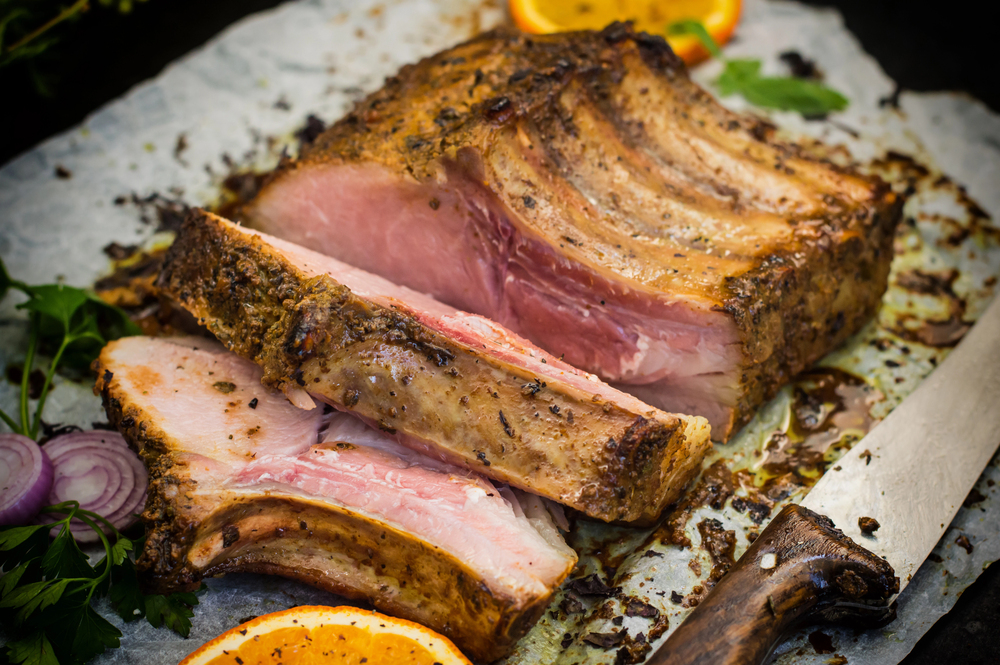
Restaurant plates arrive at the table like mathematical proofs that more is always better. A single serving of pasta could feed a small European family, and the concept of sharing an entrée — which would be normal anywhere else — requires a special request and sometimes an extra charge.
Appetizers designed for the table could serve as complete meals, but they’re just the opening act. And then comes the entrée, accompanied by sides that are themselves the size of full portions, creating a landscape of food that stretches beyond the edges of plates designed for normal human consumption.
Driving everywhere
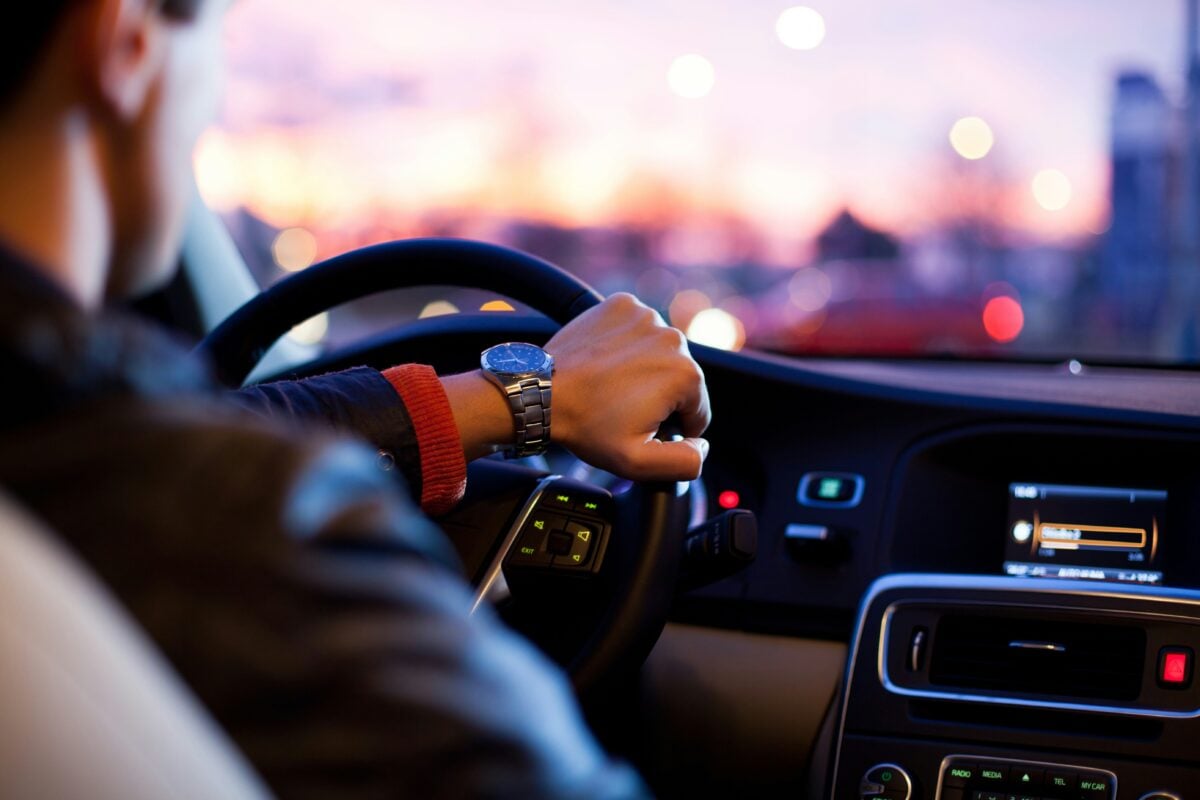
The mailbox sits thirty feet from the front door, and Americans drive to it. Not metaphorically — literally.
They reverse out of the driveway, navigate to the end of the block, idle while checking mail, then drive back. Walking feels like admitting defeat against distance, even when the distance could be covered in under a minute on foot.
Medical advertisements on television

Prime time television pauses between sitcom scenes to suggest viewers ask their doctors about medications for conditions they might not know they have. Cheerful commercials list side effects that sound worse than the original problem — “may cause internal hemorrhage, thoughts of self-harm, or sudden death” — while showing families playing frisbee in slow motion.
The assumption seems to be that patients should diagnose themselves and then convince medical professionals to prescribe accordingly.
Bathroom stall gaps
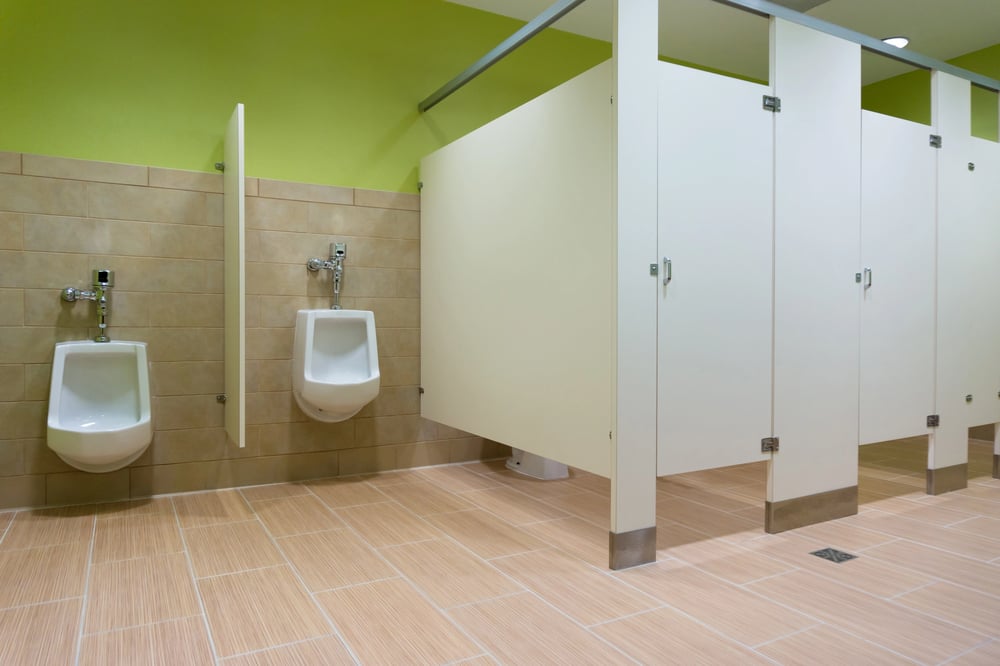
American public restrooms feature doors and walls with gaps wide enough to make eye contact with strangers. These aren’t accidental design flaws — they’re intentional features that somehow passed through multiple stages of architectural planning, construction approval, and installation without anyone questioning why privacy requires such generous ventilation.
The gaps serve no clear purpose except creating mutual discomfort for everyone involved.
Obsession with air conditioning

Summer arrives, and Americans respond by creating indoor arctic conditions that require sweating people to carry jackets in July. Office buildings become so aggressively climate-controlled that employees wear winter clothing at their desks while temperatures outside reach 90 degrees.
The goal seems to be making indoor spaces cold enough that hot coffee becomes a necessity for warmth rather than a preference for caffeine, which creates the peculiar sight of people drinking steaming beverages to counteract the artificial winter they’ve created for themselves.
Eating while walking

Sidewalks become dining rooms. Americans consume full meals while moving, balancing coffee cups, breakfast sandwiches, and phone conversations simultaneously. The concept of sitting down to eat seems optional — something reserved for special occasions rather than daily necessity.
Excessive friendliness from service workers

Store employees greet customers like long-lost relatives, ask about weekend plans, and offer assistance with the enthusiasm of people who genuinely care about your shopping experience. This isn’t customer service — it’s performance art.
The cashier who rings up groceries wants to know about vacation plans and offers opinions on produce choices.
Leaving cars running while shopping
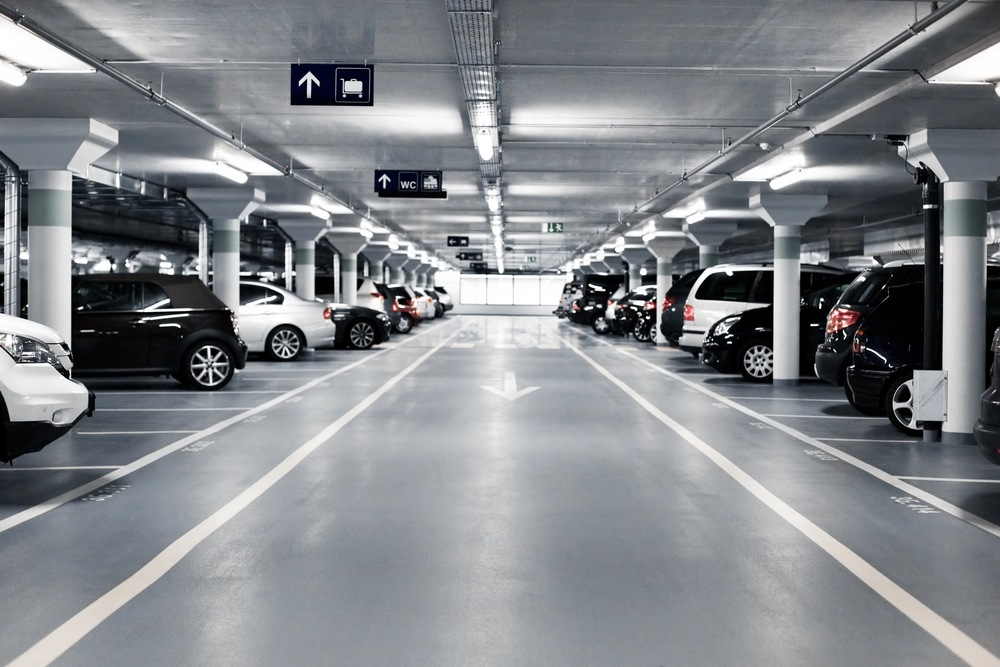
Parking lots hum with the sound of empty vehicles burning gasoline to maintain perfect interior temperatures for owners who might return in twenty minutes or two hours. Cars idle outside convenience stores, coffee shops, and grocery stores, consuming fuel to preserve climate control for seats that nobody occupies.
The environmental cost of comfort extends to unoccupied spaces, as if the possibility of briefly encountering warm upholstery justifies continuous emissions.
Obsession with college sports
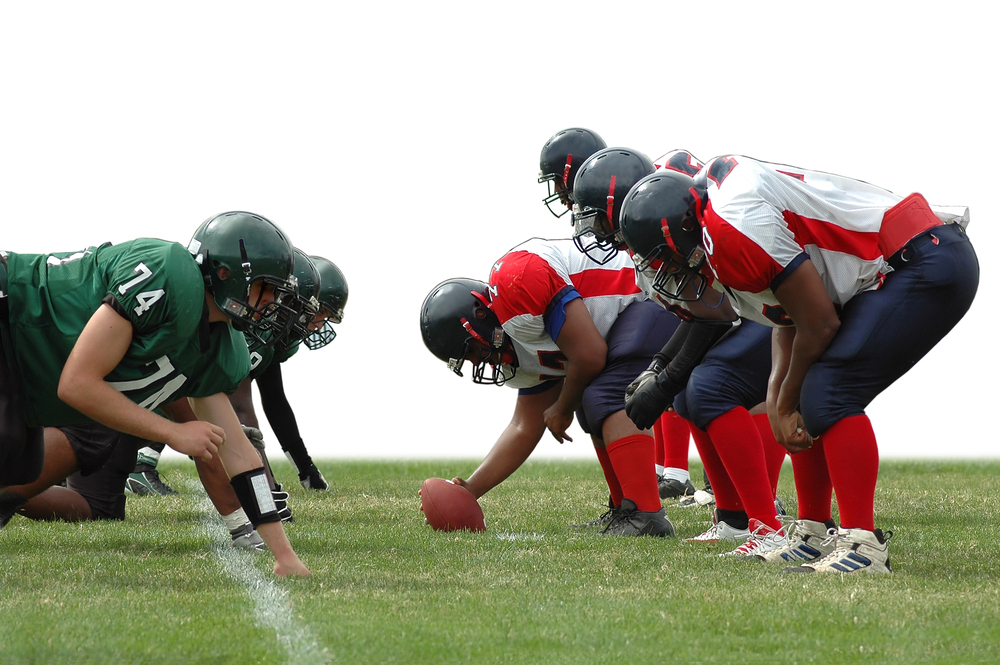
Adults paint their faces and travel hundreds of miles to watch teenagers play football for universities they never attended. College sports generate the kind of passionate loyalty typically reserved for professional teams, except these athletes receive no salary and might transfer to rival schools next semester.
Entire weekends revolve around games played by students who are supposedly focused on academics.
Taking leftovers home from restaurants
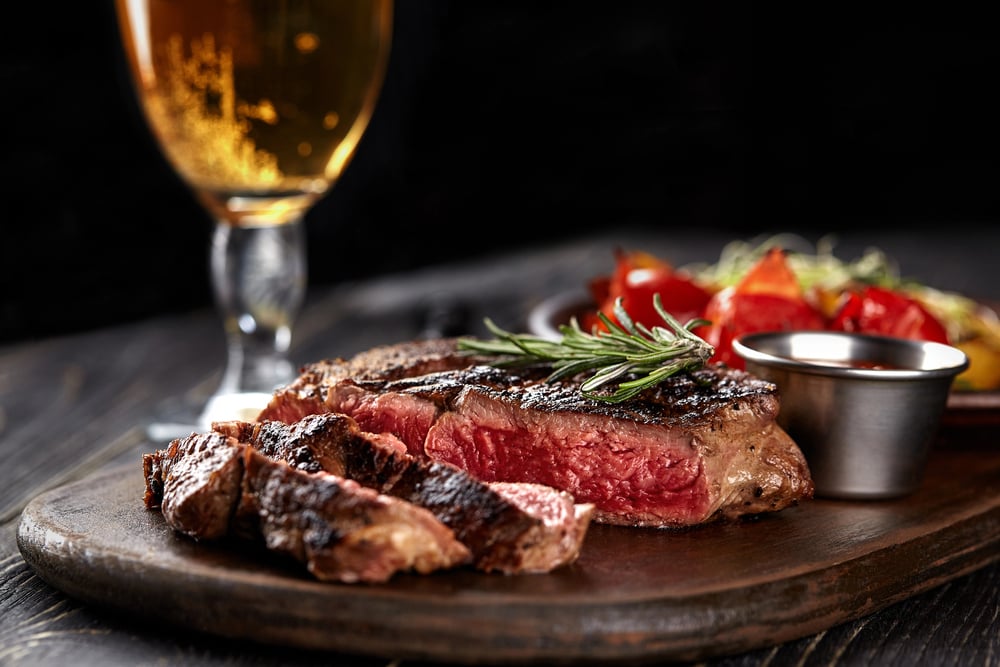
The meal was too large to finish — which was predictable from the moment it arrived — so Americans requested containers to transport the remaining food home. Servers expect this request and have supplies ready.
Taking restaurant food home isn’t a special accommodation; it’s standard procedure that acknowledges portion sizes exceed human capacity.
Red solo cups at parties
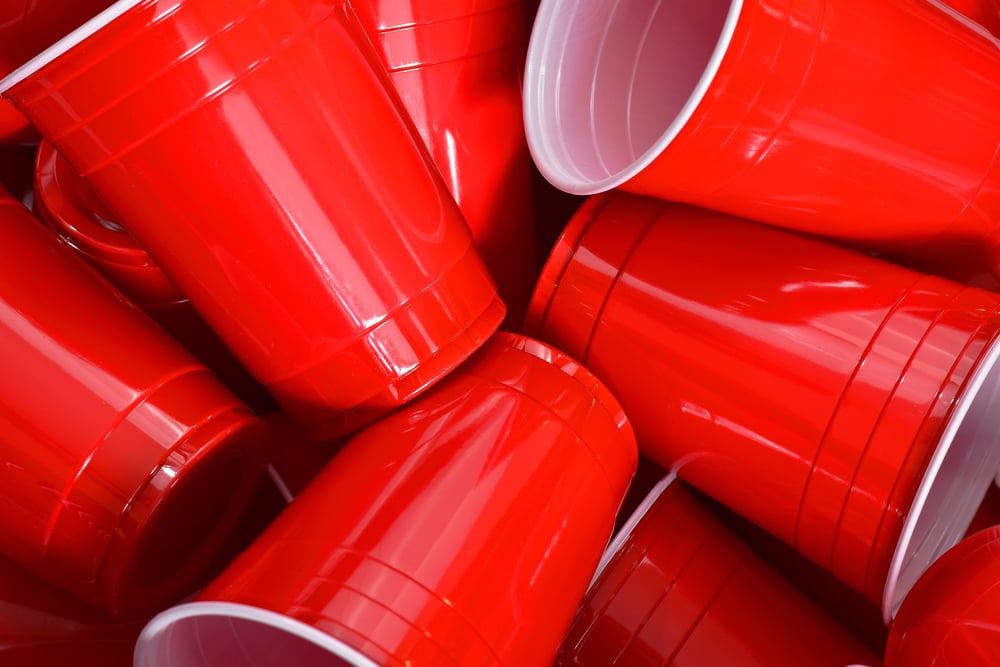
Plastic cups designed in a specific shade of red have become the unofficial symbol of American social gatherings. Not blue cups.
Not clear cups. Red ones, manufactured by a particular company, as if party legitimacy depends on brand loyalty to disposable drinkware.
College parties, backyard barbecues, and casual get-togethers all feature the same crimson vessels, creating a visual consistency that spans generations and geographic regions.
The beautiful puzzle of cultural difference

These habits aren’t right or wrong — they’re just distinctly American, shaped by history, geography, and collective decisions that made sense at some point and then became tradition. What baffles outsiders today was once someone’s practical solution to a specific problem, repeated until it became culture.
Every country has these quirks, these small mysteries that locals navigate without thinking while visitors stand confused. That’s exactly what makes travel interesting.
More from Go2Tutors!

- The Romanov Crown Jewels and Their Tragic Fate
- 13 Historical Mysteries That Science Still Can’t Solve
- Famous Hoaxes That Fooled the World for Years
- 15 Child Stars with Tragic Adult Lives
- 16 Famous Jewelry Pieces in History
Like Go2Tutors’s content? Follow us on MSN.