Video Games That Defined a Generation
Video games have evolved from simple pixelated entertainment into cultural touchstones that shape how entire generations socialize, compete, and escape reality.
The games we grew up with didn’t just fill our afternoons—they created shared languages, inside jokes, and memories that still spark conversations decades later.
From arcade cabinets that swallowed our quarters to sprawling online worlds that consumed our college years, certain titles transcended their medium to become defining experiences.
Each generation claims its own gaming legends, the titles that felt revolutionary at the time and still hold up in our memories, even if the graphics don’t.
These aren’t necessarily the highest-selling games or the most critically acclaimed—they’re the ones that left permanent marks on how we think about interactive entertainment.
Here are some video games that captured the spirit of their time and shaped the players who grew up with them.
The Legend of Zelda

This 1986 adventure game handed players a sword and a map and told them to figure everything out themselves—no tutorials, no hand-holding, just pure exploration.
Gen X gamers drew their own maps on graph paper and debated secrets on playgrounds, creating a collective problem-solving experience that felt genuinely communal.
The gold cartridge sitting in your NES was a badge of honor that signaled you were serious about gaming.
Sonic the Hedgehog

Sega’s blue mascot blazed onto screens in 1991 with an attitude and speed that perfectly captured the early ’90s obsession with being radical.
The game’s breakneck pace and colorful zones made Mario look slow and safe by comparison, giving Gen X and older Millennials a cooler alternative that felt rebellious.
Those loop-de-loops and springs created a momentum-based gameplay style that still hasn’t been properly replicated.
Doom

id Software unleashed first-person mayhem in 1993, and suddenly every office network became an impromptu deathmatch arena during lunch breaks.
This wasn’t just a game—it was a technological revolution that proved PCs could deliver visceral, intense experiences that consoles couldn’t match.
Elder Millennials and younger Gen X workers bonded over fragging each other in those pixelated corridors, establishing multiplayer gaming as a legitimate workplace pastime.
Final Fantasy VII

Square’s 1997 epic proved that video games could tell emotionally complex stories that rivaled films and novels.
Millennials experienced genuine grief over character deaths and spent months unraveling the plot’s mysteries, treating the three-disc journey like a rite of passage.
The game’s combination of cutting-edge graphics, ambitious storytelling, and strategic combat set expectations for what RPGs could achieve.
GoldenEye 007

Rare’s 1997 shooter transformed Nintendo 64 consoles into social hubs where four-player split-screen battles raged until dawn.
Millennials established house rules, banned overpowered weapons, and developed muscle memory for specific multiplayer maps that still persists today.
The game proved that console shooters could match PC experiences while adding couch co-op chaos that created unforgettable social moments.
Pokémon Red and Blue

Game Freak’s 1998 monster-collecting phenomenon turned Game Boys into social devices and schoolyards into trading floors.
Millennials obsessed over catching all 151 creatures, comparing teams, and battling friends via link cables in a pre-internet explosion of player interaction.
The games sparked a multimedia empire, but it was that original journey through Kanto that created lifetime fans.
Counter-Strike

This 1999 Half-Life mod evolved into the defining competitive shooter for Millennials who spent late nights in internet cafes perfecting spray patterns and callouts.
The game demanded communication, strategy, and reflexes in equal measure, creating a skill ceiling that separated casual players from dedicated competitors.
Those tense one-versus-five clutch moments became the stuff of legend among friend groups who treated matches like sporting events.
World of Warcraft

Blizzard’s 2004 MMO consumed Millennials throughout their college years and beyond, creating virtual second lives complete with jobs, friendships, and drama.
Raiding guilds operated like part-time jobs with strict schedules, and players developed reputations on their servers that mattered as much as real-world social standing.
The game transformed online gaming from a hobby into a lifestyle that millions organized their actual lives around.
Halo 2

Bungie’s 2004 sequel legitimized Xbox Live and online console gaming, giving Millennials their first taste of seamless matchmaking and voice chat.
The game’s perfectly balanced multiplayer and memorable campaign moments created water cooler conversations across offices and dorm rooms.
System link LAN parties reached their peak with Halo 2, filling basements with interconnected Xboxes and friends who took their team colors seriously.
Minecraft

Mojang’s 2011 sandbox gave Millennials and Gen Z unlimited creative freedom in a blocky world that looked simple but offered infinite possibilities.
The game became a shared language across age groups, with kids teaching adults and everyone discovering their own ways to play.
YouTube exploded with Minecraft content, turning the game into a cultural phenomenon that transcended traditional gaming audiences.
League of Legends

Riot’s 2009 MOBA captured Millennials and older Gen Z with competitive gameplay that was easy to learn but impossible to master.
The free-to-play model removed barriers to entry, and soon friend groups were coordinating five-person teams and climbing ranked ladders together.
The game’s esports scene grew into a global phenomenon, proving that competitive gaming could rival traditional sports in viewership and intensity.
Fortnite

Epic’s 2017 battle royale became Gen Z’s social platform disguised as a game, where hanging out mattered as much as winning.
The building mechanics separated it from competitors, and the constantly evolving map and events kept players checking back like a live service they couldn’t miss.
Dance emotes entered mainstream culture, and parents struggled to understand why kids wanted to watch others play almost as much as they wanted to play themselves.
Among Us
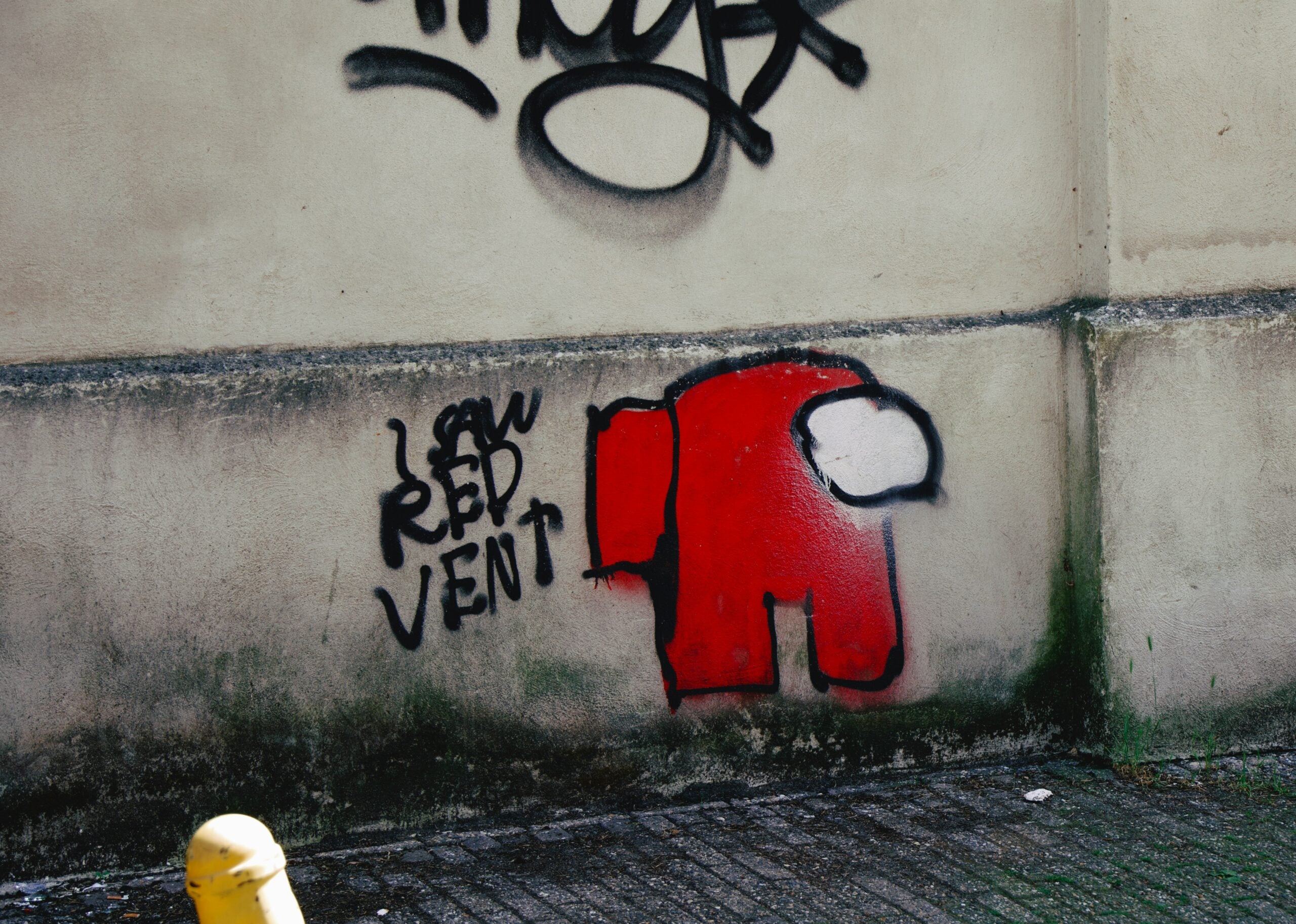
InnerSloth’s 2018 social deduction game exploded during 2020 lockdowns, giving Gen Z and younger Millennials a way to hang out when physical gatherings vanished.
The simple premise created complex social dynamics, turning friend groups into suspects and detectives in bite-sized rounds perfect for streaming.
The game’s accessibility meant everyone from hardcore gamers to casual players could jump in and immediately understand the fun.
Roblox
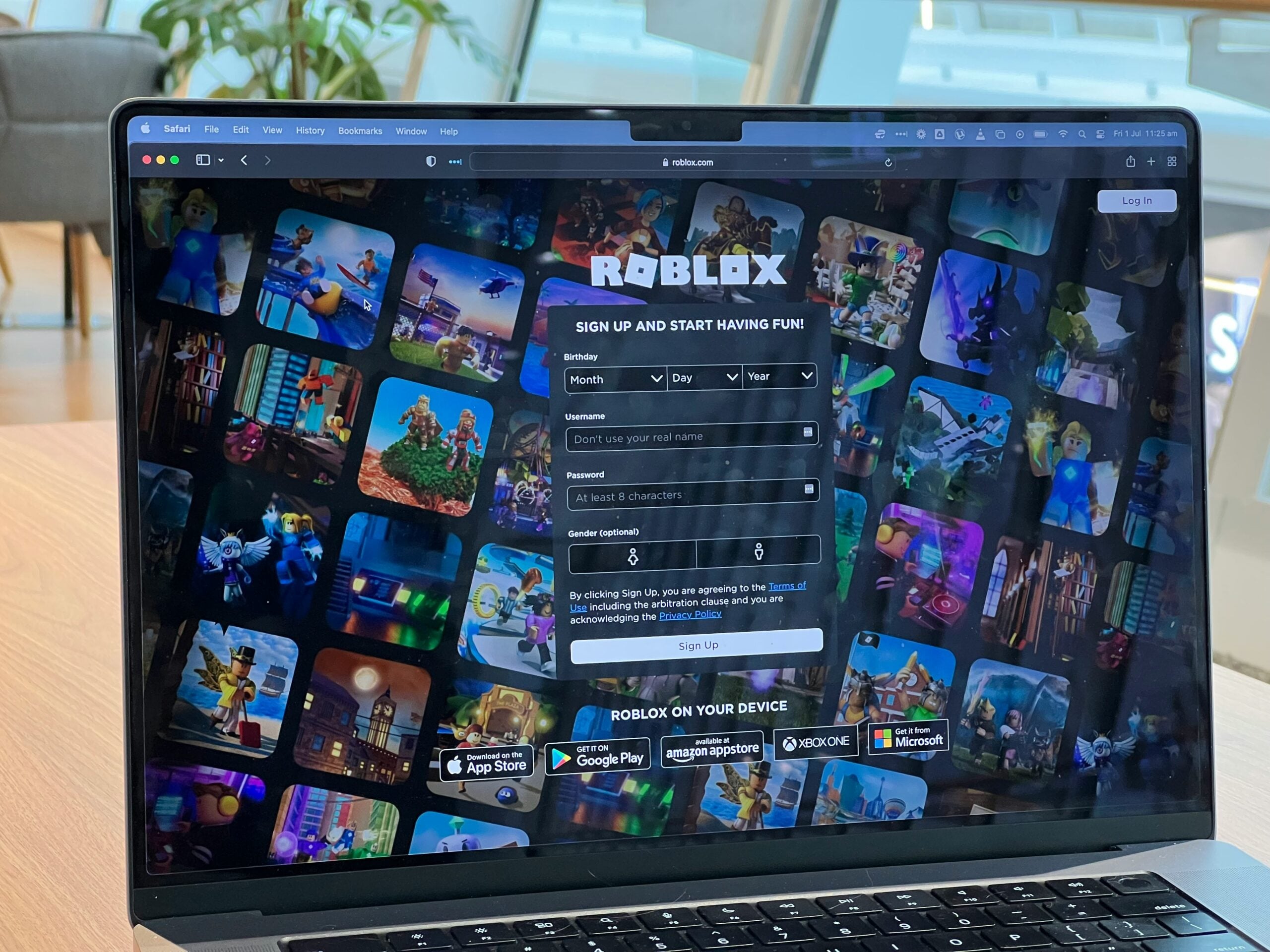
Roblox Corporation’s platform, which gained massive traction in the late 2010s, gave Gen Z tools to create and share their own games rather than just consuming content.
The blocky aesthetic and user-generated experiences created a gaming ecosystem where players became developers and entire careers launched from bedroom experiments.
The platform transformed gaming from a product into a creative medium where young people learned coding, design, and entrepreneurship while having fun.
The Games We Carry Forward
These titles didn’t just occupy our free time—they shaped how we socialize, compete, and express creativity through interactive media.
The muscle memory from countless hours spent in these virtual worlds persists long after we’ve moved on to newer releases, and the friendships forged through cooperative raids or competitive matches often outlast the games themselves.
Gaming transformed from a solitary hobby into a defining social activity across three generations, with each era’s landmark titles reflecting the technology and cultural values of their time.
The controllers change and the graphics improve, but that feeling of discovering something genuinely special in a new game remains constant across every generation of players.
More from Go2Tutors!

- The Romanov Crown Jewels and Their Tragic Fate
- 17 Halloween Costumes Once Considered Taboo
- Famous Hoaxes That Fooled the World for Years
- 15 Child Stars with Tragic Adult Lives
- 16 Famous Jewelry Pieces in History
Like Go2Tutors’s content? Follow us on MSN.