15 Ancient Cities Found Beneath Modern Ones
Urban areas around the world hold secrets beneath their busy streets and modern buildings. As construction crews dig foundations and utility workers tunnel underground, they occasionally stumble upon something extraordinary – the remains of ancient settlements that came before.
These archaeological treasures tell fascinating stories of how our ancestors lived in the very same locations we inhabit today. Here is a list of 15 remarkable ancient cities discovered lurking beneath modern urban centers, each revealing layers of human history hidden just below our feet.
Alexandria, Egypt
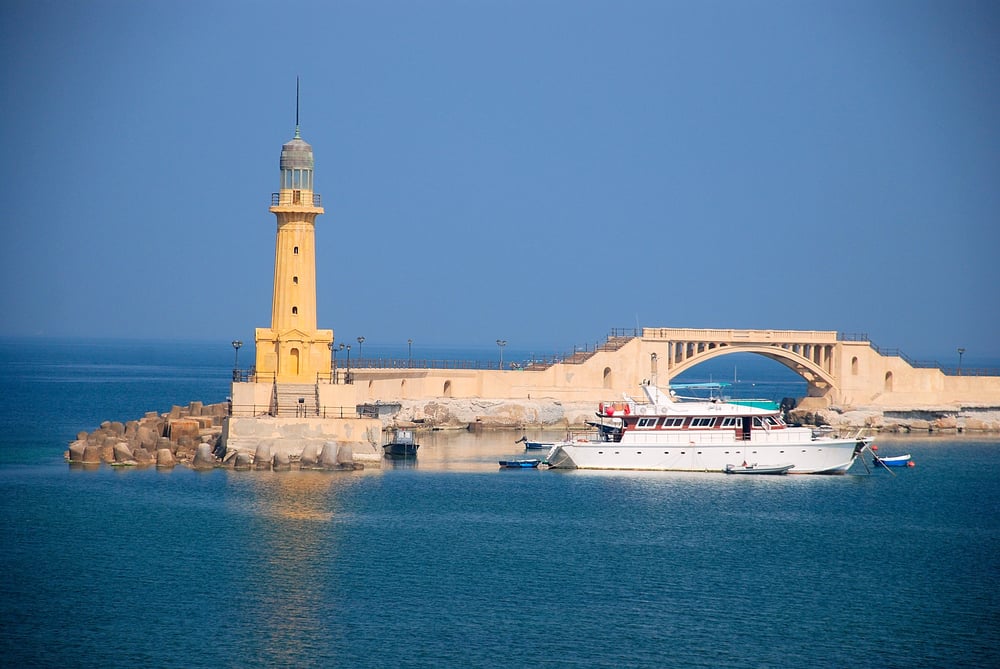
Beneath the waters off modern Alexandria lies its ancient predecessor, including remnants of the legendary Pharos lighthouse. Earthquakes and rising sea levels submerged portions of the ancient city founded by Alexander the Great in 331 BCE.
Marine archaeologists have discovered thousands of artifacts including massive statues, sphinx figures, and even parts of ancient palaces belonging to Cleopatra, all preserved in remarkable condition by the Mediterranean waters.
Rome, Italy

Modern Romans literally live atop multiple layers of their city’s past. The contemporary street level sits about 30 feet above ancient Rome, with medieval structures sandwiched between.
Construction projects routinely uncover remarkable finds, from ordinary homes to lavish bathhouses. The subway system’s expansion has revealed military barracks, theater remains, and even a 2nd-century CE auditorium where ancient Romans enjoyed poetry readings and musical performances.
Like Go2Tutors’s content? Follow us on MSN.
Istanbul, Turkey

While expanding the Marmaray rail tunnel, workers uncovered Theodosius Harbor, an ancient Byzantine port dating to the 4th century CE. The excavation revealed 37 remarkably well-preserved shipwrecks and thousands of artifacts, pushing construction back four years.
This extensive find included the earliest examples of frame-first ship construction, forcing historians to rewrite the evolution of shipbuilding technology and maritime trade routes throughout the Mediterranean.
Mexico City, Mexico
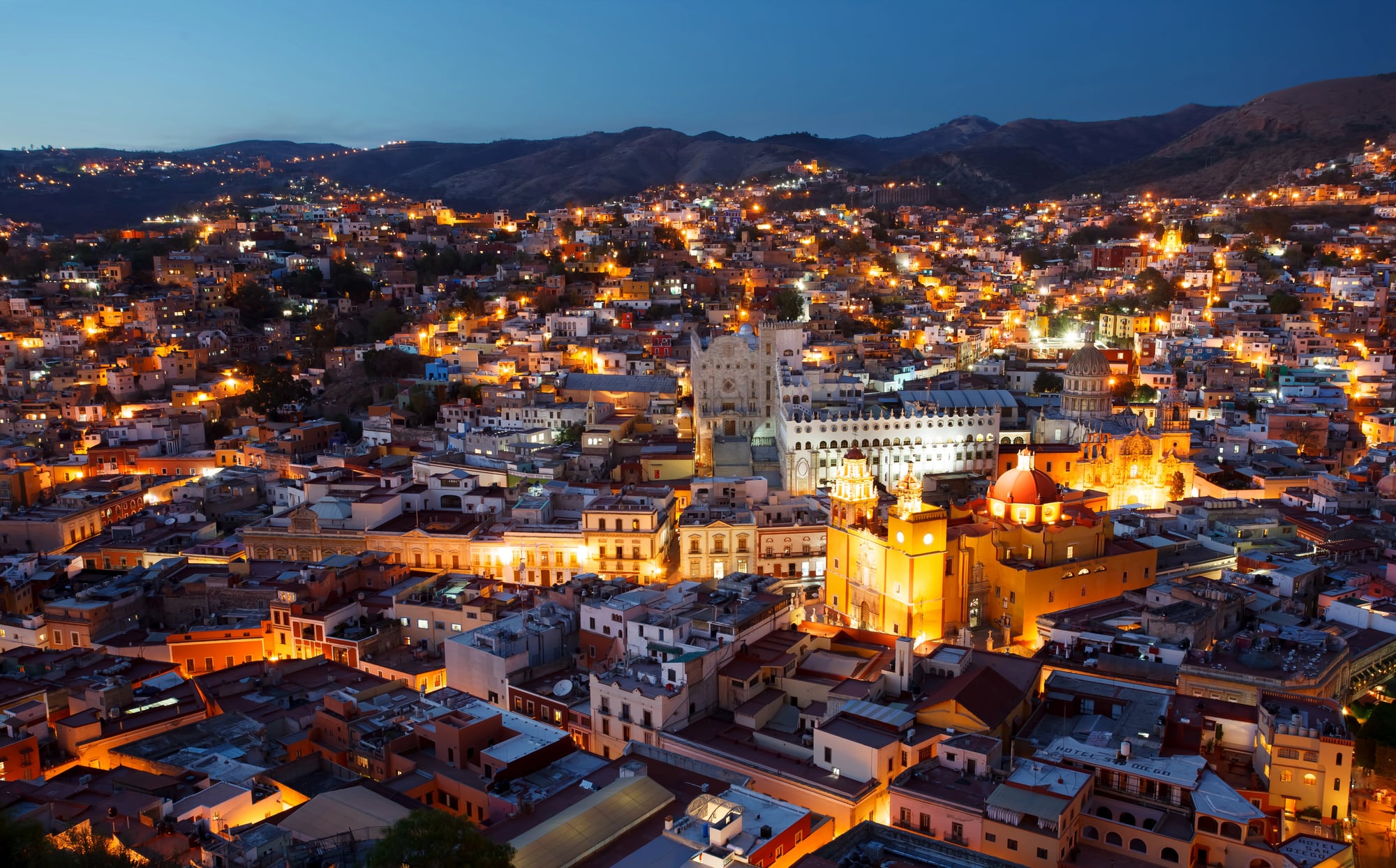
The heart of Mexico’s capital sits directly above Tenochtitlan, the magnificent Aztec capital built on an island in Lake Texcoco. In 1978, electrical workers accidentally discovered the massive Templo Mayor complex, spurring extensive excavations in the city center.
Archaeologists continue finding remarkable structures and artifacts, including a tower of human skulls from sacrificial victims that confirmed Spanish conquistadors’ accounts that many dismissed as exaggerations.
London, England
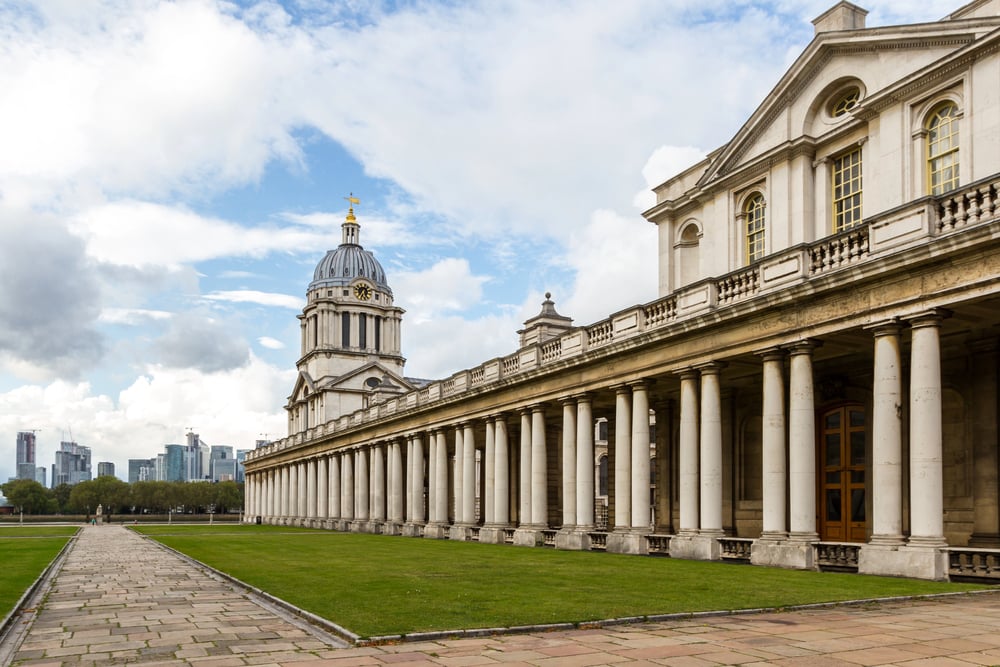
Beneath London’s financial district lies Roman Londinium, continuously revealed through construction projects. The Bloomberg headquarters excavation uncovered an astonishing 14,000 artifacts including over 400 wooden tablets with readable messages – the earliest handwritten documents from Britain.
These preserved notes include the first recorded mention of London (as Londinio) from 57 CE, plus personal letters, financial records, and even an early school child’s practice alphabet.
Like Go2Tutors’s content? Follow us on MSN.
Athens, Greece

One of the biggest archeological digs in history was the building of Athens’ contemporary metro system in advance of the 2004 Olympics. Over 50,000 items dating back 2,500 years were discovered by workers, including elaborate water supply systems, residences, workplaces, burials, and old highways.
The transit system is now effectively the largest subterranean museum in the world, with many stations showcasing relics in their original locations.
Beirut, Lebanon

Lebanon’s post-civil war reconstruction revealed multiple cities beneath modern Beirut, with at least 9 civilizations layered atop one another. Archaeologists uncovered a Roman law school, Byzantine mosaics, and a Phoenician quarter with remarkably preserved urban planning.
Perhaps most striking was a perfectly intact Roman chariot racing track beneath downtown high-rises, with seating for thousands of spectators still visible beneath modern apartment buildings and shops.
Jerusalem, Israel
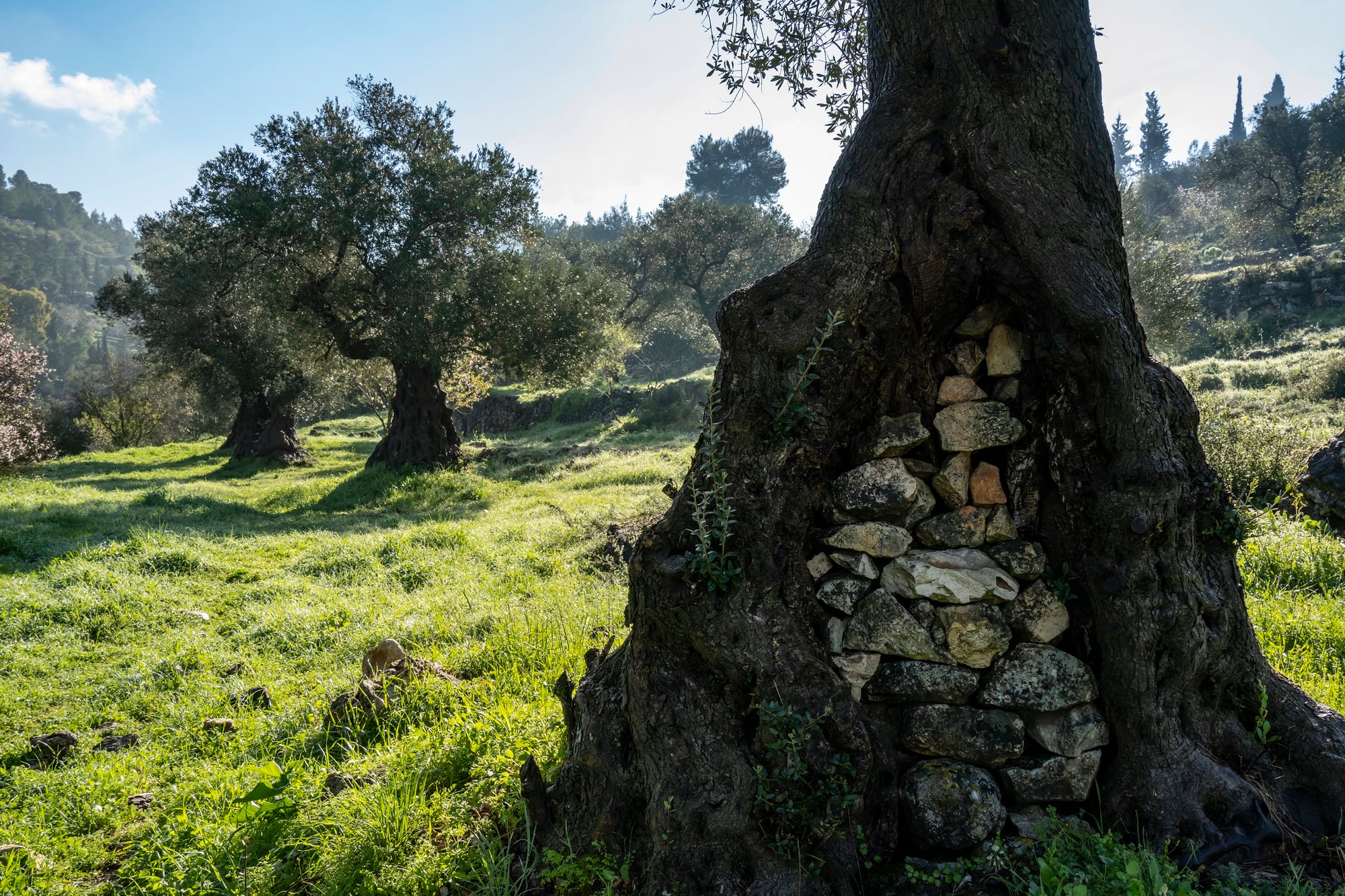
Jerusalem’s subterranean layers contain some of the world’s most contested archaeology. Excavations have uncovered portions of the Second Temple complex, including a massive ceremonial staircase and ritual baths.
A controversial tunnel along the Western Wall revealed the full extent of the ancient supporting structure, showing massive stones weighing up to 570 tons that somehow were moved into place without modern technology.
Like Go2Tutors’s content? Follow us on MSN.
Xi’an, China
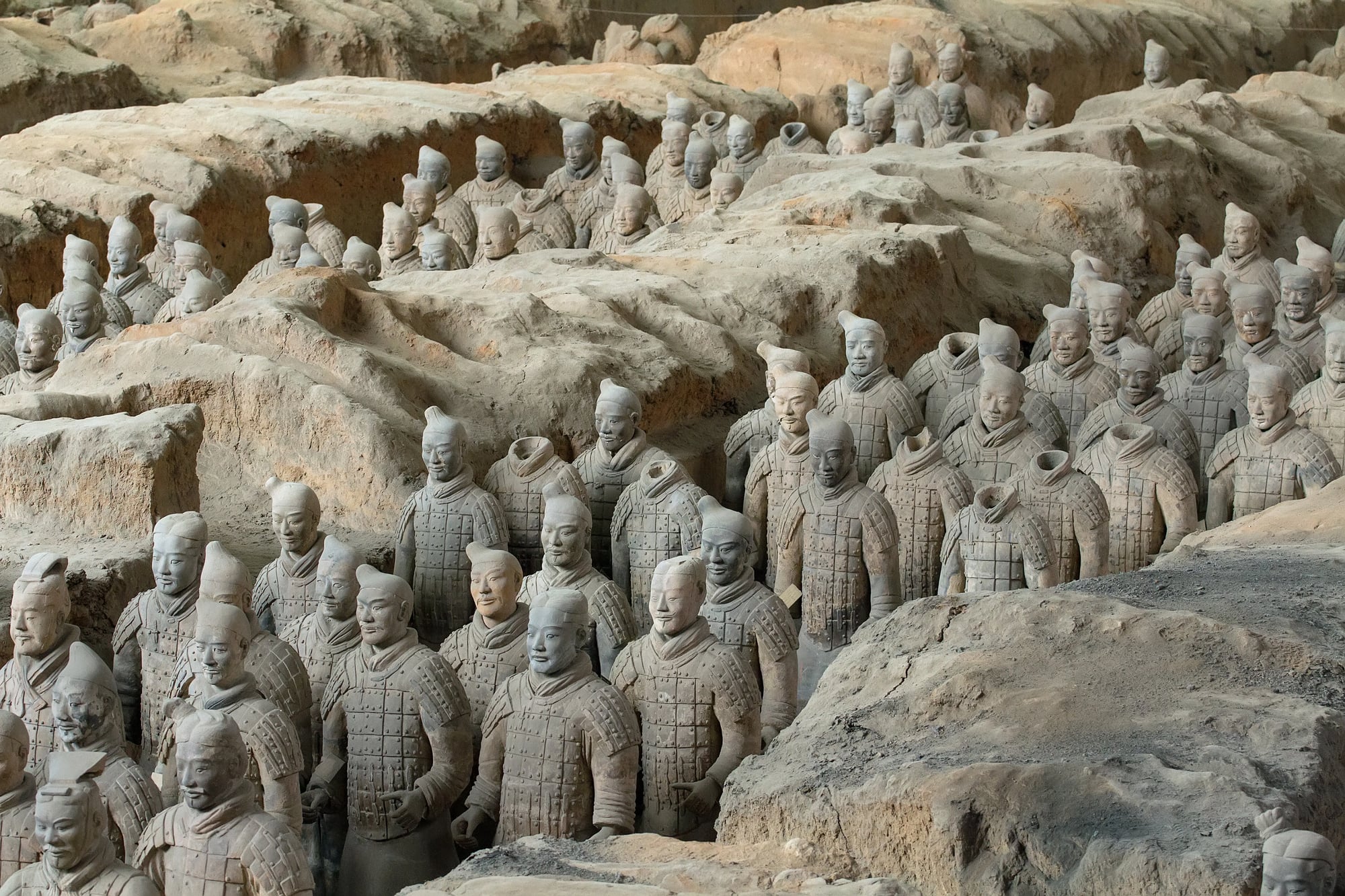
Modern Xi’an sits atop Chang’an, the magnificent Tang Dynasty capital that once housed over a million people. Construction projects regularly uncover sections of this ancient city, which served as the eastern terminus of the Silk Road.
Recent discoveries include massive palace foundations, sophisticated drainage systems, and even ancient musical instruments. The city layout was so advanced that urban planners still study its grid system and green space allocation as models of efficient design.
Cologne, Germany

While excavating for a new community center, workers in Cologne uncovered a remarkably preserved Roman governor’s palace dating to the 1st century. The extensive complex included heated floors, intricate mosaics, and a private temple.
Perhaps more surprising was the discovery of a medieval Jewish quarter, complete with a synagogue, ritual bath, and bakery, providing tangible evidence of Jewish life in medieval Germany before tragic pogroms nearly erased their presence.
Sofia, Bulgaria
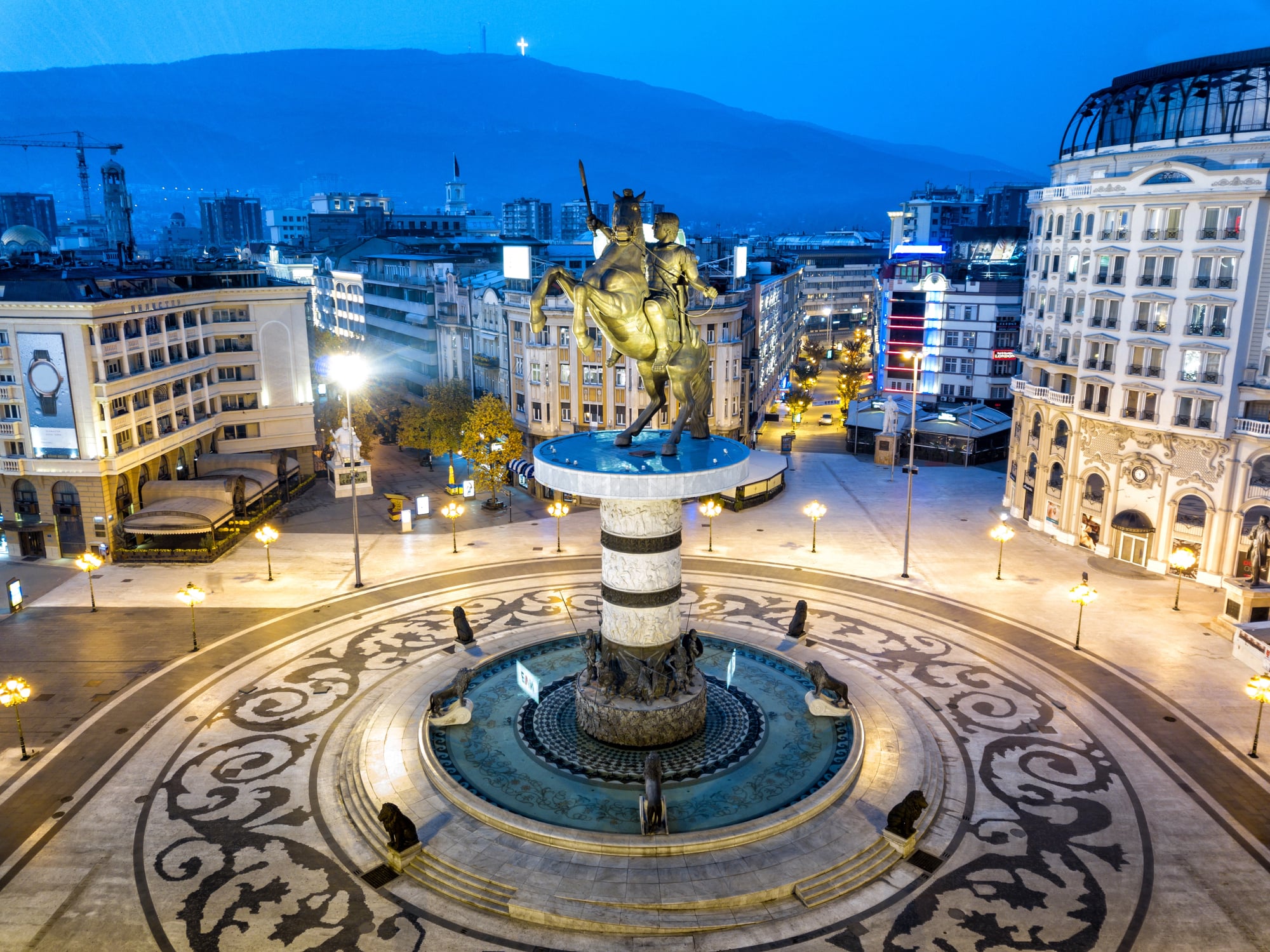
Construction of Sofia’s subway system revealed layers of Roman Serdica, including an amphitheater where gladiator fights entertained ancient residents. The Serdica station now incorporates these ruins directly into its design, allowing commuters to walk through 2,000-year-old streets on their way to catch trains.
Engineers redesigned the entire station to preserve an ancient church discovered during excavation, demonstrating how modern cities can integrate rather than destroy their underground heritage.
Like Go2Tutors’s content? Follow us on MSN.
Naples, Italy
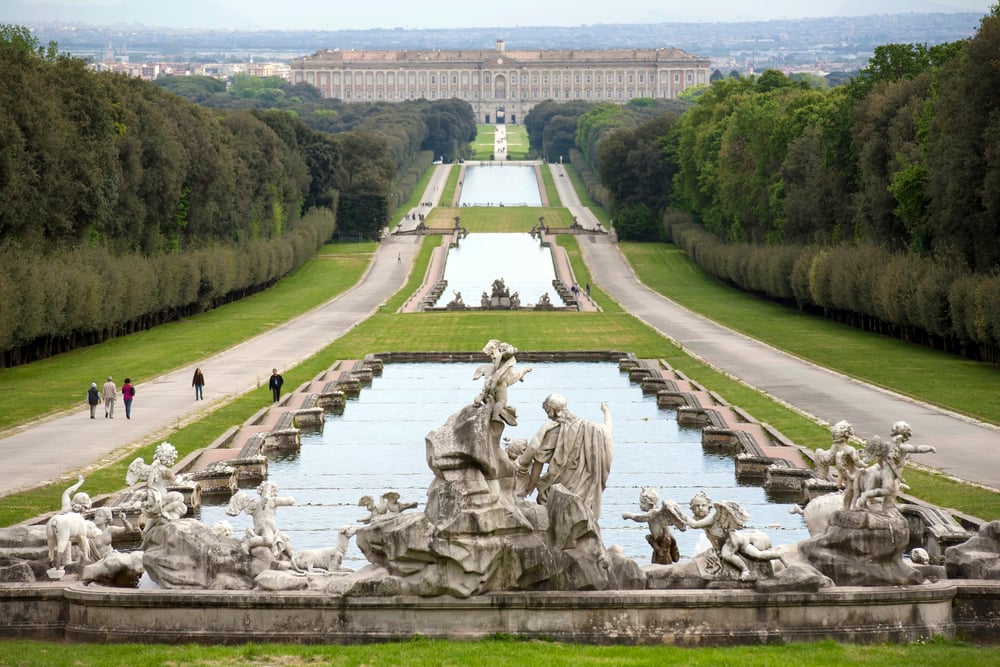
Beneath Naples’ chaotic streets lies a parallel city – ancient Greek Neapolis and Roman modifications, accessible through basements and wells. Urban excavations have revealed remarkably preserved theaters, market halls, and residential neighborhoods.
Perhaps most impressive is the discovery of the ancient port, where perfectly preserved Roman ships were found with their cargo still intact, providing unprecedented insight into Mediterranean trade networks during the height of the Empire.
Cairo, Egypt

Construction in eastern Cairo uncovered Heliopolis, one of ancient Egypt’s most important religious centers. Recent excavations revealed temple complexes and a massive statue of Pharaoh Ramses II hidden beneath urban neighborhoods.
The dig also uncovered ancient industrial zones with pottery kilns and metalworking facilities, showing how integrated sacred and commercial spaces were in ancient Egyptian urban planning.
Thessaloniki, Greece
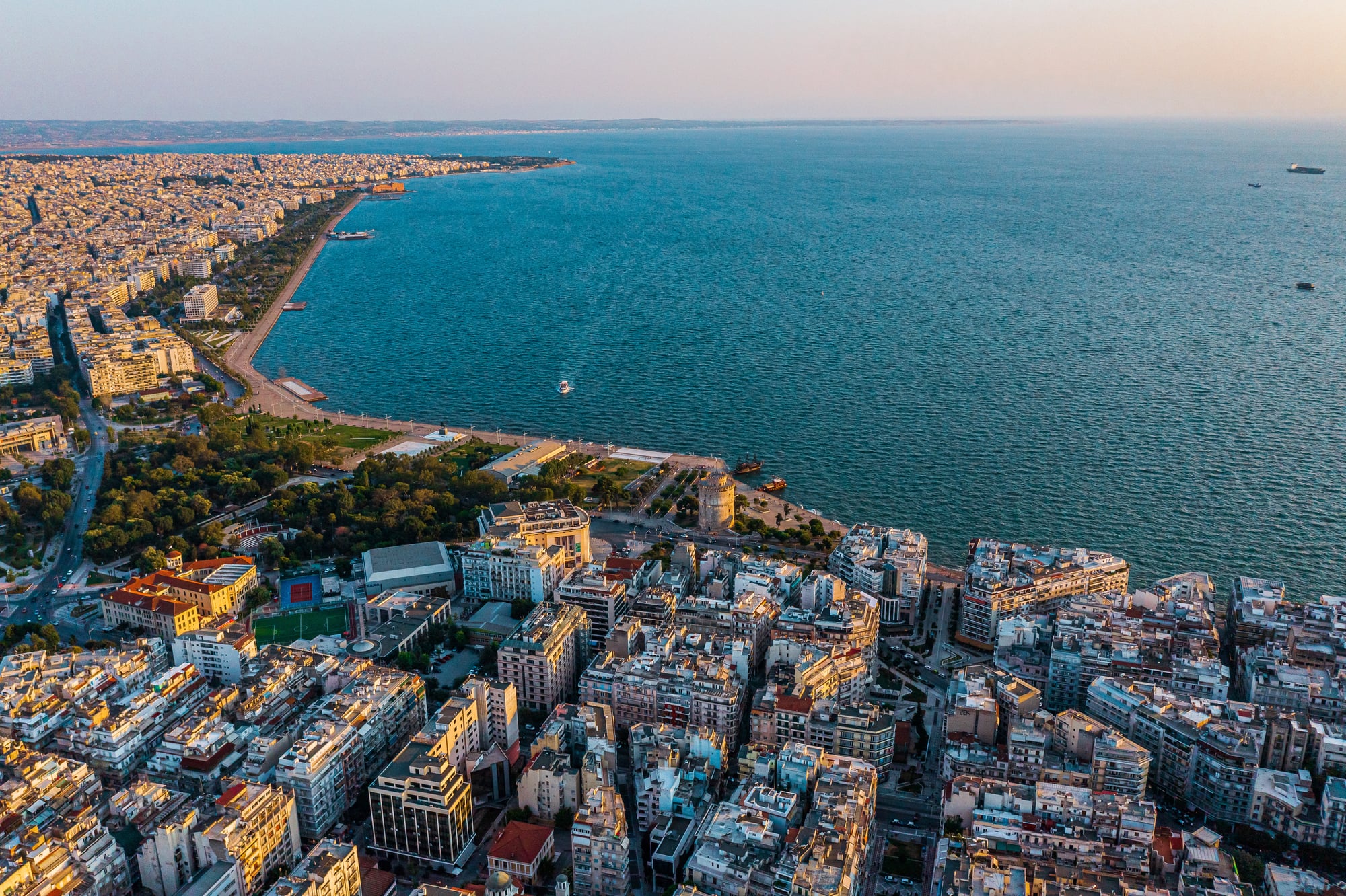
The construction of Thessaloniki’s metro system revealed an entire Byzantine city preserved underground, including the city’s main thoroughfare lined with shops and public buildings. Engineers had to redesign the entire Venizelos station to incorporate a 76-meter section of this ancient marble-paved road.
The excavation uncovered remarkable 6th-century mosaics depicting birds and geometric patterns that show no signs of age despite being buried for 1,500 years.
Like Go2Tutors’s content? Follow us on MSN.
Jaffa, Israel

The oldest district in Tel Aviv is situated on top of ancient Jaffa, which has 4,000-year-old archaeological layers. Egyptian strongholds, Phoenician dwellings, and traces of the biblical city referenced in ancient books have all been discovered during excavations beneath contemporary structures.
Some eateries and retail establishments have integrated archeological findings directly into their layouts, enabling customers to eat next to walls from the Bronze Age or shop in areas where Phoenician traders once operated three millennia ago.
Cities Beneath Cities
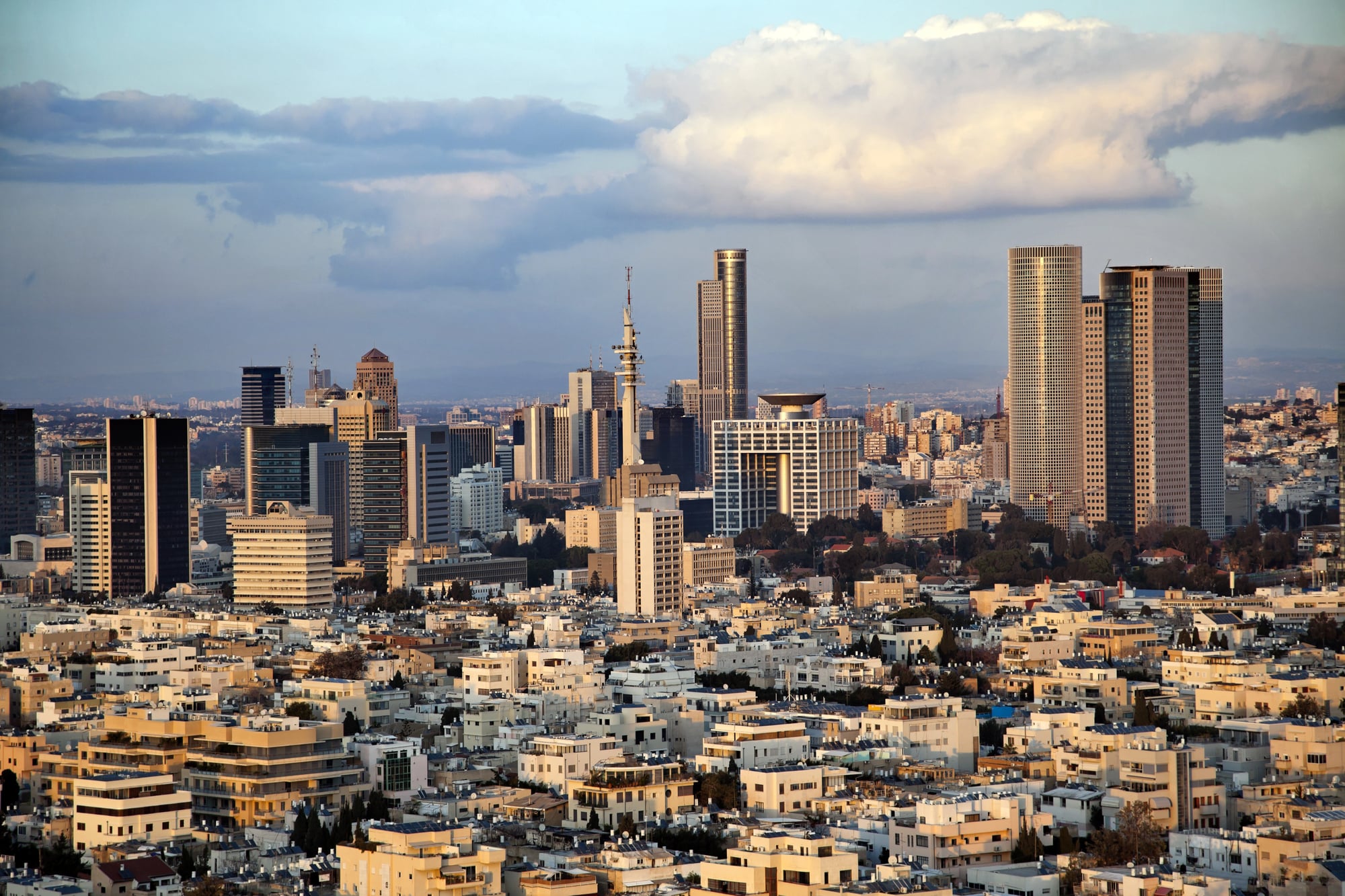
The hidden cities beneath our contemporary streets serve as a reminder that urban centers are dynamic processes that continuously recreate themselves over millennia rather than merely being physical places. In addition to physical constructions, the archeological layers beneath our feet show the evolution of human experience in these unique locations.
Our ability to expand our cities while maintaining these priceless windows into our common history is growing as contemporary building methods advance.
More from Go2Tutors!

- 18 Unexpectedly Valuable Collectibles You Might Have Lying Around
- 20 Little-Known Historical Battles That Had Huge Consequences
- 20 Historical Artifacts That Scientists Can’t Explain
- 15 Inventions That Were Immediately Banned After Being Created
- 20 Actors Who Were Almost Cast in Iconic Roles
Like Go2Tutors’s content? Follow us on MSN.