Milestones from Early Aviation History
People watched birds soar for ages, wondering what it’d be like to fly. Above them, the heavens felt out of bounds, meant only for those born with feathers.
Yet things shifted once daring minds stepped forward, seeing limits not as walls but puzzles needing answers. The trip from early wobbly flights to today’s flying took off quicker than most thought.
We’ll check out the big steps that pushed it forward.
The Montgolfier siblings blast off into open air
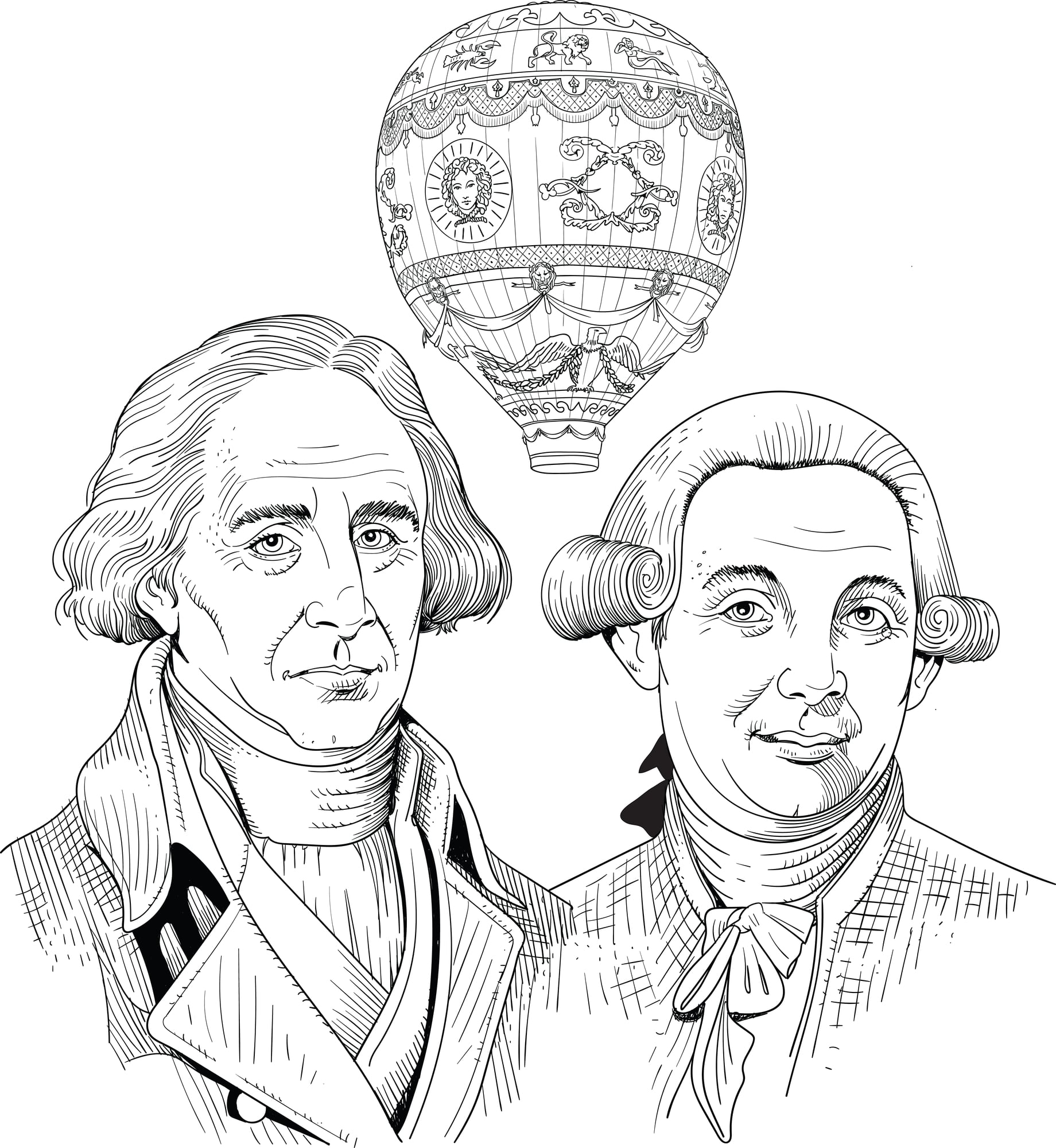
One afternoon in 1782, two paper makers from France, Joseph and Étienne Montgolfier, saw smoke drifting up from a fire. Because of this, they got a clever thought.
If you caught that warm air in a big sack, maybe it could make things go airborne. So they tried stuff out.
By 1783, they pulled off the first working hot air balloon ride. On board? A sheep, a duck, then a rooster.
Not long after, people climbed in. They hovered above Paris for nearly half an hour, covering around five miles.
George Cayley defines the principles of flight

An English tinkerer spent years watching how birds fly, then tried copying their tricks with gadgets. Instead of just dreaming, George Cayley saw that flying needs four things balancing each other: upward push, heaviness, forward drive, resistance.
While others gave up, he made gliders that truly flew. In 1853, he talked his skeptical driver into riding one down a short hillside dip.
Though he never added an engine, his findings shaped every plane later on.
Otto Lilienthal perfects the glider
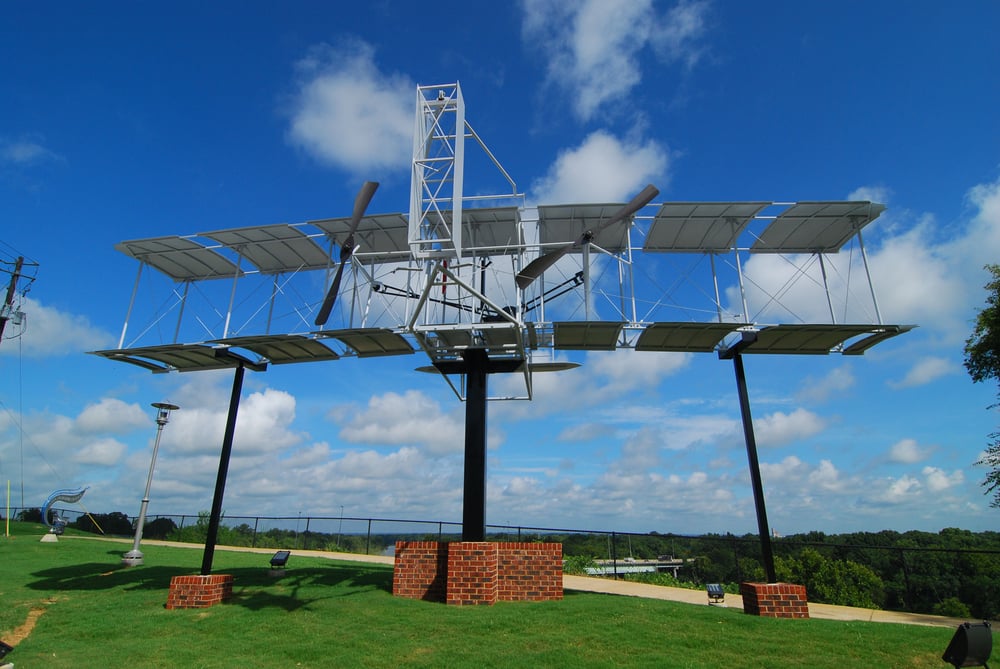
A German tinkerer got hooked on figuring out how flying works by doing it himself. Instead of theory, Otto Lilienthal jumped into building, making more than two thousand glider runs from 1891 to ’96.
Rather than just testing, he leaped off slopes, tracking each move like a scientist. Curved wings were his big idea; they lifted way better than straight ones.
Photos and logs spread fast, lighting a spark in future dreamers. Yet his journey stopped cold after one dive went wrong.
He died when his glider broke mid-air in 1896.
The Wright brothers achieve powered flight
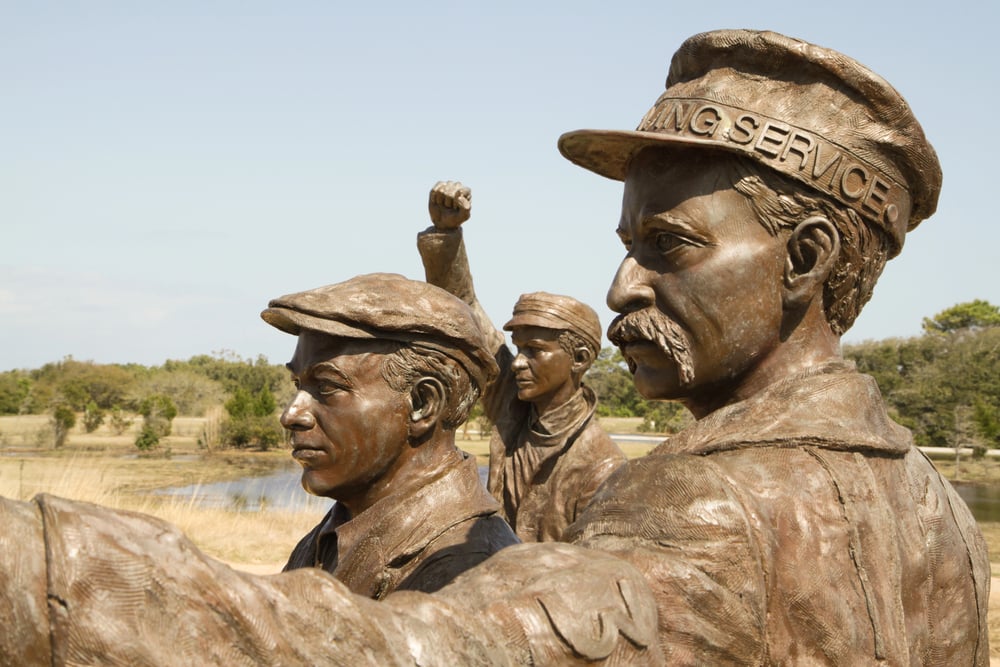
Two bike fixers from Dayton, Ohio pored over every scrap of info on flying, figuring they might crack it themselves. Orville along with Wilbur Wright rigged up a homemade wind tunnel to trial different wings, then figured out how to steer a plane mid-air using roll, pitch, and yaw.
Back on December 17, 1903, near Kitty Hawk, NC, their engine-powered Flyer rose just above dirt for 12 seconds, covering 120 feet. Shorter than heating up popcorn in a microwave, sure, but that moment flipped life on Earth upside down.
Alberto Santos-Dumont flies in Europe
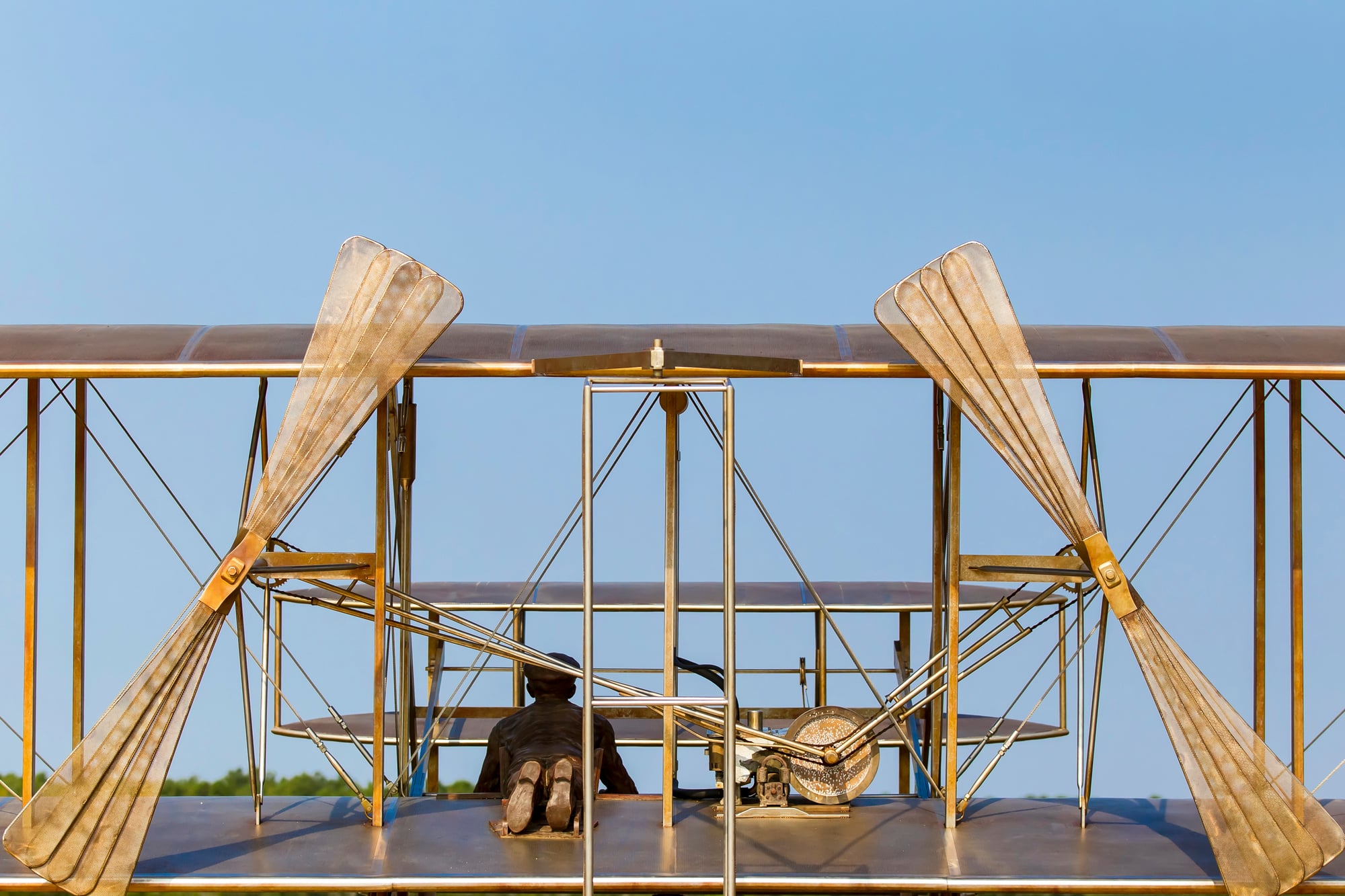
A rich guy from Brazil, staying in Paris, thought flying machines ought to be shown out in the open, no hidden tests on far-off shores. Instead of keeping things quiet, Alberto Santos-Dumont whipped up a plane that looked like a giant kite and took off right before huge crowds back in 1906.
Even though he didn’t fly as far as the Wright brothers already had, his trips through the air played out where anyone could watch, including officials checking every move. Fame followed him everywhere throughout Europe, while young pilots abroad started seeing flight as something real, something possible.
Louis Blériot crosses the English Channel

A French tinkerer with a knack for gadgets took on what most called crazy back in 1909. Instead of giving up, Louis Blériot hopped into his DIY plane and zipped 23 miles over water, from France straight to England, in under 40 minutes.
No GPS, no way to call for help, yet he pushed forward with almost no fuel left. Because of him, planes stopped being seen as odd contraptions but started becoming real ways to get around.
The first air mail route starts

Back when there were no phones or emails, sending letters fast was crucial. In 1911, India ran the globe’s first government-backed air mail run, just six miles, linking two towns split by a river.
It wasn’t around for more than seven days, yet proved planes could haul mail without issues. Soon after, countries everywhere began testing their own sky-based post routes.
Harriet Quimby becomes the first licensed female pilot
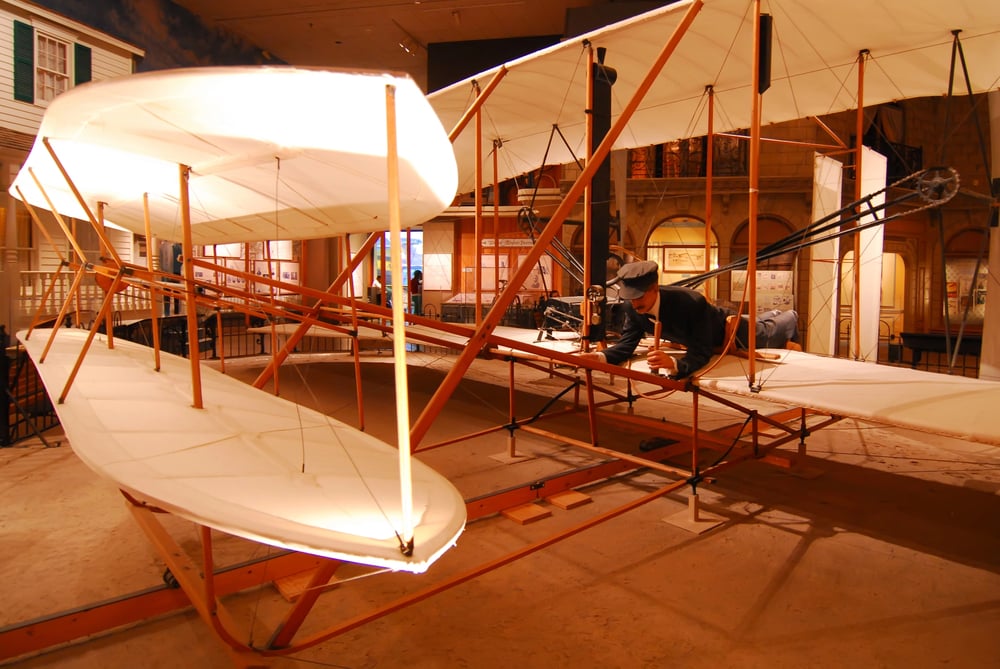
A magazine journalist who also acted snagged her pilot’s permit back in 1911, stepping into a world run entirely by guys. Not stopping at just getting certified, Harriet Quimby pushed further instead.
By 1912, she made history, first female to cross the English Channel alone, guiding through heavy mist until land appeared in France. Her unique violet flight outfit stood out, later turning into a signature look at shows around the U.S.
The very first time someone jumped with a chute from an aircraft
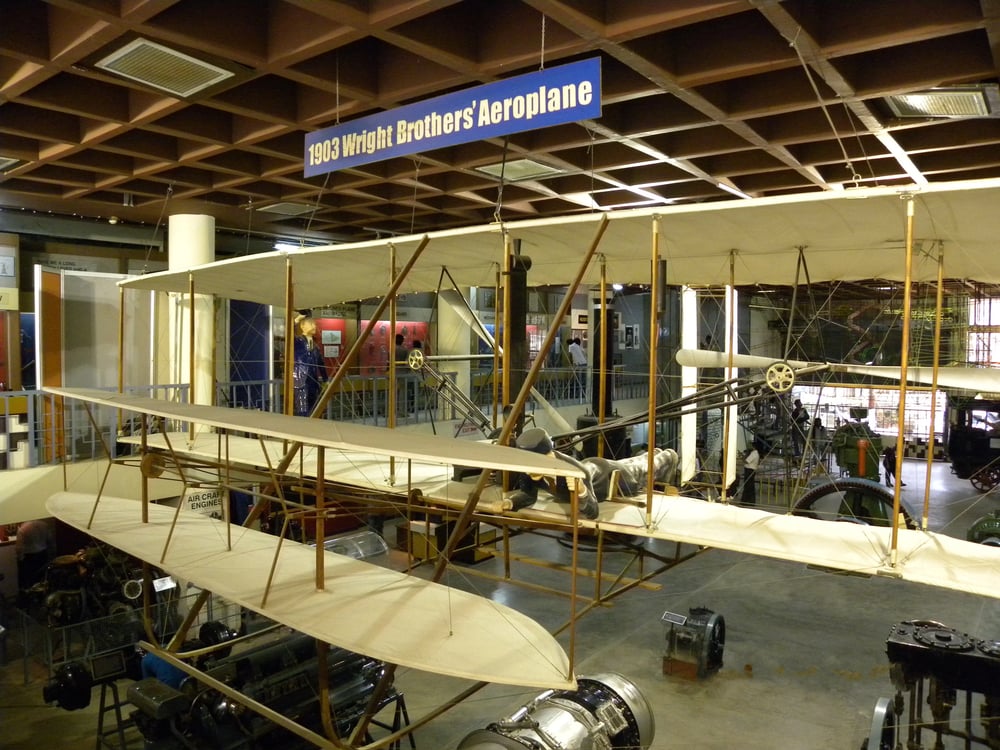
Back then, folks had already leapt from balloons using chutes. Airplanes though? That was tougher.
In 1912, Captain Albert Berry stepped out onto the wing of a flying biplane above Missouri, then just fell free. The chute popped open like it should; he touched down safe in some grassy patch.
Thanks to that moment, pilots finally got an exit plan when planes went wrong, and over time, countless lives were spared.
Igor Sikorsky put together the initial plane with four engines

A Russian tinkerer dreamed beyond limits back in 1913. Igor Sikorsky built, then took airborne, the Russky Vityaz, a hulking machine running on four motors, unlike most planes stuck with just one or two.
Inside sat a roomy space where folks moved freely mid-air. That leap showed sky machines didn’t need to stay small, hauling heavy loads became possible, lighting a path toward today’s airline travel.
World War One accelerates aircraft development

The Great War changed flying from a risky pastime into something armies couldn’t do without during 1914 to 1918. Money flooded in as nations pushed for planes that were quicker, tougher, better built.
At first pilots just watched enemy moves, yet soon they were dodging bullets midair. In just those few years, progress leapt way ahead of everything achieved before since the early 1900s.
The first nonstop transatlantic flight succeeds
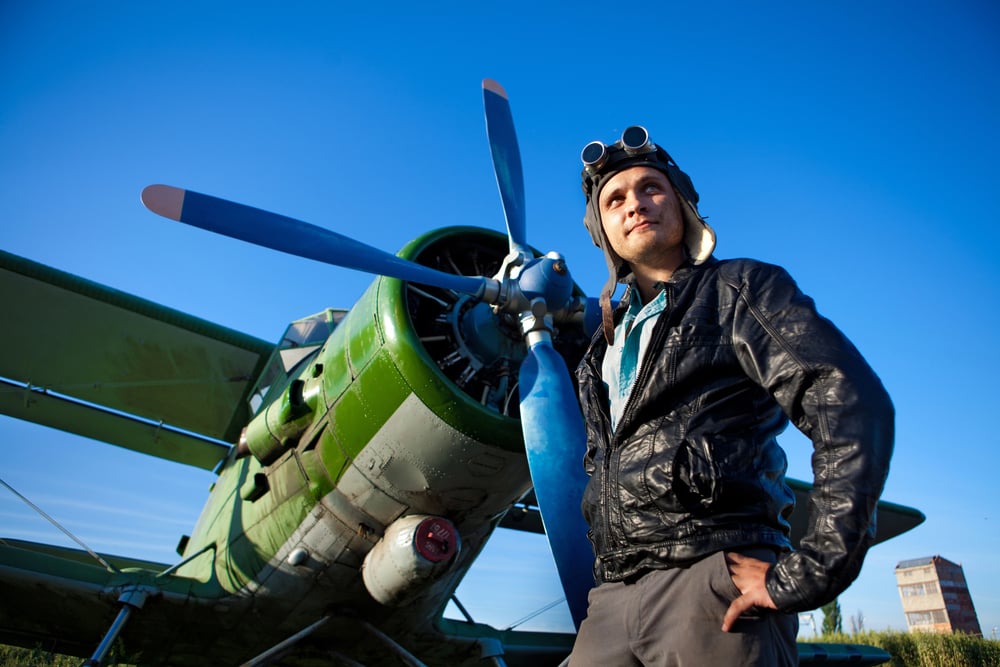
In 1919, two pilots from Britain, John Alcock and Arthur Brown, took on a wild challenge. Using a rebuilt warplane, they went from Newfoundland to Ireland, flying nearly 1,890 miles in less than 16 hours.
Through thick fog, icy wings, and broken instruments, they kept going. After their plane slammed into a marshy field in Ireland, one thing was clear: planes could now make it across oceans nonstop.
KLM turns into the first air carrier ever to operate commercially
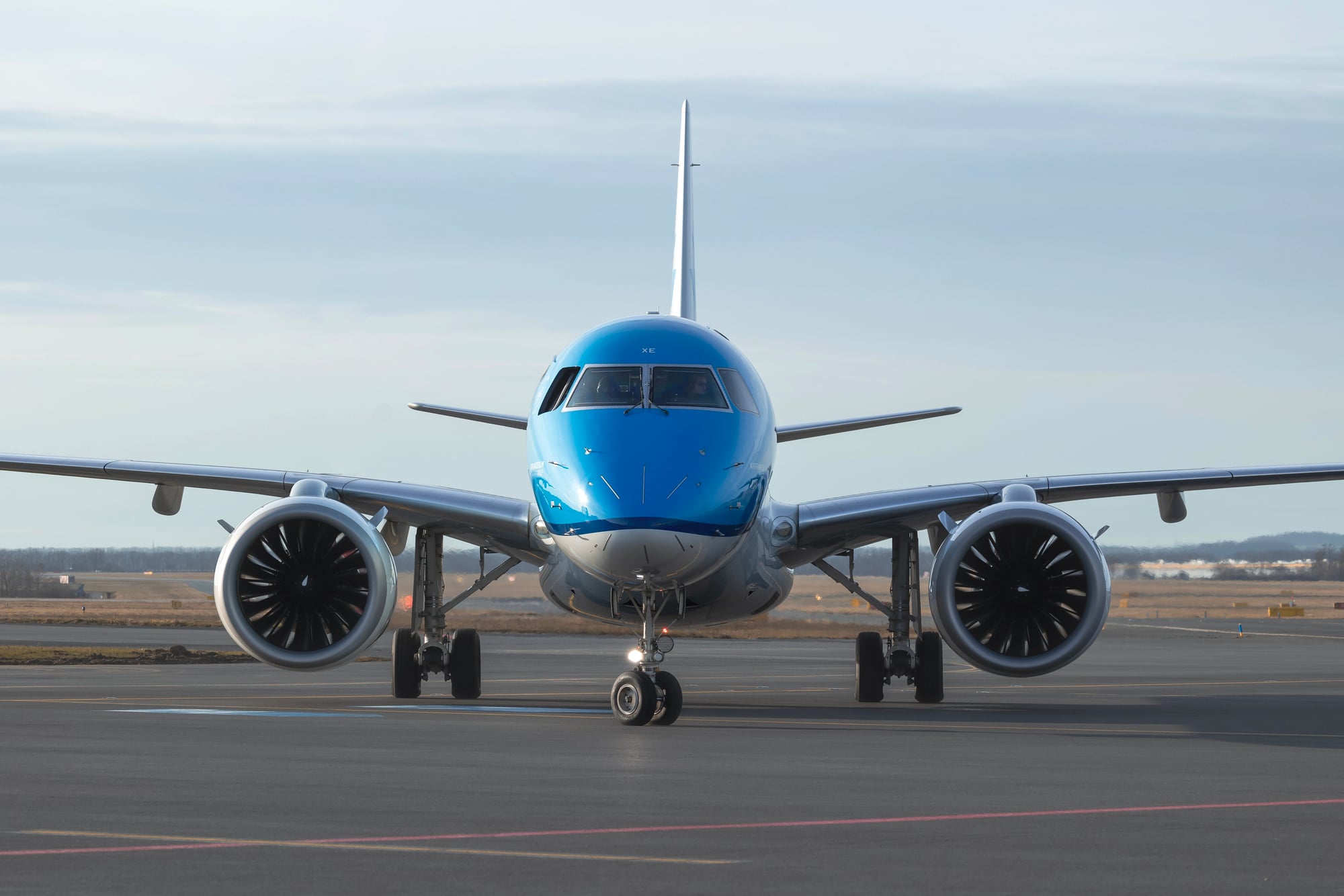
A Dutch firm named KLM began offering flight tickets back in 1919. At first, their planes shuttled folks from Amsterdam to London using old military craft turned into passenger rides.
Rides weren’t cozy, loud engines, shaky cabins, constant holdups due to bad skies. Still, travelers happily handed over cash just to cross distances in mere hours rather than enduring lengthy train or boat trips; that’s how air travel kicked off.
Charles Lindbergh flies solo across the Atlantic

A kid flying mail outta Minnesota grabbed global spotlight back in ’27. Charles Lindbergh made it solo from NYC to Paris, 33 and a half hours nonstop, 3,600 miles covered.
Wide awake the whole way, battling tiredness while using starlight just to find his path. Touching down, a crowd of 150 grand swarmed him at the field, turning him overnight into one of the planet’s biggest names.
Amelia Earhart crosses the Atlantic alone
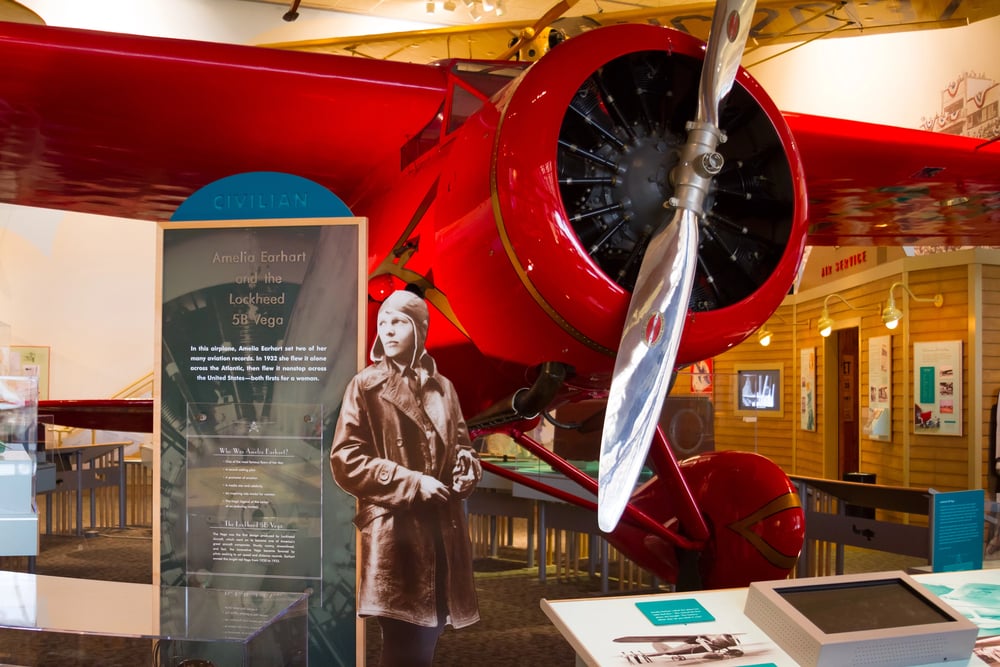
A social worker from Kansas who also flew planes wasn’t about letting gender decide what people could do. Back in 1932, Amelia Earhart made history by crossing the Atlantic alone, no one else on board.
The trip took nearly 15 hours, full of rough storms plus engine trouble along the way. Despite all that, she touched down without injury in Northern Ireland.
Because of her bold move, loads of women started believing they could work as pilots or take on any tough job guys mostly had.
The first working helicopter lifts off
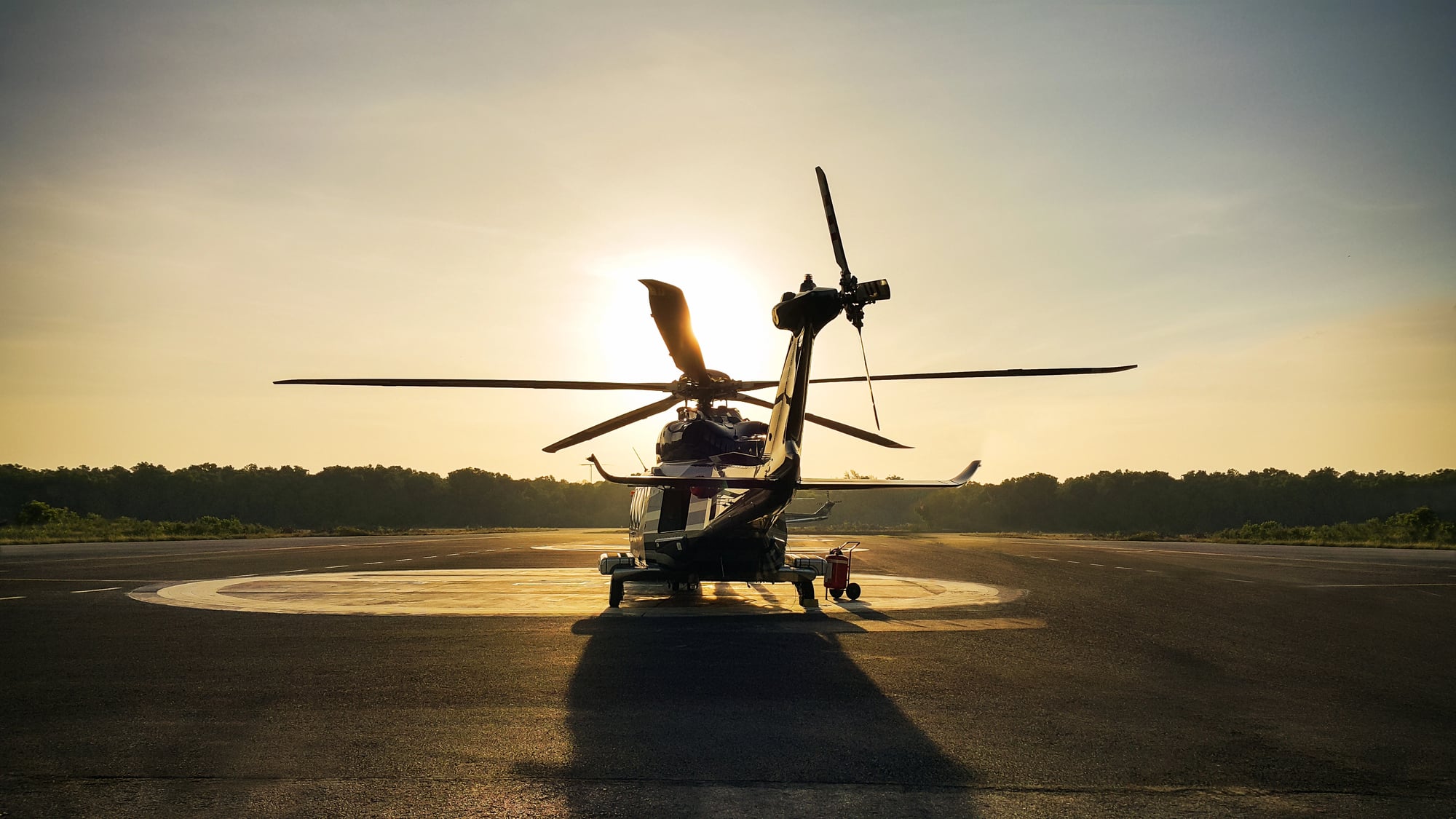
Igor Sikorsky popped back into aviation around 1939, this time with a whole new type of flying machine. Instead of wings, his VS-300 spun blades to stay still in midair or move backward, something planes just couldn’t do.
It even landed in tight spots no runway would fit. Those first tries? Wobbly, risky, almost out of hand each time.
Still, he tweaked it bit by bit till these choppers turned vital for saving lives, hauling troops, and rushing sick folks to hospitals.
Frank Whittle demonstrates the jet engine

A British inventor worked forever trying to build a motor without blades. Instead of spinning parts, Whittle’s design blasted out fire to push forward, simple idea, big speed boost.
That craft took off fine in ’41, but get this, the Germans already did it back in ’39. Slowly, everyone swapped old spinners for these roaring jets, both on fighters and passenger birds.
Chuck Yeager breaks the sound barrier
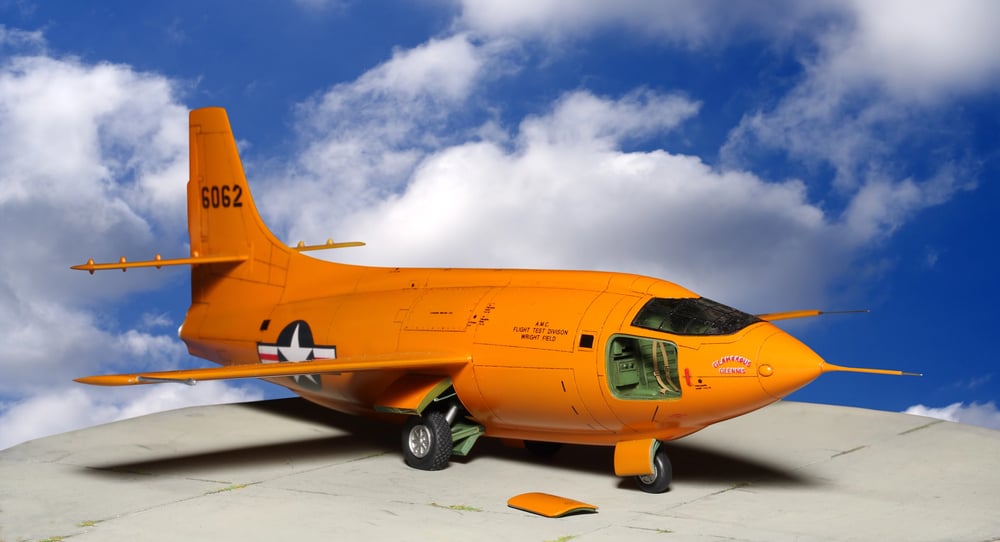
Some researchers thought planes would break up trying to beat the speed of sound. Yet Chuck Yeager, a test flyer, showed otherwise one morning in 1947.
He pushed the X-1 rocket craft beyond Mach 1 above dry desert land. It was risky, no one really understood the dangers ahead.
That moment changed everything, paving the way for fast jets and later trips into orbit.
Aviation transforms the modern world

Back then, folks climbed into flimsy planes made of cloth and string, trusting luck each time they took off. Nowadays, countless passengers hop on flights daily, barely noticing what’s happening around them.
Stuff that felt like sci-fi dreams is now part of everyday life across continents. Every trip through the sky pays respect to daring minds who wouldn’t believe earth was our only place.
More from Go2Tutors!

- The Romanov Crown Jewels and Their Tragic Fate
- 13 Historical Mysteries That Science Still Can’t Solve
- Famous Hoaxes That Fooled the World for Years
- 15 Child Stars with Tragic Adult Lives
- 16 Famous Jewelry Pieces in History
Like Go2Tutors’s content? Follow us on MSN.