Inventions That Looked Totally Unsafe
There’s something oddly fascinating about looking back at inventions that made people wonder if anyone thought them through. History is full of gadgets, machines, and contraptions that seemed like they were designed with absolutely no regard for human safety.
Some of these inventions actually worked as intended, while others were disasters waiting to happen. Let’s take a look at some of the most questionable creations that made safety experts lose sleep at night.
The baby cage

Parents in the 1930s had a wild solution for city living: hang your baby outside the window in a wire cage. These contraptions were essentially metal boxes that attached to apartment windows, giving babies ‘fresh air’ while dangling several stories above the street.
The idea came from a doctor who believed children needed more sunlight and outdoor exposure, even if they lived in cramped urban spaces. People actually bought these things and trusted flimsy brackets to hold their infants high above busy sidewalks.
Radium water dispensers

Drinking radioactive water was once considered a health trend, believe it or not. Companies in the early 1900s sold ceramic water crocks with radium-laced inserts, promising eternal youth and boundless energy.
People would fill these dispensers and drink the glowing water daily, thinking it would cure everything from arthritis to depression. The slow poisoning effects took years to show up, but by then, the damage was already done.
The Cyclomer amphibious bike

Someone in Paris during the 1930s thought bicycles belonged on water. This floating bike had four large floats and a paddle wheel system that riders powered by pedaling.
The entire contraption looked like it would tip over if you sneezed, and there was no real steering mechanism to speak of. Riders essentially hoped for the best while wobbling across rivers and lakes.
Lawn darts

Heavy metal spikes that people threw high into the air at backyard parties seemed like a great idea for decades. These weren’t lightweight plastic toys but actual weighted projectiles with sharp points designed to stick into the ground.
Families would toss them back and forth while children ran around nearby, and thousands of injuries piled up before anyone questioned the concept. The game stayed popular from the 1950s through the 1980s despite the obvious dangers.
The motorized unicycle
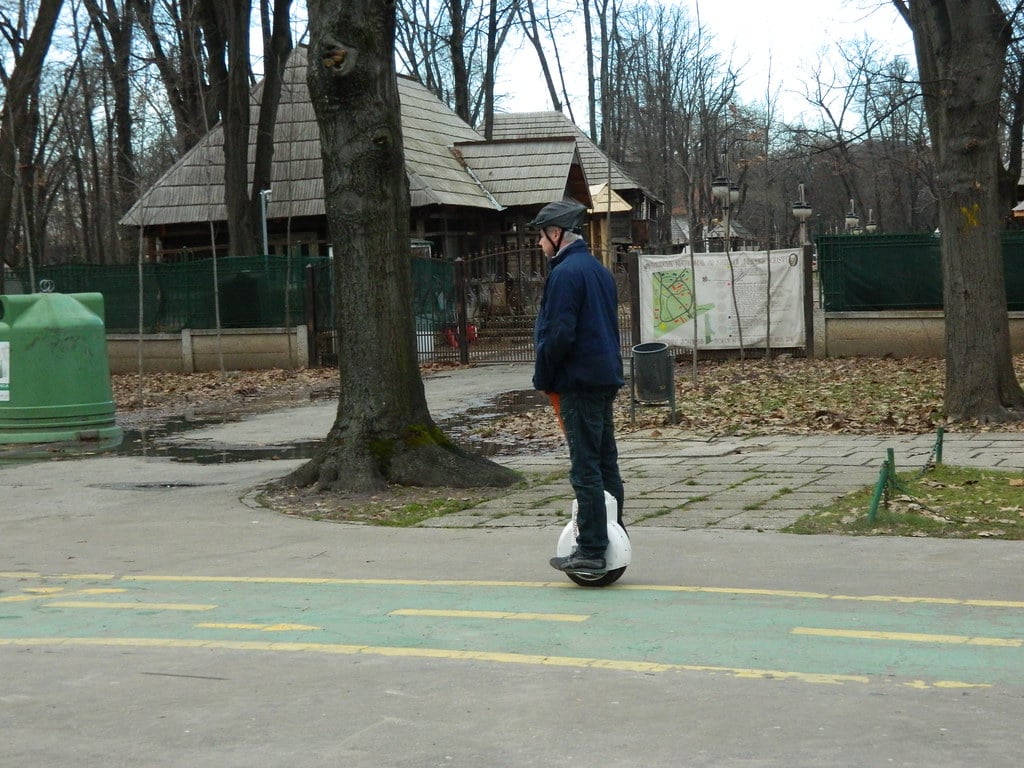
Engineers kept trying to make single-wheeled motorized vehicles work throughout the early 20th century. These devices required riders to balance on one wheel while an engine spun beneath them, with no handlebars or safety features.
One wrong move would send the rider tumbling onto pavement at whatever speed the motor was running. Several companies produced variations of this concept, each more precarious than the last.
Rotating schoolhouse

An inventor in 1929 built a house that spun completely around to follow the sun. The entire structure sat on a rotating platform powered by a motor, with all the plumbing and electrical connections somehow working through a central pivot point.
Walls, furniture, and everything inside would shift positions throughout the day while people tried to live their normal lives. The mechanical systems required to make this work were exposed and accessible, with gears and motors that could easily catch clothing or fingers.
The baby stroller and scooter combo

Some designers decided parents needed to travel faster, so they attached a motor and wheels to a baby stroller. This hybrid device lets adults ride along on a scooter platform while pushing their infant ahead of them.
There were no real brakes to speak of, and the steering was questionable at best. Parents would zip down streets with their babies serving as the front bumper.
Rejuvenator electric belt

Victorian-era companies sold electrical belts that promised to restore vitality through constant shocks. These leather straps contained battery packs and metal contacts that pressed against bare skin, delivering jolts throughout the day.
Men wore these devices for hours, believing the tingling sensation meant their bodies were healing. The unregulated electrical currents caused burns and worse in many users.
The Dynasphere

A British inventor in the 1930s built a giant wheel with a seat inside where a driver could sit and steer. The entire vehicle was basically a ten-foot-tall rolling cage with the person enclosed in the middle.
Steering involved shifting body weight, and there was no way to stop quickly if something went wrong. The inventor himself crashed multiple times during demonstrations.
Swan boats with propellers

Someone thought paddle boats were too slow, so they added exposed propellers to the back. These modified swan boats had spinning blades right at water level where swimmers, wildlife, and boat operators could easily come into contact with them.
There were no guards or safety covers, just raw mechanical power churning through the water. People would rent these at public parks and lakes.
Rocket belt

Engineers in the 1960s actually created working jet packs that regular people could supposedly use. These devices strapped onto someone’s back and shot out streams of hydrogen peroxide to create thrust.
Pilots would hover and fly around with nothing but skill keeping them from crashing into the ground or buildings. The fuel only lasted about 30 seconds, and there was no backup system if something failed.
Brushless shaving powder

Companies sold chemical powders in the early 1900s that would supposedly remove facial hair without a razor. Users would mix the powder with water and smear it on their faces, where it would chemically dissolve hair follicles.
The active ingredients were harsh enough to cause severe burns and scarring. Men kept using these products despite the painful results because marketing promised convenience.
The dimple maker

People in the 1930s were so obsessed with dimples that they bought devices to create them. These contraptions used springs and knobs to press into cheeks for extended periods, supposedly training the skin to form permanent indentations.
Users would wear these uncomfortable face clamps for hours while going about their day. The pressure points could damage facial muscles and nerves.
Wooden bathing machines

Beach-goers in the Victorian era used wooden carts on wheels that horses would pull into the ocean. People would change into bathing suits inside these cramped boxes, then step out directly into the water while still partially enclosed.
The structures were heavy, unstable, and could easily tip over in waves or get swept away by currents. Horses had to wade into deeper water while pulling the weight behind them.
The rollabout

This wooden mobility device from the 1950s was meant to help people get around while recovering from leg injuries. Users would kneel on a padded platform with one leg while pushing themselves forward with the other foot.
There were no real brakes, and the wheels were small and prone to catching on any uneven surface. People would pick up speed going downhill with no way to stop safely.
Vibrating exercise belt

Weight loss machines in the mid-1900s involved standing still while a motorized belt shook your body violently. These devices wrapped around the waist, thighs, or other areas and vibrated at high speeds, supposedly jiggling fat away.
The motors had no safety cutoffs, and the belts could catch clothing or hair. People would use these machines for extended periods despite bruising and discomfort.
Spring-loaded roller skates
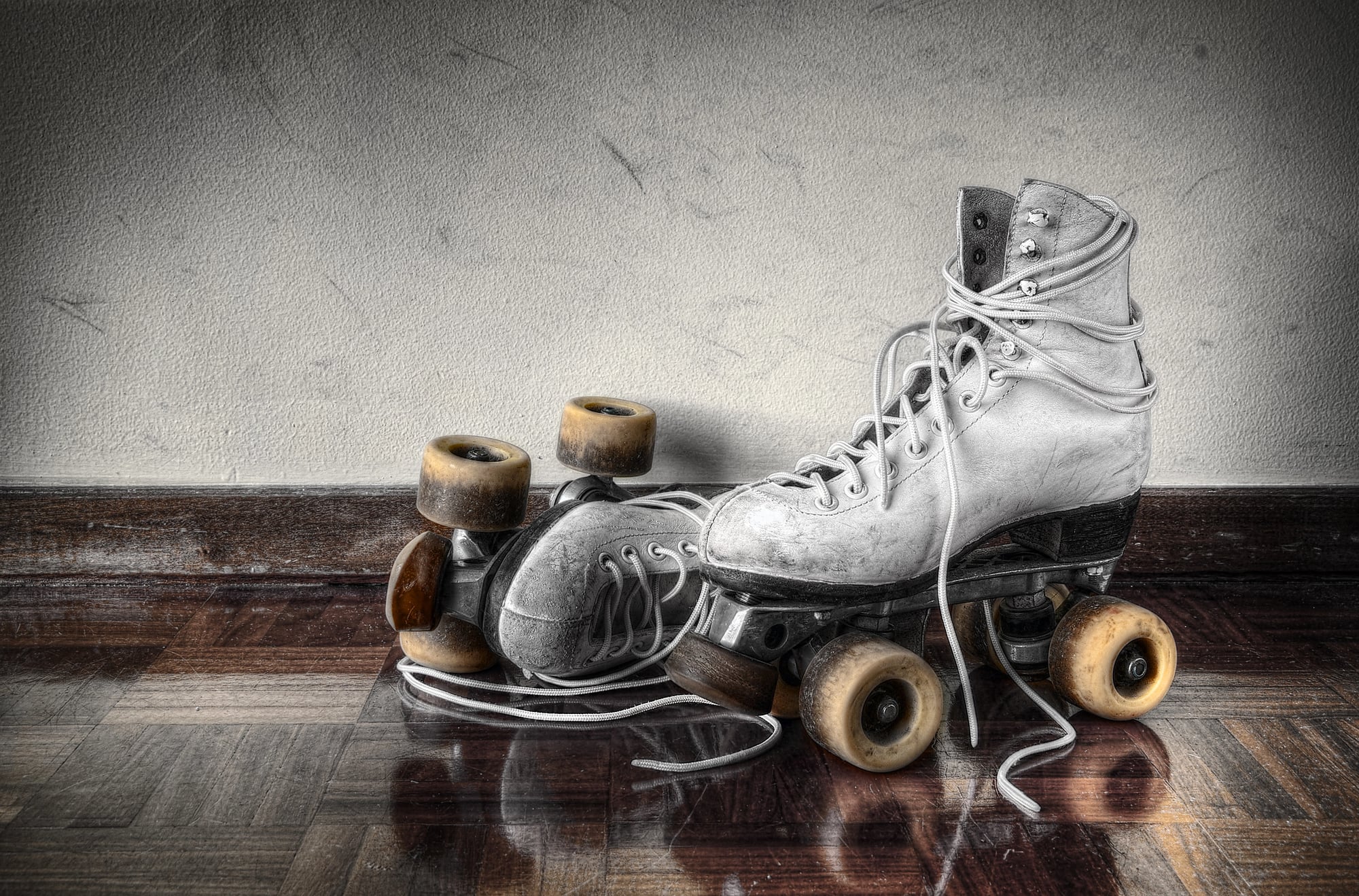
Roller skates got a spring upgrade in the 1910s – someone tucked coils between the wheel mounts and the shoe. Bounce with each push, they said, would bring joy and ease.
Instead, balance vanished fast. Every step turned into chaos as the springs fired unevenly.
Skaters shot forward, sideways, even backward without warning. Floors became danger zones when those uncontrolled releases sent bodies crashing down.
Magnetic desk toys with radiation

Funny little gadgets sat on office desks back then, glowing without any power. Some jumped when near a magnet, others lit up dim rooms at night.
Workers picked them up often, never thinking twice about the risk. Radium hid inside those tiny toys, slipping energy into skin each time they were held.
Ads called them safe playthings from science labs. Touching changed nothing – until it did.
Back then, risk walked beside every step forward
Now that we see them, some inventions seem impossible to have been taken seriously. Yet every single one came from moments when folks dared to test wild solutions for comfort or advancement.
Because so many risky gadgets led to real damage, rules around safety and buyer rights eventually took shape. Back then, plenty endured consequences just to figure things out.
Those tough experiences built the every day safeguards we barely notice today.
More from Go2Tutors!

- The Romanov Crown Jewels and Their Tragic Fate
- 13 Historical Mysteries That Science Still Can’t Solve
- Famous Hoaxes That Fooled the World for Years
- 15 Child Stars with Tragic Adult Lives
- 16 Famous Jewelry Pieces in History
Like Go2Tutors’s content? Follow us on MSN.