Things We Learned in Class That the Internet Replaced
School used to be full of lessons that teachers promised would stick for life. Now, decades later, the internet has quietly replaced most of those skills.
Here’s a look at what got left behind.
Remembering phone numbers by heart
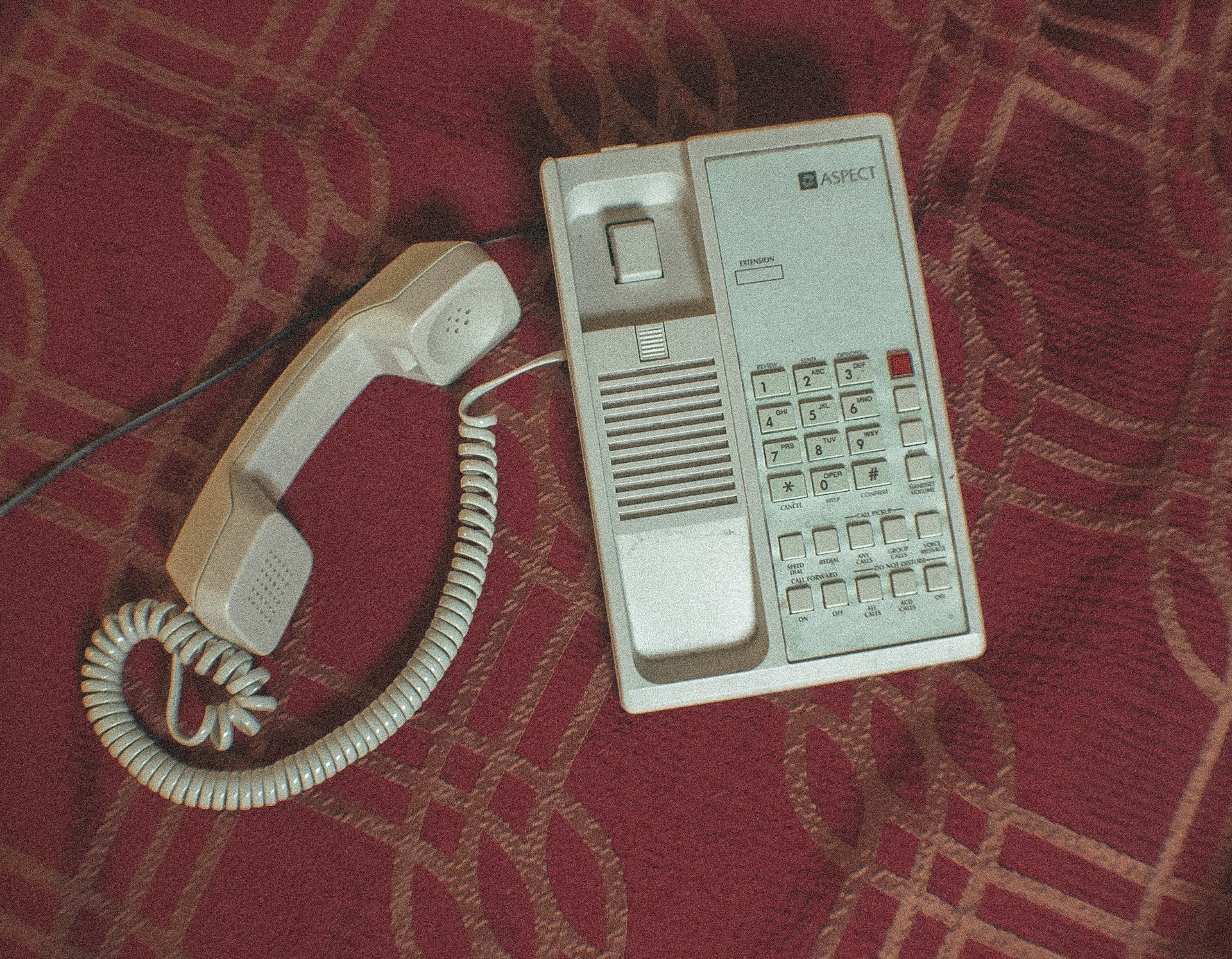
Kids once rattled off their best friend’s number without thinking. Calling home from anywhere meant knowing those seven digits or getting stuck.
Today, phones do all the remembering, and most people would struggle to say their own number. Brain space now stores things like coffee orders and locker combos instead.
Flipping through physical dictionaries
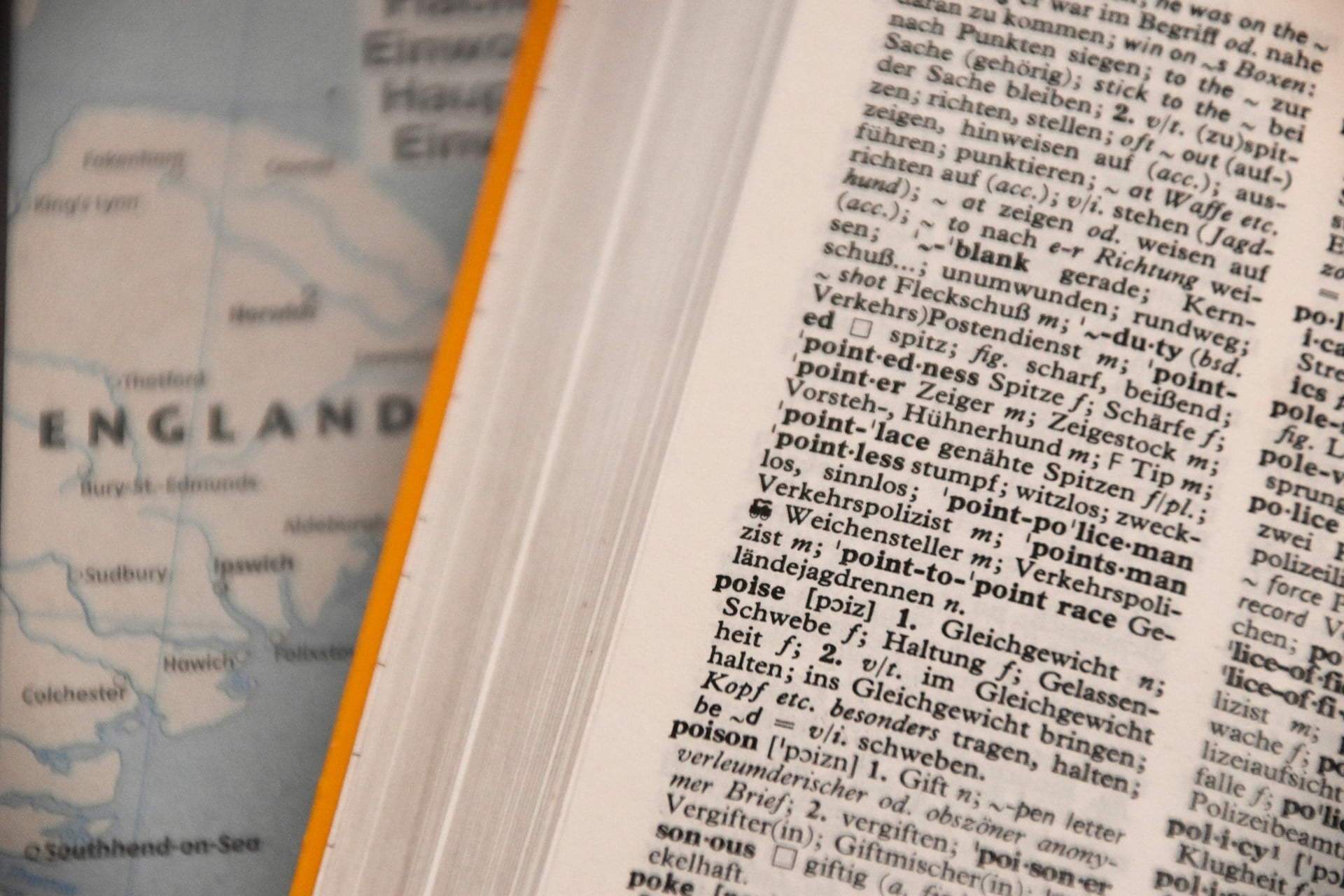
Those thick books with fragile pages sat in every classroom corner. Teachers would tell students to look it up themselves, and finding the right section took forever.
Now you can highlight a word on a phone and get the definition in seconds. Most old dictionaries just gather dust or get pressed with flowers.
Consulting encyclopedia volumes for homework
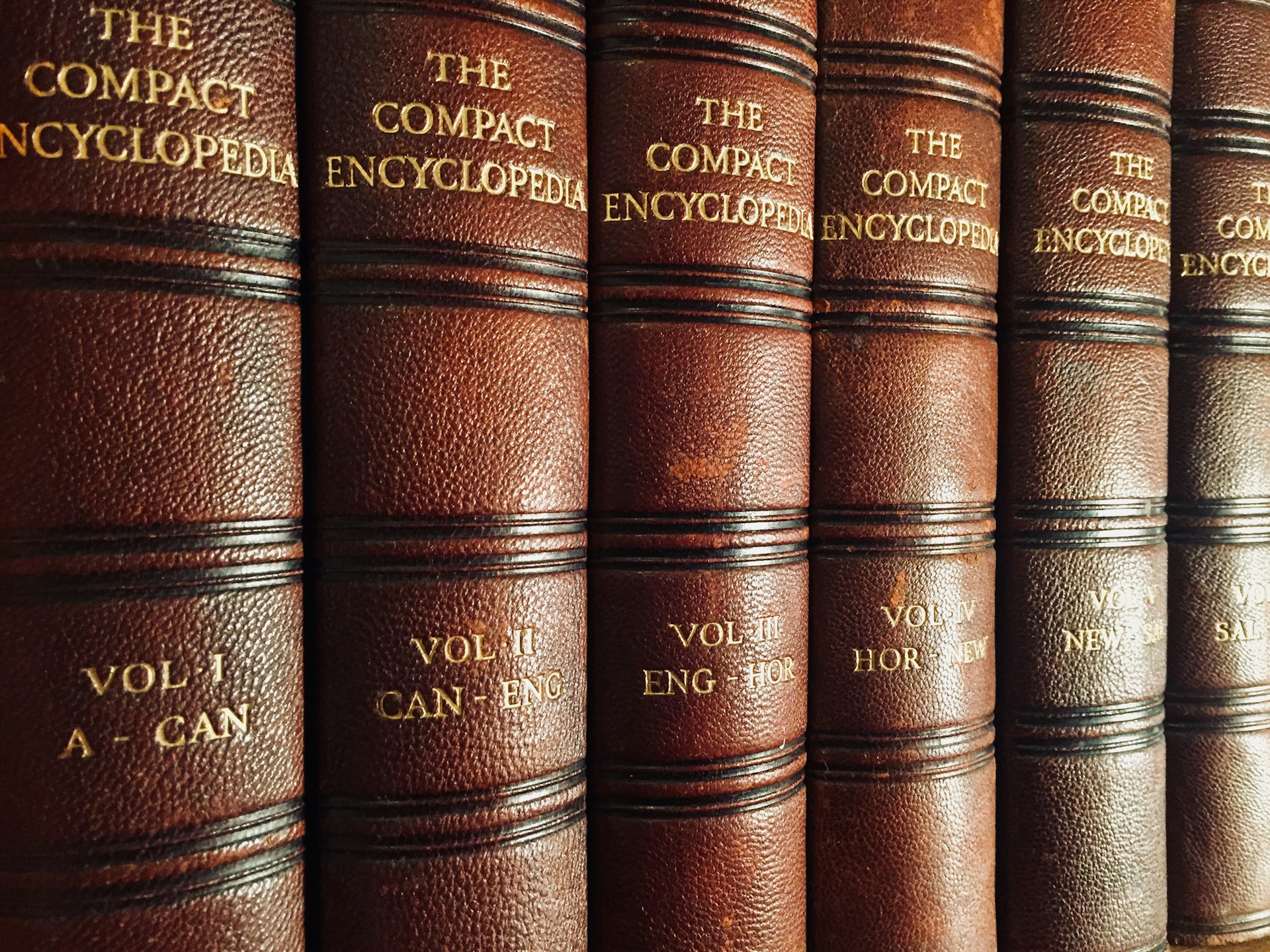
Some families had encyclopedia sets that filled a bookshelf and cost as much as a used car. You’d pull out volume M for Mars or volume P for penguins and copy down the facts.
Today, kids open multiple sources in seconds and can’t imagine lugging books around. Those old sets usually end up in thrift stores with small price tags.
Mastering cursive penmanship
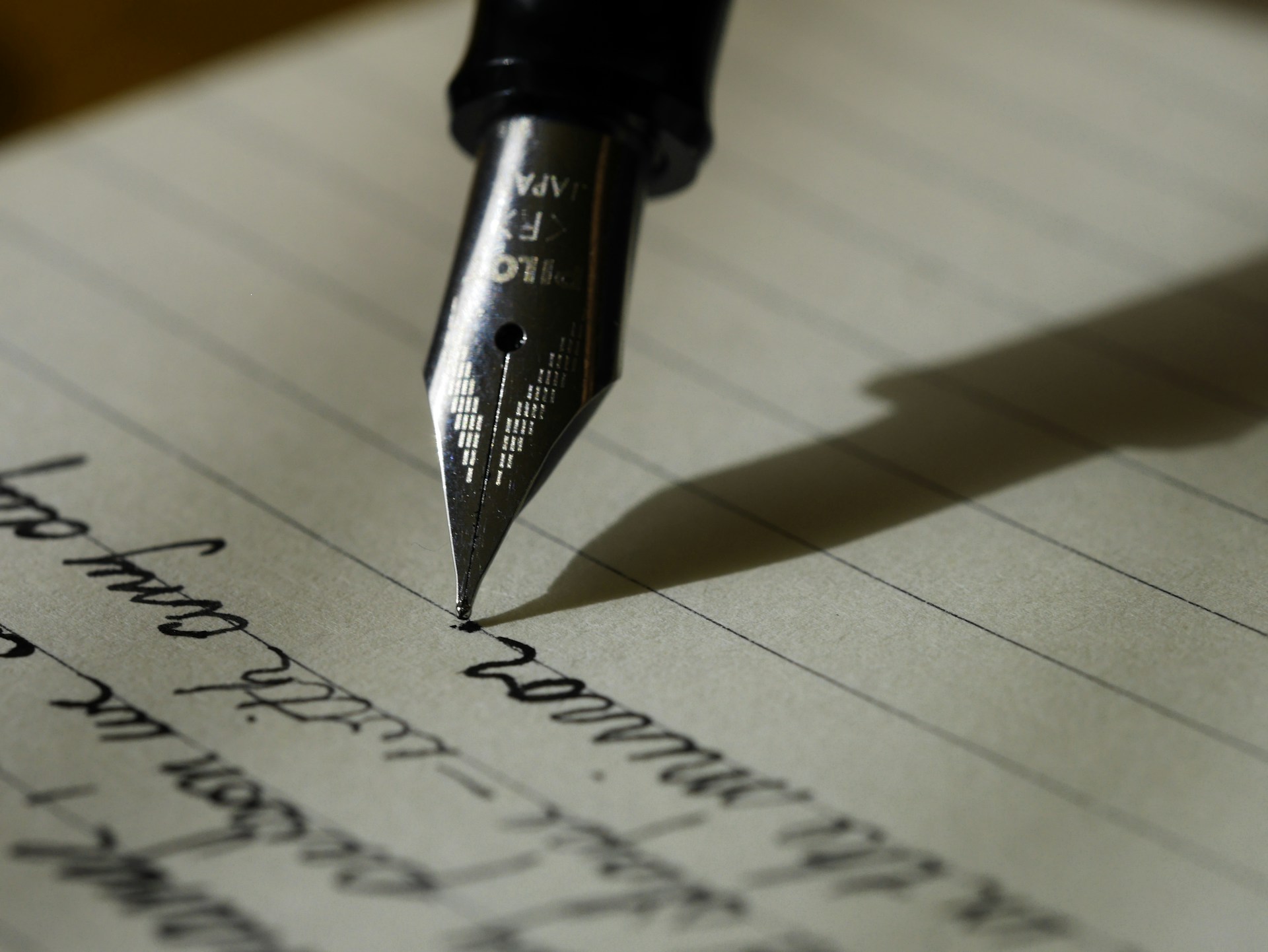
Students once spent weeks learning to connect loopy letters. Teachers treated cursive as essential for your future.
Now, most adults type everything, and signatures look like random squiggles. Schools rarely teach cursive anymore, and few people write in it outside signing forms.
Knowing capitals and geography cold
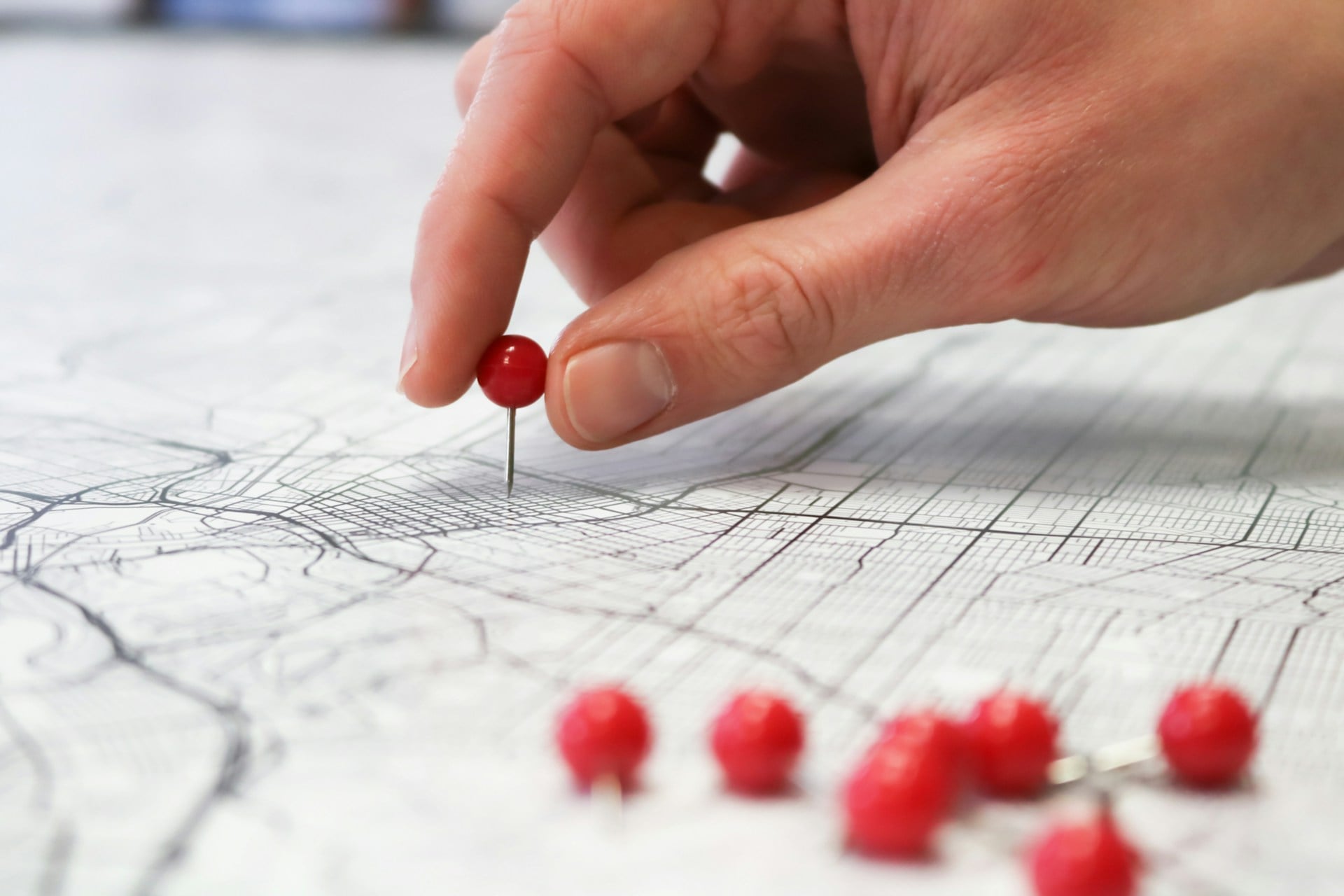
Pop quizzes often meant staring at blank maps and remembering whether Pierre or Bismarck was a state capital. Kids memorized countries and cities for hours.
Now, phones give instant answers with directions and traffic updates. Mental maps have mostly been replaced by apps.
Navigating library classification systems

Libraries had complicated number systems for organizing books. Students learned how to find things without a computer.
Today, typing what you want into the library website tells you exactly which shelf to check. The system exists, but nobody needs to decode it anymore.
Computing math problems manually

Teachers made students show their work for every problem. Long division by hand was a rite of passage, and one mistake meant starting over.
Phones now solve problems instantly, even just by pointing the camera at the page. Basic math skills still matter, but calculators are everywhere.
Reading folded paper maps
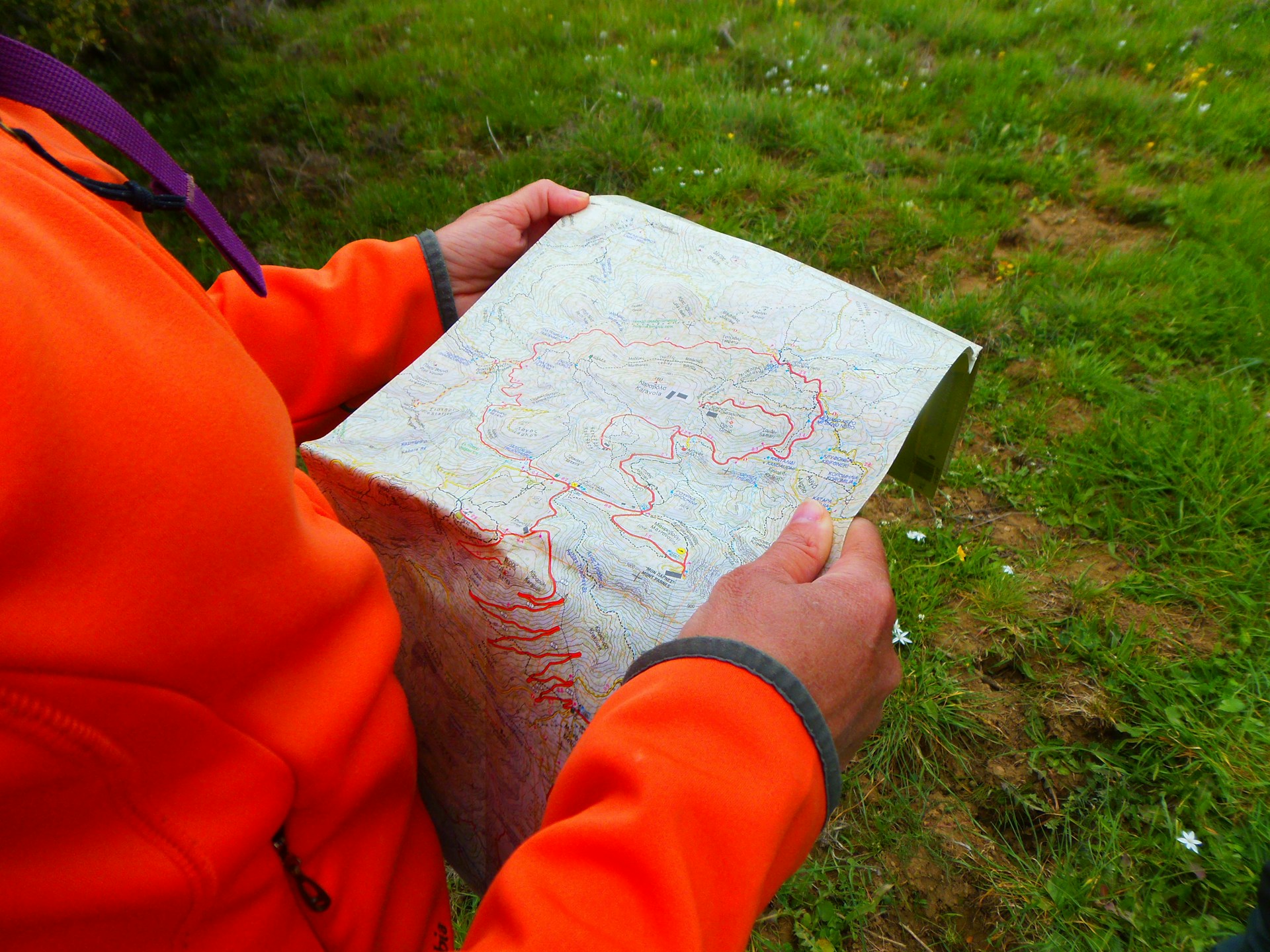
Road trips meant someone had to navigate with a giant map on their lap. Folding it back the right way was almost impossible, and one wrong turn meant stopping to figure things out.
GPS now tells you exactly where to go and corrects mistakes automatically. Getting lost requires real effort today.
Recalling exact historical dates

History tests were brutal if you couldn’t remember the right year for a battle or event. Teachers stressed exact dates as if they were the key to understanding history.
Now, a quick search gives the year in seconds, letting classes focus on why events happened. Timelines live online instead of in notebooks.
Searching card catalog drawers
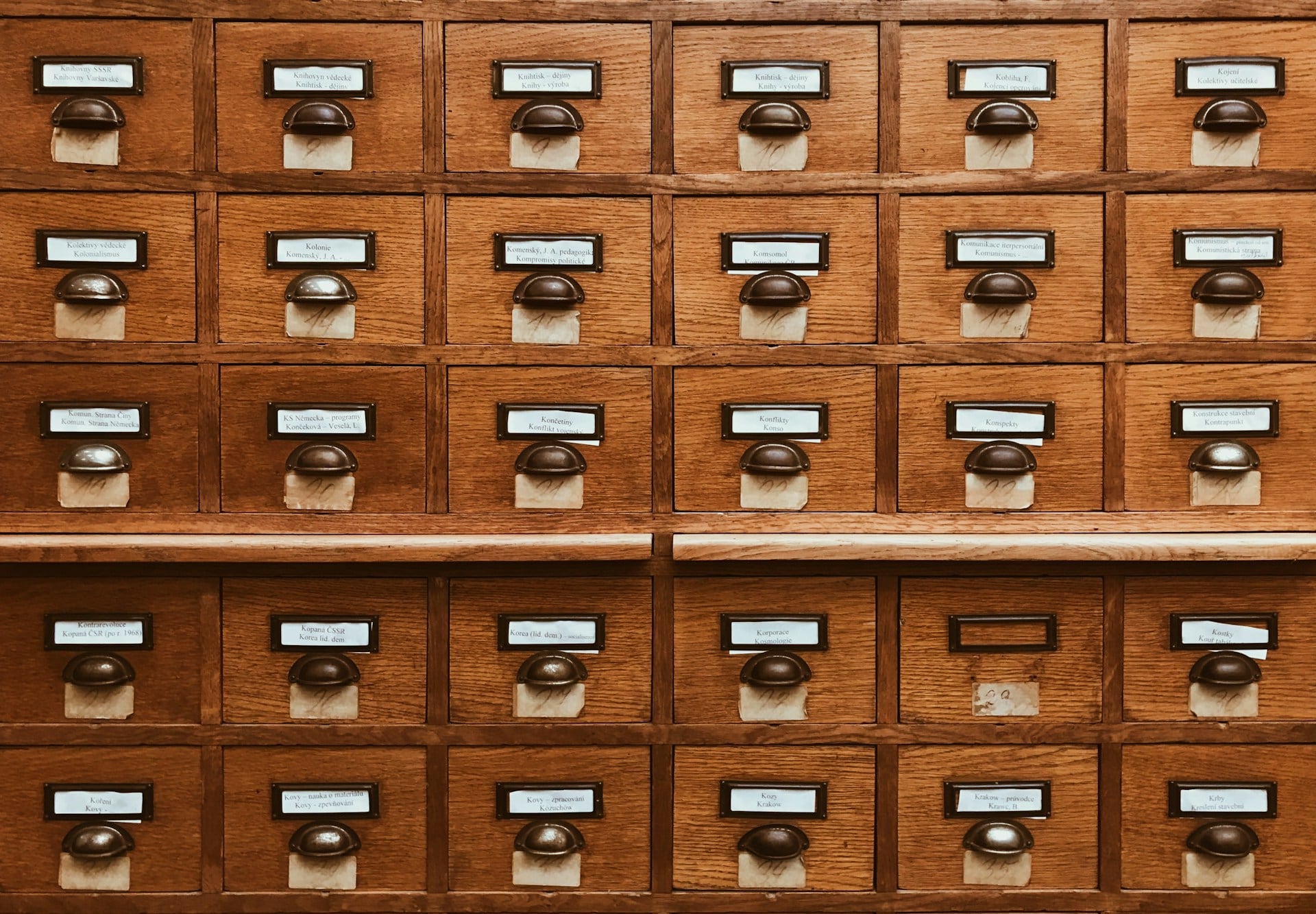
Those wooden cabinets of tiny cards were the only way to find books. Students pulled out drawer after drawer, squinting at handwriting and call numbers.
Computer catalogs now show availability from home. Card catalogs mostly disappeared or became furniture.
Writing and mailing actual letters
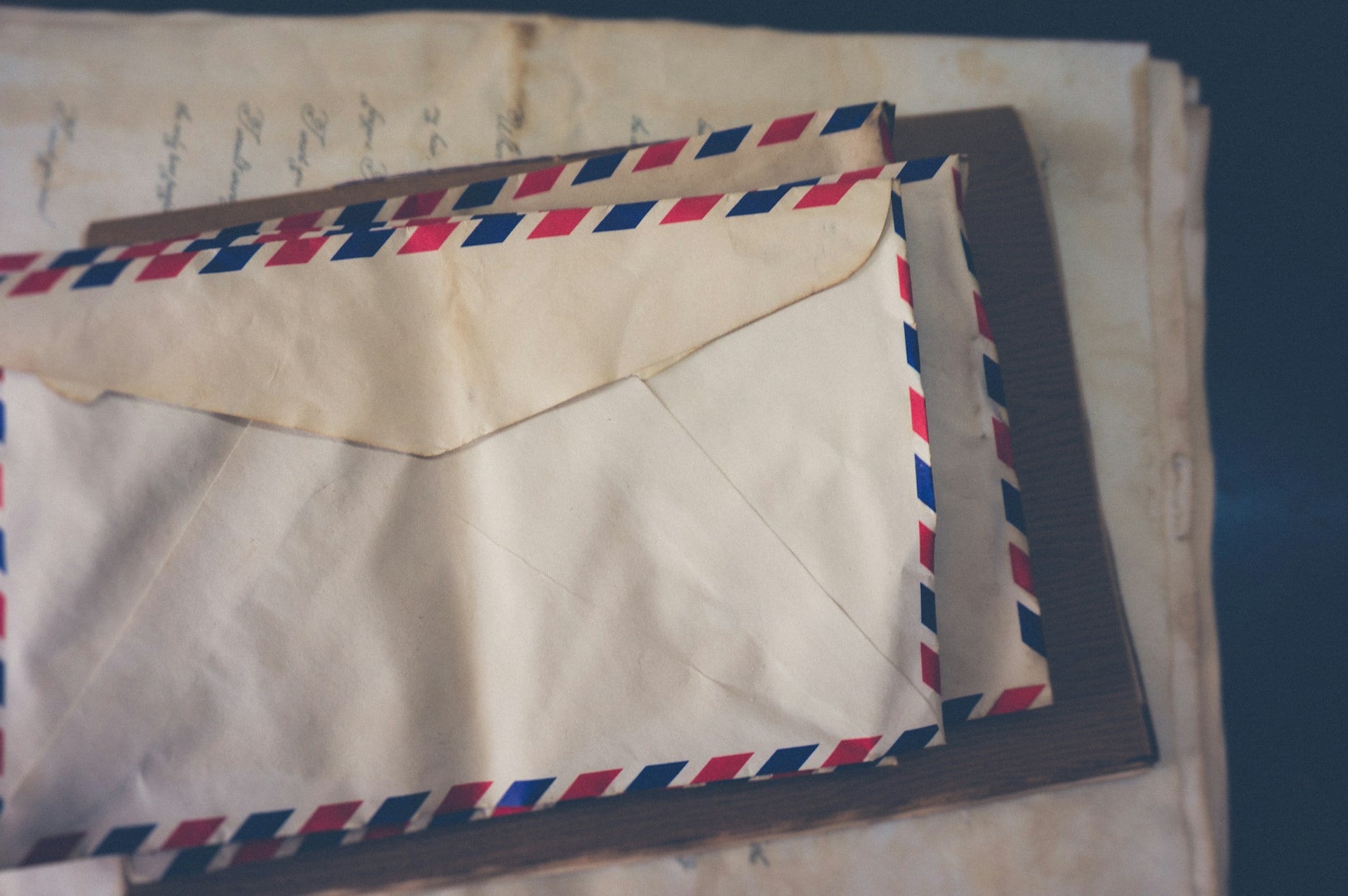
Everyone learned proper letter format with greetings and addresses. Keeping in touch across distances meant pen, paper, and patience.
Today, a text can reach the other side of the planet in minutes. Receiving a real letter now feels rare and exciting.
Checking almanacs for data
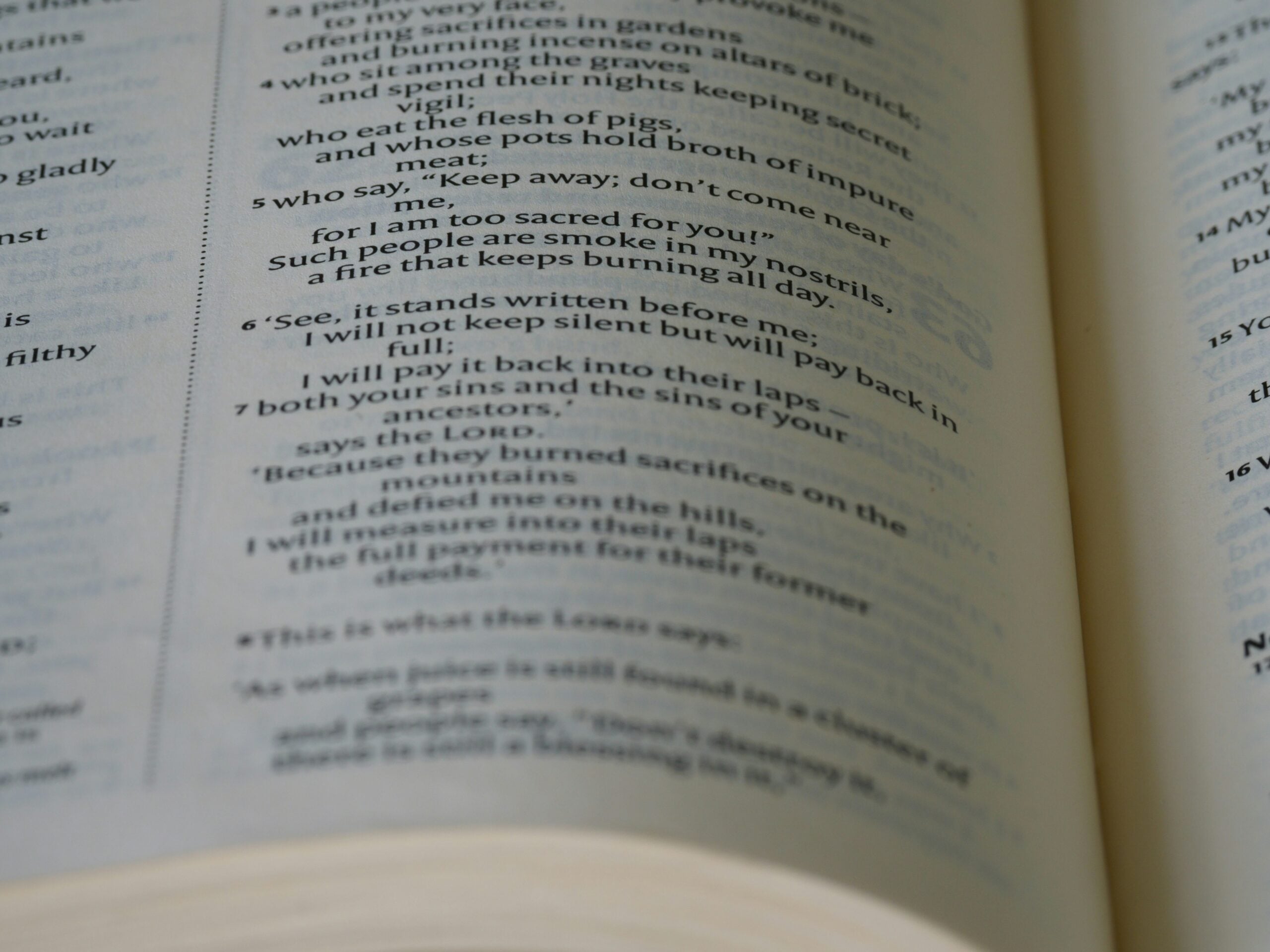
Almanacs were packed with charts, facts, and yearly updates. Need to know something? Flip through hundreds of pages.
Online sources update constantly and provide far more information. Printed almanacs can’t compete with the speed of the internet.
Typing on mechanical machines
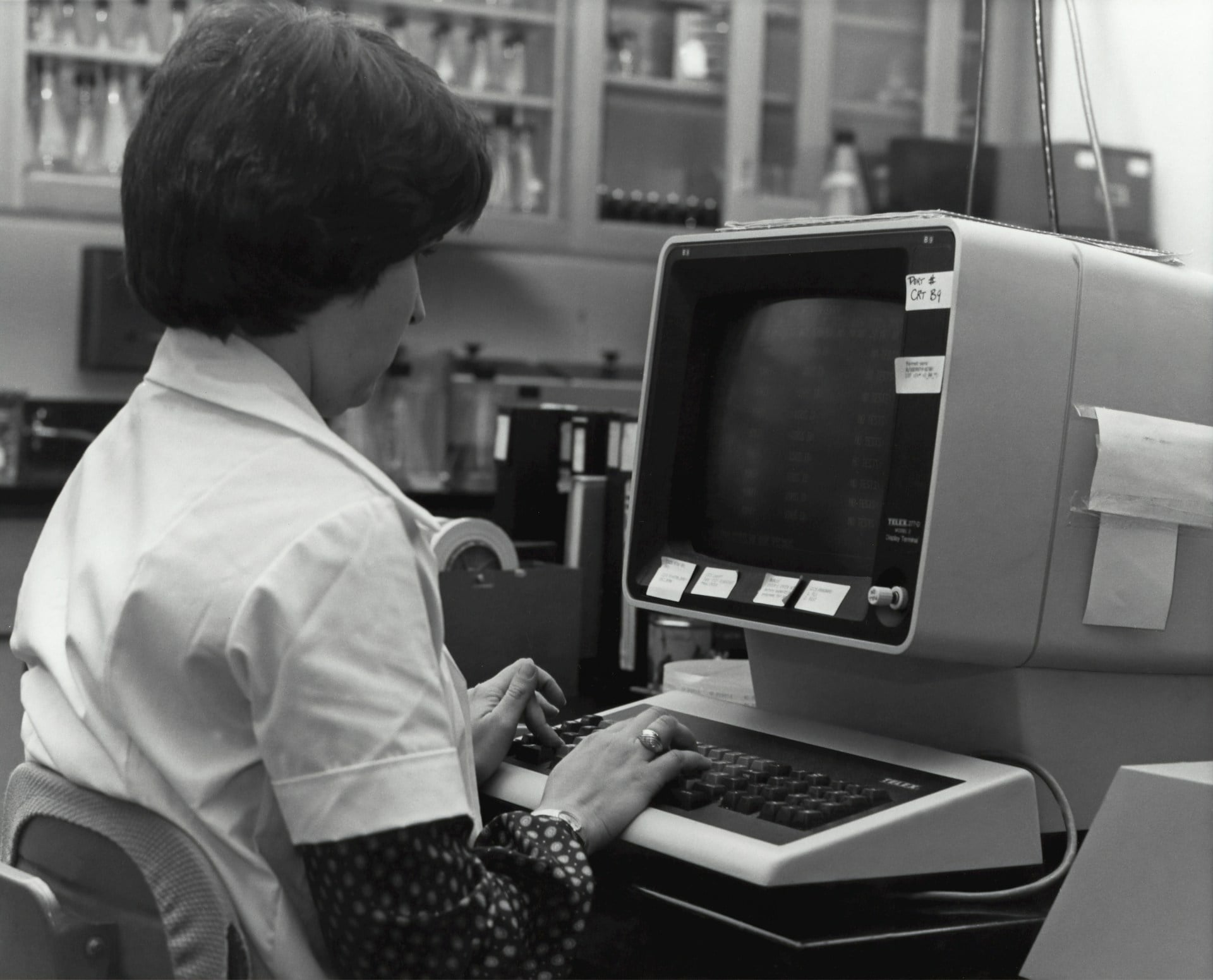
Typing class meant heavy, noisy machines that required finger strength. Mistakes meant starting over.
Computer keyboards are quiet, flexible, and forgiving. The loud clack of old typewriters is now replaced by soft laptop taps.
Drilling multiplication facts
Flashcards and timed tests made students memorize times tables. Teachers treated them like life skills.
Today, calculators exist everywhere, from watches to phones. Knowing 8 times 7 is useful but no longer essential.
Planning around TV broadcast times
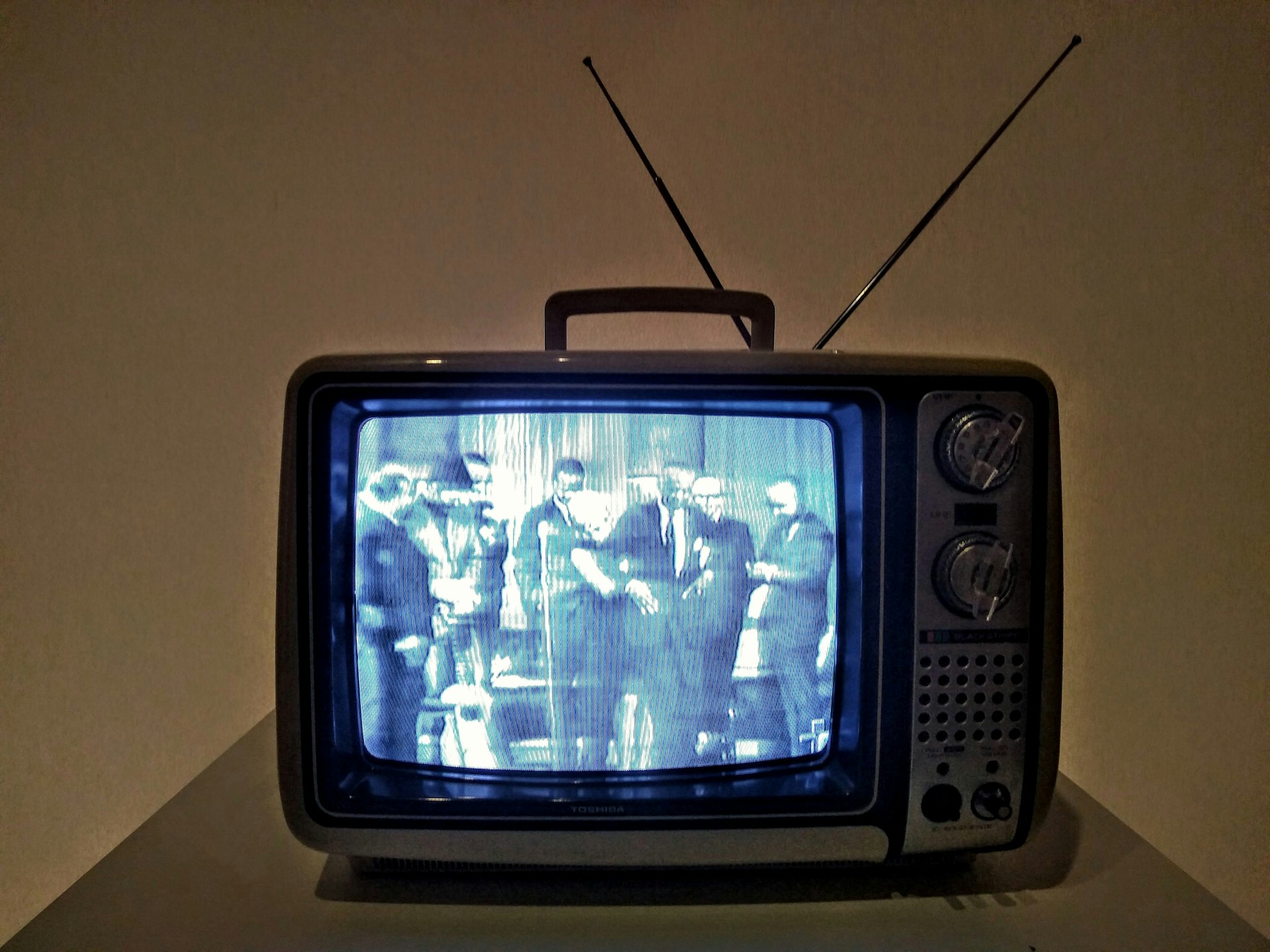
TV Guide told viewers exactly when shows aired. Missing one meant waiting for a rerun.
Streaming services let people watch anytime, anywhere, as many episodes as they want. Waiting for a specific time to watch feels old-fashioned now.
Using magnetic compasses outdoors
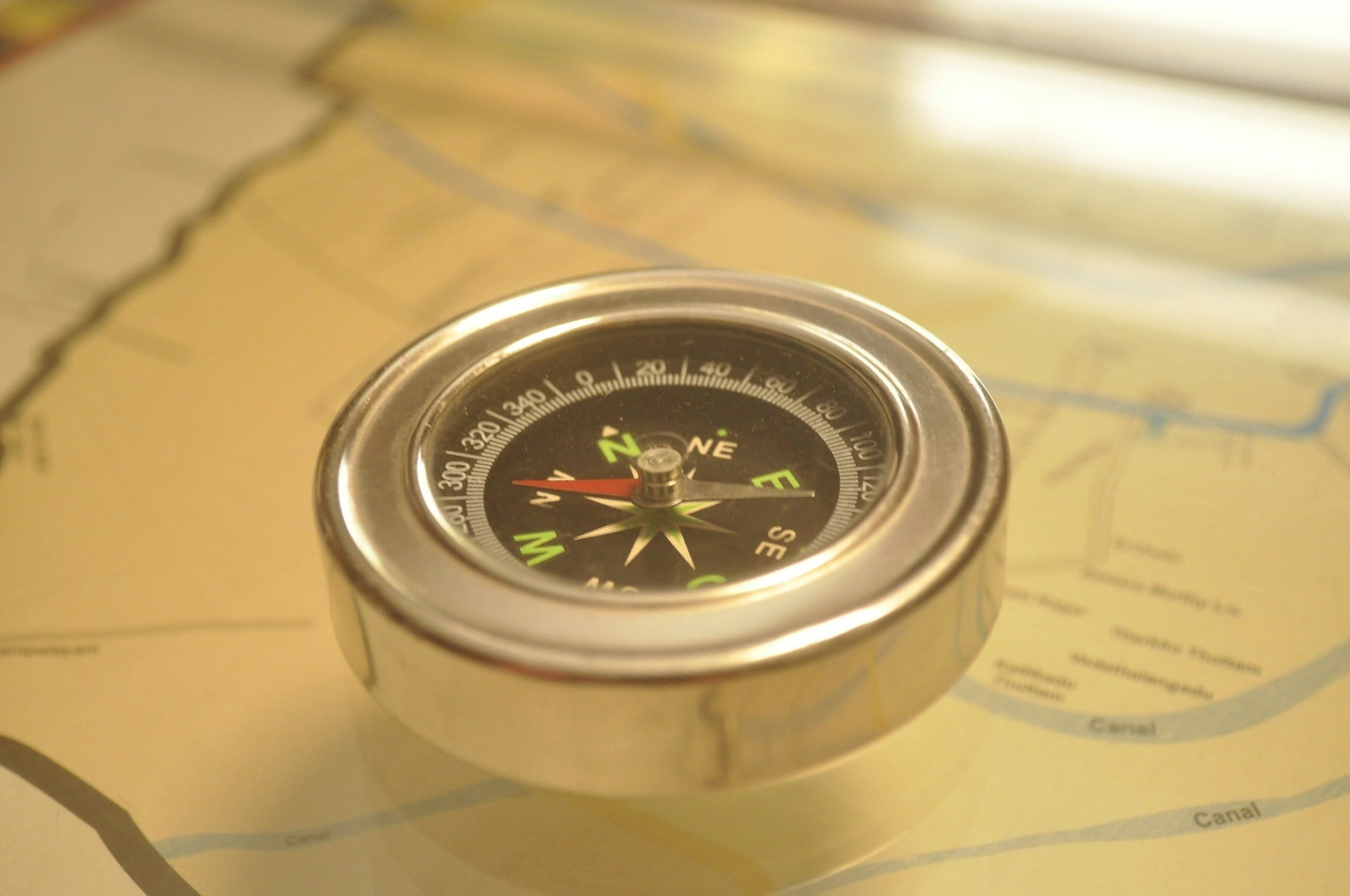
Scout and outdoor classes taught finding north with a compass. It seemed like vital survival knowledge.
GPS now shows exact locations with street names. Compasses are mostly for serious hikers or hobbyists.
Scrolling through microfiche machines
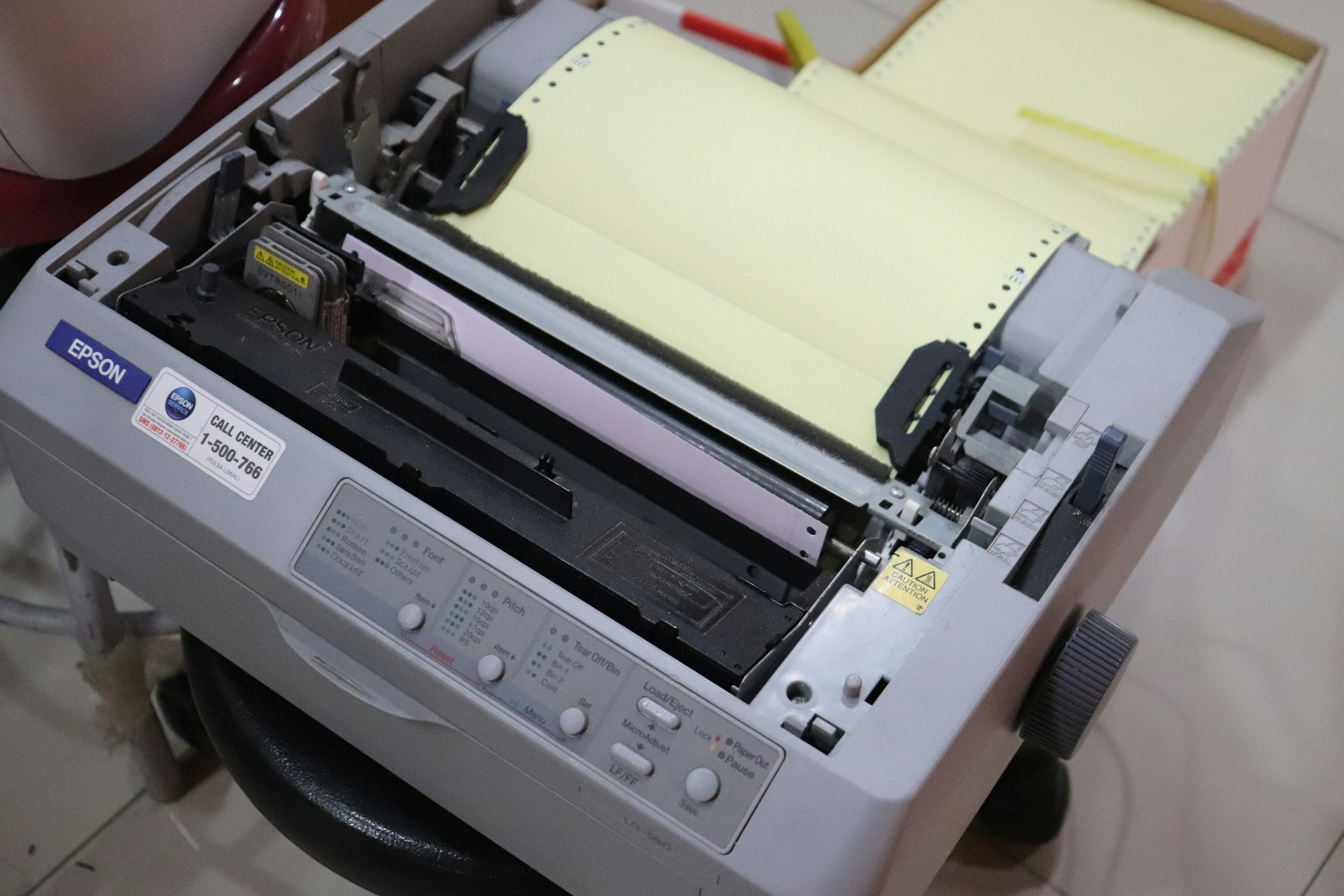
Old newspapers sat on film, viewed through clunky machines. Students cranked through tiny text with sore eyes.
Digital archives now make decades of articles searchable in seconds. Microfiche readers sit unused except for serious research.
Memorizing store operating hours

People memorized hours or called ahead to check. Regular spots were known by experience.
Apps now tell if a place is open, crowded, or closing soon. Guessing if a store was open is almost gone.
From chalkboards to touchscreens
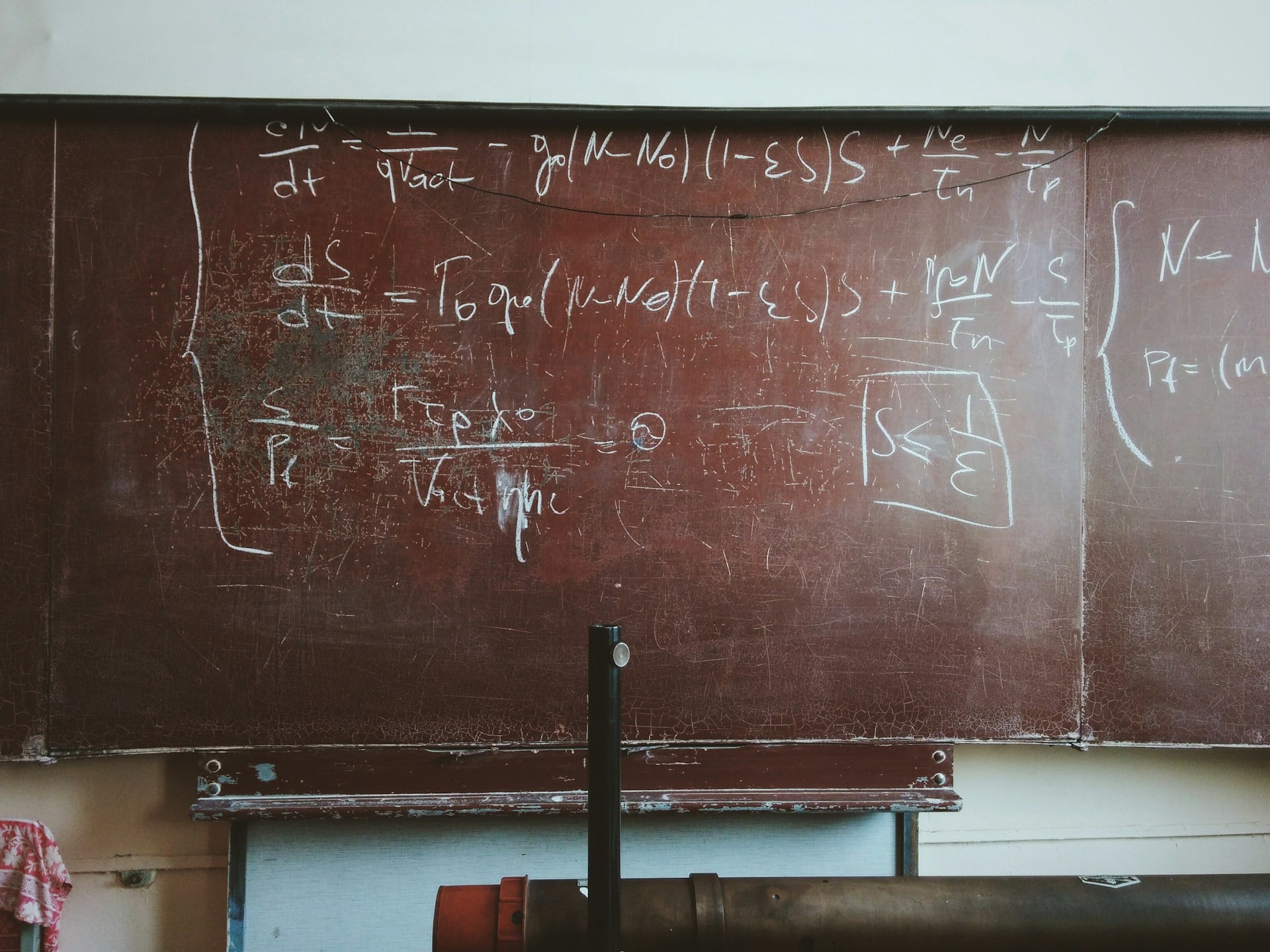
Schools used to emphasize memorizing everything because information wasn’t easy to access. The internet changed that by putting answers in everyone’s pocket.
What felt essential back then now feels nostalgic. Teachers focus on helping kids think and evaluate, rather than just memorize.
More from Go2Tutors!

- The Romanov Crown Jewels and Their Tragic Fate
- 13 Historical Mysteries That Science Still Can’t Solve
- Famous Hoaxes That Fooled the World for Years
- 15 Child Stars with Tragic Adult Lives
- 16 Famous Jewelry Pieces in History
Like Go2Tutors’s content? Follow us on MSN.



