15 Ancient Superstitions That Quietly Influenced Modern Life
Humans have always tried to impose order on an otherwise chaotic universe. Throughout the centuries, superstitions have developed as a means of explaining the unexplainable. Not only are their beginnings fascinating, but their very longevity is astounding.
Many of those ancient superstitions still hold sway over our modern-day habits, building design, and daily decisions in ways we might not even be aware. Let’s examine 15 ancient superstitions that have seeped into the fabric of our modern lives, often in plain sight.
Knocking on Wood

You’ve probably done it yourself – mentioning some good fortune then rapping your knuckles against the nearest wooden surface. This practice dates back to ancient pagan beliefs that trees housed protective spirits.
Touching wood was originally a way to wake these spirits or thank them for good luck. It’s stuck around in modern times, with people instinctively tapping tables and doorframes after sharing good news or future plans – just in case the universe is listening.
Building Without a 13th Floor

Look closely at elevator buttons in tall hotels and you’ll notice something odd – the numbers often jump straight from 12 to 14. This architectural quirk stems from triskaidekaphobia – fear of the number 13.
The superstition gained strength from various sources, including the presence of 13 people at the Last Supper before Jesus was betrayed. Most major construction companies still cater to this fear, with roughly 85% of high-rises in the U.S. lacking a 13th floor – or at least labeling it something else.
Like Go2Tutors’s content? Follow us on MSN.
Wedding Rings on the Fourth Finger

Why do wedding bands belong specifically on the fourth finger of the left hand? Ancient Egyptians and Romans believed this finger contained the ‘vena amoris’ or ‘vein of love’ running directly to the heart.
Modern anatomy has thoroughly debunked this notion – all fingers have similar venous structures – yet the tradition persists worldwide. This romantic myth has solidified into cultural practice, influencing billions of dollars in jewelry sales each year despite having no basis in physiology.
Covering Mirrors During Mourning

When death visits a household, some traditions call for covering all mirrors. This practice emerged from various beliefs – some thought the soul could become trapped in reflective surfaces, while others feared the deceased’s spirit might see itself and be unable to move on.
Though less widespread than in previous generations, this custom remains common in Jewish mourning rituals (shiva) and appears in various forms across different cultures during funeral ceremonies.
Avoiding Broken Mirrors
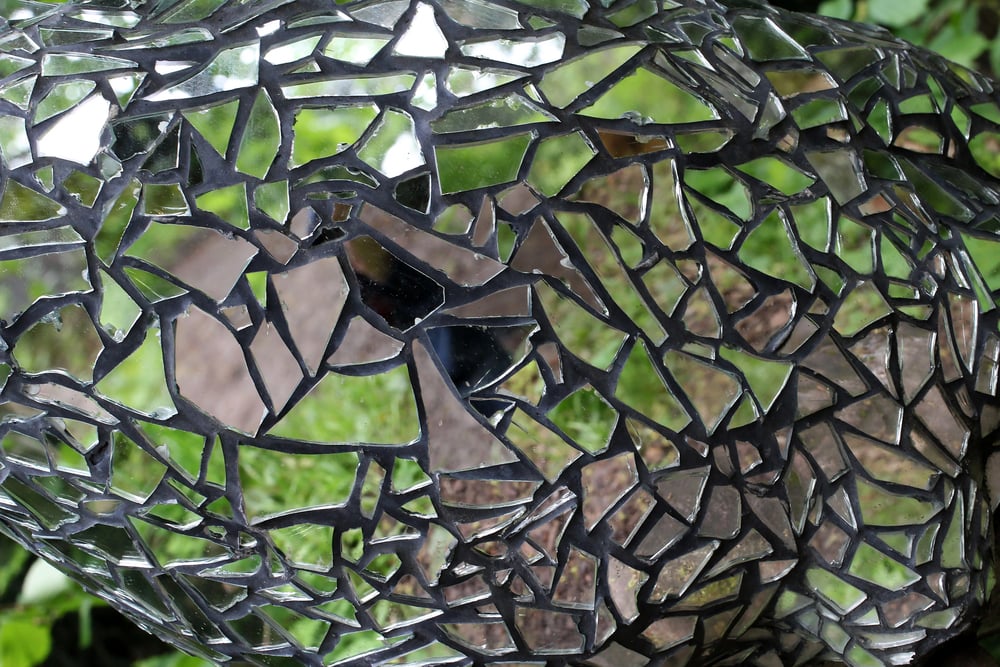
“Seven years bad luck” – that’s what countless people still worry about when a mirror shatters. Romans believed mirrors captured pieces of the soul, so breaking one damaged your spirit.
The seven-year timeline came from their belief that the body fully regenerated every seven years. Despite the modern understanding of reflection, many people still feel genuine anxiety when breaking mirrors – with some even performing counter-rituals like burying the broken pieces to neutralize the supposed curse.
Like Go2Tutors’s content? Follow us on MSN.
Throwing Salt Over Your Shoulder

Spill salt? In a hurry – flick a pinch over your left shoulder! This peculiar ritual started ages ago when salt was expensive as well as thought to have purifying qualities.
Spilling salt was wasteful as well as an invitation to evil spirits, especially the devil who was thought to be hovering behind you. The shoulder toss was to blind these evil powers before they would be troublesome. Even pro cooks do this ritualistic behavior now and then.
Saying ‘Bless You’ After Sneezing

That automatic ‘bless you’ after someone sneezes has surprisingly dark origins. Ancient beliefs held that sneezing temporarily expelled the soul from the body, creating an opening for evil spirits to enter.
The blessing was a protection against these intrusions. Another theory suggests it began during plague times, when sneezing signaled early symptoms. Whatever the origin, the phrase has become so ingrained in our social etiquette that few people consider its supernatural beginnings.
Hanging Horseshoes for Luck

Rural houses normally have decorative horseshoes over doors – a tradition with its origins in old superstitions surrounding the magical qualities of iron. Iron was believed by ancient people to keep away evil spirits and mischievous fairies.
The U-shape of the horseshoe was believed to capture good fortune, although there is still disagreement on whether the ends should face up (to catch luck) or down (to pour luck over visitors). What started out as genuine spiritual protection has turned into a general house decoration all around the world.
Like Go2Tutors’s content? Follow us on MSN.
Avoiding Ladders
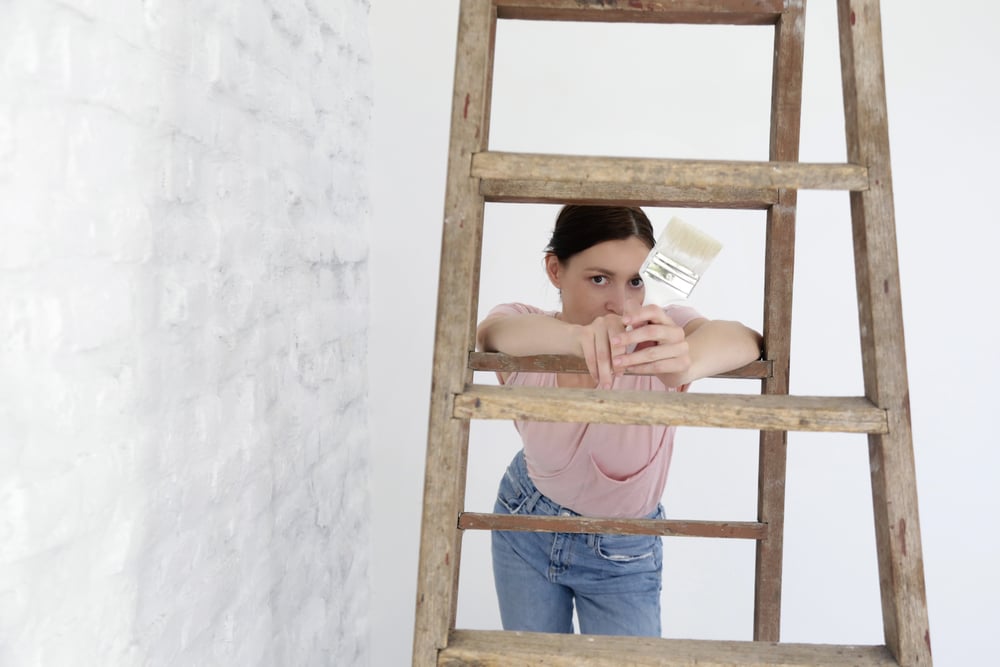
Most people won’t walk under a ladder if they can help it. This avoidance began in ancient Egypt, where ladders leaning against walls formed triangles – shapes considered sacred in Egyptian cosmology.
Walking through this triangle was seen as disrespectful to the gods. The belief gained additional power during medieval times when ladders were associated with gallows used in hangings. Today, many folks sidestep ladders while claiming it’s merely common sense rather than superstitious behavior.
Carrying a Rabbit’s Foot

Fuzzy rabbit feet used to hang from keychains everywhere as good luck charms you could carry. The tradition began with Celtic tribes in 600 BCE, who worshipped rabbits as fertility symbols and thought parts of their bodies were imbued with protective magic.
The tradition spread worldwide and proved very resilient across cultures. Contemporary versions are plastic copies, but the same faith in their luck-bringing properties still governs merchandise and personal talismans.
Opening Umbrellas Indoors

“Don’t open that in here!” Many people still feel uncomfortable watching someone unfurl an umbrella indoors. This superstition began practically enough in 18th-century London when early metal-spoked umbrellas could spring open suddenly, causing injuries in confined spaces.
However, deeper roots exist in cultures that viewed umbrellas as protection from the sun—which had divine associations. Opening this “sun shield” indoors was considered an insult to sun deities. Modern umbrellas pose no danger, yet the taboo persists.
Like Go2Tutors’s content? Follow us on MSN.
Crossing Fingers for Luck

Need some extra luck? Just cross your fingers! This universal gesture began in pre-Christian times when people believed benevolent spirits dwelled at crossroads and intersections.
Mimicking these crossings with fingers was thought to capture spiritual power for protection or good fortune. The practice evolved through early Christianity, where two people would form a cross with their index fingers when making wishes. Today it remains one of the most recognized good-luck symbols across nearly all cultures.
Evil Eye Amulets
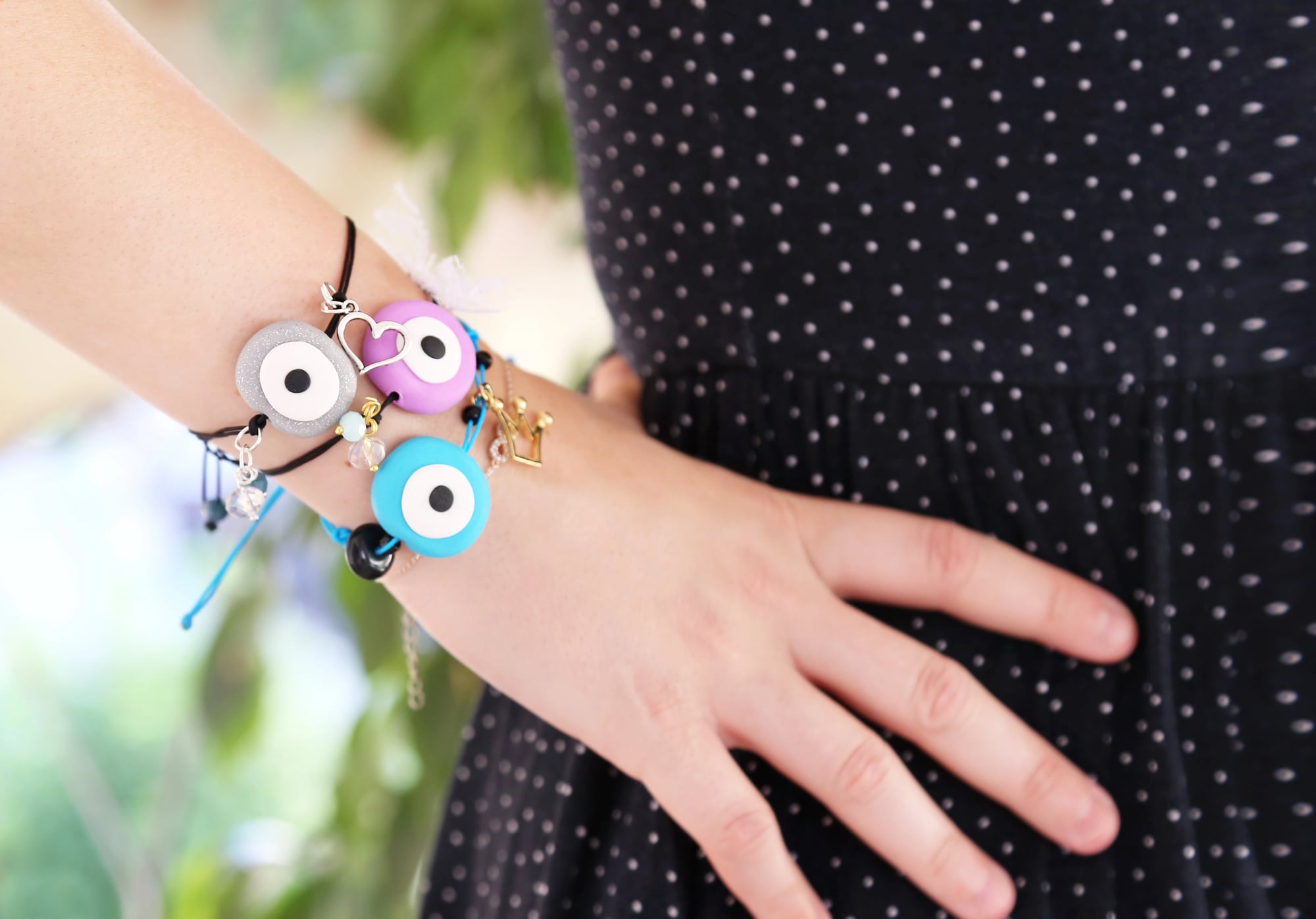
Those distinctive blue eye-shaped amulets have protected people from jealousy and ill wishes for over 5,000 years. Designed to ward off the ‘evil eye’—malevolent glares believed to cause misfortune—these protective symbols originated in Mediterranean and Middle Eastern cultures.
They’ve experienced a remarkable resurgence in modern fashion and home décor. Major designers incorporate these ancient protective emblems into contemporary jewelry collections, while evil eye motifs appear on everything from smartphone cases to high-end furniture.
Building Foundation Offerings

What is buried under our buildings? Ancient cultures used to bury things under new buildings to satisfy spirits and provide stability. Romans buried coins in foundations, but other cultures buried more ominous things like animal or human sacrifices.
The tradition has evolved into contemporary cornerstone ceremonies, time capsules, and the tradition of inserting coins into concrete. Construction workers all over the world still perform different rituals when starting to build major projects—a legacy of ancient foundation offerings.
Like Go2Tutors’s content? Follow us on MSN.
Fear of Black Cats

Black cats get a bad rap in some cultures, though perceptions vary globally. In certain societies, they bring good fortune; in others, they signal impending doom.
The negative association strengthened during medieval witch hunts when black cats were linked to witchcraft and the devil. This ancient fear continues to impact modern life in surprising ways—black cats consistently struggle to find homes from animal shelters, especially around Halloween. Some adoption centers even temporarily halt black cat adoptions during October due to concerns about their welfare.
The Tapestry of Human Belief

These ancient superstitions reveal the remarkable continuity of human psychology across millennia. Though science has explained many phenomena once attributed to supernatural forces, these old beliefs remain woven into our cultural fabric—influencing architecture, daily habits, and subtle behaviors.
Some persist through social custom, others through unquestioned tradition. Their endurance demonstrates something fundamental about human nature: our need to find patterns, seek protection, and maintain some sense of control amid life’s unpredictability hasn’t changed much in thousands of years.
More from Go2Tutors!

- 18 Unexpectedly Valuable Collectibles You Might Have Lying Around
- 20 Little-Known Historical Battles That Had Huge Consequences
- 20 Historical Artifacts That Scientists Can’t Explain
- 15 Inventions That Were Immediately Banned After Being Created
- 20 Actors Who Were Almost Cast in Iconic Roles
Like Go2Tutors’s content? Follow us on MSN.