K2 Mountain: Why It’s More Feared Than Everest
Mount Everest might get all the fame as the world’s tallest mountain, but if you ask seasoned climbers which peak truly terrifies them, almost all will say K2. Standing at 28,251 feet in the remote Karakoram range between Pakistan and China, K2 has more than earned its nickname—the Savage Mountain. While Everest has become somewhat “touristy,” with guided climbs and well-trodden routes, K2 remains wild, unpredictable, and utterly unforgiving.
The statistics alone paint a grim picture. Below are 13 reasons why K2 has a reputation for being far deadlier than Everest.
The Death Rate Says It All

K2’s death rate hovers around 23 to 25 percent—meaning one in four climbers never make it back down. In contrast, Everest’s rate is closer to 3 to 6 percent.
These aren’t just cold numbers; they represent real climbers who risked everything and never returned. That difference alone shows how K2 plays by a far harsher set of rules.
Far Fewer People Have Conquered It

By 2023, only about 800 climbers had stood on K2’s summit. Compare that to Everest’s staggering 12,000+ successful ascents.
In other words, more people summit Everest in a single year than have ever reached the top of K2 in over a century. That’s not just a statistic—it’s a clear sign of how much tougher K2 really is.
Like Go2Tutors’s content? Follow us on MSN.
There Are No Easy Routes
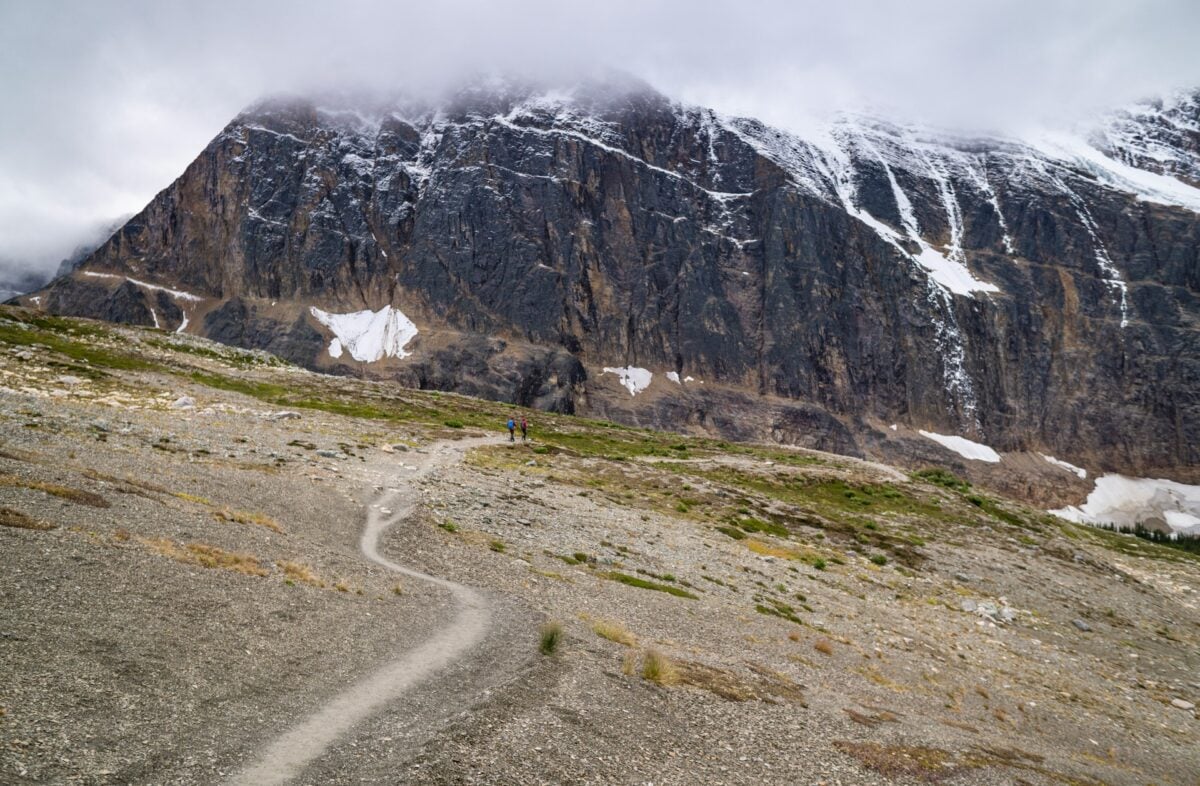
Ask an experienced mountaineer about the “easiest” route on K2 and you’ll likely get a laugh. There isn’t one.
The mountain starts steep, ends steep, and never offers a break. Unlike Everest’s Western Cwm—a relatively gentle stretch—K2 is all grit and gradient from start to finish.
Even the most common route, the Abruzzi Spur, is relentlessly difficult and demands technical climbing skills, immense endurance, and steady nerves.
The Bottleneck Is a Death Trap
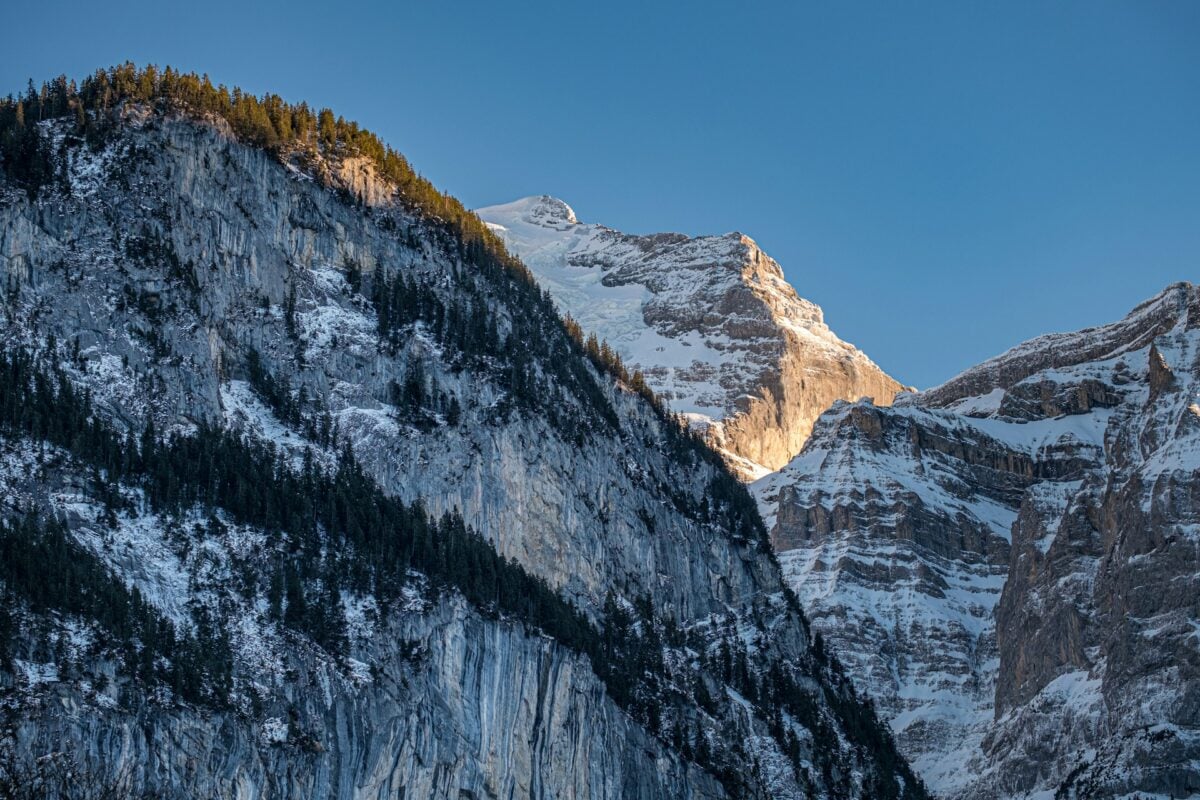
The Bottleneck—about 27,000 feet up—is where K2 shows its true menace. It’s a narrow passageway sitting right beneath massive hanging ice cliffs called seracs.
Climbers must cross a 330-foot section completely exposed to the possibility of falling ice. Thirteen of the last fourteen deaths on K2 happened right here.
One wrong moment, one cracking sound above, and it’s over. Yet there’s no alternative route; everyone must pass through it.
Weather Turns Deadly Without Warning
If there’s one thing climbers dread on K2, it’s the weather. The mountain has its own microclimate—one that shifts from calm to chaos in minutes.
Multi-day storms, hurricane-level winds, and bone-cracking cold are all part of the deal. Climbers can be trapped in tents for days, slowly weakening as their bodies deteriorate at high altitude.
Everest has rough weather too, but it’s far more predictable. K2’s storms don’t play by the rules.
Like Go2Tutors’s content? Follow us on MSN.
Technical Climbing Sections Are Relentless
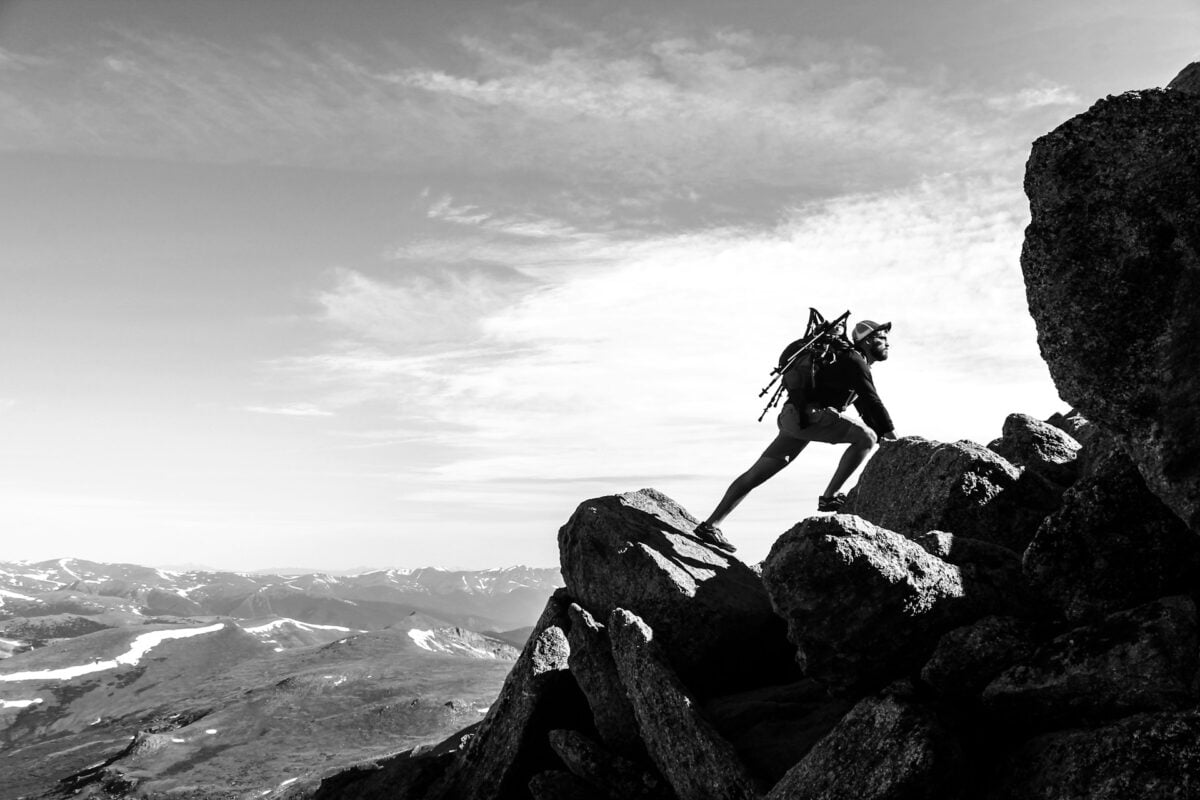
K2 isn’t just high—it’s technically brutal. Climbers face notorious sections like House’s Chimney, a steep 50-meter crack, and the Black Pyramid, which involves nearly 1,300 feet of vertical rock and ice.
Every inch demands focus and precision. You can’t just clip into a rope and follow a guide; you have to climb.
Fatigue at that altitude makes even simple moves a matter of life and death.
The Mountain Is Incredibly Remote

Getting to K2’s base camp is an expedition on its own. There are no helicopters, no easy access points—just a long, exhausting trek through the wilderness.
Once you’re there, you’re cut off from the world. If anything goes wrong, rescue is nearly impossible.
On Everest, you can call for a helicopter; on K2, you’re on your own. That isolation adds a heavy mental toll to an already punishing climb.
Avalanches and Rockfall Are Constant Threats
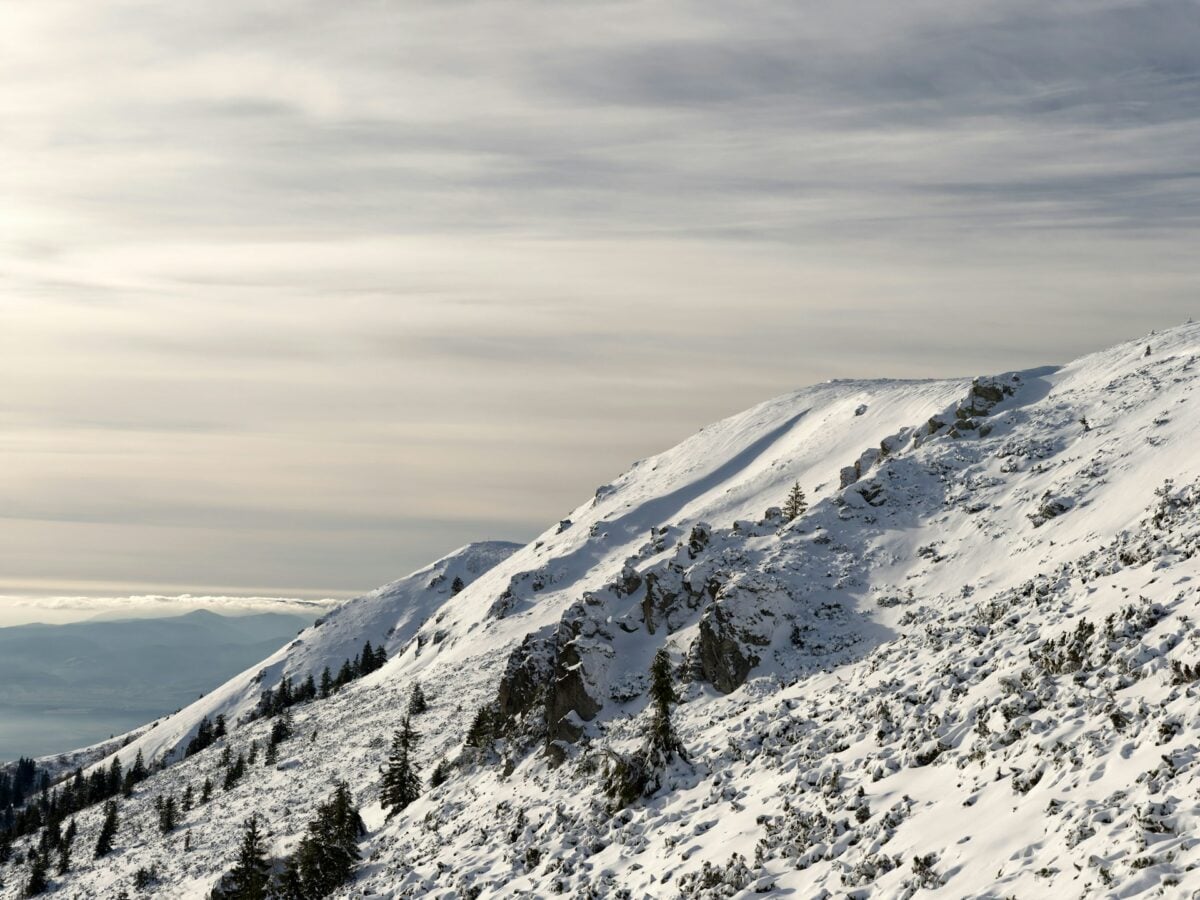
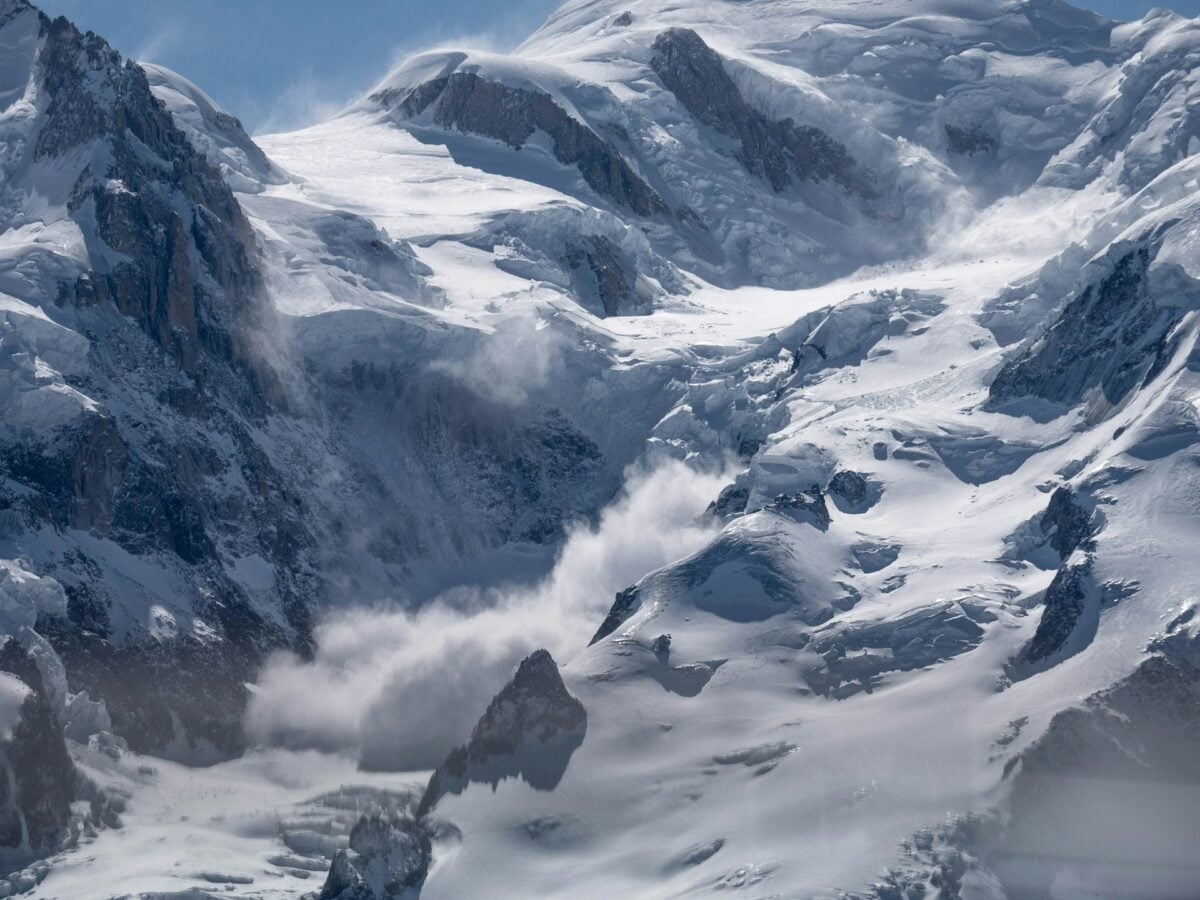
K2’s slopes are a war zone of falling ice and rock. Huge seracs can collapse at any moment, sending deadly chunks crashing down the main route.
Rockfall is so constant that climbers often describe it as “climbing through gunfire.” Unlike Everest, where danger zones are somewhat predictable, K2’s hazards can strike anywhere, anytime—and often do.
Like Go2Tutors’s content? Follow us on MSN.
Retreat Is Nearly Impossible
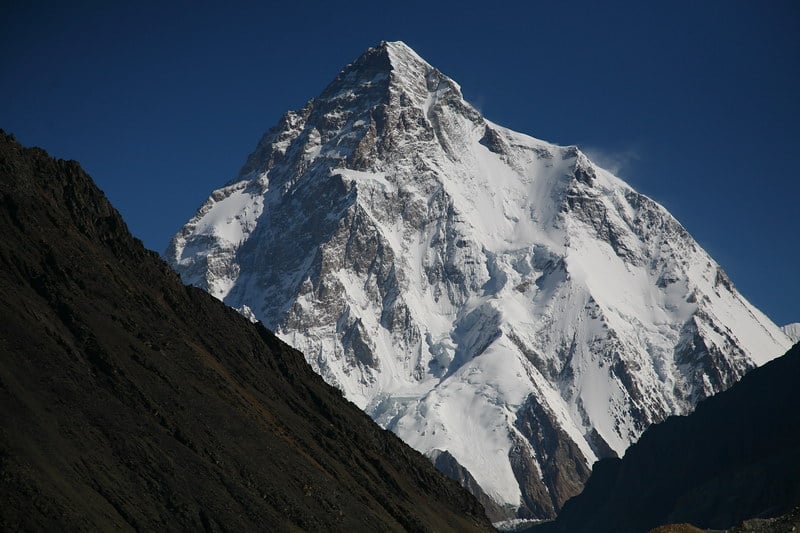
Climbing down K2 can be even harder than going up. The routes are steep, exposed, and technically complex.
When storms roll in—and they often do—descending safely becomes almost impossible. Many climbers have perished trying to retreat, trapped high on the mountain with no way out.
On Everest, descent is tough; on K2, it can feel like a death sentence.
The 2008 Disaster Remains Haunting
Between August 1 and 2, 2008, tragedy struck K2. Eleven climbers from different expeditions lost their lives when ice from the seracs above the Bottleneck broke loose.
The falling debris cut fixed ropes, leaving others stranded high on the mountain. Survivors watched helplessly as teammates vanished into the darkness.
It remains one of the darkest events in mountaineering history—a chilling reminder of K2’s unpredictability.
Winter Climbing Remained Impossible Until Recently
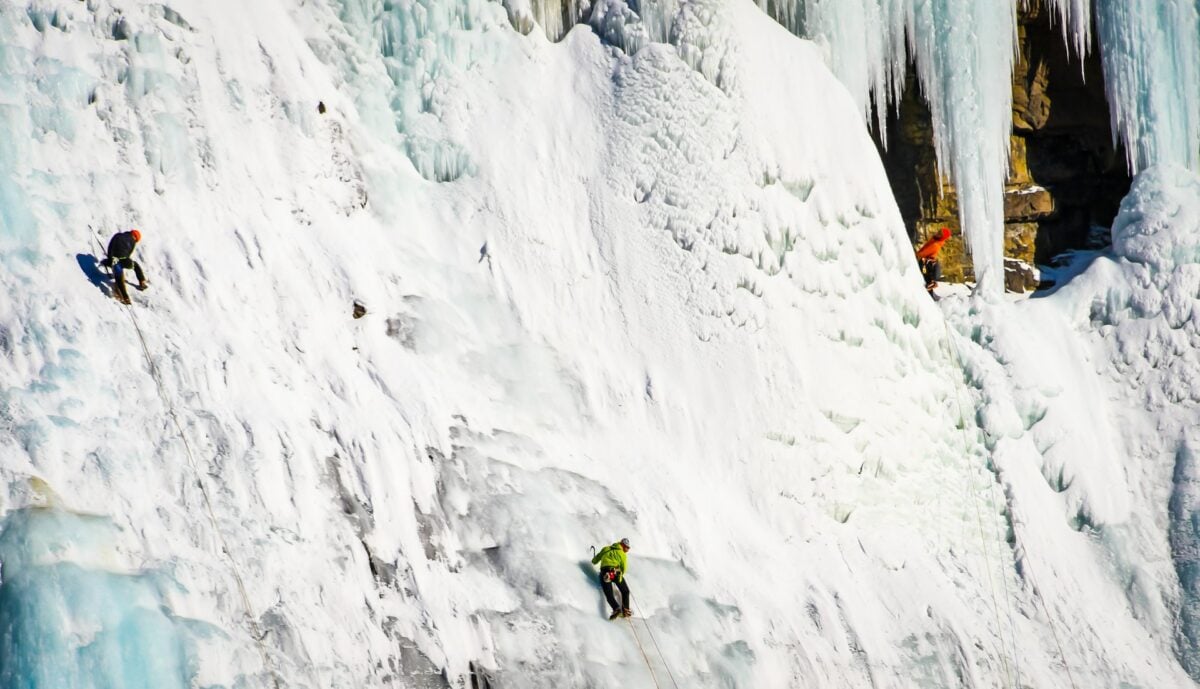
For decades, every winter attempt on K2 ended in failure—until 2021, when a team of Nepali climbers finally made history. In winter, temperatures plummet below -65°C and winds roar past 120 mph.
By comparison, Everest was first summited in winter back in 1980. That forty-year gap says everything. Even with today’s gear, K2 in winter is the very definition of extreme.
Like Go2Tutors’s content? Follow us on MSN.
Less Infrastructure and Support
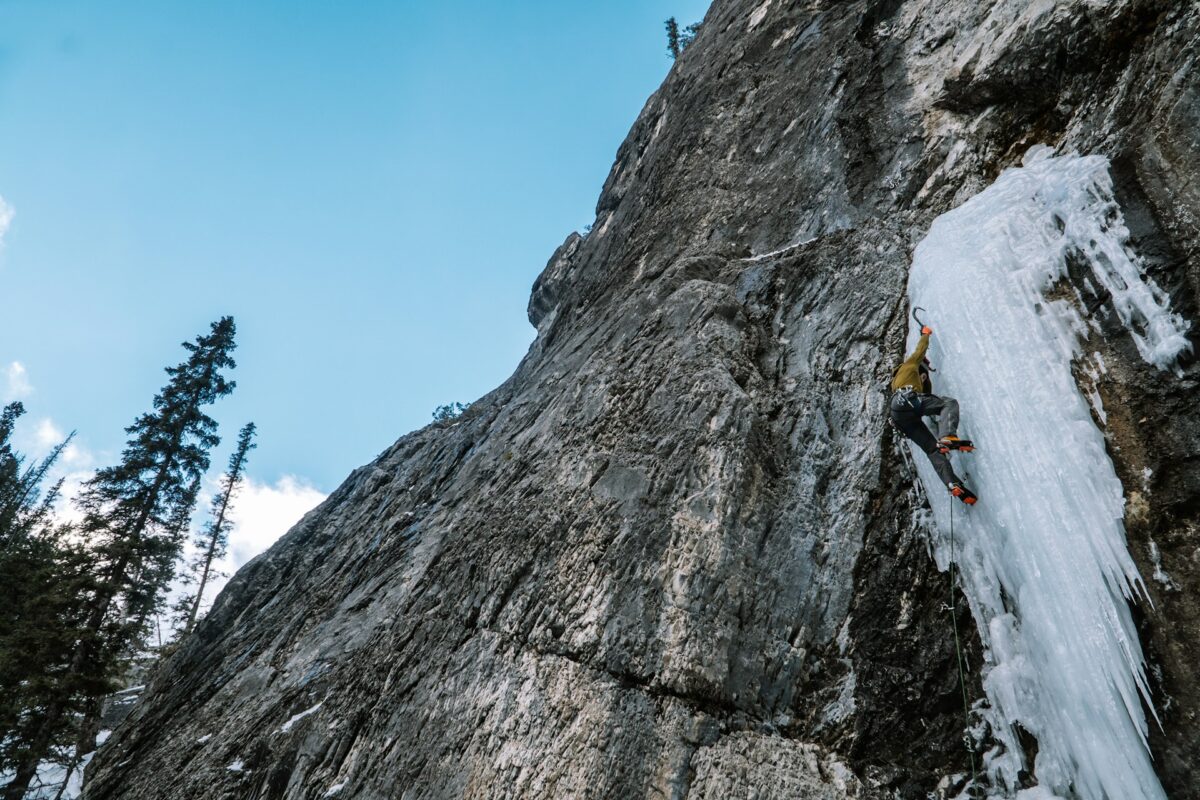
Everest has turned into a well-oiled climbing enterprise—complete with base camp amenities, medical staff, helicopter rescues, and fixed ropes set by Sherpas. K2 offers none of that.
It’s a true expedition mountain. Climbers must carry their own supplies, set their own ropes, and solve their own problems. Everest’s success rate hovers around 50 to 60 percent; K2’s sits near 25. On this mountain, self-reliance isn’t optional—it’s survival.
Climbers Face Exhaustion at Extreme Altitudes
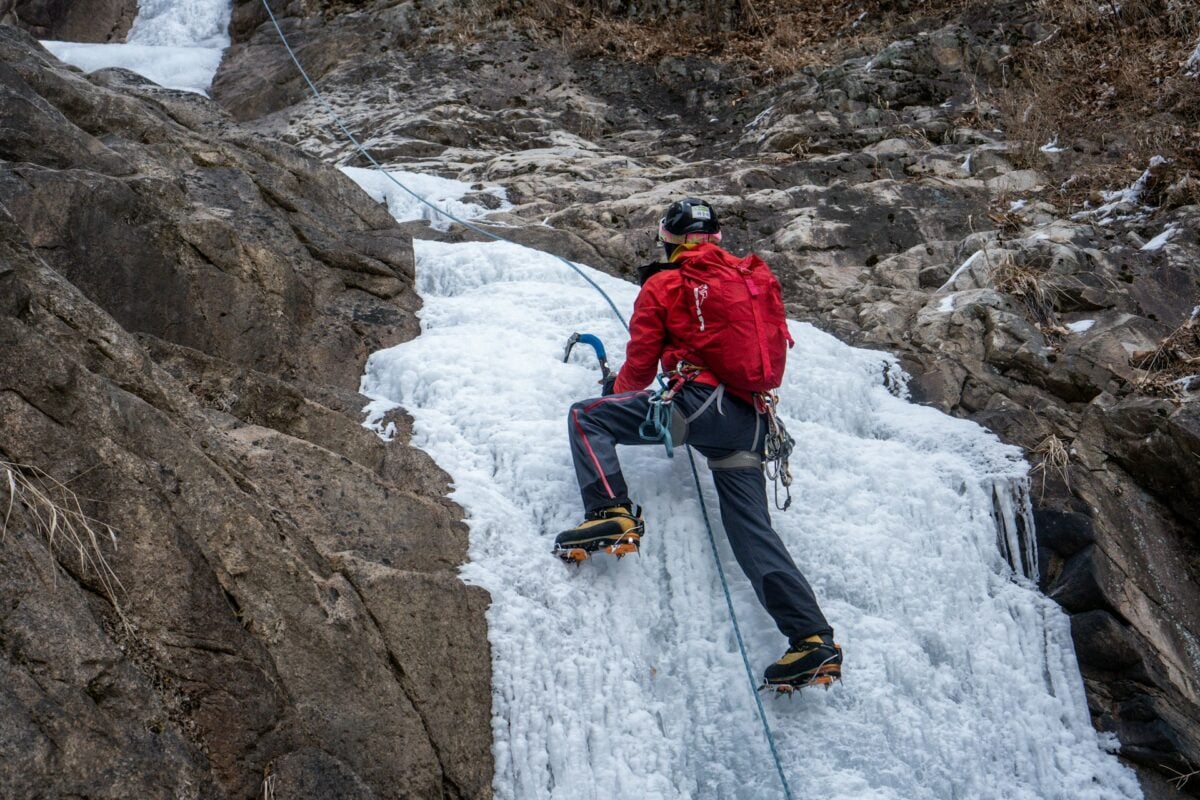
At 28,000 feet, the air holds only one-third the oxygen found at sea level. Every step feels like a marathon.
K2’s steep, sustained terrain leaves no room for recovery. Climbers move slowly, thinking foggy, their bodies shutting down as exhaustion takes over.
On Everest, there are moments to catch your breath. On K2, there’s only the climb—and the cost it demands.
Still the Savage Mountain
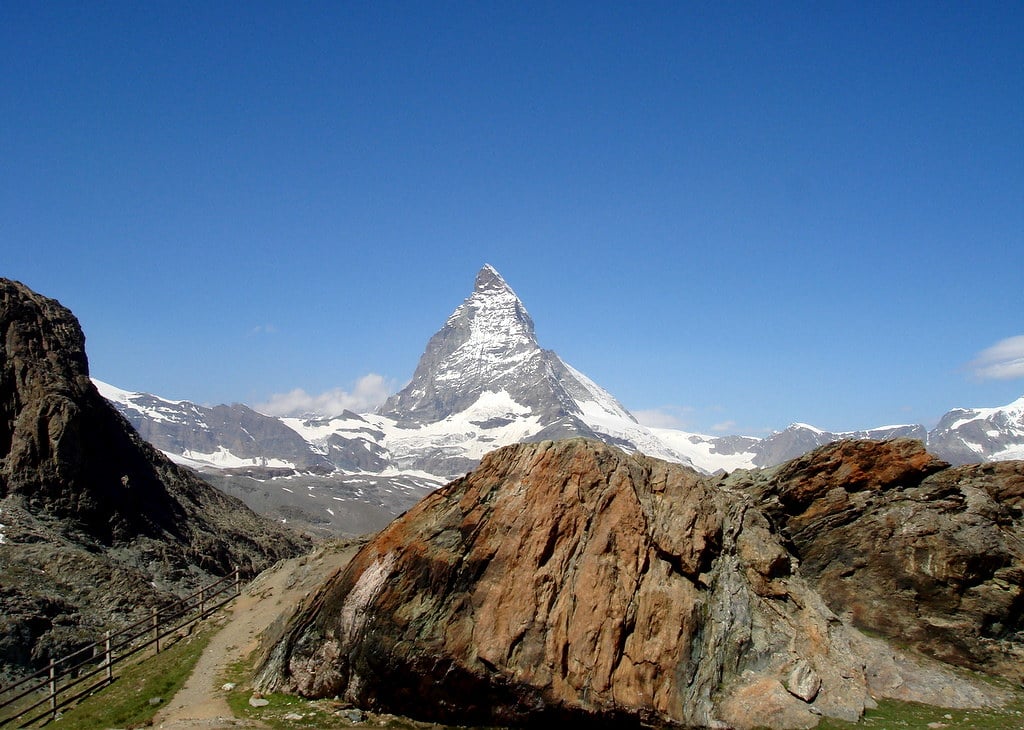
Despite modern gear and better forecasting, K2 hasn’t lost its savage nature. It still punishes arrogance, humbles even the best, and claims lives almost every season.
Everest may have become a symbol of ambition; K2 remains a symbol of raw challenge. It’s not just a mountain—it’s a test of what humans can endure.
And for most who face it, that test ends before the summit.
More from Go2Tutors!

- 16 Historical Figures Who Were Nothing Like You Think
- 12 Things Sold in the 80s That Are Now Illegal
- 15 VHS Tapes That Could Be Worth Thousands
- 17 Historical “What Ifs” That Would Have Changed Everything
- 18 TV Shows That Vanished Without a Finale
Like Go2Tutors’s content? Follow us on MSN.



