15 Paintings with Hidden Political Themes
Throughout history, artists have used their canvases not just for aesthetic expression but as vehicles for political commentary. Often, these messages were disguised beneath beautiful imagery or symbolic elements to bypass censorship or to communicate subversively with viewers.
Many paintings hanging in prestigious museums today contain political statements that most visitors walk right past without noticing. Here is a list of 15 paintings that cleverly conceal political messages within their brushstrokes.
Liberty Leading the People
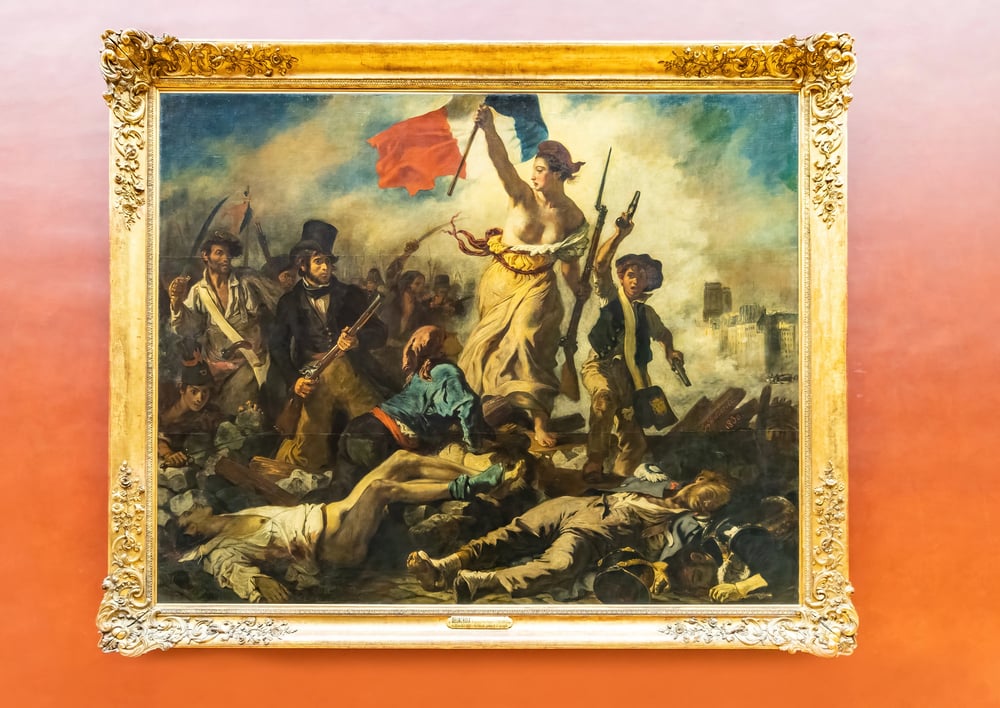
Eugène Delacroix’s iconic 1830 painting appears at first glance to be simply an allegorical representation of liberty. However, it directly references the July Revolution of 1830 in France.
The painting shows ordinary citizens taking up arms alongside Lady Liberty, suggesting that freedom belongs to the common people, not the monarchy. Delacroix included himself in the painting wearing a top hat, making a personal political statement about his own revolutionary sympathies.
Guernica
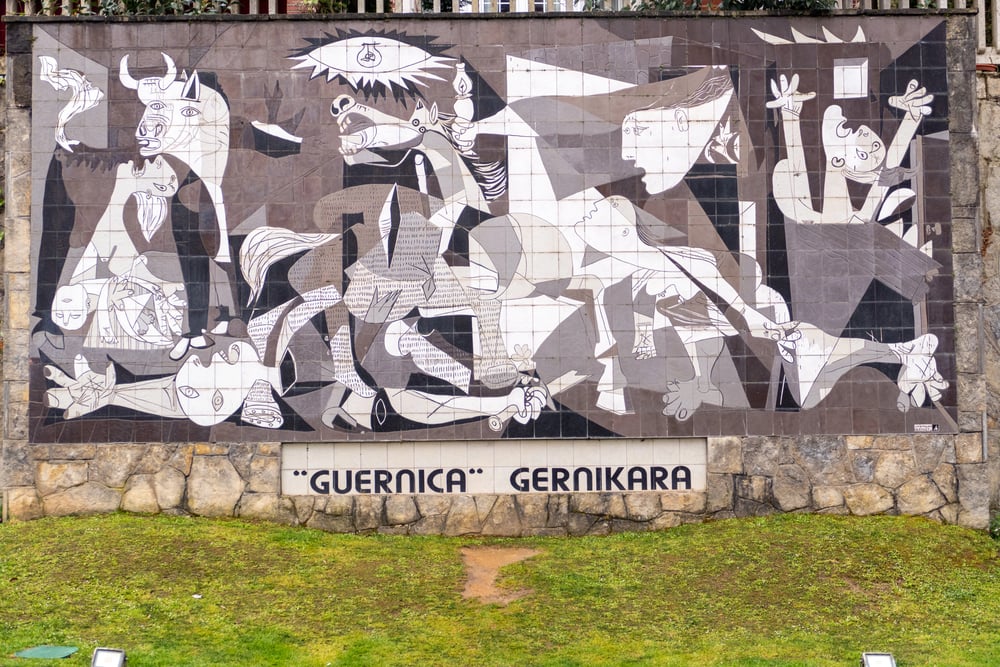
Pablo Picasso’s monumental work from 1937 might seem like an abstract jumble of shapes and figures to the casual observer. The chaotic composition actually depicts the bombing of the Basque town of Guernica during the Spanish Civil War.
Picasso deliberately avoided obvious imagery of warfare, instead using distorted human and animal forms to convey the horror of the attack. The painting became an anti-war symbol so powerful that a reproduction of it at the United Nations was covered when officials discussed the Iraq War in 2003.
Like Go2Tutors’s content? Follow us on MSN.
The Third of May 1808
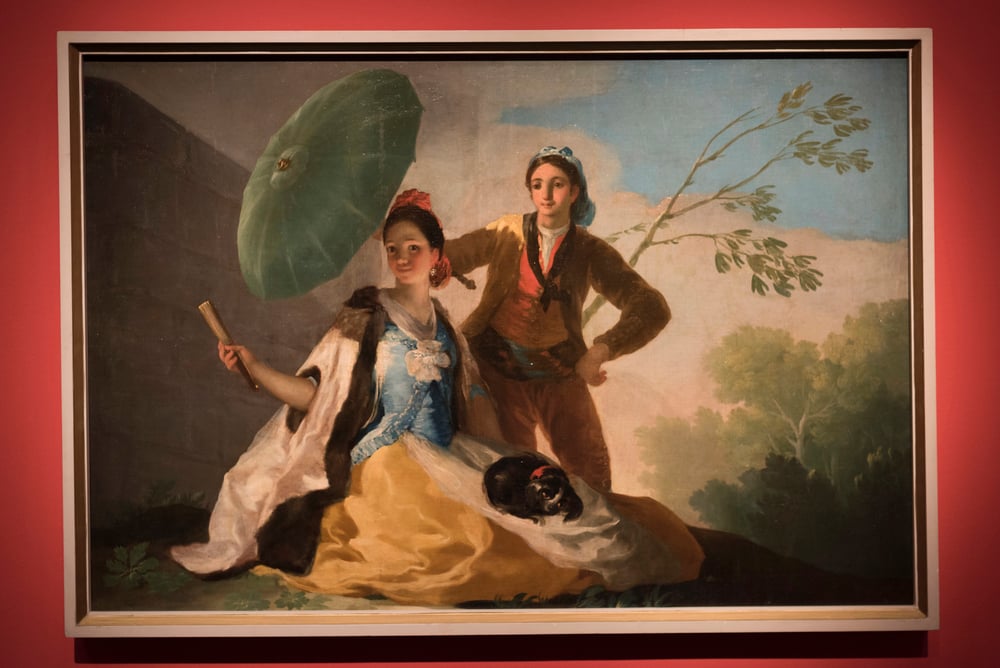
Francisco Goya’s masterpiece shows the aftermath of Spanish resistance to Napoleon’s forces. What makes it politically subversive is how it portrays the French soldiers as faceless, mechanical killers while depicting the Spanish civilians with humanity and dignity.
The central figure in white with outstretched arms resembles a crucifixion, connecting Spanish suffering to religious martyrdom. Goya’s painting was revolutionary in showing war not from the perspective of heroic victors but from that of innocent victims.
American Gothic
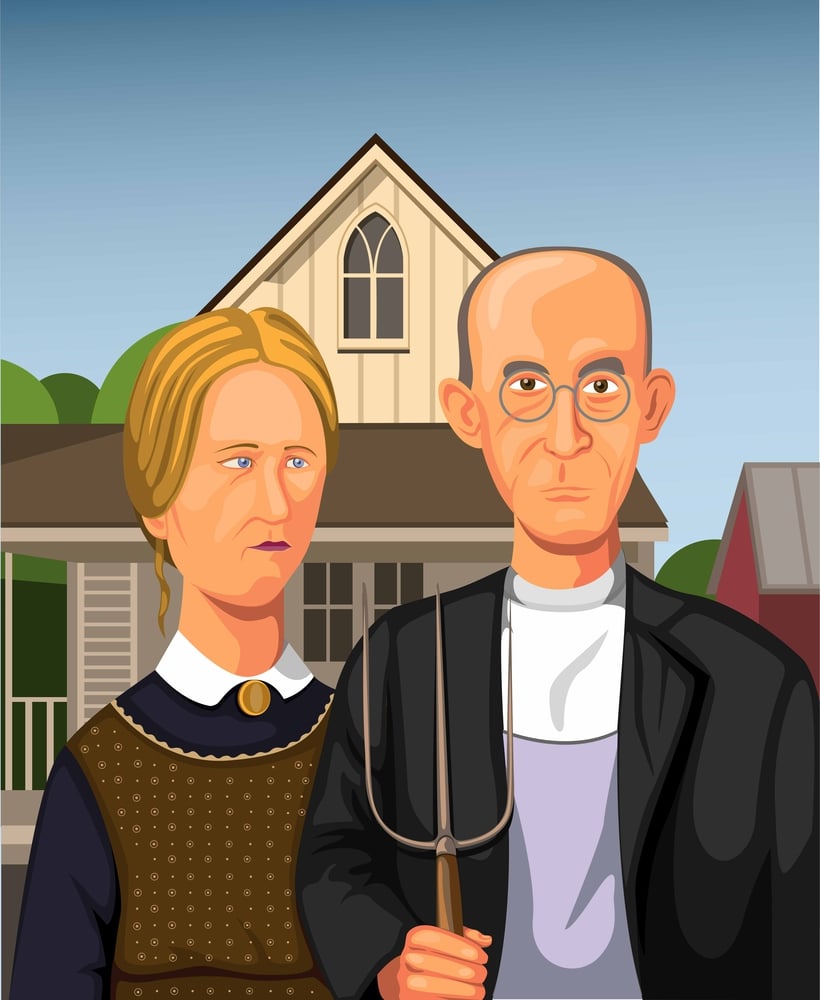
Grant Wood’s 1930 painting of a farmer and his daughter (often mistaken for his wife) seems like a straightforward portrait of rural American life. The stoic expressions and rigid posture, however, speak to the harsh realities of Midwestern farming during the Great Depression.
The painting subtly critiques the American myth of agrarian prosperity while also celebrating the resilience of those who worked the land during economic hardship.
The Two Fridas
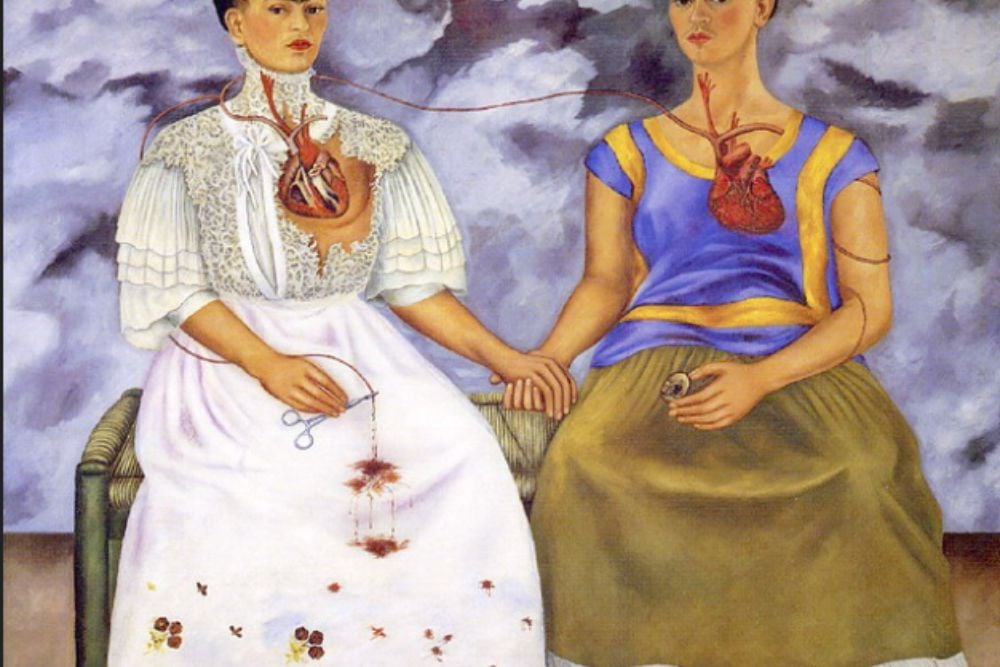
Frida Kahlo’s double self-portrait was painted shortly after her divorce from Diego Rivera. Beyond personal heartbreak, the painting contains political symbolism about Mexican identity. One Frida wears European clothing while the other wears traditional Mexican dress, representing the colonial conflict within Mexican society.
The exposed hearts connected by a single vein comment on how Mexican identity remained intact despite European influence, reflecting Kahlo’s strong nationalist politics.
Like Go2Tutors’s content? Follow us on MSN.
The Garden of Earthly Delights
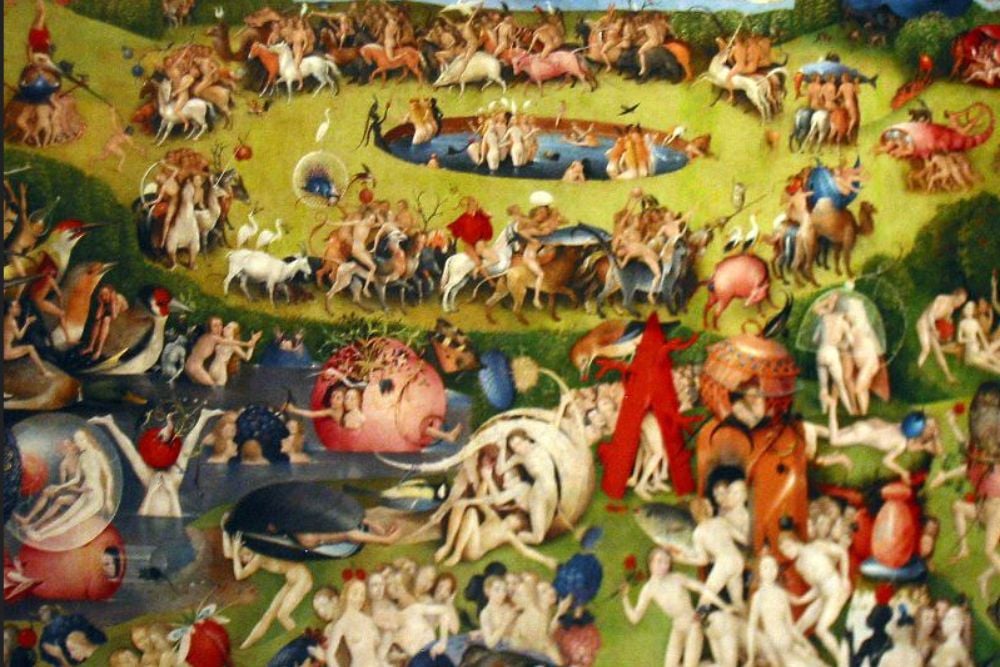
Hieronymus Bosch’s triptych from around 1500 appears to be a fantastical religious scene, but it contains sharp criticism of the Catholic Church. The right panel depicting hell features several religious figures, including monks and nuns, engaging in sinful behavior.
This was Bosch’s way of criticizing church corruption during a time when direct criticism could result in serious consequences. The painting serves as a warning about moral decay within religious institutions.
Saturn Devouring His Son
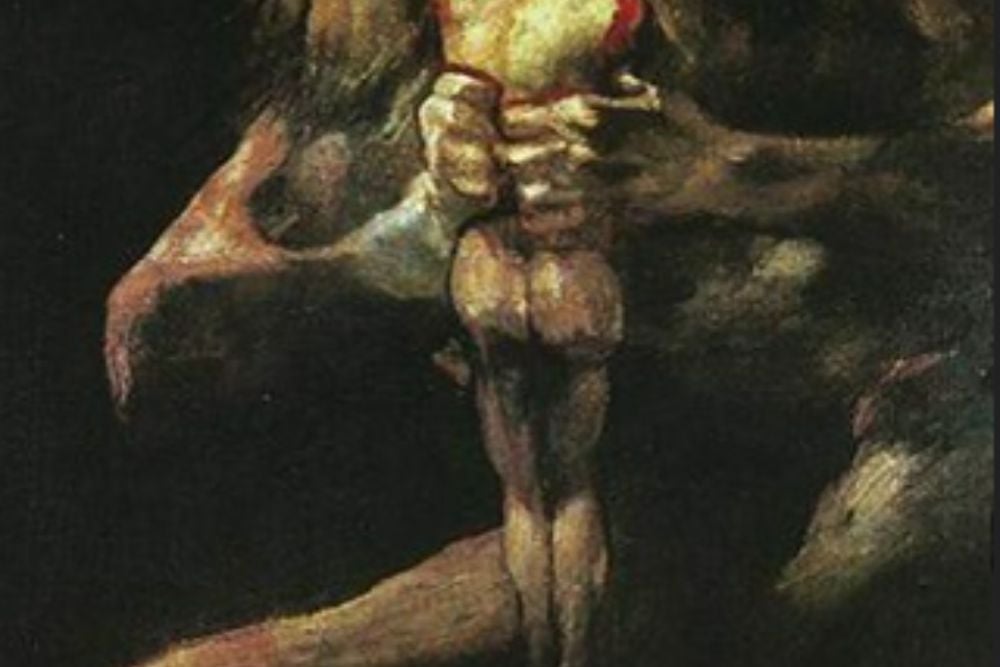
Francisco Goya’s disturbing “Black Painting” seems purely horrific at first glance. Created during Spain’s political turmoil in the early 19th century, the image of the Titan Saturn eating his child represents how revolutions often destroy their own people.
Goya witnessed how the promise of the French Revolution gave way to the Reign of Terror, and later saw similar patterns in Spanish politics. The painting serves as a warning about how power consumes those it claims to protect.
The Death of Marat
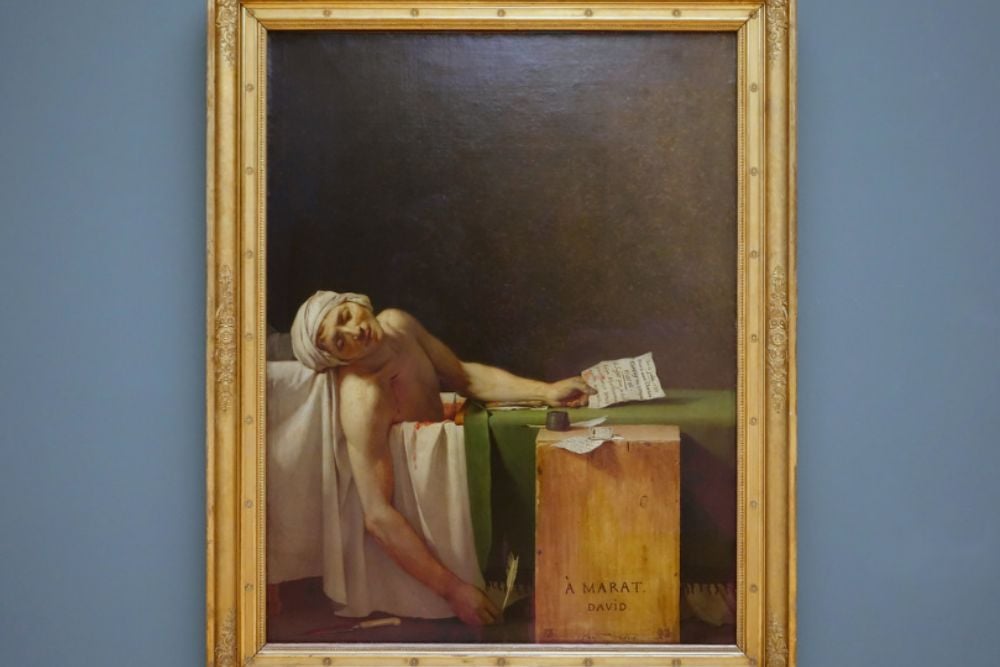
Jacques-Louis David’s painting of the murdered revolutionary Jean-Paul Marat appears to be a respectful memorial. However, David deliberately portrayed Marat as a martyr figure, similar to a secular saint, complete with visual references to the deposition of Christ.
As a supporter of the French Revolution, David used this painting as propaganda to elevate revolutionary leaders and justify their cause, transforming political assassination into a sacred sacrifice.
Like Go2Tutors’s content? Follow us on MSN.
The Raft of the Medusa
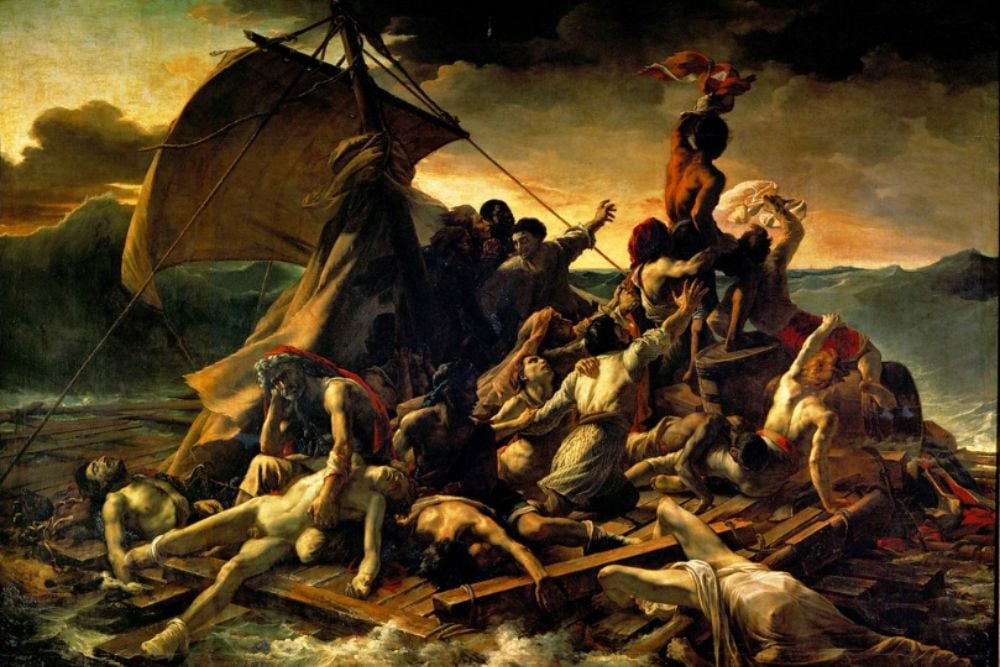
Théodore Géricault’s massive canvas depicts the aftermath of a shipwreck where government incompetence led to numerous deaths. Rather than choose a heroic moment, Géricault painted the desperate survivors, many of whom had resorted to cannibalism.
The painting was a direct indictment of the restored French monarchy, whose political appointee—an unqualified naval captain—had caused the disaster through incompetence. Géricault’s decision to paint common sailors rather than officers was itself a political statement.
Washington Crossing the Delaware
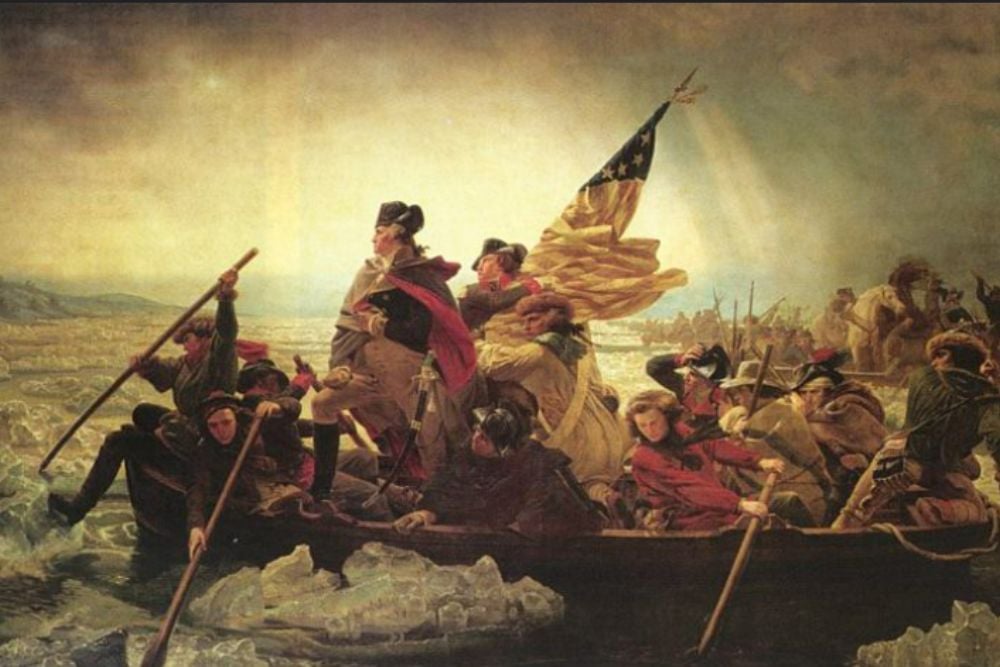
Emanuel Leutze’s patriotic image of George Washington seems straightforwardly celebratory of American independence. Created in 1851, however, the painting was actually produced during revolutionary upheavals in Europe.
As a German-American artist, Leutze was drawing parallels between the American Revolution and the democratic revolutions occurring in his native Germany. The painting was intended to inspire European revolutionaries by showcasing a successful rebellion against monarchical rule.
Judith Slaying Holofernes
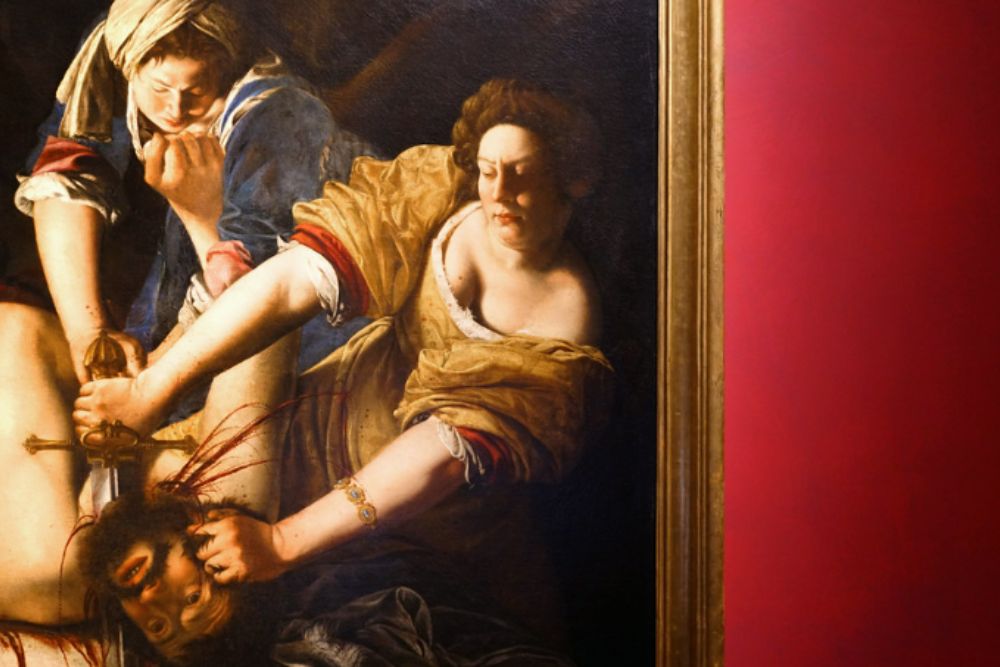
Artemisia Gentileschi’s dramatic painting depicts a scene from the Bible where Judith beheads the Assyrian general Holofernes. Beneath the religious narrative lies a powerful statement about gender and power.
Gentileschi, who had survived a rape trial against her teacher, painted Judith as strong and determined rather than delicate or hesitant. In a time when women had few rights, this depiction challenged patriarchal norms and suggested women’s capacity for justice and action against oppression.
Like Go2Tutors’s content? Follow us on MSN.
The Third-Class Carriage
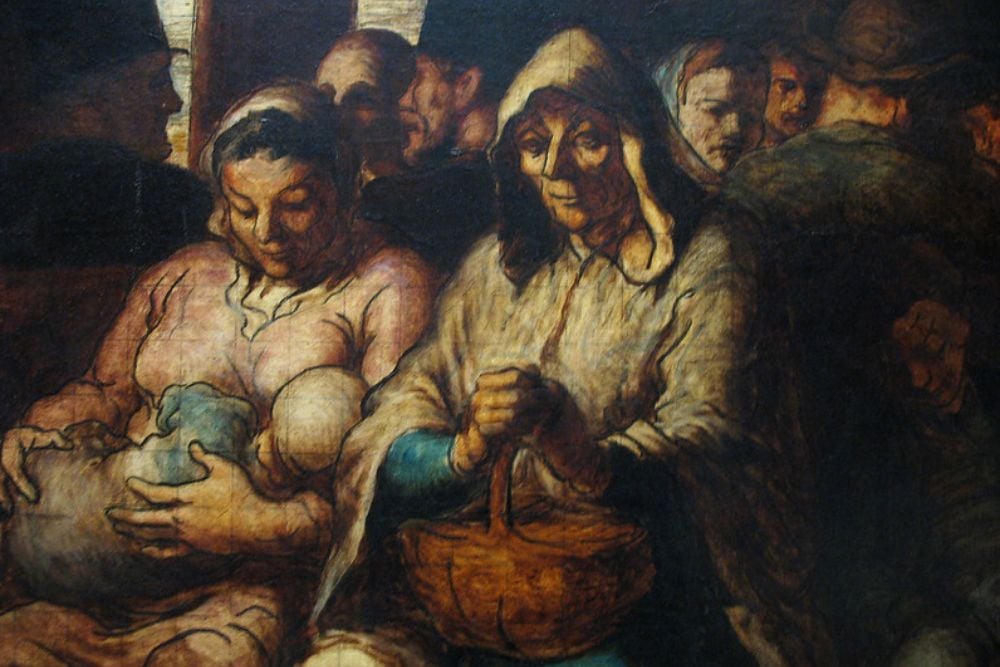
Honoré Daumier’s painting of working-class passengers on a train seems like a simple scene from everyday life. However, by focusing on the cramped conditions of third-class travel, Daumier highlighted class disparities in French society.
The central figure of a nursing mother surrounded by other travelers of various ages represents the dignity of common people. During a period of industrial transformation, Daumier’s painting made a political statement about who bore the hardship of progress.
The Nightmare
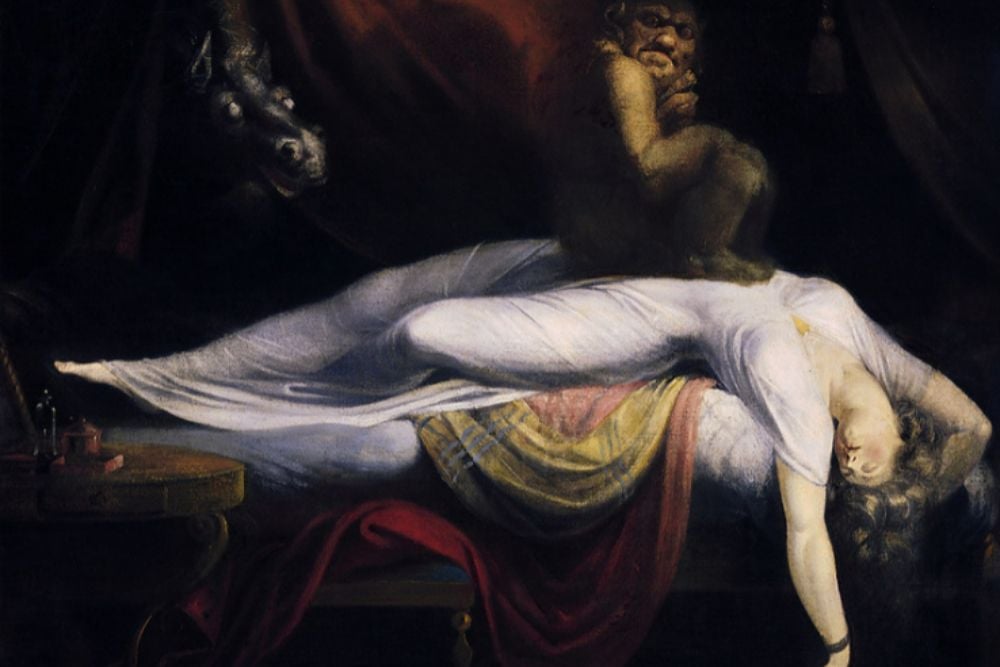
Henry Fuseli’s famous painting of a sleeping woman with a demon sitting on her chest was scandalous when exhibited in 1782. Beyond its supernatural elements, many scholars interpret the painting as a commentary on the American Revolutionary War.
The incubus figure may represent British oppression of the American colonies, while the helpless sleeper symbolizes America itself. The painting captured British anxieties about losing control over their colonial territories.
Massacre in Korea
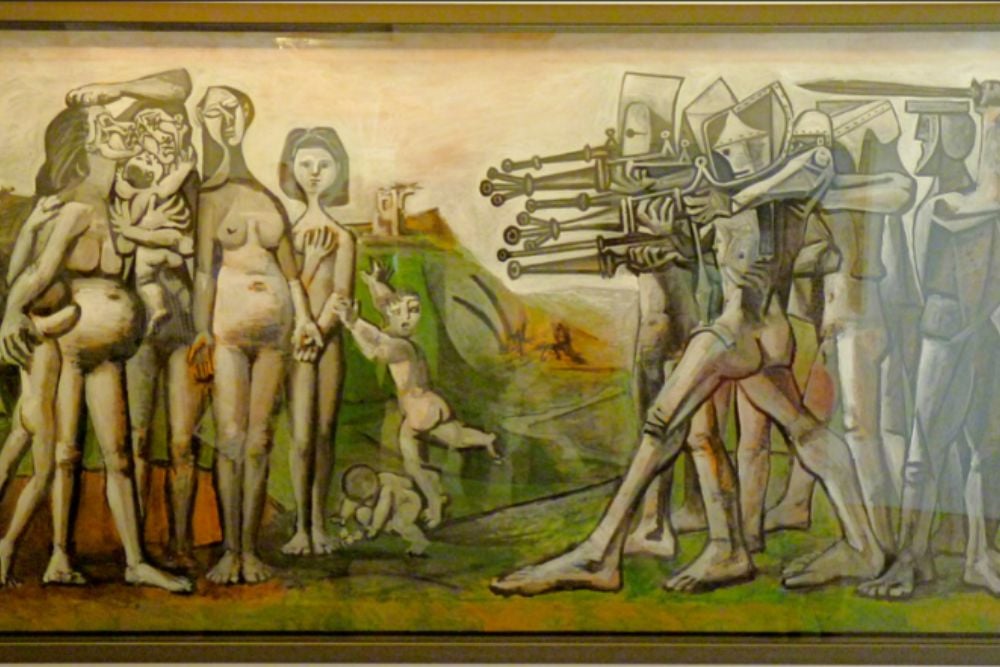
Pablo Picasso’s lesser-known 1951 painting depicts the killing of civilians during the Korean War. Unlike the abstraction of Guernica, this painting shows naked women and children facing a firing squad of mechanical, robot-like soldiers.
Picasso’s anti-war message criticized American and UN forces’ actions in Korea. By echoing compositional elements from Goya’s “Third of May,” Picasso connected modern military interventions to historical patterns of violence against civilians.
Like Go2Tutors’s content? Follow us on MSN.
Christina’s World
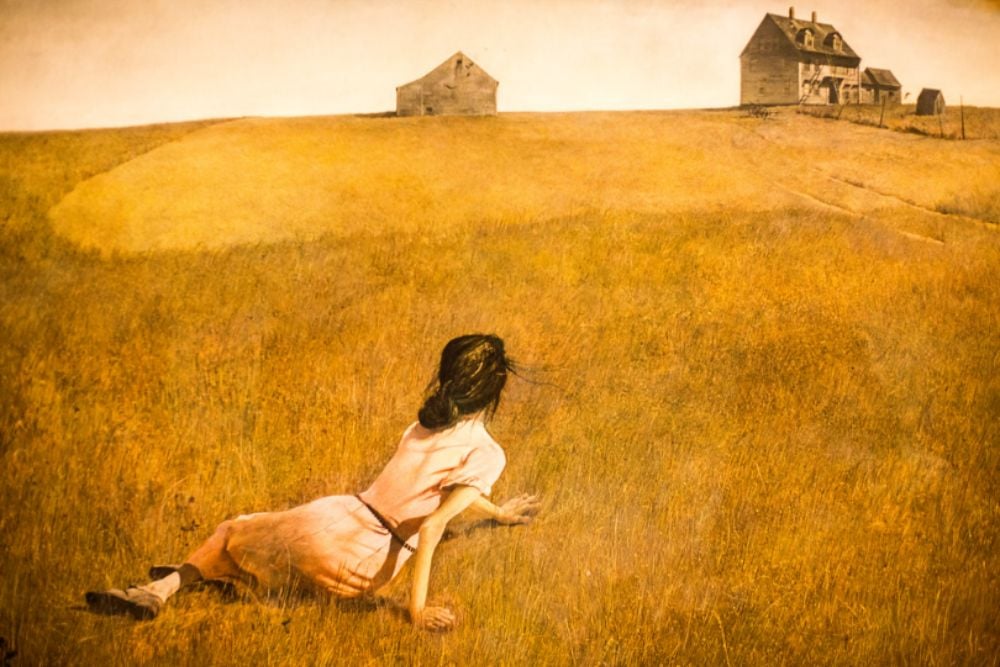
Andrew Wyeth’s 1948 painting shows a woman crawling across a field toward a distant farmhouse. While seemingly pastoral, the painting contains subtle commentary on post-war American society.
The subject, Christina Olson, had a degenerative muscle condition that left her unable to walk, yet Wyeth chose to paint her struggle rather than hide her disability. During a time when disabled Americans were often institutionalized or hidden from public view, Wyeth’s painting made a political statement about visibility and determination in the face of physical challenges.
Art’s Hidden Power
Great art often operates on multiple levels, allowing viewers to appreciate beauty while absorbing more complex messages about society and politics. These 15 paintings demonstrate how artists throughout history have embedded powerful statements within their work, often at great personal risk.
The tradition continues today with contemporary artists finding creative ways to challenge power and advocate for change through their visual expression. Next time you visit a museum, look a bit deeper—you might discover revolutionary ideas hiding in plain sight.
More from Go2Tutors!

- 18 Unexpectedly Valuable Collectibles You Might Have Lying Around
- 15 Things Every Teenager in the ’70s Did That Teens Today Wouldn’t Understand
- 15 Strange Things People Have Tried to Ban (And Failed)
- 15 Inventions That Were Immediately Banned After Being Created
- 20 Actors Who Were Almost Cast in Iconic Roles
Like Go2Tutors’s content? Follow us on MSN.