15 Animals That Look Like Actual Pokemon
Walking through nature can sometimes feel like stepping into the Pokemon universe. Creatures with electric-blue fur, translucent bodies, and impossible color combinations exist right here on Earth.
The line between fantasy and reality blurs when you encounter animals that seem too fantastical to be real, yet there they are, living and breathing in our world.
Axolotl
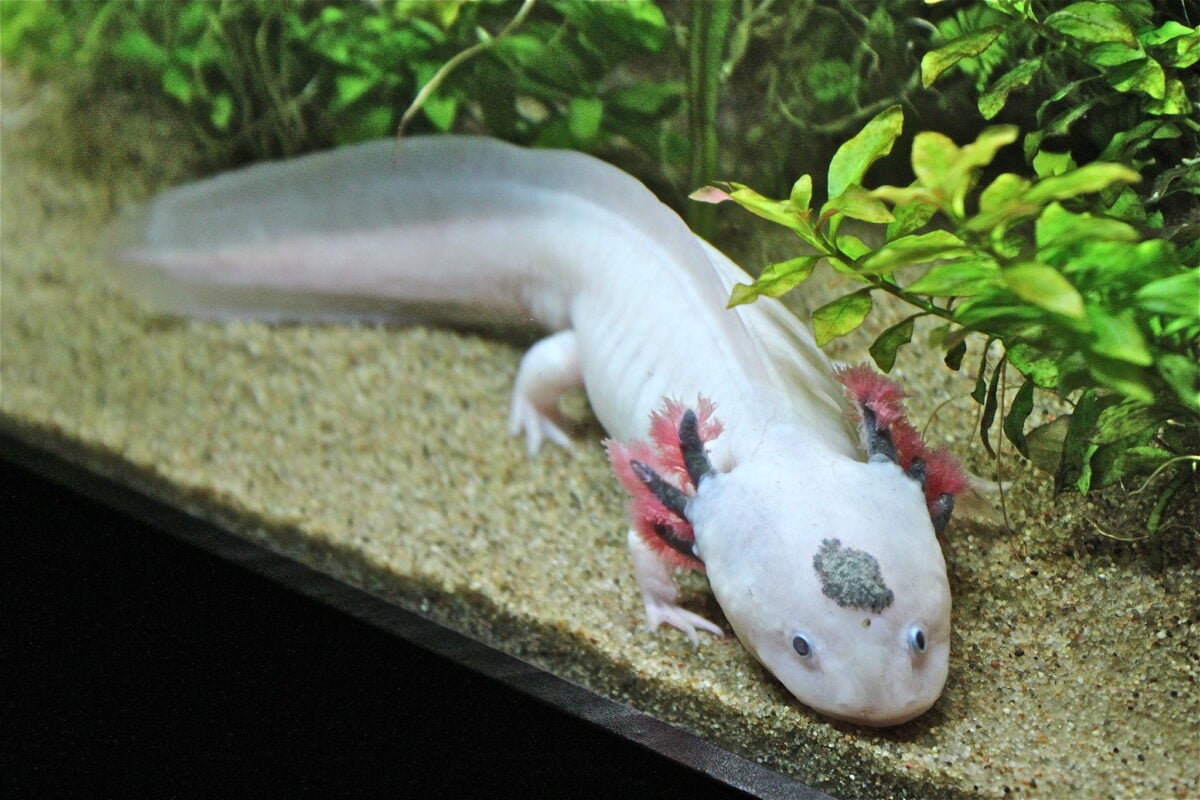
The axolotl doesn’t just look like a Pokemon — it acts like one too. This aquatic salamander can regenerate entire limbs, parts of its brain, and even sections of its heart.
That perpetual smile and those feathery gills make it look like something Nintendo designed for maximum cuteness.
Glass Frog
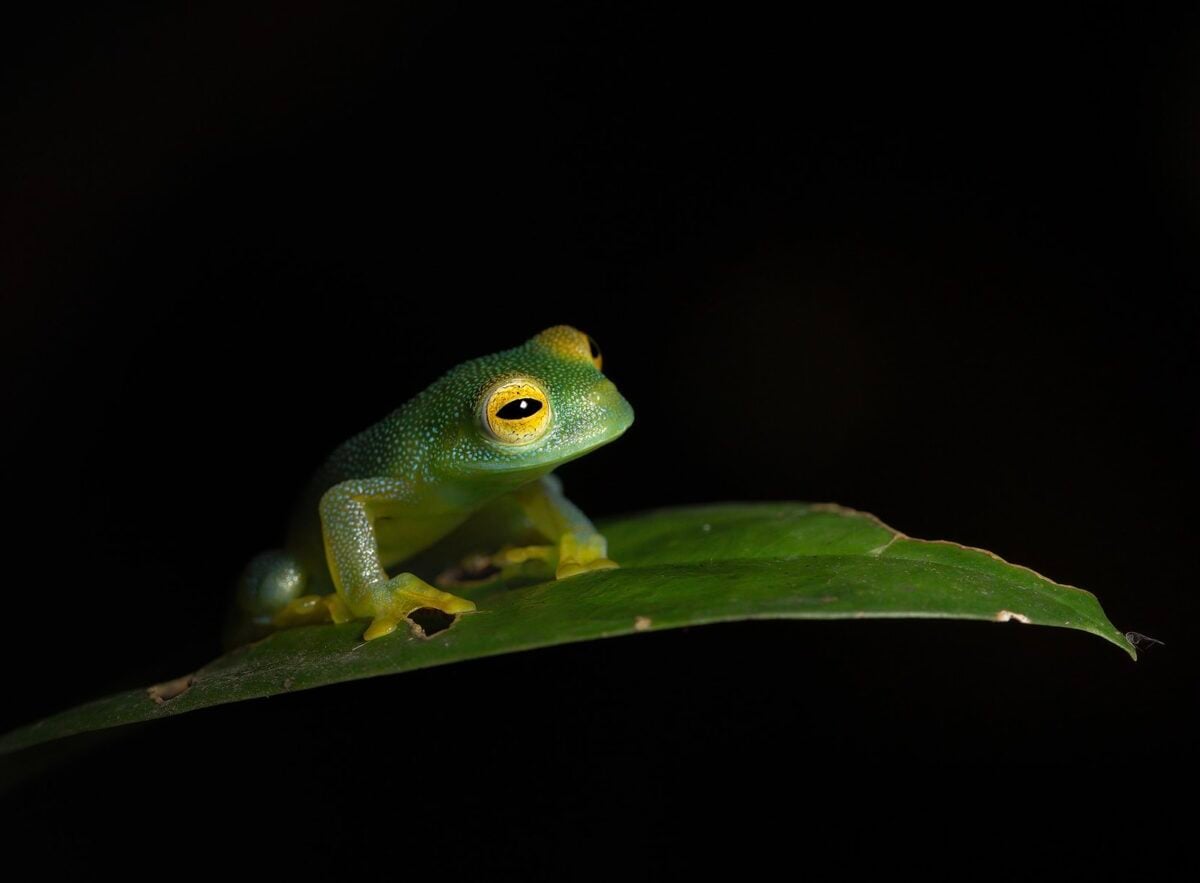
Something about transparency shouldn’t work in nature, but glass frogs make it look effortless (their skin is so clear you can see their beating hearts and internal organs, which sounds horrifying but somehow comes across as magical instead). And the way they sit perfectly still on leaves, glowing faintly green — that’s not survival strategy, that’s Pokemon behavior waiting for a trainer to discover them in tall grass.
So glass frogs exist in Central and South American rainforests. Even so, seeing one feels like encountering a creature that belongs more in a Pokeball than a jungle canopy.
Dumbo Octopus
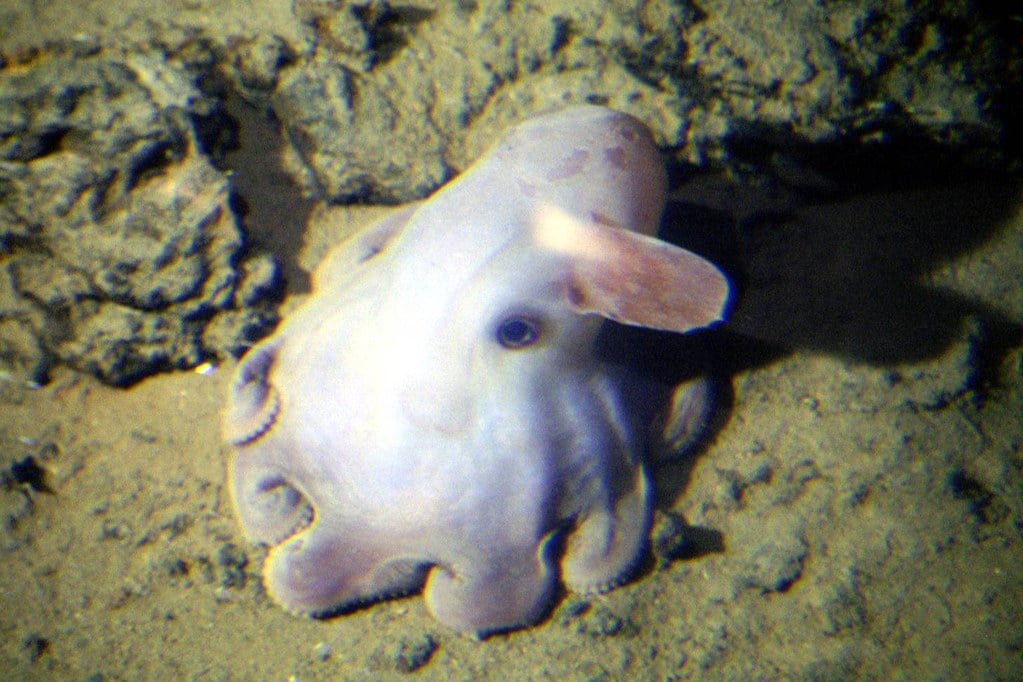
Picture the deepest parts of the ocean as an underwater Pokemon gym. The dumbo octopus would be the gym leader’s signature creature — those ear-like fins that flutter as it moves through the water create a grace that feels animated rather than real.
The soft, translucent body catches light in ways that make it glow like a digital creation. Living at depths where sunlight never reaches, dumbo octopuses navigate their world with an otherworldly elegance.
They pulse and drift through the darkness, looking less like mollusks and more like aquatic fairy types.
Red Panda
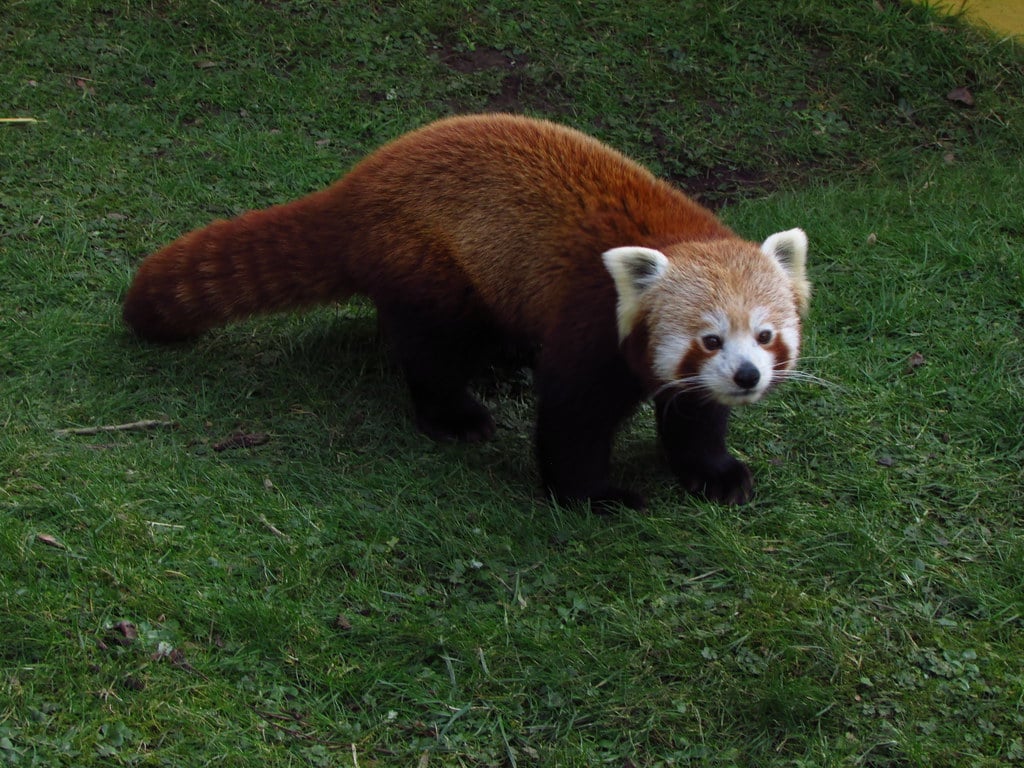
Red pandas get overshadowed by giant pandas, but that’s a mistake. These rust-colored climbers have the perfect proportions of a starter Pokemon — compact, fluffy, with distinctive markings that look hand-painted.
The way they rear up on their hind legs when threatened resembles a Pokemon preparing for battle. Their ringed tails and masked faces give them an almost cartoonish quality.
Red pandas move through trees with a bouncing gait that feels more like animation than natural locomotion.
Leafy Sea Dragon
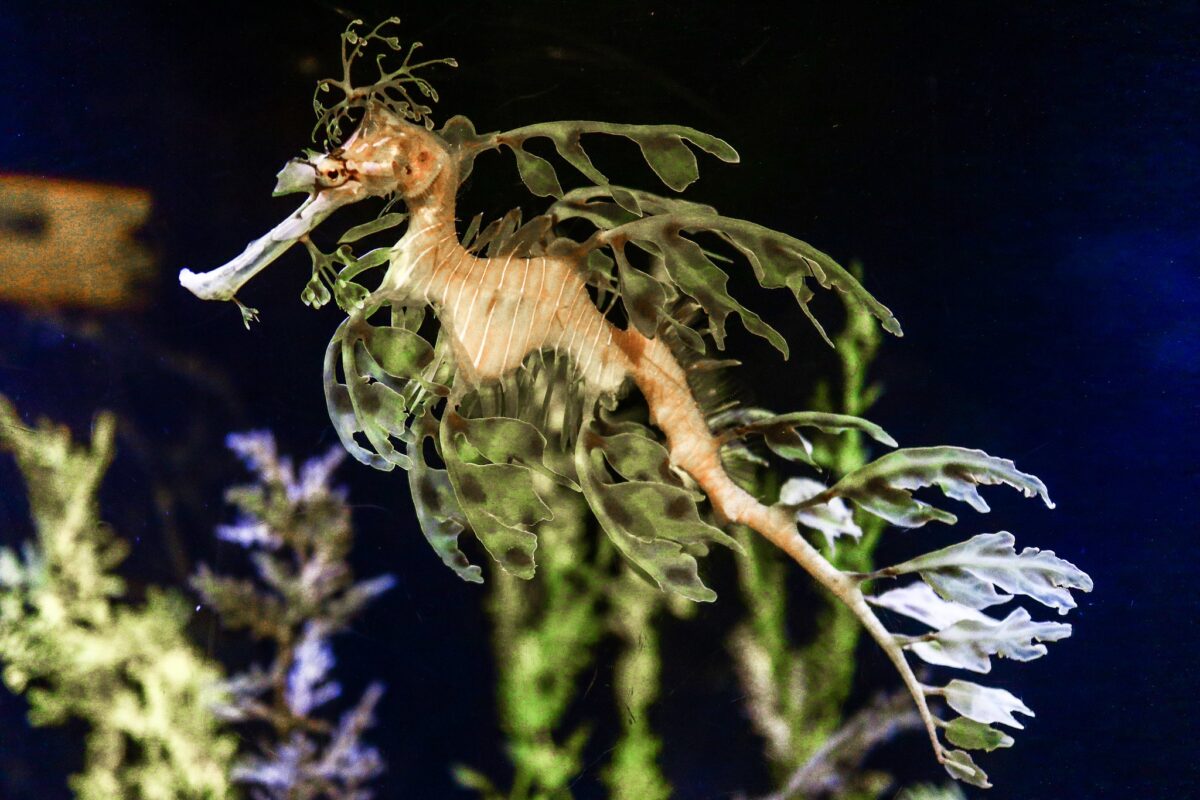
The ocean decided to create its own grass-type Pokemon and came up with the leafy sea dragon. These creatures don’t swim so much as drift, their leaf-like appendages moving with currents in a way that makes them nearly indistinguishable from floating seaweed (which is exactly the point, but the effect is purely magical).
The delicate fins that propel them forward are almost transparent, creating the illusion that they’re floating by willpower alone. And then there’s the way they move their eyes independently, scanning their surroundings with the calculated awareness of a creature that knows it’s both predator and prey.
But mostly, they just look like someone’s concept art for an aquatic Pokemon brought to life.
Quetzal
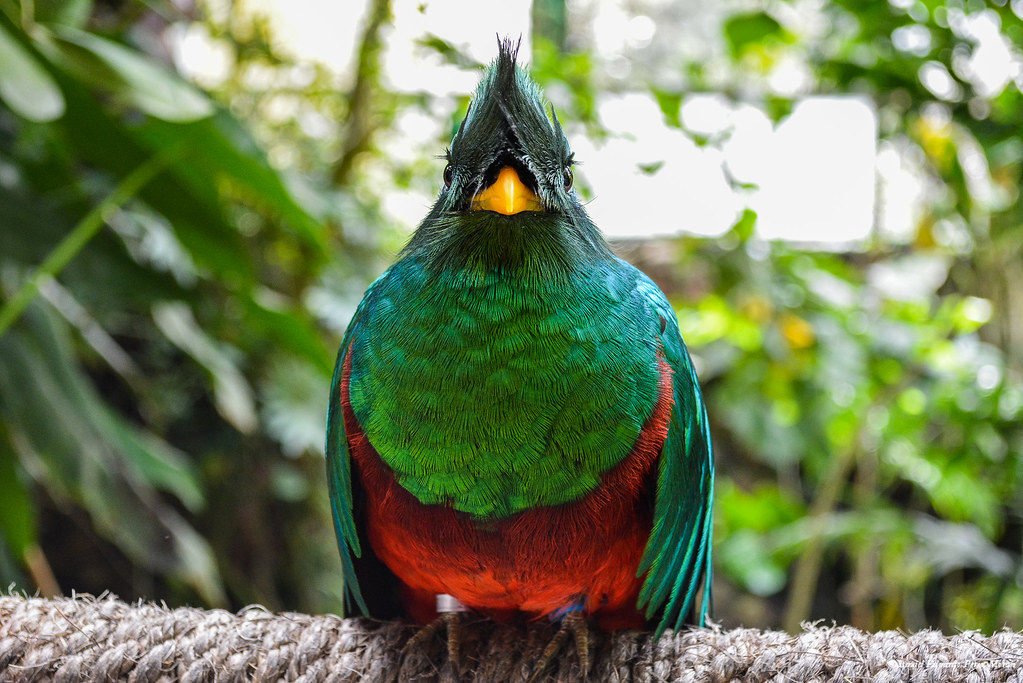
Quetzals don’t just have beautiful plumage — they have plumage that defies logic. The iridescent green that shifts to blue and gold depending on the angle looks like a lighting effect from a video game.
Those impossibly long tail feathers that trail behind the males during flight create the kind of dramatic silhouette that belongs in animated battles. The contrast between the brilliant emerald body and the crimson chest creates color combinations that feel deliberately designed.
Quetzals move through cloud forests like flying jewels, too perfect to be accidents of evolution.
Mantis Shrimp
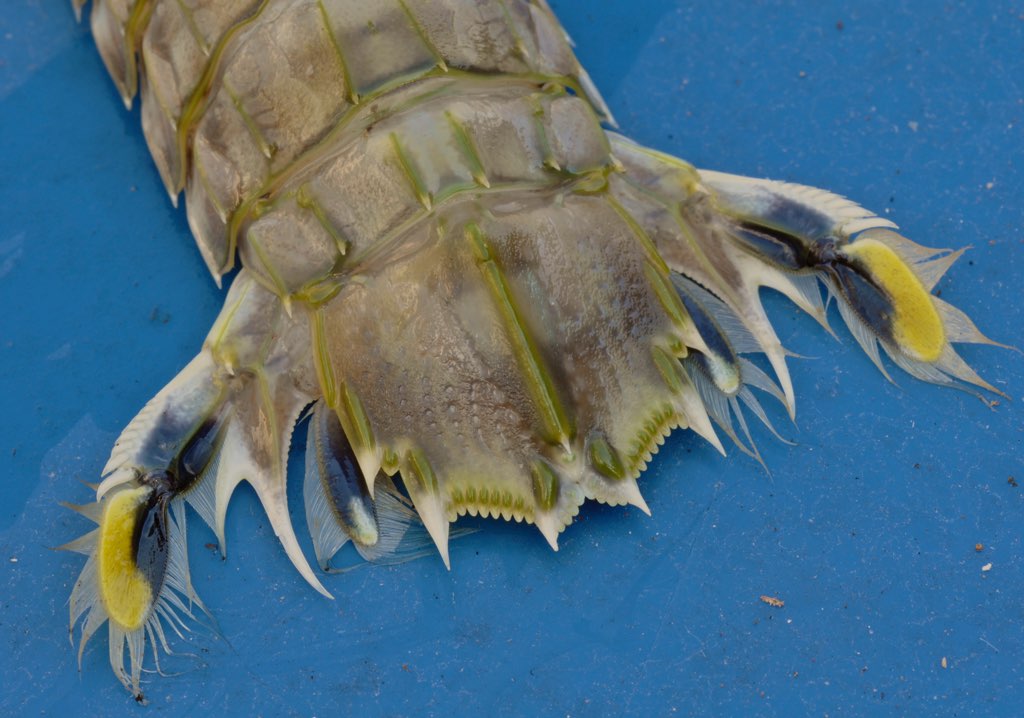
Mantis shrimp punch with the force of a bullet and see colors humans can’t even imagine. Sixteen different types of color receptors compared to our three.
The way they use their club-like appendages to shatter shells resembles a fighting-type Pokemon’s signature move. Their eyes move independently, tracking different targets simultaneously.
The rainbow of colors across their segmented bodies looks like armor designed by someone who never learned the meaning of subtlety. Mantis shrimp don’t just look like Pokemon — they have the overpowered abilities to match.
Arctic Fox
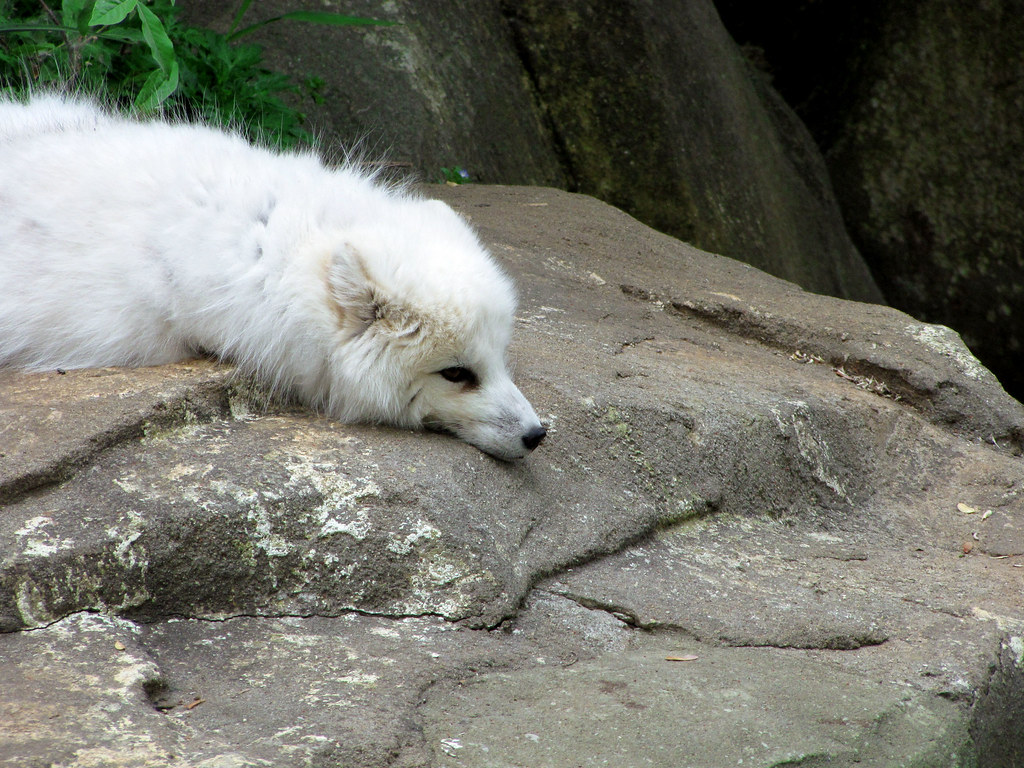
When winter arrives, arctic foxes transform from brown to pure white — a seasonal costume change that feels like Pokemon evolution in real time (the thick, fluffy coat and compact build make them look like ice-type starters, perfectly designed for snowy environments). Those small, rounded ears and short legs give them proportions that lean more toward cute than practical, though they’re devastatingly effective hunters.
But it’s the way they dive headfirst into snow to catch prey underneath that really sells the Pokemon comparison. The precision, the sudden movement, the way they emerge with their prize — pure Pokemon battle sequence.
Pangolin
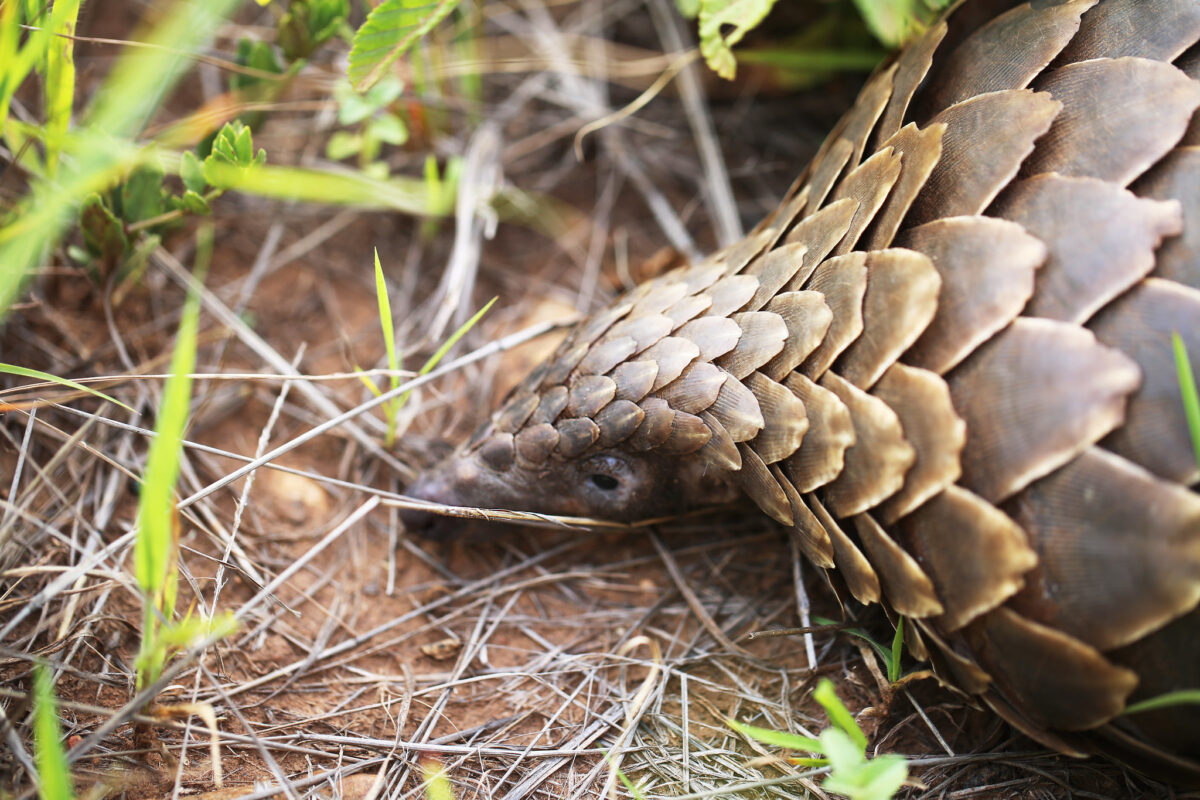
Scales shouldn’t work as mammal armor, but pangolins make it look natural. When threatened, they roll into perfect spheres, transforming from walking pinecones into defensive orbs.
The ability to curl into an orb while covered in overlapping scales feels like a signature move waiting to happen. Those long, powerful claws and the way they walk on their hind legs create a distinctive silhouette.
Pangolins move with deliberate, measured steps that suggest they’re conserving energy for something important.
Blobfish
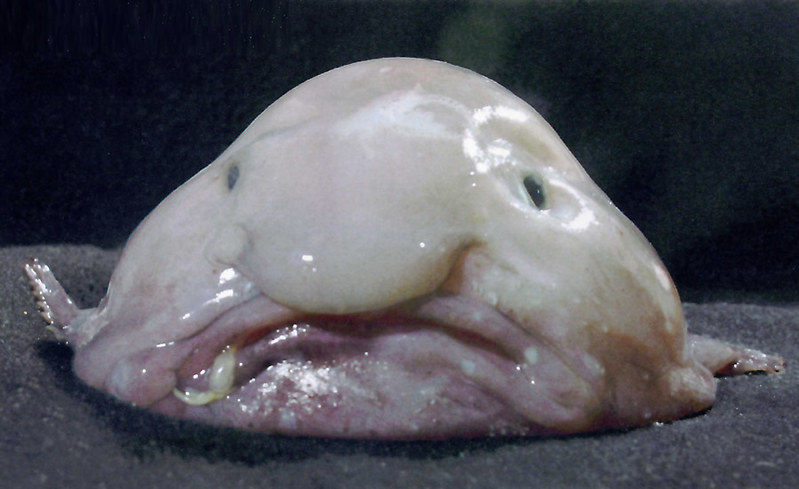
Out of water, blobfish look like melted nightmares (which made them internet famous for all the wrong reasons, but in their natural deep-sea environment, they’re actually quite normal-looking fish). The extreme transformation between their compressed surface appearance and their natural state feels like a Pokemon that changes drastically based on its environment.
And there’s something oddly endearing about a creature that looks so utterly defeated by gravity. Blobfish have become the poster child for animals that look like they were designed by committee, which somehow makes them more Pokemon-like, not less.
Sugar Glider
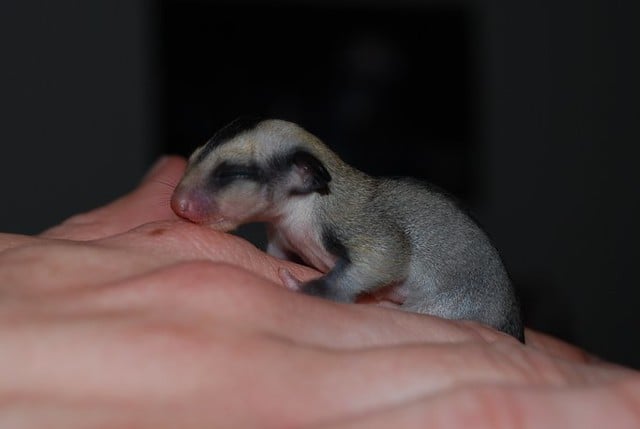
Sugar gliders don’t fly — they glide with membrane wings that stretch between their limbs, creating the silhouette of a tiny flying squirrel with oversized eyes. The way they launch themselves from branch to branch, spreading their gliding membrane at the perfect moment, resembles a Pokemon using a signature flying move.
Those enormous eyes and the distinctive black markings around them give sugar gliders the kind of facial features that scream “designed for maximum appeal.” They move through trees at night like small, furry fighter jets.
Thorny Devil
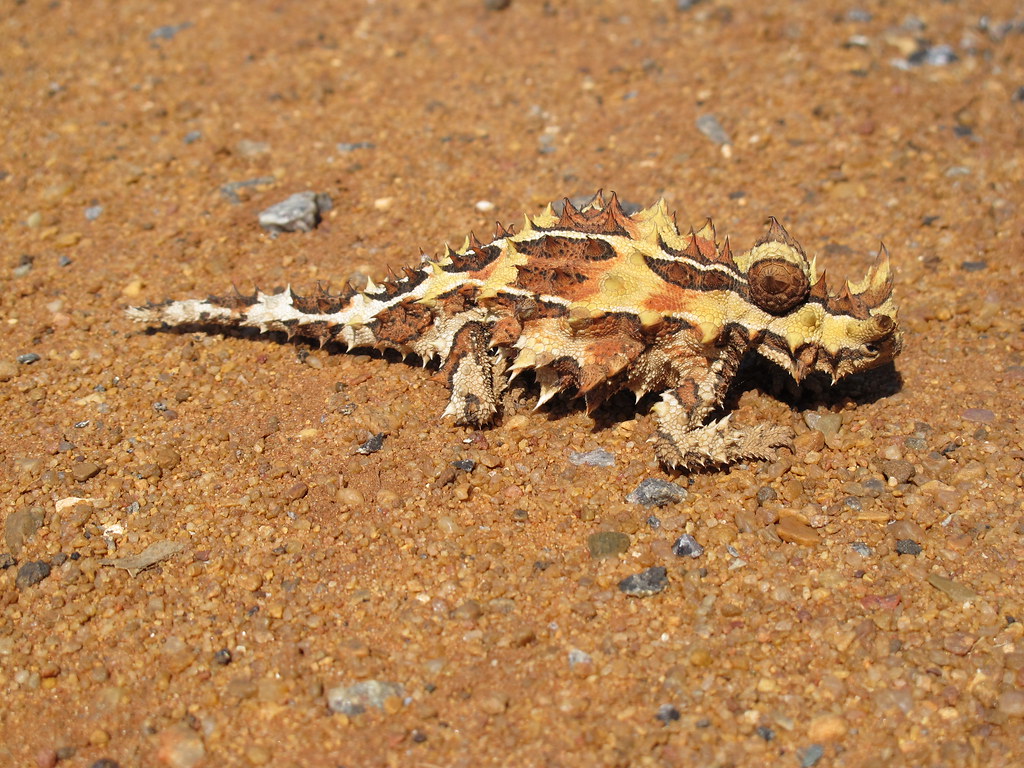
Australia created a lizard covered in thorn-like scales that can drink water through its skin and change color to match its surroundings. Thorny devils move with a distinctive rocking motion, swaying back and forth as they walk, which makes them look like they’re perpetually dancing or preparing for battle.
The false head on the back of their neck — used to confuse predators — feels like exactly the kind of clever defense mechanism a Pokemon would have. Everything about thorny devils suggests careful design rather than evolutionary accident.
Peacock Mantis Shrimp
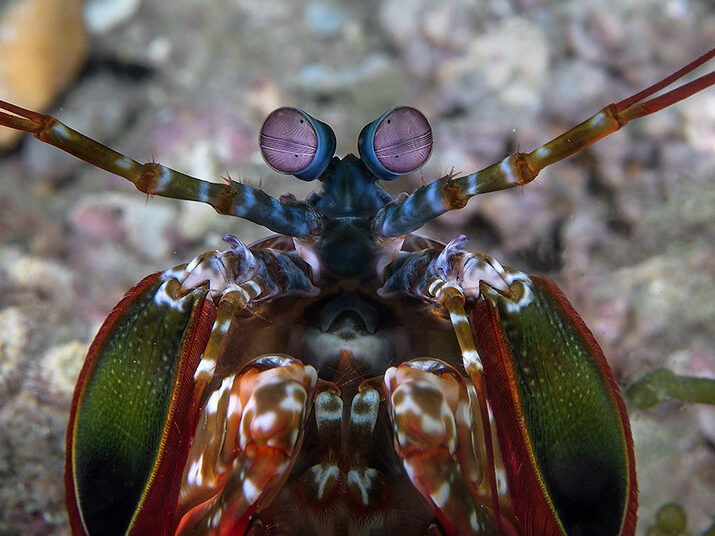
Different from the mantis shrimp, peacock mantis shrimp took the basic template and added a fireworks display. The riot of colors across their bodies — orange, green, blue, red — arranged in patterns that look hand-painted.
Those compound eyes that can detect polarized light and see into the ultraviolet spectrum give them abilities that venture into science fiction territory. They hunt with precision strikes that create cavitation bubbles in the water.
The physics of their attacks shouldn’t be possible in creatures their size, yet there they are, punching pits in aquarium glass and cracking crab shells with casual efficiency.
Fennec Fox
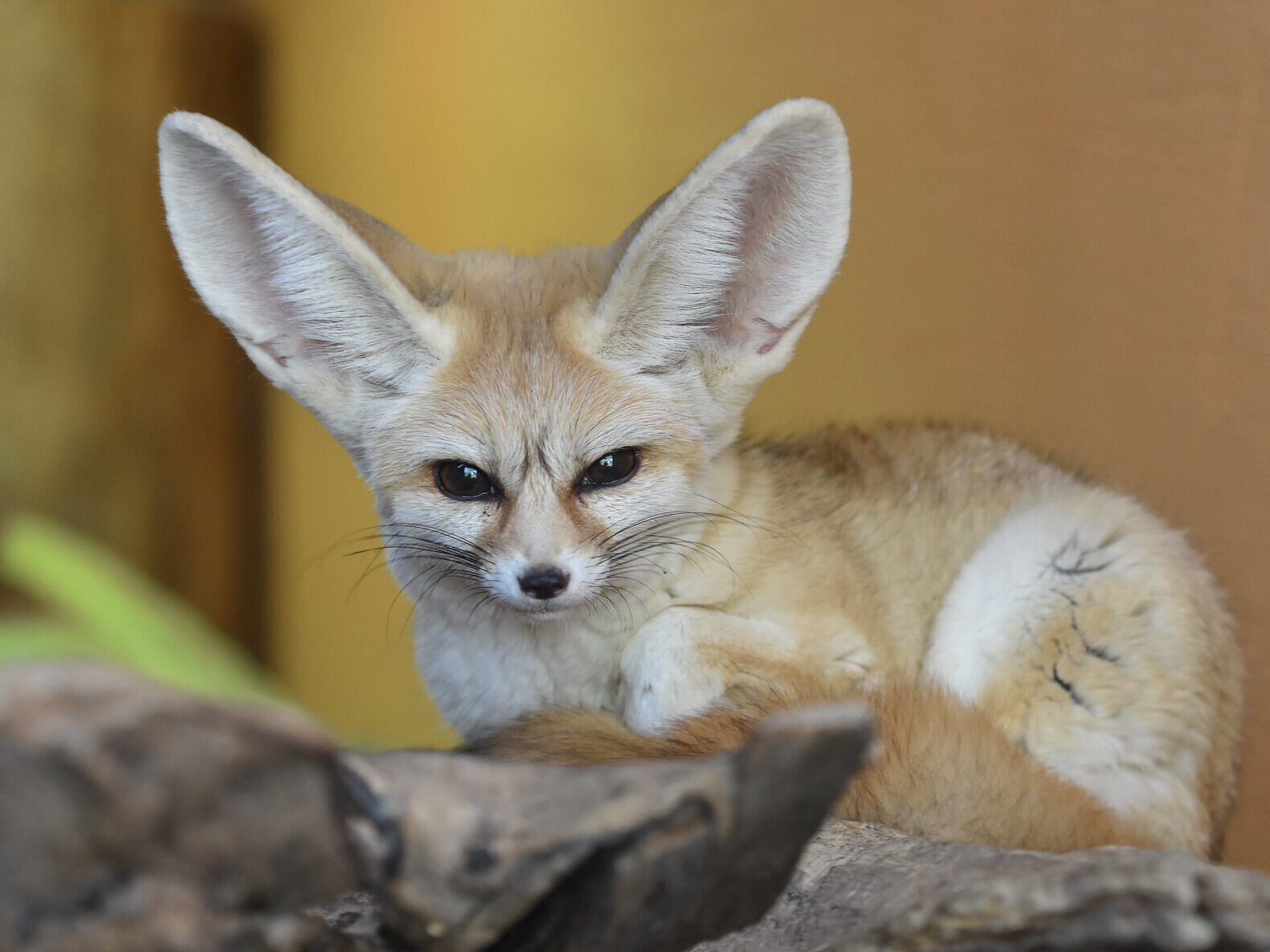
Fennec foxes look like someone took a regular fox and enhanced it for desert living, then decided the ears weren’t quite large enough and doubled them again. Those oversized ears that help them dissipate heat also give them the kind of proportions that belong in animation rather than nature.
The pale, sandy coat and compact size create the perfect desert starter Pokemon aesthetic. Fennec foxes move across sand dunes with quick, light steps, their enormous ears swiveling to track sounds across the desert silence.
Star-Nosed Mole
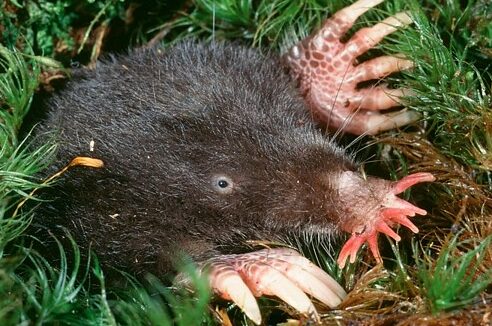
The star-shaped nose appendage on these moles contains over 100,000 nerve fibers and can identify and consume small prey in milliseconds. It’s both grotesque and fascinating — the kind of unusual feature that makes perfect sense in Pokemon logic.
The way they use their star nose to navigate underground tunnels feels like echolocation made visible. Star-nosed moles can smell underwater and swim with surprising grace.
The combination of bizarre anatomy and unexpected abilities creates exactly the kind of creature that belongs in a Pokemon game, complete with typing that nobody would guess correctly on the first try.
Living Art Gallery

These creatures prove that reality contains more imagination than any fictional universe. The natural world produces animals so visually striking and behaviorally unique that they seem to have escaped from concept art.
Evolution, it turns out, has a sense of whimsy that rivals any game designer’s creativity.
More from Go2Tutors!

- The Romanov Crown Jewels and Their Tragic Fate
- 13 Historical Mysteries That Science Still Can’t Solve
- Famous Hoaxes That Fooled the World for Years
- 15 Child Stars with Tragic Adult Lives
- 16 Famous Jewelry Pieces in History
Like Go2Tutors’s content? Follow us on MSN.