15 Artificial Intelligence Milestones
Artificial intelligence didn’t just appear overnight like some sci-fi movie plot twist. It’s been brewing for decades, starting with a bunch of really smart people asking wild questions about whether machines could actually think. The road from those early ideas to today’s chatbots has been pretty bumpy, with some amazing wins and plenty of face-palm moments along the way.
What’s crazy is how each breakthrough seemed impossible until someone actually pulled it off. Here is a list of 15 artificial intelligence milestones that got us to where we are today.
The Turing Test
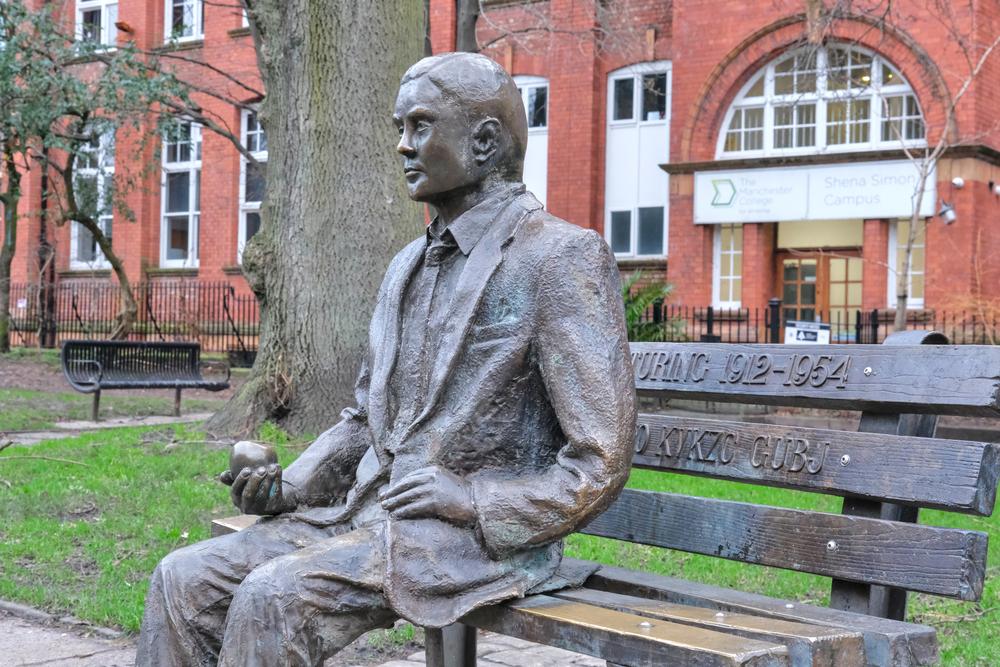
Back in 1950, Alan Turing basically threw down the gauntlet with his famous test outlined in ‘Computing Machinery and Intelligence.’ His idea was simple but brilliant – if a machine could trick a person into thinking they were chatting with another human, then maybe that machine was actually intelligent.
It sounds easy enough, but this test stumped researchers for decades and still gets people arguing about what intelligence really means.
Dartmouth Conference

Picture this: it’s 1956, and John McCarthy rounds up the smartest computer folks he knows for a summer hangout at Dartmouth College. These guys literally invented the term ‘artificial intelligence’ during their brainstorming sessions and set some pretty ambitious goals about building thinking machines.
This wasn’t just any academic conference – it was the moment AI officially became a thing that scientists could study seriously.
First Neural Network
Marvin Minsky and Dean Edmonds went completely overboard in 1951, building something called SNARC using 3,000 vacuum tubes just to copy how 40 brain cells work. The contraption was absolutely massive and probably heated up the entire room, but it proved that machines could mimic brain functions even with stone-age technology.
Looking back, this clunky experiment was actually the great-grandfather of every neural network we use today.
LISP Programming Language
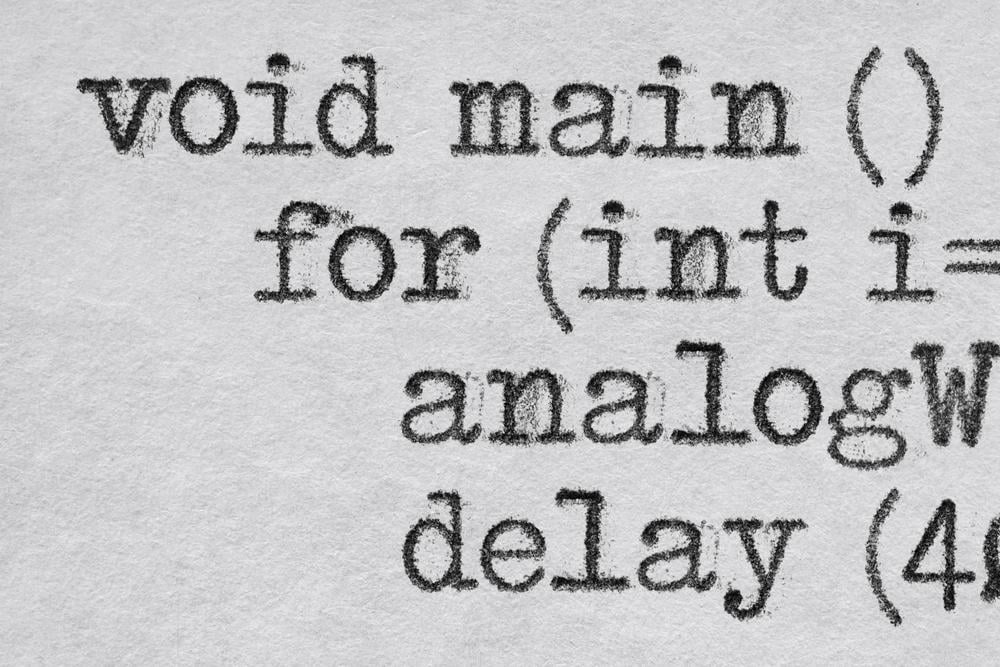
John McCarthy wasn’t done shaking things up after Dartmouth, so he created LISP in 1958 – the first computer language built specifically for AI work. While other programming languages were focused on crunching numbers, LISP was designed to juggle ideas and concepts the way humans do.
The language was so ahead of its time that AI researchers kept using it for decades, and its influence still shows up in modern coding approaches.
ELIZA Chatbot
Joseph Weizenbaum probably didn’t expect his 1966 creation to fool so many people, but ELIZA became famous for tricking users into thinking they were talking to a real therapist. The program was actually pretty simple – it just rearranged what people said and asked follow-up questions, kind of like a really good listener who doesn’t give much advice.
What shocked everyone was how easily people opened up to this fake therapist, showing just how hungry humans are for conversation, even with machines.
Shakey the Robot
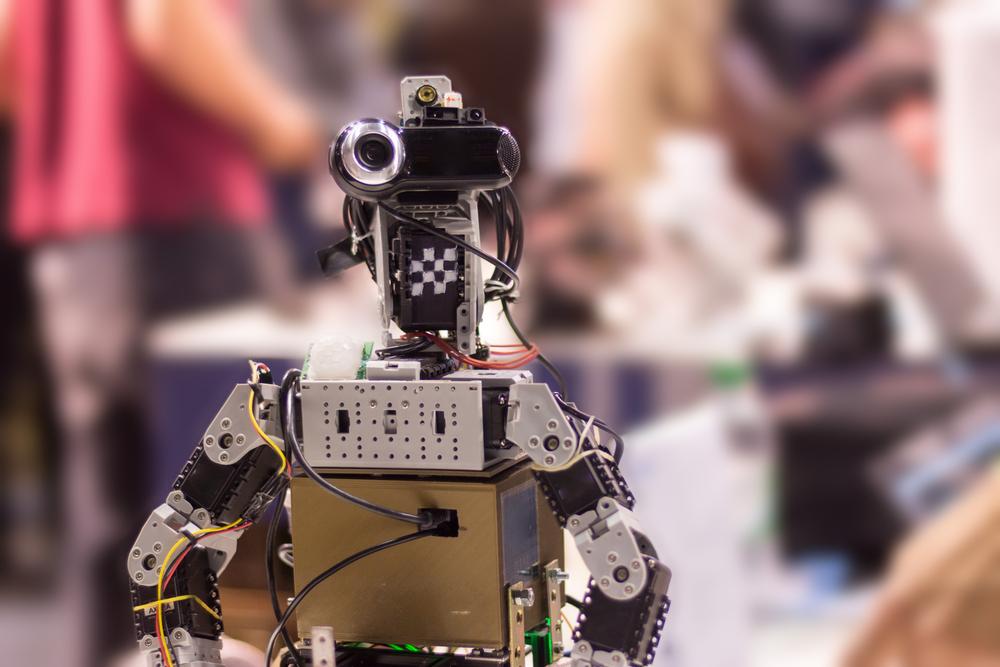
Stanford’s Shakey robot looked like someone stuck a camera on top of a filing cabinet in 1969, but this awkward machine was actually revolutionary. Unlike previous robots that just followed pre-programmed instructions, Shakey could look around, understand what it saw, and figure out how to get things done on its own.
Watching Shakey slowly navigate around obstacles was like seeing the first baby steps toward the robots we have today.
Expert Systems Era
The 1970s brought us expert systems – basically computer programs that tried to steal the knowledge right out of human experts’ heads. MYCIN at Stanford could diagnose infections and suggest treatments just as well as real doctors, which was both impressive and slightly terrifying.
These systems proved that AI could handle serious real-world problems instead of just playing around with academic puzzles, though they were pretty useless if you asked them anything outside their narrow expertise.
Backpropagation Algorithm
Geoffrey Hinton and his team figured out something crucial in the 1980s – how to teach neural networks from their mistakes using backpropagation. Before this breakthrough, training these networks was like trying to teach someone to ride a bike while blindfolded.
The algorithm gave neural networks a way to automatically adjust and improve, turning them from interesting experiments into genuinely useful tools that could learn complex patterns.
Deep Blue’s Victory
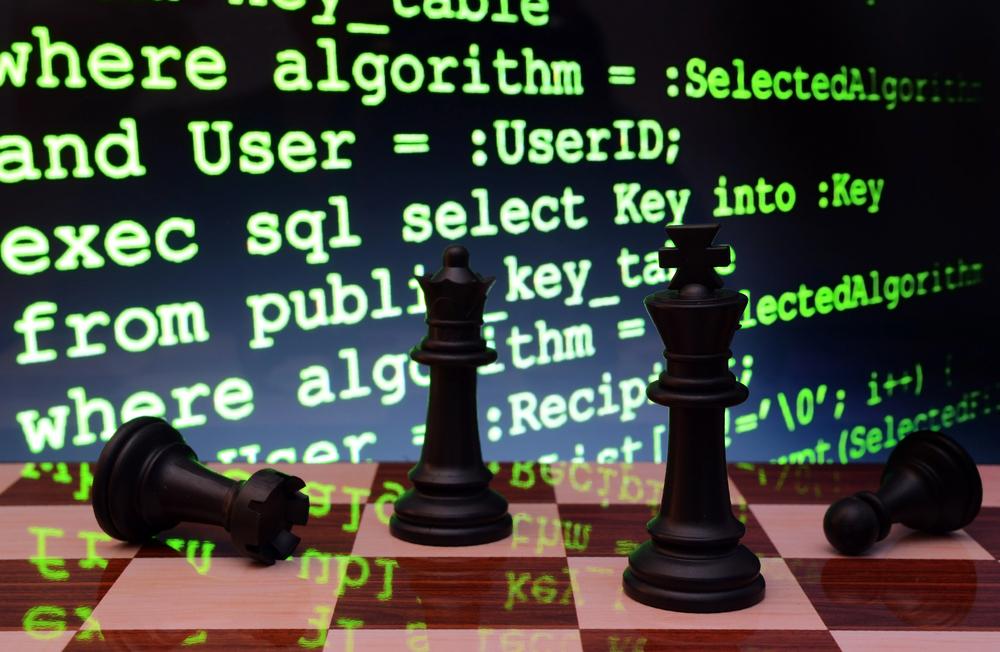
When IBM’s Deep Blue beat chess champion Garry Kasparov in 1997, it felt like watching David take down Goliath, except David was a room-sized computer that could think through 200 million moves per second. Kasparov was so rattled by some of Deep Blue’s moves that he accused IBM of cheating, convinced that no machine could play with such apparent creativity.
The victory grabbed headlines worldwide and made everyone suddenly realize that computers might be getting scary good at human tasks.
IBM Watson’s Jeopardy Win
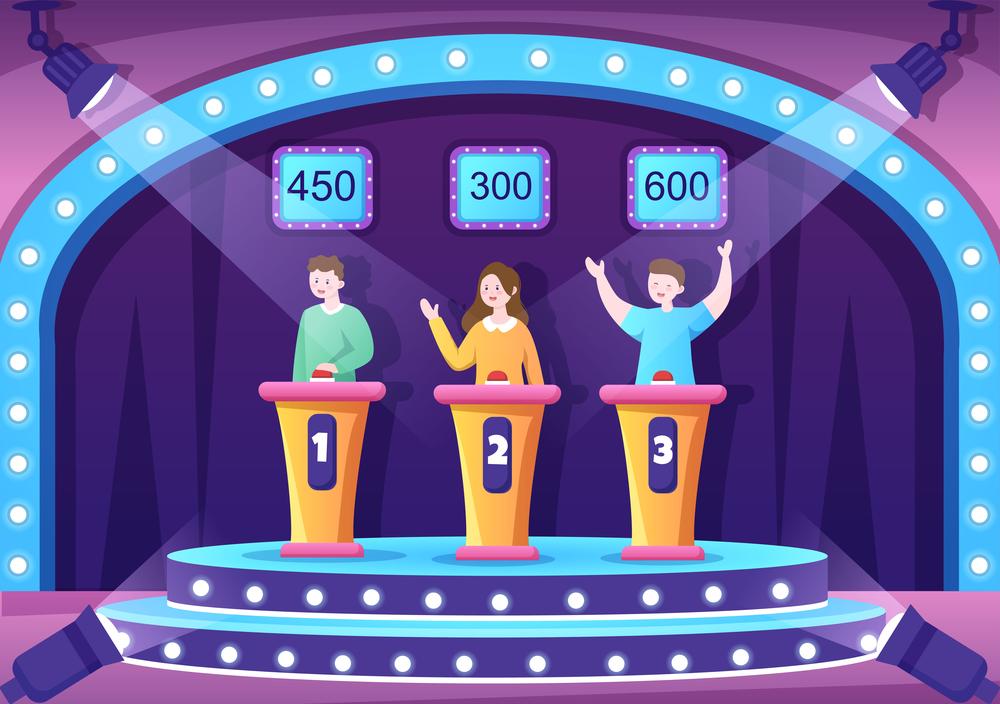
Watson’s 2011 performance on Jeopardy was like watching a computer take a pop culture exam and ace it with flying colors. The machine had to decode Alex Trebek’s tricky wordplay, understand cultural references, and buzz in faster than human champions Brad Rutter and Ken Jennings.
What made it even more impressive was watching Watson get some answers hilariously wrong, reminding everyone that even smart machines can have those ‘brain fart’ moments.
ImageNet Revolution

Everything changed in 2012 when Alex Krizhevsky’s neural network absolutely crushed the competition at the ImageNet challenge. While other teams were using traditional methods and getting mediocre results, Krizhevsky’s deep learning approach recognized objects in photos with stunning accuracy.
It was like watching someone show up to a horse race with a sports car – the old methods suddenly looked completely outdated overnight.
AlphaGo’s Triumph
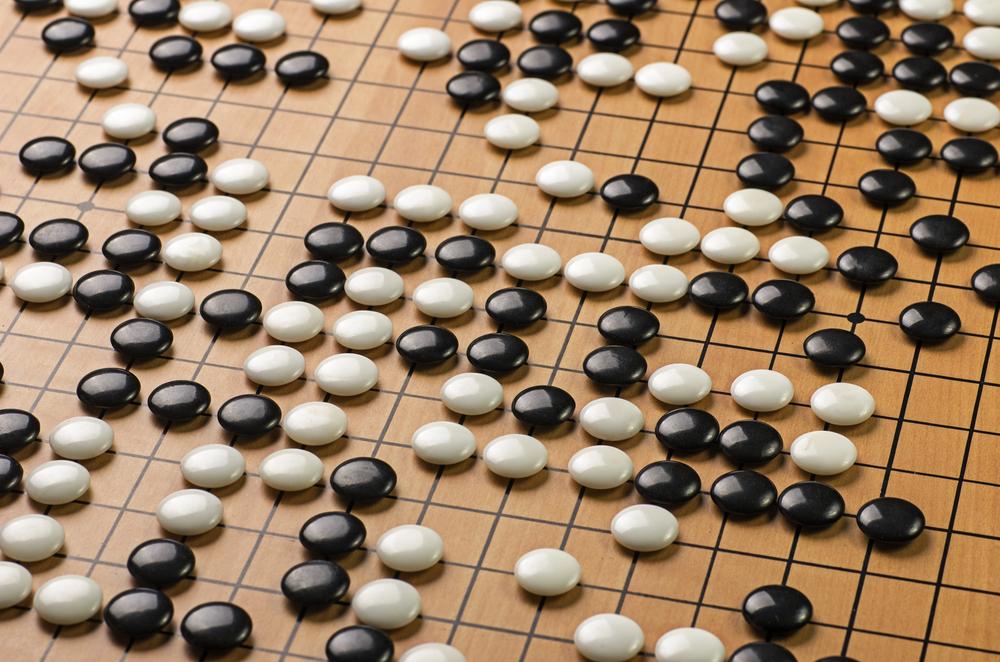
When DeepMind’s AlphaGo beat world Go champion Lee Sedol in 2016, it was supposed to be impossible. Go has more possible moves than there are atoms in the universe, so computers couldn’t just brute-force their way to victory like they did with chess.
AlphaGo had to develop something resembling intuition and creativity, making moves that even surprised its own programmers and left Go masters scratching their heads.
GPT-2’s Debut
OpenAI created something so convincing with GPT-2 in 2019 that they initially refused to release the full version, worried about what people might do with it. The language model could write fake news articles, creative stories, and technical explanations that were often impossible to distinguish from human writing.
It was the first time many people realized that AI might soon be able to replace writers, journalists, and anyone else who works with words.
GPT-3 Changes Everything
GPT-3 showed up in 2020 with 175 billion parameters and basically broke everyone’s expectations about what AI could do. This wasn’t just a better chatbot – it was like having a Swiss Army knife that could write code, compose poems, answer questions, and even create entire websites from simple descriptions.
Suddenly, AI wasn’t just good at one thing anymore; it was becoming genuinely versatile in ways that made people both excited and nervous.
ChatGPT Goes Viral
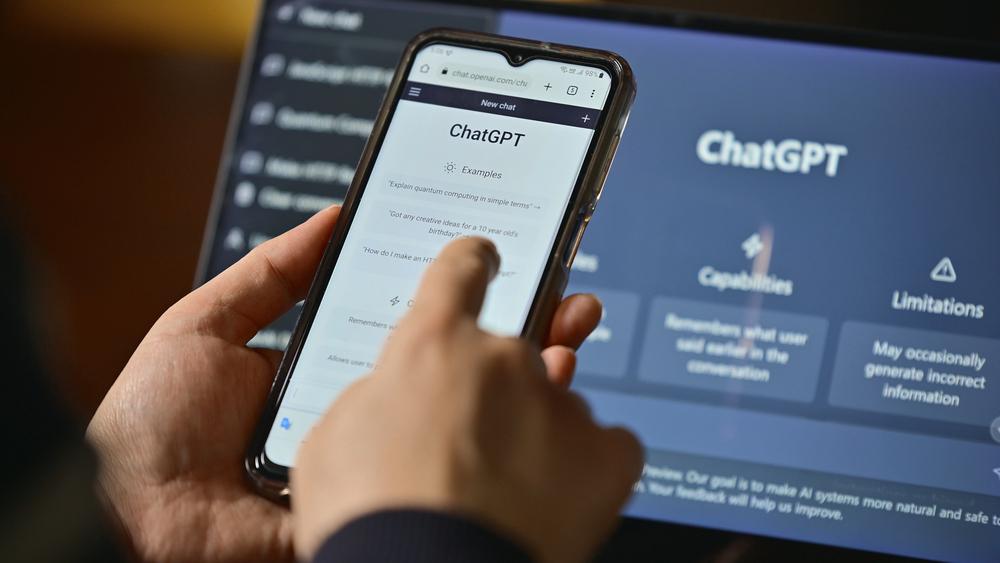
Nobody at OpenAI probably expected ChatGPT to explode the way it did when they released it in November 2022. Within two months, 100 million people were using it, making it the fastest-growing app in history.
Unlike previous AI tools that required technical knowledge to use, ChatGPT was so simple that grandparents could start having conversations with it immediately, bringing AI out of research labs and into everyone’s daily routine.
The Weird Journey from Labs to Laptops

Looking at this timeline, it’s pretty wild how we went from giant vacuum tube contraptions to AI assistants that fit in our pockets. Those early researchers working with room-sized computers probably never imagined that someday people would casually chat with AI while waiting for coffee.
What started as academic curiosity has become so normal that kids today grow up expecting machines to understand them, help with homework, and even crack jokes. The really crazy part is that we’re probably still in the early chapters of this story, with each new breakthrough opening doors that nobody saw coming.
More from Go2Tutors!

- 16 Historical Figures Who Were Nothing Like You Think
- 12 Things Sold in the 80s That Are Now Illegal
- 15 VHS Tapes That Could Be Worth Thousands
- 17 Historical “What Ifs” That Would Have Changed Everything
- 18 TV Shows That Vanished Without a Finale
Like Go2Tutors’s content? Follow us on MSN.



