Global Breakfast Traditions Worth Trying
Breakfast looks different depending on where you wake up in the world. Some people start their day with sweet treats, while others prefer something spicy or savory to kickstart their morning.
The way cultures approach the first meal of the day reveals a lot about their history, climate, and what they value most when it comes to food. Let’s take a look at some of the most interesting breakfast traditions from around the globe that might just change how you think about your morning routine.
Full English Breakfast
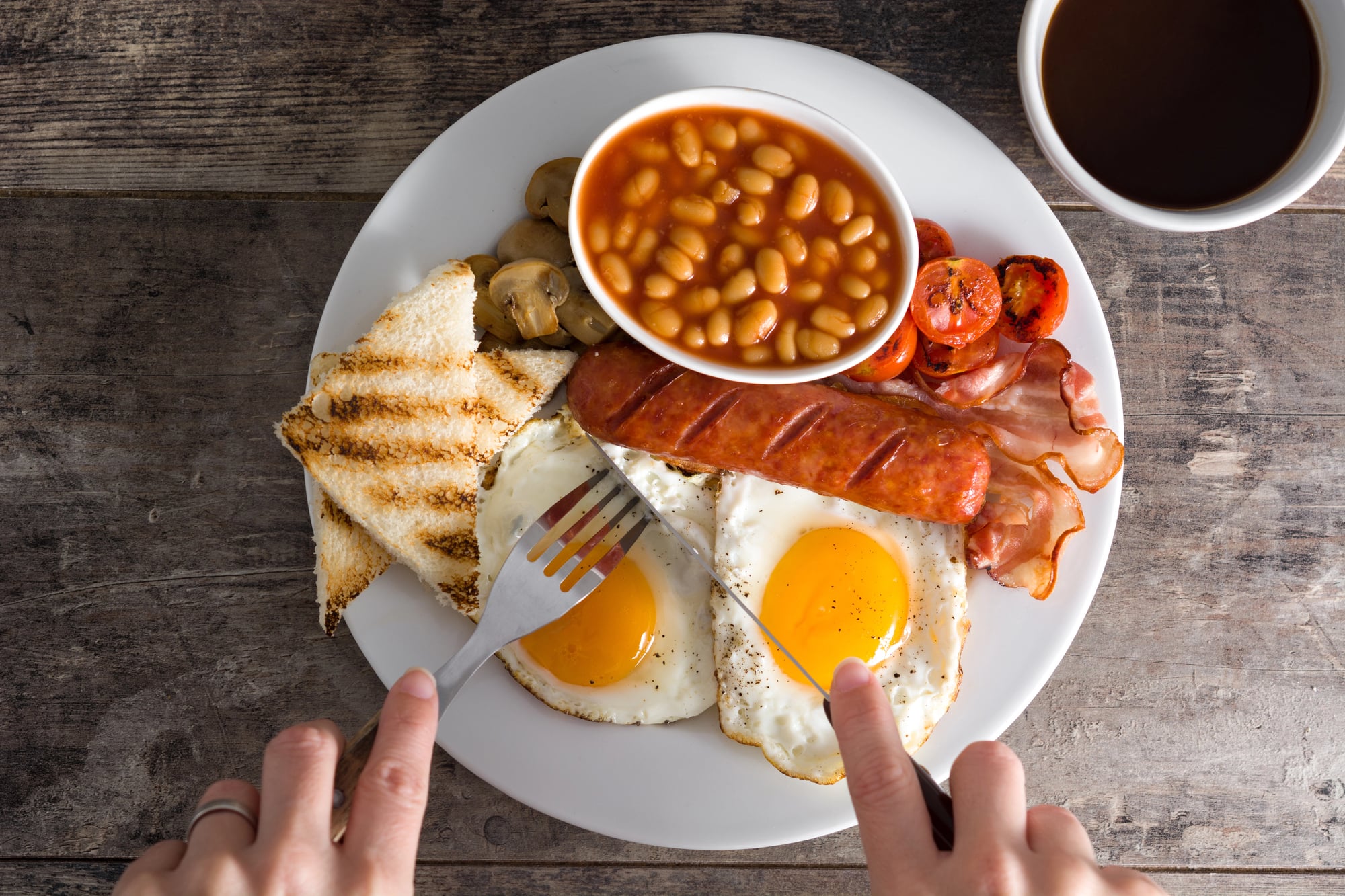
England’s famous morning spread includes eggs, bacon, sausages, baked beans, grilled tomatoes, mushrooms, and toast. This hearty plate became popular during the Victorian era when wealthy families wanted to show off their abundance.
Workers and farmers eventually adopted similar meals because they needed serious fuel for long days of physical labor. The combination might seem heavy by modern standards, but it keeps people satisfied for hours without needing a mid-morning snack.
Churros Con Chocolate
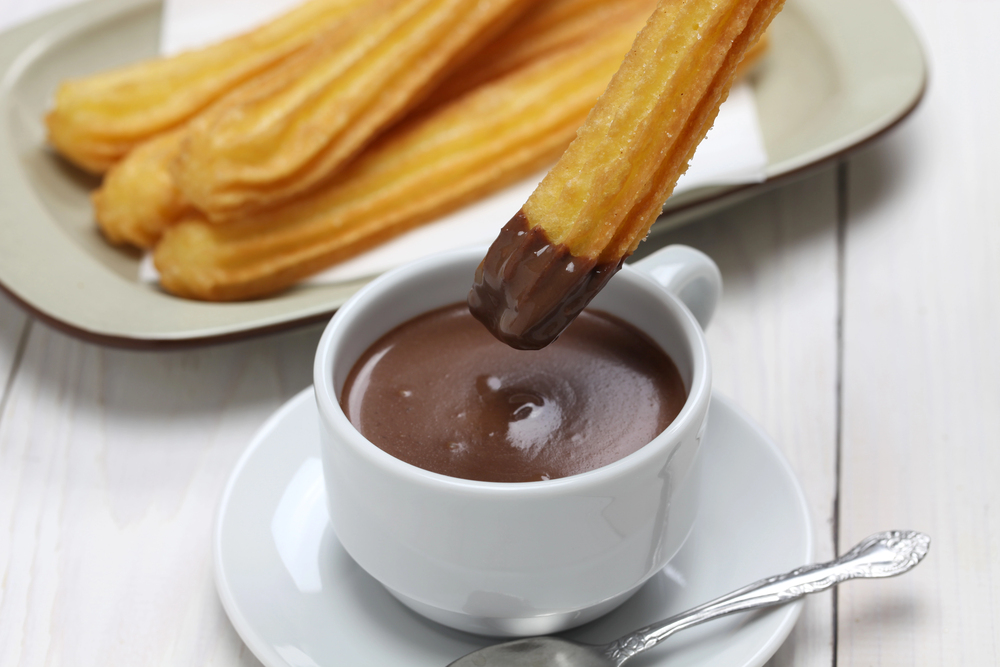
Spain’s beloved breakfast pairs long, crispy fried dough with thick hot chocolate for dipping. Unlike the thin drinking chocolate popular in other countries, Spanish hot chocolate has the consistency of pudding and coats each churro perfectly.
Street vendors and cafes serve this combination early in the morning, and locals often enjoy it while standing at the counter rather than sitting down. The sugar rush provides quick energy, and the ritual of dunking creates a playful start to the day.
Congee
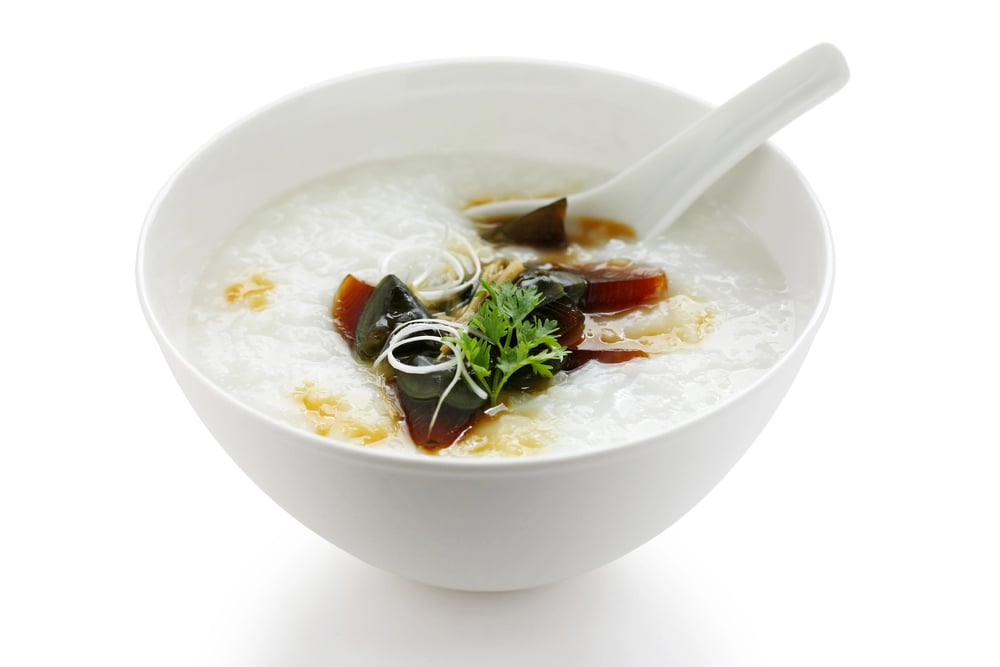
This rice porridge appears across many Asian countries, with each region adding its own twist. The rice cooks slowly in lots of water until it breaks down into a smooth, comforting texture.
Chinese versions often include preserved eggs, pickled vegetables, or shredded meat on top. The mild flavor makes it easy on the stomach, which explains why families serve it to sick people or young children.
Despite its simplicity, congee takes time to prepare properly, showing that care goes into even the most basic morning meals.
Israeli Breakfast
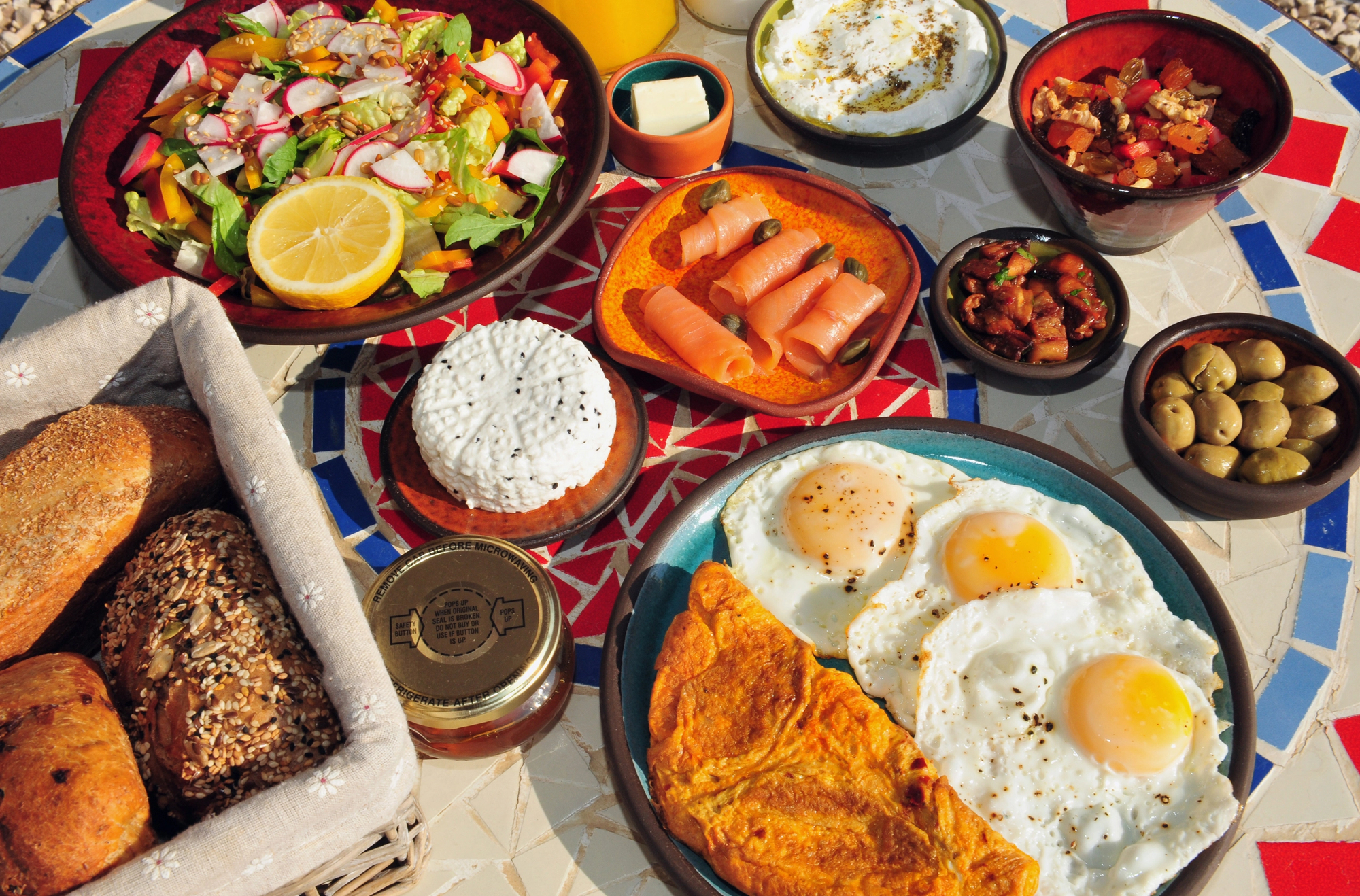
Israel serves one of the most colorful breakfast spreads you’ll find anywhere. The table fills with chopped salads, hummus, labneh, olives, hard-boiled eggs, fresh bread, and various cheeses.
This style developed from kibbutz dining halls where communal eating required lots of shareable options. Everything stays fresh and light, perfect for hot climates where heavy foods feel uncomfortable.
The variety means everyone at the table can create their own combination, making breakfast both personal and communal at the same time.
Natto With Rice
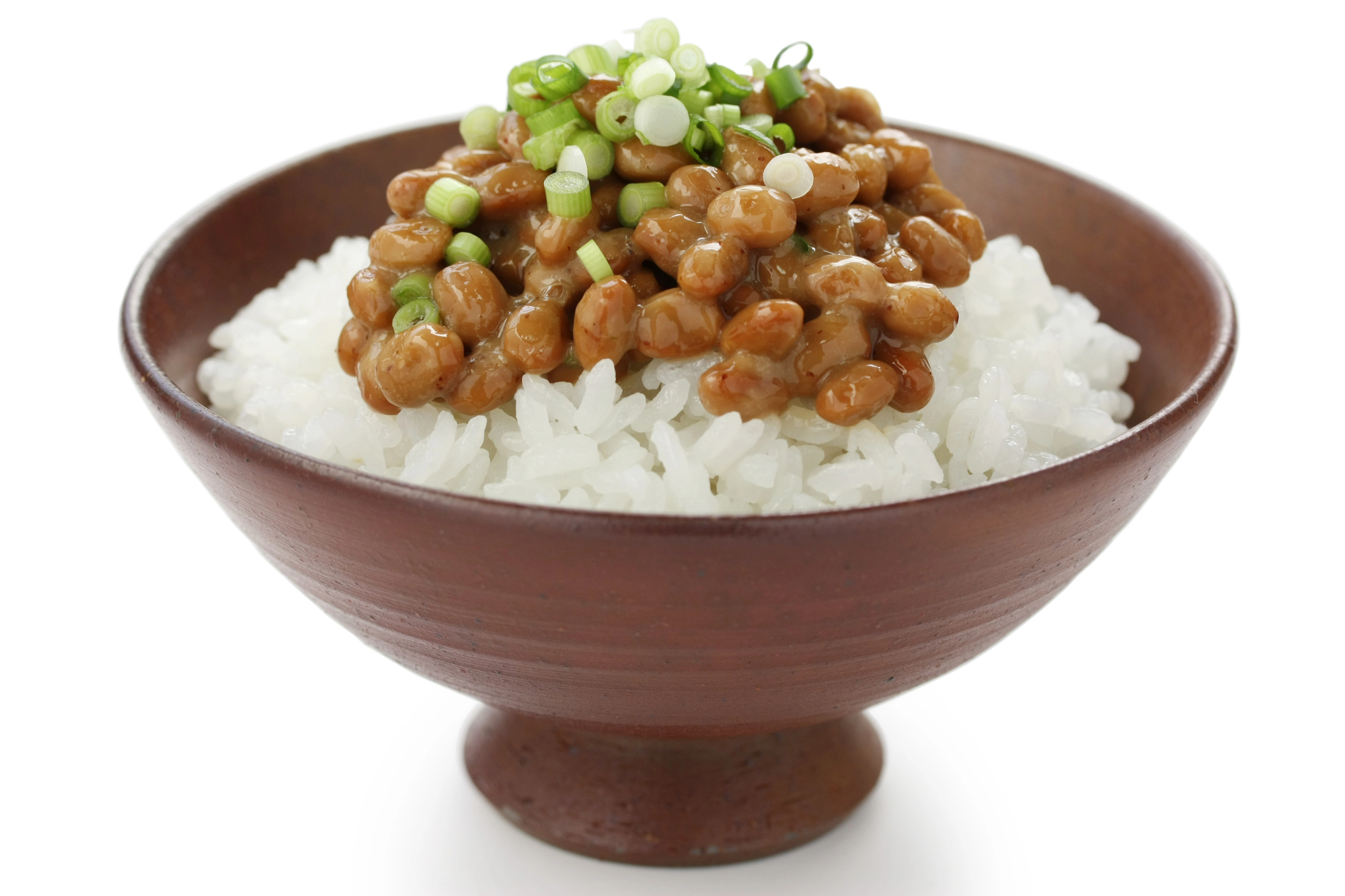
Japan’s fermented soybeans create a polarizing breakfast experience. Natto has a sticky, stringy texture and a strong smell that some people find off-putting at first.
Japanese families stir it vigorously to increase the stickiness, then pour it over hot rice with soy sauce and mustard. The fermentation process creates probiotics that support gut health, giving this traditional food modern nutritional credibility.
Those who grow up eating natto usually love it, while newcomers often need several tries before they appreciate the unique flavor.
Arepas
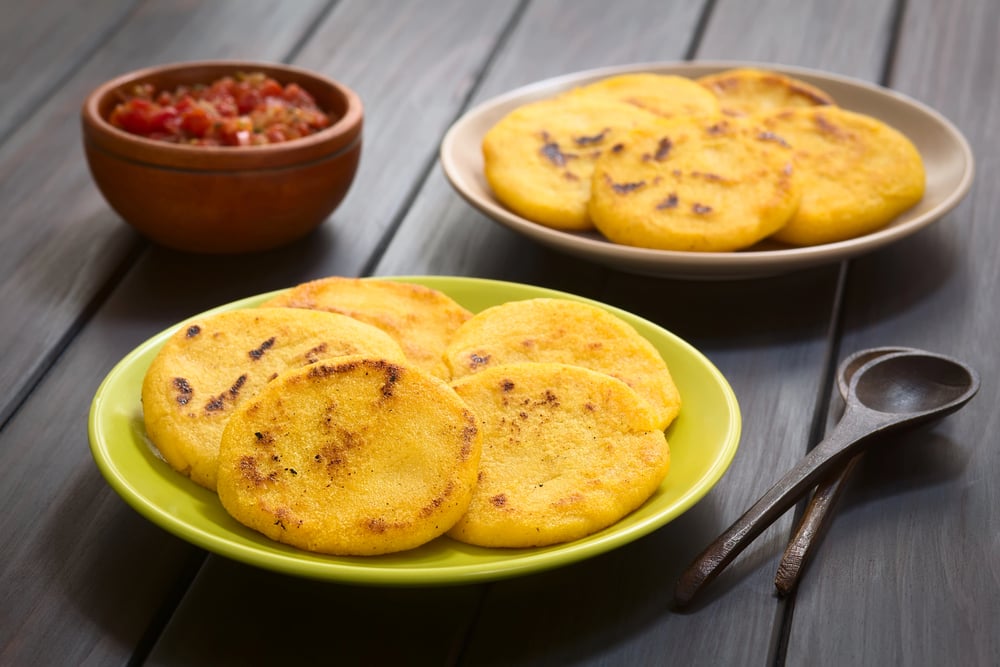
Venezuela and Colombia both claim these corn cakes as their own, though each country prepares them differently. The dough comes from ground corn that’s shaped into thick patties and cooked on a griddle until a crust forms.
Venezuelans split them open and stuff them with cheese, meat, or eggs, while Colombians often eat them alongside their meal. The corn provides complex carbohydrates that release energy slowly throughout the morning.
Street vendors sell arepas hot off the grill, making them a convenient option for people rushing to work.
Turkish Breakfast
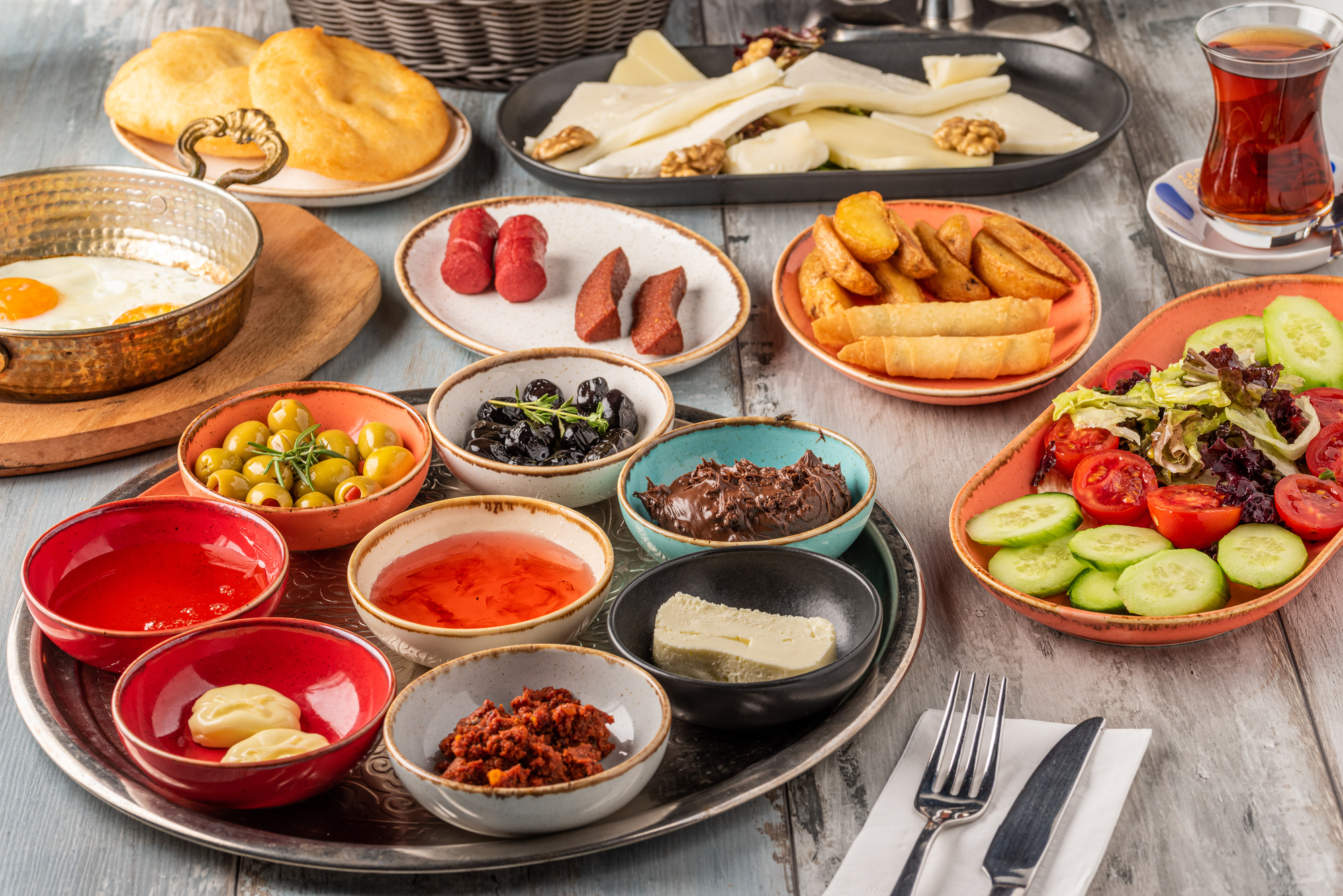
Turkey turns breakfast into a social event that can last for hours. The table holds white cheese, olives, tomatoes, cucumbers, honey, jam, butter, eggs, and bread, along with hot tea served in small tulip-shaped glasses.
Families gather on weekends for elaborate spreads called ‘kahvalti’, which literally means ‘before coffee’ even though most people drink tea instead. The slow pace encourages conversation and connection, treating the meal as quality time rather than just fuel.
This tradition shows that breakfast can be about community as much as nutrition.
Pho
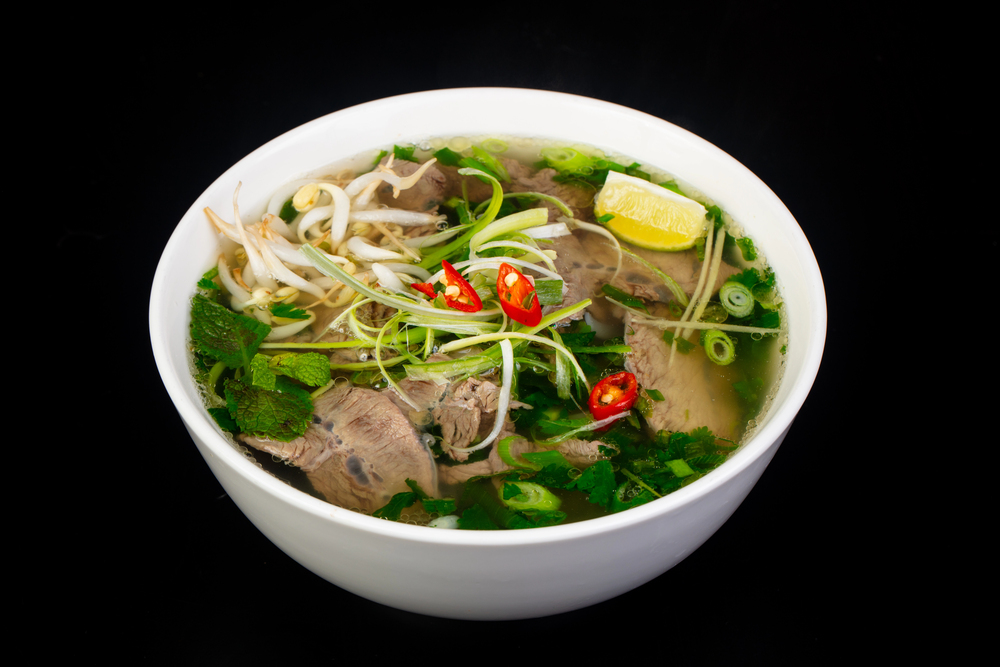
Vietnam’s famous soup might seem like an unusual breakfast choice, but locals eat it early in the morning all across the country. The clear broth simmers for hours with beef bones, spices, and aromatics to create deep flavor.
Thin rice noodles and sliced meat go into the bowl, topped with fresh herbs, lime, and chili. The hot liquid warms people up and the herbs provide a fresh, clean taste that feels energizing.
Pho shops open at dawn because demand peaks before work, proving that soup for breakfast makes perfect sense in Vietnamese culture.
Ful Medames
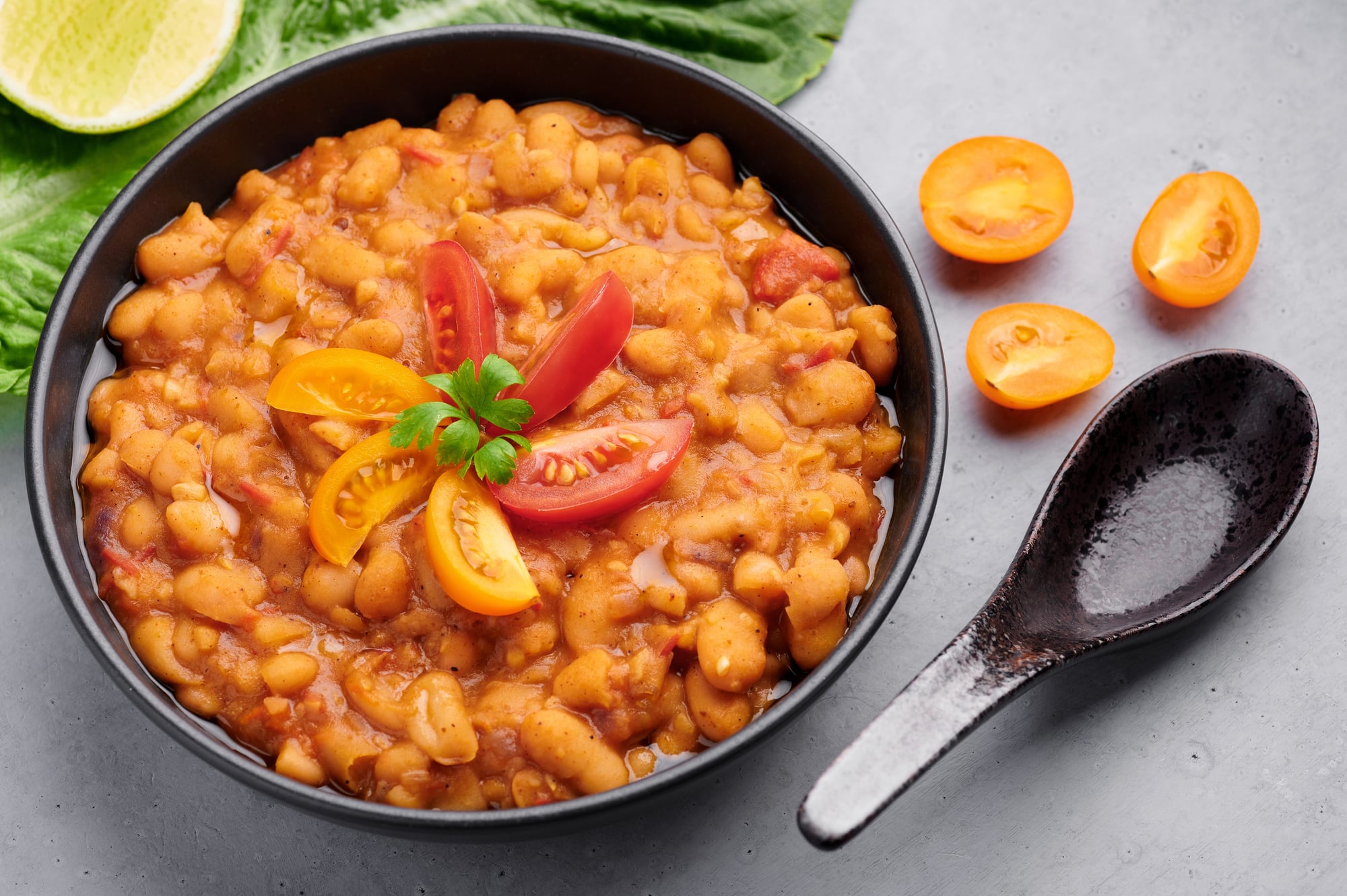
Egypt’s national dish consists of fava beans cooked until soft and mashed with olive oil, lemon juice, and garlic. Street vendors sell it from large copper pots, scooping the mixture into bowls or stuffing it into flatbread for people on the go.
Ancient Egyptians ate versions of this dish thousands of years ago, making it one of the oldest continuously eaten foods in human history. The beans provide protein and fiber that keeps hunger away for hours.
Despite its humble ingredients, ful medames remains popular across all social classes in Egypt.
Miso Soup With Rice
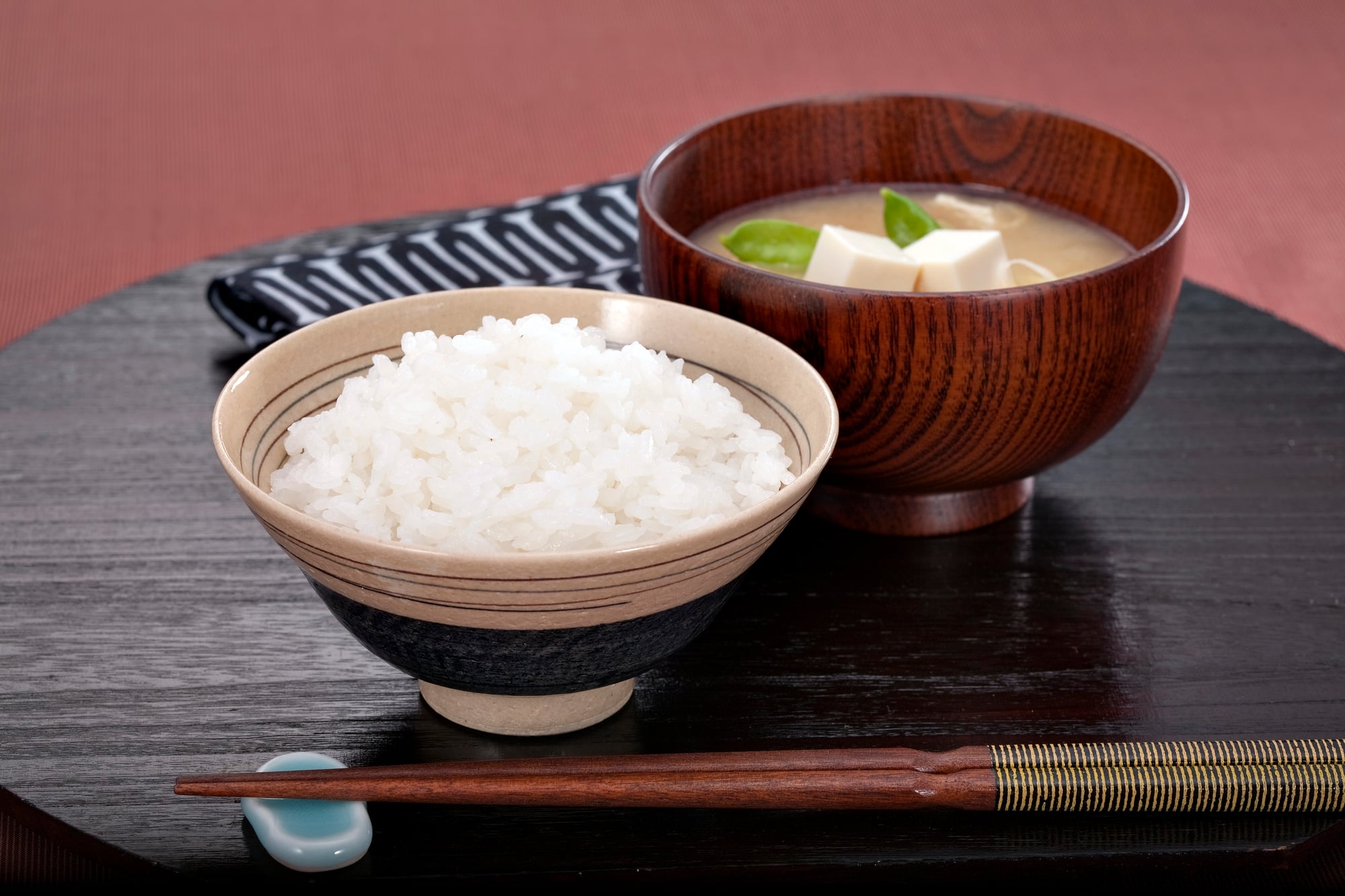
Japanese breakfast often includes a bowl of miso soup alongside steamed rice and various small dishes. The soup base comes from fermented soybean paste dissolved in dashi broth made from kelp and dried fish.
Tofu cubes and seaweed float in the bowl, adding texture and nutrients. This combination provides a savory, warming start that feels both light and satisfying.
The multiple small portions create variety without overwhelming the stomach, following the Japanese principle that breakfast should energize rather than weigh you down.
Shakshuka
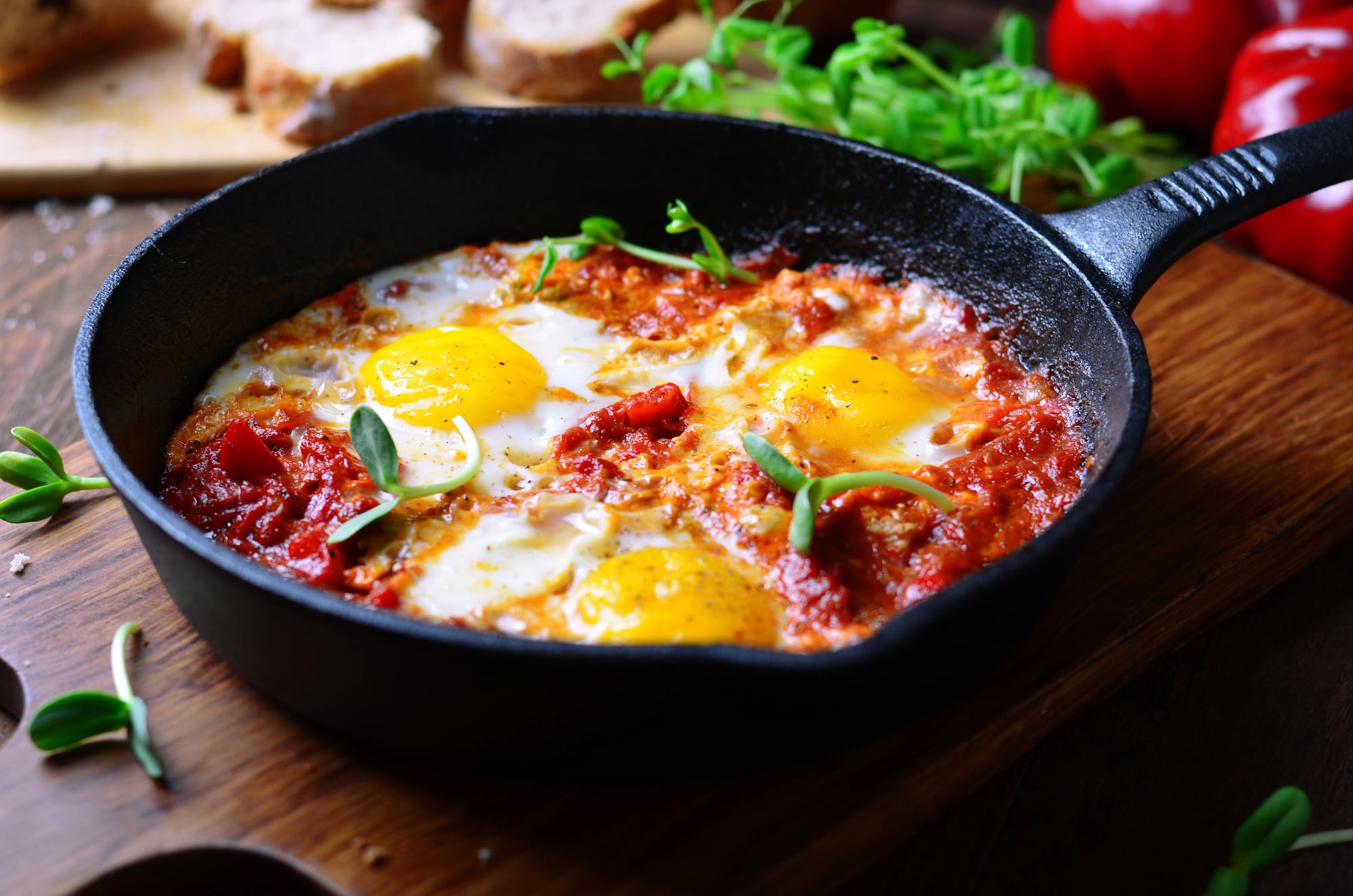
North African and Middle Eastern countries serve this dish of eggs poached in spiced tomato sauce. The sauce simmers with bell peppers, onions, cumin, and paprika until it thickens and develops rich flavor.
Cooks crack eggs directly into the sauce and let them cook until the whites set but the yolks stay runny. Diners scoop everything up with fresh bread, mixing the runny yolk with the tangy sauce.
The dish provides protein, vegetables, and spices all in one pan, making it both nutritious and efficient.
Roti Canai With Curry
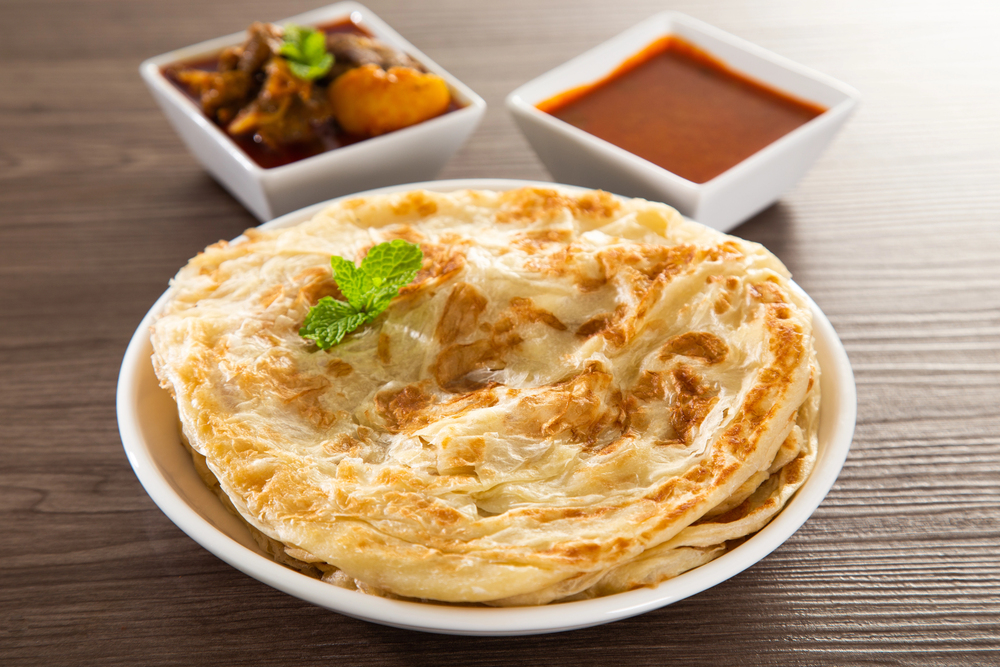
Malaysia’s flaky flatbread gets stretched thin, folded multiple times, and cooked on a hot griddle until golden and crispy. The bread arrives at the table with a small bowl of curry or lentil sauce for dipping.
Indian immigrants brought this tradition to Malaysia, where it evolved into a breakfast staple found everywhere from fancy hotels to street stalls. The combination of crispy bread and flavorful sauce creates contrasting textures that make the meal interesting.
Despite its South Asian roots, roti canai has become thoroughly Malaysian through decades of local adaptation.
Medialunas

Argentina’s answer to the croissant comes smaller and sweeter than the French version. Bakers brush the pastries with a sugar syrup that creates a slight glaze, making them perfect for dunking in coffee.
Argentinians stop at cafes for a quick breakfast of medialunas and cortado, standing at the bar rather than sitting at tables. The Italian and Spanish influences in Argentine culture show up in this habit of grabbing breakfast on the way to work.
These little crescent-shaped pastries provide just enough sweetness to feel like a treat without being overwhelming.
Idli And Sambar
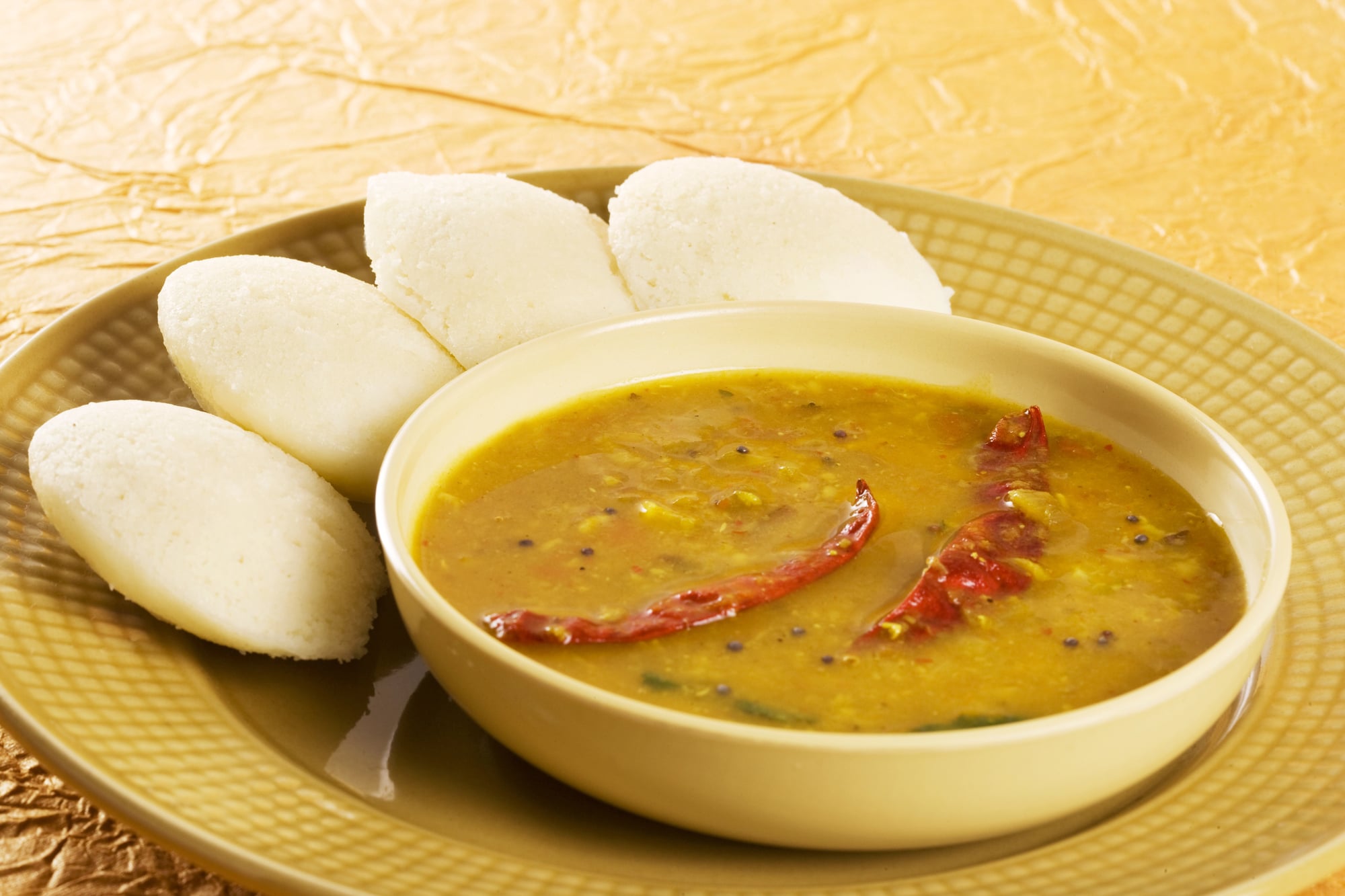
South India’s steamed rice cakes come light, fluffy, and surprisingly filling. The batter ferments overnight, creating a slightly sour taste and making the final product easier to digest.
Cooks steam the batter in special molds that create round, flat cakes perfect for dipping in sambar, a spicy lentil-based vegetable stew. Coconut chutney usually appears alongside for those who want something cooling between bites of spicy sambar.
This completely vegetarian meal provides protein from the lentils and fermentation benefits from the rice cakes, showing that traditional foods often meet modern nutritional standards.
Açaí Bowl
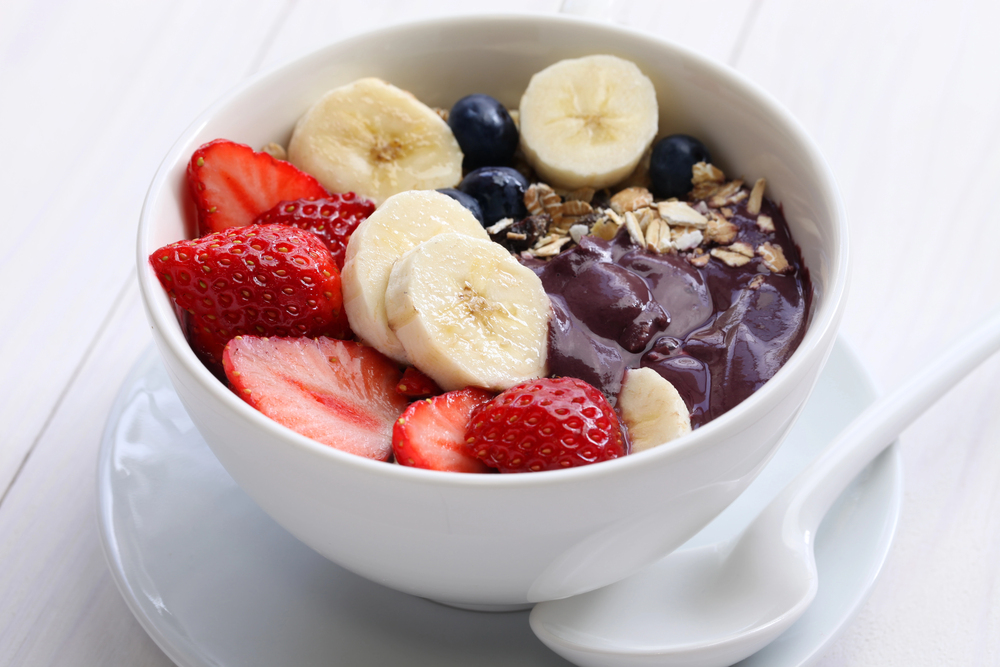
Brazil’s Amazon region gave the world this thick purple smoothie made from frozen açaí berries. The pulp gets blended until it reaches a soft-serve consistency, then topped with granola, banana slices, and honey.
Surfers in Rio de Janeiro popularized açaí bowls as a quick, energizing breakfast after early morning sessions in the water. The berries contain antioxidants and healthy fats that provide sustained energy without feeling heavy.
What started as a regional specialty has spread globally, though the Brazilian version stays less sweet and more substantial than the dessert-like versions found elsewhere.
Halloumi And Vegetables
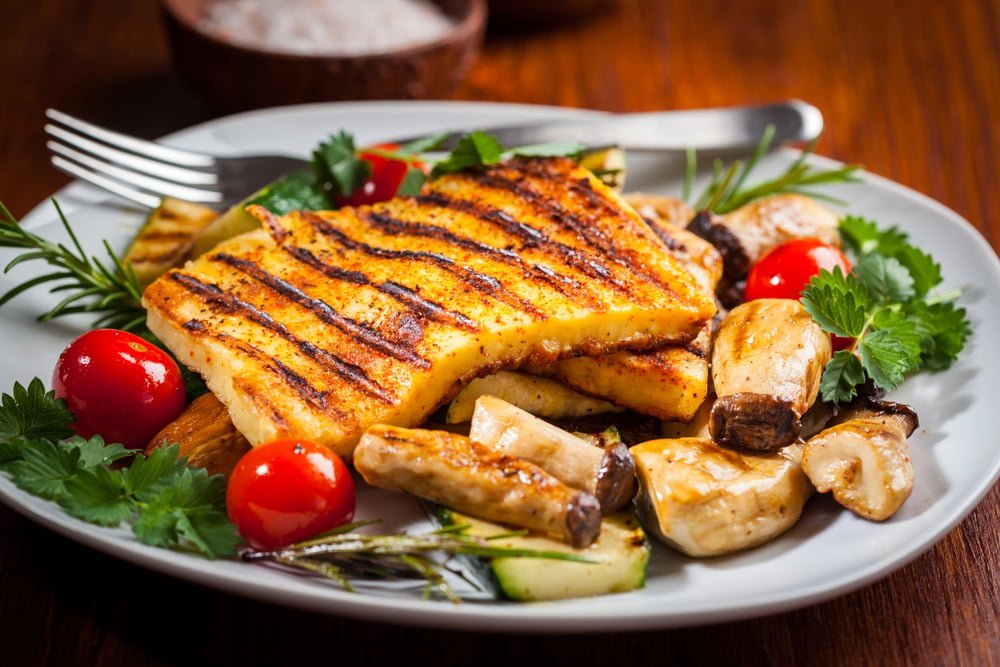
Cyprus starts the day with grilled cheese that doesn’t melt. Halloumi has a high melting point that allows it to get crispy on the outside while staying soft inside.
Breakfast plates include sliced tomatoes, cucumbers, olives, and fresh bread alongside the grilled cheese. The Mediterranean climate makes fresh vegetables abundant and appealing even first thing in the morning.
This breakfast tradition reflects the island’s position between Europe and the Middle East, borrowing elements from both regions to create something uniquely Cypriot.
Chilaquiles
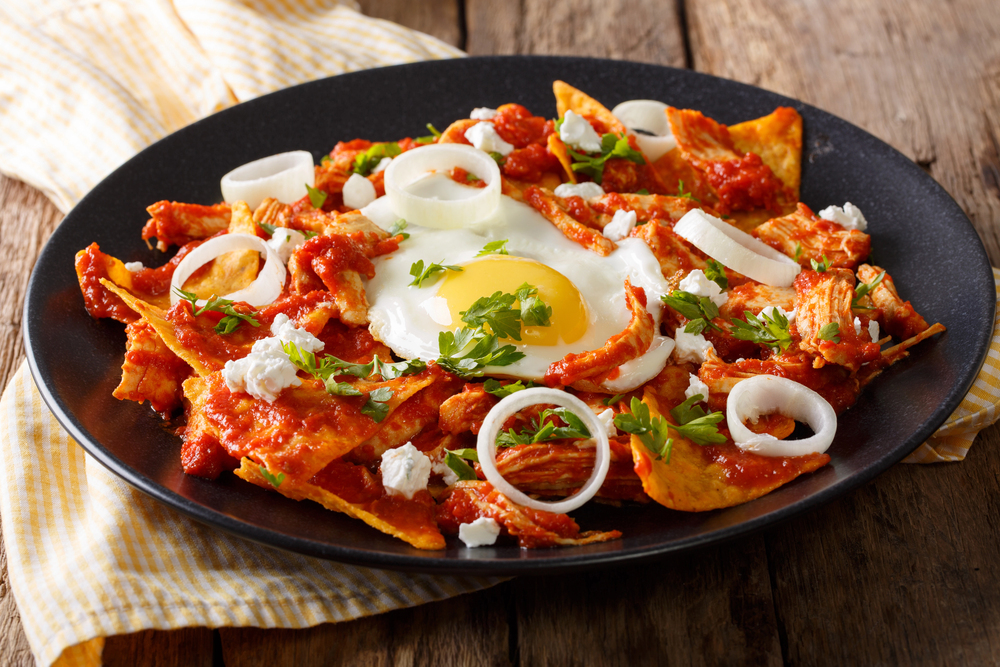
A single day’s leftover tortillas become tomorrow’s morning plate in Mexico. After hitting hot oil, they crisp up fast – then dip slow into warm salsa.
Some bite remains firm beneath a tender surface, halfway between snack and soak. Eggs slide on next, followed by cheese that melts near cold sour cream and sharp raw onion.
One region might swear by red; another insists green brings truth to the table. Heated debates spark at kitchens across towns, all over one humble mash-up of yesterday’s scraps.
Nothing gets tossed when flavor can be coaxed from what was cast aside.
Mohinga
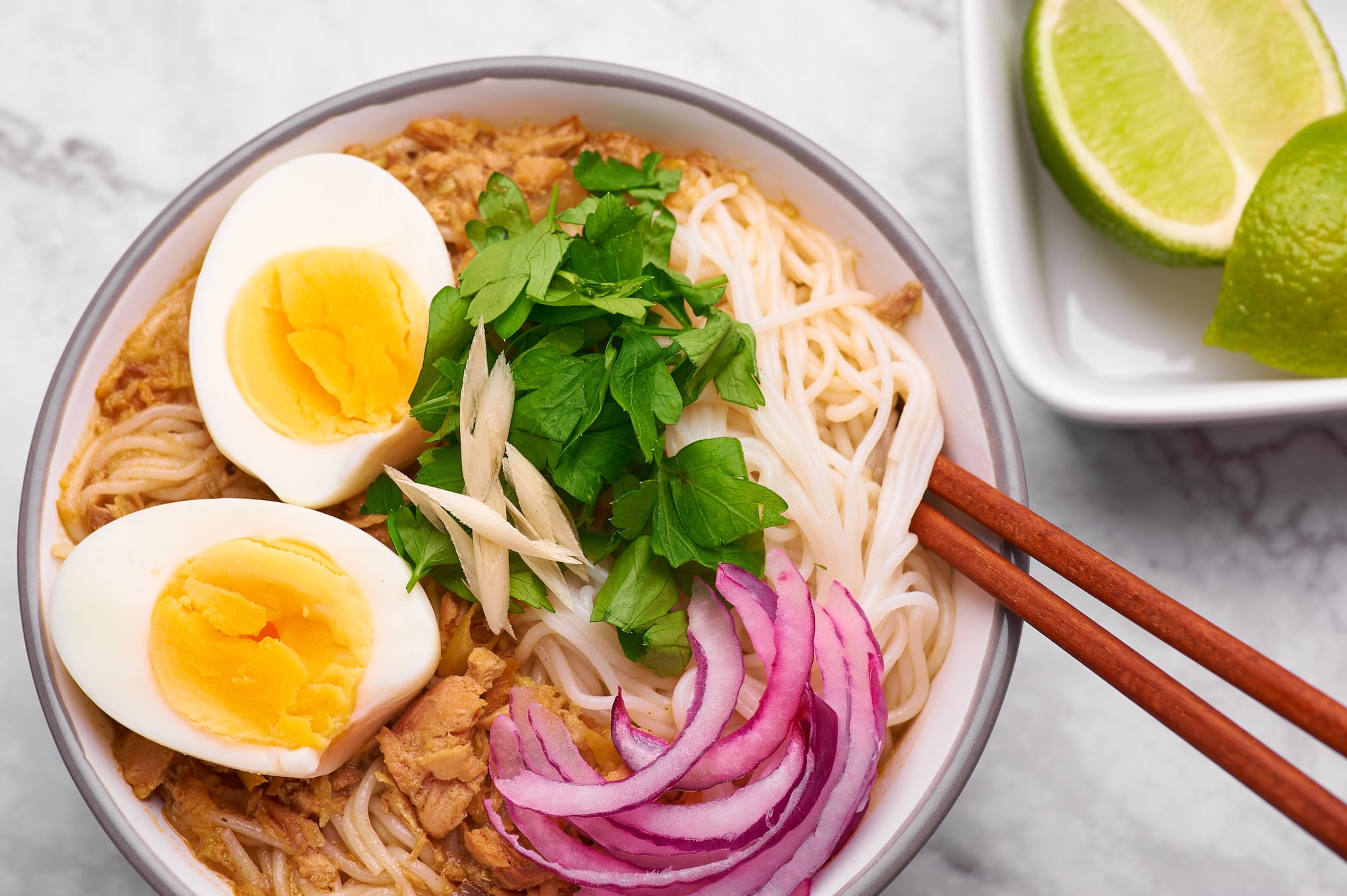
Morning meals across Myanmar usually start with thin rice strands swimming in a savory liquid made from fish, sharpened by lemongrass, ginger, and pieces of banana trunk. A side of golden fried snacks sits beside soft boiled eggs, bringing texture contrast along with extra sustenance.
On nearly every urban corner, small stalls serve steaming bowls of mohinga, its scent drifting through alleys long before you spot the vendor. Though slow cooking builds the depth of taste, cost stays low enough that anyone can afford a portion each day.
With each bite at dawn, locals touch something older than themselves – a quiet thread woven into routine.
Still Hungry For More
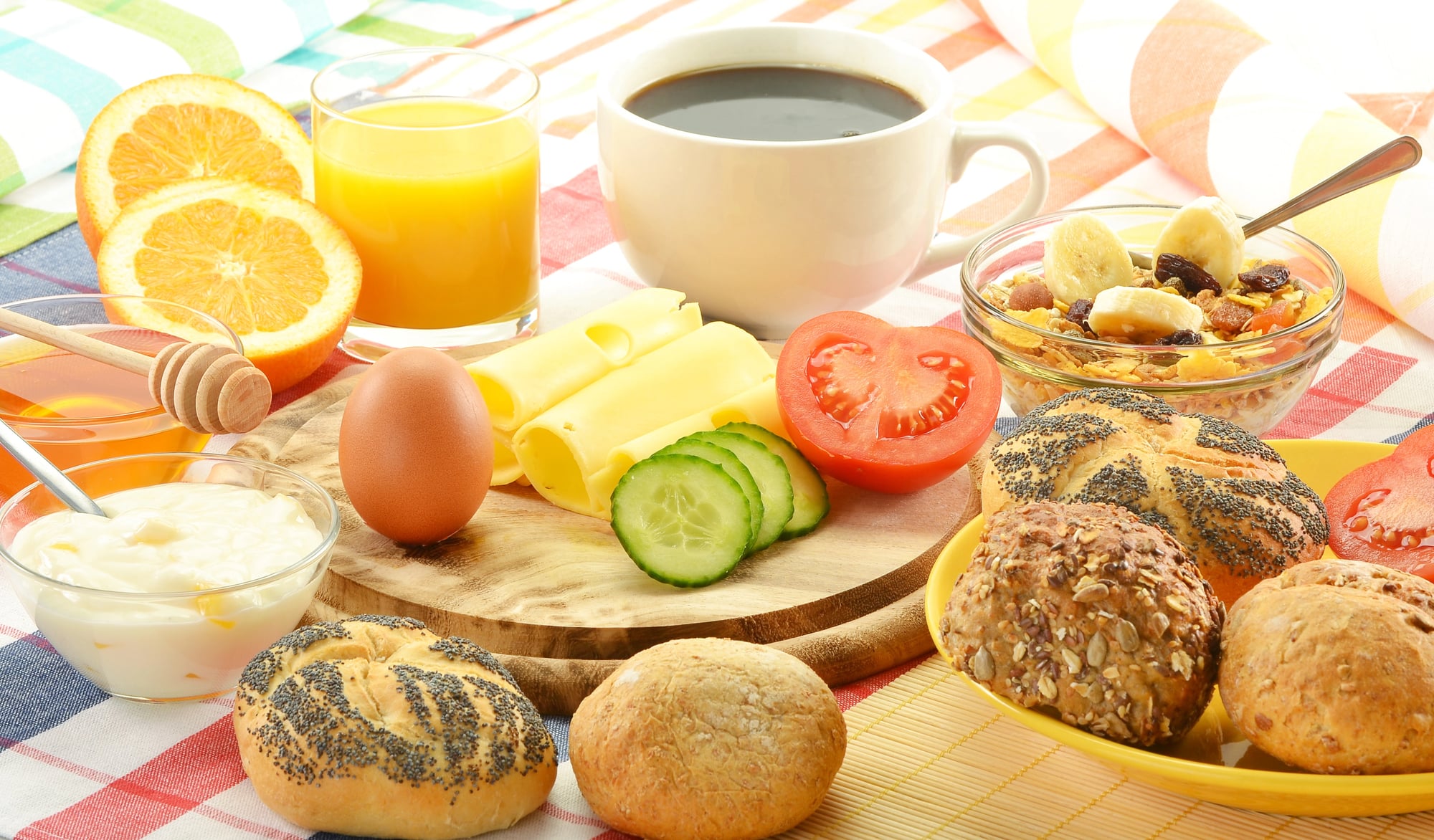
Breakfast looks completely different depending on where you are – shaped by location, past habits, and what grows nearby. A dish odd to you might be totally normal elsewhere; tasting it shifts how you see eating altogether.
When your usual morning plate feels dull, think: across the planet, someone eats sour beans, hot chili broth, or rubbery grilled cheese instead.
More from Go2Tutors!

- The Romanov Crown Jewels and Their Tragic Fate
- 13 Historical Mysteries That Science Still Can’t Solve
- Famous Hoaxes That Fooled the World for Years
- 15 Child Stars with Tragic Adult Lives
- 16 Famous Jewelry Pieces in History
Like Go2Tutors’s content? Follow us on MSN.



