15 Auctioned Heirlooms With Unbelievable Prices
Family attics, dusty boxes, and forgotten storage spaces hold more than just memories. Sometimes they contain treasures worth millions that have been overlooked for decades.
People inherit items without realizing their true value, only to discover later that grandma’s old vase or grandpa’s baseball cards could change their lives forever. The stories of these discoveries remind us that extraordinary wealth can be hiding in the most ordinary places.
From porcelain found in shoeboxes to jewelry worn daily without a second thought, these heirlooms defied all expectations when they hit the auction block. Here is a list of 15 auctioned heirlooms that fetched absolutely unbelievable prices.
All sale figures are adjusted to approximately 2024 USD where applicable.
Qing Dynasty Vase from a London Attic
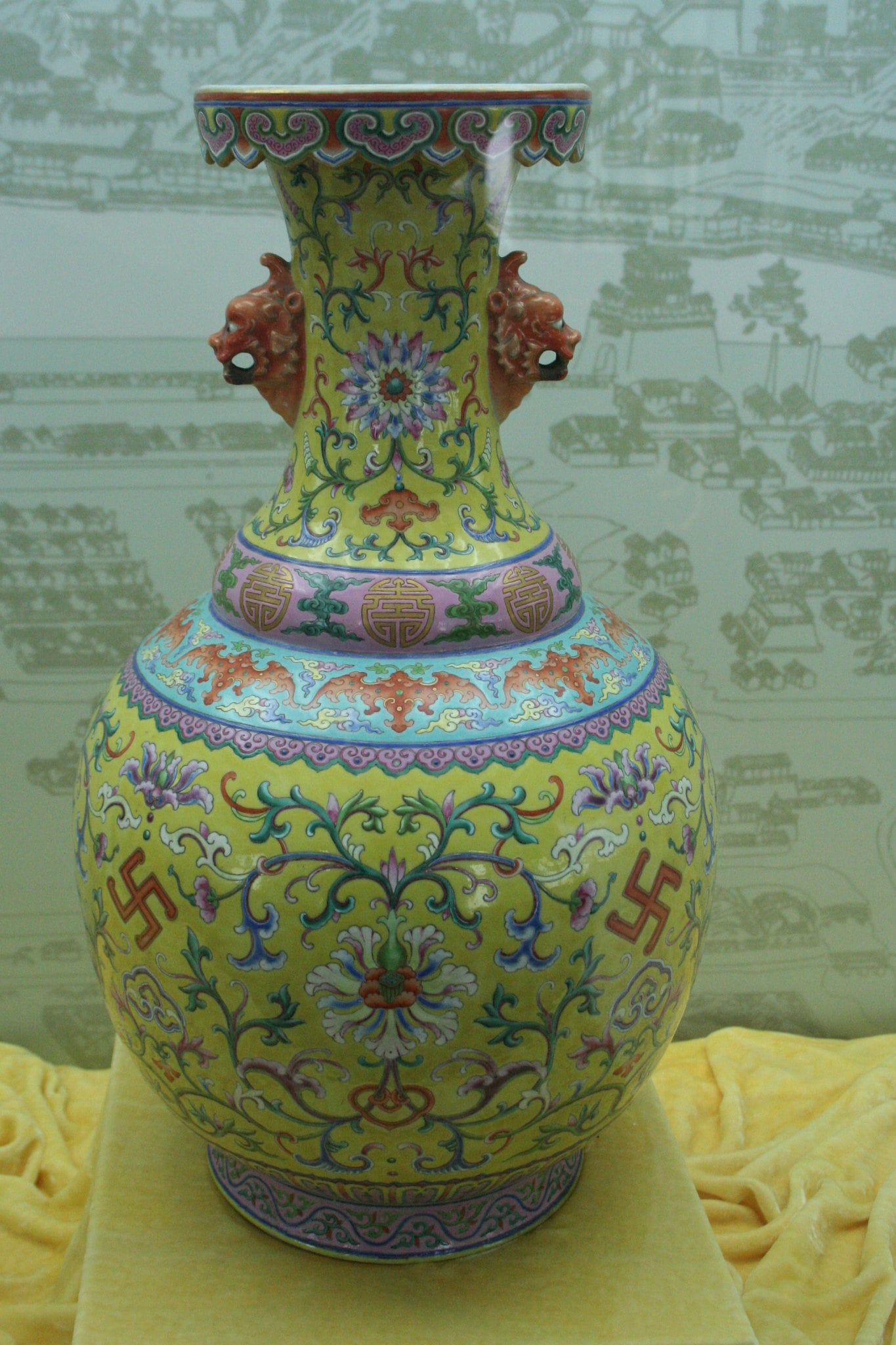
A brother and sister cleaning out their deceased relative’s home in Pinner, London, stumbled upon an 18th-century Chinese vase tucked away in the attic in 2010. They had no idea what they had, and neither did anyone else at first.
The vase had even appeared on a 1970s BBC program where experts dismissed it as a clever reproduction worth only a few thousand pounds. At Bainbridge’s auction house, this imperial yellow and sky-blue porcelain piece sparked a bidding war that ended at £43 million (approximately $83 million).
The vase dated from Emperor Qianlong’s reign and featured intricate goldfish medallions that proved irresistible to Chinese collectors. However, the final payment was reportedly never completed by the Chinese buyer, leaving the sale in dispute for years.
Pink Diamond Ring Mistaken for Quartz
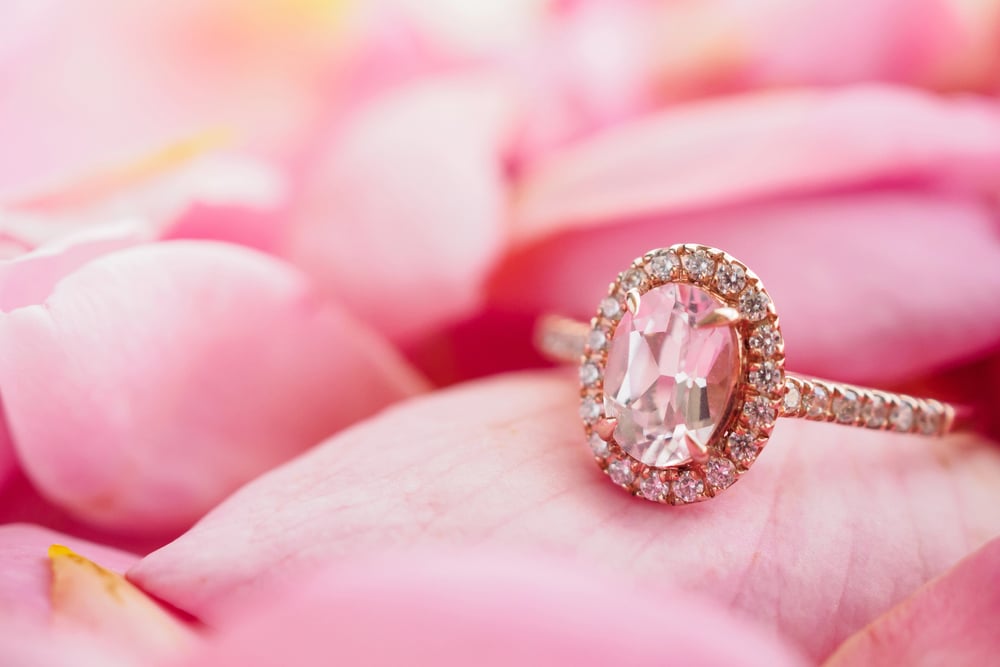
An Italian woman in her 50s inherited a Bulgari ring from her grandmother decades ago and wore it casually for years, thinking the large stone was just quartz. She eventually stopped wearing it and decided to sell it along with other jewelry she no longer used.
When experts at the auction house examined the piece in 2023, they nearly fainted—and so did she. The ‘quartz’ was actually a 3.18-carat fancy vivid pink diamond set in an art deco-inspired design from the 1970s.
The ring sold for $2.6 million, more than double its pre-sale estimate and among the highest recorded jewelry sales in Italy.
Baseball Cards Worth $3 Million

Karl Kissner and his cousin were cleaning out their late aunt’s house in Defiance, Ohio, when they discovered a cardboard box tied with twine in the attic in 2012. Inside were nearly 700 baseball cards from around 1910, given away as candy promotions and featuring legends like Ty Cobb, Honus Wagner, and Cy Young.
Their grandfather had run a meat market and apparently stashed the extras in the attic before forgetting about them entirely. The cards remained frozen in time for a century, and their pristine condition made experts call it the most significant find in baseball card collecting history.
A single Honus Wagner card from the E98 series received a perfect 10 grade. Heritage Auctions handled the sale, with the entire collection valued at approximately $3 million.
Marie Antoinette’s Pearl Pendant

A large drop-shaped natural pearl hanging from a diamond-encrusted bow once adorned the neck of France’s ill-fated queen. Marie Antoinette managed to smuggle her jewelry out of Paris in 1791, and the pieces eventually passed to her only surviving daughter, who bequeathed them to her niece, the Duchess of Parma.
The Italian royal house of Bourbon-Parma held onto these treasures for generations before consigning them to Sotheby’s Geneva in 2018. The pearl pendant alone commanded intense interest from collectors worldwide and sold for $36 million, making it one of the most important pieces of royal jewelry ever auctioned.
Leonardo da Vinci’s Salvator Mundi

This Renaissance masterpiece depicting Jesus Christ disappeared for centuries before being rediscovered and authenticated in 2008. The painting had been owned privately and passed through various hands, with some owners likely unaware they possessed a genuine Leonardo.
After appearing at London’s National Gallery in 2011, it went to auction at Christie’s in 2017. The result shattered every art auction record in existence.
Saudi Arabian businessman Badr bin Abdullah Al Saud purchased the painting for $450.3 million, making it the most expensive artwork ever sold. The authorship and restoration remain debated among scholars, but the sale price speaks to Leonardo’s enduring market power.
Caravaggio Painting from a French Attic
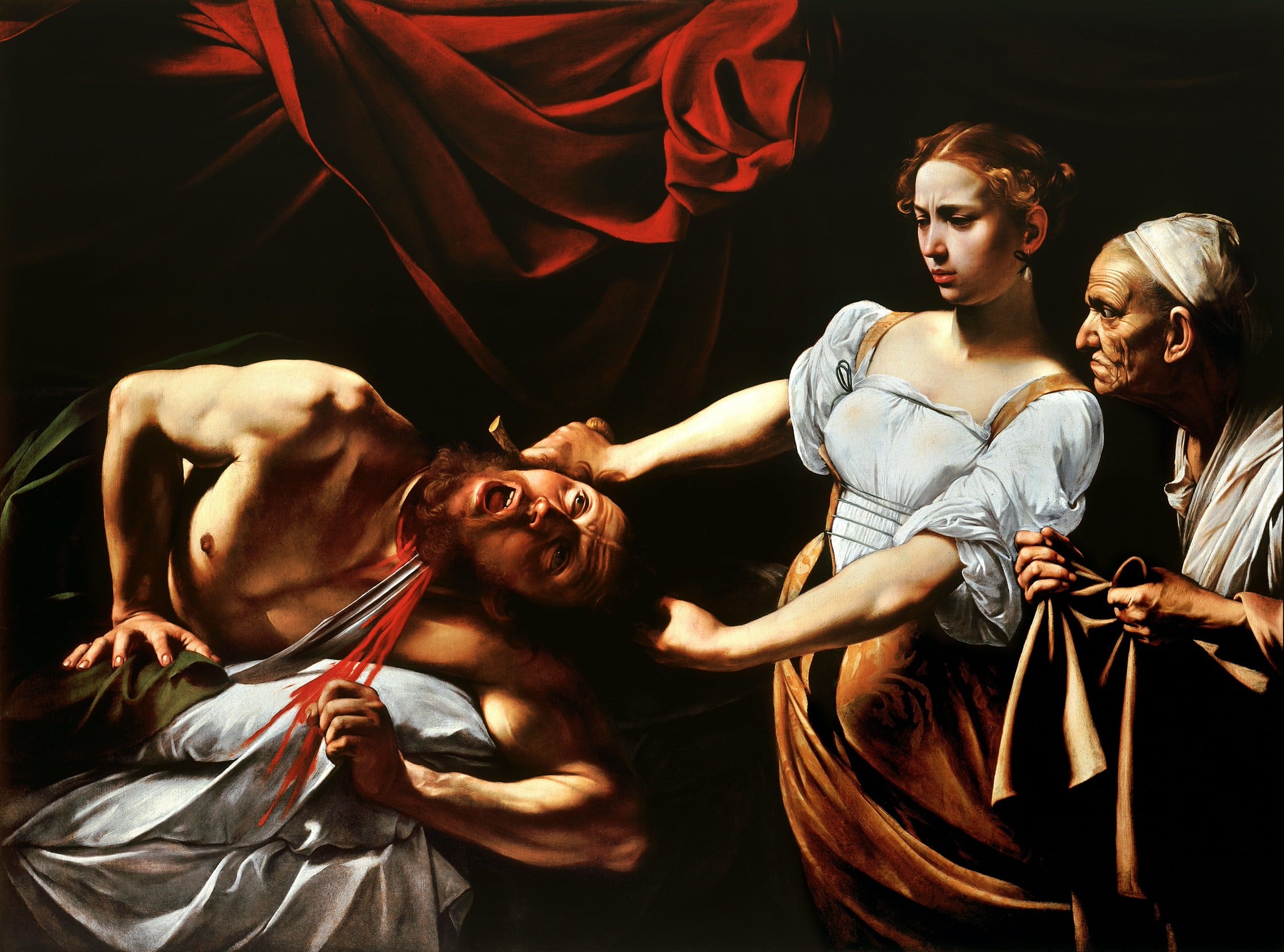
A family in Toulouse, France, discovered a dusty old painting in their attic in 2014 that looked unassuming at first glance. The artwork, Judith and Holofernes, had been sitting forgotten in the space for years while the family lived their daily lives below.
After authentication by experts who attributed it to the Italian master Caravaggio, the painting’s estimated value reached up to €150 million. However, this dramatic biblical scene was sold privately in 2019 rather than at public auction, and the final sale amount was never disclosed.
The discovery nevertheless proved that masterpieces can hide in plain sight, waiting patiently in attics for someone to recognize their significance.
Paul Newman’s Rolex Daytona

The actor’s wife, Joanne Woodward, gave him this stainless steel Rolex Daytona in 1968 with an affectionate inscription on the caseback: ‘Drive Carefully – Me.’ Newman wore the watch regularly as he began his racing career, and it became iconic among collectors.
The watch remained within the Newman family for nearly 50 years before being consigned for auction. When it hit the block at Phillips in New York in October 2017, the room erupted.
Bidders pushed the price to $17.75 million, making it the most expensive Rolex ever sold and demonstrating how celebrity provenance can transform an ordinary timepiece into a cultural treasure.
Chinese Vase in a Shoebox

A French family inherited various Chinese porcelain pieces and Japanese artworks from an uncle, storing them without much thought. One vase sat in an old shoebox in the attic for decades.
The family didn’t even like it much. When they finally brought it to Sotheby’s Paris for appraisal in 2018, expert Olivier Valmier opened the shoebox and was immediately struck by the quality.
This Yangcai Famille-Rose porcelain vase bore the mark of Emperor Qianlong and was the only known example of its kind. The auction estimate of $590,000 to $825,000 seemed generous, but bidders had other ideas.
The hammer fell at €16.2 million (approximately $19 million), setting a record for Sotheby’s Paris.
Declaration of Independence Copy
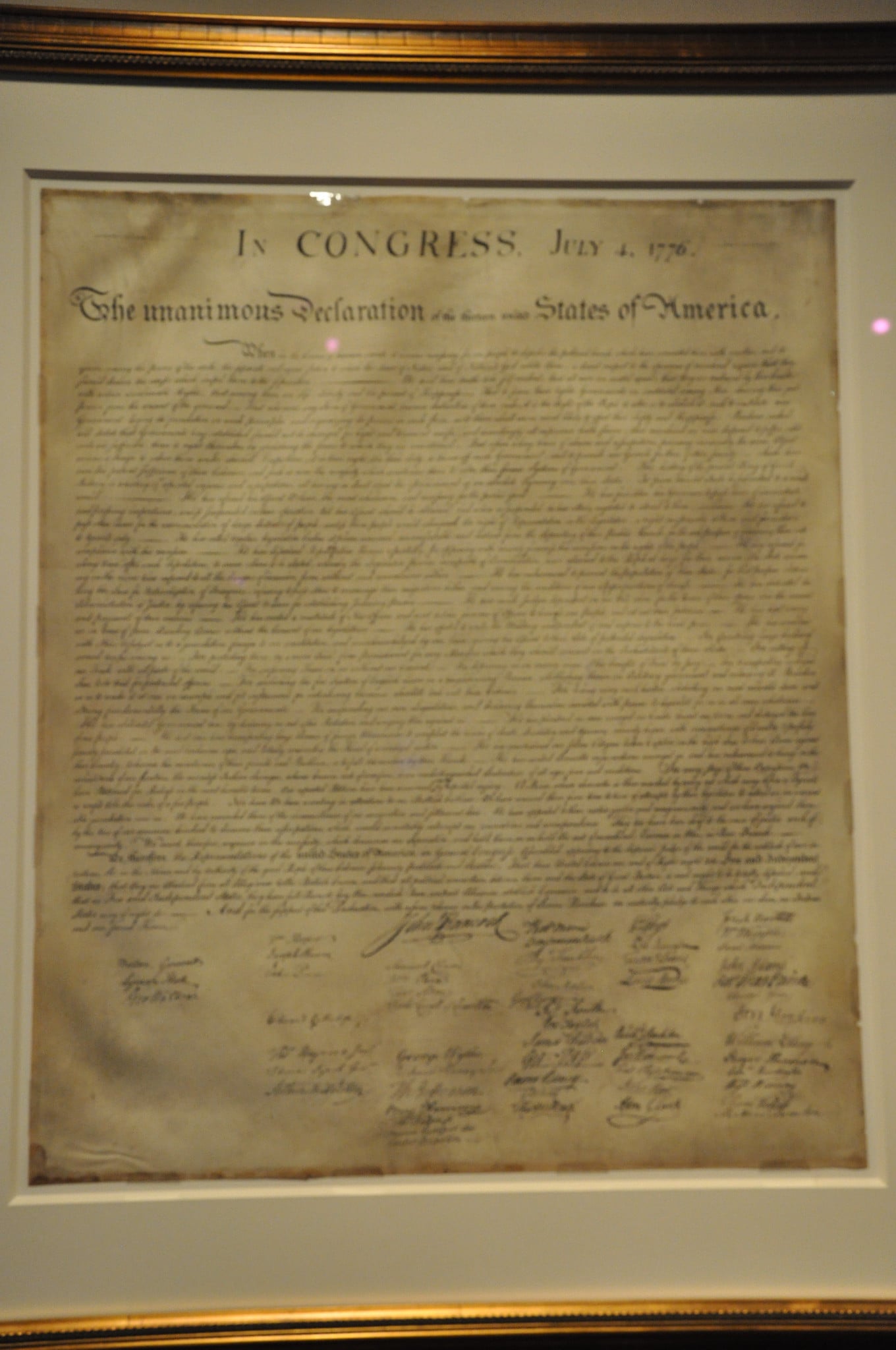
A man browsing a Pennsylvania flea market in 1989 bought a painting simply because he liked the frame. He paid a few dollars for it and took it home.
When he removed the canvas to examine the frame more closely, he found a folded document tucked behind it. This turned out to be one of the original Dunlap Broadsides of the U.S. Declaration of Independence, printed in 1776.
Only a handful of these copies still exist, making each one extraordinarily valuable to collectors and institutions. At Sotheby’s in 1991, the document sold for $2.42 million, proving that sometimes the real treasure isn’t the item you think you’re buying.
Titanic Bandmaster’s Violin

Wallace Hartley led the band on the Titanic and famously continued playing music as the ship sank in April 1912. His body was reportedly pulled from the water days later with his violin case still strapped to his back.
The damaged instrument remained with Hartley’s family for generations before surfacing at auction. In 2013, bidders at Henry Aldridge & Son competed fiercely for this poignant artifact that symbolized courage in the face of disaster.
The violin sold for £900,000 (approximately $1.7 million) in less than 10 minutes, making it the most expensive artifact linked to the doomed ship. It now resides at the Titanic Belfast museum.
J.K. Rowling’s Writing Chair

The oak chair that supported the author as she typed out the first two Harry Potter books wasn’t particularly fancy. Rowling received four mismatched dining room chairs in 1995, and this was simply the most comfortable one.
It became permanently stationed in front of her typewriter during those early writing years. When the well-worn chair went to auction at Heritage Auctions in 2016, Potter fans competed enthusiastically for this tangible connection to the beloved series.
The chair sold for $394,000 and came with a handwritten letter from Rowling herself, explaining its significance and admitting her nostalgic side felt sad to see it go.
Unopened 1948 Bowman Baseball Cards

A Tennessee man discovered hundreds of unopened packs of baseball cards in his late aunt’s attic, dating from the 1940s, ’50s, and ’60s. His uncle had owned a sweets company and apparently bought the sports cards for research purposes before forgetting about them entirely.
The crown jewel was a complete box of 1948 Bowman baseball cards—the first mainstream set produced after World War II. These packs contained rookie cards of Stan Musial, Yogi Berra, and other legends.
An individual unopened box sold for approximately $520,000 in 2022, with the entire collection valued near $1 million. Collectors crave the mystery and perfection of never-opened material from this era.
Imperial Qing Vase at U.S. Record

A monumental Fencai Imperial vase from Emperor Qianlong’s reign came to Skinner auction house in Boston, causing tremendous excitement during Asia Week in September 2014. The vase was a tour-de-force of ceramic techniques, fired at the famous Jingdezhen kilns under superintendent Tang Ying’s direction.
Only one other example of the same size and decoration exists, housed in Beijing’s National Palace Museum. The packed auction room watched as the bidding soared past $10 million, with most attendees rising to their feet.
After spirited competition from multiple bidders present and participating by phone, the hammer fell at $24.7 million, marking the largest U.S. auction price for Chinese porcelain.
Marilyn Monroe’s Iconic White Dress

The white halter dress that Marilyn Monroe wore in The Seven Year Itch became one of cinema’s most memorable images. That billowing skirt moment over the subway grate defined an era.
The dress passed through various hands after Monroe’s death, becoming a sought-after piece of Hollywood history. When it came to auction at Profiles in History in 2011 from the Debbie Reynolds Collection, collectors and museums competed for the chance to own this symbol of 1950s glamour.
The dress sold for $4.6 million, proving that items connected to cultural icons can command prices far beyond their material worth.
Antique Goddard-Townsend Chair
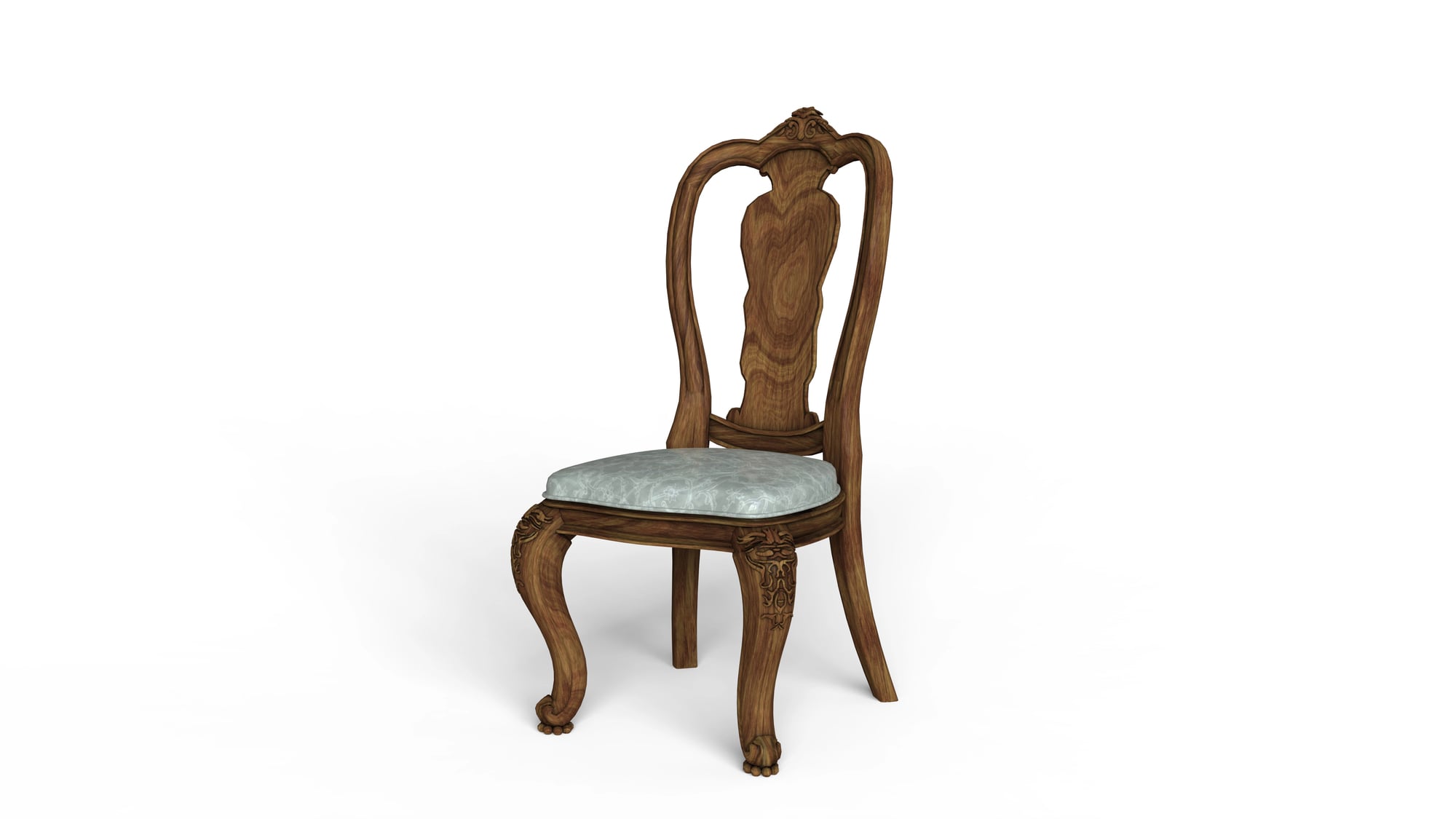
A Massachusetts family discovered a simple wooden chair tucked away in their attic during a routine cleaning. The chair didn’t look like much—just old furniture that had been stored and forgotten.
However, experts identified it as a 1760s Newport piece from the Goddard-Townsend school, representing some of the finest American colonial craftsmanship. John Goddard and the Townsend family created furniture that collectors prize for its exceptional quality and historical significance.
The chair’s provenance and craftsmanship sent its value soaring when it hit the auction block at Sotheby’s in 2005, ultimately selling for $1.1 million.
From Forgotten to Fortune

These stories share a common thread: ordinary people discovered extraordinary value in items they’d inherited or overlooked. The Chinese vases that families dismissed as reproductions turned out to be imperial treasures.
Baseball cards that sat bundled in attics for a century became million-dollar finds. Jewelry worn casually contained rare gemstones worth fortunes.
What makes these discoveries particularly fascinating is how easily they might have been discarded or given away. The lesson isn’t just about potential wealth hiding in attics and storage spaces—it’s about the importance of having items appraised before making assumptions about their worth.
These heirlooms represent more than money; they’re pieces of history that survived because someone, somewhere along the line, decided to keep them rather than throw them away.
More from Go2Tutors!

- The Romanov Crown Jewels and Their Tragic Fate
- 13 Historical Mysteries That Science Still Can’t Solve
- Famous Hoaxes That Fooled the World for Years
- 15 Child Stars with Tragic Adult Lives
- 16 Famous Jewelry Pieces in History
Like Go2Tutors’s content? Follow us on MSN.



