15 axolotl facts that prove they’re great pets
Axolotls are truly one-of-a-kind little pets. Their feathery gills, always-smiling faces, and graceful swimming give them real character. They offer more than charm. Their story weaves together science, survival, and plain wonder in a tiny, soft-bodied creature.
Each fact about axolotls shows why they win people over. With each fun detail, these creatures feel like friends, not just pets.
They stay young all their life
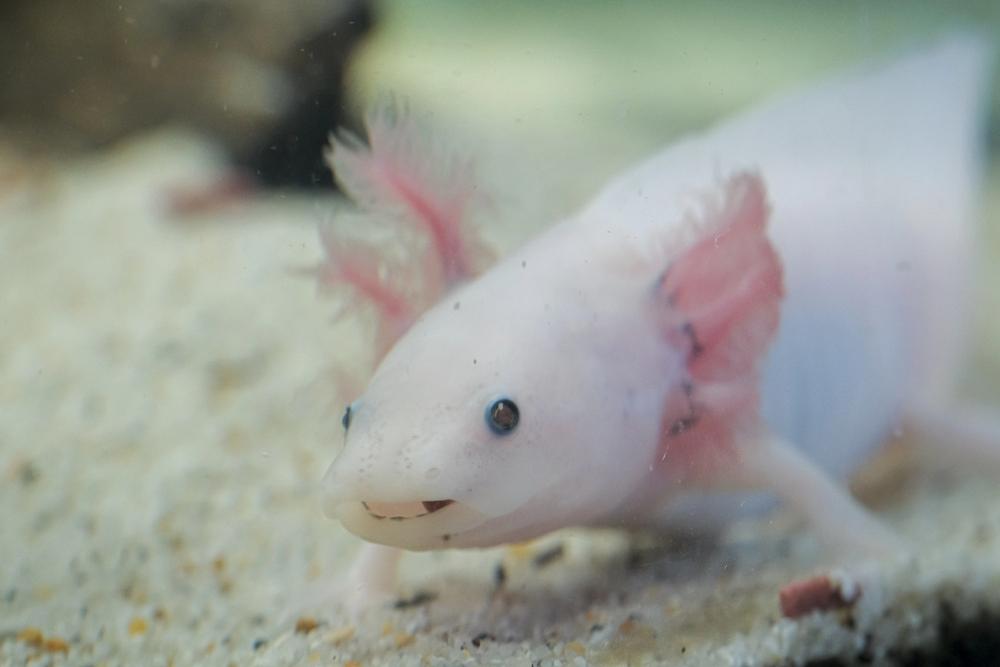
Axolotls never “grow up” in the usual way. They keep their feathery gills and tail their whole life a trait called neoteny. They stay little water dwellers forever and never turn into land salamanders. That youthful look stays with them, making them feel timeless in the tank.
They regrow almost anything
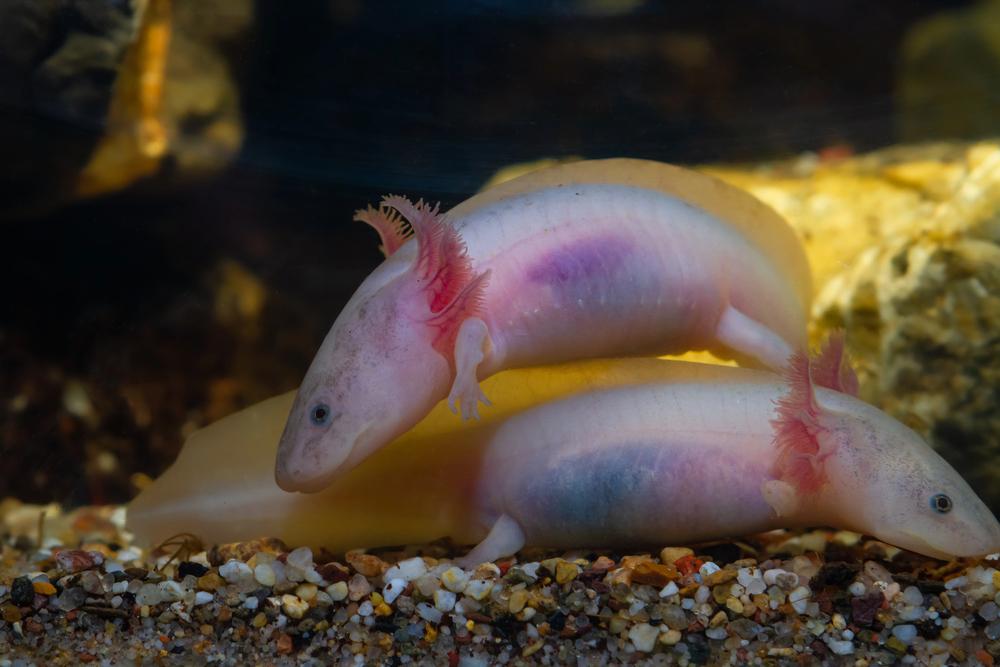
If an axolotl loses a leg, tail, or even part of its heart or spinal cord, it simply grows it back. No scars. Science still studies this keen ability, hoping it can one day benefit humans. It’s like a hidden superpower, quietly waiting in a little pet’s body.
They come in fun colors
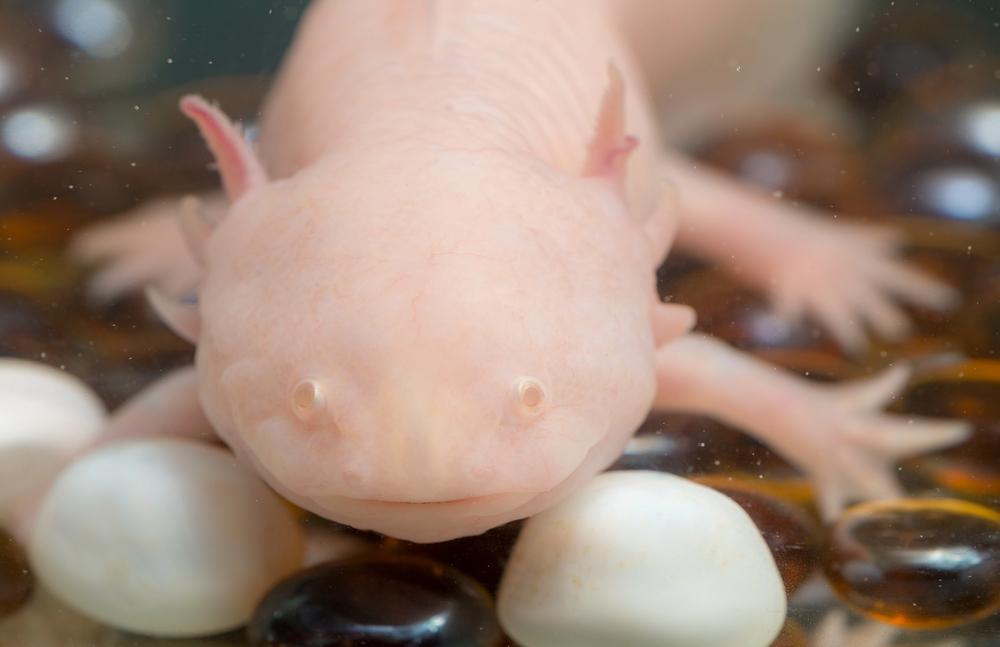
In the wild, these creatures blend with browns and greens. But in tanks, they rock whites, pinks, greys, golds, and sometimes spots. Their frilly gills often glow bright red or pink against their lighter skin. No two are exactly alike, and their look never stops being interesting.
They breathe with gills, skin, and lungs
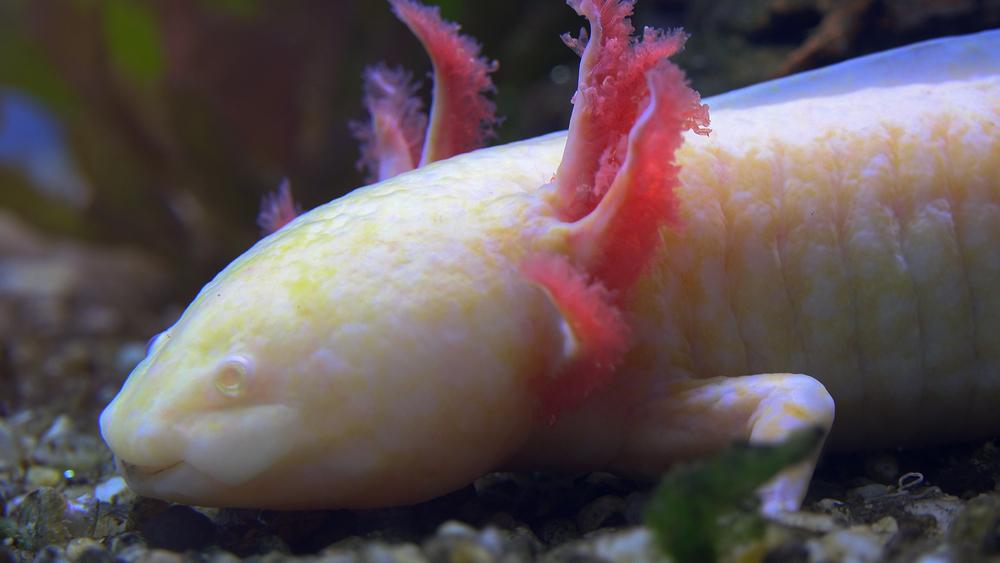
Their breathing setup is clever: they take in oxygen through feathery gills, their skin, and a set of simple lungs. That gives them a safety net if one method isn’t quite right. As long as their water stays clean and cool, they breathe easy and so do their owners.
They have a huge genome
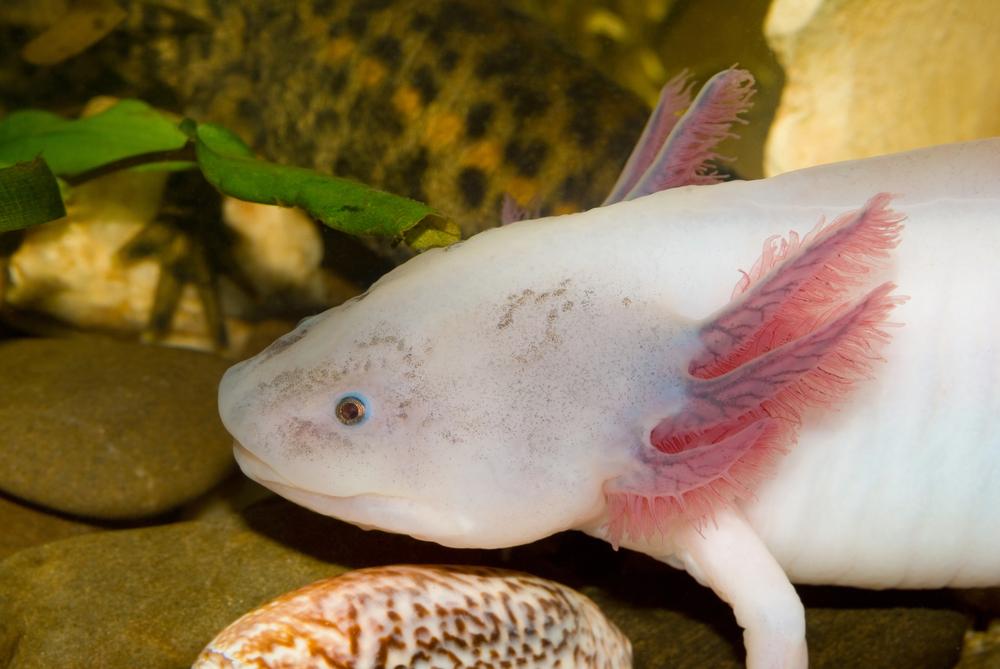
Axolotls carry a gigantic genome much bigger than a human’s. That makes them odd in a science lab and super useful for research. Scientists hope understanding that big set of genes might help humans one day. It’s weird and wonderful all at once.
They always look like they’re smiling
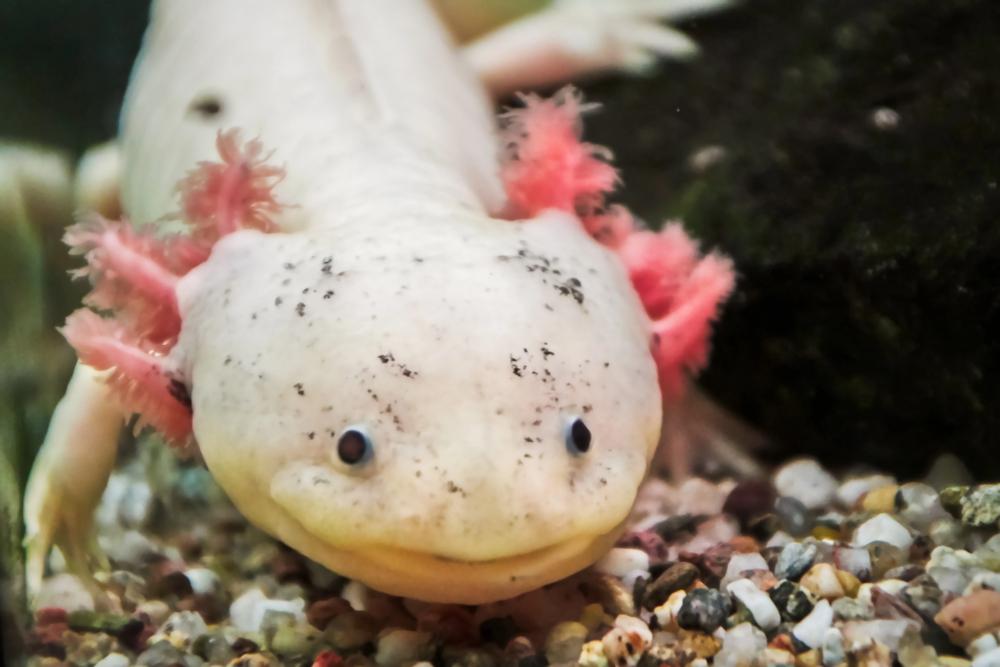
Their faces just look happy all the time. It’s not mood, just how they’re built. But it’s hard not to smile back when you see it. That natural cheerful vibe makes them warm and engaging companions.
They dance to mate
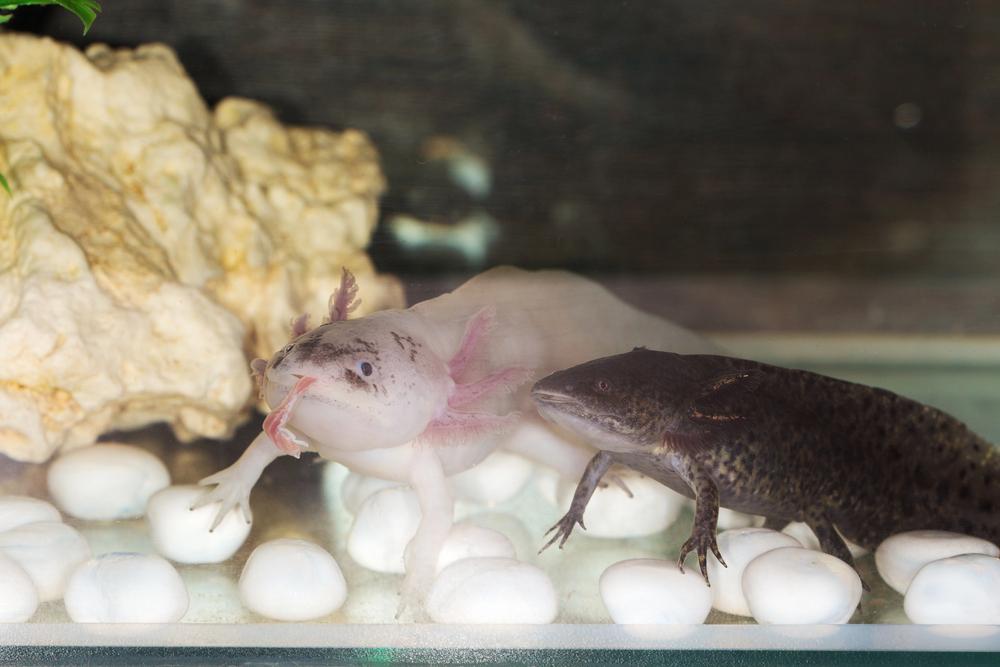
When it’s time to pair up, axolotls shimmy and shiver across the tank floor, tails wagging like they’re saying hello. It’s a quiet, slow kind of courtship charming in its way. It might not be flashy, but it’s definitely cute.
They suck in food
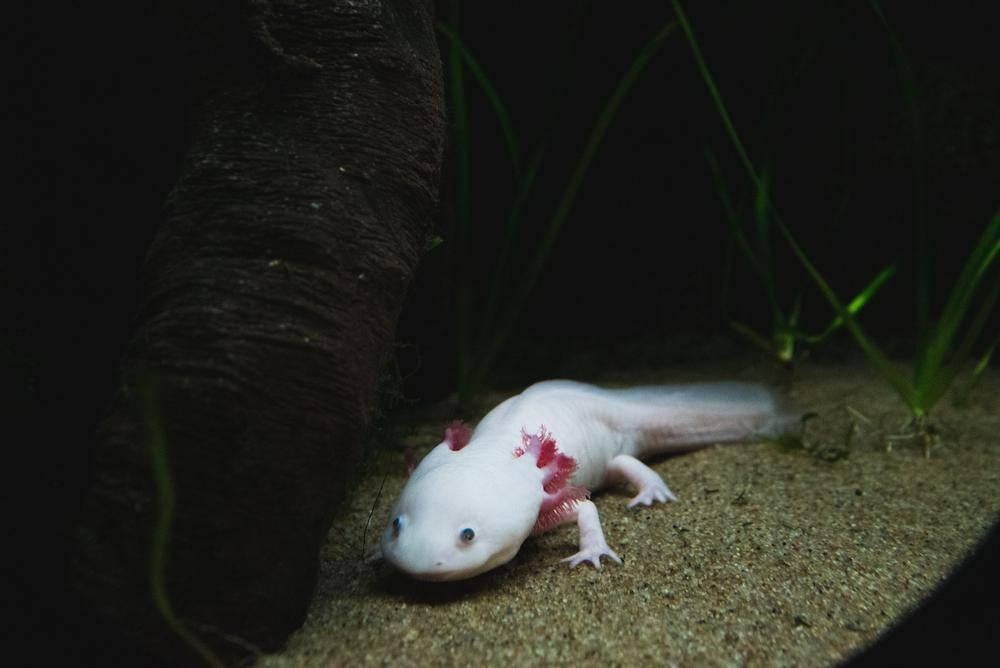
They don’t chew. Instead, they suck snacks into their mouths like little water vacuums. Soft foods like worms or special pellets are their favorite. Watching them eat is oddly satisfying and funny to see.
They can nip each other when young
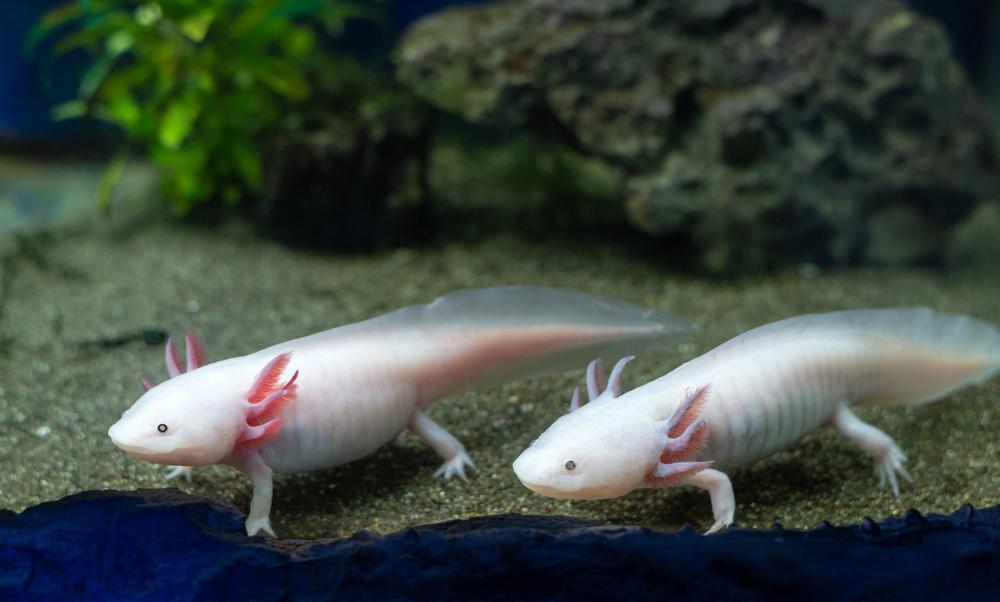
Baby axolotls sometimes bite each other not because they’re mean but because they’re curious. The good news is they can regrow what they lose. Still, most owners separate them to avoid worry. As they grow, they usually mellow out.
They live a surprisingly long time
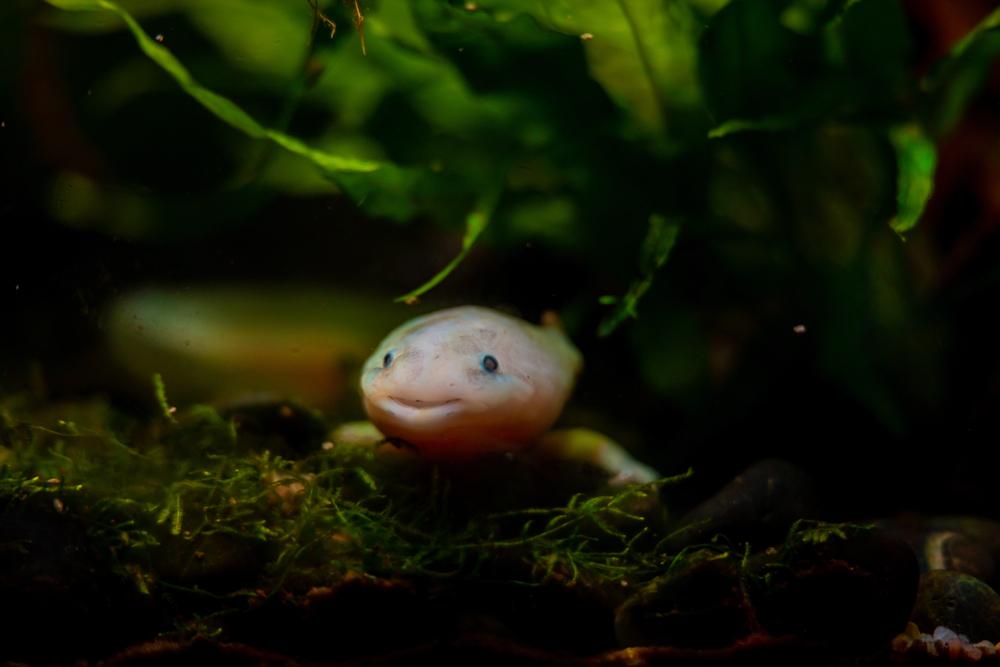
With the right care, they can stick around for up to 15 years. That’s a long friendship. Caring for one means cooler water, good food, and clean tank habits. And as they grow older, you get to grow attached one gentle tail flip at a time.
They need special tank care
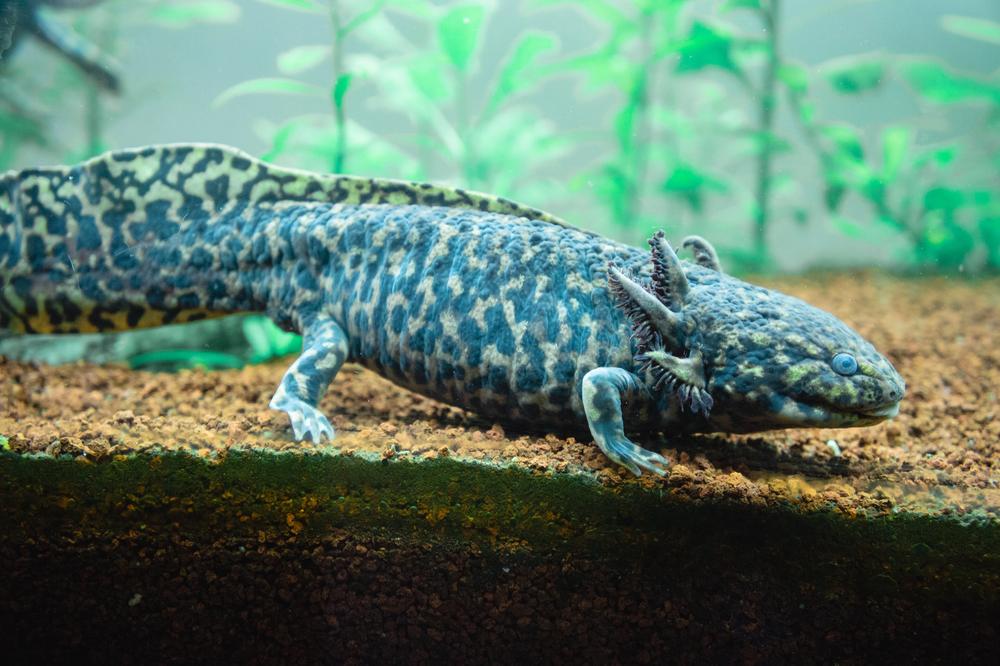
Axolotls like their tanks cool around 57 to 68 degrees Fahrenheit. They prefer smooth surfaces, no sharp or small gravel that might choke them. A gentle filter helps keep the water clean. It’s simple care, but the details matter.
Some places ban owning them
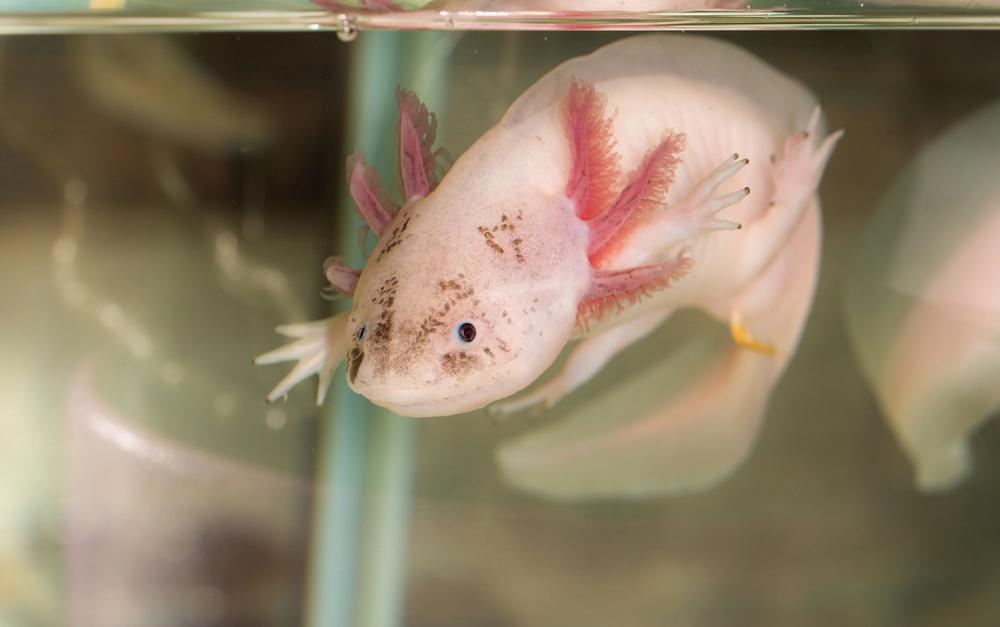
Since they’re endangered in the wild, laws in places like California and New Jersey prohibit owning axolotls. It’s important to check local rules before bringing one home. Responsible owners always source them from trusted breeders, not the wild.
They’re nearly extinct in the wild
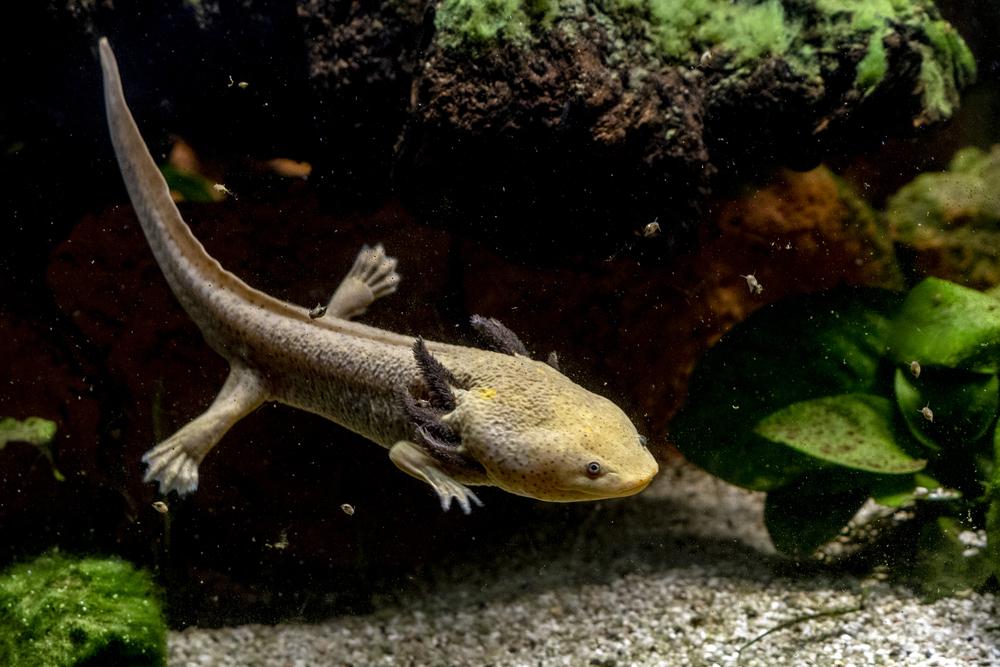
Axolotls used to swim freely in Mexican lakes. Now, only a very small few remain in nature. Pollution and city growth have made their homes dangerous. Still, they live on in homes and labs bringing joy even as their wild numbers shrink.
They’re beloved symbols in Mexico
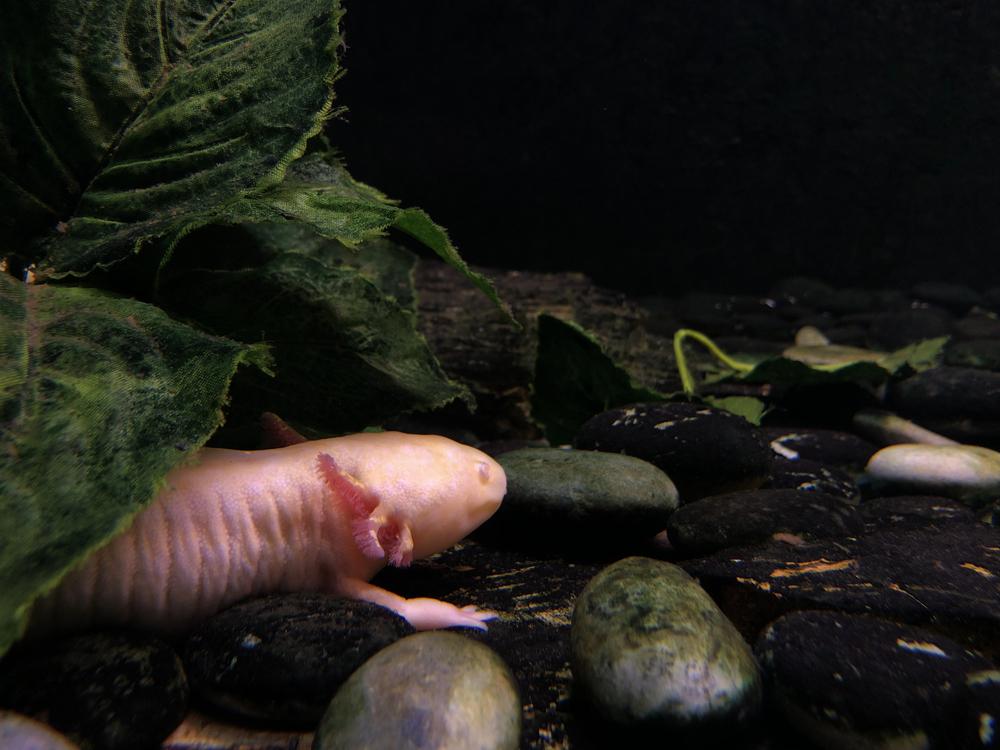
In Mexico, axolotls carry deep meaning. They’ve appeared in legends, money, and art. For many, they symbolize renewal and connection to the land. That cultural weight makes each one more than just a pet, it’s a living piece of heritage.
They glow in research
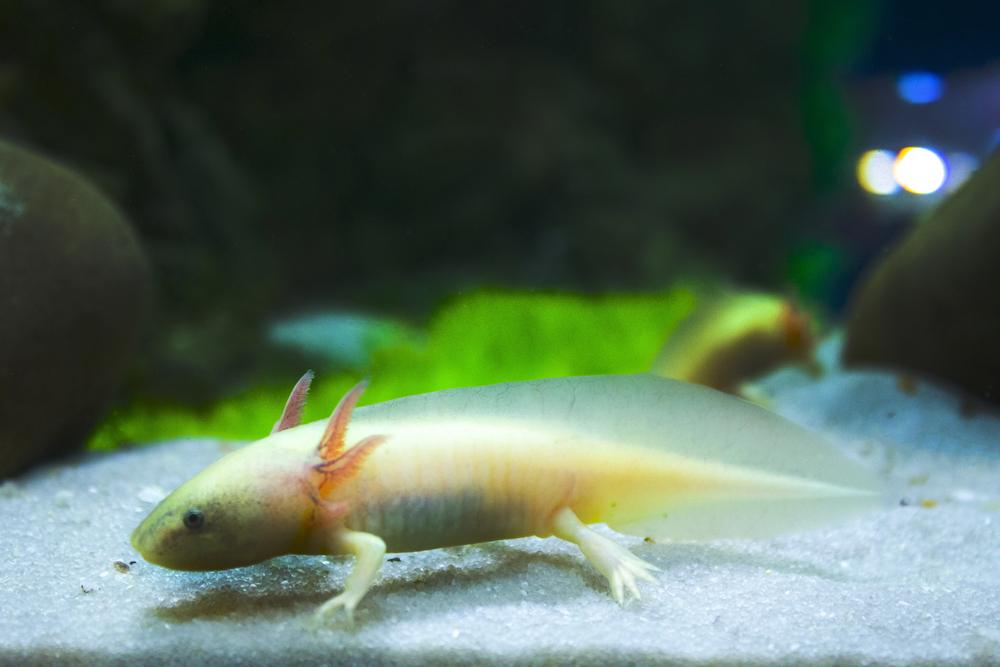
Some axolotls glow in labs, thanks to harmless tweaks from jellyfish genes. Scientists use that glow to track healing and development in real time. They don’t hurt, it’s purely for understanding science. And yes, watching those glowing paths is fascinating.
Why axolotls still capture our hearts today
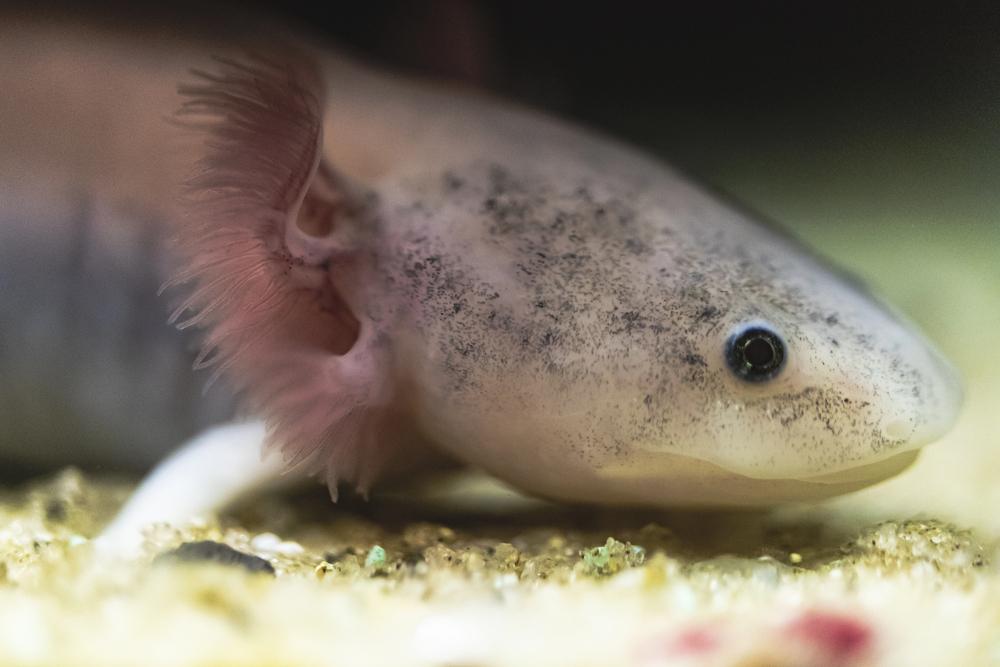
Axolotls bring together soft looks, hidden skills, and a peaceful presence in one tiny, silent companion. Their smile, their calm, and their healing secrets make them hard to ignore. Watching one is like slowing down the world for a moment. They don’t bark, chirp, or squeak but they still make themselves impossible to forget.
More from Go2Tutors!

- The Romanov Crown Jewels and Their Tragic Fate
- 13 Historical Mysteries That Science Still Can’t Solve
- Famous Hoaxes That Fooled the World for Years
- 15 Child Stars with Tragic Adult Lives
- 16 Famous Jewelry Pieces in History
Like Go2Tutors’s content? Follow us on MSN.