Foods That Were Once Used as Currency
Money hasn’t always looked like the bills and coins you carry today. For most of human history, people traded things they could touch, taste, and use.
Food made perfect sense as currency because everyone needed it, and certain foods lasted long enough to pass from hand to hand. Some foods became so valuable that entire economies ran on them.
Kingdoms rose and fell over control of these edible treasures. The story of what people once used as money tells you a lot about what they valued most.
Salt

You shake it on your fries without thinking twice. But salt once held such power that Roman soldiers received part of their pay in it.
The word “salary” comes from sal, the Latin word for salt. This wasn’t just about flavor. Before refrigeration, salt kept meat and fish from rotting.
It preserved harvests through harsh winters. Without it, food spoiled and people starved.
African and European traders built routes across deserts and oceans just to move salt. Cities formed where salt deposits existed.
Wars broke out over salt mines. In some regions, a pound of salt traded for a pound of gold.
That white crystal you barely notice today once determined who lived comfortably and who struggled to survive.
Cocoa Beans
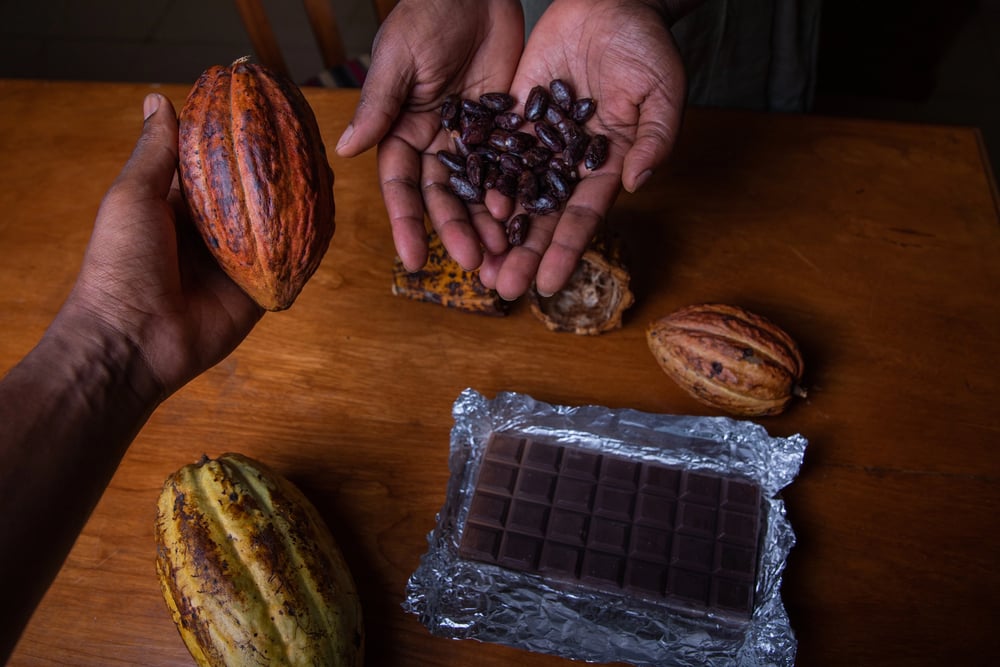
The Aztecs and Mayans treated cocoa beans like walking bank accounts. A rabbit cost ten beans.
A slave cost one hundred. You could buy a turkey for twenty beans or a small tomato for one.
The beans grew only in specific climates, which made them naturally scarce and valuable. People didn’t just trade cocoa beans because they tasted good when ground into drinks.
The beans were portable, countable, and lasted months without spoiling. Plus, everyone wanted them.
Counterfeiting did happen—people filled empty cacao shells with dirt—but the system worked for centuries. When Spanish conquistadors arrived, they quickly understood the value and started demanding tribute payments in cocoa beans.
Peppercorns
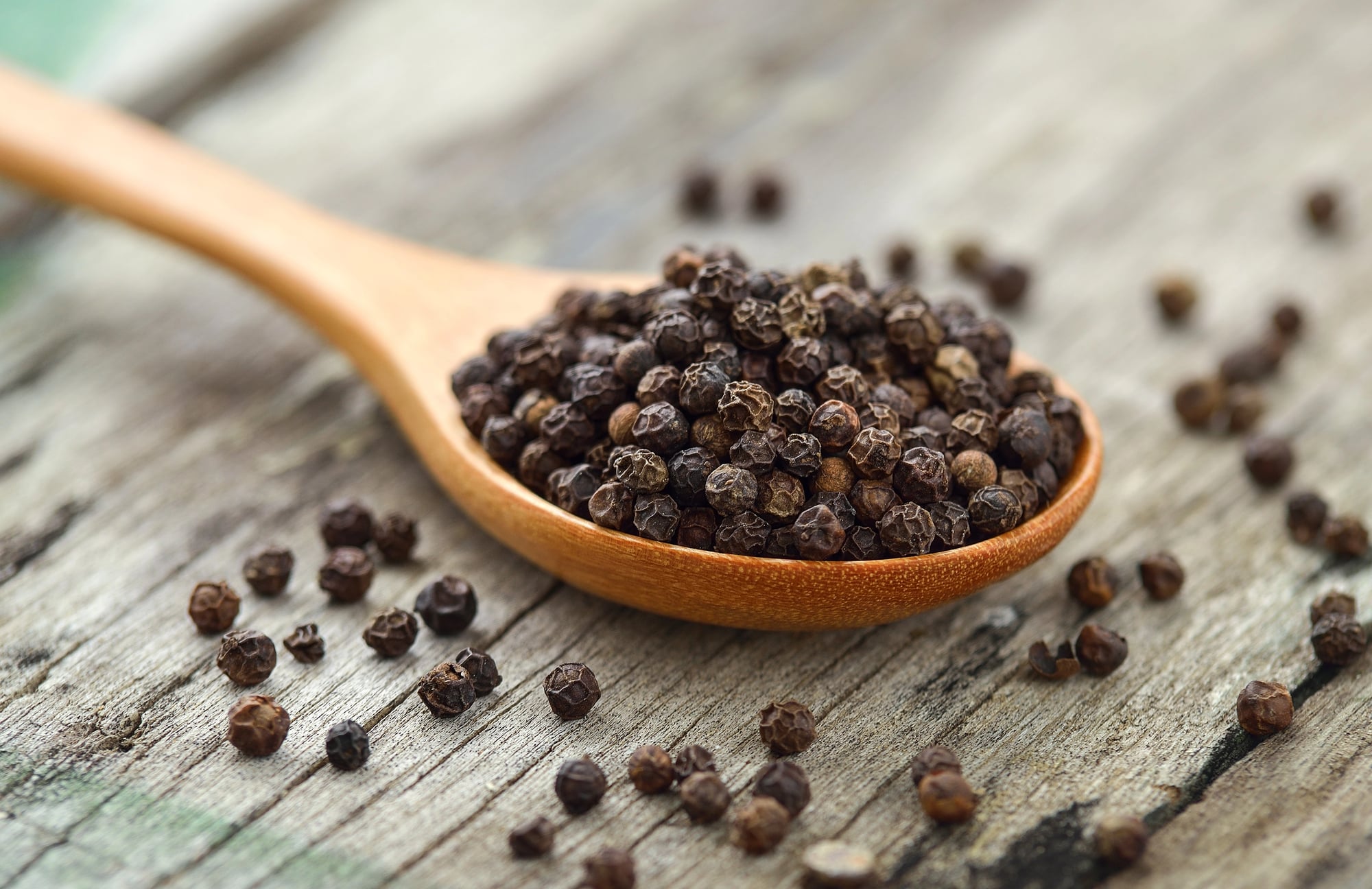
Black pepper seems ordinary now, but medieval Europeans treated peppercorns like tiny pieces of gold. Ships crossed dangerous seas to bring pepper from India to Europe.
Pirates and privateers targeted pepper shipments specifically. Some European cities accepted peppercorns as payment for taxes and rent.
The spice added flavor to food that would otherwise taste bland or help mask flavors when meat started turning. But more than that, pepper represented status.
Only the wealthy could afford to season their food regularly. Owning a pepper grinder meant something.
The phrase “peppercorn rent” comes from this era—it meant a nominal payment, though back then those peppercorns held real purchasing power.
Tea Bricks
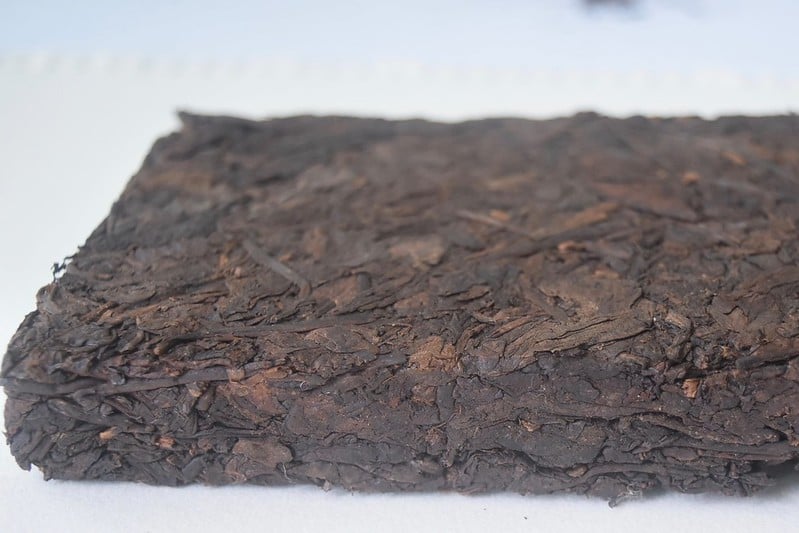
China and Mongolia created a clever form of money by compressing tea leaves into hard bricks. These blocks traveled better than loose tea, lasted years, and everyone wanted them.
You could shave off pieces to brew drinks, or you could trade the whole brick for goods and services. The bricks came in standard sizes and weights, which made transactions straightforward.
Merchants carved or stamped them with marks guaranteeing quality. Different grades of tea created different denominations—low-quality tea bricks for everyday purchases, high-quality ones for major transactions.
The system worked so well that tea bricks remained a currency in some parts of Asia into the 20th century.
Parmesan Cheese

Italian banks still accept Parmesan cheese as collateral for loans. That’s not a quirk—it’s based on centuries of tradition.
Real Parmigiano-Reggiano takes years to age and requires specific conditions to produce. Each wheel represents significant investment and expertise.
During the Renaissance, cheese makers used their aging wheels as security for business loans. The cheese actually gains value as it ages, unlike most currencies.
Banks store the wheels in climate-controlled vaults, waiting for them to mature. If the loan defaults, the bank sells the cheese.
The practice continues because Parmesan holds value reliably. A wheel can cost over a thousand dollars, and the market stays stable.
Dried Cod

Norway and other coastal nations built wealth on stockfish—cod split open and dried until it turned hard as wood. This dried fish lasted for years without refrigeration and provided protein that poor and rich alike needed.
Ships carried stockfish across oceans. Armies marched on it. Cities accepted it as payment for goods.
The fish needed no special storage beyond keeping it dry. You could break off pieces to cook or trade the whole fish.
Different sizes meant different values. The dried cod trade shaped the Age of Exploration—ships needed preserved protein for long voyages, and stockfish provided it.
Several languages still use “stockfish” in their words for inventory or stock because merchants literally counted dried fish as assets.
Rice
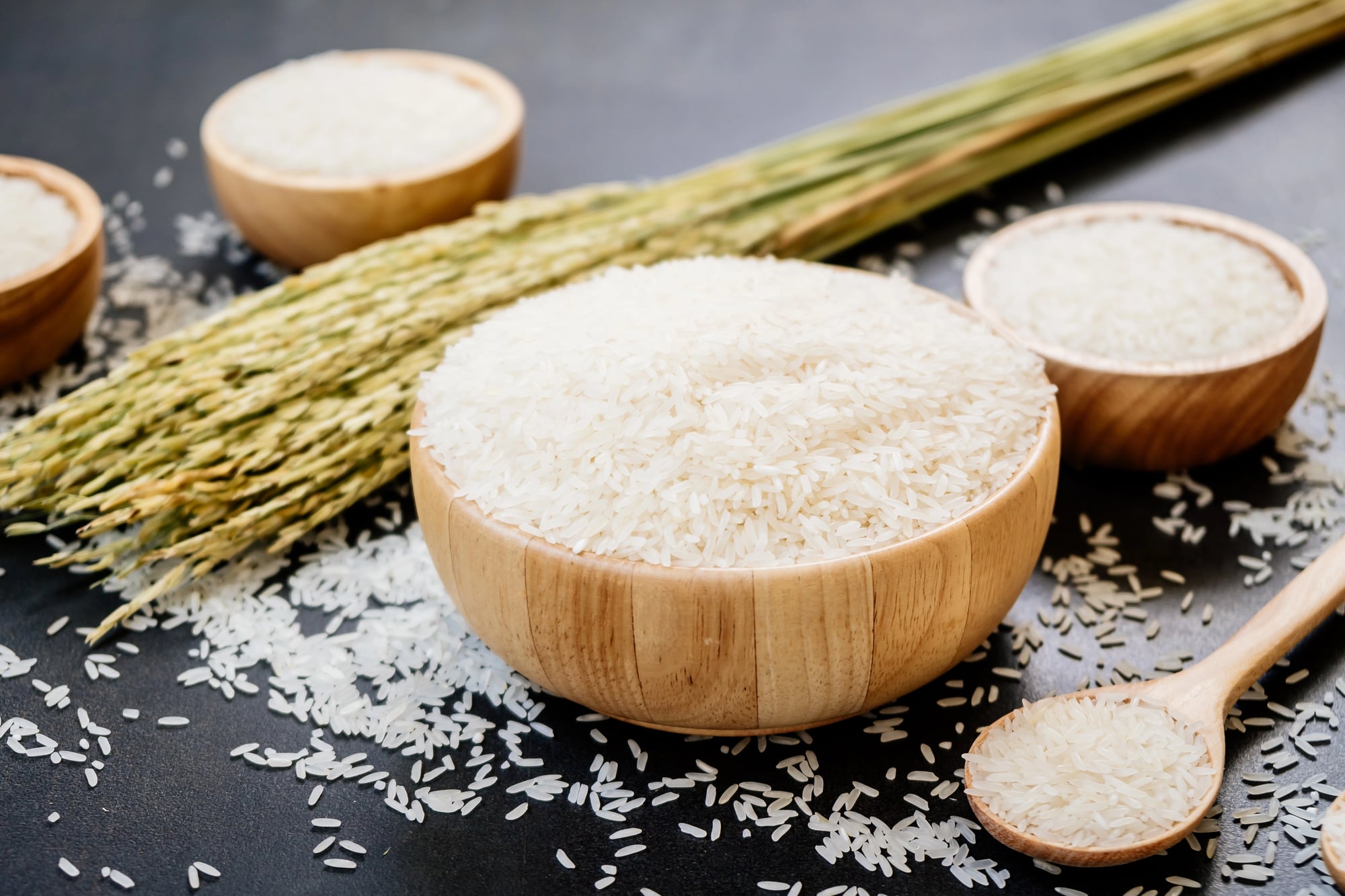
Asian economies ran on rice for thousands of years. Japanese feudal lords measured their wealth in koku—the amount of rice needed to feed one person for a year.
Samurai received payment in rice. Taxes came due in rice. The grain stored well, divided easily, and everyone needed it.
Rice currency created a direct link between land productivity and wealth. A lord with fertile lands could grow more rice and thus commanded more economic power.
The system also tied money to something real—you couldn’t just print more rice. You had to grow it, harvest it, and store it properly.
When rice harvests failed, economies collapsed.
Olive Oil
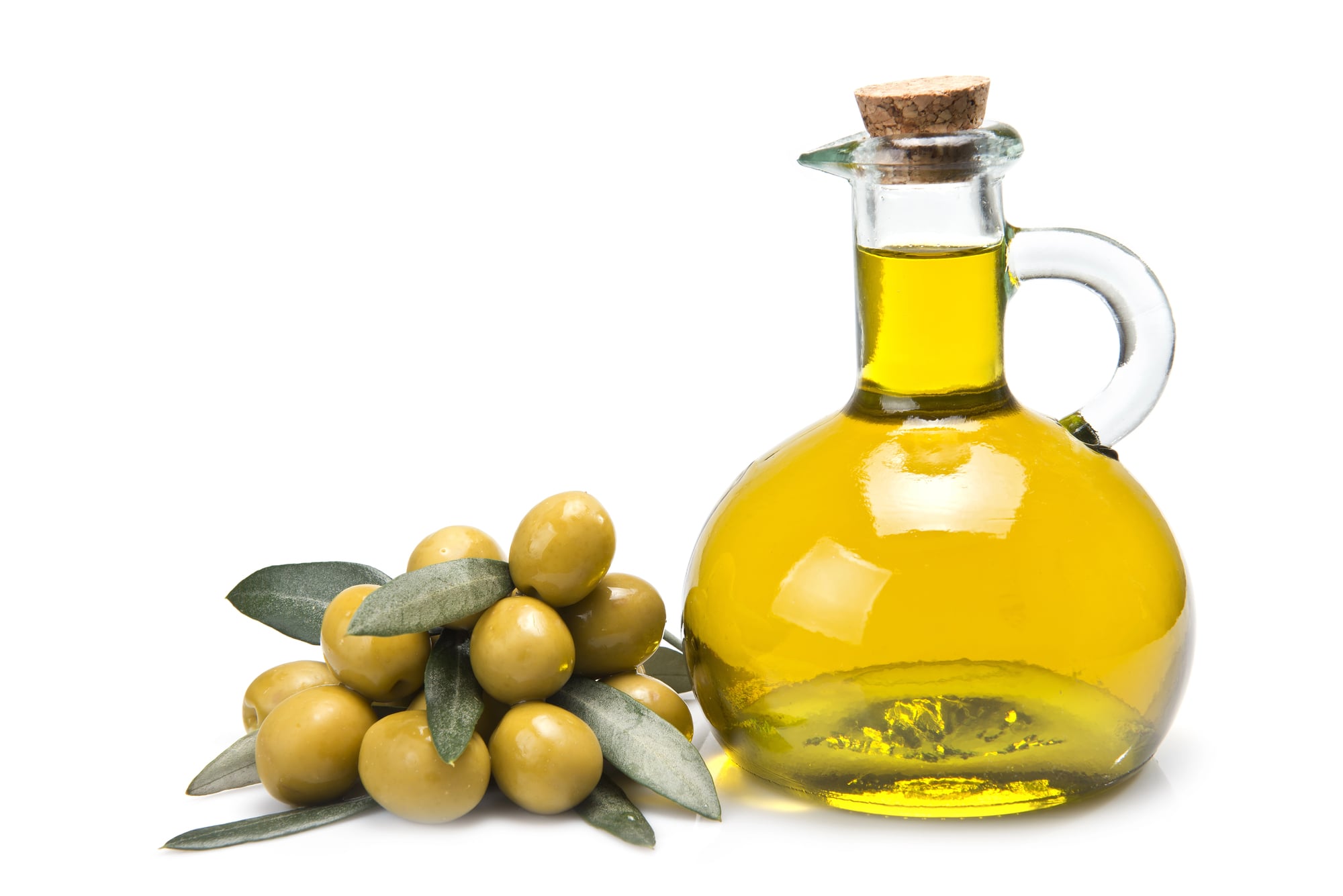
Mediterranean cultures valued olive oil as much as precious metals. The liquid provided light for lamps, seasoning for food, and medicine for wounds.
Amphorae of oil traveled on every trading ship. Cities stockpiled it. Temples accepted it as offerings.
The oil represented concentrated wealth. Olive trees took years to mature and produce.
Good oil required knowledge, labor, and the right climate. Stamps on amphorae guaranteed the source and quality, much like modern currency bears security features.
Ancient merchants calculated their net worth in jars of olive oil, and debt contracts specified payment in measures of the golden liquid.
Almonds
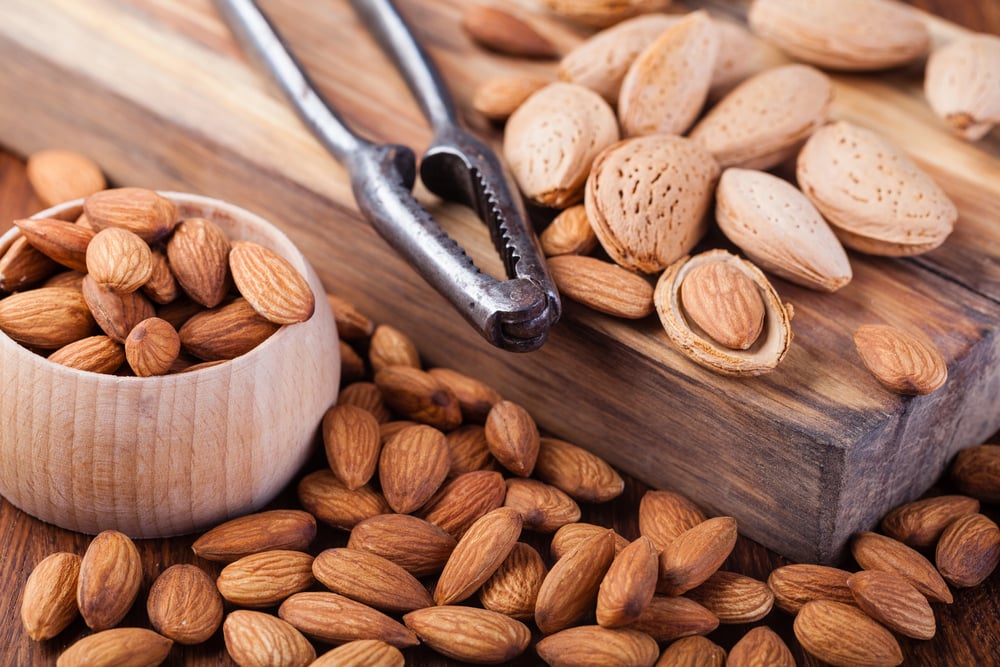
California farmers know almonds as a modern cash crop, but the nuts served as literal cash in ancient times. Almonds lasted for months, packed protein and calories, and grew only in certain regions.
They worked perfectly as currency—portable, valuable, and divisible. Phoenician traders carried almonds across the Mediterranean.
The nuts appeared in payment records and inheritance documents. Temples and palaces stockpiled them.
Unlike some currencies, you could actually eat your savings if times got desperate. The nuts also had cosmetic and medicinal uses, which added to their appeal.
A handful of almonds could buy essential goods at any market from Spain to Syria.
Sugar
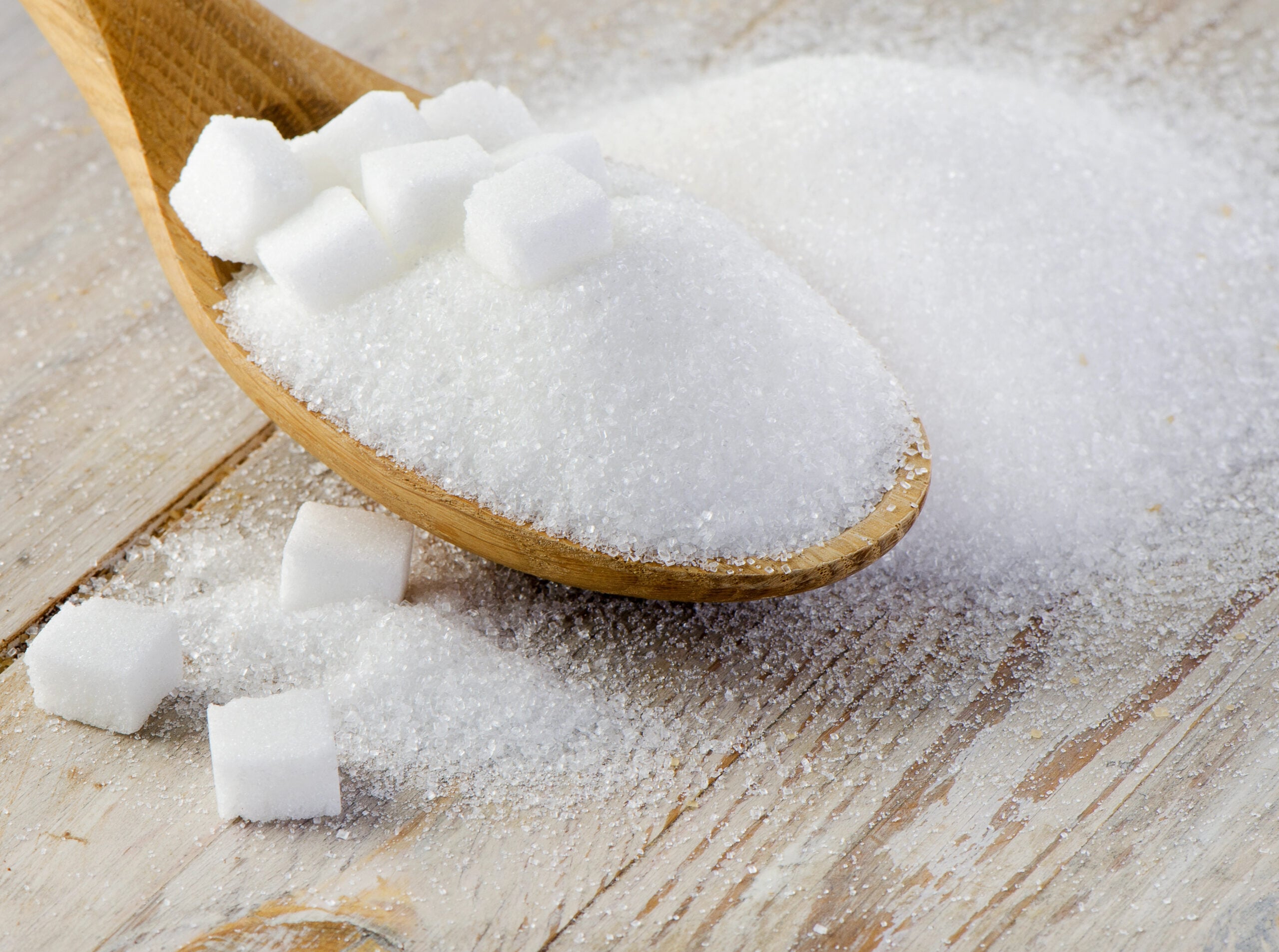
Caribbean sugar plantations generated so much wealth that European powers fought wars over tiny islands. Sugar arrived in Europe as an exotic luxury, and demand exploded immediately.
The sweetener became currency on plantations and in port cities. Ships carried blocks of raw sugar as cargo and as payment.
Sugar’s value came from its addictive nature and the backbreaking labor required to produce it. Refining added value—raw sugar blocks were worth less than refined loaves.
The sugar trade shaped global economics for centuries, creating fortunes for some while enslaving millions of others. A loaf of sugar represented months of field labor compressed into portable, tradeable form.
Wheat
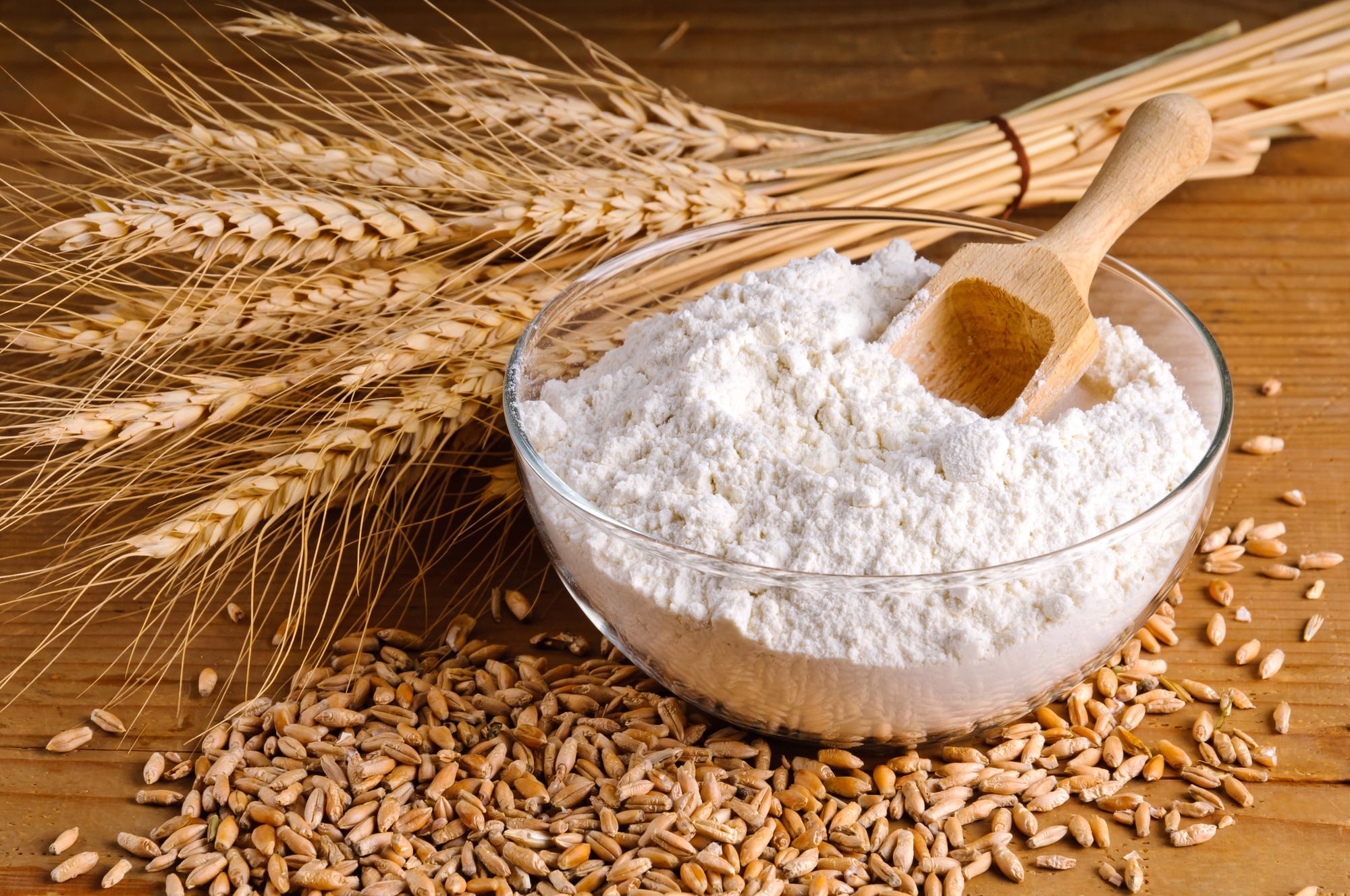
Ancient civilizations from Egypt to Rome based their economies on wheat. Pharaohs stored massive quantities in granaries.
Roman emperors distributed wheat to citizens to maintain stability. The grain moved between cities and nations as both food and money.
Wheat’s advantage over other currencies was its universal necessity. Everyone needed bread.
The grain is stored for years if kept dry and protected from pests. Standard measures like bushels made trading simple.
Tax collectors gathered wheat from farmers. Merchants sold goods for wheat. Wages came in wheat.
The system worked because the currency fed you if you couldn’t trade it for something else.
Butter
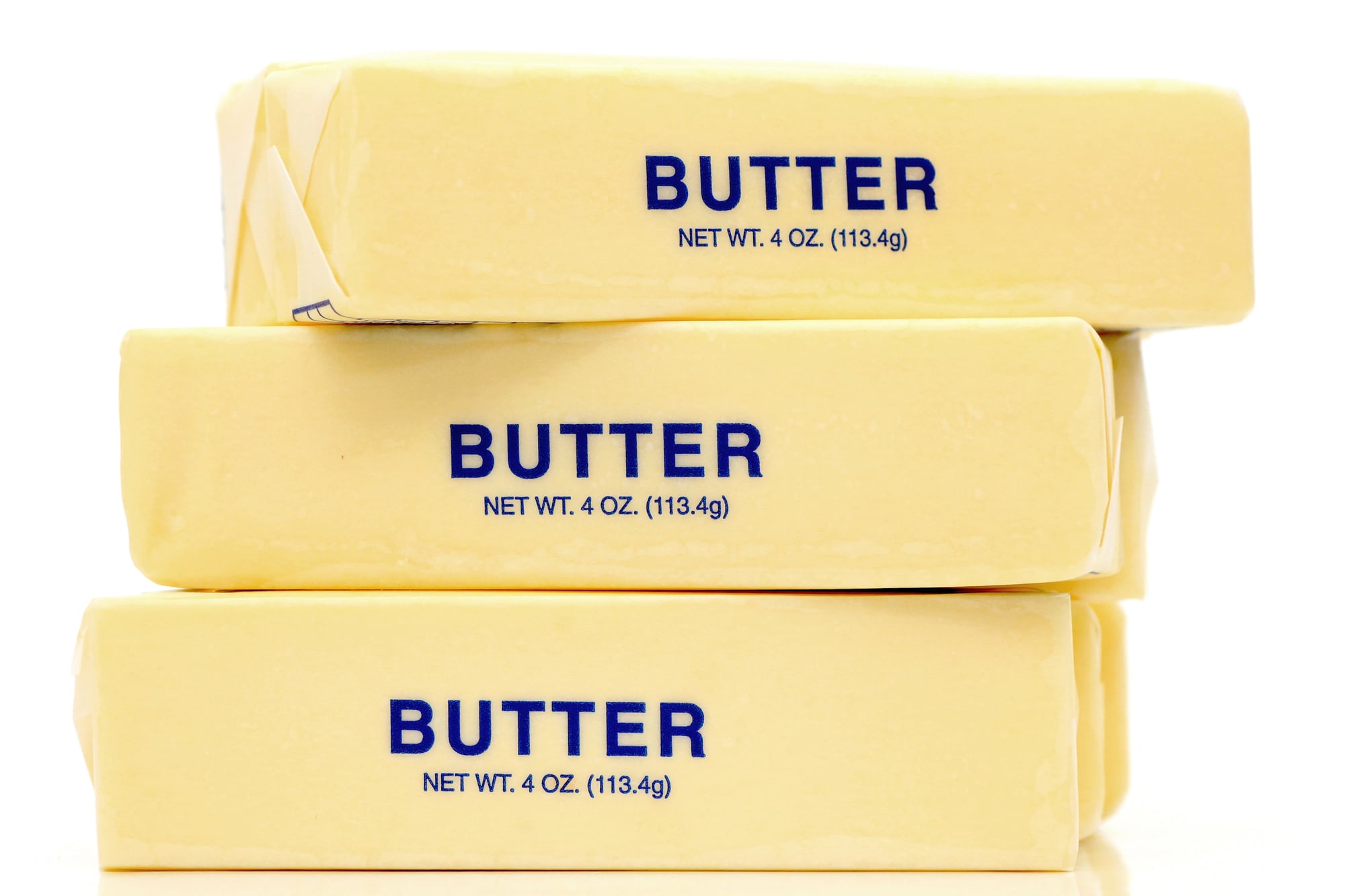
Nordic and Celtic peoples used butter as both currency and banking system. They buried firkins—small wooden barrels—of butter in peat bogs.
The acidic, oxygen-free environment preserved the butter for years or even centuries. Archaeologists still find these ancient deposits, and the butter looks remarkably unchanged.
Families used bog butter as savings accounts. You could deposit butter during good seasons and retrieve it during lean times.
The practice also served as currency—buried butter could be traded or used to pay debts. Different regions developed reputations for quality, which affected the value.
Some bog butter deposits might have represented wealth passed down through generations, waiting underground like ancient savings bonds.
Spices Beyond Pepper
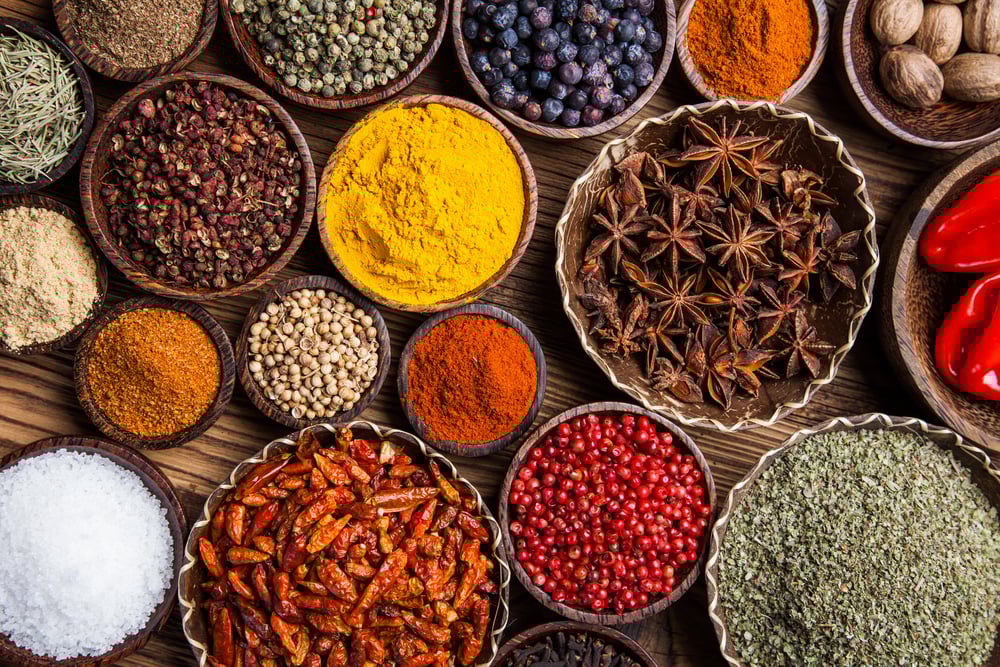
Cinnamon, cloves, nutmeg – also saffron – worked as money now and then. These seasonings packed huge worth into tiny spaces.
Instead of hauling gold by wagon, traders hauled spice fortunes on foot. Saffron needed heaps of delicate flower parts picked one by one, just to get a pinch of spice.
All that work? It turned threads into something you could trade like coins. Cinnamon grew on certain trees tucked far away, hidden on purpose.
Merchants kept those spots secret, tight-lipped and watchful. Once Europeans reached the Spice Islands themselves, it wasn’t new soil they struck – it was pure profit.
Running the spice game meant holding power over fortunes.
Where Value Lives
Strolling down a supermarket aisle, you overlook things that used to act like money. Salt – once worth its weight in gold – helped trade kingdoms.
Spices like pepper fueled long voyages instead of just seasoning food. Olive oil lit ancient cities, not just salads today.
Scarcity shapes what we value most. Something ordinary now could’ve been priceless centuries ago.
These food-based currencies made sense – they fixed a simple issue: swapping goods when each person wanted something else.
Cash’s got three jobs: hold worth, split without hassle, stay usable after plenty of exchanges. Edible money handled every one of those tasks – and fed folks too.
Perhaps today’s cash is odder than we think: bits on screens or paper you can’t even chew. The foods once used as cash show how value began with what kept people alive.
All later forms are just symbols of that first, real nourishment.
More from Go2Tutors!

- The Romanov Crown Jewels and Their Tragic Fate
- 13 Historical Mysteries That Science Still Can’t Solve
- Famous Hoaxes That Fooled the World for Years
- 15 Child Stars with Tragic Adult Lives
- 16 Famous Jewelry Pieces in History
Like Go2Tutors’s content? Follow us on MSN.