15 Background Figures Who Reshaped History
History has a habit of centering the same names. The generals, the monarchs, the inventors who gave their name to the thing they made.
But for every famous face on a coin or a monument, there are people whose decisions, ideas, and quiet work shifted the course of events just as much — sometimes more. You just don’t hear about them. These are 15 of those people.
1. Joseph Bazalgette — The Man Who Saved London from Itself
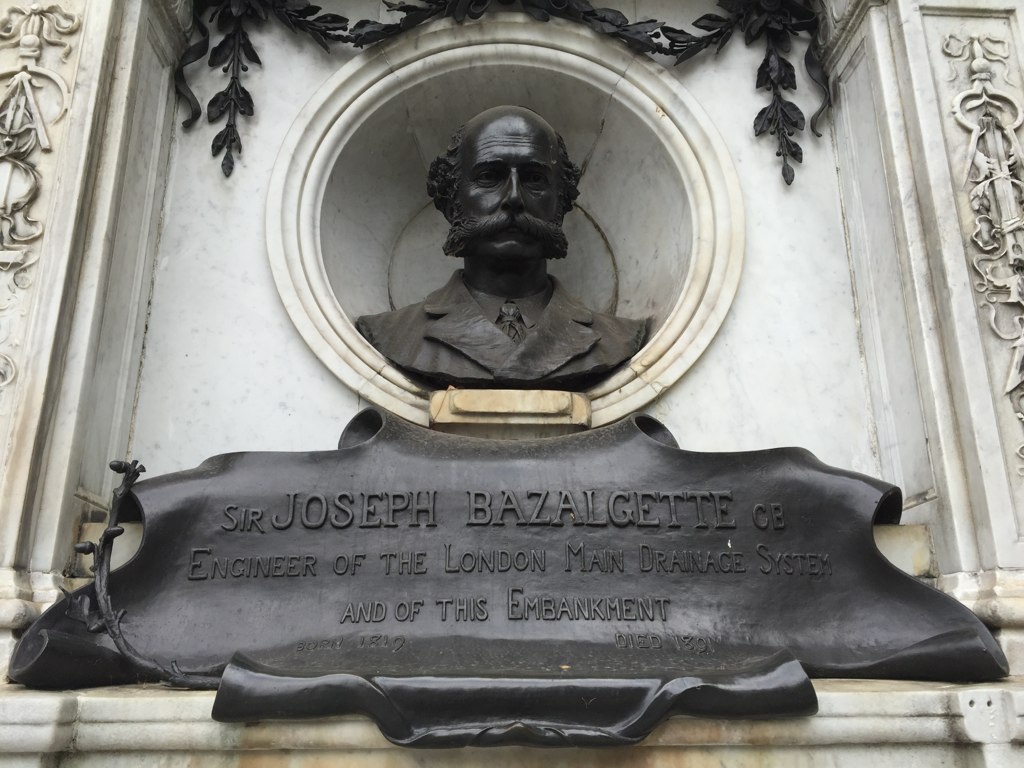
In 1858, London’s River Thames smelled so horrific that Parliament had to adjourn. The city’s sewage drained directly into its drinking water, and cholera epidemics killed tens of thousands. Joseph Bazalgette, chief engineer of London’s Metropolitan Board of Works, designed and built a sewer system so well-engineered that much of it still functions today.
He didn’t just solve a plumbing problem. He ended the cholera outbreaks and proved that public health infrastructure could save more lives than any medicine available at the time.
Modern urban sanitation traces a direct line back to his work beneath London’s streets.
2. Stanislav Petrov — The Man Who Didn’t Press the Button
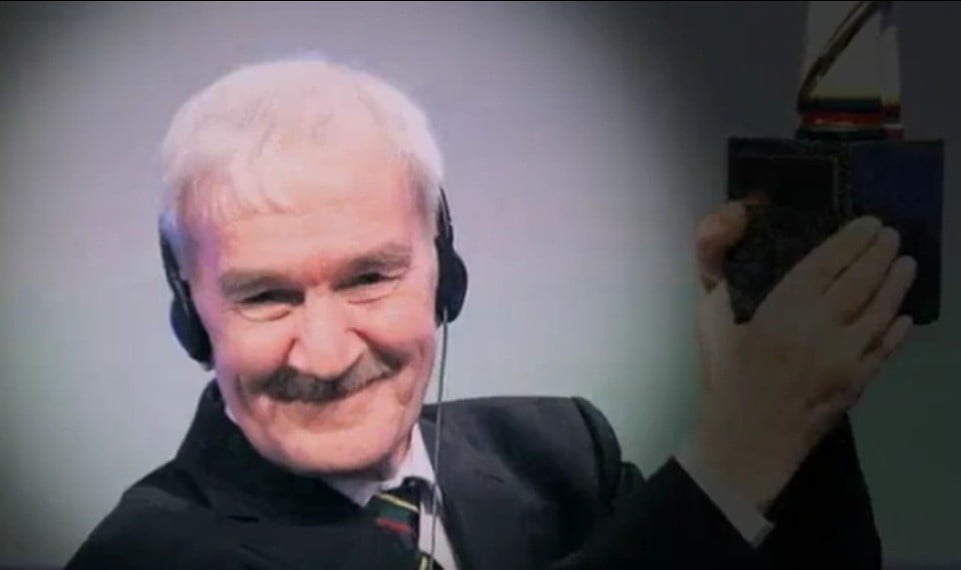
On September 26, 1983, a Soviet early-warning system reported that the United States had launched five nuclear missiles toward the USSR. Stanislav Petrov, a lieutenant colonel on duty that night, had minutes to decide whether to report it up the chain of command — which almost certainly would have triggered a retaliatory launch.
He decided it was a false alarm. It was.
A satellite malfunction had caused the error. Petrov’s hesitation, his instinct that launching only five missiles didn’t match an actual first strike, likely prevented nuclear war.
He was neither celebrated nor promoted for it. For years, almost nobody knew his name.
3. Fritz Haber and the Nitrogen That Fed the World

This one is complicated. Fritz Haber developed the Haber-Bosch process in the early 1900s — a method for synthesizing ammonia from nitrogen in the air. That process became the foundation of artificial fertilizer, which enabled the food supply to support a global population that would otherwise have faced mass famine.
Roughly half the nitrogen in the human body today comes from this process. Billions of people exist because of it.
Haber also developed chemical weapons used in World War I. He’s one of history’s most morally difficult figures — a person whose work fed billions and also caused tremendous suffering.
History rarely makes room for that kind of complexity.
4. Alice Augusta — The Forgotten Leprosy Treatment

In 1915, at 23 years old, Alice Augusta developed the first effective injectable treatment for leprosy. She was a Black chemist working at the University of Hawaii at a time when both her race and her gender placed enormous obstacles in her path.
She died before publishing her findings. A male colleague published the research without crediting her, and for decades the treatment was known by his name.
It took until the 1970s for historians to begin piecing together what really happened, and until 2000 for Hawaii to formally acknowledge her contribution.
5. Ignaz Semmelweis — Rejected for Being Right
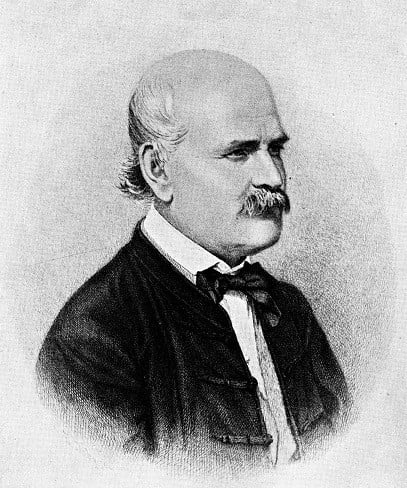
In the 1840s, Ignaz Semmelweis noticed that mortality rates in maternity wards dropped sharply when doctors washed their hands. He started requiring it in his clinic.
Death rates fell from around 10–35% to under 2%. The medical establishment rejected him.
The idea that doctors themselves were spreading disease was offensive to them. Semmelweis grew increasingly desperate, unable to convince anyone to adopt the practice.
He died in an asylum in 1865, still dismissed. Within years of his death, Louis Pasteur’s germ theory vindicated everything he’d argued.
Handwashing became standard. But the field moved on without giving him much credit.
6. Mary Anning — The Fossil Hunter Who Built Paleontology
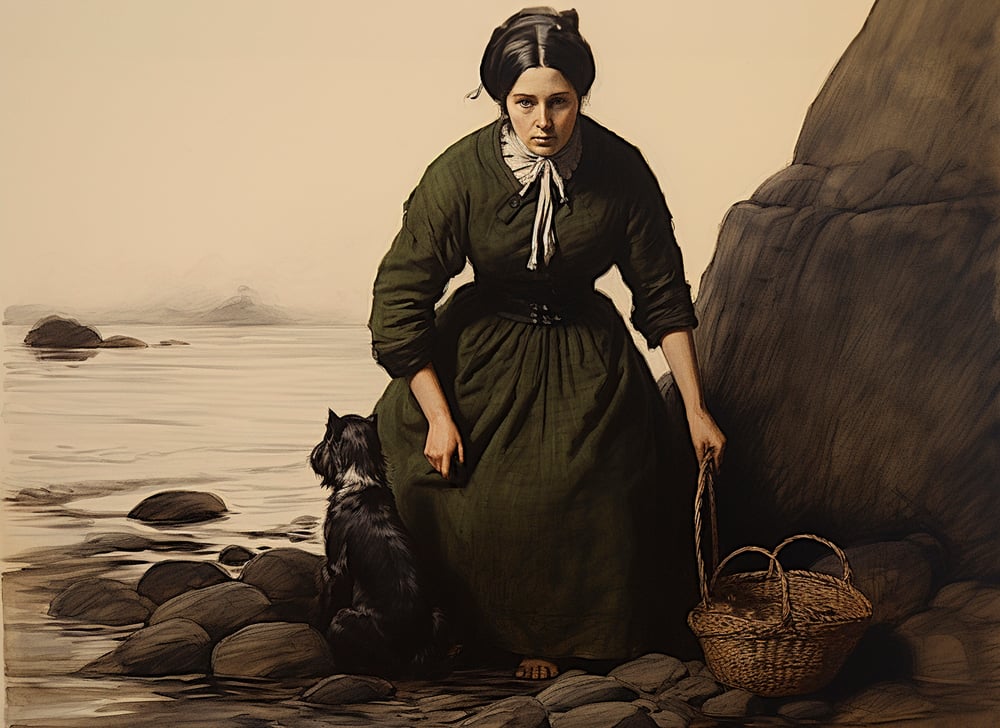
Mary Anning spent her life on the cliffs of Dorset in England, digging out fossils and selling them to scientists and collectors. She discovered the first complete Ichthyosaurus, the first Plesiosaurus, and numerous other specimens that fundamentally changed how scientists understood prehistoric life.
She was a working-class woman with no formal education in a field dominated by wealthy men. The scientists who purchased her finds and published papers based on them rarely mentioned her name.
The Geological Society of London didn’t even admit women when Anning was at the height of her work. She is widely believed to be the inspiration for the tongue twister “she sells seashells by the seashore.”
The poems don’t cover the part where she built the scientific foundation of an entire discipline.
7. Harry Patch’s Generation — The Unheard Witnesses

Harry Patch wasn’t a general or a strategist. He was a British soldier who survived World War I and became, by the time of his death in 2009, the last surviving combat veteran of that war.
He spent most of his life not talking about it. Then, in his final years, he started.
Patch’s testimony — and that of the last living witnesses from the trenches — represents something historians can never fully recover once it’s gone. The specific texture of what war felt like from inside it.
His words, recorded and preserved, changed how a generation of Britons understood what their great-grandparents endured. One man’s willingness to speak, very late in life, shifted the emotional understanding of an entire conflict.
8. Rosalind Franklin — The Photograph That Changed Everything

Most people know that Watson and Crick discovered the double helix structure of DNA. Fewer know that their insight was heavily shaped by Photo 51 — an X-ray crystallography image taken by Rosalind Franklin, shown to Watson without her knowledge or permission.
Franklin’s meticulous work was instrumental. She didn’t receive credit when Watson, Crick, and Wilkins won the Nobel Prize in 1962.
She had died of cancer four years earlier, and the Nobel isn’t awarded posthumously. Her reputation has been substantially rehabilitated since, but for a long time she was a footnote in a story she helped write.
9. Paul Otlet — The Man Who Imagined the Internet in 1934
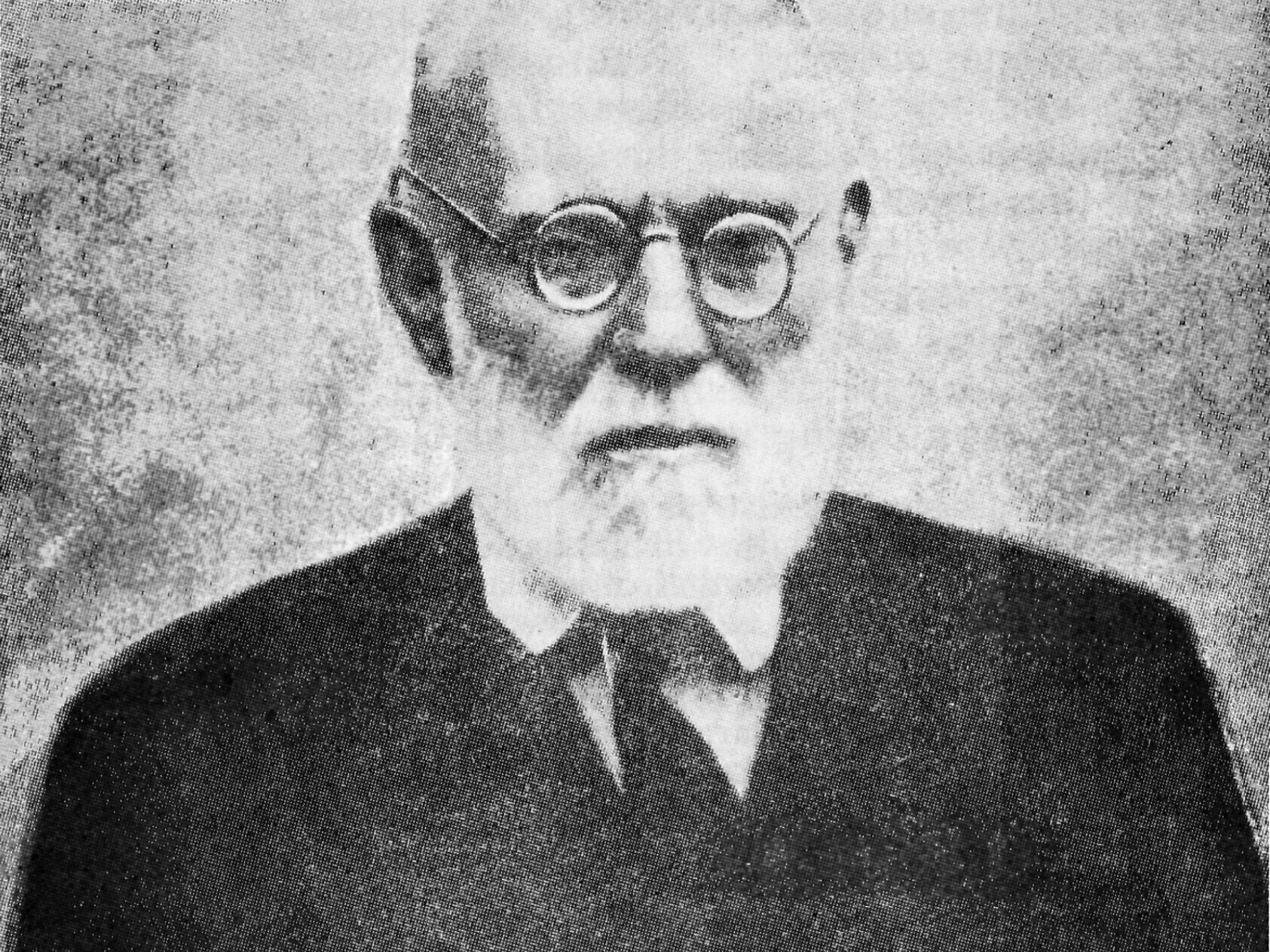
Before the web, before computers as most people understand them, a Belgian bibliographer named Paul Otlet described a global network of documents, linked and searchable, that anyone could query from a distance. He called it the Mundaneum.
He built a physical version of it — millions of index cards catalogued and cross-referenced in Brussels. Users could send in research questions by telegram and receive answers.
At its peak, the Mundaneum was answering 1,500 queries a year. The Nazis destroyed much of it in 1940.
Otlet died in 1944, largely forgotten. When web pioneers rediscovered his work in the 1990s, the parallels to the internet were striking enough that some called him a visionary decades ahead of his time.
10. Chiune Sugihara — The Consul Who Wrote Until His Hand Hurt

In 1940, Chiune Sugihara was a Japanese vice-consul in Lithuania. Jewish refugees were flooding the border, desperate for transit visas to escape the Nazi advance.
Tokyo refused his repeated requests to issue them. He issued the visas anyway.
For 29 days, Sugihara wrote visas by hand, up to 300 a day, until he left his post. As his train pulled out of the station, he continued passing visas through the window to the crowd on the platform.
Estimates suggest he saved between 2,000 and 6,000 lives. He was dismissed from the foreign service afterward.
He spent decades working low-wage jobs. Japan didn’t formally acknowledge what he did until 1991.
11. Henrietta Lacks — The Cells That Never Stopped Working

In 1951, a sample of Henrietta Lacks’ cancer cells was taken during her treatment at Johns Hopkins Hospital. Those cells, called HeLa cells, turned out to be the first human cells that could survive and reproduce indefinitely in a lab.
They became foundational to 20th century medicine. Researchers used HeLa cells to develop the polio vaccine, to study cancer, to advance genetics research, and in countless other breakthroughs.
They’re still in use today. Henrietta Lacks never gave her consent.
Her family didn’t know for decades. The biotechnology industry built fortunes on cells taken without her knowledge.
The ethics of that have been argued about ever since, but her contribution to medicine is beyond dispute.
12. John Snow — The Doctor Who Mapped a Killer
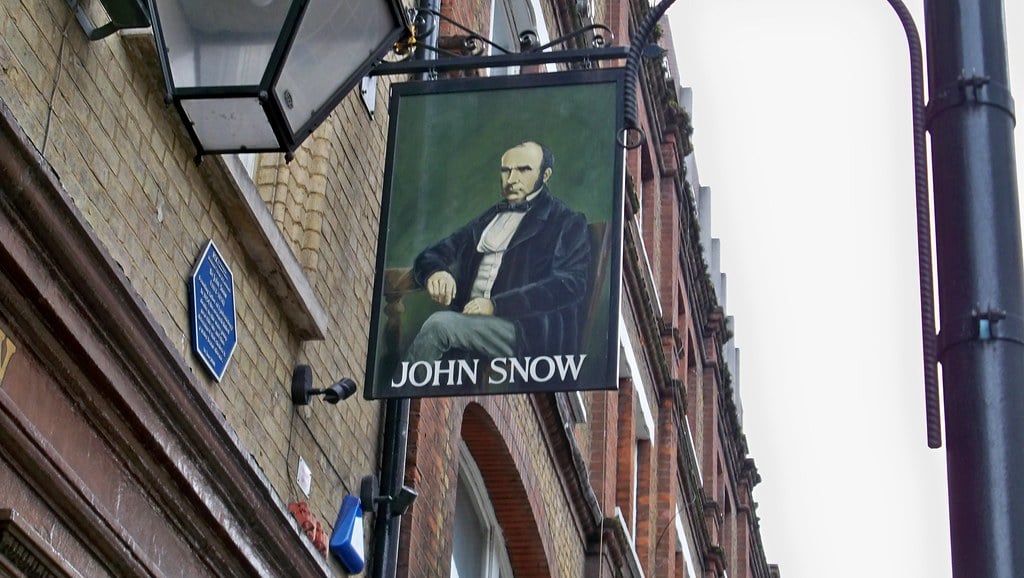
That summer of 1854, when sickness spread fast through Soho, a doctor named John Snow began marking spots where people fell ill. House by house, he spoke with neighbors, listening closely.
Each fatality found its place pinned to his chart. No one before had drawn such a picture of disease.
A clue in the layout led straight to one pump, right on Broad Street. Out there in London, the pump handle came off because he persuaded officials.
Things started calming down after that. Not only did his actions halt the spread back then, yet they shaped how we track disease patterns now.
Modern efforts to follow who infected whom trace back to his moves during those tough weeks in the 1800s.
13. Vasili Arkhipov Refused When Others Would Have Agreed
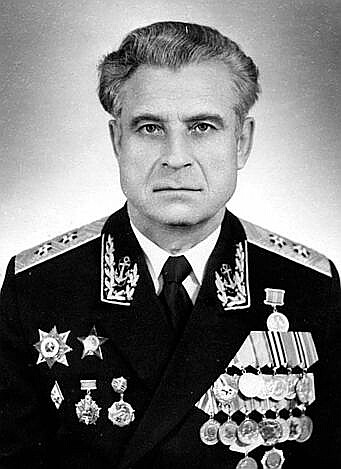
That October in 1962, right in the middle of the Cuban Missile Crisis, a Soviet sub got hit with depth charges from American ships. Out of touch with Moscow, the sailors inside had no clue if fighting had already broken out.
With tension high, the commander pushed to fire a nuclear torpedo. On Soviet subs, big choices needed yes from three top officers.
Yet Arkhipov said no. Had he not said no, American ships would face a nuclear blast.
At the peak of Cold War tension, such an act might spiral beyond control. He passed away in nineteen ninety eight.
People did not learn about his actions until many years later.
14. Ada Lovelace Wrote Code Before Computers Existed
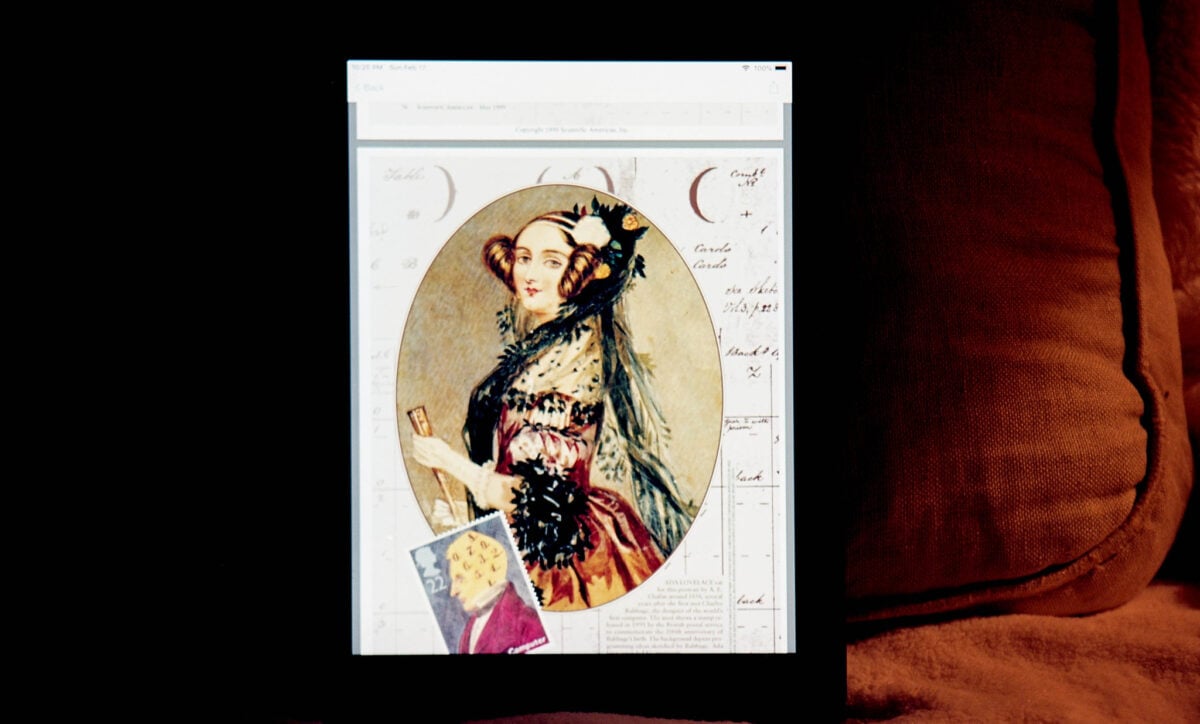
Back in the 1840s, Ada Lovelace teamed up with Charles Babbage while he was building his Analytical Engine – a complex mechanical computer that never got finished. Instead of just repeating Babbage’s ideas, her notes pushed further, diving into details he hadn’t explored.
Using clear examples, she showed how the device might calculate number patterns step by step. Hidden inside those writings sits what many now call the very first program designed for a machine to run.
It dawned on her what escaped Babbage – he never quite spelled it out – that the device might follow rules to shift symbols around, opening doors well beyond mere number crunching. A woman passed away at age thirty-six, soon fading from memory.
Yet when researchers started uncovering programming’s roots decades later, there she stood – already present long before their search even began.
15. Philo of Alexandria Forgotten Link Between Worlds
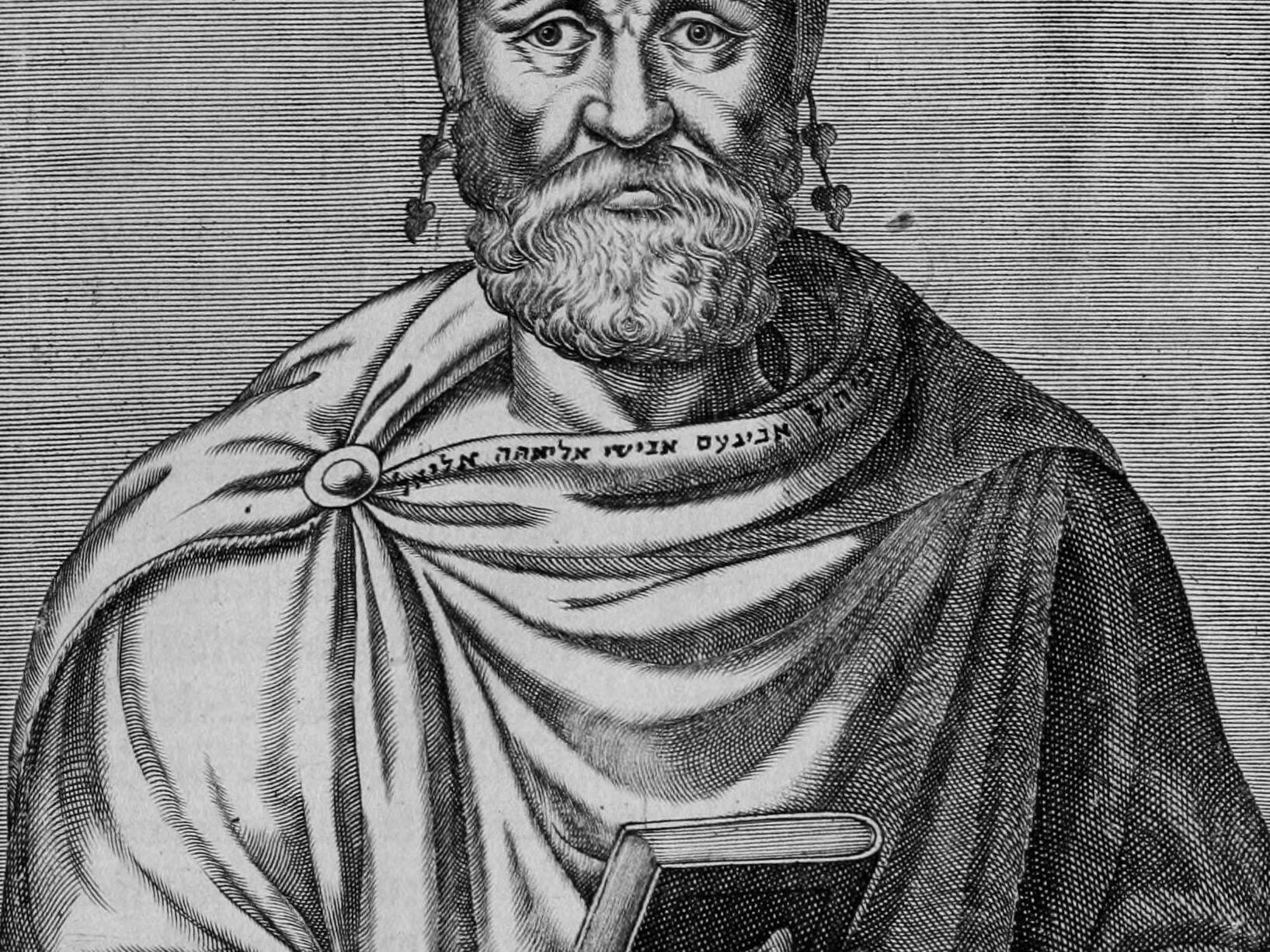
A thinker named Philo lived in Alexandria during the 100s CE, blending teachings from Greek thought with sacred Jewish texts. From his writings emerged the concept of the Logos – a spiritual bridge linking the divine and creation – which quietly shaped beliefs within Christianity’s earliest days.
You rarely hear his name in stories about the past. Not one single group can claim him without trouble.
Still, you find the words early Christians used – ideas that guided religious thinking for ages – woven through what he wrote. People who changed everything listened to people who had read him first.
Few know his name, yet the thoughts he carried on live through time.
The People Forgotten by History

It wasn’t lack of impact that made these 15 fade. Their fingerprints remain on things we see today.
Yet time only lifts a few names high enough to stick. The ones who rise usually hold titles, recognition, or the right ties.
A single researcher, long overlooked, helped make modern medicine possible – your family tree touches that story whether you know it or not. Back when your elders sat down to meals, the crops on their plates relied on a chemical breakthrough whose inventor faded into silence.
This screen glowing in front of you exists because stubborn minds kept pushing, even when recognition passed them by. What sticks around shapes history more than facts alone.
Credit matters. So does praise.
Monuments go to some, never others. Truth stretches beyond the official version.
More from Go2Tutors!

- The Romanov Crown Jewels and Their Tragic Fate
- 13 Historical Mysteries That Science Still Can’t Solve
- Famous Hoaxes That Fooled the World for Years
- 15 Child Stars with Tragic Adult Lives
- 16 Famous Jewelry Pieces in History
Like Go2Tutors’s content? Follow us on MSN.



