15 Backstories of Your Favorite Video Games
Some of the most beloved games ever made almost didn’t exist. Others came out of grief, boredom, spite, or a single weird idea that nobody thought would work.
Behind the polished covers and title screens are real stories — strange decisions, impossible deadlines, personal losses, and moments of pure stubbornness that shaped what you played. Here are 15 of them.
The Legend Of Zelda Was Inspired By Childhood Exploration
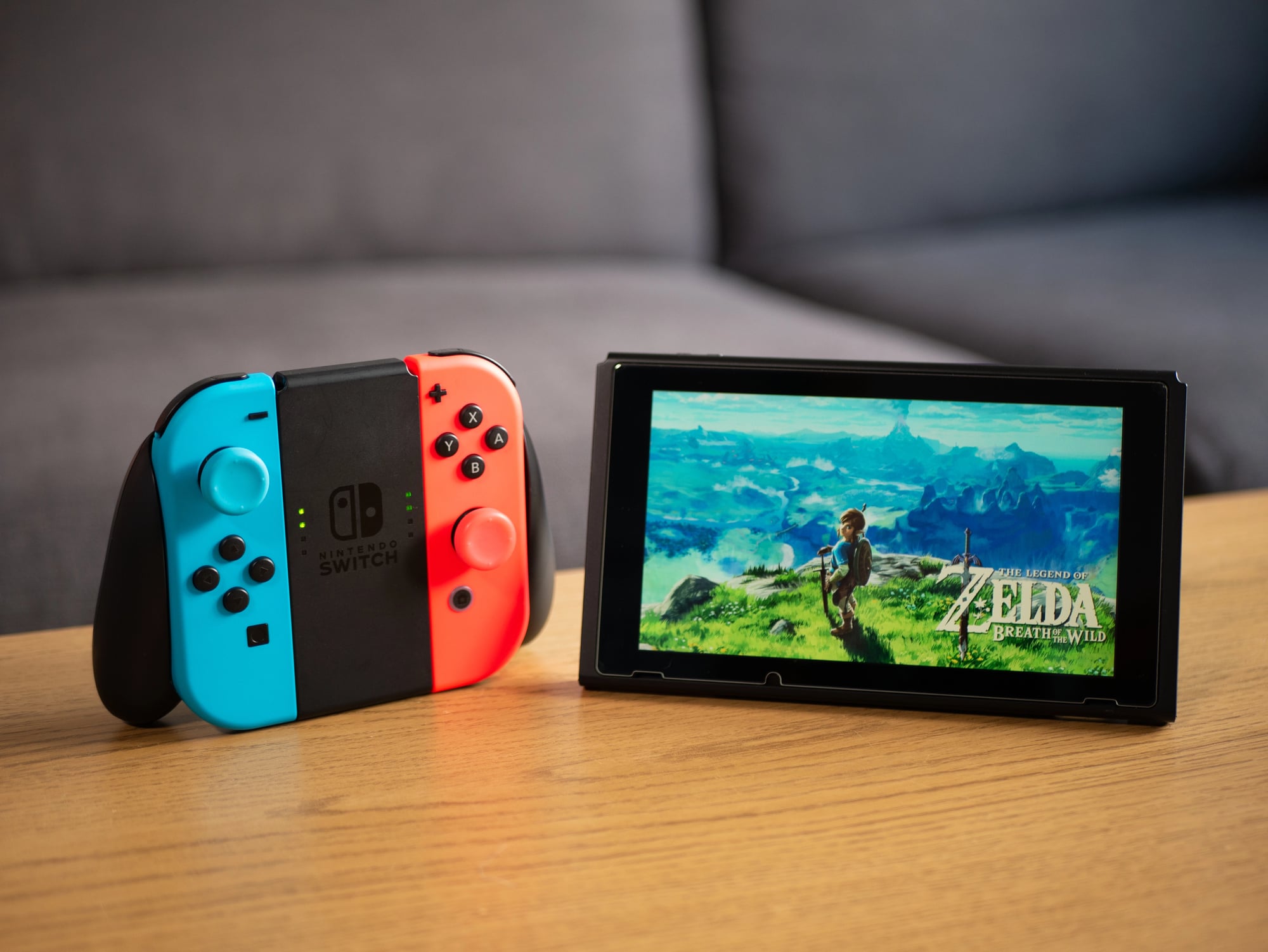
Shigeru Miyamoto grew up in rural Japan near Kyoto, spending his childhood wandering through forests, discovering caves, and poking around where he probably shouldn’t have been. That sense of small-scale adventure — of not knowing what was around the corner — became the entire foundation of The Legend of Zelda.
He wanted players to feel exactly what he felt as a kid: alone in the wilderness, figuring things out with no one to help. The caves in the original game aren’t just game design. They’re memories.
Doom Almost Killed Id Software Before It Made Them Famous
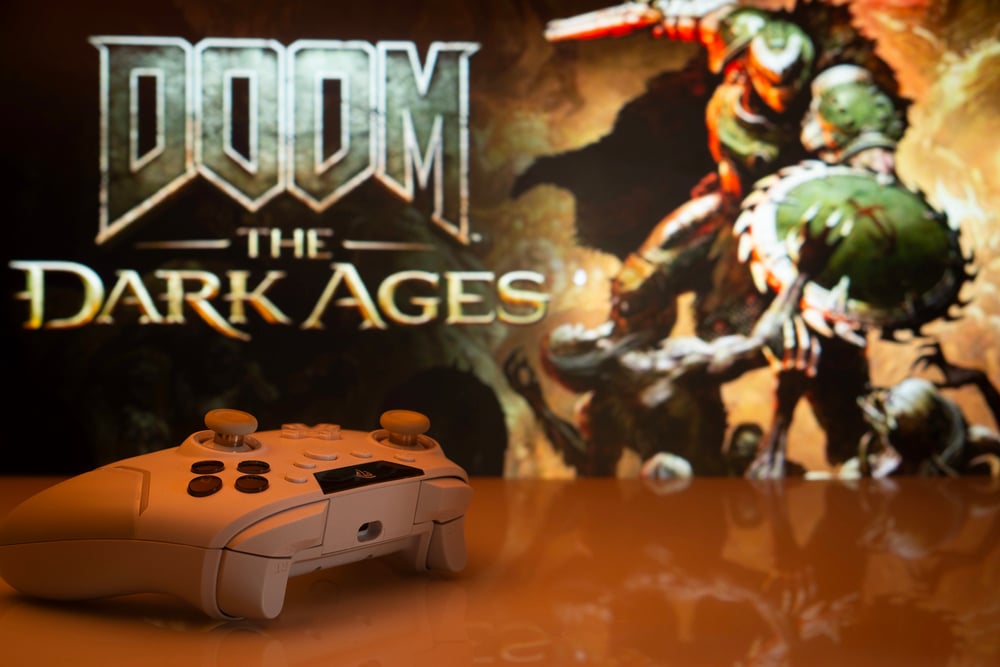
Midnight struck. A game slipped onto an FTP server, unannounced.
Before that moment, id Software had been stuck in endless crunch – sleepless nights, tight tempers, a crew too tired to agree on anything. Romero pushed one direction. Carmack pulled hard the opposite way.
Young minds clashed daily. Then came release: free, raw, waiting in digital silence.
By morning, chaos. Downloads flooded so fast they knocked out a whole university network just trying to keep up.
What started as a quiet experiment surprised even its creators. That release, tossed online without fanfare, ended up shaping shooter games for years – simply by existing.
Tetris Created On Minimalist Soviet Hardware

Back in 1984, Alexey Pajitnov built Tetris using only text symbols because the Elektronika 60 he worked on lacked proper graphic support. Though clunky, that machine birthed something unforgettable.
Instead of visuals, letters formed blocks tumbling down the screen. People shared copies by passing around floppy disks – no internet needed.
Word crept westward slowly, tangled up in deals nobody fully understood at first. Legal fights followed, dragging on for years before clarity emerged.
Money never reached Pajitnov during those early days, despite millions playing. A full ten years went by without payment for the man who made it all happen.
Ownership of the rights rested with Soviet authorities. Later came a shift – life led him west, where days unfolded under new skies at Microsoft.
Not until 1996 did payment follow effort, after joining forces to form The Tetris Company.
Shadow Of The Colossus Began As A Test
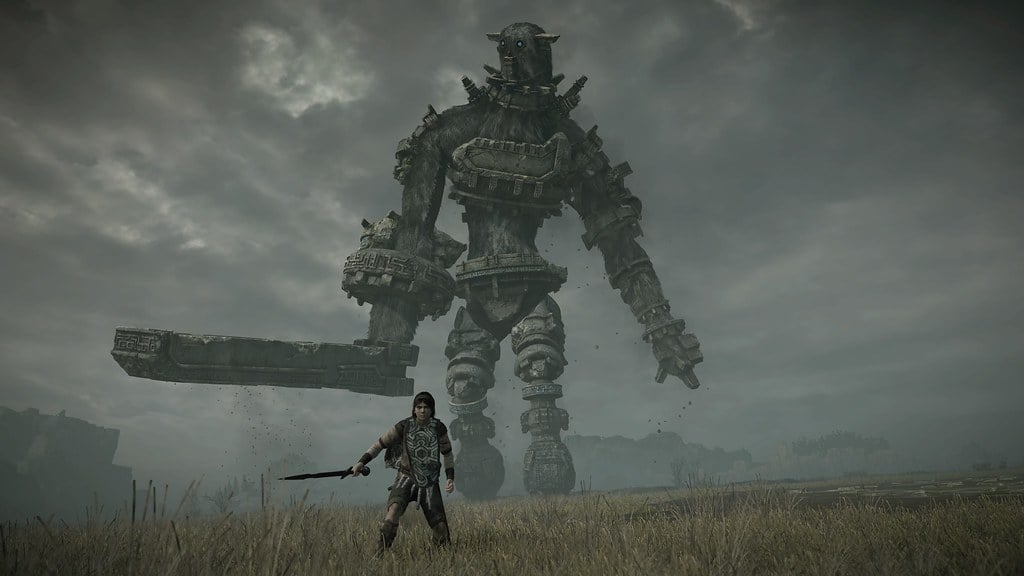
A single idea sparked it. Fumito Ueda, working with his group at Sony Japan Studio, asked how it might feel if every moment played like a final clash.
Instead of building levels, they began with motion – watching a massive beast behave naturally across wide terrain. That early test shaped the core.
Little survived the cut except what mattered most. Towns vanished. Side battles disappeared.
Tools and menus were gone. What remained: one young figure, a mount, and sixteen towering forms blocking his path.
Feeling grew not from adding pieces, but from leaving so much out.
The Sims Originated In Loss

After Will Wright’s house was destroyed in the 1991 Oakland firestorm, thoughts on simulating homes took shape slowly. His family lost nearly all their belongings that day.
Rebuilding meant choices – what to replace first, where things should go, how rooms shaped daily living. Slowly, those decisions felt less random, more like parts of a pattern unfolding.
This awareness helped form the core of The Sims by 2000. Sales climbed high, making it one of the most successful computer games ever released.
From something painful came software focused on quiet moments: placing chairs, choosing walls, watching characters live oddly satisfying routines.
Minecraft Built First Version In Four Days
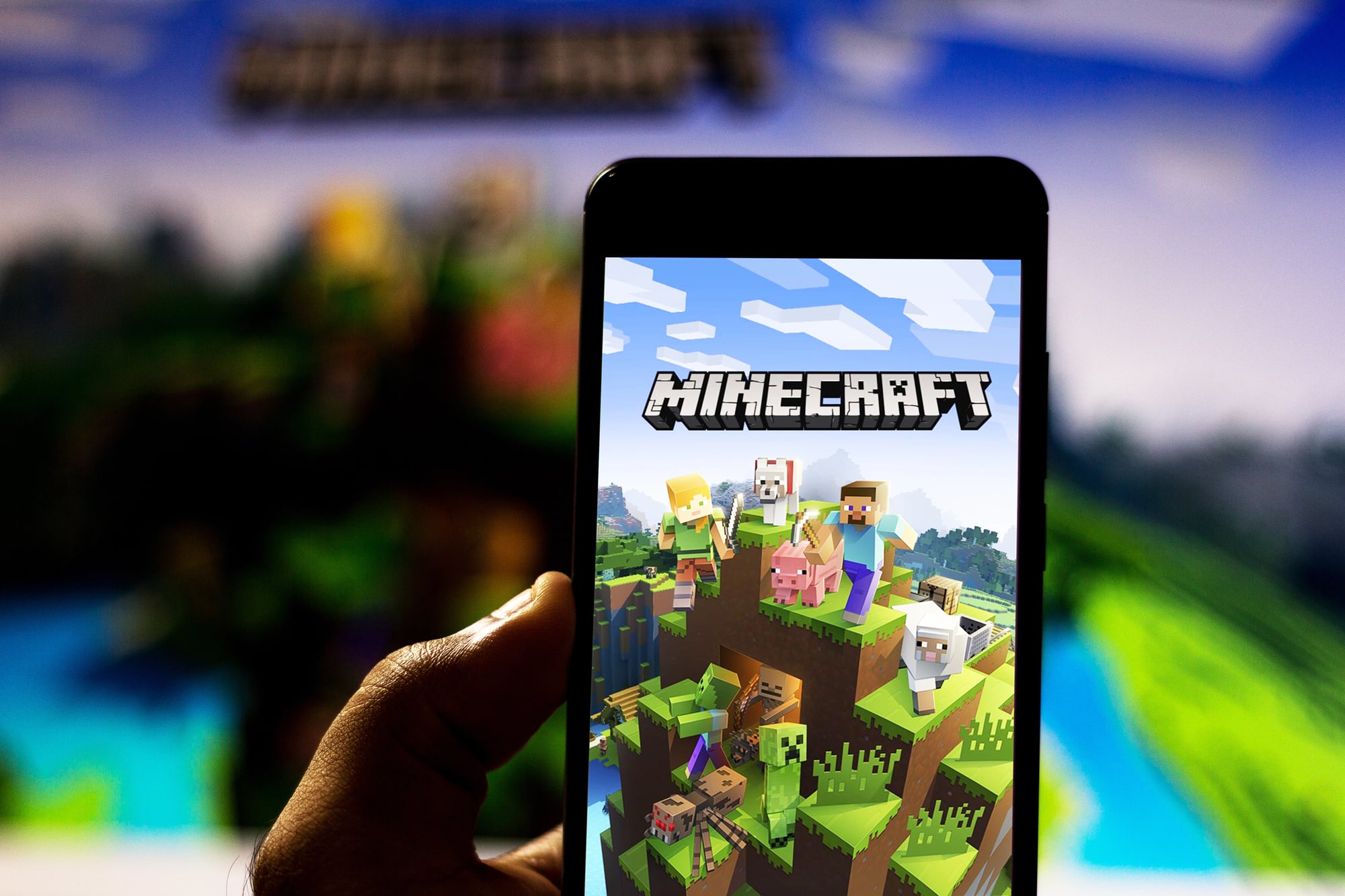
A Swedish programmer named Markus Persson, nicknamed Notch, created a working demo of Minecraft in just four days during 2009, inspired mostly by a lesser-known game titled Infiniminer. Right after finishing it, he shared the early version on the internet, began collecting thoughts from players, then shaped what came next based on that.
Though still unfinished, the title stayed in development phases for years, moved countless units prior to any official release, then exploded into global awareness so fast even its maker didn’t expect it. By 2014, Microsoft acquired the project for two point five billion dollars.
It had all kicked off as nothing more than a short test run over a couple of days.
Dark Souls Was Designed Around Failure
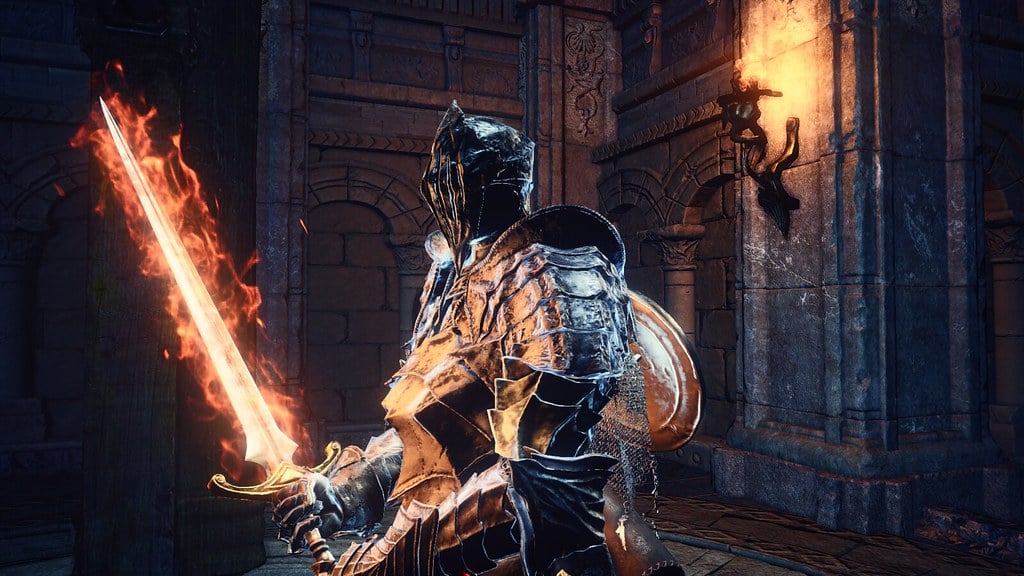
Hidetaka Miyazaki pitched Demon’s Souls — the spiritual predecessor to Dark Souls — internally at FromSoftware after the project was already struggling. He took over a troubled development and steered it toward something most publishers thought was commercially suicidal: a game designed to be punishing, with no hand-holding and death as a core mechanic.
The game was so niche that Atlus almost didn’t bring it to North America. When Dark Souls followed in 2011, it proved that players didn’t just tolerate difficulty — they wanted it, when it was fair and the world was worth exploring.
GTA III Changed Everything Because Of September 11
Grand Theft Auto III was essentially finished when the September 11 attacks happened. Rockstar made late-stage changes to the game — removing a mission involving a plane crash, altering some content — but shipped it just weeks later.
The game went on to redefine open-world design and what a video game could even be. The timing was strange, releasing a game about urban chaos into a city still raw from real-world violence.
But the game found its audience almost immediately and changed the industry’s entire direction.
Halo Was Originally A Mac Strategy Game
Before Halo became the game that sold Xbox consoles, it was being developed as a real-time strategy game for Mac and PC. Bungie announced it at Macworld in 1999, and Steve Jobs was genuinely excited about it.
Then Microsoft acquired Bungie in 2000, converted the project into a third-person shooter, and eventually shifted it into the first-person perspective you know today. The game shipped as an Xbox launch title in 2001.
Jobs reportedly wasn’t happy about any of it.
Portal Came From A Student Project
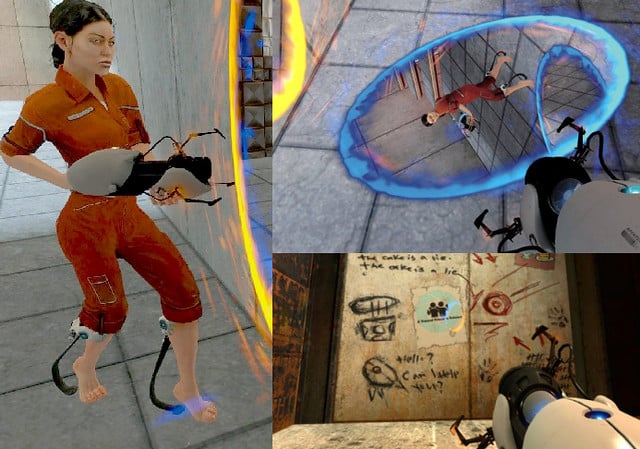
Portal grew out of a student game called Narbacular Drop, made by a group at DigiPen Institute of Technology. Valve saw the project, hired the entire team, and gave them the resources to rebuild the concept properly.
The result shipped in 2007 as part of The Orange Box, almost as a bonus alongside Half-Life 2 expansions. It ended up being the thing most people talked about.
GLaDOS became one of the most memorable characters in game history. It all started as a college project that caught the right person’s attention.
Red Dead Redemption 2 Had A Development Process That Broke People
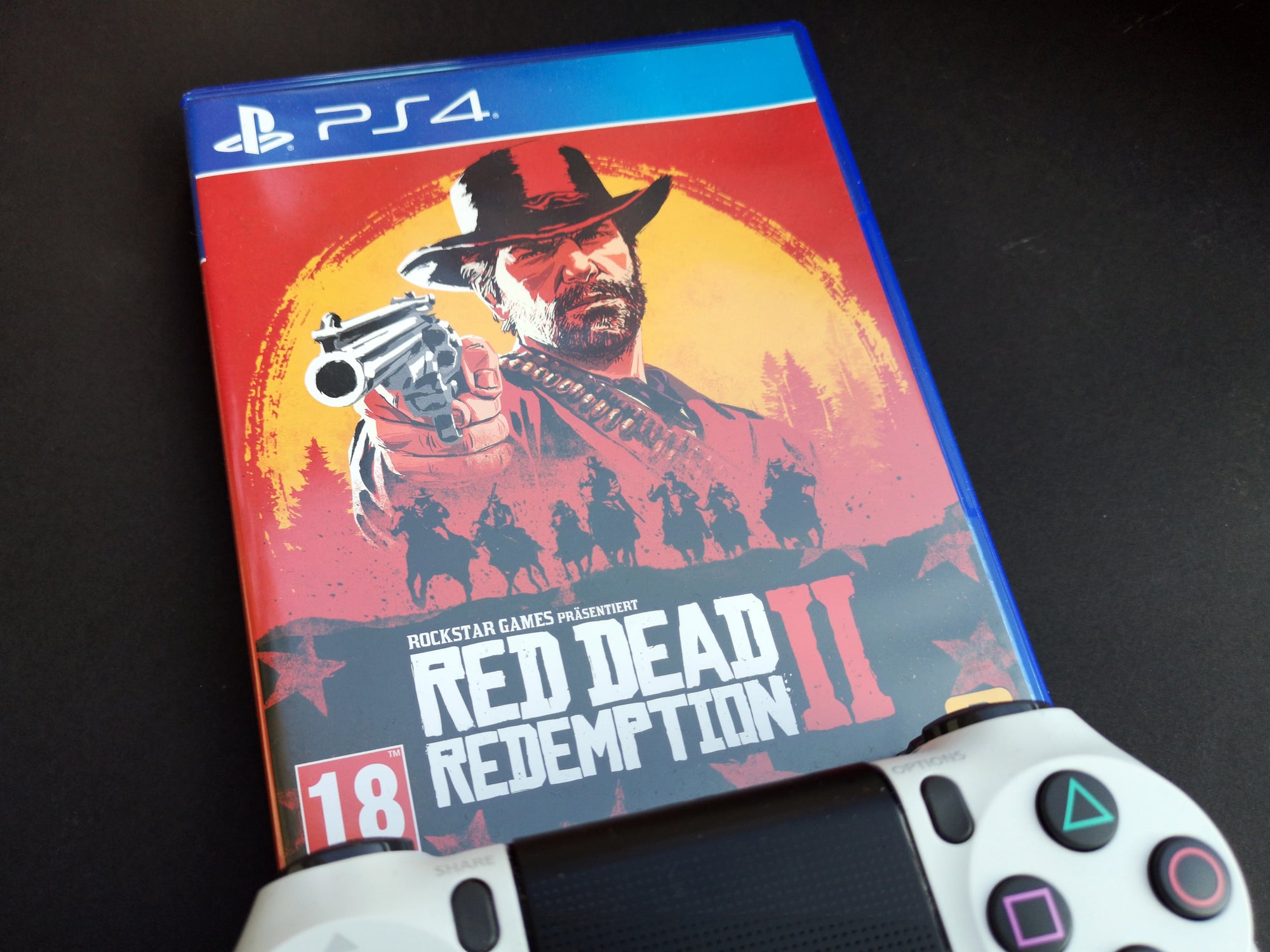
Red Dead Redemption 2 took roughly eight years to make. The scope was enormous — a hand-crafted open world with weather systems, wildlife behavior, and a story built on motion-captured performances from a massive cast.
Reports surfaced after launch about brutal working conditions, with many developers describing years of long hours and pressure that left them exhausted. The game is widely considered one of the most detailed worlds ever built in a video game.
That detail came at a cost that wasn’t always visible on the surface.
Pac-Man Was Designed To Appeal To Women
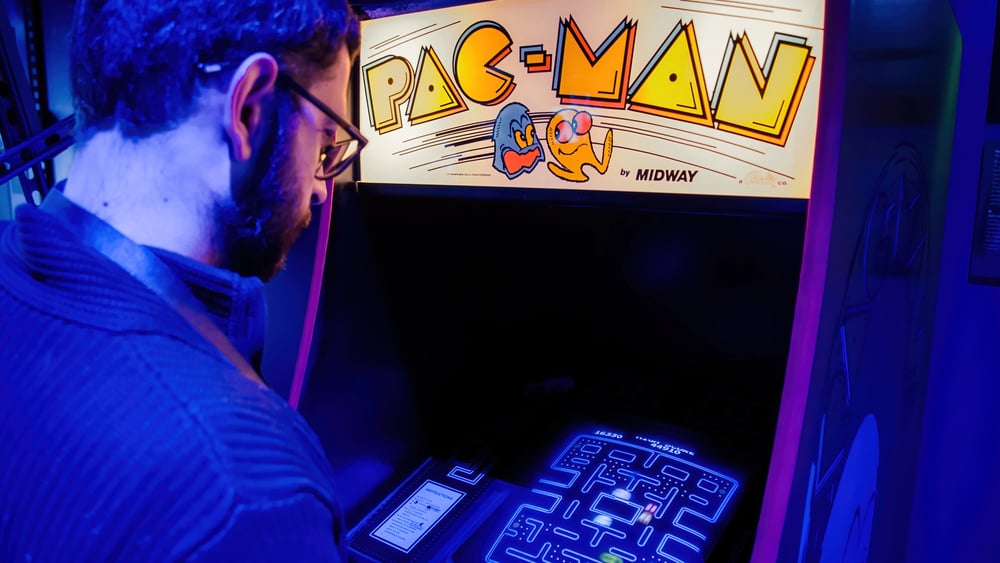
Toru Iwatani designed Pac-Man in 1980 specifically because most arcade games at the time were built around shooting and combat — and the industry assumed women weren’t interested. He wanted to make something that didn’t involve violence, something you could play on a date.
His design inspiration reportedly came, in part, from looking at a pizza with a slice missing. The “cute” characters, the bright colors, the non-violent goal — it was all deliberate.
Pac-Man became the best-selling arcade game in history and proved the strategy right.
Stardew Valley Was Made Entirely By One Person
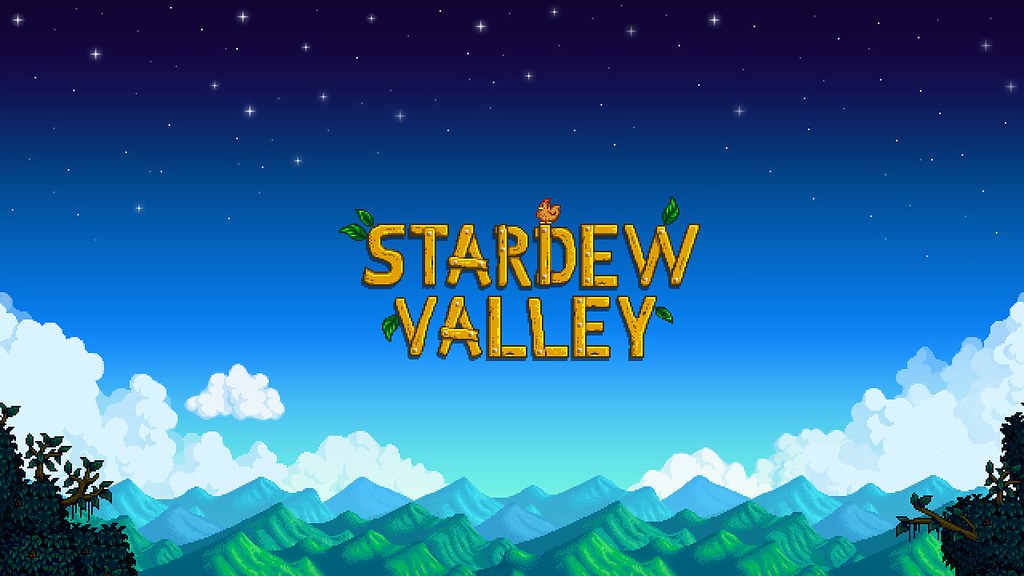
Alone in his small apartment, Eric Barone – better known as ConcernedApe – shaped Stardew Valley piece by piece across nearly five years. Teaching himself was the only way forward; so he learned coding, drawing, composing tunes, storytelling, how games come together.
Money stretched thin because spending little kept him going, doubting whether players would even notice what he made. Then came 2016, release day arriving quietly – yet within weeks, more than a million people had picked up the game.
Years passed, yet he kept changing the game bit by bit, mostly working alone. Built like a note passed between old friends, it grew slowly – no crew, no cash, just time stretching far ahead.
Half Life Changed Shooters Despite Missing Deadline
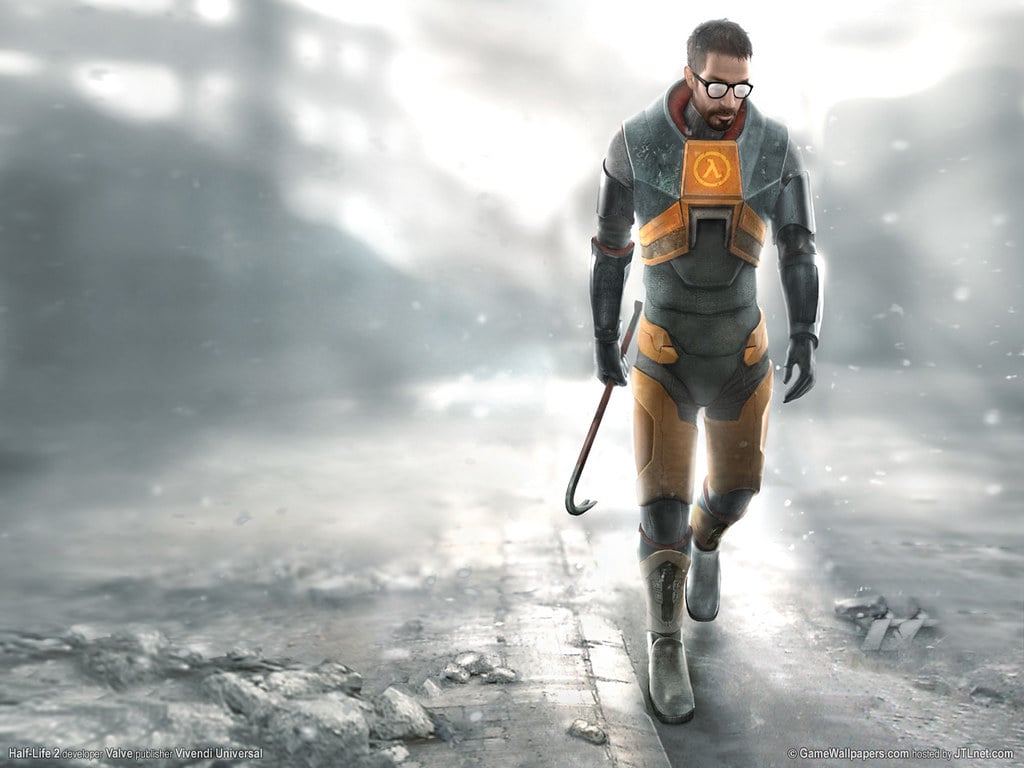
Half-Life, Valve’s debut title, aimed for a 1997 release. Yet it landed in 1998 instead.
In those added months, the team dismantled much of the original design. Instead came something new: one unbroken story where nothing interrupts your view through Gordon Freeman’s eyes – no breaks, no pauses, just motion from beginning to end.
This shift nudged shooters into unfamiliar territory. Critics responded strongly; trophies piled up.
Even now, years later, many point to it when discussing pivotal moments in gaming history. Waiting paid off – but back then, nobody could be sure.
The Last Of Us Began With One Picture
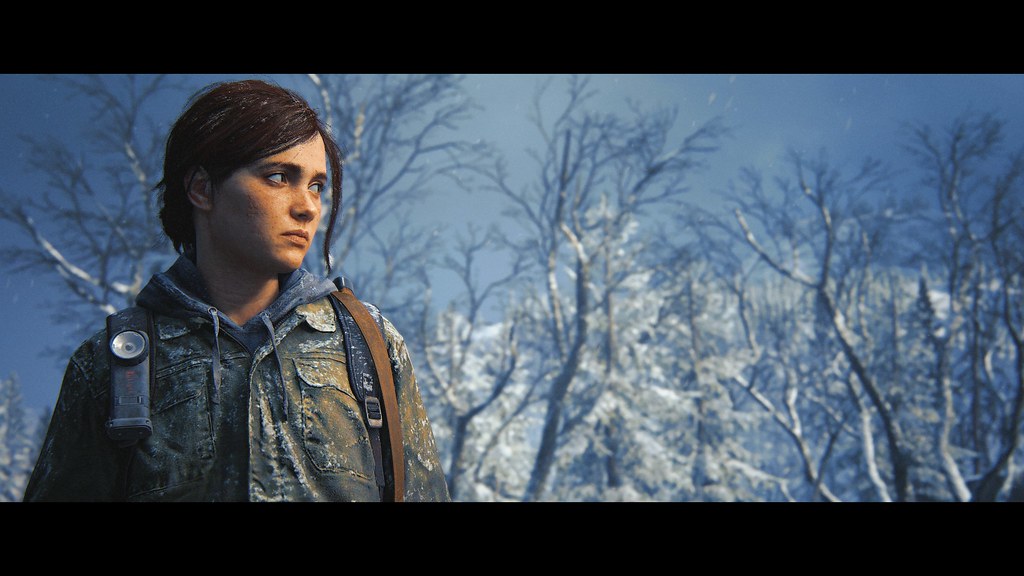
Back in 2009, Neil Druckmann teamed up with Bruce Strley at Naughty Dog to start something new. Instead of focusing on action first, they built everything around one raw idea – how far someone might go to protect another when the world falls apart.
Think of it like this: two strangers stuck together, forced to rely on each other while danger creeps in from every side. Inspiration showed up in strange places – a bleak graphic novel called The Road, plus a TV report about mind-controlling fungus infecting ants.
That creepy science bit helped shape the setting. Yet even with zombies driven by mold spreading across cities, none of that mattered unless players felt something deeper earlier.
Fear arrived later. Connection came first.
What looked like a survival story was really about dependency, loyalty, and quiet moments between explosions. The virus wasn’t the heart.
The bond held all the weight.
The Hidden Reality Beyond What You See

A single moment of doubt shaped each favorite title more than we admit. Not every breakthrough began with confidence – some started with an engineer walking out mid-week.
Ideas once buried in folders now define genres. Crash reports flooded in before breakfast on release morning.
One yes from higher up changed everything after months of hearing no. Out of nowhere came games that linger long after playing – crafted not because success was guaranteed, but because creators moved ahead without clear answers.
Odd choices shaped them, guided by a hunch others might just get it. Often enough, that guess turned out true.
More from Go2Tutors!

- The Romanov Crown Jewels and Their Tragic Fate
- 13 Historical Mysteries That Science Still Can’t Solve
- Famous Hoaxes That Fooled the World for Years
- 15 Child Stars with Tragic Adult Lives
- 16 Famous Jewelry Pieces in History
Like Go2Tutors’s content? Follow us on MSN.



