15 Battle Outcomes Changed by Animals and Wildlife
Throughout military history, humans have planned elaborate strategies, forged advanced weapons, and trained elite soldiers. Sometimes, though, the most unexpected factor determines victory or defeat: animals.
From ancient warfare to modern conflicts, creatures great and small have altered the course of battles in ways no general could have predicted.
Here is a list of 15 fascinating instances where animals and wildlife completely changed the outcome of military engagements.
War Elephants at Gaugamela

Alexander the Great faced a terrifying sight at the Battle of Gaugamela in 331 BCE when Darius III deployed 15 war elephants against the Macedonian forces. These massive creatures — essentially ancient tanks — were supposed to crush Alexander’s infantry lines and create chaos in his ranks.
Alexander’s troops had trained specifically for this encounter, though, using long spears and coordinated movements to spook the elephants and turn them back toward their own lines, contributing to Darius’s ultimate defeat.
Hannibal’s Alpine Elephants

Hannibal’s crossing of the Alps with 37 elephants in 218 BCE remains one of history’s most audacious military moves. These African elephants weren’t just for show — they served as psychological warfare against Roman forces who’d never encountered such creatures.
The elephants helped Hannibal win several early battles in Italy, yet most died during the harsh Alpine crossing, leaving only one survivor named Surus to continue the campaign.
Like Go2Tutors’s content? Follow us on MSN.
The Geese of Rome
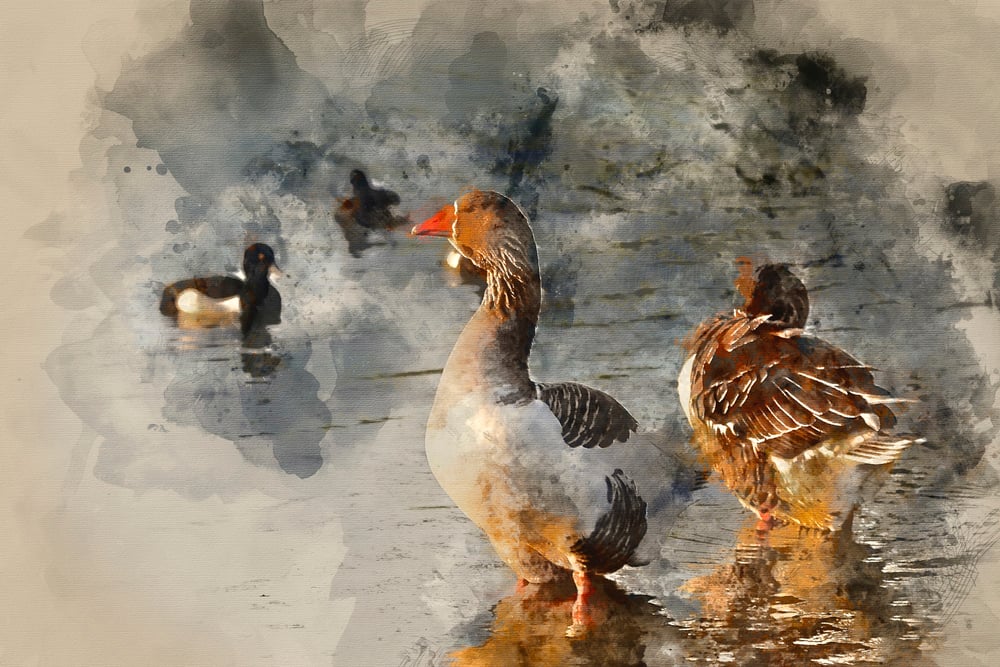
In 390 BCE, a flock of sacred geese saved Rome from complete destruction by the Gallic tribes. The Gauls had managed to scale the Capitoline Hill under cover of darkness — bypassing Roman guards in what should’ve been a decisive victory.
The geese, kept in the temple of Juno, honked loudly when they detected the intruders, alerting the Roman defenders who rushed to repel the attack and save their city.
Camels Defeat Lydian Cavalry

Cyrus the Great discovered an unexpected advantage when his Persian forces faced the powerful Lydian cavalry at the Battle of Thymbra in 547 BCE. Cyrus placed camels at the front of his army, knowing that horses naturally fear the smell and sight of these desert animals.
The Lydian horses panicked and refused to charge — throwing their riders and turning King Croesus’s elite cavalry into a liability rather than an asset.
Bees Stop a Roman Legion

The Romans learned to fear more than just enemy soldiers when they encountered a swarm of bees during their campaign in Germany around 9 CE. Local Germanic tribes had discovered that disturbing beehives near Roman camps could create instant chaos.
The bees attacked anything that moved — causing Roman soldiers to break formation and flee, allowing the Germanic warriors to launch successful ambushes against the disorganized legions.
Like Go2Tutors’s content? Follow us on MSN.
The Pig Fire Attack
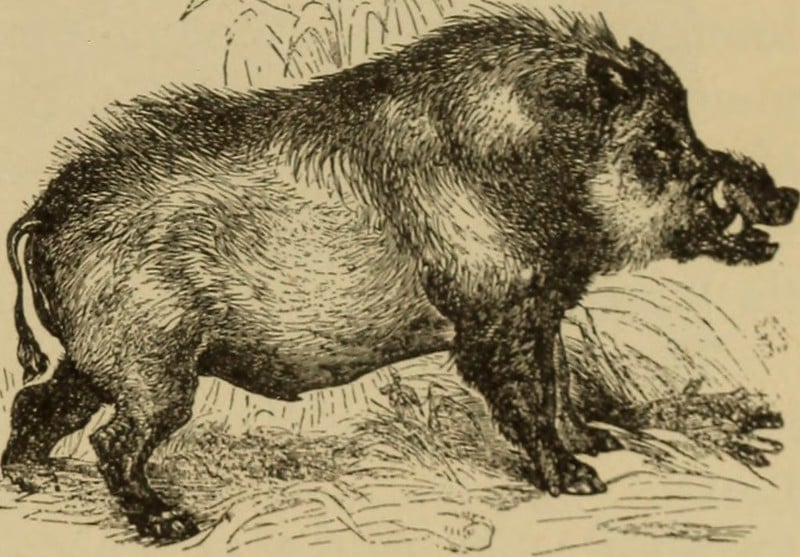
During the siege of Megara in ancient Greece, defenders discovered that pigs could be effective weapons against war elephants. They covered pigs in pitch, set them on fire, then released them toward the attacking elephants.
The flaming, squealing pigs terrified the massive animals — causing them to trample their own troops and flee the battlefield, forcing the attackers to abandon their assault.
Dolphins Aid the Syracusans

The siege of Syracuse in 413 BCE saw an unusual alliance between humans and dolphins. According to historical accounts, dolphins in the harbor began attacking Athenian swimmers and divers who were trying to damage Syracusan ships.
These intelligent marine mammals seemed to understand which side represented the local defenders — consistently helping Syracuse resist the Athenian naval blockade.
Rats Plague the Crusaders

The Crusaders at the siege of Antioch in 1098 faced an enemy they couldn’t fight with swords: disease-carrying rats. These rodents spread plague throughout the Crusader camp — killing more soldiers than enemy arrows ever could.
The weakened Crusader forces nearly abandoned the siege entirely, though they eventually captured the city after months of suffering from rat-borne illnesses.
Like Go2Tutors’s content? Follow us on MSN.
The Mosquito Defense

Spanish conquistadors discovered that some of their most effective opponents in the New World were mosquitoes carrying yellow fever and malaria. Native populations had developed immunity to these diseases, while European soldiers died in massive numbers from mosquito-borne illnesses.
Entire expeditions were decimated not by enemy warriors — but by tiny insects that proved deadlier than any weapon.
Horses Turn the Tide at Hastings

The Battle of Hastings in 1066 nearly ended differently when William the Conqueror’s horse was killed beneath him — causing his troops to believe their leader was dead. Norman cavalry began to retreat in panic until William removed his helmet and rode another horse among his men, proving he was still alive.
This moment with his replacement horse restored Norman morale while helping secure victory over Harold’s Anglo-Saxon forces.
Siberian Tigers Terrorize Japanese Troops
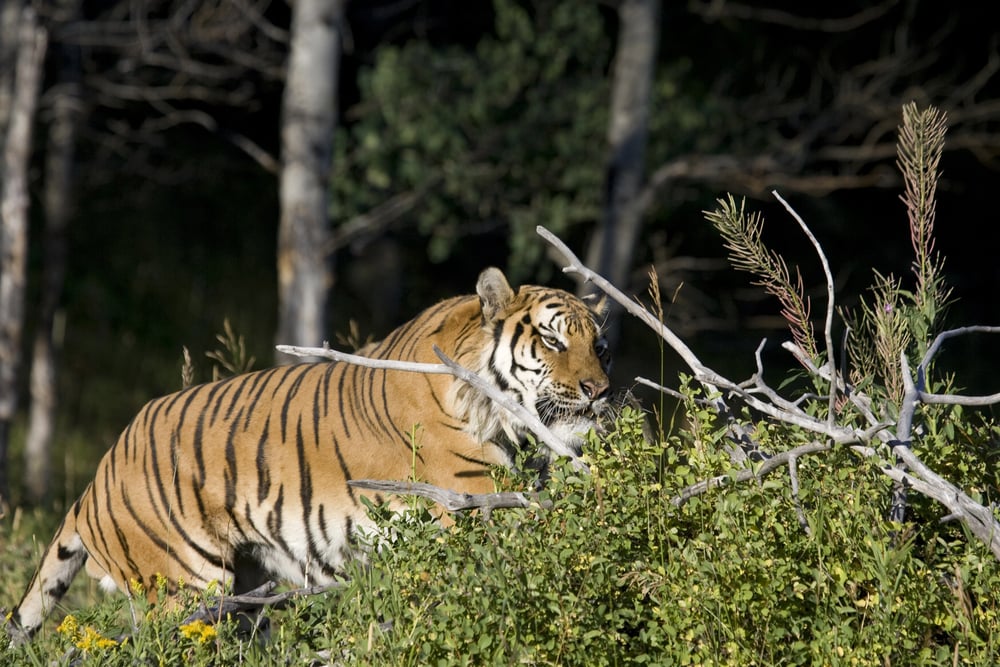
During World War II, Japanese forces in Manchuria faced an unexpected enemy: Siberian tigers driven from their territory by the conflict. These massive predators began stalking Japanese patrols, treating soldiers as prey in the dense forests.
Several units reported losing men to tiger attacks, forcing commanders to alter patrol routes and deployment strategies to avoid areas where these apex predators hunted.
Like Go2Tutors’s content? Follow us on MSN.
The Rabbit Plague of Napoleon

Napoleon’s forces encountered a humiliating defeat at the hands of rabbits during a hunting party in 1807. Hundreds of rabbits, meant to be released for a leisurely hunt, instead charged directly at Napoleon and his generals.
The domesticated rabbits, accustomed to being fed by humans, swarmed the French leader looking for food, forcing him to retreat to his carriage in an undignified scramble.
Seagulls Disrupt D-Day Planning
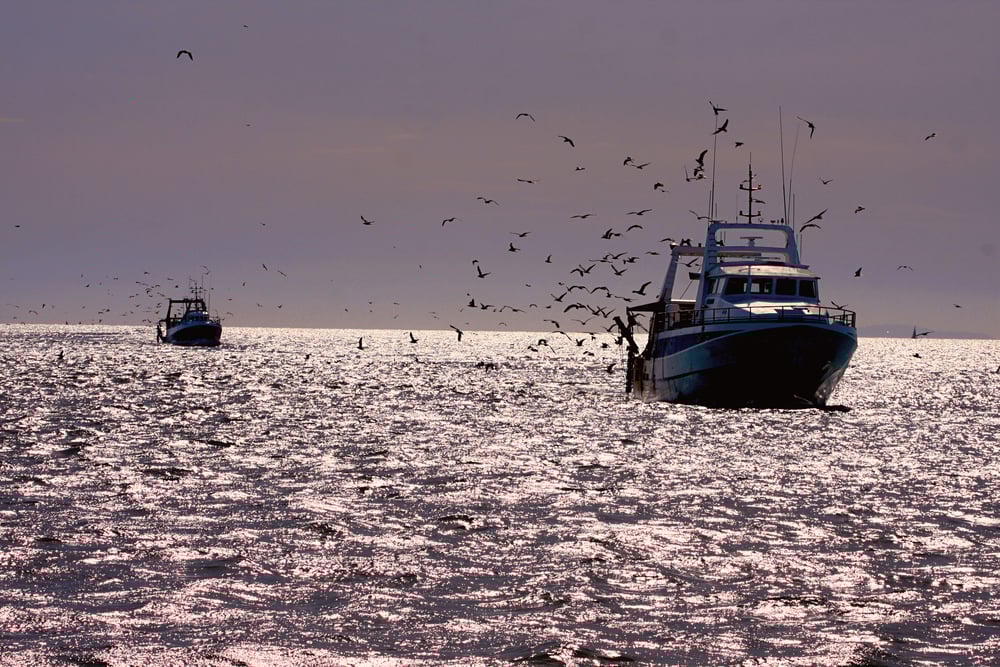
Allied forces preparing for D-Day had to account for massive flocks of seagulls that could interfere with aircraft operations. These birds were attracted to the thousands of ships gathering in English ports, creating hazardous conditions for pilots during training flights.
Military planners had to coordinate with ornithologists to predict bird migration patterns while minimizing the risk of aircraft collisions during the crucial invasion.
Carrier Pigeons Save the Lost Battalion

During World War I, the famous ‘Lost Battalion’ of the 77th Division owed their survival to a carrier pigeon named Cher Ami. Surrounded by German forces in the Argonne Forest, the American troops used this brave bird to deliver coordinates that stopped friendly fire from their own artillery.
Cher Ami completed the mission despite being wounded, helping to save 194 soldiers from certain death.
Like Go2Tutors’s content? Follow us on MSN.
Mules Win the Italian Campaign
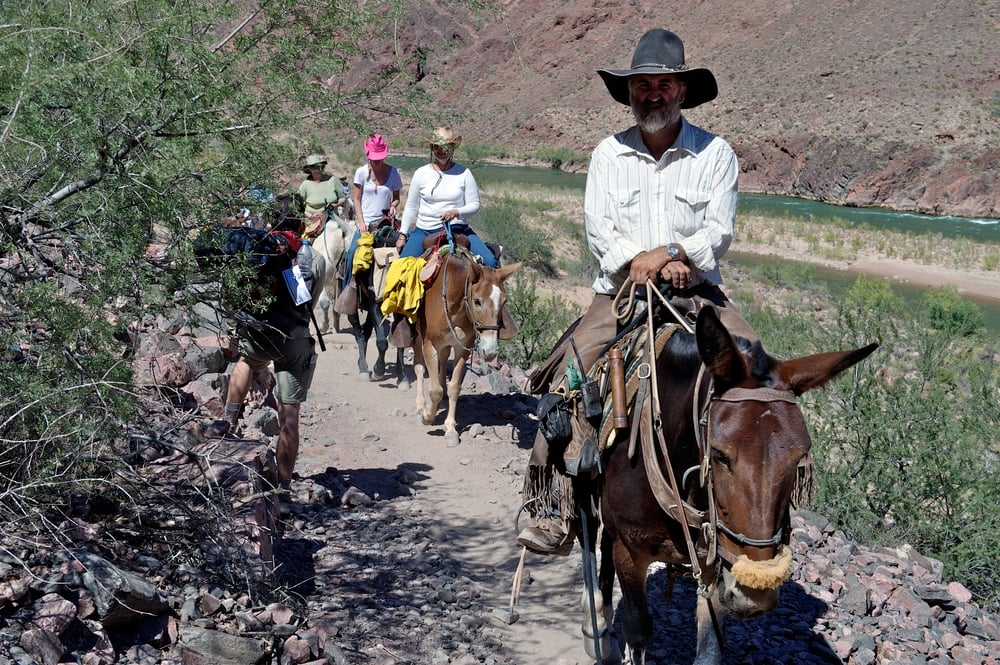
The Italian mountains during World War II proved impossible for motorized vehicles, making mules the unsung heroes of the Allied advance. These sure-footed animals carried supplies, ammunition, and wounded soldiers across terrain where trucks and jeeps couldn’t operate.
American and British forces relied so heavily on mules that losing them to enemy fire or harsh weather could halt entire operations for days.
When Nature Commands the Battlefield

These historical examples remind us that warfare involves more than human strategy and technology. Animals have consistently proven that they can tip the scales of battle, whether through deliberate military use or unexpected wildlife encounters.
The next time you see a goose, remember that its ancient relatives once saved Rome from destruction, proving that in war, victory sometimes comes from the most surprising sources.
More from Go2Tutors!

- 16 Historical Figures Who Were Nothing Like You Think
- 12 Things Sold in the 80s That Are Now Illegal
- 15 VHS Tapes That Could Be Worth Thousands
- 17 Historical “What Ifs” That Would Have Changed Everything
- 18 TV Shows That Vanished Without a Finale
Like Go2Tutors’s content? Follow us on MSN.