Banned Foods From Around the World
Food connects us all, but not every dish gets a warm welcome everywhere.What’s perfectly normal in one country might be completely off-limits in another, and the reasons range from health concerns to cultural values to straight-up safety issues.
Some bans make total sense when you hear the reasoning, while others might surprise you.Here is a list of banned foods from around the world.
Kinder Surprise Eggs
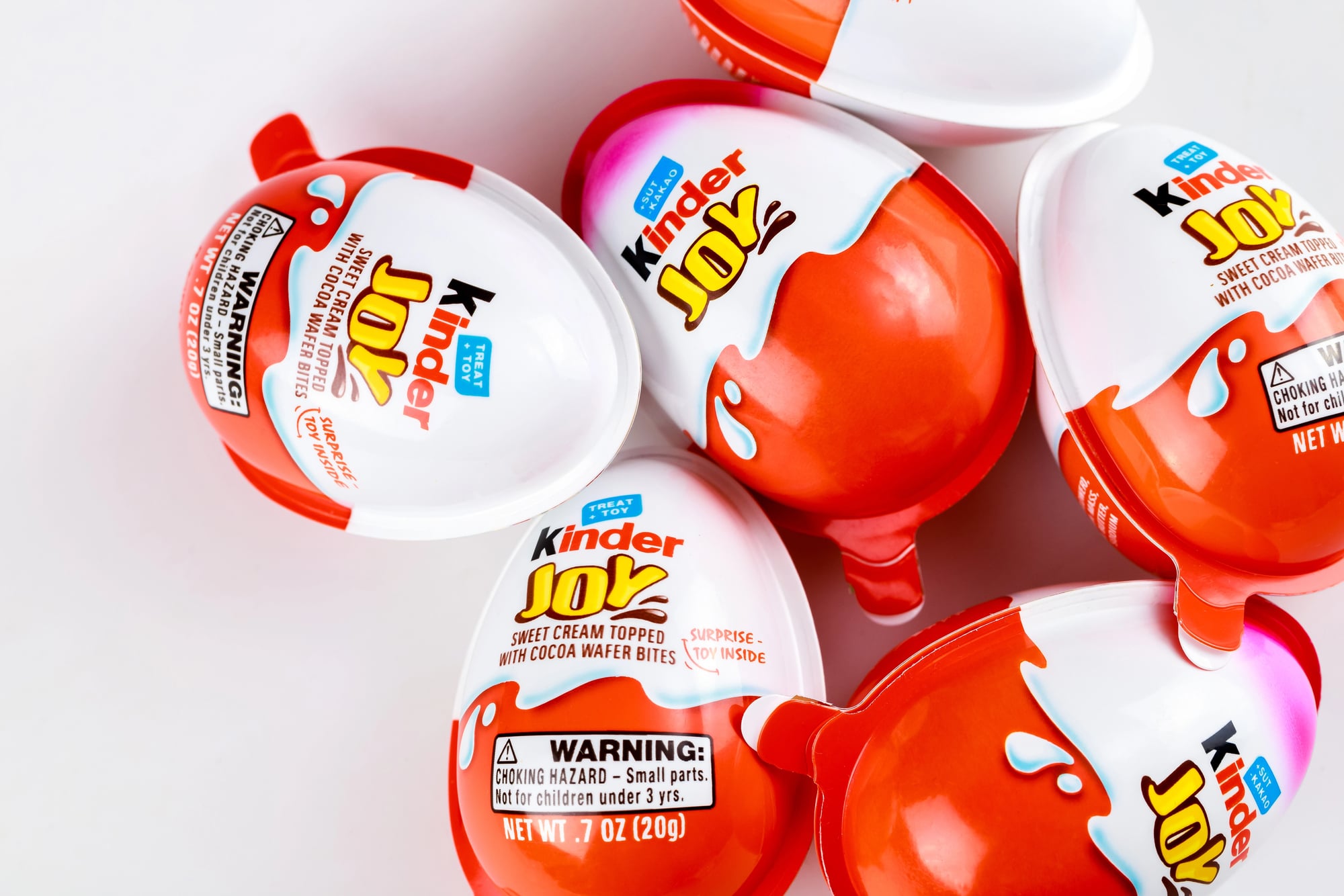
These chocolate eggs with toys inside are beloved in over 100 countries, but they’ve been smuggled in the United States for decades.The ban comes down to a choking hazard concern since the toy is embedded directly inside the chocolate.
The FDA prohibits any food product that contains non-edible objects, and Kinder Surprise fits that description perfectly.To get around this, the company created Kinder Joy for the American market, which keeps the candy and toy in separate compartments.
Casu Marzu
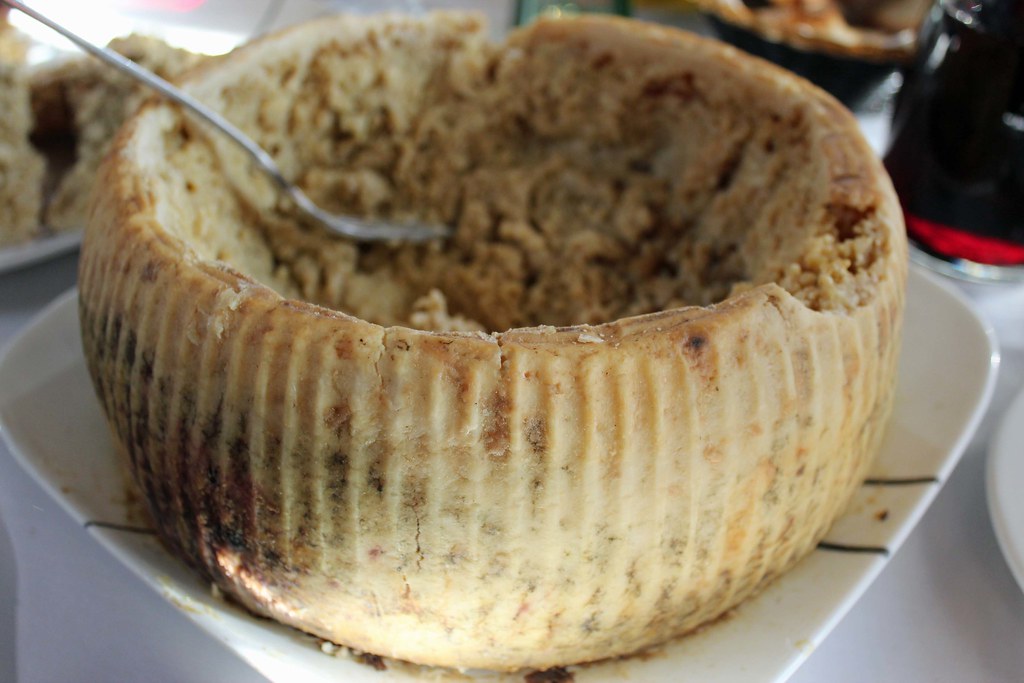
This Sardinian sheep’s milk cheese contains live maggots that are intentionally introduced during the fermentation process.The larvae break down the cheese’s fats, creating an extremely soft, creamy texture with a pungent flavor.
It’s banned throughout the European Union, United States, Canada, and Australia because the maggots can survive digestion and potentially cause serious intestinal damage.Despite the ban, it’s still made illegally in Sardinia and sold on the black market for double the price of regular pecorino cheese.
Haggis
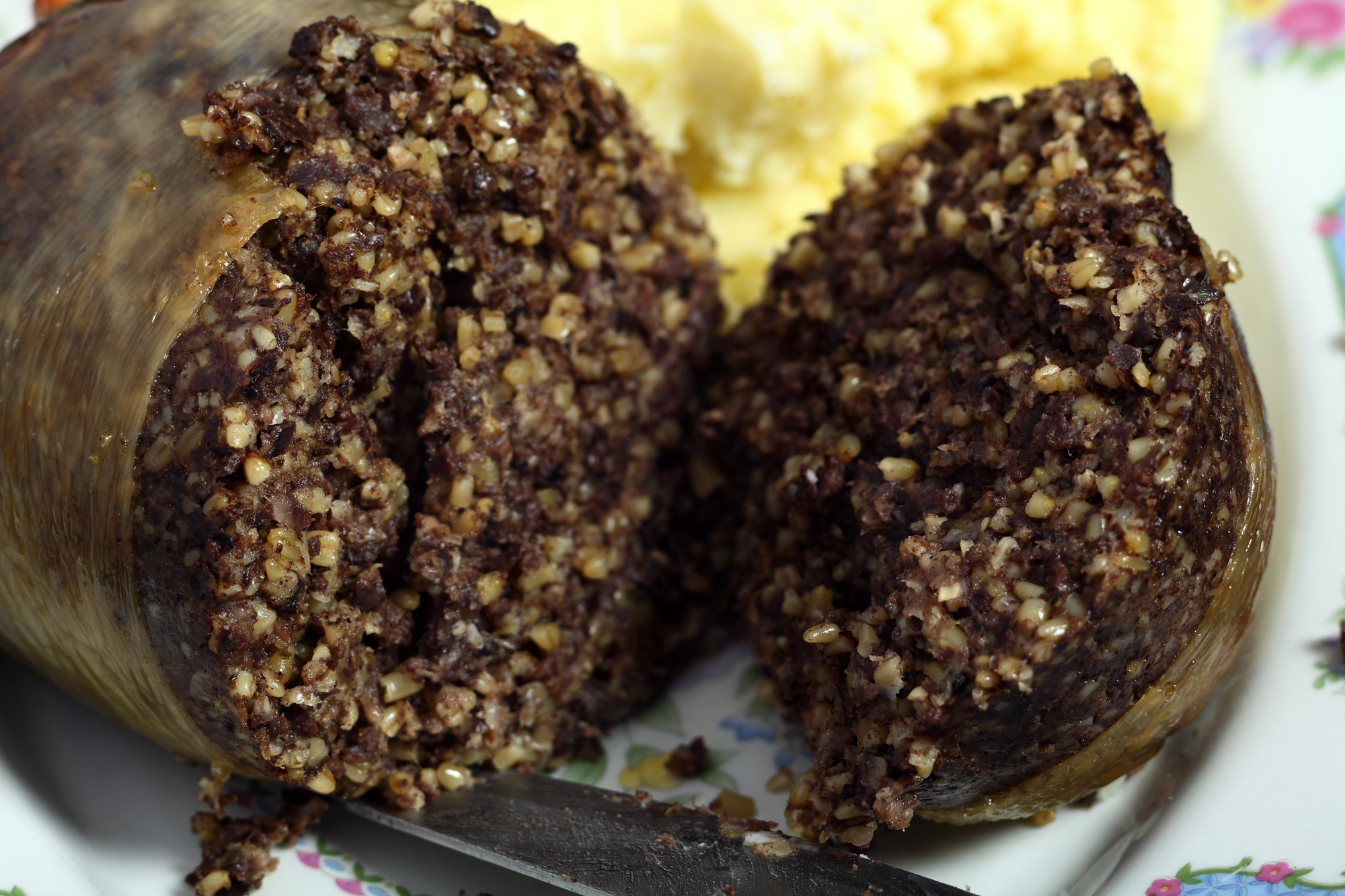
Scotland’s national dish has been banned in the United States since 1971, and the reason is oddly specific.Haggis traditionally contains sheep lungs along with other organ meats, oatmeal, and spices, all cooked inside the animal’s stomach.
The USDA ruled that livestock lungs are unfit for human consumption due to potential contamination from stomach fluids.Scottish producers are now exploring lung-free recipes to finally bring their beloved dish to American tables.
Raw Milk
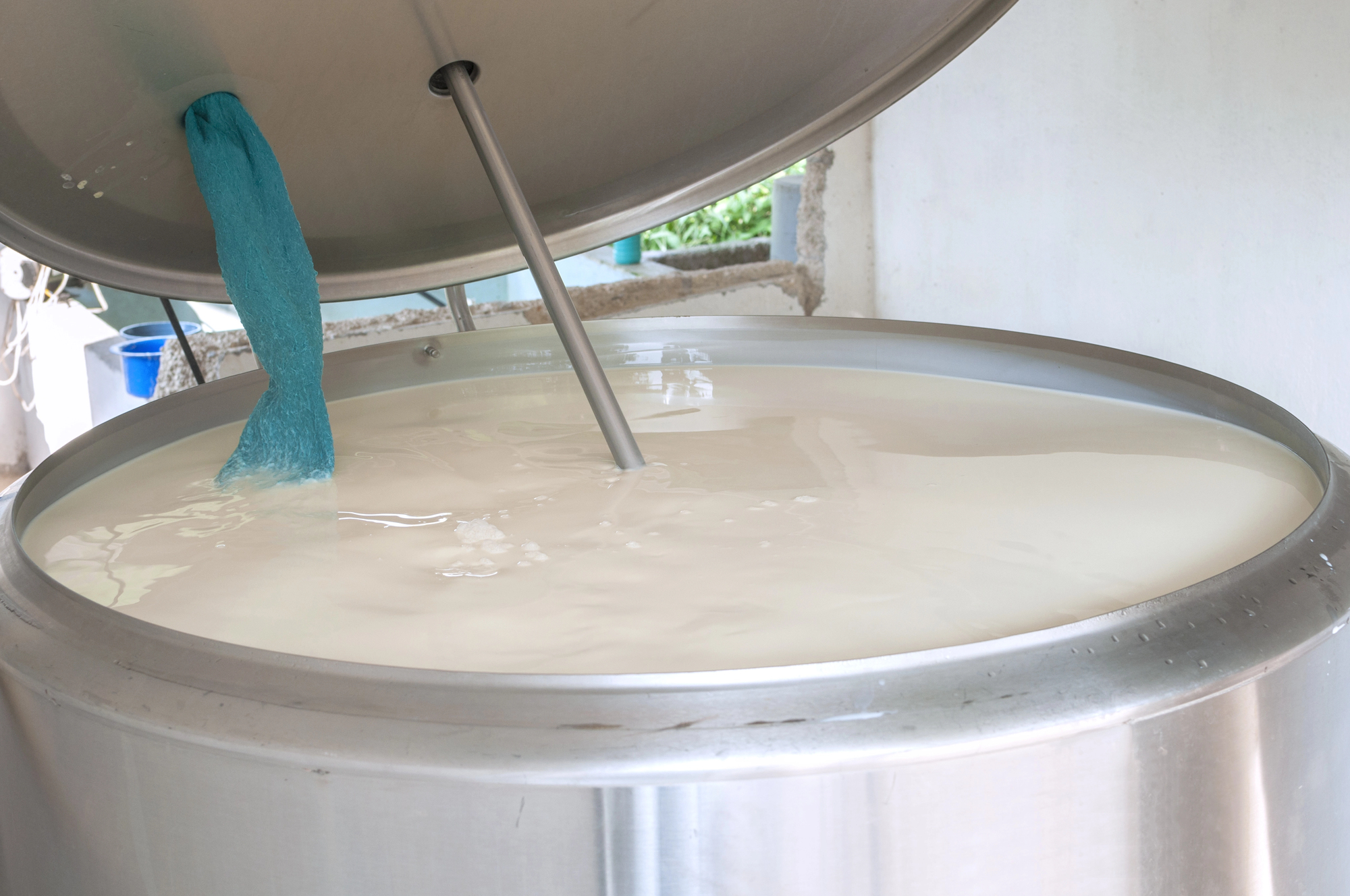
Unpasteurized milk is illegal in many countries including Scotland, Australia, Canada, and 20 U.S. states.The ban exists because raw milk can harbor dangerous bacteria like E. coli, Salmonella, and Listeria that pasteurization kills off.
These pathogens pose serious risks, especially to pregnant women, children, older adults, and anyone with a compromised immune system.Advocates argue raw milk has nutritional benefits, but health authorities prioritize the safety concerns.
Foie Gras
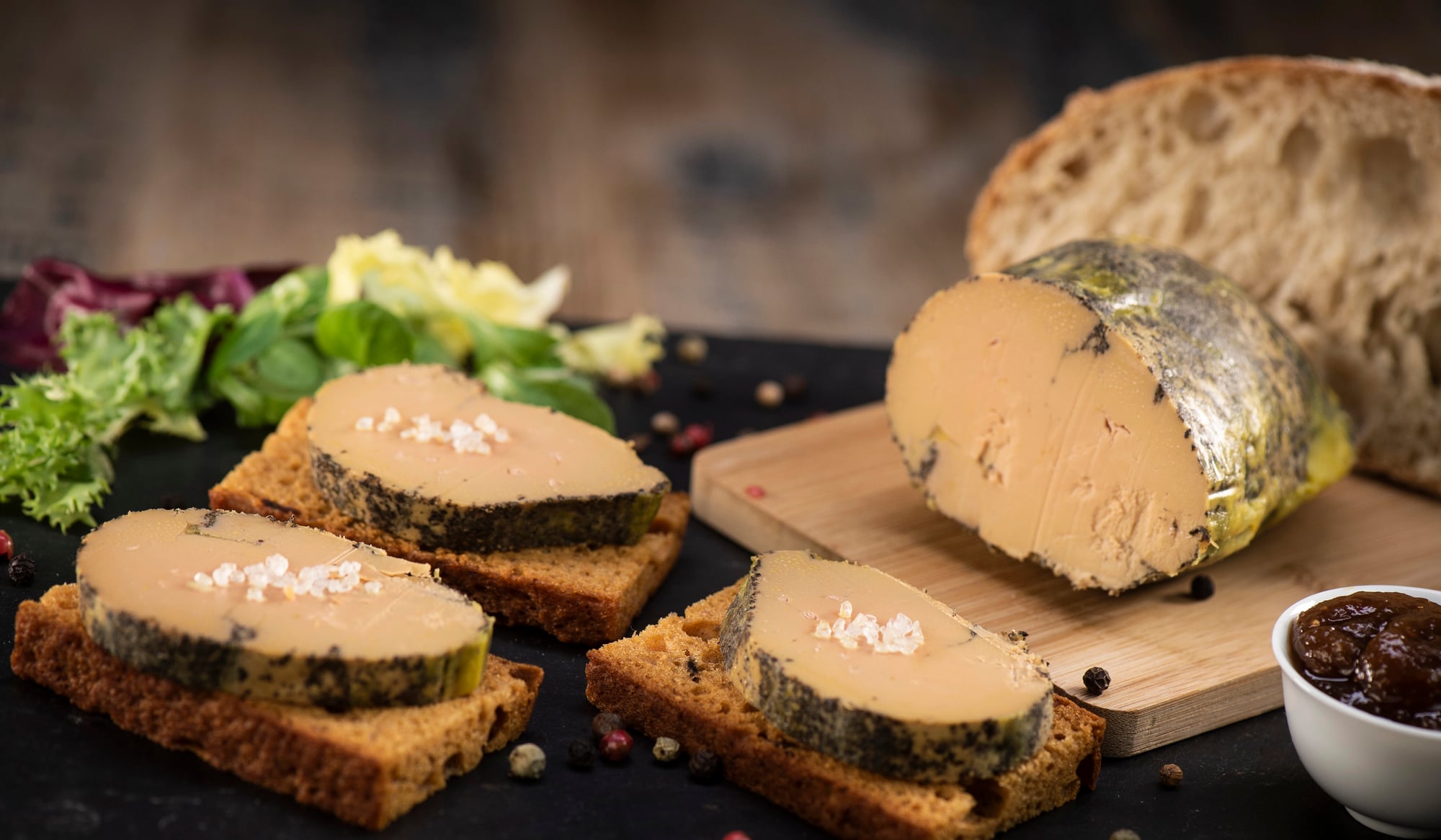
This luxury food product is made by force-feeding ducks or geese until their livers swell to ten times their normal size.The practice, called gavage, has led to production bans in around 20 countries including India, Argentina, Germany, Italy, Norway, Poland, and Turkey.
California is the only U.S. state with an active statewide ban.While production is prohibited in many places, importing and selling foie gras often remains legal, though that’s changing as animal welfare concerns grow stronger.
Chewing Gum
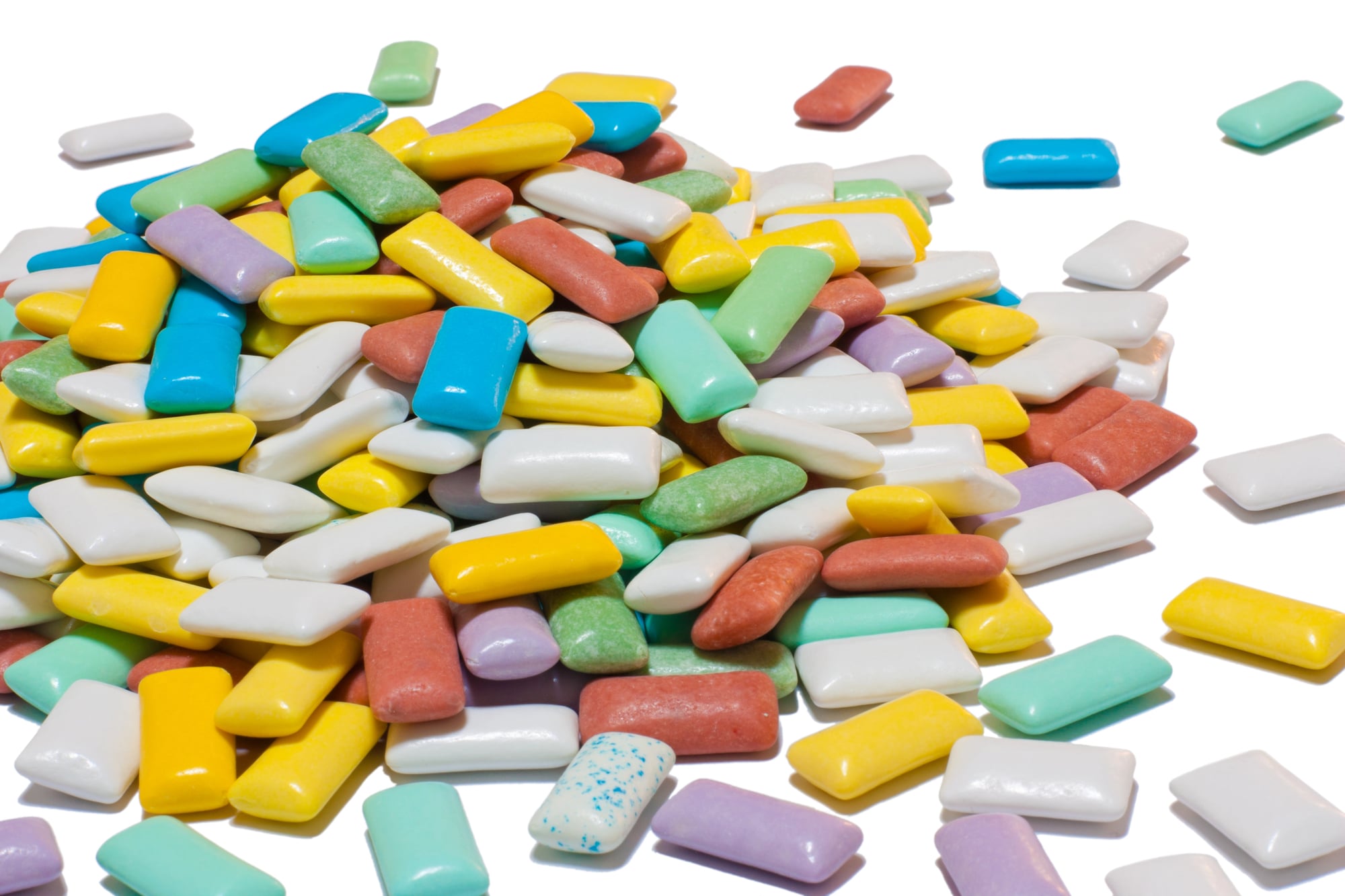
Singapore took cleanliness seriously enough to ban the sale, import, and manufacture of chewing gum back in the 1990s.Used gum was causing problems with the public transit system by getting stuck in train doors and preventing them from operating properly.
It was also plastered all over sidewalks and public spaces. In 2004, the government loosened restrictions slightly to allow doctors and pharmacists to prescribe therapeutic gum for medical purposes, but recreational chewing gum remains off-limits.
Samyang Spicy Noodles
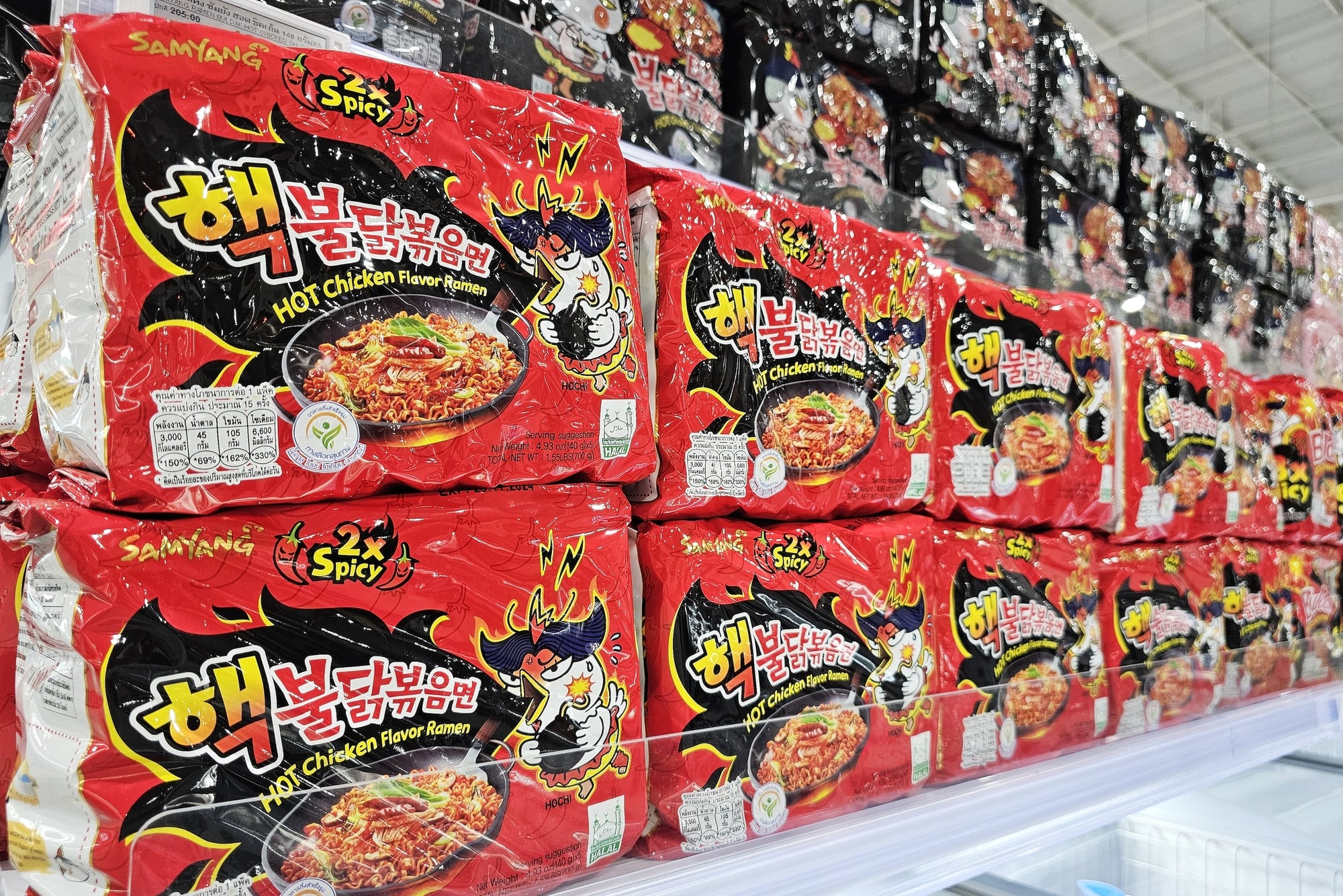
Denmark banned several varieties of these Korean instant noodles in June 2024 because they were deemed dangerously spicy.The Danish Veterinary and Food Administration determined that the capsaicin levels in the Hot Chicken Stew, 2x Spicy, and Buldak 3x Spicy varieties were high enough to cause acute poisoning in consumers.
Just one serving contained enough of the spicy compound to pose a legitimate health risk, which is pretty wild considering millions of people eat these noodles regularly in other countries.
Red Dye No. 3
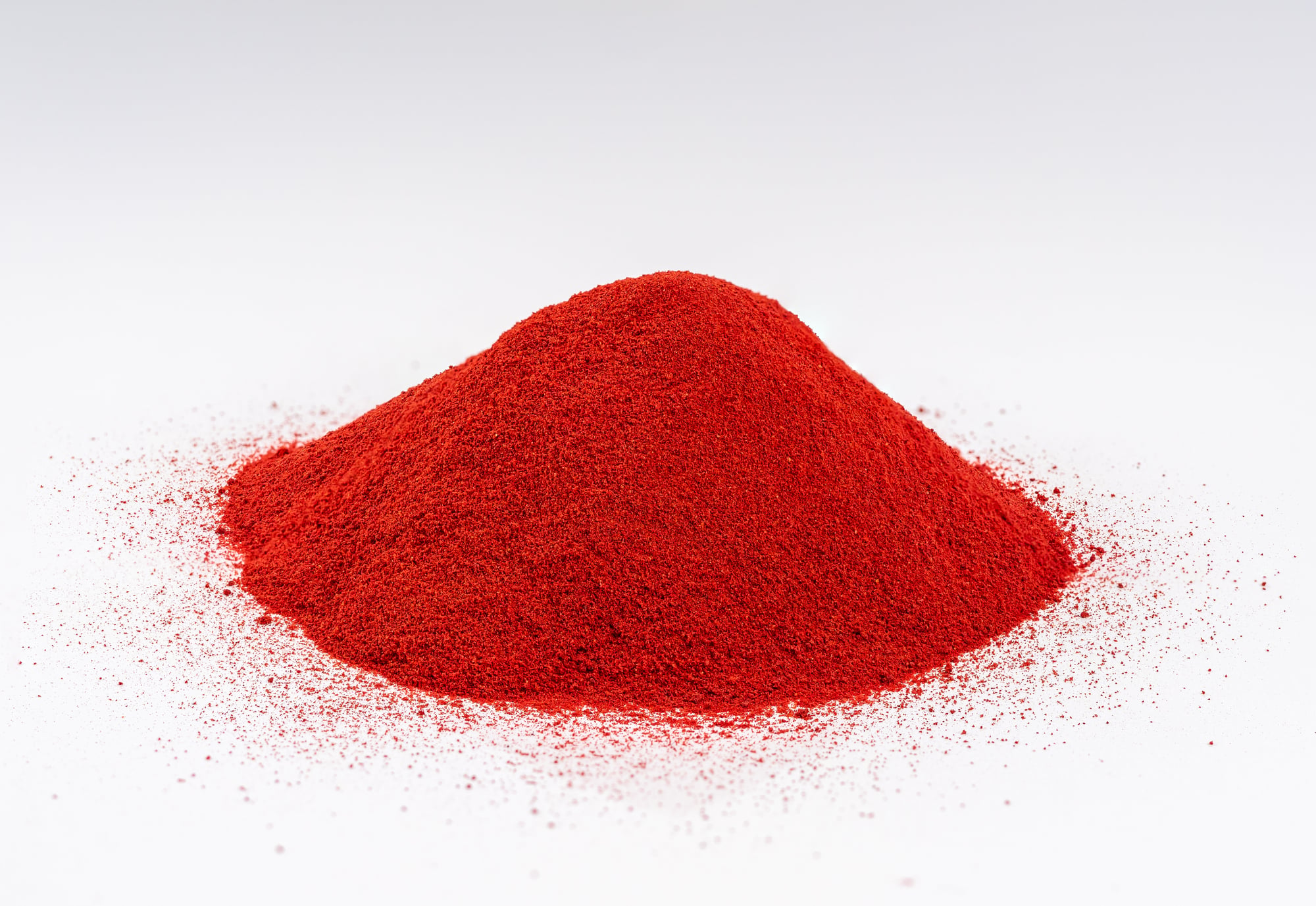
This petroleum-based food coloring was finally banned by the FDA in January 2025, though the ban won’t take full effect until 2027. The synthetic dye has been used in thousands of products including Pop-Tarts, candy corn, and cocktail cherries.
Animal studies linked it to thyroid tumors and potential contributions to neurodegenerative diseases, and it had already been banned in cosmetics since 1990. The delay gives manufacturers time to reformulate their products without the controversial ingredient.
Brominated Vegetable Oil
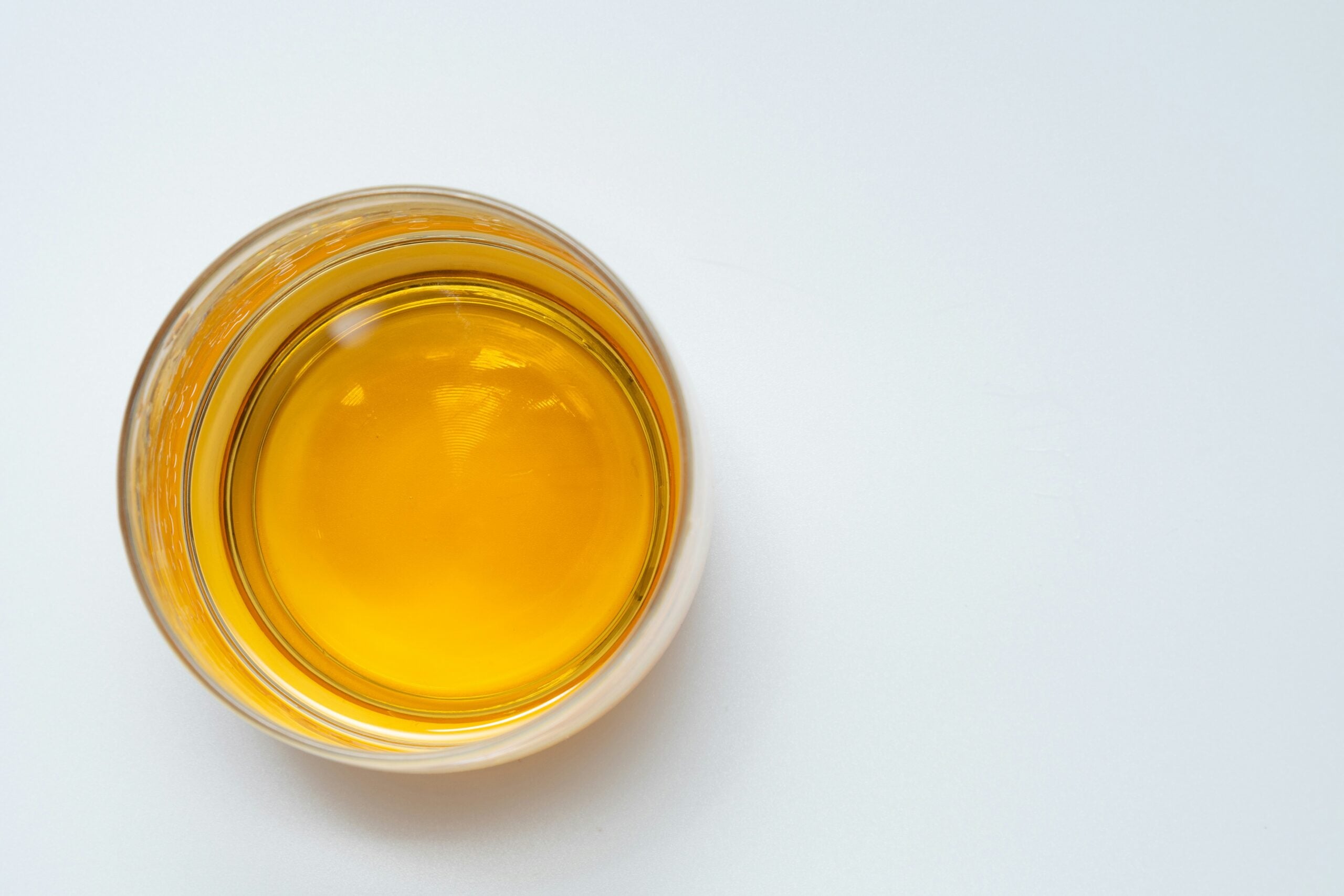
BVO was used in sodas for over 50 years to keep citrus flavoring from separating and floating to the top.The FDA banned it in August 2024 after new research revealed it could harm the nervous system with long-term exposure, causing symptoms like fatigue, headaches, and memory loss.
Major soda companies had already started removing it from their products before the official ban, but it lingered in some beverages until recently.
Chlorine-Washed Chicken
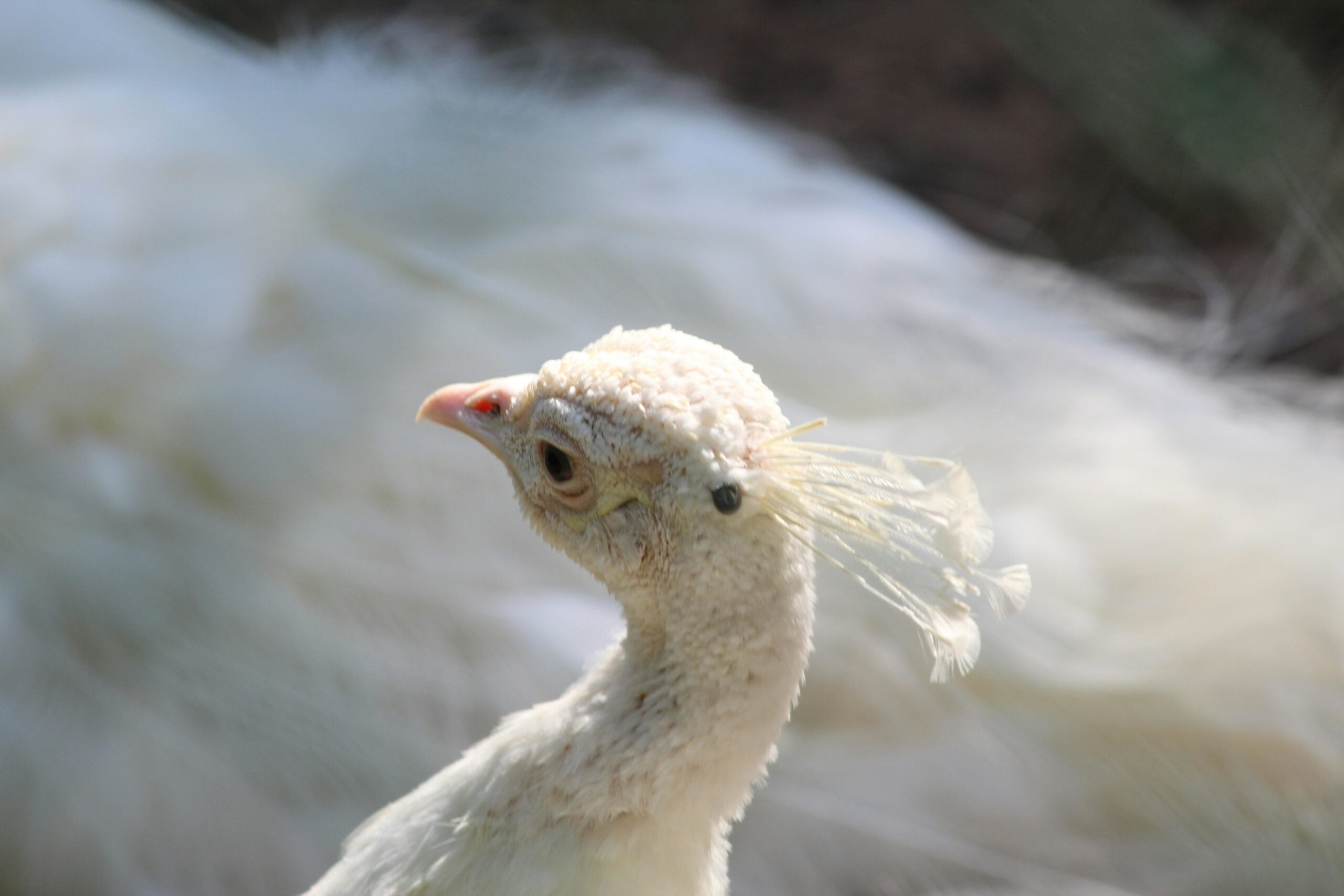
The European Union has banned American poultry since 1997, not because chlorine itself is dangerous, but because of what the practice represents.About 10 percent of U.S. processing plants use a chlorine rinse to kill bacteria like Salmonella after slaughter.
EU regulators worry this allows producers to cut corners in animal welfare and hygiene standards earlier in the process, then rely on the chemical wash to clean things up at the end. They’d rather see better conditions from the start.
Genetically Modified Corn
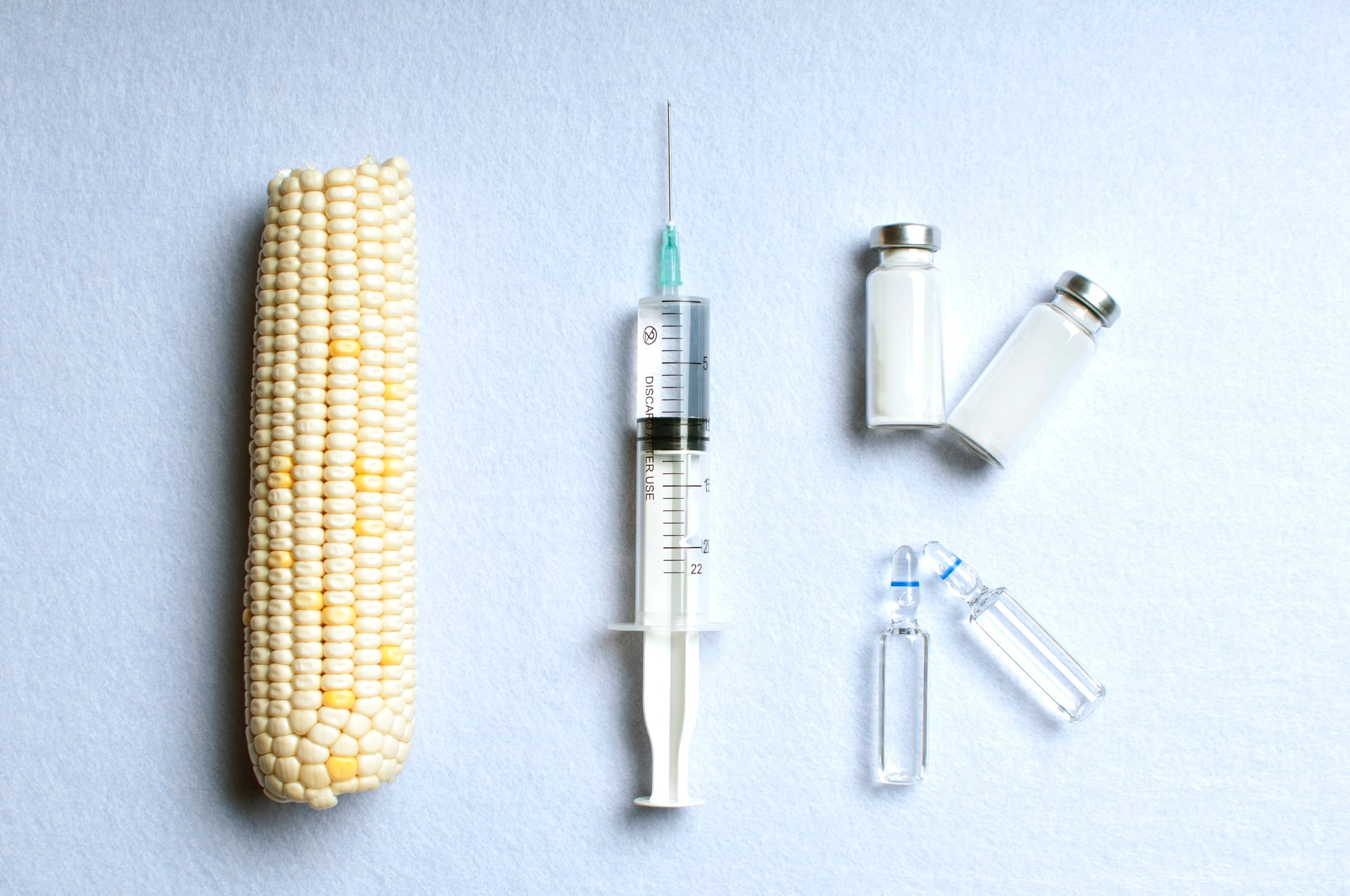
The United States is the world’s largest producer of GMO corn, but much of it can’t be sold in the European Union without special authorization.Only a handful of GMO maize varieties have been approved for import into EU countries.
Mexico went even further in 2025 by changing its constitution to ban the planting of GMO crops entirely, protecting native corn species as part of national identity.The debate continues between those who see GMOs as essential for food security and those concerned about long-term environmental and health impacts.
Mountain Dew
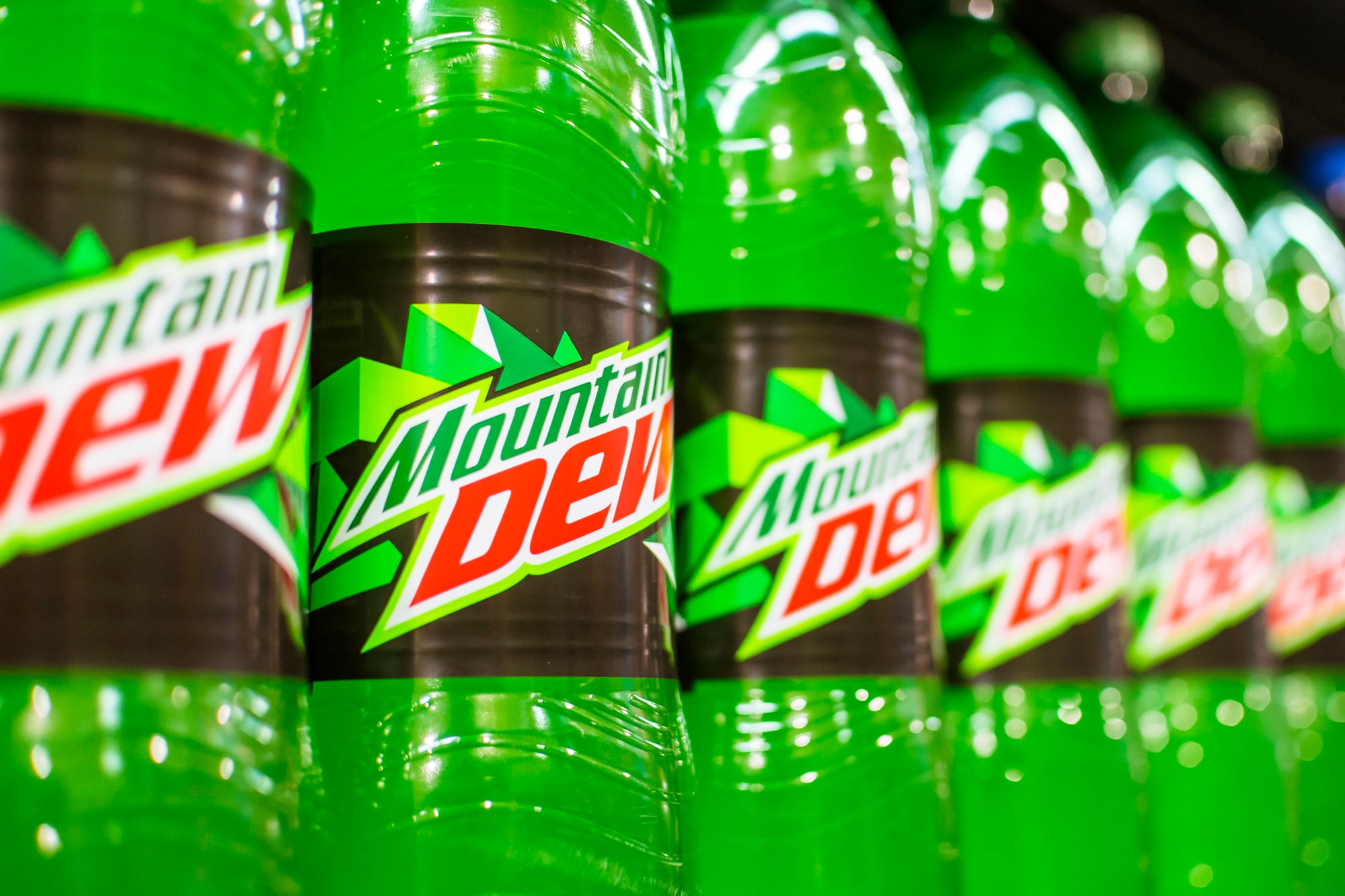
This bright yellow-green soda was banned in Japan and parts of Europe because it used to contain brominated vegetable oil as a flame retardant.The chemical has been linked to ADHD, autism, memory loss, and nerve problems in various studies.
While the drink’s formula has since been changed in many markets, some countries maintain their bans or heavy restrictions on the original formulation.
Fruit Loops
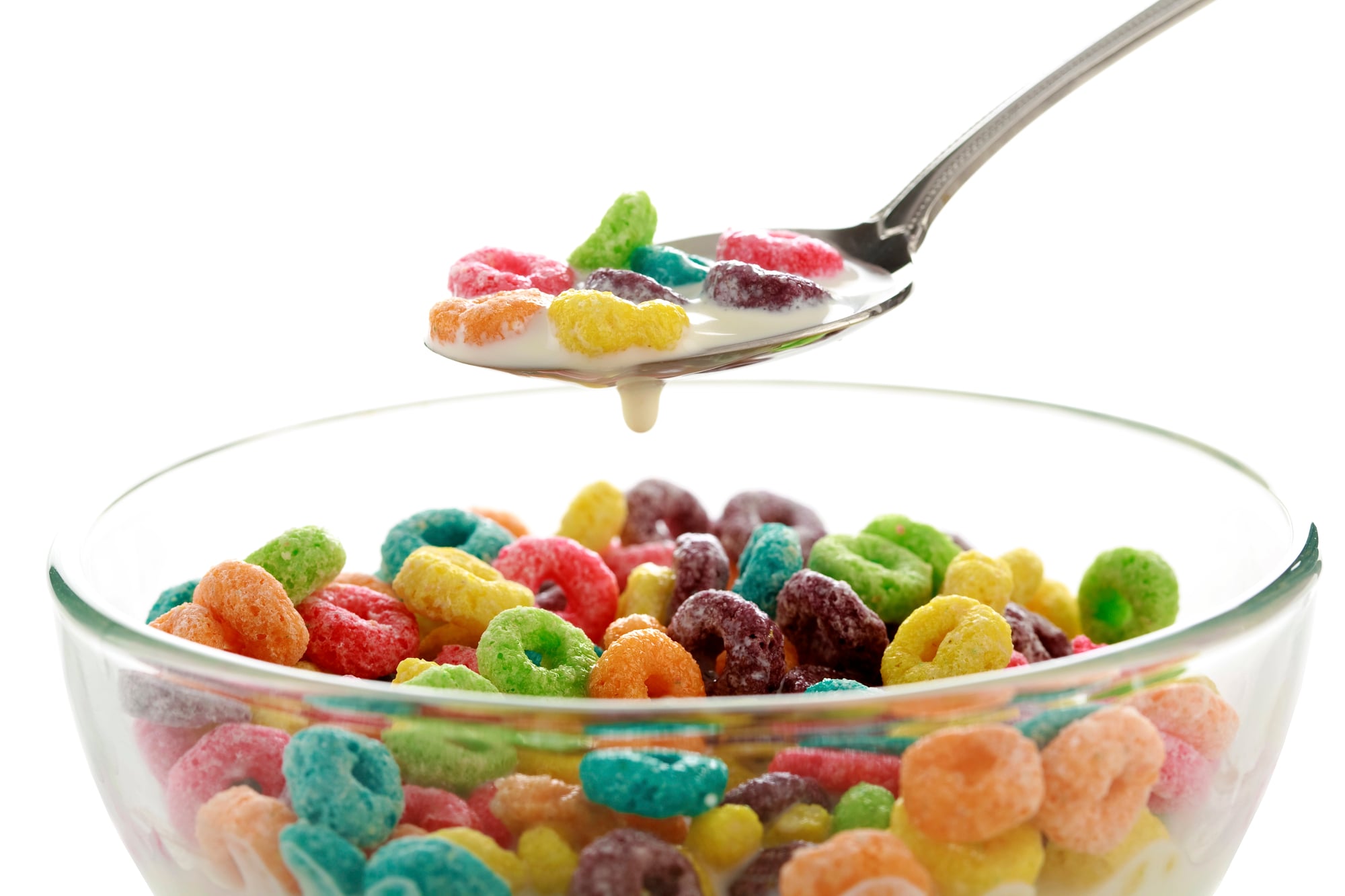
This colorful breakfast cereal is banned in Norway, France, Finland, and Austria due to concerns about artificial food dyes. The cereal contains Red 40 and Yellow 5, which have been linked to hyperactivity in children and potential carcinogenic properties.
While the FDA considers these dyes safe, European regulators require warning labels on products containing them, and some countries have gone further by banning them outright.
Ackee Fruit
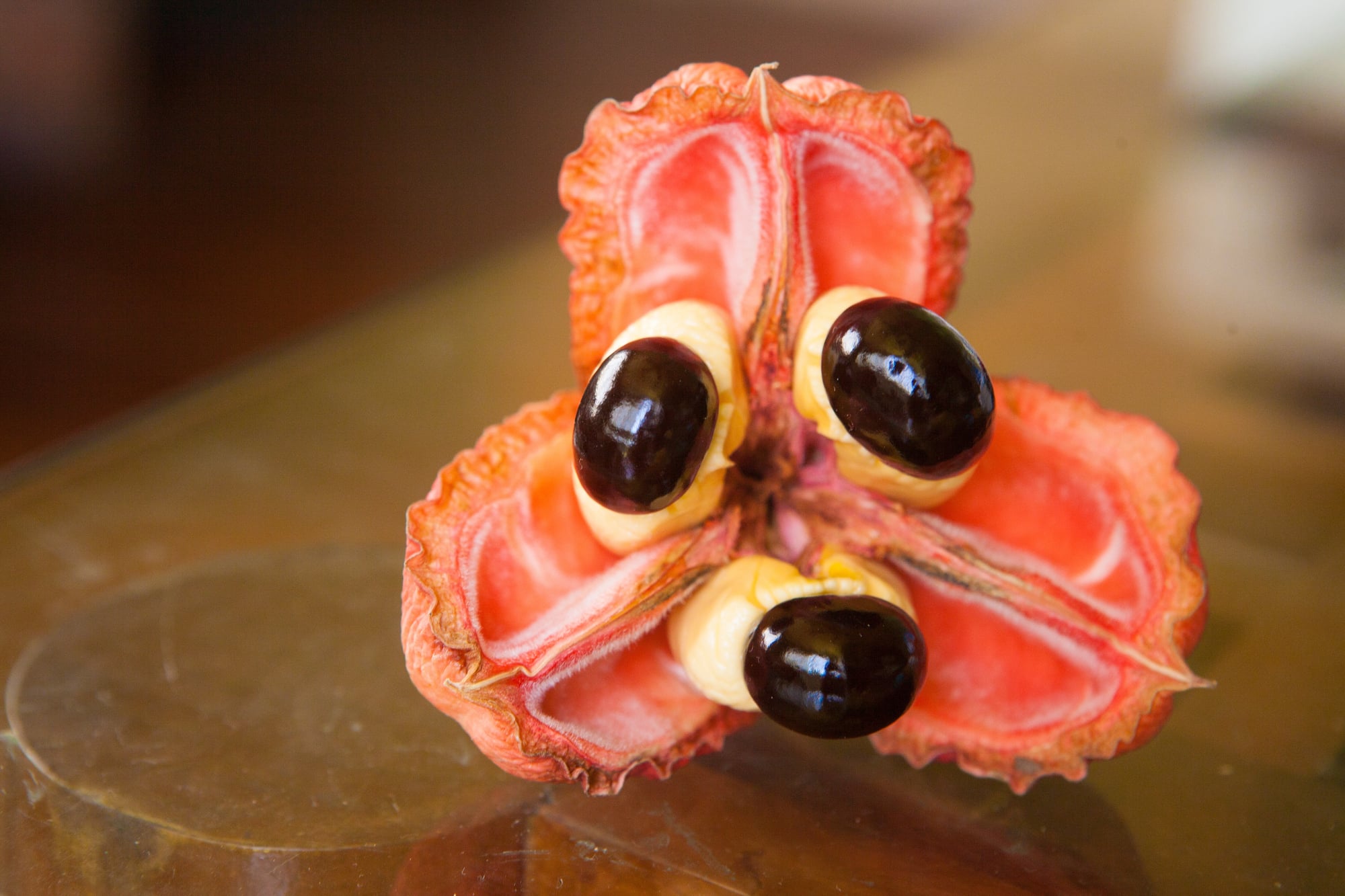
Jamaica’s national fruit is banned from import into the United States unless it’s been properly processed and canned.Unripe ackee contains hypoglycin, a toxin that can cause severe vomiting, seizures, and even death in a condition called Jamaican vomiting sickness.
The fruit is only safe to eat when it naturally opens on the tree, revealing the edible yellow flesh inside.The FDA maintains strict regulations on ackee imports to prevent poisoning cases.
Horse Meat
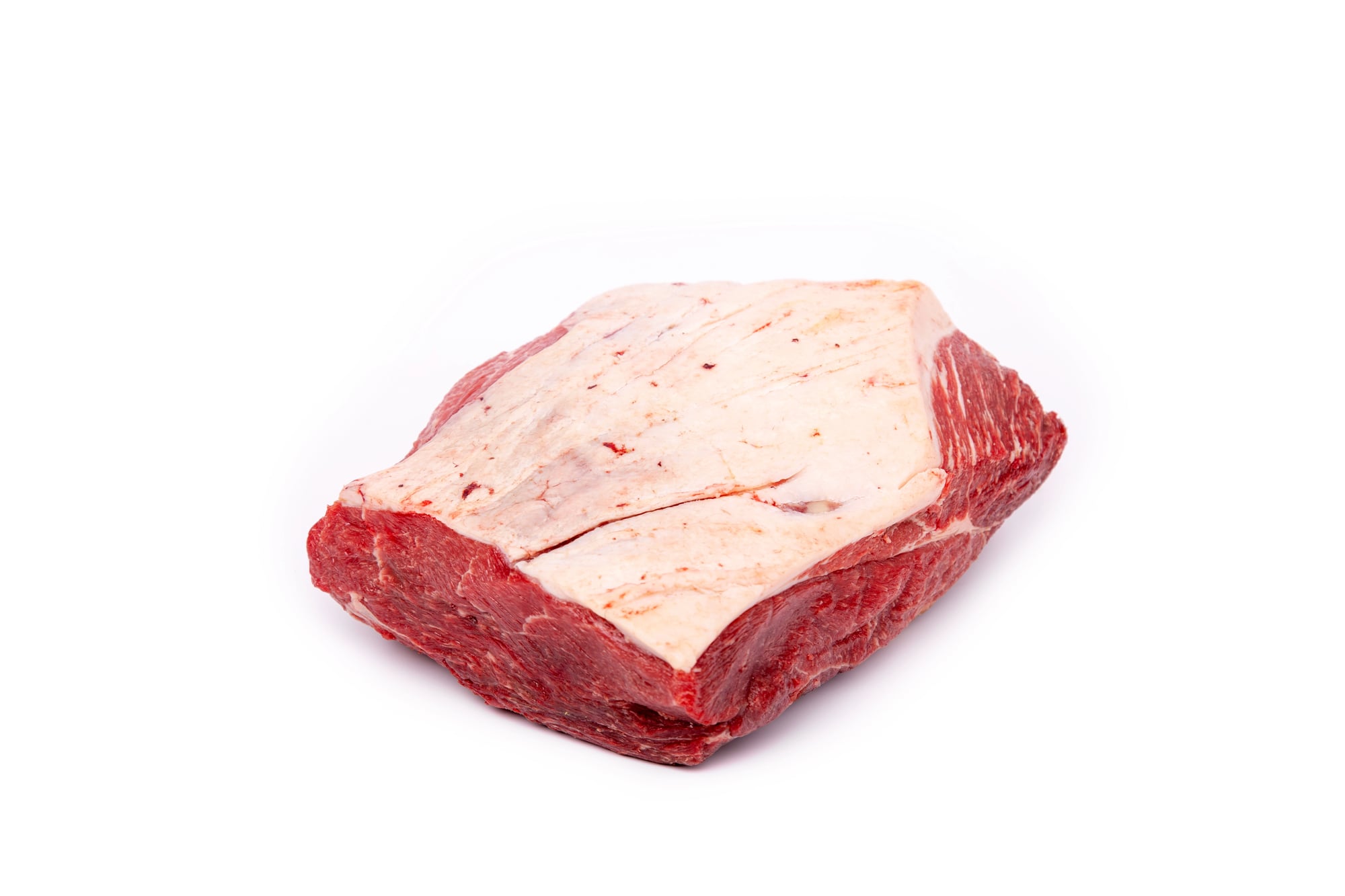
While horse meat is consumed in parts of Europe and Asia, it’s effectively banned in the United States for cultural rather than health reasons.Federal funding for horse meat inspections was eliminated, making it impossible to legally slaughter horses for human consumption in the country.
Many Americans view horses as companion animals rather than livestock.Some states have explicit laws against horse slaughter, while others simply lack the infrastructure to process it.
Ketchup in French Schools
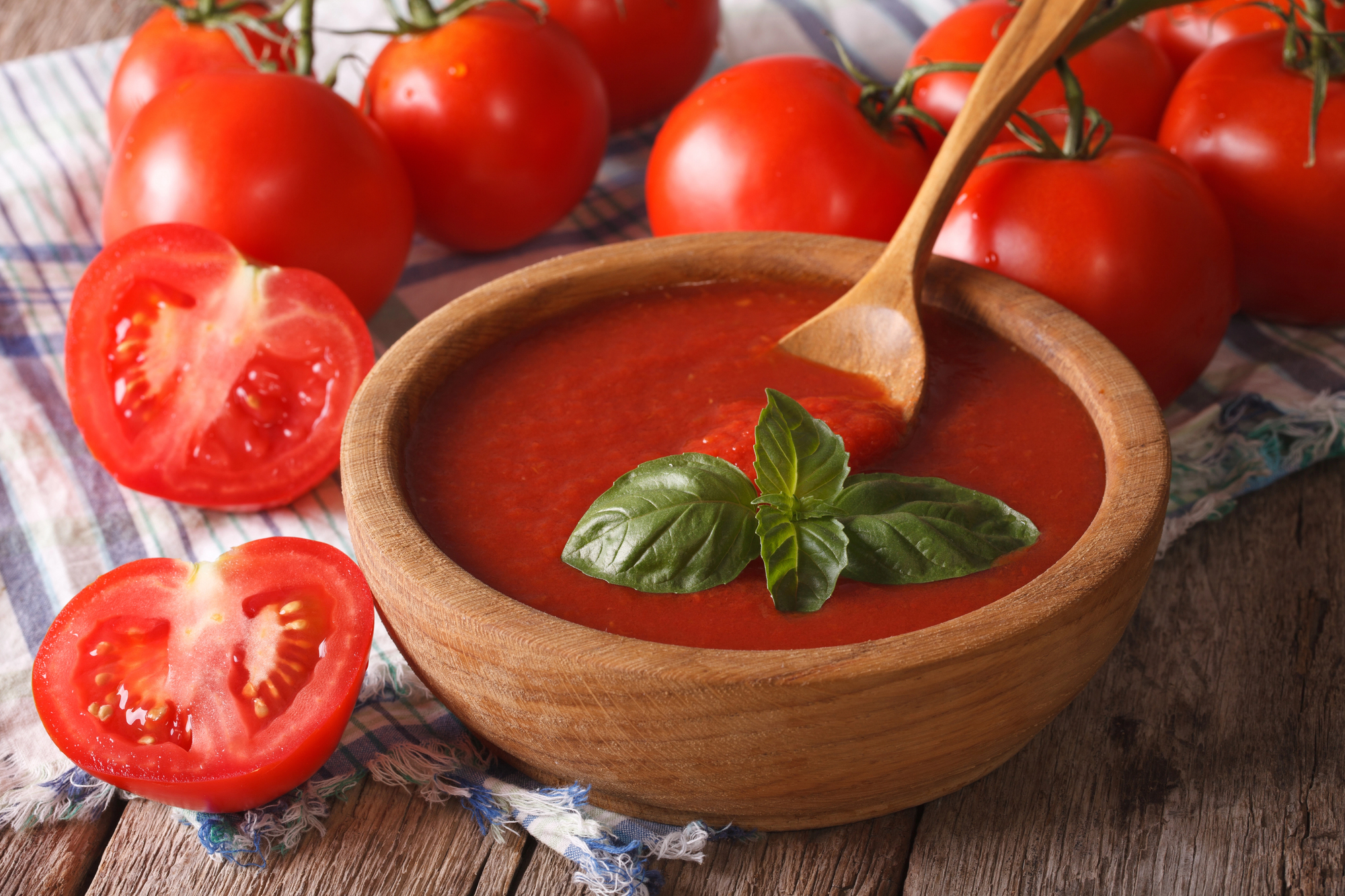
France hasn’t banned ketchup entirely, but elementary schools severely limit its availability in cafeterias.The condiment is now only served with dishes where it’s considered appropriate, rather than being freely available for students to smother everything in sight.
The limitation aims to protect French culinary culture and help young people develop appreciation for traditional recipes and flavors. French authorities worry that easy access to ketchup encourages kids to mask the taste of their food rather than learning to enjoy it properly.
A World of Different Standards
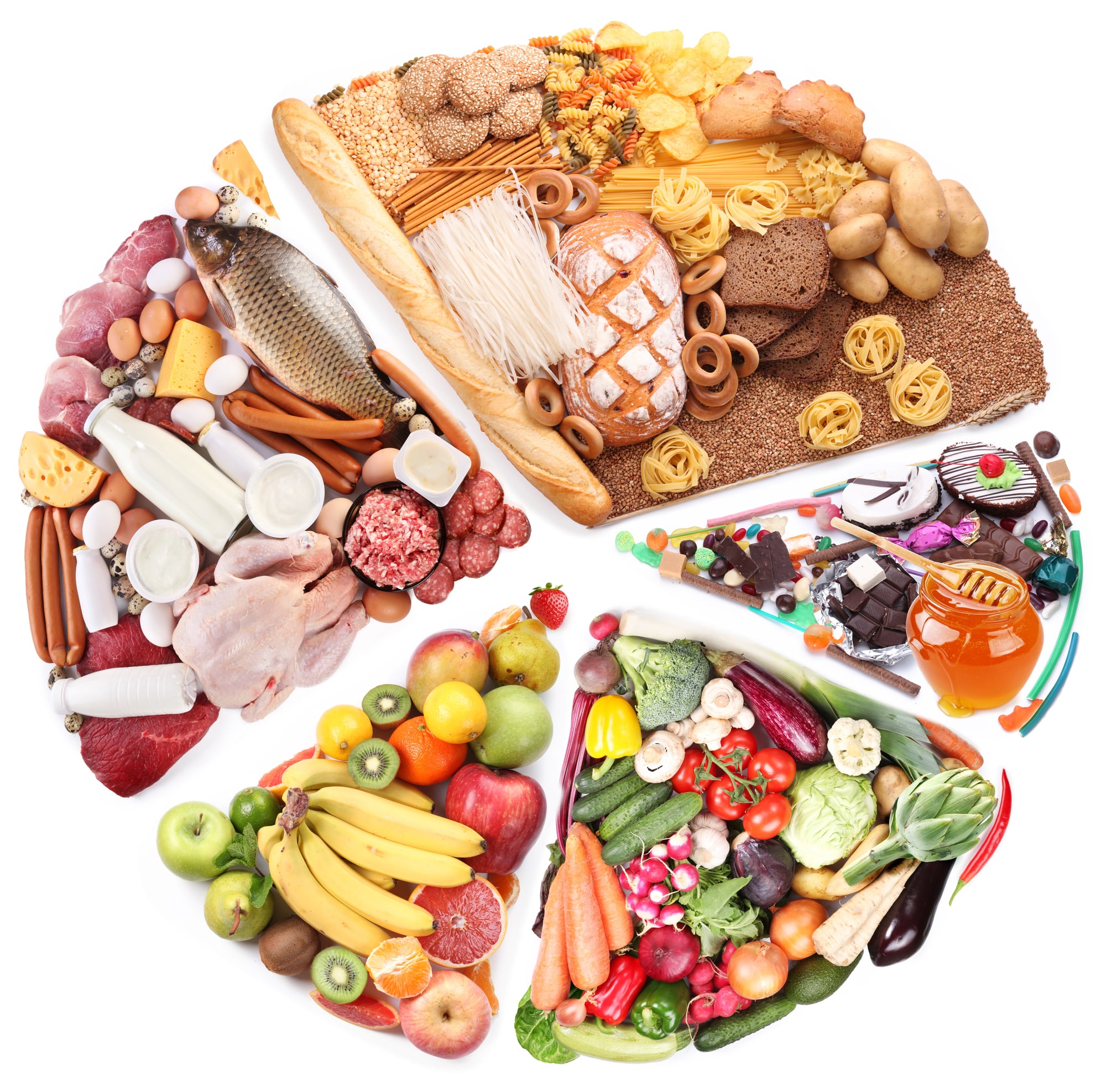
Food regulations reveal how differently cultures value safety, tradition, and animal welfare. What seems perfectly reasonable in one place can look bizarre or even dangerous somewhere else.
These bans reflect ongoing debates about health science, cultural preservation, and ethical treatment of animals As global food systems become more connected, expect these conversations to continue evolving, with some restrictions loosening while others tightening based on new research and changing values.
More from Go2Tutors!

- The Romanov Crown Jewels and Their Tragic Fate
- 13 Historical Mysteries That Science Still Can’t Solve
- Famous Hoaxes That Fooled the World for Years
- 15 Child Stars with Tragic Adult Lives
- 16 Famous Jewelry Pieces in History
Like Go2Tutors’s content? Follow us on MSN.