17 Countries With the Weirdest School Schedules
Most of us grew up thinking our school schedule was pretty normal—September to June, with a nice long summer break to recover from months of homework and early mornings. But travel around the world, and you’ll quickly discover that what seems ‘normal’ to us would be completely bizarre to kids in other countries.
Some places start their school year when we’re heading to the beach. Others keep kids in class for nearly 10 hours a day. A few countries give students so much vacation time that parents start panicking about childcare costs, while others squeeze everything into such a tight schedule that summer break becomes a distant memory.
These aren’t just minor tweaks to the traditional calendar—these are education systems that turned conventional wisdom upside down and somehow made it work.
Here is a list of 17 countries with school schedules so unusual they’ll make you appreciate (or question) your own educational experience.
Thailand
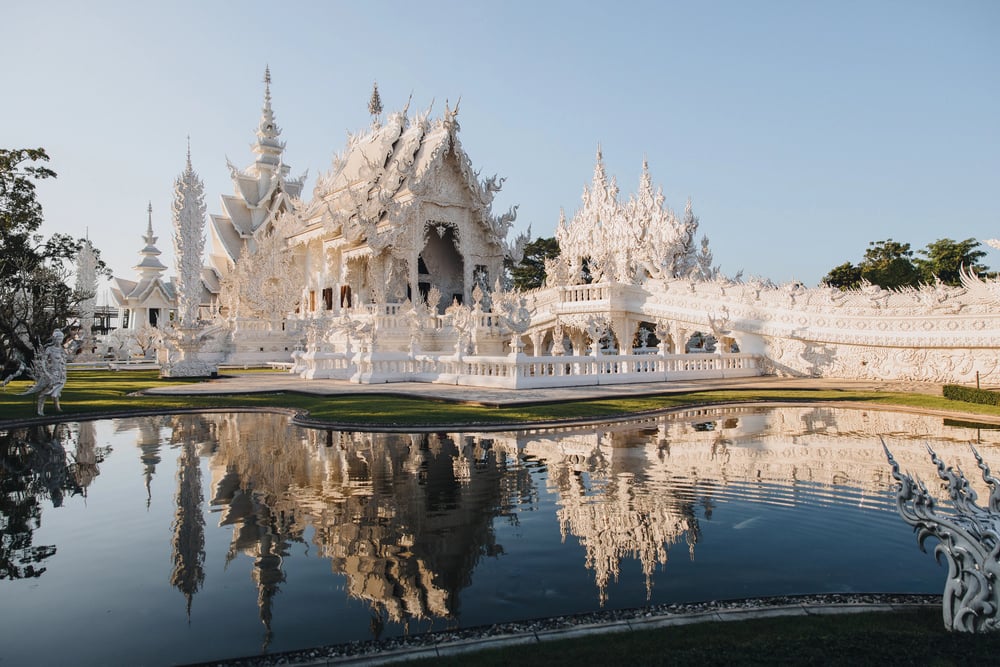
Thailand takes the crown for having the longest school day in the world—a marathon 9.5 hours that would make most students elsewhere weep. Yet this isn’t just about cramming more math problems into the day.
Thai schools typically start their academic year in May and run until March of the following year, completely flipping the traditional schedule we’re used to. Students wear uniforms even in higher education, reflecting the country’s deep respect for educational structure.
The extended hours include significant time for breaks and cultural activities, though 2-3 hours are often allocated for lunch and recess between classes.
South Korea
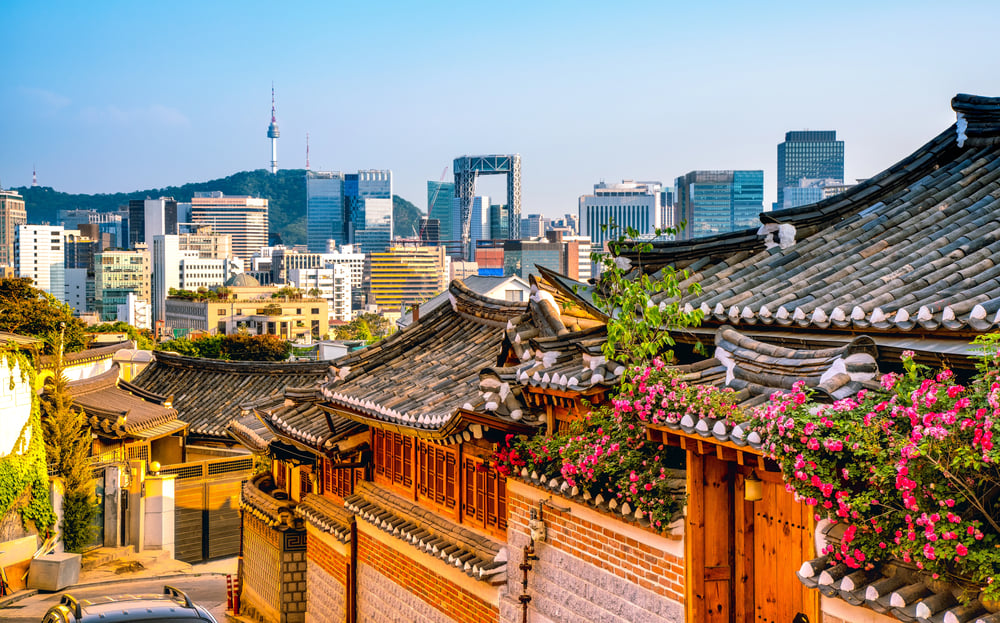
While Thailand wins for longest days, South Korea claims the prize for shortest summer vacation—just 4 weeks off compared to the 10-13 weeks many other countries offer. Korean students typically start school at 8 AM and face one of the world’s most rigorous education systems, yet they consistently score in the top 5 countries on international tests.
The flip side? Reports of extreme stress and anxiety among students have led to growing criticism of this ultra-intensive approach.
The country’s success comes at a cost that educators worldwide are still debating.
Finland

Finland does everything backward—and somehow ends up with one of the world’s best education systems. Children don’t start school until age 7, spend only about 5 hours a day in the classroom, and rarely do homework or take exams until they’re teenagers.
The Finnish school day typically starts anywhere from 9 to 9:45 AM (imagine that luxury!), and teachers are required to have master’s degrees with government-covered tuition. This relaxed approach has produced consistently high international rankings, proving that sometimes less really is more.
Japan
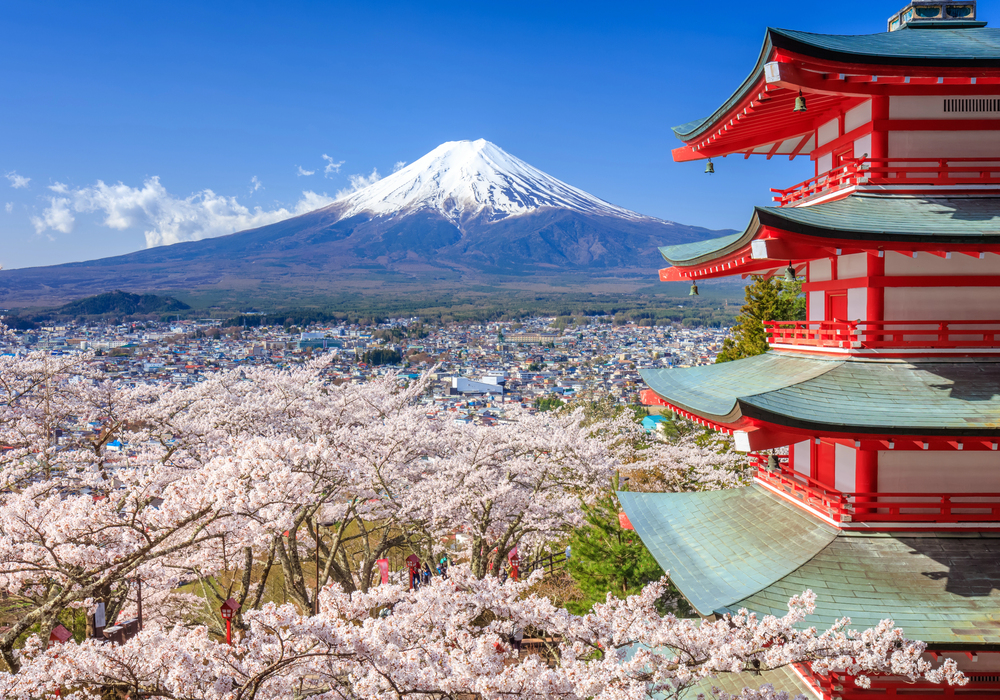
Japan’s school year runs from April to March, operating on a trimester system that places summer vacation right in the middle of the academic year rather than at the end. Students attend school for a minimum of 210 days per year compared to 180 in the United States.
Most schools run Monday through Friday, though some offer optional Saturday classes. The system emphasizes moral education alongside academics, with students participating in daily cleaning routines and extensive after-school club activities that can last well into the evening.
Chile
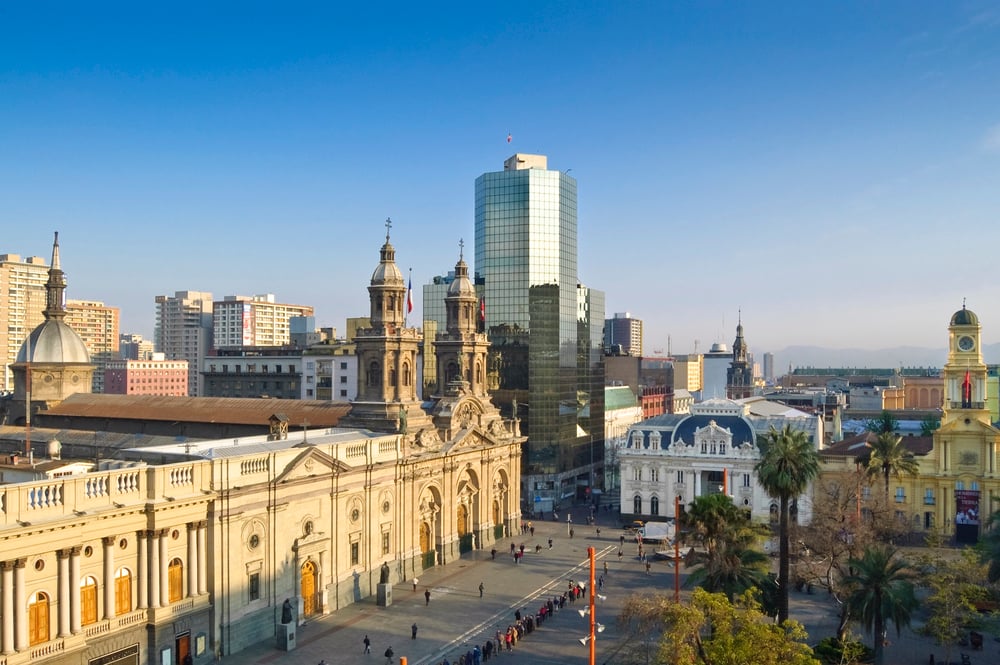
Chilean students spend 1,007 hours in school every year—more than elementary students anywhere else in the world according to OECD data. Their school year kicks off in March and extends to December, offering winter break during what Americans consider summer months.
School schedules often run from 8 AM to 2 PM or 4 PM depending on the area and grade levels. This southern hemisphere country has completely inverted the traditional academic calendar, with students hitting the books when kids in North America are building sandcastles.
Australia

Australia’s upside-down seasons create an equally upside-down school schedule. The academic year runs from late January to December, divided into four terms with two-week breaks between each term and a longer summer break during December and January.
School days typically run from 8:30 AM to 3:30 PM, Monday through Friday. Students experience their longest vacation during the hottest months, which fall during the northern hemisphere’s winter—making international student exchanges a logistical puzzle.
Russia
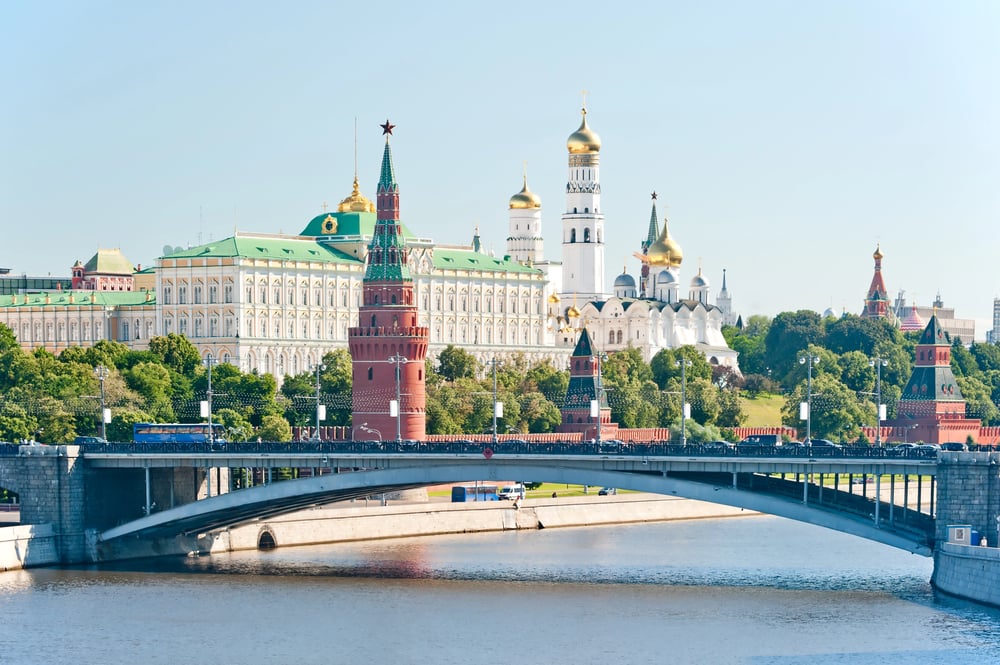
Russian primary school students spend just 470 hours in the classroom during the school year—less than half the 990 hours required in 35 American states according to Pew Research Center data. This remarkably short academic commitment runs Monday through Friday, typically from about 8 AM to early afternoon.
Despite this limited classroom time, Russian students have historically performed well in mathematics and sciences, suggesting that efficiency might matter more than total hours spent at desks.
Portugal, Latvia, and Albania

These three countries give students the longest summer vacation in the world—a whopping 13 weeks off school that makes American summer break look like a long weekend. That’s over three months of freedom, which sounds amazing until parents start calculating childcare costs and wondering how to keep kids engaged for nearly a quarter of the year.
Latvia’s summer holidays run from June to August, while Portugal maintains this extended break as part of a broader European tradition of valuing lengthy family vacation time.
Norway

Norway’s education system gets completely derailed every spring by something called Russfeiring—a three-week graduation celebration that runs from April 20th to May 17th. High school students buy old cars, buses, or vans, decorate them elaborately, wear red or blue overalls, and essentially party non-stop for weeks.
When authorities tried moving exams to early May to discourage this celebration, students chose partying over studying and their grades suffered so badly that the government gave up and moved exams back. Sometimes tradition wins over academic scheduling.
Bangladesh

Necessity created perhaps the world’s most unusual school system in Bangladesh, where conventional schools close during annual floods that affect millions of students. The solution? Floating schools powered by solar panels that can navigate floodwaters and continue education even during natural disasters.
These boat schools serve a country where 32% of the 165 million population is under 15, creating enormous educational demands that require creative solutions when weather makes traditional schooling impossible.
France

French students enjoy 8 weeks of summer vacation as part of ‘Les Grandes Vacances’ (the big holiday), and this break is nationally mandated—the French Ministry of Education dictates the same summer vacation dates for all of France. The cultural importance of this extended break reflects a broader attitude where most French adults take all of August off work too.
Despite this leisurely approach, France ranks lower than countries like Canada and Germany in global school rankings, leading to ongoing debates about whether shorter vacations might improve academic performance.
Cambodia

Cambodian students face 8 hours and 45 minutes of school each day, reflecting the strong emphasis on education common throughout Asian countries. This extensive daily commitment shows how different cultures prioritize academic achievement, though it raises questions about work-life balance for young students.
The long hours often include breaks and various activities, but still represent a significant daily time investment that would challenge students accustomed to shorter school days.
Brazil
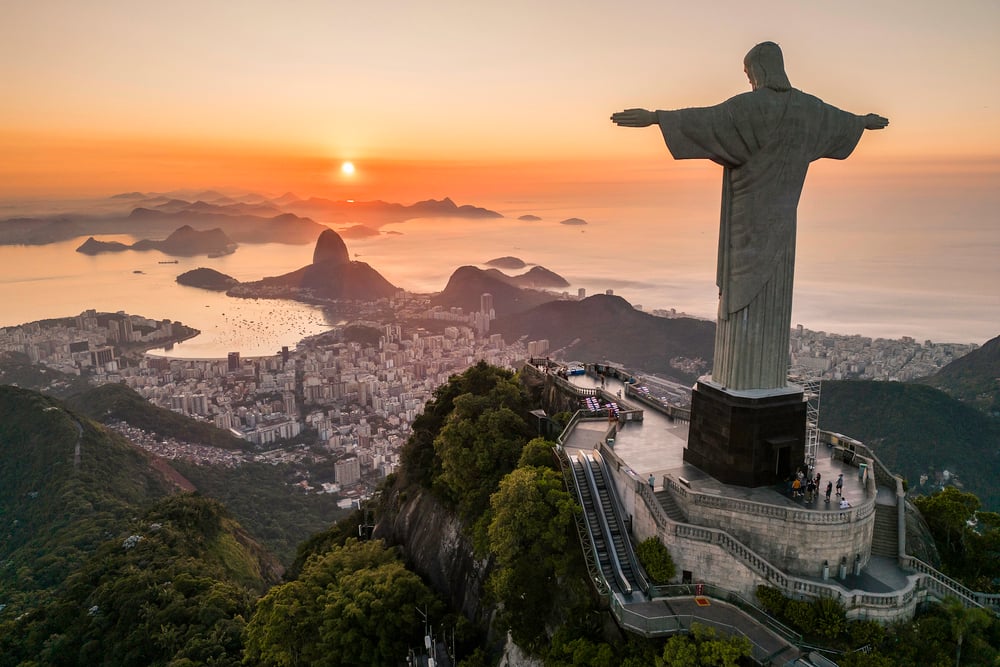
Brazil operates split school systems depending on location and socioeconomic factors. The country averages just 4 hours of school per day, focusing on efficiency and student well-being over extended classroom time.
However, some regions run ‘Calendar A’ with short breaks from mid-June to early July, while others use ‘Calendar B’ with long vacations from late June to early September to match international school calendars for exchange programs and summer courses.
Germany

German students spend only 5 hours and 30 minutes in school daily, one of the shorter schedules among developed nations. This relatively brief academic day might reflect an educational philosophy emphasizing quality over quantity, though it requires careful coordination with work schedules for parents.
The system has produced strong economic and educational outcomes, suggesting that concentrated, high-quality instruction can be more effective than simply extending school hours.
Spain and Mexico

Both countries maintain 6-hour school days, offering what many consider a balanced approach between academic pursuits and other aspects of student life. Spanish schools traditionally included long midday breaks that allowed students to return home for lunch and rest, though this siesta-influenced schedule has evolved in urban areas.
Mexico’s 6-hour day operates within a system that emphasizes both academic achievement and cultural preservation.
India

India presents a complex educational landscape where school schedules vary dramatically by region and socioeconomic status. Students in some areas face jam-packed days with minimal breaks, while others attend schools with more flexible schedules.
The country has no single academic calendar—colder regions take long vacations in winter while others follow more traditional summer break patterns. With 600 million young people under 25 and 30 babies born every minute, the sheer scale of India’s educational challenges creates diverse scheduling solutions.
Uganda

Uganda schedules its nationwide long break from December to January, even though the climate varies heavily by altitude and region across the country. For boarding school students, the school day typically begins around 7:30 AM and includes morning tea breaks and early afternoon lunch breaks.
The Ministry of Education standardized this timing despite the country’s diverse geographical and climatic conditions, showing how administrative decisions sometimes override local environmental factors.
When Normal Becomes Weird

These wildly different schedules reveal something fascinating about how we think about education. What seems perfectly reasonable in one culture—like Finland’s late start times or Norway’s party-induced exam delays—would seem completely bizarre in another.
South Korea’s month-long summer break would horrify American parents planning summer camps, while Thailand’s 9.5-hour school days would spark protests in countries that value work-life balance.
Perhaps most interesting is how these different approaches often produce similar results. Finland’s relaxed schedule and South Korea’s intense one both generate high-achieving students, while Russia’s minimal classroom hours and Chile’s maximum time investment each create their own educational successes.
This suggests that the ‘right’ school schedule might depend more on cultural values and social support systems than on any universal educational principles. These unusual schedules also highlight how much we take our own educational timing for granted, assuming that September-to-June with July-August off is somehow the natural order of learning.
In reality, it’s just one approach among many—and probably not even the most logical one for most climates and cultures.
More from Go2Tutors!

- The Romanov Crown Jewels and Their Tragic Fate
- 13 Historical Mysteries That Science Still Can’t Solve
- Famous Hoaxes That Fooled the World for Years
- 15 Child Stars with Tragic Adult Lives
- 16 Famous Jewelry Pieces in History
Like Go2Tutors’s content? Follow us on MSN.



