16 Gatsby insights from the roaring ’20s
F. Scott Fitzgerald’s masterpiece doesn’t just tell a love story—it captures an entire era in American history. Published in 1925 and set in 1922, the novel serves as a time capsule of the Jazz Age, when the country was drunk on prosperity, freedom, and the intoxicating belief that anything was possible.
Every detail in Gatsby’s world reflects the real social upheavals, cultural shifts, and economic transformations that defined the 1920s. Here is a list of 16 fascinating insights that connect Fitzgerald’s fictional narrative to the authentic spirit and struggles of the Roaring Twenties.
Prohibition Created Criminal Empires
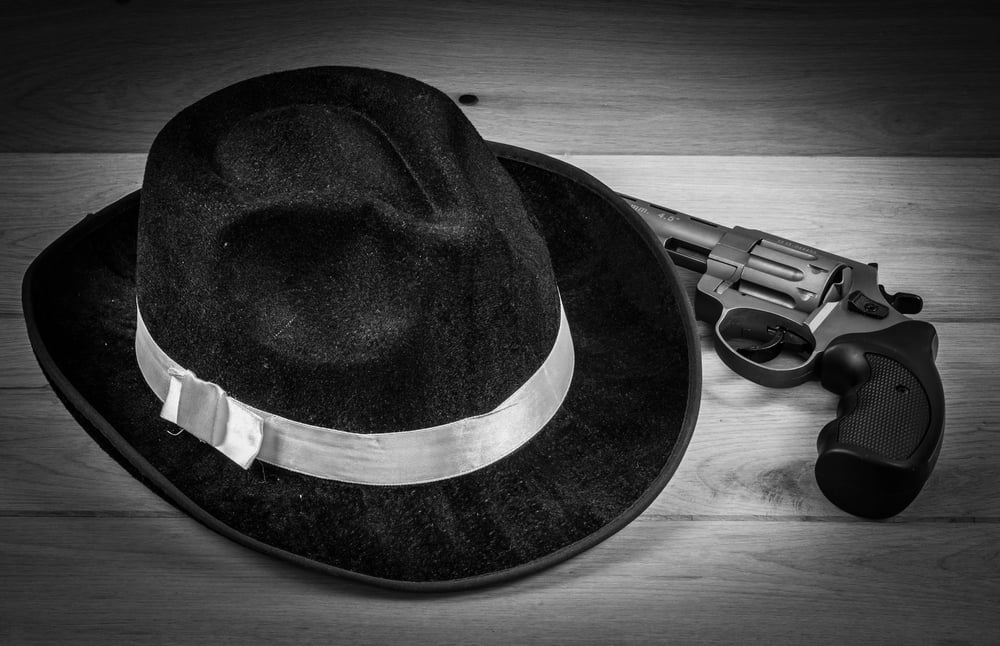
Gatsby’s mysterious wealth comes from bootlegging, reflecting how Prohibition transformed small-time street gangs into massive organized crime syndicates. Al Capone’s operation reached an estimated $100 million in revenue during the late 1920s from liquor distribution alone.
The ban on alcohol didn’t stop Americans from drinking—it just made the trade incredibly profitable for those willing to break the law.
Jazz Music Became America’s Soundtrack
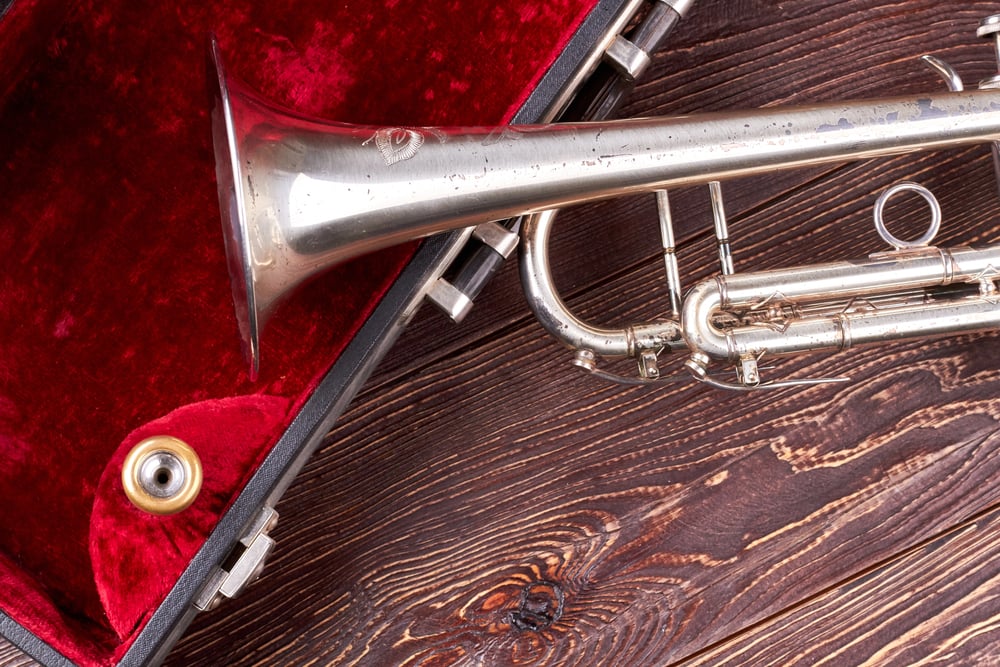
Musicians like Louis Armstrong and King Oliver brought jazz to mainstream audiences during the 1920s, and Fitzgerald made sure his fictional parties pulsed with this revolutionary sound. Nearly every song mentioned in the novel was a real piece of music from the era.
Jazz represented freedom, rebellion, and a break from traditional Victorian values that had dominated American culture.
The Automobile Revolution Changed Everything
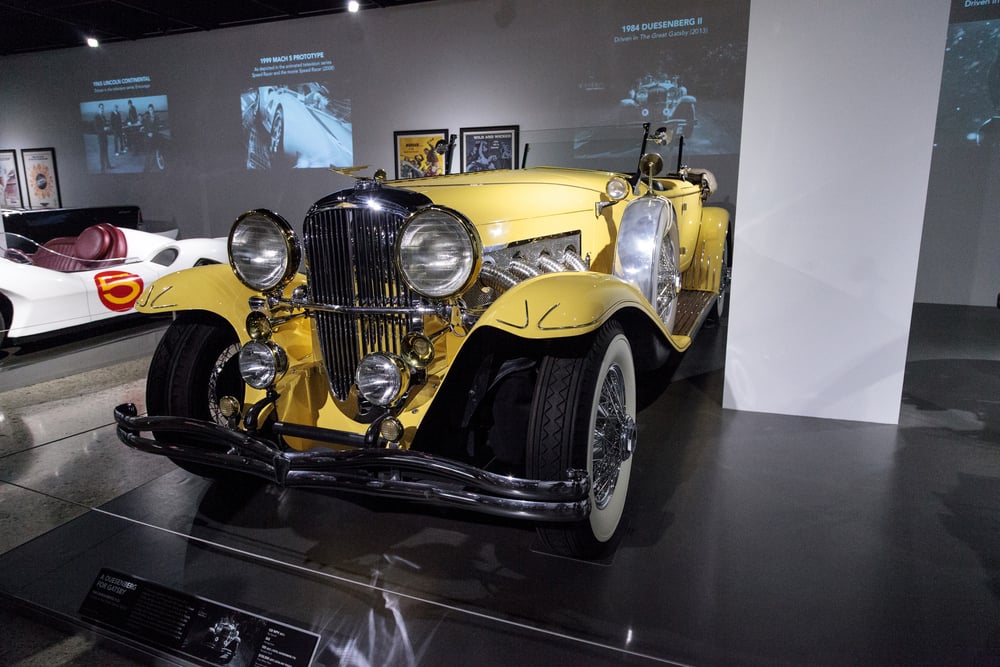
Cars became ubiquitous in the 1920s as lower prices and consumer credit enabled more Americans to buy their own. In Gatsby, automobiles aren’t just transportation—they’re symbols of status, danger, and the modern age.
The sudden prevalence of cars connected to increased danger, status symbol consumerism, and modern life. Daisy’s fatal car accident becomes a metaphor for how quickly this new technology could destroy lives.
Speakeasies Redefined Nightlife

At the height of Prohibition in the late 1920s, there were 32,000 speakeasies in New York alone. Gatsby’s lavish parties mirror these hidden clubs where Americans gathered to drink, dance, and forget the rules.
Famous speakeasies included the Stork Club and Chumley’s in the West Village. These establishments created a new kind of social space where traditional boundaries blurred.
Consumer Culture Exploded After WWI

Americans enjoyed an economic boom with more consumer goods to spend money on, from automobiles to radios to cosmetics. Gatsby’s mansion, parties, and lifestyle represent this new consumer culture driven by marketing and advertising.
Fitzgerald took care to include and implicitly criticize this worship of businesses and advertising, showing how materialism was becoming America’s new religion.
Women Gained Unprecedented Freedom
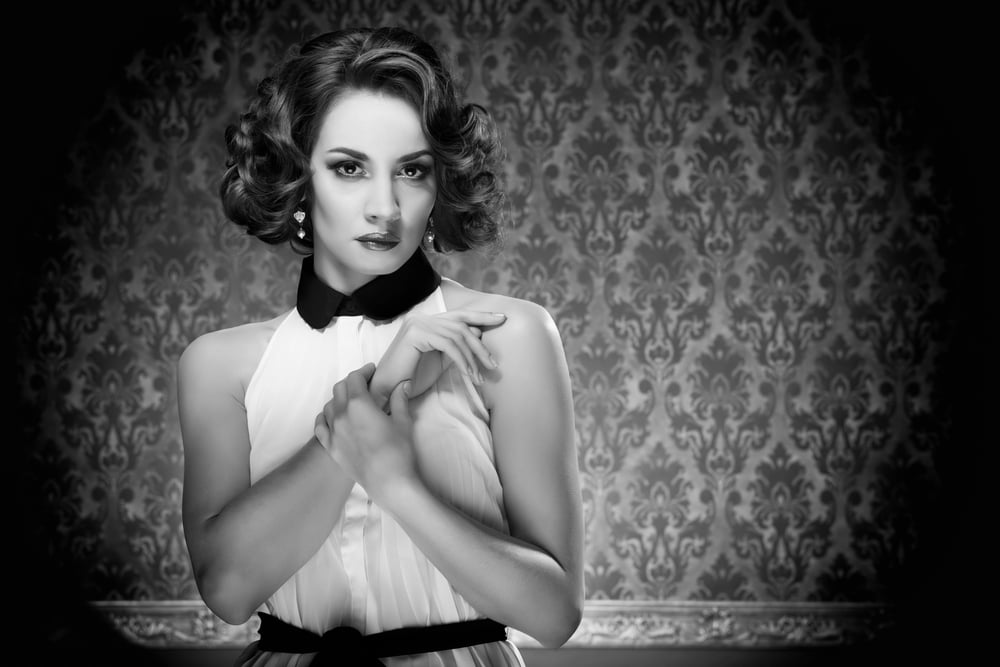
The 1920s witnessed positive political changes for women, most significantly the 19th Amendment giving women the right to vote. Daisy and Jordan Baker embody the ‘flapper’ culture—independent women who bobbed their hair, wore short skirts, and challenged traditional gender roles.
Flappers were typically young, modern women who also drank alcohol and had premarital relationships.
Post-War Disillusionment Shaped Literature

Writers like Fitzgerald, Hemingway, and Faulkner experienced the disillusionment of World War I and turned toward themes of alienation and moral decay. Both Nick and Gatsby are war veterans, representing millions of men who returned from Europe forever changed.
The war left Europe devastated and marked the emergence of the United States as a preeminent global power.
Racial Tensions Simmered Beneath the Surface

The Great Gatsby reflects the racist attitudes and anxieties of the times. Tom Buchanan’s rant about ‘The Rise of the Colored Empires’ mirrors real fears among white Americans about changing demographics.
Tom speaks admiringly of a fictionalized version of a white supremacist tract published in 1920. Despite the Harlem Renaissance flourishing simultaneously, racial segregation remained deeply entrenched.
Immigration Fueled Social Anxiety

In the early 1920s, waves of Italian immigrants fled to the United States as Mussolini took control of Italy. Meyer Wolfsheim represents the ethnic tensions of the era, when established Americans feared that newcomers threatened their cultural identity.
The defining question of the period was who constituted ‘a real American’.
Easy Money Created Dangerous Illusions

The economic boom after World War I created new prosperity through illegal schemes involving black-market alcohol. Gatsby’s belief that he can repeat the past reflects the era’s optimistic faith in endless possibilities.
Fitzgerald foreshadowed that the decadence of the 1920s would end in disappointment and disillusionment, presaging the coming stock market crash.
Old Money Versus New Money Tensions
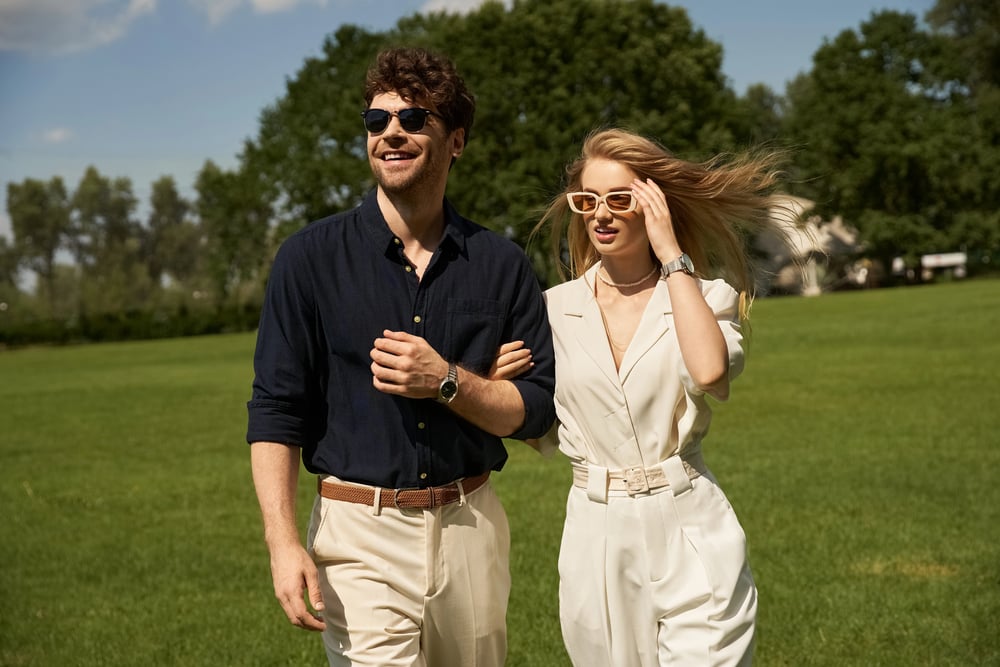
The East Egg versus West Egg divide captures real social anxieties about changing class structures in 1920s America. Gatsby’s success shows that people could potentially gain greater independence and self-empowerment, although there were no legal models for class mobility.
Traditional elite families felt threatened by newly wealthy entrepreneurs and bootleggers who didn’t respect established social hierarchies.
Technology Transformed Daily Life
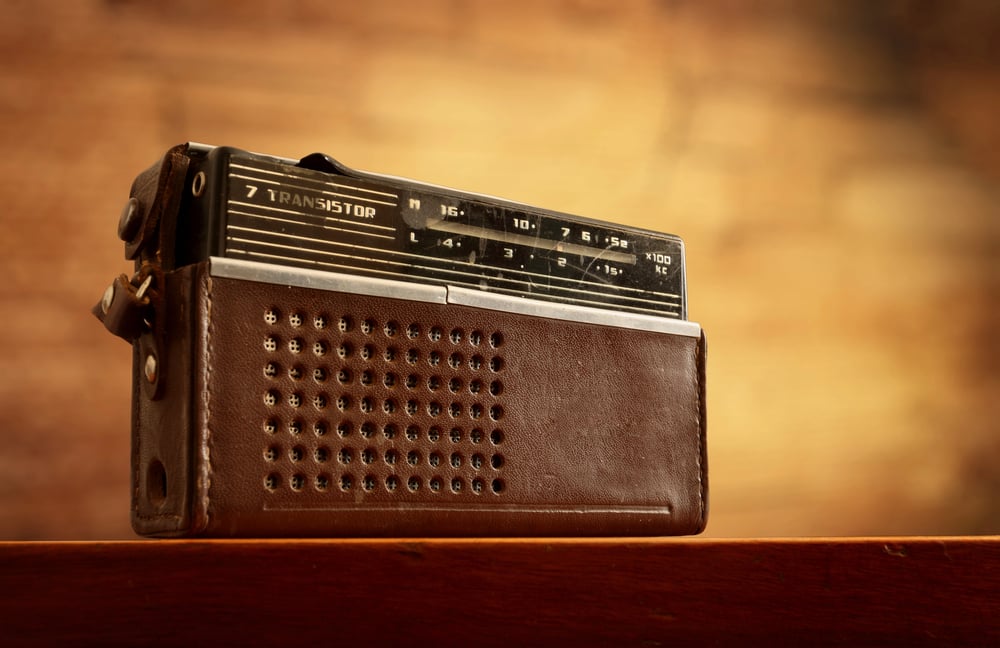
Fitzgerald mentions many new technologies beginning to be popularized, including automobiles, radio, and movies. These innovations didn’t just change how people lived—they changed how they thought about themselves and their place in the world.
The green light that Gatsby stares at becomes a symbol of how technology could make distant dreams seem tantalizingly within reach.
Cocktail Culture Emerged from Necessity

To hide the taste of poorly distilled whiskey and bathtub gin, speakeasies combined alcohol with ginger ale, Coca-Cola, sugar, mint, and fruit juices, creating the enduring mixed drink or cocktail. Gatsby’s parties feature endless flowing champagne and creative cocktails.
This wasn’t just about getting drunk—it was about creating a sophisticated drinking culture that thumbed its nose at Prohibition.
Geographic Mobility Reshaped Society
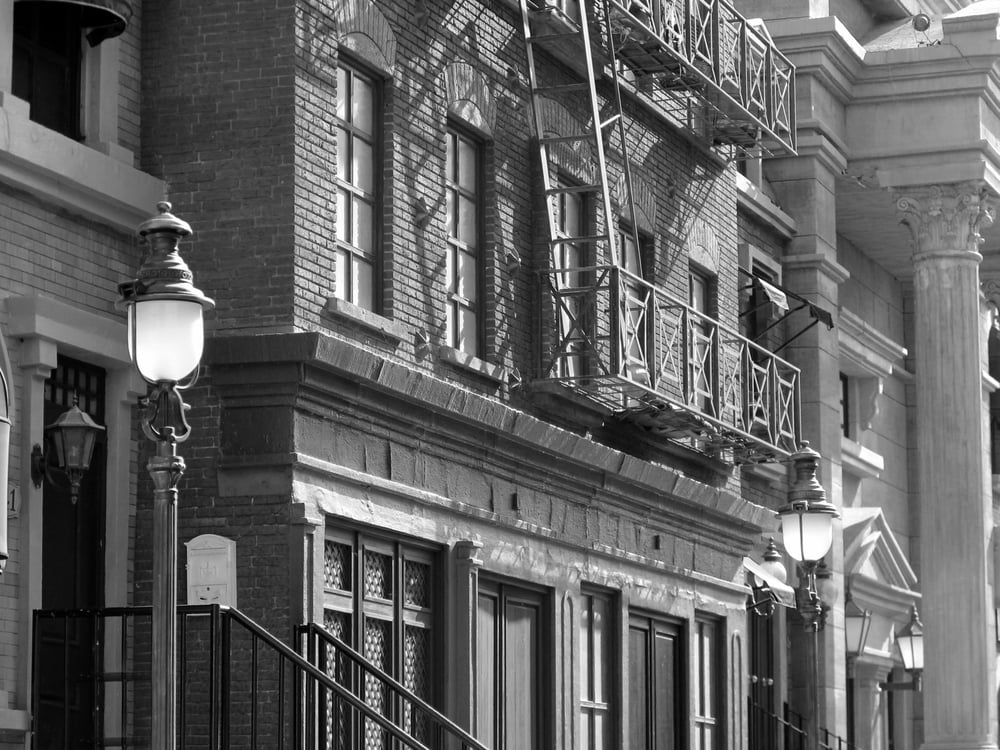
American manners and morals changed during the 1920s, dragged free from their geographical moorings. Nick’s move from the Midwest to New York reflects millions of Americans who left small towns for big cities.
This massive internal migration disrupted traditional communities and created new social dynamics in urban centers like Manhattan.
Financial Markets Became Cultural Obsessions

The growing influence of financial markets in New York shaped the era’s character. Nick works in the bond business, representing how Wall Street was transforming from a specialized profession into a national fascination.
The characters’ embrace of luxury echoed the country’s rampant appetite for consumer goods, funded by an unprecedented stock market boom.
The Party’s Inevitable End
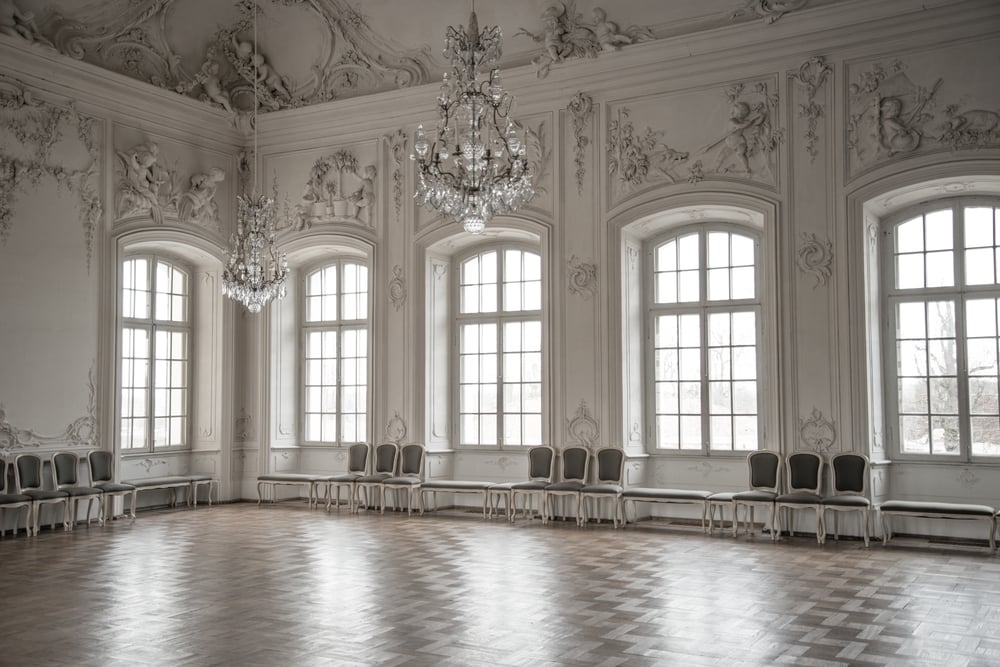
Fitzgerald captured the moment when America was turning toward the country we’ve inherited, losing its ideals in a rush toward materialism. The novel’s tragic ending foreshadowed the Great Depression that would shatter the decade’s optimistic illusions just four years after the book’s publication.
Fitzgerald’s themes of ambition and inequality reflected the instability of an era that ended disastrously. Gatsby’s dream dies with him, but it also represented the death of an entire generation’s naive faith in endless prosperity and second chances.
When Dreams Meet Reality
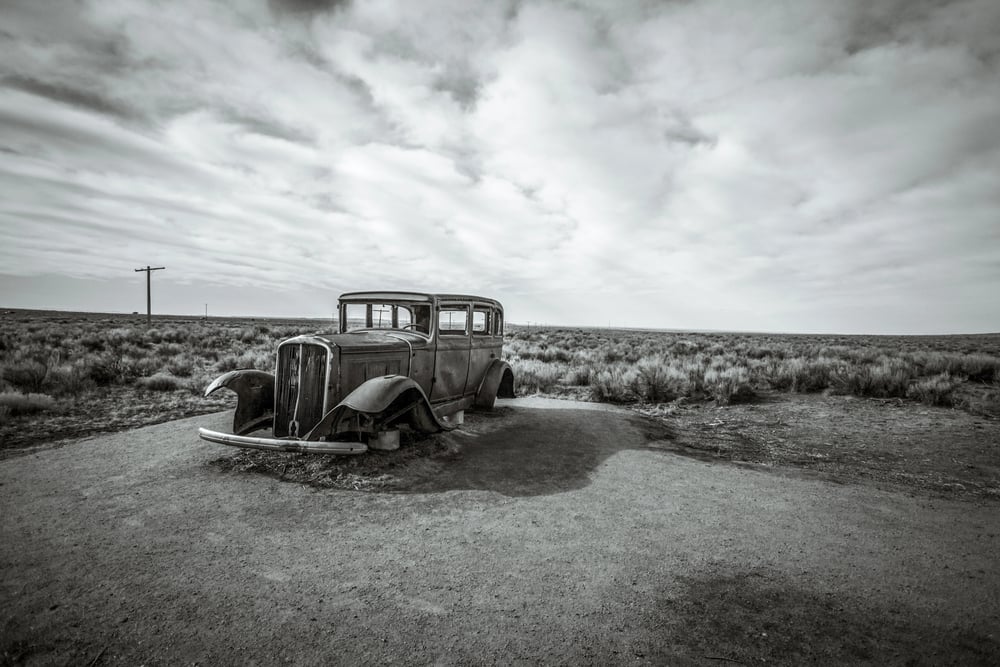
The Great Gatsby endures because it captured both the intoxicating promise and the inevitable hangover of the Roaring Twenties. Fitzgerald didn’t just document the era’s surface glamour—he revealed the moral confusion and spiritual emptiness that lurked beneath the party atmosphere.
His insight into what seemed like a period of superficial frivolity created a lasting emblem of an age when America discovered that not all dreams are worth pursuing, and not all that glitters is gold.
More from Go2Tutors!

- The Romanov Crown Jewels and Their Tragic Fate
- 13 Historical Mysteries That Science Still Can’t Solve
- Famous Hoaxes That Fooled the World for Years
- 15 Child Stars with Tragic Adult Lives
- 16 Famous Jewelry Pieces in History
Like Go2Tutors’s content? Follow us on MSN.