16 Public Infrastructure Projects That Were Abandoned Midway
Infrastructure projects represent humanity’s ambition to build bigger, connect farther, and solve complex problems. But sometimes, these grand visions crash into the harsh realities of budget constraints, political changes, or technical challenges.
The abandoned mega-projects that litter landscapes around America tell fascinating stories of what could have been. Here is a list of 16 unfinished public infrastructure projects, serving as modern monuments to ambitious plans that never reached completion.
Cincinnati Subway

Cincinnati’s underground transit system remains one of America’s most intriguing abandoned projects. Construction began in the 1920s, with over two miles of tunnels completed before the Great Depression permanently halted work.
The empty tunnels still exist beneath the city streets today, occasionally opened for rare tours that showcase the ghostly platforms and trackbeds that never saw a single passenger.
Florida Overseas Railroad
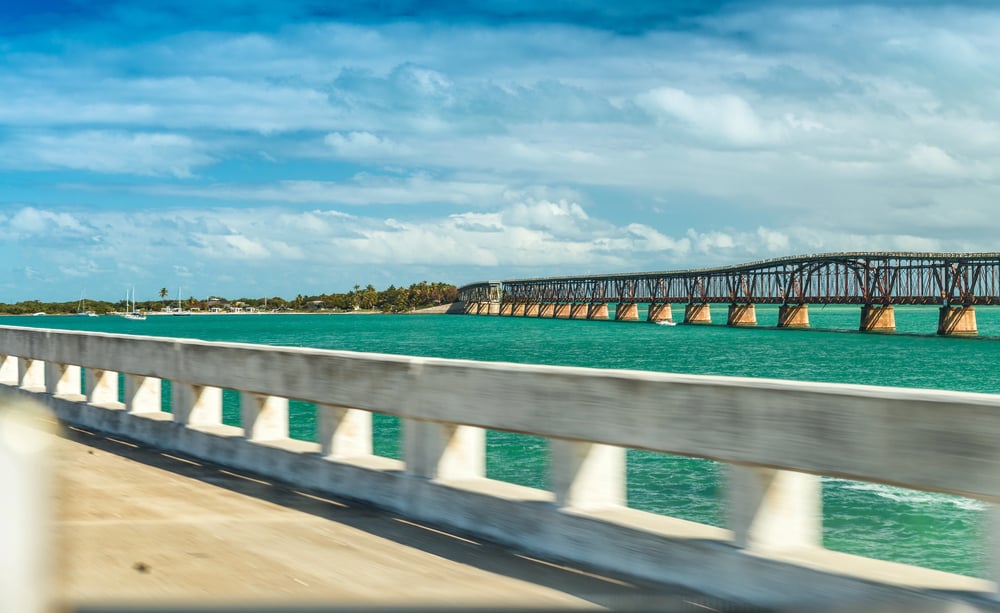
Henry Flagler’s ambitious “railroad that went to sea” connected mainland Florida to Key West in the early 1900s. The impressive overseas railway operated for over two decades until the devastating Labor Day Hurricane of 1935 washed away miles of track.
Rather than rebuild, the damaged portions were abandoned, with remaining infrastructure later converted into the Overseas Highway that drivers use today.
New Orleans Riverfront Expressway

This controversial expressway was planned to cut through New Orleans’ historic French Quarter in the 1960s. After years of preparation and initial construction, preservationists successfully fought against the project.
The partially built infrastructure was abandoned when the Department of Transportation finally canceled the expressway in 1969, marking one of the first major victories for urban preservation over highway development in America.
Seattle’s R.H. Thomson Expressway
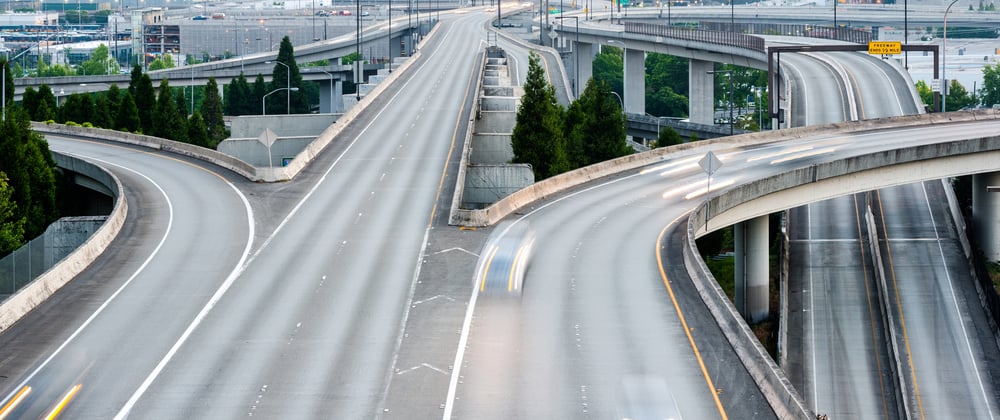
Seattle planned this massive eight-lane expressway to slice through several neighborhoods in the 1960s. Community opposition grew so fierce that the project was abandoned despite the millions spent on planning and initial construction.
The “ramps to nowhere” stood as concrete monuments in the Washington Park Arboretum for decades until their final removal in 2017, symbolizing the changing priorities in urban planning.
Kitsault, British Columbia
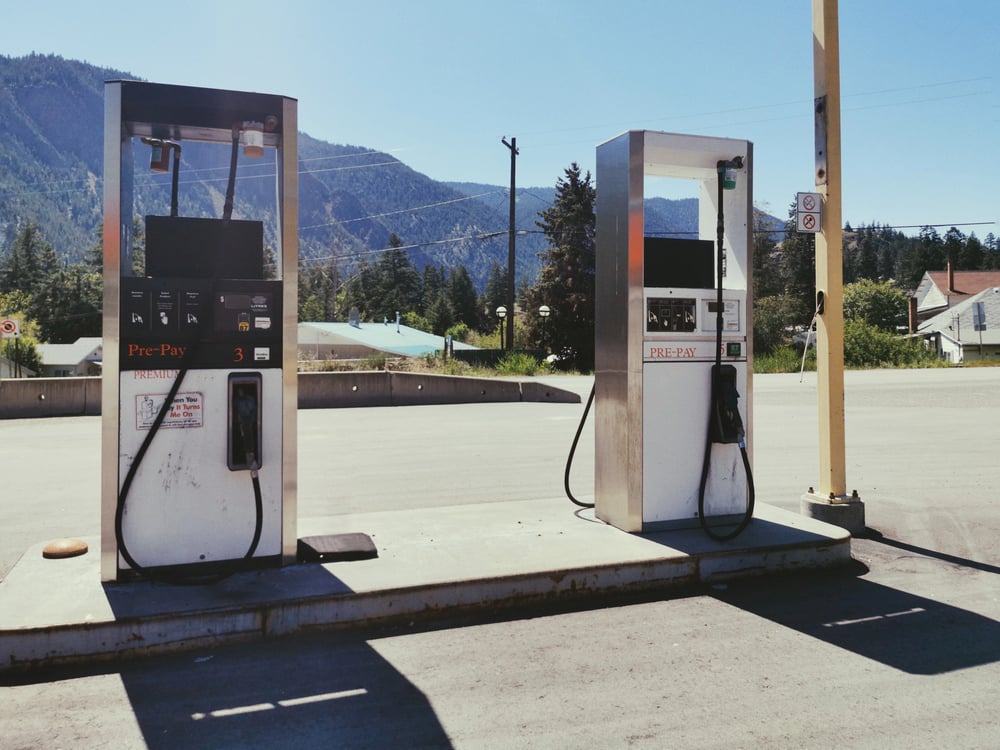
This isn’t just an abandoned project but an entire abandoned town. Built in the late 1970s as a modern mining community with full infrastructure, Kitsault became a ghost town when molybdenum prices collapsed just 18 months after the town opened. The fully furnished homes, shopping center, and recreation facilities were simply walked away from, creating an eerily preserved time capsule of early 1980s infrastructure.
California High-Speed Rail
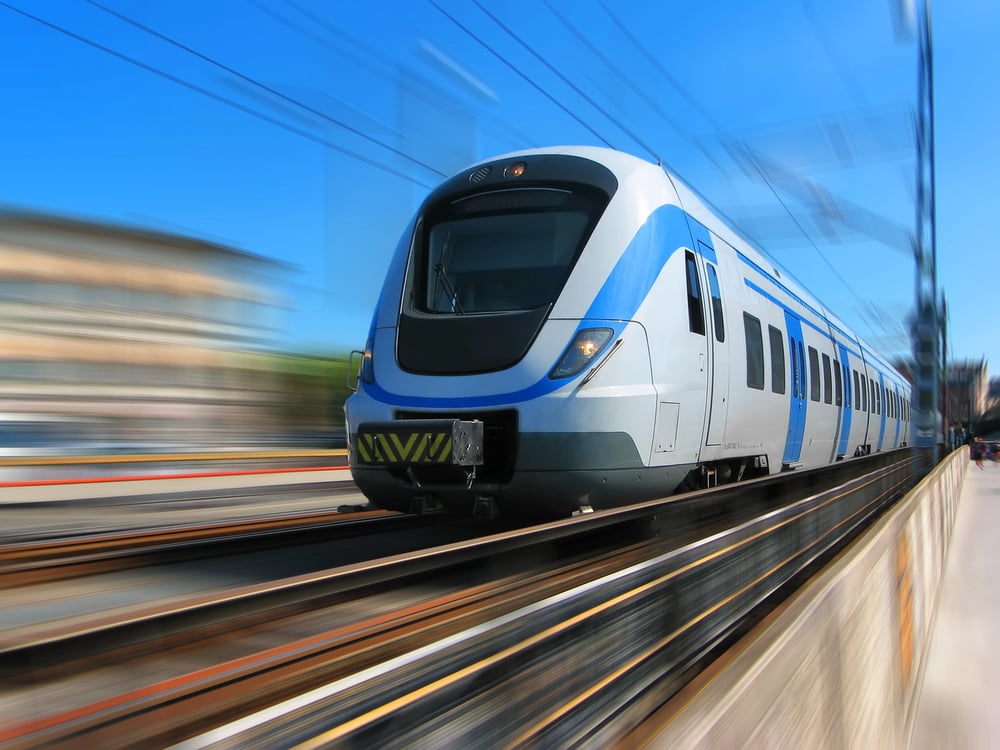
California’s ambitious high-speed rail project planned to connect Los Angeles and San Francisco with trains traveling at over 200 mph. Started in 2008 with an estimated budget of $33 billion, the project faced massive cost overruns that ballooned to over $100 billion.
By 2019, the project was significantly scaled back, with many planned sections abandoned despite billions already spent on partial construction and land acquisition.
Tennessee-Tombigbee Waterway

While eventually completed in a reduced form, the original plans for this massive waterway called for a much larger project. Initial construction began in the 1930s but was repeatedly scaled back and portions abandoned due to environmental concerns and budget issues.
The portions built in the early phases were left to deteriorate as the project was reconceptualized with a smaller footprint decades later.
Marble Hill Nuclear Power Station

This Indiana nuclear plant was nearly 80% complete when abandoned in 1984 after $2.5 billion had been spent. Construction issues and the Three Mile Island accident raised safety concerns that ultimately doomed the project.
The massive cooling tower and reactor buildings stood partially built for decades before slow demolition began, with some structures remaining visible today as monuments to nuclear ambition gone awry.
Buffalo Central Terminal

This magnificent Art Deco train station operated for decades before Amtrak service was discontinued in 1979. An ambitious redevelopment project in the 1980s aimed to transform the terminal into a hotel and shopping complex, but funding collapsed midway through construction.
The partially renovated structure was abandoned with new materials still sitting inside, creating an urban explorer destination that mixes 1929 grandeur with 1980s renovation debris.
New York City Water Tunnel No. 3
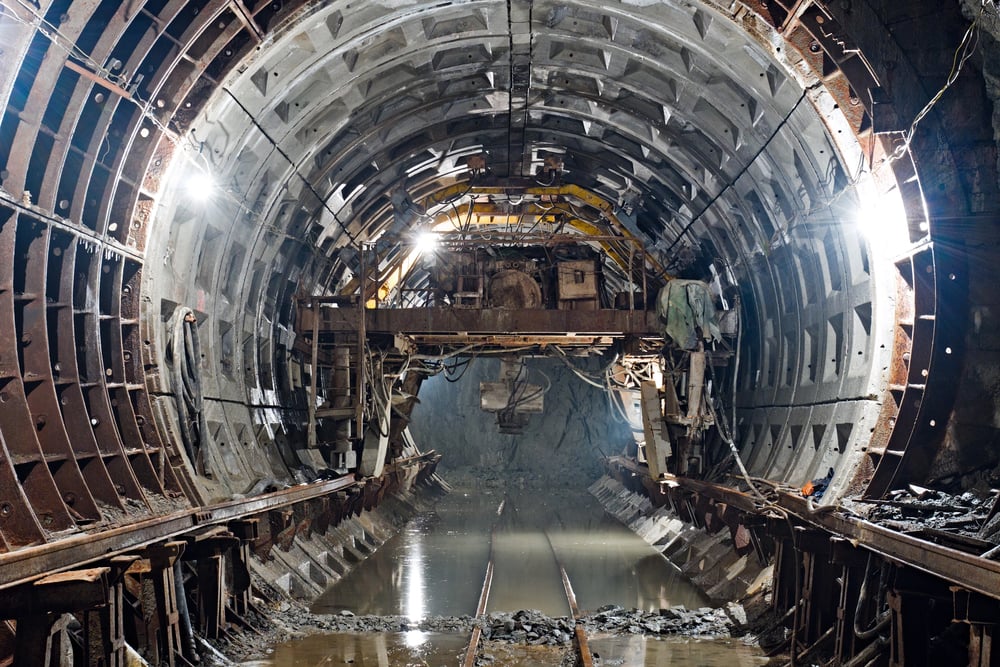
Started in 1970, this massive underground aqueduct project was originally planned for completion in the 1980s. Budget cuts and technical difficulties stretched the timeline repeatedly, with some sections abandoned or redesigned over the decades.
Parts of the original plan were permanently shelved, while others were incorporated into revised plans that continue to this day in what has become America’s longest ongoing infrastructure project.
Foamhenge

While not a traditional infrastructure project, this full-scale Stonehenge replica made from styrofoam was created as a quirky roadside attraction in Virginia. The installation was abandoned at its original location when land ownership changed, leaving the massive foam monoliths to deteriorate.
Unlike other projects on this list, Foamhenge eventually found new life when it was relocated to a different site years later.
Chicago Spire

Planned as the tallest building in the Western Hemisphere, this ambitious 2,000-foot residential tower broke ground in 2007. The 2008 financial crisis halted construction after only the foundation hole was completed.
The massive circular excavation sat water-filled for years, nicknamed “the bathtub” by locals before development rights changed hands. The original super-tall design was permanently abandoned despite the millions spent on site preparation.
Alaska’s “Bridge to Nowhere”
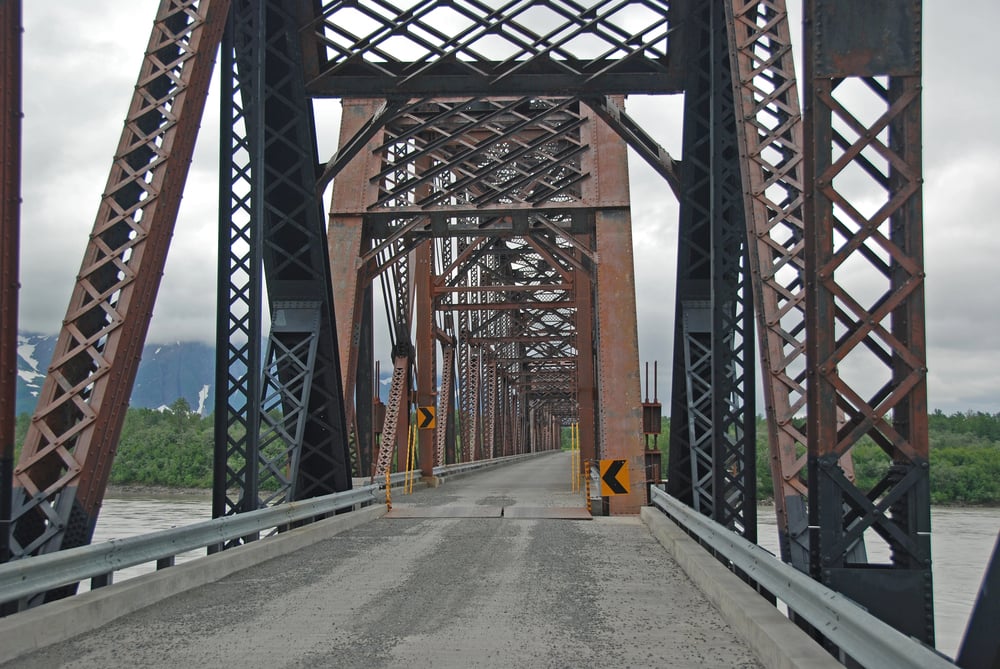
This infamous project proposed connecting the small town of Ketchikan to its airport on Gravina Island. Congress initially approved $223 million for the bridge in 2005, but after public outcry about the expense for so few residents, the earmark was removed.
The approach roads were partially built before the bridge itself was abandoned, leaving infrastructure that quite literally leads nowhere.
Detroit’s Michigan Central Station

This magnificent Beaux-Arts train station operated from 1913 until Amtrak discontinued service in 1988. Multiple redevelopment efforts were abandoned midway through the 1990s and 2000s as the building continued to deteriorate.
While Ford Motor Company purchased the building in 2018 for renovation, several previous redevelopment attempts left behind partially completed infrastructure changes throughout the massive structure.
Seattle Commons

This ambitious plan would have transformed 61 acres of downtown Seattle into a massive public park surrounded by cultural institutions. Property acquisition began and initial infrastructure development started in the early 1990s.
Voters rejected funding measures twice, eventually causing the project to be abandoned despite millions spent on planning and property purchases.
American Dream Meadowlands

This massive New Jersey retail and entertainment complex began construction in 2004 but faced repeated delays and changes in ownership. The colorful, partially-built structure sat visible from major highways for years during multiple work stoppages.
While eventually completed in altered form after 16 years, several major sections of the original design were permanently abandoned, with some partially-built areas demolished to make way for redesigned facilities.
Monuments to What Might Have Been

These abandoned infrastructure projects represent more than just failed construction. They embody changing priorities, economic realities, and the evolution of American values regarding public works.
The concrete remnants and forgotten plans serve as reminders that even our grandest visions sometimes remain unfinished. Perhaps most importantly, they demonstrate how communities reclaim and reimagine spaces when original plans fall through, turning abandonment into opportunity for something new.
More from Go2Tutors!

- The Romanov Crown Jewels and Their Tragic Fate
- 13 Historical Mysteries That Science Still Can’t Solve
- Famous Hoaxes That Fooled the World for Years
- 15 Child Stars with Tragic Adult Lives
- 16 Famous Jewelry Pieces in History
Like Go2Tutors’s content? Follow us on MSN.



