Historic Inventions That Failed at First
Not every great idea takes off right away. Some of the most important inventions we use today started out as complete flops, rejected by the public or ignored by investors who couldn’t see their potential.
These early failures teach us that timing, presentation, and a bit of luck matter just as much as the idea itself. So let’s take a look at some inventions that stumbled before they soared. You might be surprised at how many everyday things almost never made it.
The Telephone

Alexander Graham Bell’s telephone seemed like a joke to most people when it first appeared in 1876. Western Union, one of the biggest communication companies at the time, turned down the chance to buy the patent for just $100,000 because they thought it was nothing more than a toy.
Even Bell himself struggled to convince people that talking through a wire had any real use. It took years of demonstrations and improvements before businesses and homes started installing phone lines, and by then, Bell’s company had become one of the most valuable in the world.
The Zipper

When Whitcomb Judson introduced his ‘clasp locker’ in 1893, almost nobody wanted it. The early versions jammed constantly, broke easily, and were harder to use than buttons.
Judson tried to market them for shoes, but people found them unreliable and annoying. It wasn’t until Gideon Sundback redesigned the mechanism in 1913 and the B.F. Goodrich Company used it on rubber boots that the zipper finally caught on.
Even then, it took another decade before clothing manufacturers trusted it enough to replace buttons.
The Personal Computer
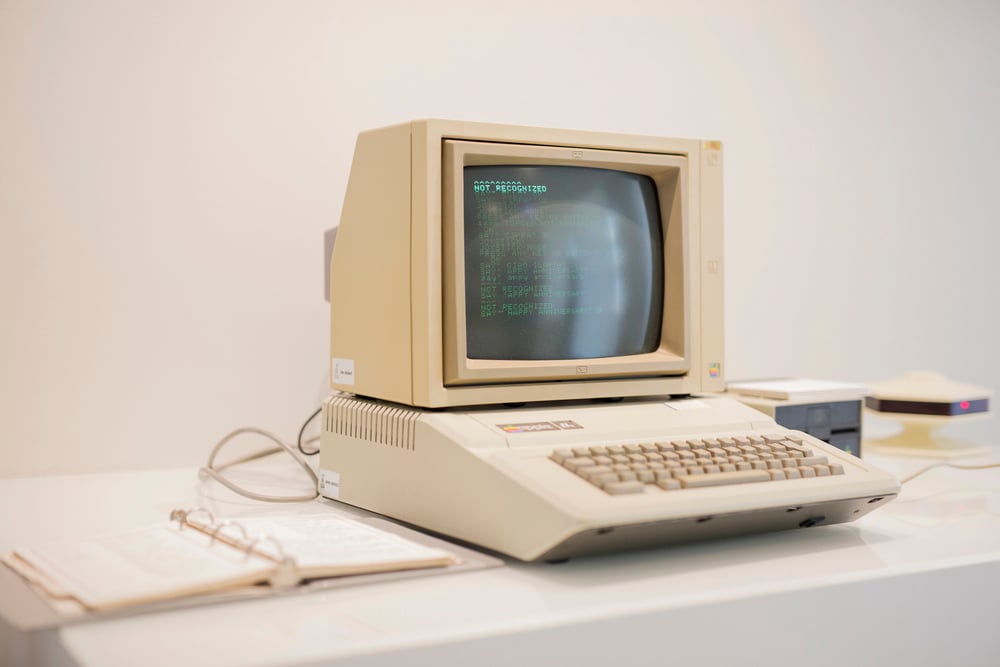
Steve Jobs and Steve Wozniak couldn’t give away their first computer design in 1976. They pitched it to Atari and Hewlett-Packard, but both companies said no one would ever want a computer at home.
The Apple I sold only about 200 units, mostly to hobbyists who had to assemble it themselves. Most people saw computers as massive machines for businesses and universities, not something that belonged in a living room.
The idea only started making sense to the public after the Apple II came out with better graphics and a more user-friendly design.
The Fax Machine
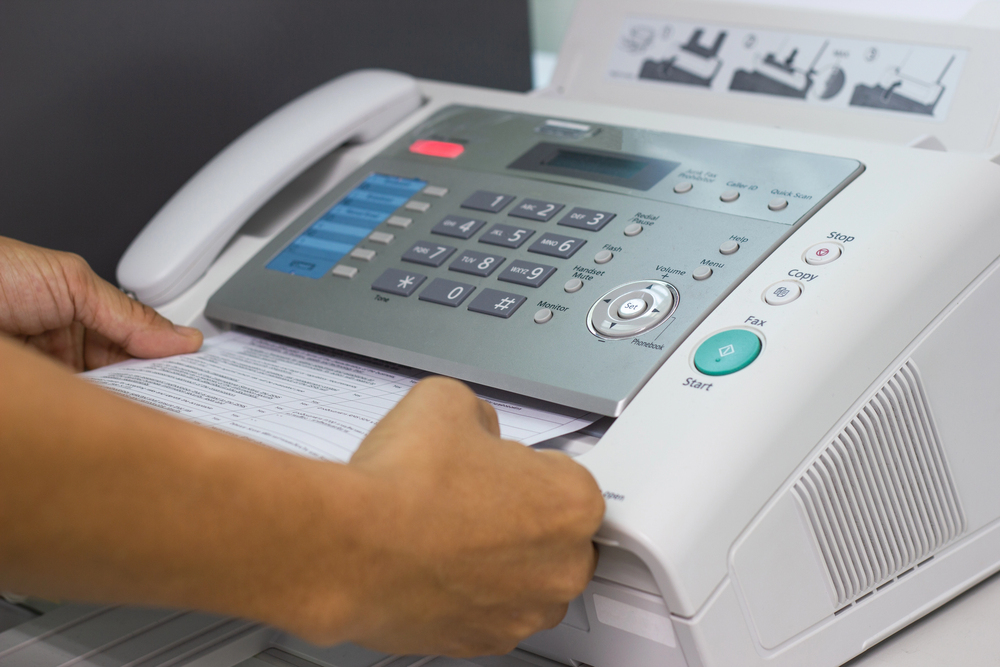
Alexander Bain invented the fax machine in 1843, but it sat unused for over a century. The technology worked, but there was no network to send faxes through and no one else had a machine to receive them.
Early versions required special paper and took forever to transmit a single page. By the time telephone lines became common enough to make faxing practical, people had mostly forgotten about the invention.
It wasn’t until the 1980s that fax machines finally became standard office equipment.
Electric Cars

Electric vehicles were actually more popular than gas-powered cars in the early 1900s, but they disappeared almost completely by the 1920s. The batteries were heavy, expensive, and didn’t hold much charge, so drivers couldn’t go very far before needing to recharge.
Gasoline became cheap and widely available, and Henry Ford’s assembly line made gas cars affordable for average families. Electric cars became a forgotten curiosity until environmental concerns and better battery technology brought them back decades later.
The Microwave Oven
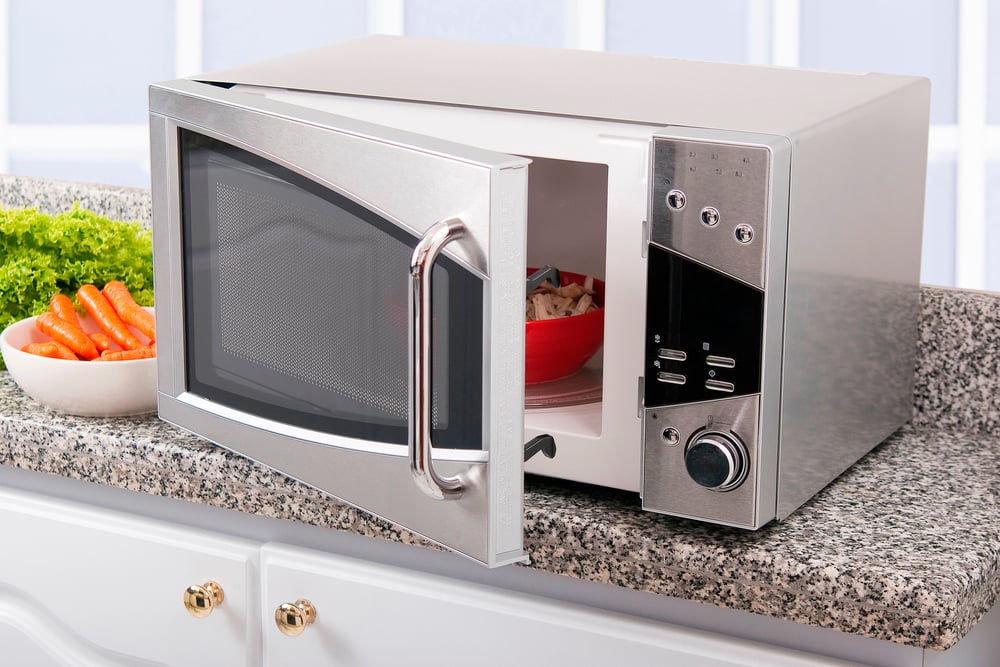
Percy Spencer accidentally discovered microwave cooking in 1945, but the first commercial microwave was a disaster. The Radarange stood over five feet tall, weighed 750 pounds, and cost about $5,000, which would be over $70,000 today.
Restaurants and ships bought a few, but home cooks wanted nothing to do with a giant machine that cooked food with invisible waves. It took 20 years of shrinking the size and dropping the price before microwaves became a common kitchen appliance.
The Post-it Note

Spencer Silver created a weak adhesive at 3M in 1968, but the company had no idea what to do with glue that barely stuck. They shelved the invention for years because it seemed useless compared to their strong adhesives.
Art Fry, another 3M employee, finally found a use for it in 1974 when he needed bookmarks that wouldn’t fall out of his hymnal at church. Even then, the company was skeptical and only started selling Post-it Notes after giving away free samples convinced people they actually needed them.
The VCR
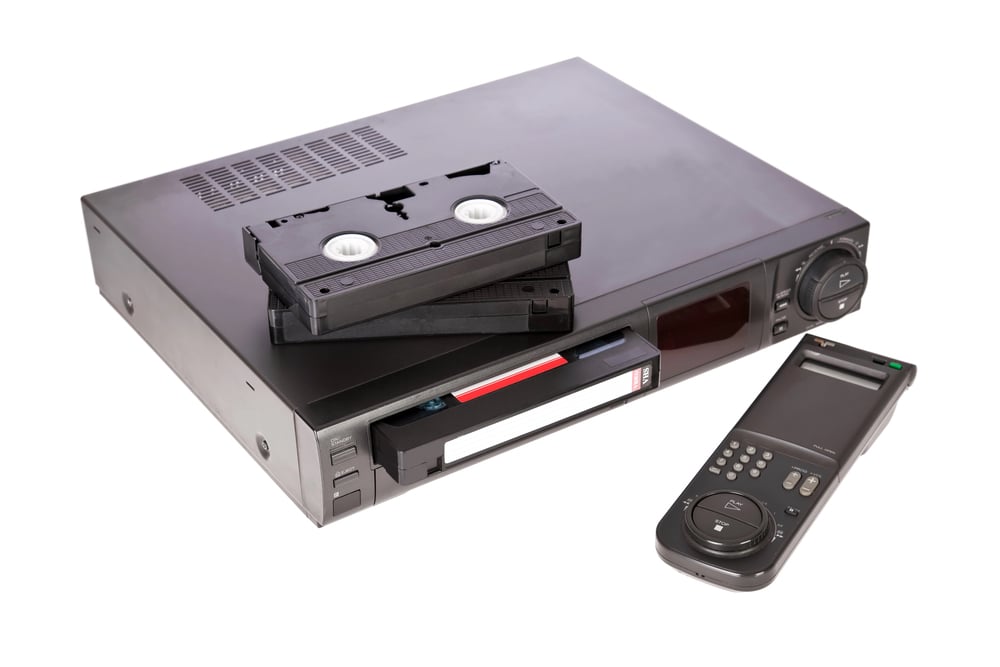
The first video cassette recorders hit the market in the 1950s, but they were too expensive and complicated for anyone to care about. Early models cost thousands of dollars and required technical knowledge to operate properly.
The tapes themselves were expensive and fragile, and there wasn’t much content available to record anyway. Sony and JVC kept improving the technology through the 1960s and 1970s, and the VCR didn’t become a household item until the 1980s when prices dropped and video rental stores appeared.
The Light Bulb

Thomas Edison didn’t invent the first light bulb, and the early versions were terrible. They burned out in minutes, cost too much to produce, and nobody had electrical systems in their homes to power them.
Edison tested thousands of materials before finding a filament that lasted long enough to be practical. Even after he succeeded in 1879, most people kept using gas lamps because electricity was new and scary.
Cities had to build entire power grids before electric lights could replace older lighting methods.
The Helicopter

Igor Sikorsky spent years trying to build a working helicopter, but his first attempts in 1909 couldn’t even lift off the ground. The machines were unstable, dangerous, and burned through fuel without going anywhere.
He gave up and spent decades designing airplanes instead before returning to helicopters in the 1930s. His early models still crashed frequently and nobody trusted them for transportation.
The military started using helicopters during World War II, but they didn’t become reliable enough for civilian use until the 1950s.
The Dishwasher
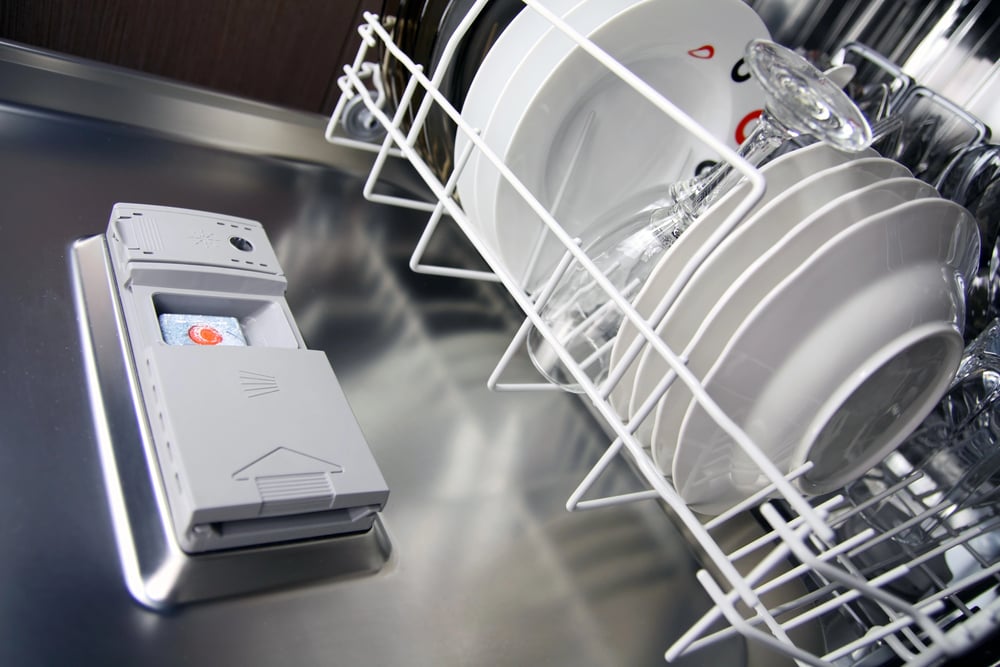
Josephine Cochrane invented a practical dishwasher in 1886, but almost nobody bought one. The machines were expensive, required plumbing connections that most homes didn’t have, and many people thought washing dishes by hand was easier and cheaper.
Hotels and restaurants bought a few models, but home sales were almost zero. The invention sat on the market for decades before suburban homes in the 1950s started getting built with the necessary plumbing and electricity to make dishwashers worthwhile.
The Digital Camera
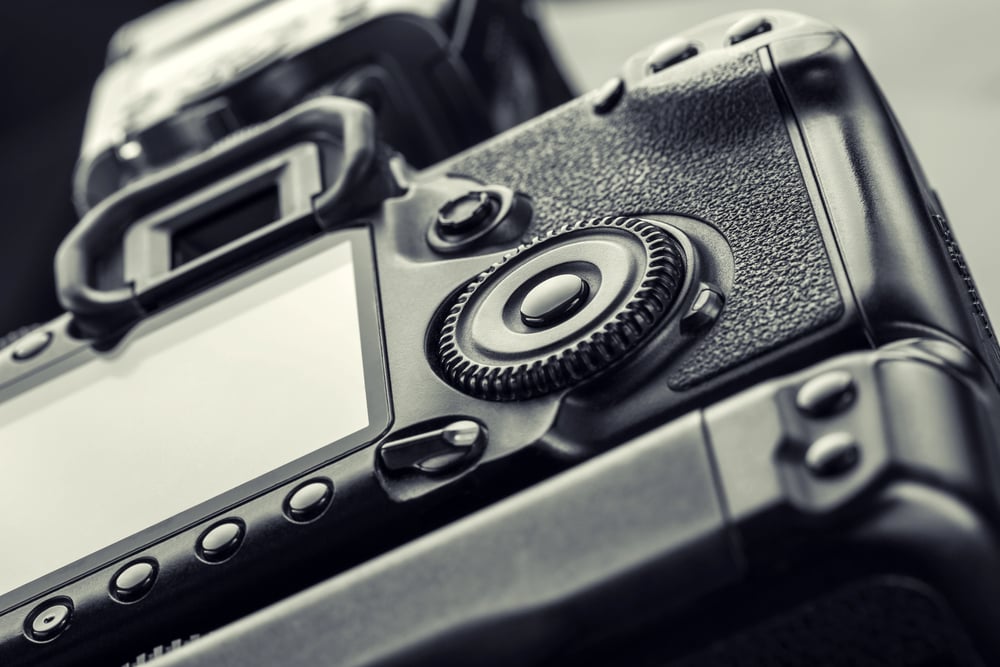
Kodak engineer Steven Sasson built the first digital camera in 1975, but his own company rejected it. The camera weighed eight pounds, took 23 seconds to capture a black-and-white image, and the quality was terrible compared to film.
Kodak worried that digital photography would hurt their film and printing business, so they buried the invention. By the time digital cameras became popular in the 2000s, Kodak had lost its chance to dominate the market and eventually went bankrupt.
The ATM

The first automated teller machine appeared in 1967, but customers hated it. People didn’t trust machines with their money and banks worried about theft and mechanical failures.
Early ATMs could only dispense cash and required special vouchers instead of cards. Most customers preferred dealing with human tellers who could handle complex transactions and answer questions.
Banks slowly added more ATMs through the 1970s, and they didn’t become truly popular until 24-hour banking became normal.
The Pocket Calculator

Early pocket calculators in the 1970s cost several hundred dollars and could only do basic math. Most people already owned slide rules or could do arithmetic on paper, so spending that much money seemed ridiculous.
Businesses bought some units, but regular customers stayed away. Texas Instruments and other companies kept improving the technology and cutting prices until calculators became cheap enough for students.
By the 1980s, they were everywhere, but the first models sat in stores gathering dust.
The Ballpoint Pen

László Bíró invented the modern ballpoint pen in 1938, but it failed completely at first. The ink either leaked everywhere or dried up in the tube, ruining clothes and making writing impossible.
The pens cost much more than fountain pens and didn’t work any better. World War II pilots started using them because fountain pens leaked at high altitudes, which finally gave the invention some credibility.
Manufacturers spent years fixing the ink formula and design before ballpoint pens became cheap and reliable enough to replace other pens.
The Instant Camera
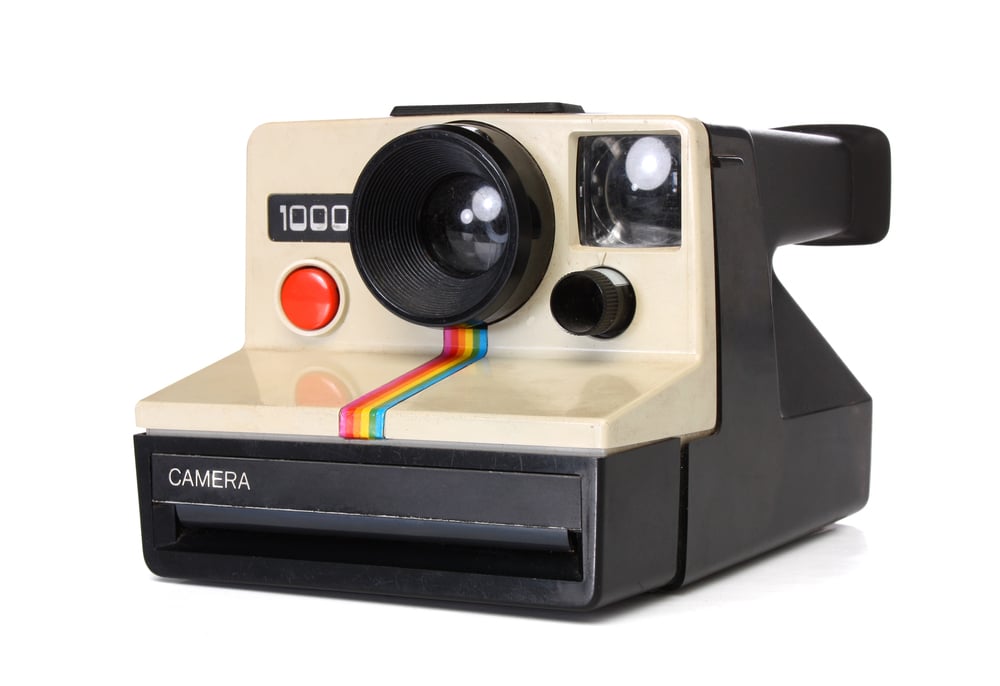
Edwin Land demonstrated his instant camera in 1947, and people thought it was a gimmick. The Polaroid camera was expensive, the film cost even more, and the picture quality couldn’t match regular photography.
Professional photographers dismissed it as a toy, and most consumers didn’t see the point of instant pictures when regular developing only took a few days. The camera found a niche market with people who needed immediate results, but it didn’t become truly popular until the 1960s when Land improved the quality and marketed it for family snapshots.
The Automobile
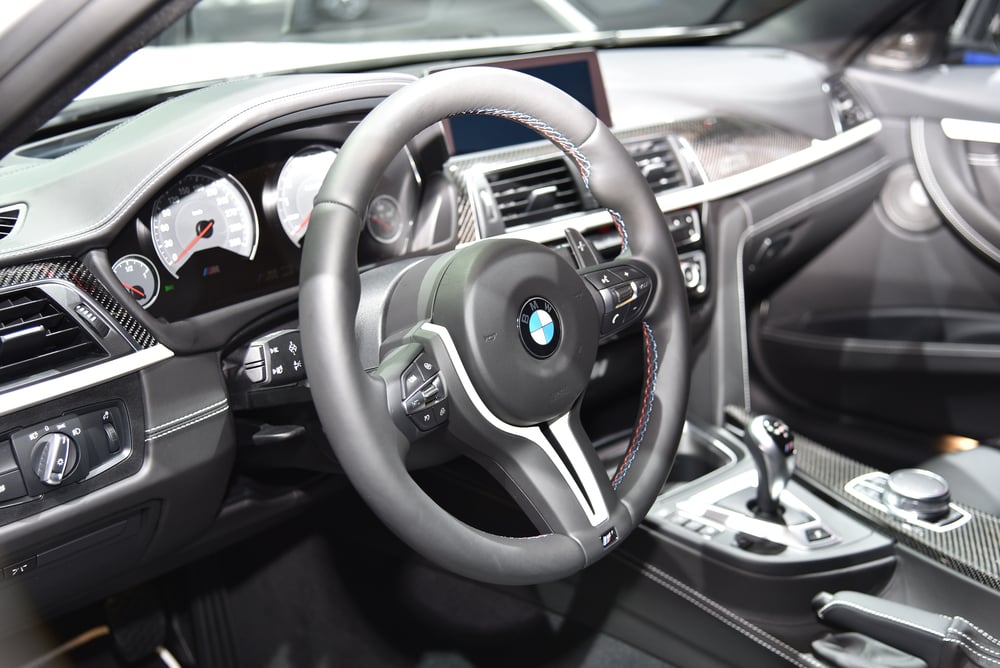
Back in 1885, Karl Benz put together his first car – most folks thought it was pointless. Horses could still outrun the thing, parts kept failing, plus only a few could afford one.
Roads weren’t made for engines; they suited hooves and wheels pulled by animals instead. Trying to travel felt bumpy, tricky, nothing like smooth progress.
City rules often blocked cars – they startled horses, added loud clatter where quiet used to be. Only after Henry Ford sped up production and roads got better did machines slowly take over from steeds.
The Home Video Game Console

Home gaming started with Ralph Baer’s invention back in 1972, though the Magnavox Odyssey flopped. Simple gameplay marked its experience, visuals felt rough, yet folks struggled to see value in tossing cash at rudimentary screen fun.
Marketing missteps piled up; buyers believed only Magnavox televisions could run it. A little later, Atari offered Pong – things improved slightly – but real momentum waited till the late 70s and early 80s.
Then, games grew engaging while prices dropped enough to pull players in.
From Flop to Foundation

Proof lies in those broken attempts – pioneering never promised victory. Sticking around past scorn, some creators kept pushing anyway, reshaping everything slowly, step by heavy step.
What feels cutting edge now could become common decades later – or vanish without trace, simply arriving ahead of its time. Walk far
More from Go2Tutors!

- The Romanov Crown Jewels and Their Tragic Fate
- 13 Historical Mysteries That Science Still Can’t Solve
- Famous Hoaxes That Fooled the World for Years
- 15 Child Stars with Tragic Adult Lives
- 16 Famous Jewelry Pieces in History
Like Go2Tutors’s content? Follow us on MSN.



