15 Times a System Was Designed for Control and Ended in Chaos
Control tempts us like a mirage on the desert horizon. Throughout history, human beings have built complex systems to exert control, predict outcomes, and guide human action. But these carefully designed systems have a way of collapsing in spectacular ways, demonstrating how tenuous our grip on complexity is.
Following are 15 sensational examples of attempts at exerting control that unraveled into unanticipated chaos, demonstrating how the law of unintended consequences operates in the real world.
The Soviet Five-Year Plans

Stalin’s economic planning system aimed to rapidly transform the Soviet Union through centralized control. Rigid production quotas and wildly optimistic targets prompted widespread falsification of data – managers couldn’t possibly meet impossible goals.
The dysfunctional economy that emerged produced mountains of unusable goods while agricultural planning triggered devastating famines killing millions across Ukraine and elsewhere.
China’s Four Pests Campaign

Mao Zedong ordered the elimination of sparrows in 1958 as part of his Four Pests Campaign. He believed these birds consumed grain needed by humans. The ecological impact hit fast and hard. Without sparrows keeping insects in check, locust populations exploded, contributing directly to the Great Chinese Famine that claimed somewhere between 15 and 45 million lives.
Instead, a system meant to boost food security created one of history’s deadliest hunger crises.
Prohibition in America

The 18th Amendment was supposed to reduce crime and improve public health by banning alcoholic beverages. Instead, it spawned a massive underground economy while empowering organized crime syndicates – Al Capone didn’t get rich selling milk.
This attempt to legislate morality created a more lawless society, with speakeasies multiplying in every city and bootlegging becoming practically a national industry until repeal finally came in 1933.
The Facebook Algorithm

Facebook’s algorithm was created to maximize user engagement – simple enough goal. What nobody planned for was how it would create filter bubbles that reinforced existing beliefs and amplified divisive content.
A system designed to connect people morphed into one that often drove them apart. The platform’s governance mechanisms couldn’t keep pace with its influence on elections or its role in spreading misinformation, eventually leading to uncomfortable congressional hearings.
Cobra Effect in Colonial India

British authorities in Delhi offered bounties for dead cobras to reduce the snake population – seemed logical enough. Soon, enterprising locals began breeding cobras specifically to collect rewards.
When officials discovered this scheme and ended the program, breeders released thousands of now-worthless snakes, resulting in far more cobras than before the intervention. This perfect example of perverse incentives now lends its name to similar backfiring policies.
Easter Island Resource Management

The Rapa Nui people created a sophisticated social structure based on competitive statue construction; prestige derived from larger monuments. Driven by status, this method caused significant deforestation as trees vanished for statue transit.
Environmental destruction came next and started wars for declining resources and population decline. A whole society structured upon religious control and prestige rivalry unwittingly wrecked its natural basis.
German Hyperinflation

In an attempt to limit debt through currency manipulation, German authorities minted money to pay war reparations after World War I. By 1923, money was all but worthless as prices doubled every few days. People witnessed their life savings vanish overnight, burned cash for warmth, and carried currency in wheelbarrows.
Extremist political movements flourished in the years that followed, in part because of this economic disaster.
Centralized Water Management in Aral Sea
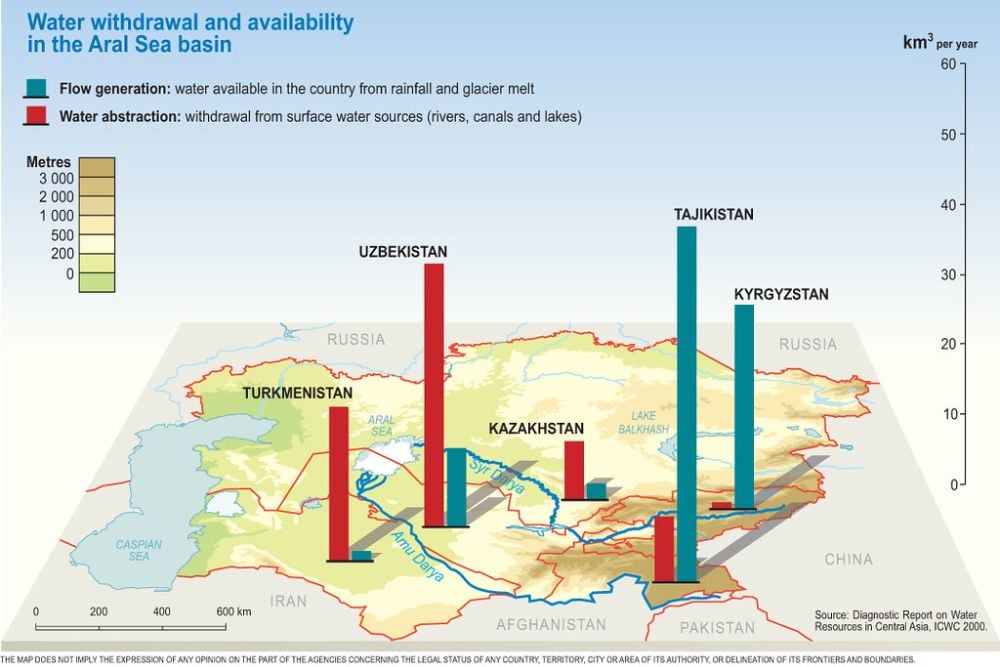
Starting in the 1960s, Soviet planners diverted rivers feeding the Aral Sea to irrigate cotton fields. This ambitious agricultural project resulted in one of history’s worst environmental disasters.
The once-massive lake shrank to barely 10% of its original size, destroying fishing industries, generating toxic dust storms, and leaving ships stranded in deserts where water once reached the horizon.
The Great Leap Forward

Mao’s attempt to rapidly transform China from an agrarian society into an industrial powerhouse backfired catastrophically. Communal farming policies combined with impractical backyard steel furnaces pulled essential labor away from agriculture.
Officials terrified of punishment reported fictional harvests while actual people starved in villages across the country. A system designed for unprecedented economic advancement instead caused tens of millions of deaths.
Chernobyl Nuclear Plant
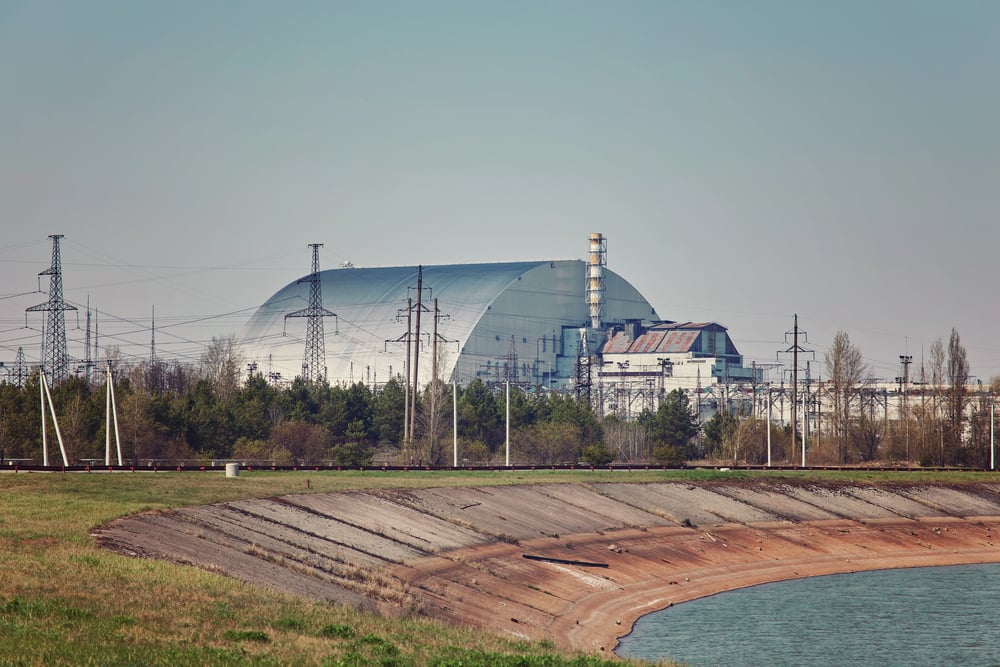
The Chernobyl disaster perfectly illustrates how systems designed for absolute safety can fail spectacularly. A toxic mix of design flaws, operator errors, and institutional secrecy led to history’s worst nuclear accident.
The Soviet system valued compliance over transparency – preventing crucial information sharing that might have prevented disaster. Initial attempts to control public knowledge only magnified the human cost.
The Challenger Disaster

NASA’s decision-making hierarchy prioritized launch schedules despite engineers warning about O-ring failures in cold temperatures. The organizational culture rewarded proceeding with missions rather than raising safety concerns.
This system, originally built to ensure America’s space dominance, resulted in the tragic deaths of seven astronauts when the shuttle broke apart 73 seconds after liftoff in 1986.
Residential Schools for Indigenous Children

Government-sponsored residential schools across North America forcibly removed Indigenous children from their communities to ‘civilize’ them. This systematic attempt to control cultural transmission created generations of trauma, severed family connections, and nearly erased Indigenous languages.
What officials framed as benevolent education functioned as cultural genocide with consequences still reverberating through communities today.
Credit Default Swaps

Financial instruments designed to reduce risk actually amplified it during the 2008 financial crisis. These complex derivatives supposedly distributed risk throughout the financial system but ended up concentrating it in dangerous ways.
Mathematical models predicting their behavior couldn’t account for systemic correlation, while regulatory oversight failed to keep pace with financial innovation, triggering the worst economic downturn since the Great Depression.
Dam Building on the Colorado River

The massive dam projects taming the Colorado River represent impressive engineering designed to control flooding, generate electricity, and store water. Decades later, these same structures have fundamentally altered ecosystems, trapped sediment needed downstream, and now face unprecedented challenges from climate change and drought.
Lake Mead’s receding shoreline serves as a stark reminder of our limited ability to engineer permanent solutions to water management.
Social Credit System

China’s social credit system uses extensive data collection and analysis to encourage trustworthy behavior and discourage rule-breaking. However, this massive social engineering experiment raises serious concerns about algorithmic bias, privacy violations, and chilling effects on personal freedom.
The system designed to create harmony through technological control risks creating new forms of discrimination and surveillance-based oppression.
The Paradox of Control

A common thread runs throughout these examples: systems that attempt to exert tight control often become vulnerable to catastrophic failure. Complex systems resist simplification and respond to intervention in unpredictable ways. From economic planning to ecological management, the pursuit of perfect control frequently produces exactly the opposite result.
The lesson isn’t about abandoning attempts at improvement or organization. Rather, it suggests approaching complex systems with appropriate humility. Acknowledging the limits of our understanding and building adaptability into our institutions might help prevent repeating these costly lessons in our collective future.
More from Go2Tutors!

- The Romanov Crown Jewels and Their Tragic Fate
- 13 Historical Mysteries That Science Still Can’t Solve
- Famous Hoaxes That Fooled the World for Years
- 15 Child Stars with Tragic Adult Lives
- 16 Famous Jewelry Pieces in History
Like Go2Tutors’s content? Follow us on MSN.